

India’s aviation sector buzzed with speculation that Adani Enterprises was preparing to launch an airline. But the conglomerate has now slammed the brakes, declaring it is not evaluating any proposal to enter the airline business. With IndiGo and Air India together controlling nearly 90% of domestic capacity, the duopoly remains unchallenged, at least for now. Adani’s focus stays firmly on airports, cargo, and infrastructure, leaving India’s skies without a new competitor.
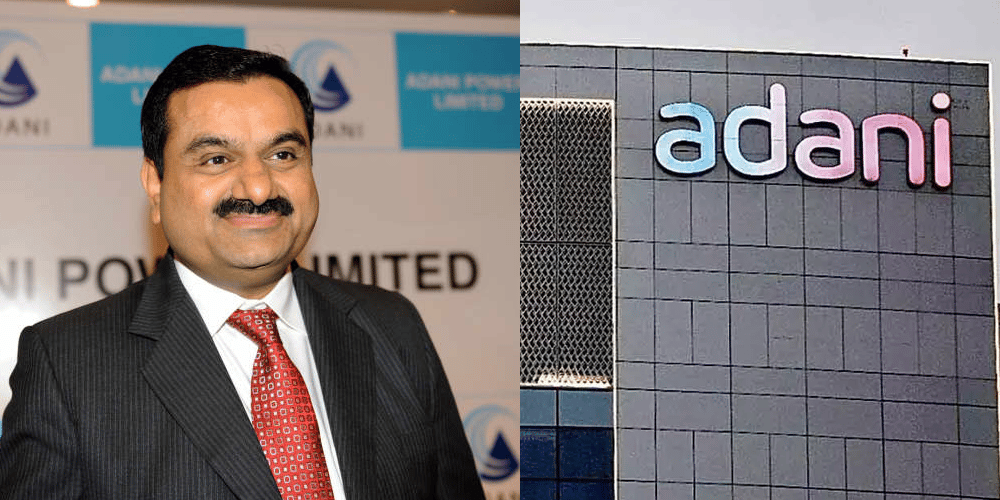
Adani Enterprises has officially denied all speculation about launching an airline, dismissing recent media reports as “baseless and factually incorrect.” In a filing dated July 24, 2026, the company clarified that despite being India’s largest private airport operator, it is not evaluating any proposal to enter the airline business.
Why the Rumours Spread?
Reports suggested Adani was lobbying for changes to rules that bar airport operators from owning more than 10% in an airline.
Speculation linked Adani’s aviation ambitions to a possible partnership with Brazil’s Embraer for aircraft manufacturing.
Market chatter intensified as India’s aviation sector faces a duopoly:
IndiGo: ~60–65% market share
Air India Group: ~25–30% market share Together, they control nearly 90% of domestic capacity.
Adani’s Aviation Footprint (Without Airlines)
Airports Operated: 8 major airports including Mumbai, Ahmedabad, Lucknow, Guwahati, Jaipur, Bengaluru, Thiruvananthapuram, plus the upcoming Navi Mumbai International Airport.
Investments: Over $2 billion planned in airport-linked commercial developments (hotels, retail, offices).
Aviation Services: Cargo handling, ground operations, pilot training, and Cargo handling, ground operations, pilot training, and maintenance infrastructure.
Why Adani Is Staying Out (For Now)?
Thin Margins: Airlines operate on razor-thin profitability compared to infrastructure-heavy businesses.
High Risk: Fuel price volatility, currency depreciation, and cyclical demand shocks (e.g., COVID).
Past Failures: Kingfisher, Jet Airways, Go First — all collapsed under debt and competition pressures.
Adani’s Focus: Building long-gestation assets like airports, ports, logistics hubs, and renewable-powered data centers.
What This Means for India’s Aviation?
No New Challenger Yet: The duopoly of IndiGo and Air India remains intact.
Regulatory Debate Continues: Government may still consider relaxing cross-ownership rules to encourage competition.
Adani’s Strategy: Strengthen aviation infrastructure rather than operate airlines directly.
Runways Over Wings
India’s aviation sector may be soaring, Adani has chosen to double down on its strength in airports, cargo, and infrastructure rather than risk the turbulence of airline operations.
For now, the skies remain firmly under the control of IndiGo and Air India’s duopoly, leaving passengers waiting to see if any new challenger will dare to break through.
Adani’s decision underscores a powerful truth: in India’s aviation industry, building the runways may be safer than flying the planes.
Written by
Vedant BhardwajDiscussion (0)
Sign in to join the discussion.
Loading comments…