
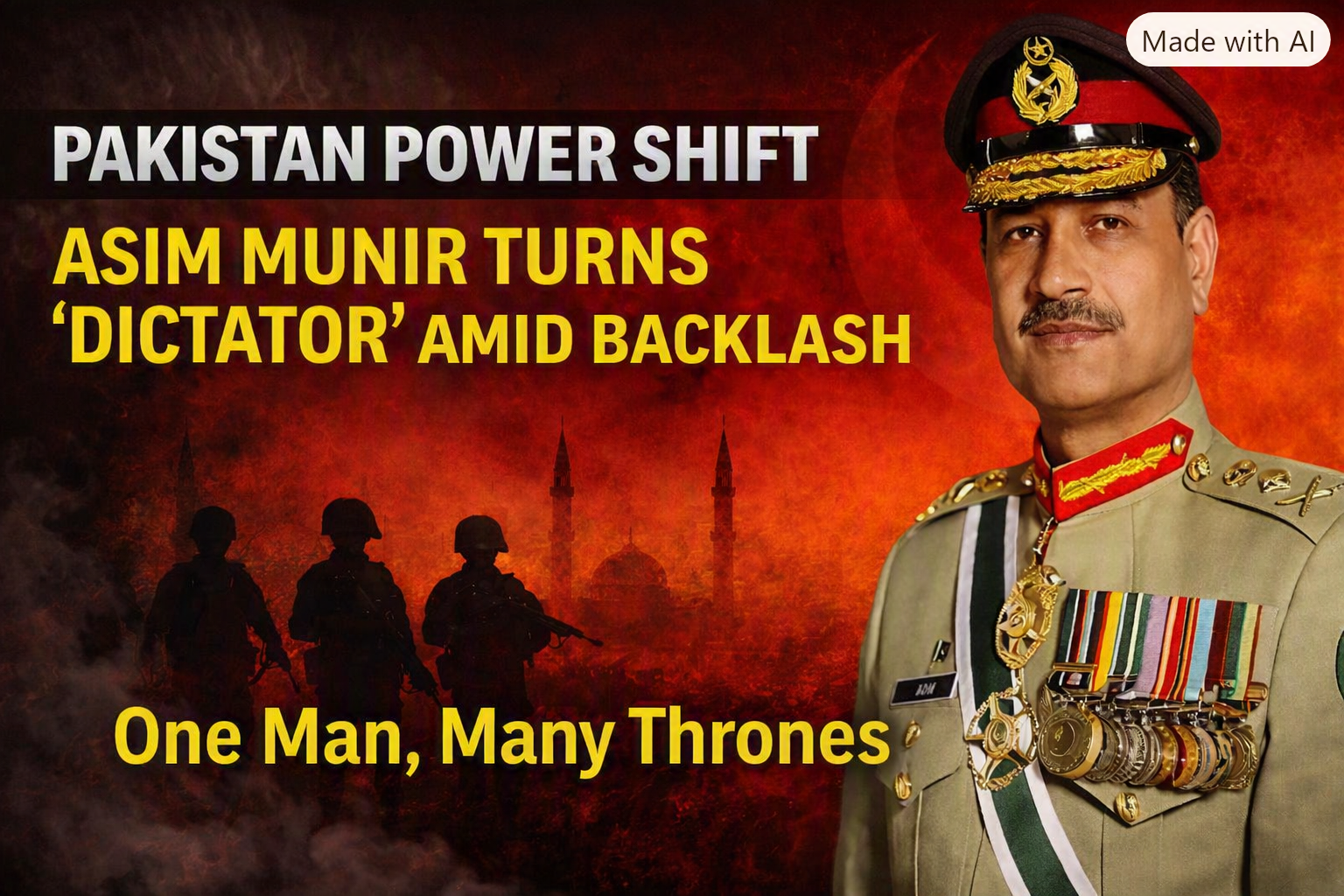
📰 A New Military Order in Pakistan
Unfortunately, the reality is that Pakistan remains our neighbour, and whatever unfolds there inevitably ripples across India. Recently, seismic shifts have taken place in Pakistan’s power structure. General Asim Munir has been handed sweeping new powers; not just as Chief of Army Staff, but now effectively controlling the Navy, Air Force, and even serving as the Prime Minister’s principal military advisor.
This consolidation of authority blurs the lines between civilian leadership and military command, raising questions about Pakistan’s democratic future.
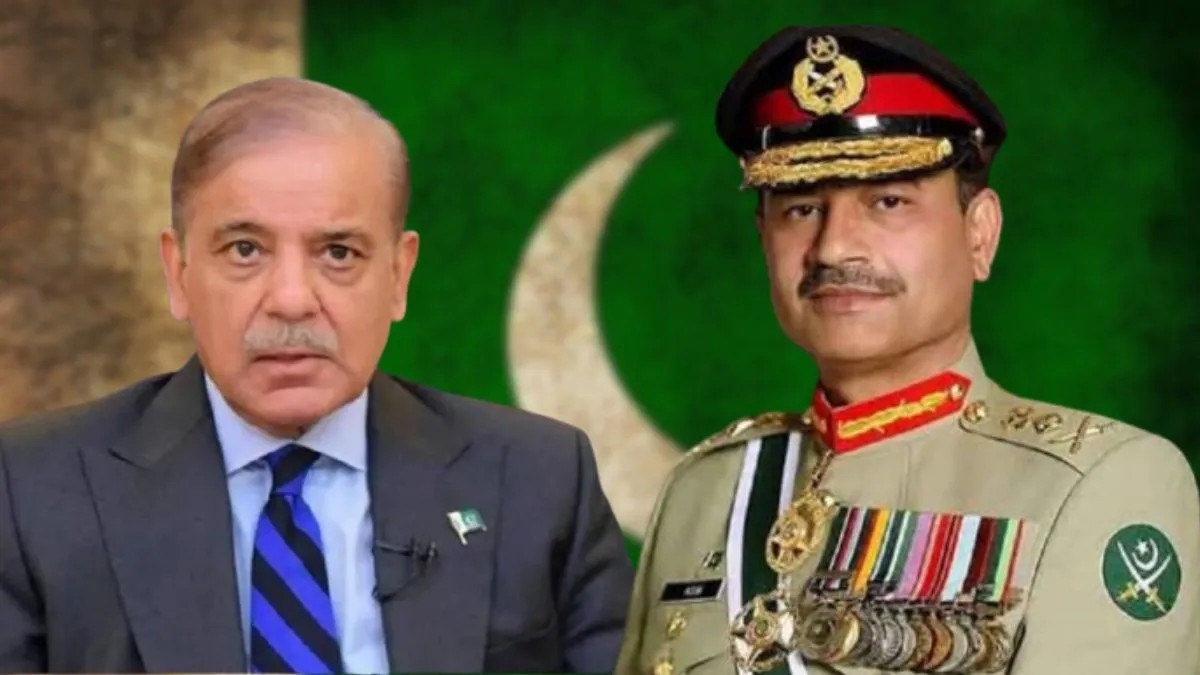
🛡️ One Man, Many Thrones
Asim Munir now wears multiple hats at once, commanding the Defence Forces, leading the Army, holding sway over the Navy and Air Force, and serving as the Prime Minister’s top military adviser.
In short, Munir has become the undisputed strongman of Pakistan’s armed forces.
⚔️ Absolute Command in Uniform: Dictator of Pakistan Armed Forces
Asim Munir now holds the reins over officer appointments, promotions, postings, and removals across the Army, Navy, and Air Force, sparing only the service chiefs. Such sweeping control over Pakistan’s military hierarchy is almost unprecedented since independence in 1947.
🚨 Troop Deployment in Rawalpindi
Just days after Munir’s elevation, Pakistan deployed three army companies (roughly 600 soldiers) in Rawalpindi, the headquarters of its military establishment. Officially, this was justified under Article 245 of Pakistan’s Constitution for “sensitive security duties.” But the timing suggests deeper concerns:
Possible political backlash against Prime Minister Shehbaz Sharif’s government.
Rising anti-military sentiment fueled by Imran Khan’s supporters.
Internal military dissent, as not everyone is pleased with Munir’s unchecked authority.
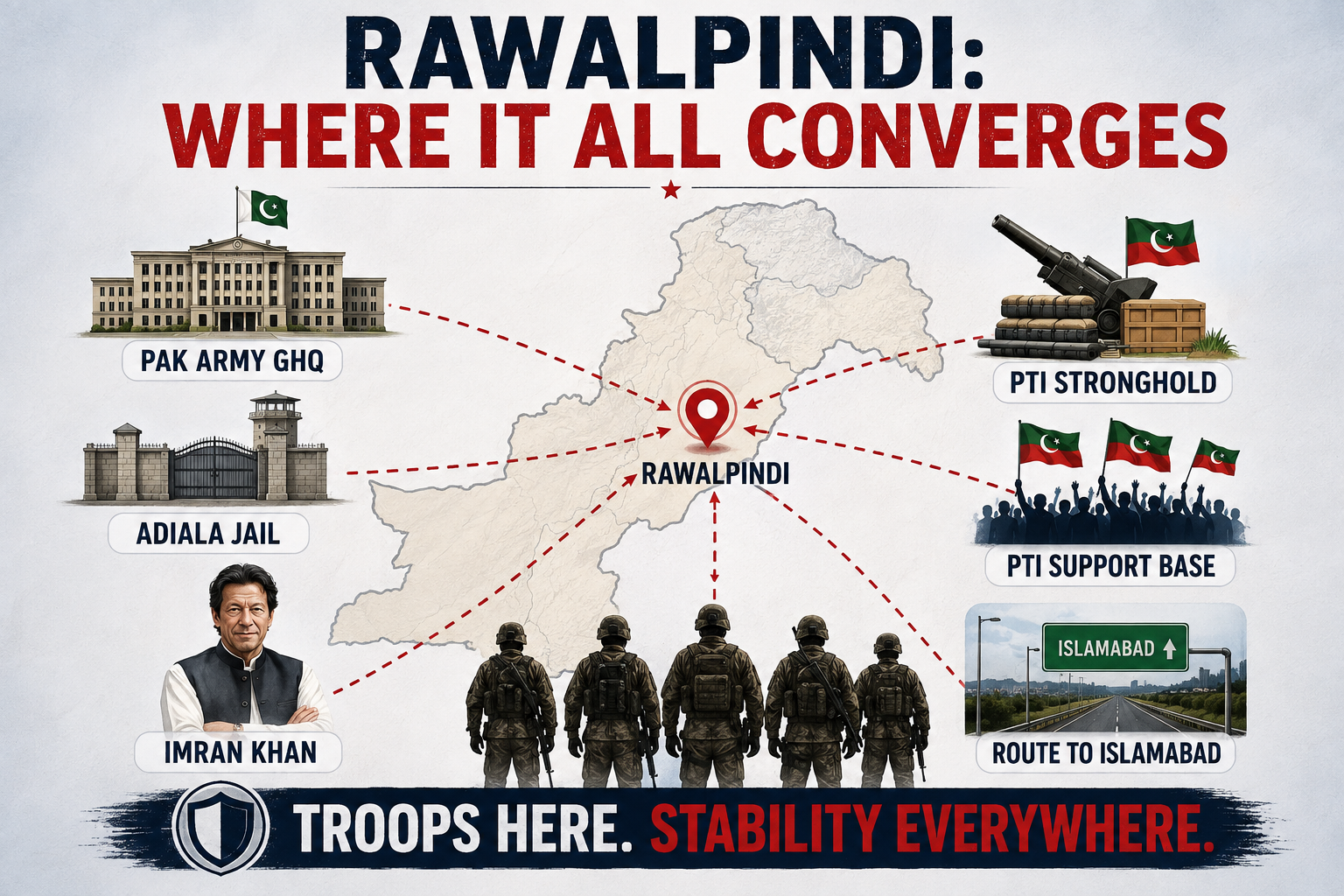
Rawalpindi isn’t just another city; it’s the nerve center of Pakistan’s military power. With the Army’s General Headquarters based here, troop movements in Rawalpindi carry far greater weight than deployments anywhere else, signaling shifts at the very heart of Pakistan’s command structure.
🔥 Imran Khan Factor
Rawalpindi is also home to Adiala Jail, where former PM Imran Khan is imprisoned. His party, Pakistan Tehreek-e-Insaf (PTI), has announced a massive march toward Islamabad on September 27. This mobilization could trigger:
Street clashes and roadblocks.
Direct protests against the military.
Calls for Khan’s release and better medical/legal access.
The confrontation is not just about one leader; it’s about whether Pakistan will be ruled by elected civilians or remain under military dominance.
🤝 Shifting Tones in PTI’s Power Play
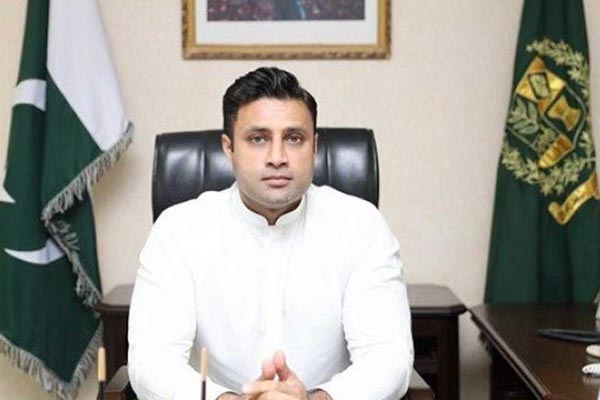
Imran Khan’s aide Zulfiqar Bukhari hinted that confrontation with Asim Munir might not be inevitable. He opened the door to possible reconciliation with Pakistan’s military, a surprising shift given PTI’s long‑standing hostility toward Munir’s command.
⚔️ Civil-Military Tensions: A Historical Pattern
Pakistan’s history is littered with military takeovers — Ayub Khan (1958), Yahya Khan (1969), Zia-ul-Haq (1977), Pervez Musharraf (1999). Even when civilian governments were in power, foreign policy and national security remained firmly under military control. Munir’s rise appears to be the latest chapter in this long saga.
⚡ “Power Without Purpose”
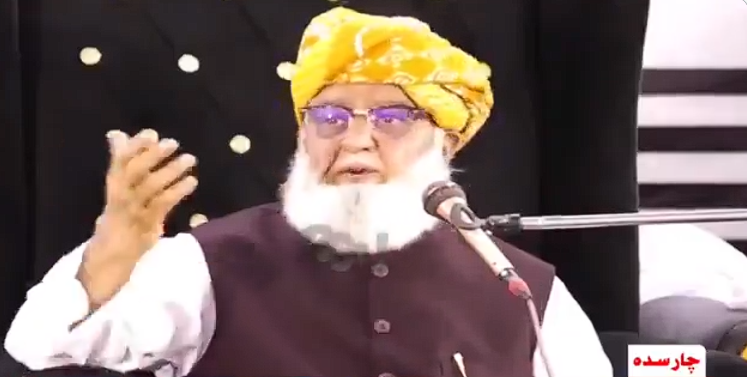
Maulana Fazlur Rehman reminded Asim Munir that Pakistan’s generals had made bold promises before, only to surrender the very next day in 1971. He questioned why the military celebrates while ordinary people continue to suffer, warning that history always unmasks hollow boasts.
🌍 Why India Must Watch Closely
For India, these developments matter because:
Political instability in Pakistan often translates into heightened hostility across the border.
Military dominance could mean aggressive posturing on Kashmir.
Internal unrest may push Pakistan’s leadership to divert attention outward, creating regional volatility.
🚨 Munir’s Tehran Mission
Pakistan’s Army Chief Asim Munir heads to Tehran on Monday, aiming to rekindle stalled U.S.–Iran negotiations and cast Islamabad as a mediator in rising regional tensions.
✅ The Bottom Line
Pakistan stands at a dangerous crossroads today: with Asim Munir consolidating unprecedented military power and Imran Khan’s supporters preparing for mass mobilisation, the stage is set for political upheaval and possible unrest in Rawalpindi. History shows that whenever the military tightens its grip, Pakistan’s democracy weakens, and regional volatility rises.
What do you think - will Pakistan’s military dominance stabilize or destabilize the region?
Written by
Bhavana SharmaDiscussion (0)
Sign in to join the discussion.
Loading comments…