
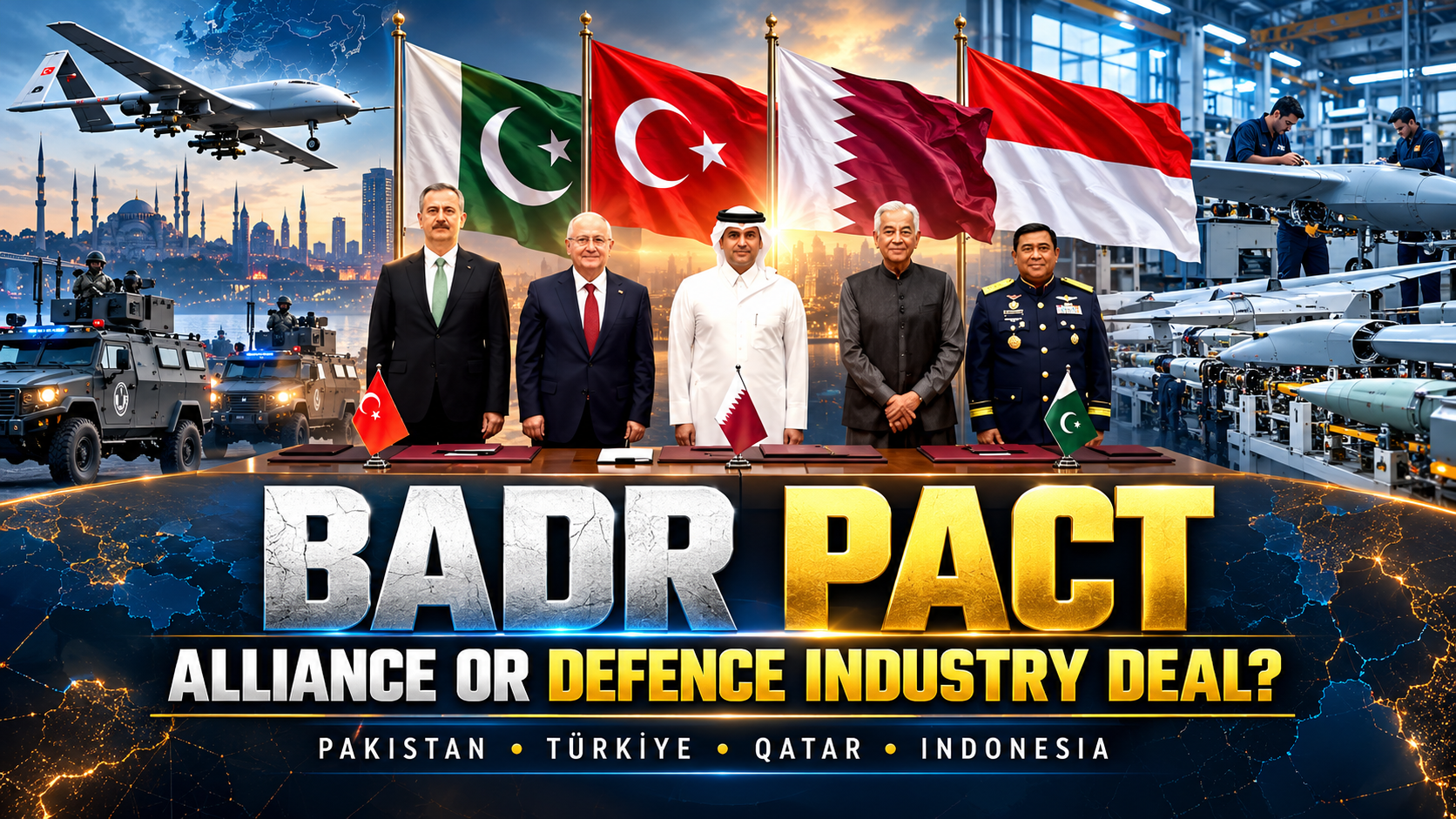
Turkey, Qatar, Pakistan, and Indonesia Join Hands in a Strategic Defence Cooperation Deal. Could This Reshape the Security Landscape of West Asia and the Indo-Pacific?
The geopolitical landscape of the Muslim world appears to be evolving rapidly. Just days after discussions surrounding the much-talked-about Mecca Pact, another major defence cooperation arrangement has emerged on the global stage.
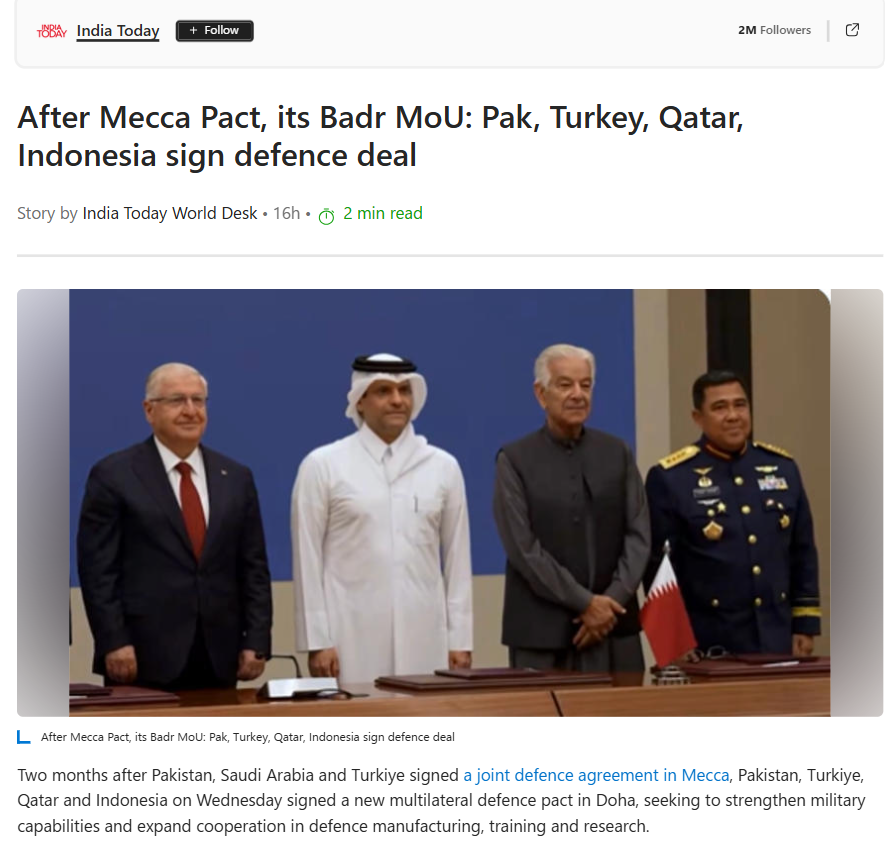
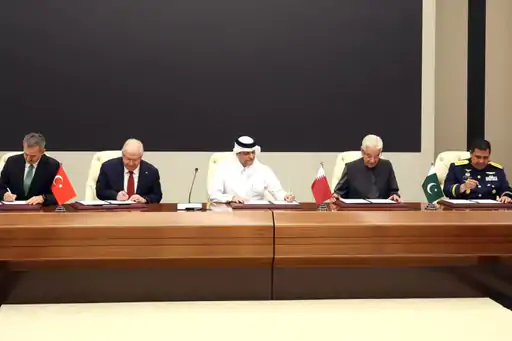
Turkey, Qatar, Pakistan, and Indonesia have signed what is being described as the "Badr Defence Cooperation Accord", raising questions about its true purpose, strategic implications, and potential impact on regional powers such as India.
Is this a military alliance similar to the Mecca Pact? Will member states be obligated to defend one another in case of war? Or is this primarily an industrial and technological defence partnership? Let's break it down.
What Is the Badr Pact?
The newly signed Badr Memorandum of Understanding (MoU) brings together four Muslim-majority nations:
1. Pakistan
2. Turkey
3. Qatar
4. Indonesia
The agreement reportedly emerged after discussions among defence ministers in Doha, Qatar.
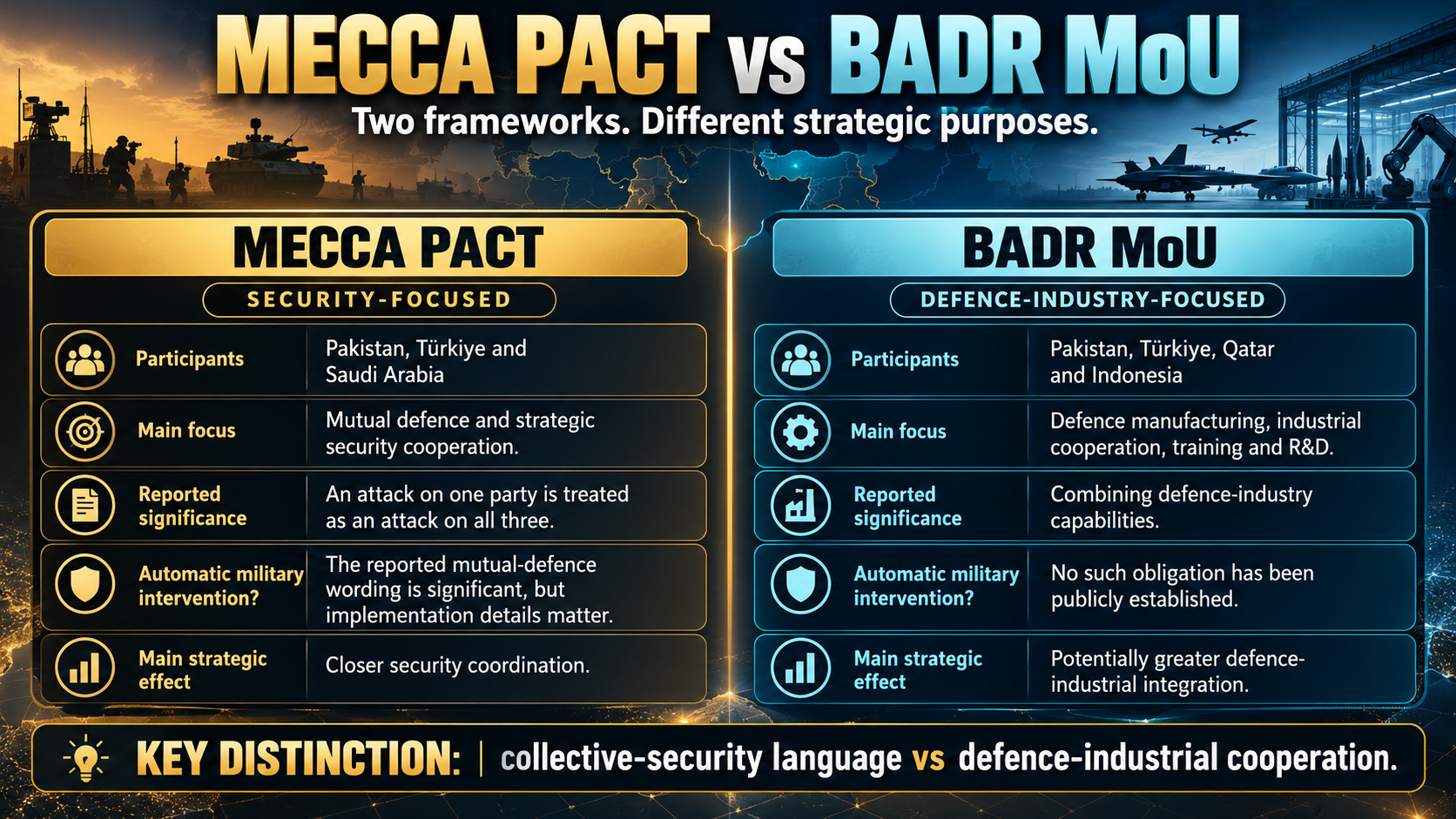
Unlike the Mecca Pact, which is often discussed as a strategic security arrangement, the Badr Pact is currently being presented as a framework focused on defence manufacturing, technology sharing, training, and research collaboration.
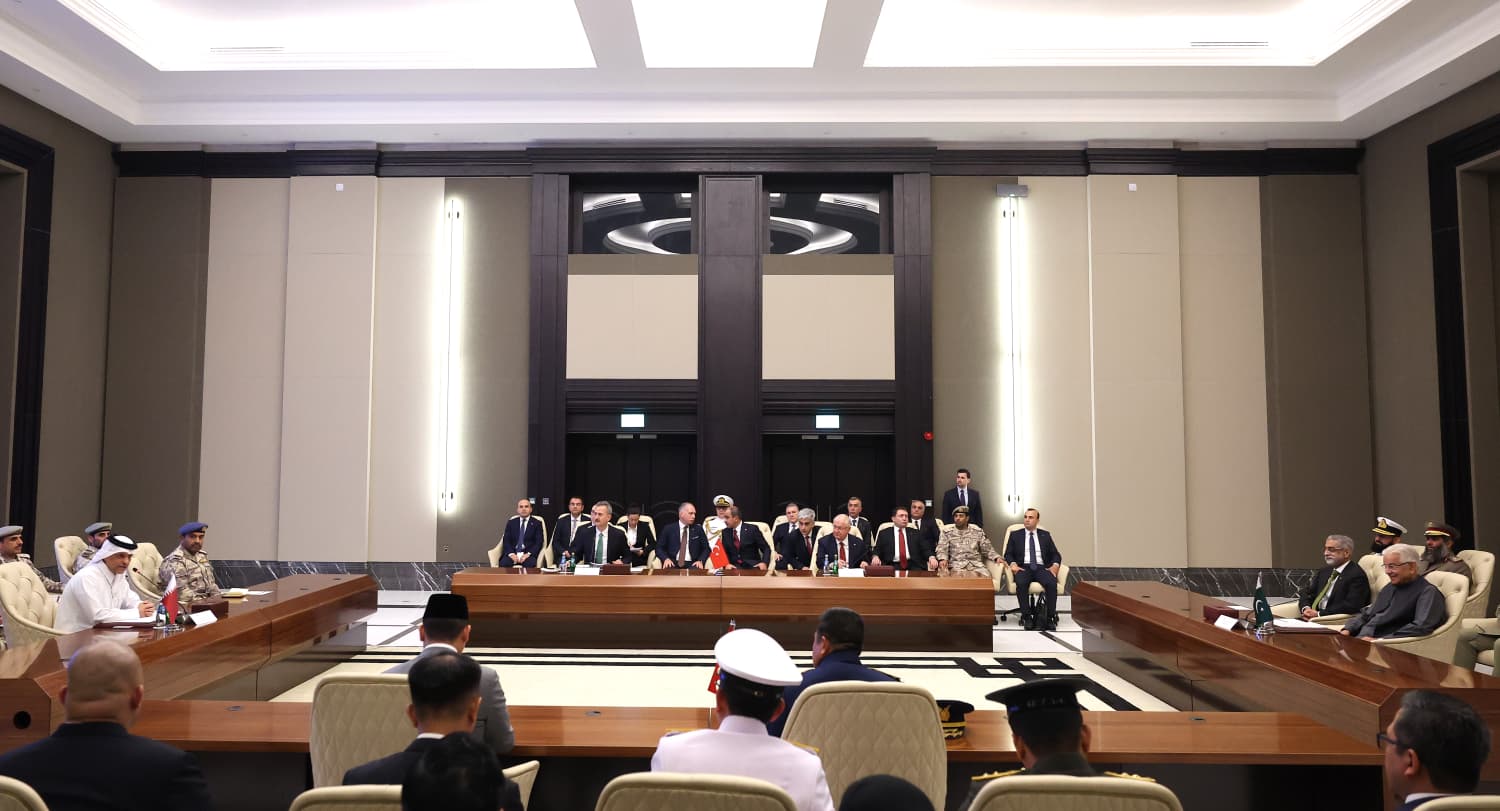
Importantly, an MoU does not automatically make it a military alliance.
Badr Pact vs Mecca Pact: What Is the Difference?
One of the biggest misconceptions surrounding the Badr Pact is that it may function like the Mecca Pact. However, the two arrangements appear to have very different objectives.
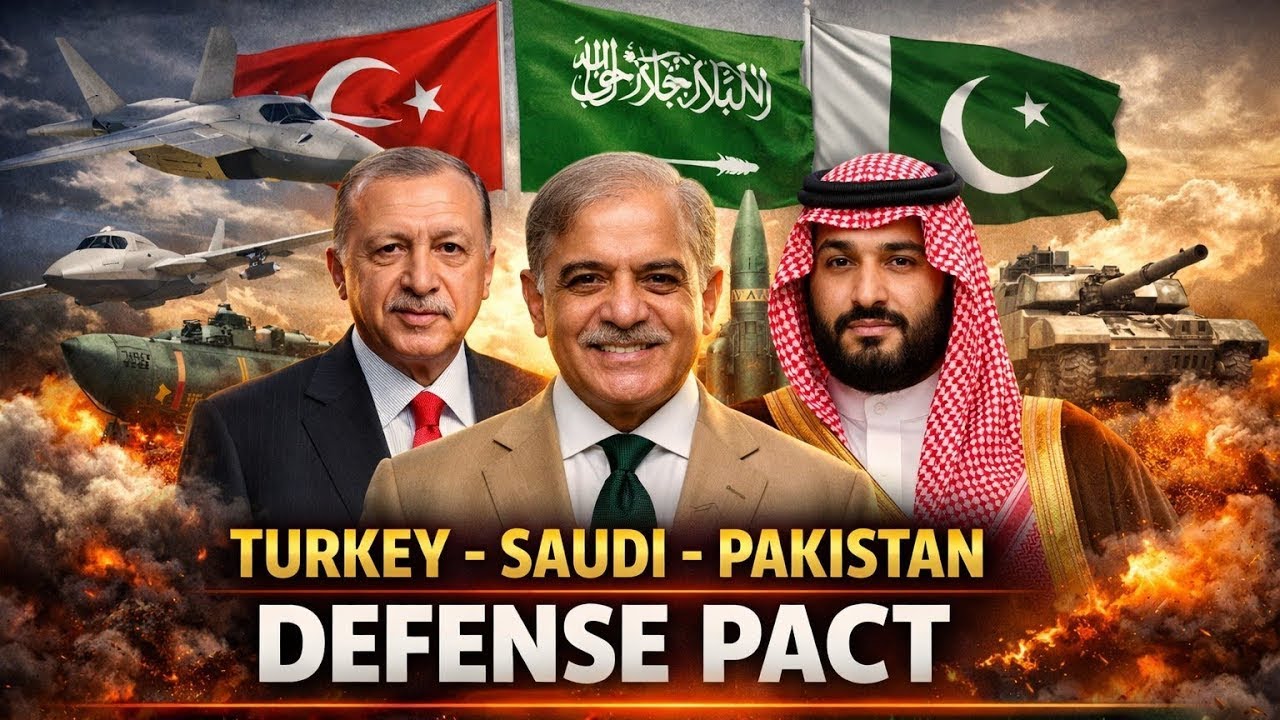
Mecca Pact
1. Focuses on mutual defence and strategic security cooperation.
2. Often described as a military alliance framework.
3. Built around the principle that a security threat to one member could be treated as a threat to all.
Badr Pact
1. Focuses on defence industrial cooperation.
2. Emphasizes joint manufacturing of military equipment.
3. Encourages technology sharing and research partnerships.
4. Includes training programs for engineers, technicians, and military personnel.
5. Does not currently include any mutual defence commitment.
In simple terms, the Mecca Pact is about collective security, while the Badr Pact is about collective defence production.
What Does Each Country Bring to the Table?
The significance of the Badr Pact lies in the complementary strengths of its members.
1. Turkey: Defence Manufacturing Powerhouse
Turkey has emerged as one of the most prominent defence exporters in recent years. Its expertise includes:
a) Armed drones such as Bayraktar UAVs
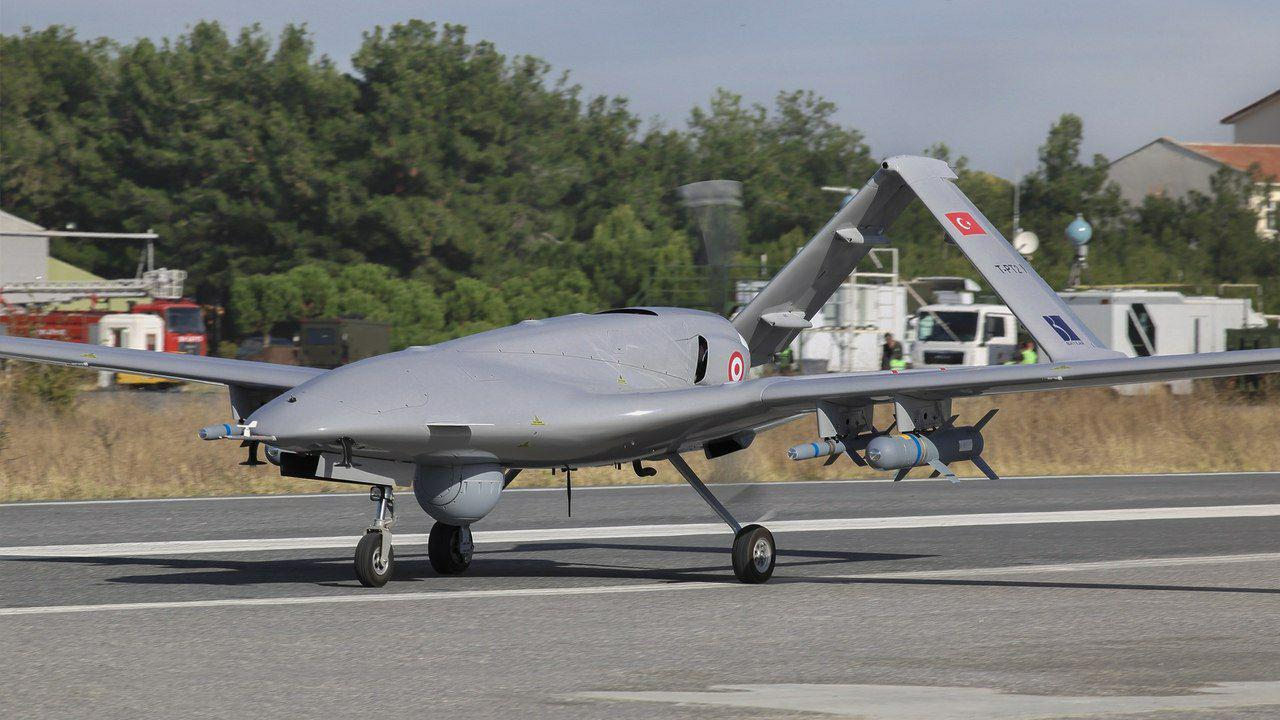
b) Defence electronics
c) Armoured vehicles
d) Naval platforms
e) Advanced military manufacturing systems
Turkey is expected to provide much of the engineering and technological backbone of the partnership.
2. Qatar: The Financial Engine
Qatar's greatest strength is capital. With substantial financial resources and sovereign wealth, Qatar can:
a) Fund joint defence projects
b) Finance research and development initiatives
c) Support procurement programs
d) Accelerate industrial expansion
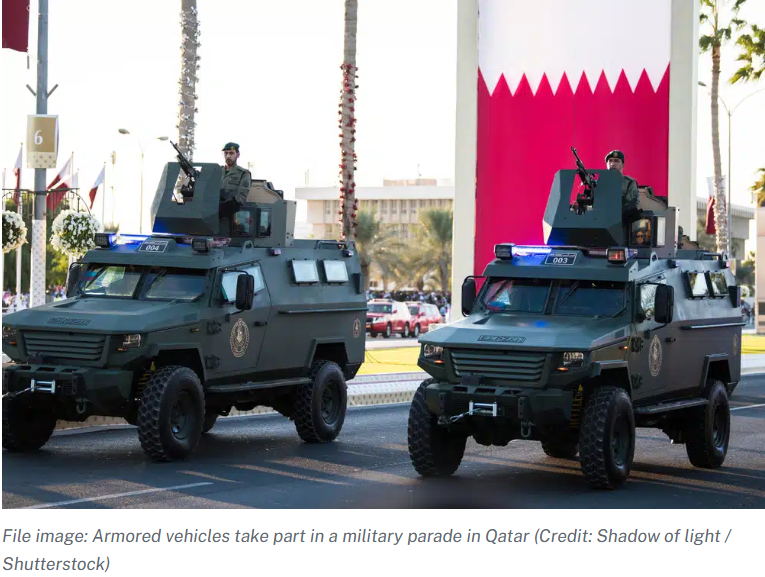
In many ways, Qatar could play the role of investor and facilitator within the framework.
3. Pakistan: Strategic Experience and Nuclear Status
Pakistan contributes defence production experience acquired through years of cooperation with China. Its strengths include:
a) Aircraft production and maintenance
b) Defence manufacturing facilities
c) Technical workforce
d) Military operational experience
Additionally, Pakistan occupies a unique position in the Muslim world as the only Muslim-majority nation possessing nuclear weapons.
While there is currently no indication that nuclear technologies will be shared, Islamabad's nuclear status remains a significant strategic factor behind its relevance to many Muslim countries.
4. Indonesia: Expanding Defence Production Capabilities
Indonesia has steadily invested in indigenous defence manufacturing and international technology partnerships. It can contribute through:
a) Component production
b) Defence industrial collaboration
c) Regional market access
d) Manufacturing partnerships
Its inclusion also expands the geographical reach of the pact from West Asia into the Indo-Pacific region.
The Real Goal: A Shared Defence Industry
The core objective of the Badr Pact appears to be straightforward: “Build defence equipment together.”
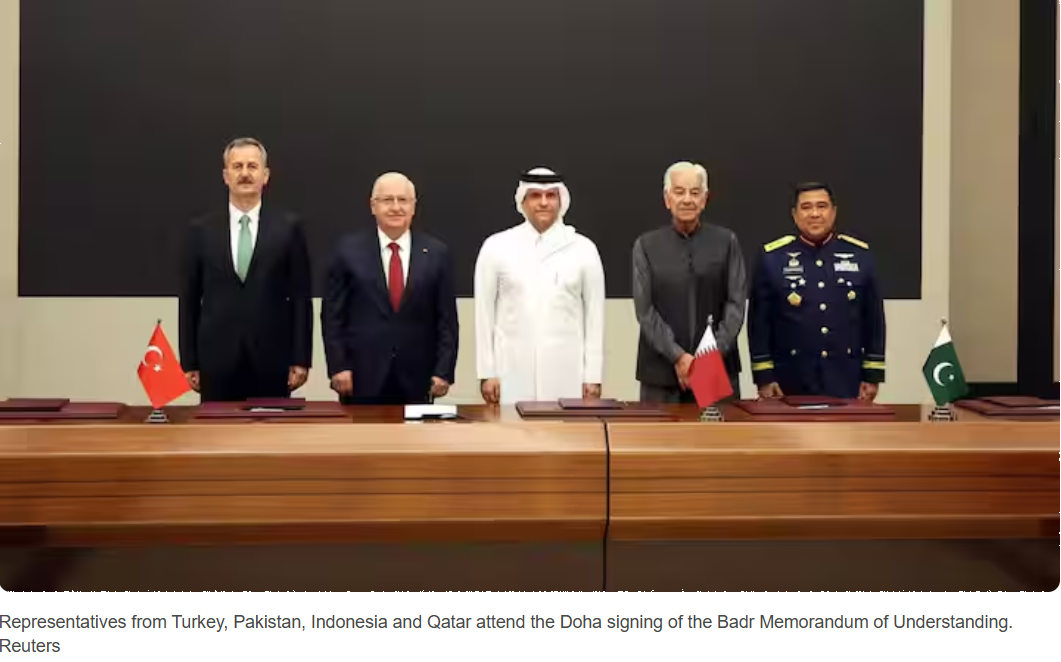
Instead of each country investing separately in expensive military programs, the four nations aim to combine their strengths and resources. Potential areas of cooperation include:
a) Drone manufacturing
b) Missile-related technologies
c) Defence electronics
d) Military vehicles
e) Naval systems
f) Maintenance and logistics infrastructure
The partnership seeks to create economies of scale, reducing costs while increasing production capacity.
Why Drones Could Become the Centrepiece
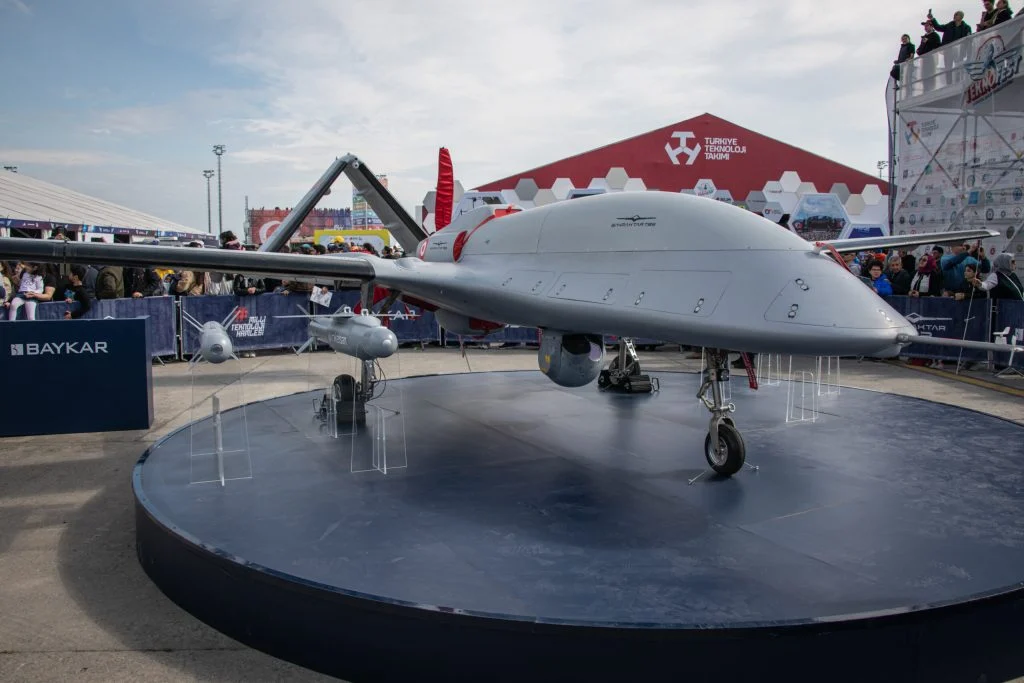
If there is one technology likely to dominate the Badr initiative, it is drones. Recent conflicts have demonstrated how crucial unmanned systems have become.
From attacks on strategic infrastructure to battlefield surveillance and precision strikes, drones are transforming modern warfare. A hypothetical joint drone project could look like this:
1. Turkey provides engineering expertise and design.
2. Qatar finances development.
3. Pakistan contributes manufacturing facilities and technical manpower.
4. Indonesia supplies components and industrial support.
The result would be a more affordable and competitive defence product that could potentially be exported to other countries.
Such collaboration could significantly lower production costs while enhancing technological capabilities among all participants.
Why Is This Happening Now?
The agreement's timing is no accident. The Middle East and surrounding regions have experienced heightened security concerns in recent years, including:
1. Regional conflicts and instability
2. Missile and drone attacks
3. Vulnerabilities in energy infrastructure
4. Growing uncertainty regarding external security guarantees
As a result, many countries are increasingly seeking greater control over their own defence capabilities.
Three Key Drivers Behind the Badr Initiative
1. Reduced Reliance on External Powers
Many Gulf countries have traditionally relied on external security partners. However, recent regional crises have encouraged nations to diversify their defence relationships and strengthen indigenous capabilities.
2. New Security Threats
Modern warfare is no longer defined solely by troop strength. Today's threats include:
a) Drones
b) Ballistic missiles
c) Cyber warfare
d) Infrastructure attacks
This has pushed countries to invest in advanced defence technologies.
3. Economic Benefits
The pact is not just about security. Joint defence production can also generate:
a) Employment
b) Industrial growth
c) Technology transfer
d) Foreign investment
e) Export earnings
For member countries, defence cooperation is increasingly becoming an economic strategy as well.
Should India Be Concerned?
For India, the most interesting aspect of the Badr Pact is the participation of Indonesia. India and Indonesia have developed strong ties in:
a) Maritime security
b) Indo-Pacific cooperation
c) Defence exchanges
d) Strategic partnerships
New Delhi has also explored opportunities to export defence equipment, including BrahMos missiles, to Southeast Asian partners.
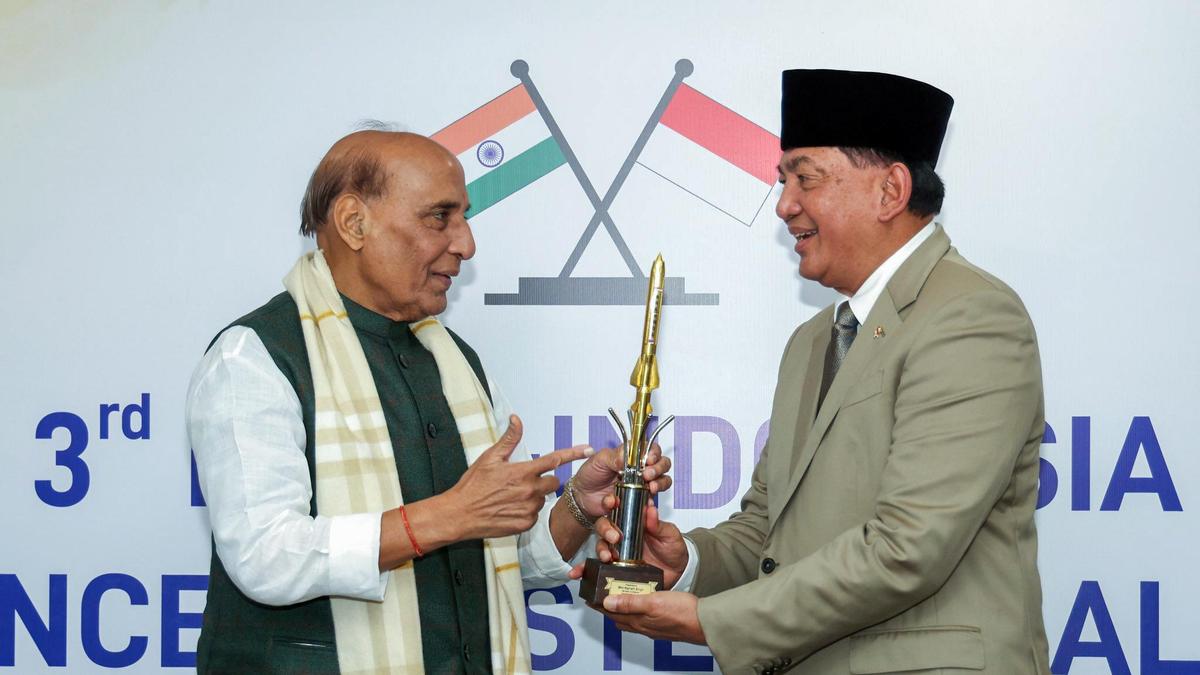
The inclusion of Indonesia in a defence framework involving Pakistan and Turkey naturally raises questions about future strategic alignments. However, it would be premature to view this development as a direct threat to India.
At present, the Badr Pact is focused on industrial and technological cooperation rather than military commitments. That said, India will likely continue focusing on:
1. Strengthening indigenous defence manufacturing
2. Expanding defence exports
3. Enhancing research and development
4. Building stronger strategic partnerships across the Indo-Pacific
Maintaining competitiveness remains the key challenge.
🚨 Trump Hails Mecca Pact as a “Big, Bold First Step”
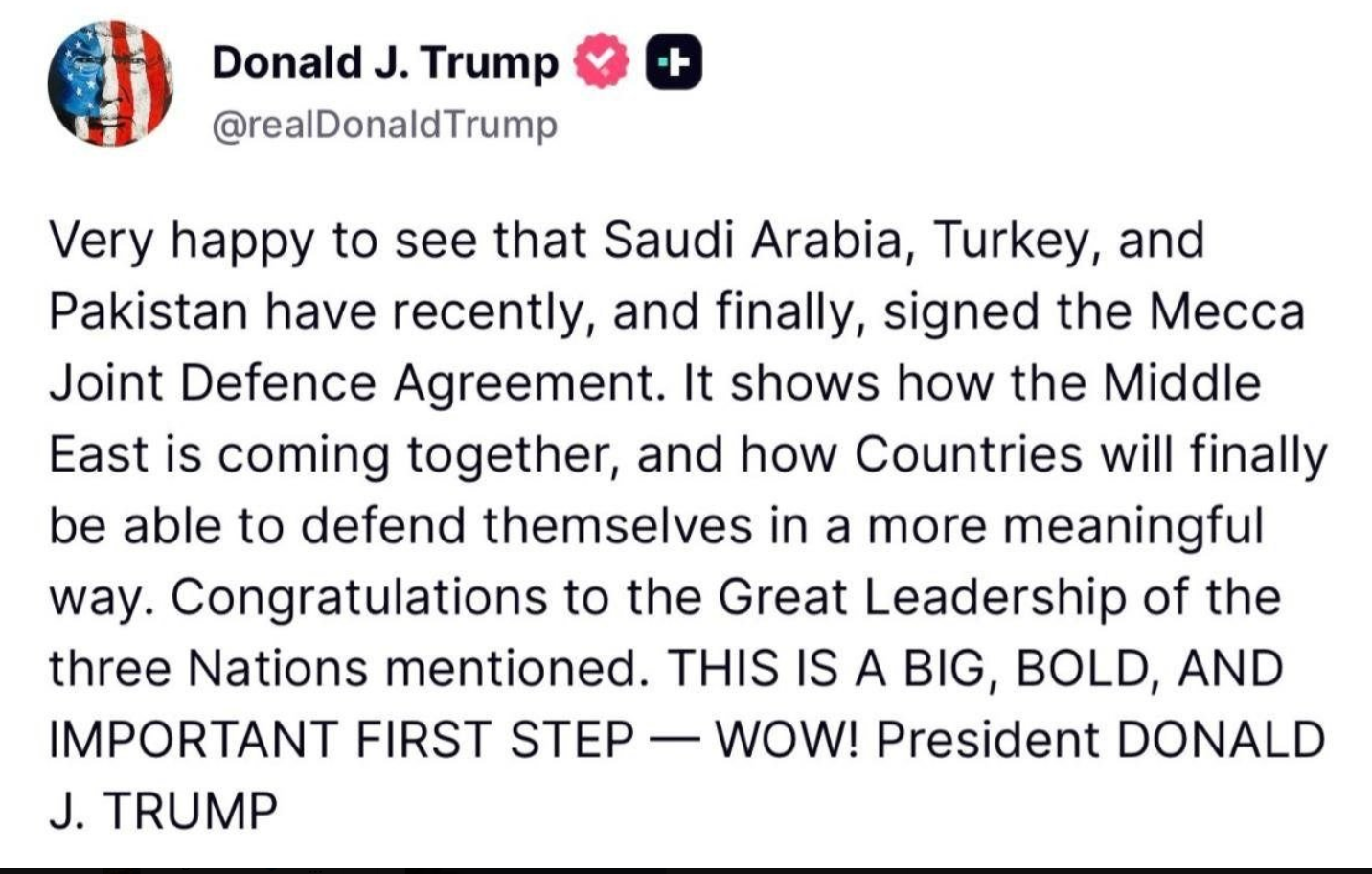
Hailing the deal as a “big, bold, and important first step,” Trump praised the Mecca Pact as a landmark move toward deeper defence cooperation among key Muslim-majority nations.
A New Islamic Military Bloc in the Future?
Perhaps the most intriguing question is whether the Badr Pact could eventually evolve into something larger.
The name "Badr" carries historical significance in Islamic history, linked to the famous Battle of Badr, often regarded as a landmark early victory in Islamic tradition.
For now, however, little evidence suggests the arrangement is intended to become a formal military bloc. Its current focus remains firmly on:
1. Defence manufacturing
2. Industrial cooperation
3. Technology sharing
4. Training
5. Research and development
Yet history shows that economic and industrial partnerships can sometimes evolve into deeper strategic relationships. Whether Badr eventually follows that path remains to be seen.
The Bigger Picture
The Badr Pact is not another NATO-style alliance, nor is it currently a military bloc committed to collective defence. Instead, it represents an ambitious effort by Turkey, Qatar, Pakistan, and Indonesia to build a shared defence industrial ecosystem capable of producing advanced military technologies, reducing costs, and increasing strategic self-reliance.
While the initiative does not pose an immediate security challenge to India, its long-term evolution will be closely watched, particularly because of Indonesia's involvement and the growing importance of defence manufacturing in shaping geopolitical influence.
👉 What Do You Think?
Could the Badr Pact eventually transform into a powerful Islamic strategic bloc, or will it remain focused on defence manufacturing and technology cooperation?
Share your views in the comments and follow us for more in-depth analysis on geopolitics, defence partnerships, and emerging global power shifts. 🌍🚀
Written by
Devansh KaulDiscussion (0)
Sign in to join the discussion.
Loading comments…