
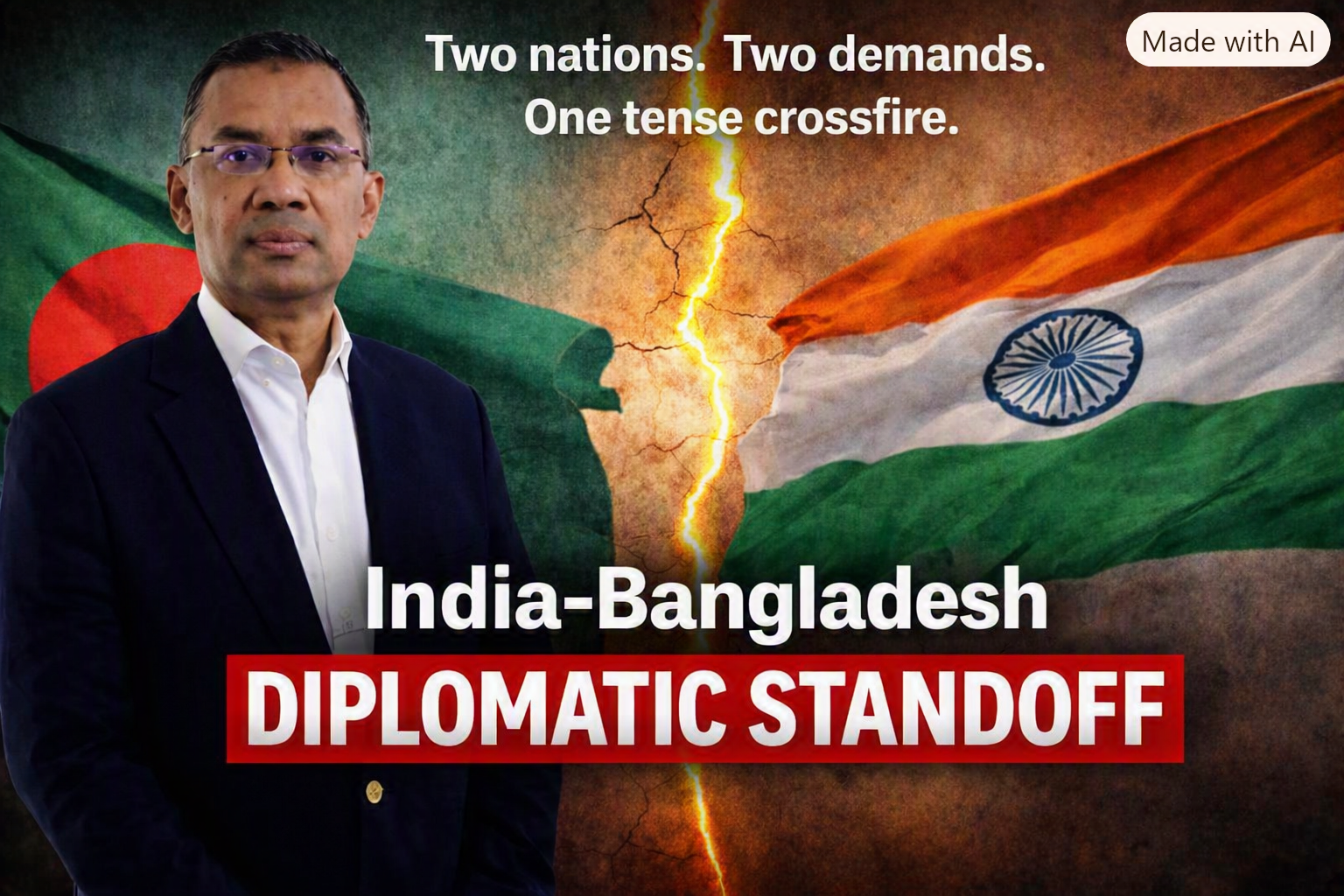
A Visit Held Hostage by Politics
For decades, India and Bangladesh have tried to balance cooperation with confrontation. But now, Dhaka has drawn a hard line: Prime Minister Tarique Rahman will only visit New Delhi if India meets two explosive conditions.
Bangladesh insists that:
Former PM Sheikh Hasina, currently in India after being ousted in 2024, must be extradited to face her death sentence back home.
The alleged killers of Sharif Usman Hadi, a rising opposition figure assassinated in 2025, must be handed over.
These demands have turned what should be a routine diplomatic visit into a high‑stakes standoff.
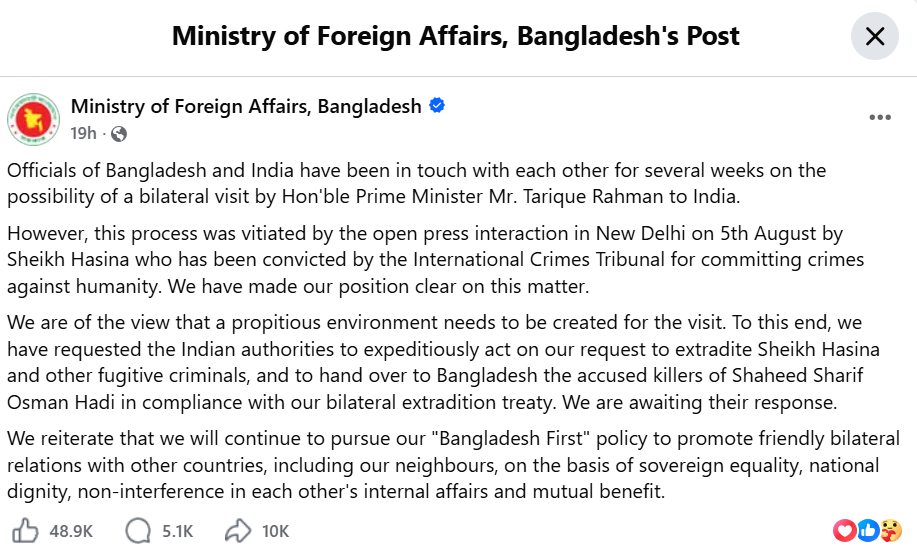
🌐 Dhaka’s Diplomatic Signal
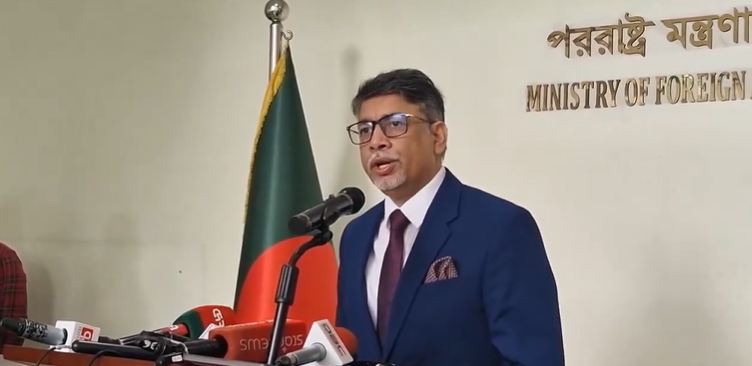
Bangladesh’s foreign ministry made it clear, "We are of the view that a propitious environment needs to be created for the visit," said spokesperson A.K.M. Shahidul Karim in Dhaka.
Why Sheikh Hasina Is the Flashpoint
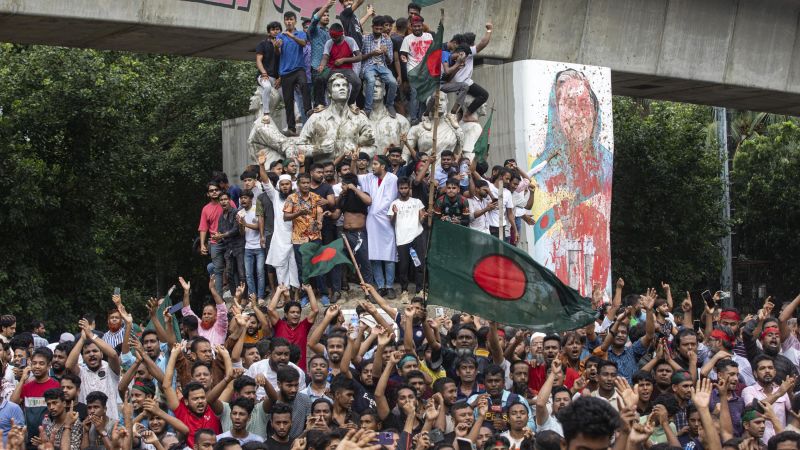
Sheikh Hasina ruled Bangladesh for 15 years before being toppled in a student‑led uprising. In November 2025, Dhaka’s courts sentenced her to death for “crimes against humanity” after security forces killed over 1,000 protesters. Hasina dismisses the verdict as politically driven, yet Bangladesh insists the judgment is binding.
🚨 More Than Politics
For Bangladesh, this isn’t just about exile; it’s about enforcing what it calls “serious criminal rulings.” That’s why her return has become a central demand in Dhaka’s diplomacy with India.
⚖️ Political Legitimacy at Stake
Dhaka wants to prove the old order is gone. If Hasina stays in India and keeps speaking out, she risks becoming a parallel power centre, especially with loyal supporters still active back home.
🛡️ Sovereignty Under Fire
Bangladesh bristled when Hasina used a New Delhi platform on 5 August 2026 to slam the current government and announce plans to return. Dhaka called it a direct challenge to its sovereignty, accusing India of enabling her political stage.
🗣️ MEA’s Clarification
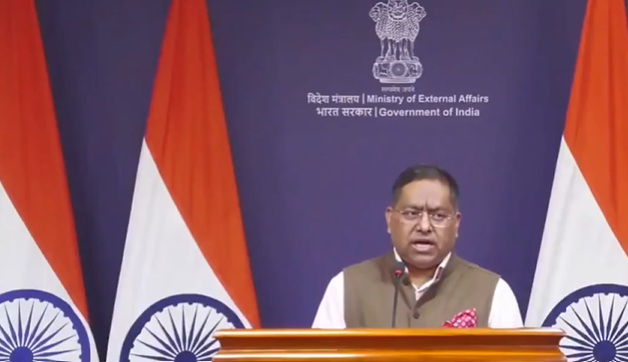
India, however, is reluctant to extradite her. Why? Because the 2013 India‑Bangladesh Extradition Treaty allows refusal in cases deemed “political.” New Delhi argues Hasina’s trial is deeply political, while Dhaka insists it’s purely judicial.
This clash isn’t just legal; it’s about legitimacy. As long as Hasina remains in India, she represents an alternative voice that threatens the ruling BNP’s grip on power.
New Delhi has kept its stance steady: extradition is a matter of law, not politics.
Spokesperson Randhir Jaiswal reiterated that India’s approach remains unchanged; any request from Dhaka will be processed strictly under the existing legal framework.
The Hadi Assassination and Anti‑India Sentiment
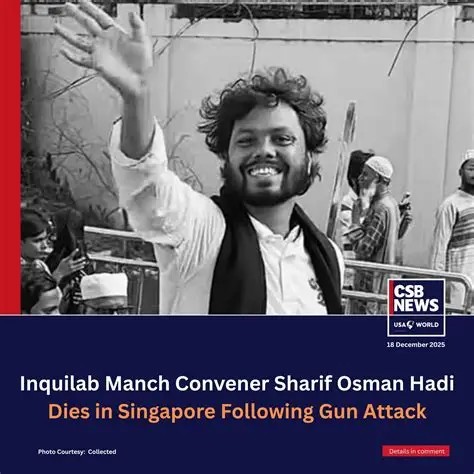
Sharif Usman Hadi, leader of the student‑born Inquilab Manch, was gunned down in December 2025. Bangladeshi investigators claim his killers fled to India, fueling anti‑India anger. Though arrests were made in West Bengal, Dhaka demands their extradition to prove India isn’t shielding fugitives.
India’s Dilemma: Law, Diplomacy, and China
India faces a tightrope walk:
Legal constraints under the treaty.
Diplomatic fallout if it refuses Dhaka’s demands.
Strategic risks, as Bangladesh grows closer to China, its biggest defense supplier and investor.
For India, the stakes are higher than a single visit. Bangladesh borders the sensitive Siliguri Corridor, the lifeline to India’s northeast. A hostile Dhaka could tilt the balance of power in the region.
What’s Next?
Bangladesh says it needs a “conducive environment” before Rahman’s visit. India says it is “examining the request according to legal and judicial procedure.” Translation: both sides are buying time.
But the longer Hasina remains in India, the more Dhaka will push, and the more New Delhi risks losing ground to Beijing.
India and Bangladesh stand at a crossroads. Will pragmatism prevail over politics, or will this standoff deepen mistrust?
👉 Share your thoughts: Should India honour the extradition request, or protect Hasina under the political offense exception?
Written by
Kartikeya RaoDiscussion (0)
Sign in to join the discussion.
Loading comments…