
A Night of Chaos and Fear
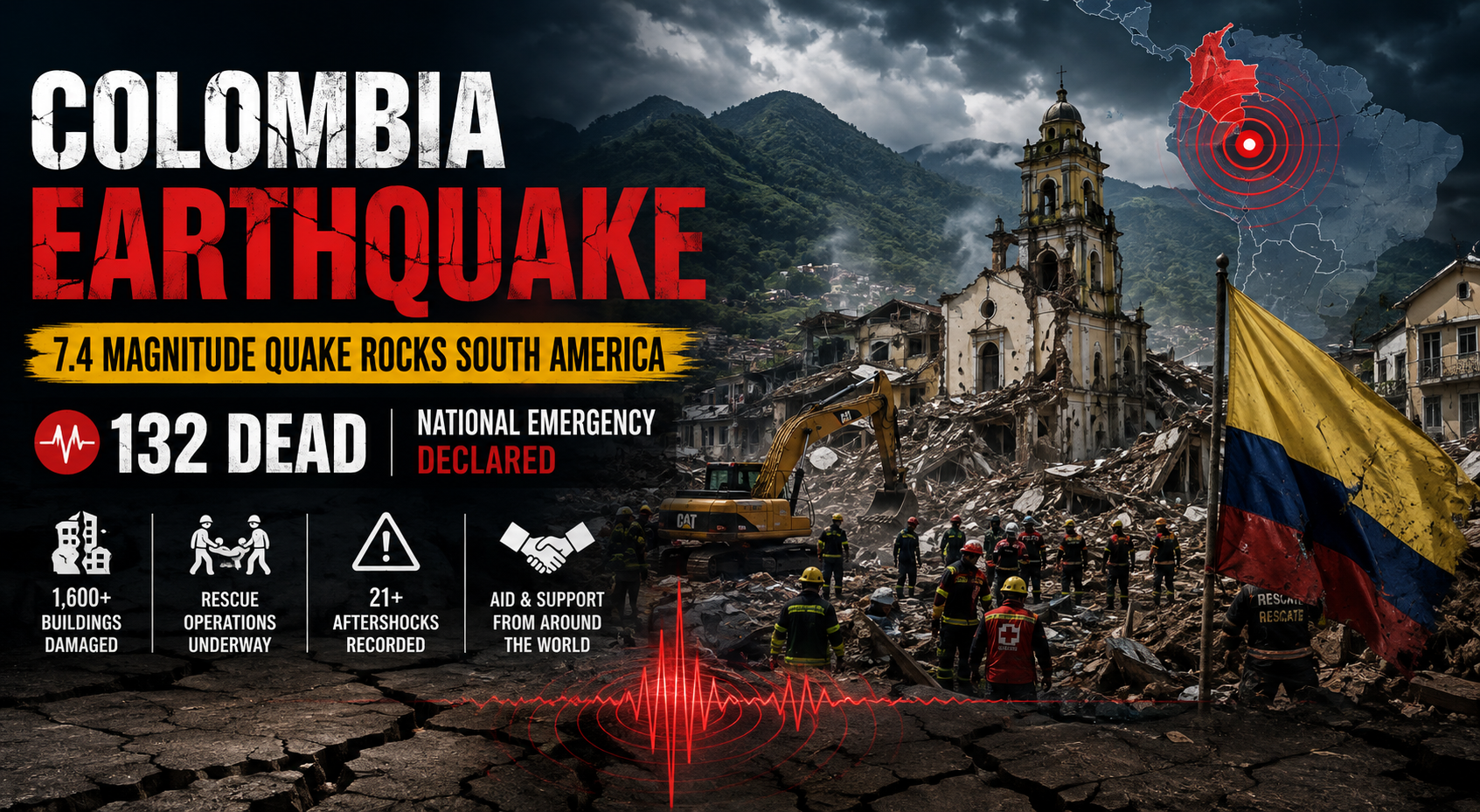
Late last night, Colombia was struck by one of the most powerful earthquakes of the 21st century, a 7.4 magnitude tremor that jolted the nation and sent shockwaves across neighbouring countries. Initial reports confirm 111 lives lost, but as rescue teams recover more bodies, the toll is expected to rise sharply.
Imagine the devastation — a 7.4‑magnitude earthquake isn’t just stronger than a 6.4; it releases 32 times more energy.
Where Did It Strike?
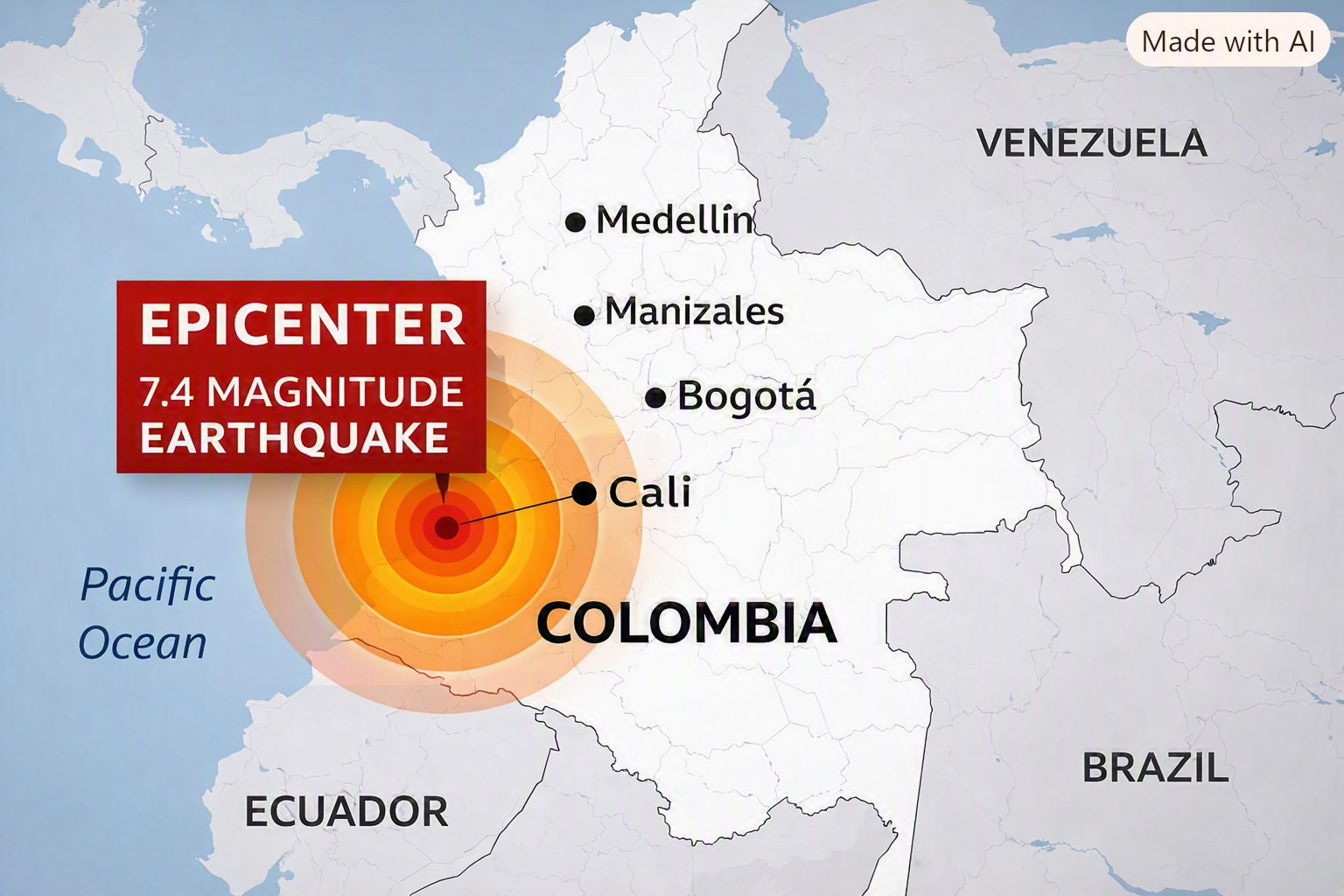
The epicenter was reported in Chaco Province, nestled within the Andes Mountain Range. This region is already difficult to access due to dense forests, heavy rainfall, and poor transport connectivity. The quake’s depth, over 100 km below the surface, reduced some destruction, but the sheer force still damaged 1,600+ buildings, with 61 collapsing entirely.
🔥 Why a 7.4 Quake Packs Such Fury
A 7.4 magnitude earthquake isn’t just “slightly stronger” than a 6.4, it’s on a whole different scale. Because the magnitude scale is logarithmic, each jump means far more destruction.
A single step up in magnitude unleashes 10 times greater ground shaking.
It also releases around 32 times more energy into the earth.
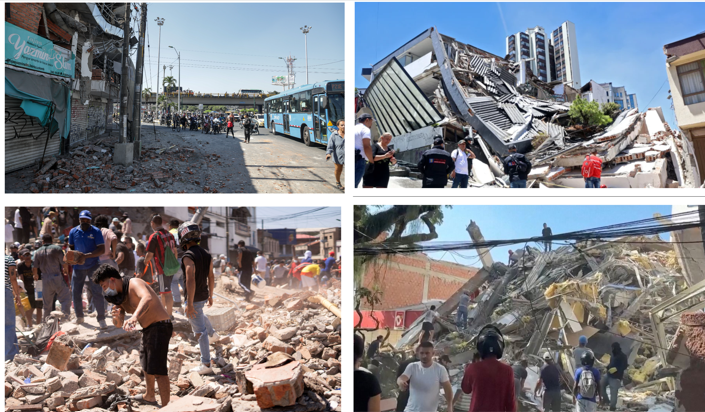
That’s why a 7.4 quake can feel apocalyptic. But remember, the death toll isn’t decided by magnitude alone. The depth of the quake, distance from cities, building strength, population density, terrain, and emergency readiness all combine to determine how devastating the human impact will be.
Why Is Colombia So Earthquake-Prone?
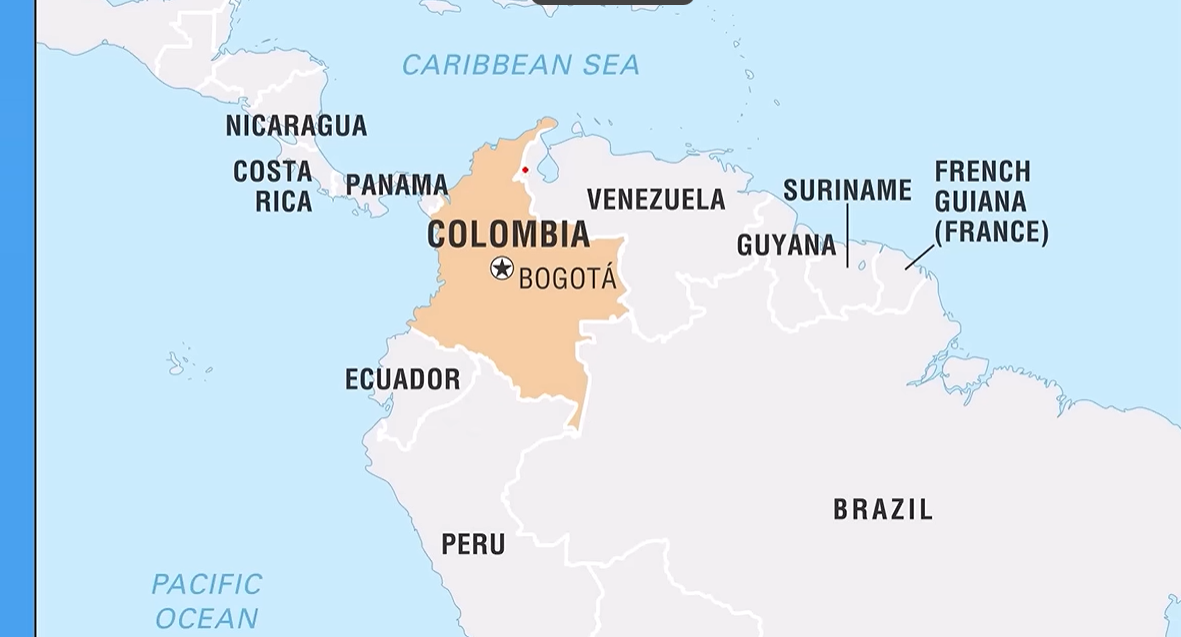
Colombia sits at the intersection of three major tectonic plates:
South American Plate (continental)
Nazca Plate (oceanic)
Caribbean Plate
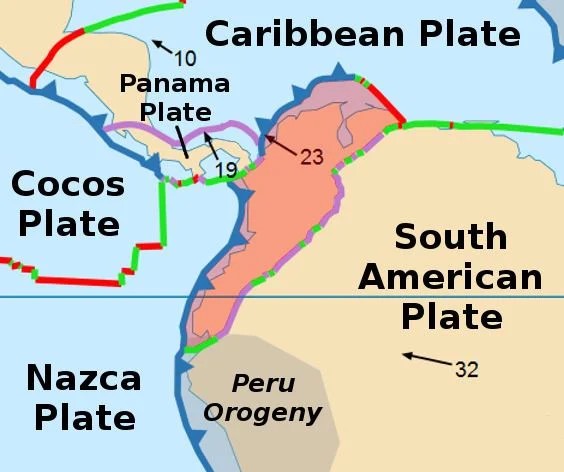
The Nazca Plate is constantly subducting beneath the South American Plate, creating immense geological stress. This is the same process that formed the Andes Mountains and continues to trigger frequent, powerful quakes.
The Human Toll and Rescue Challenges
Rescue operations face enormous hurdles:
Mountainous terrain and remote communities.
Damaged airports and communication lines.
Continuous aftershocks (21 recorded so far) making collapsed buildings too dangerous to enter.
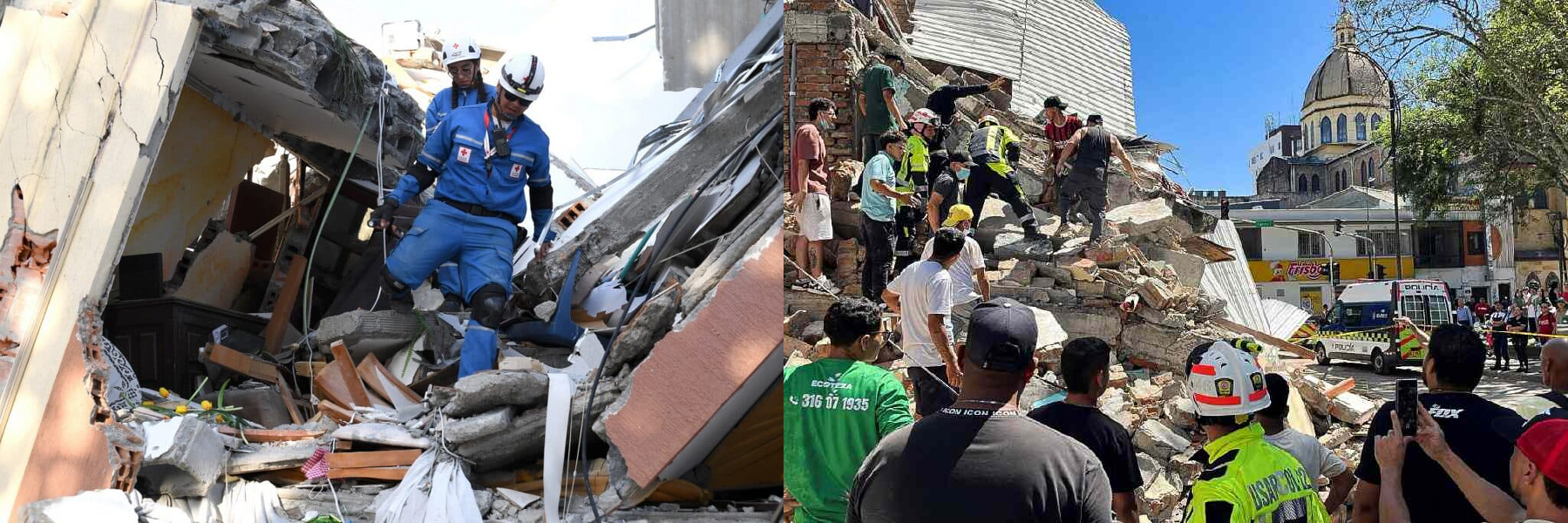
The government has declared a national emergency, while international aid, including urban rescue teams, medical supplies, and emergency shelters, is being mobilized.
A Leadership Trial by Fire
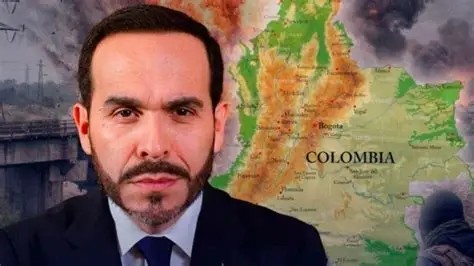
The devastating earthquake has become the first true test of President Abelardo de la Espriella, who had only just stepped into office over the weekend. Wasting no time, he announced that he was personally overseeing the government’s emergency response in San José del Palmar, assuring citizens: “You are not alone. The state is here and acting.”
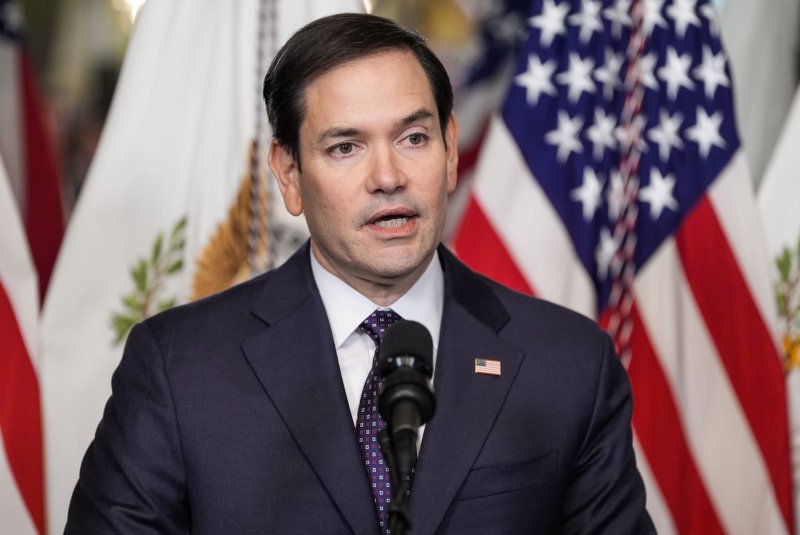
Support quickly poured in from across the Americas, leaders of Mexico, Brazil, Ecuador, El Salvador, and the United States all pledged solidarity. U.S. Secretary of State Marco Rubio confirmed that the Trump administration was closely tracking the crisis and stood ready to assist. Meanwhile, the United Nations signaled its willingness to mobilize aid if Colombia requested it.
🌐 The Venezuela Link: Rare Double Quake
In a shocking geological twist, Venezuela was rocked by two massive tremors almost back‑to‑back, a 7.2 magnitude quake followed just 39 seconds later by a stronger 7.5 shock. The near‑instant sequence left already weakened buildings with no chance to withstand the second blow, turning the event into one of South America’s most destructive natural disasters in recent memory.
The Colombian disaster is not an isolated event; it’s part of a wider chain of tremors shaking the continent, reminding us that this zone remains one of the world’s most volatile seismic hotspots.
Lessons From History
Colombia has endured devastating quakes before:
1999 Coffee Region Quake: Over 1,000 dead.
1868 Megaquake: More than 70,000 lives lost.
This latest disaster is a grim reminder of the region’s vulnerability.
⚠️ What This Means for the Future
Earthquakes of this scale highlight the urgent need for:
Earthquake-resistant construction in urban centers.
Preparedness drills for communities in high-risk zones.
International cooperation for rapid disaster response.
Stay informed through reliable updates as rescue operations unfold. Support humanitarian organizations working tirelessly to aid victims across Colombia. And most importantly, spread awareness; every share helps strengthen global commitment to disaster preparedness and resilience.
Written by
Kartikeya RaoDiscussion (0)
Sign in to join the discussion.
Loading comments…