A Historic Event with a Twist
The Commonwealth Games 2026 have officially begun in Glasgow, Scotland, and will run from July 23 to August 2. But this year’s edition is unlike any before; it’s being dubbed “Commonwealth Games Lite” across media platforms. Why? Because the number of sports has been slashed from 19 to just 10, dramatically altering the medal prospects of countries like India.
India’s Big Setback
In Birmingham 2022, India clinched 61 medals, nearly half of them from sports now excluded. Wrestling, hockey, cricket, badminton, table tennis, squash, and several others have been dropped. For India, this is devastating; wrestling alone had delivered 12 medals, including six golds. With these disciplines gone, India’s medal tally could shrink to one of its lowest in decades.
The Financial Crunch Behind the Cuts
Originally, the 2026 Games were to be hosted in Victoria, Australia. But spiralling costs, rising from 2.6 billion AUD to nearly 7 billion AUD, forced Victoria to withdraw. Stepped in to save the tradition, but with strict conditions:
No new infrastructure, Glasgow or athlete village.
Events confined within an 8‑mile radius.
A drastically reduced budget of £150 million.
Several sports and event variants eliminated to cut costs.
This pragmatic yet painful downsizing explains why the Games feel stripped down compared to past editions.
What’s Left on the Field
The 10 surviving sports include:
Athletics (Track and Field)
Swimming (without diving)
Track cycling (road & mountain biking removed)
Weightlifting
Boxing
Judo
Lawn bowls (shifted indoors)
3x3 basketball
Netball
Artistic gymnastics
Sports Excluded from CWG Glasgow 2026
The 2026 Commonwealth Games in Glasgow introduced a leaner format, cutting several disciplines that had previously been medal-rich for India. The dropped events include:
Hockey
Cricket
Badminton
Wrestling
Table Tennis
Diving
Rugby Sevens
Beach Volleyball
Mountain Biking
Squash
Rhythmic Gymnastics
This downsizing reshaped the competition landscape, forcing nations like India to rely more heavily on athletics, weightlifting, and para sports for their medal prospects.
India’s Medal Winners – CWG Glasgow 2026
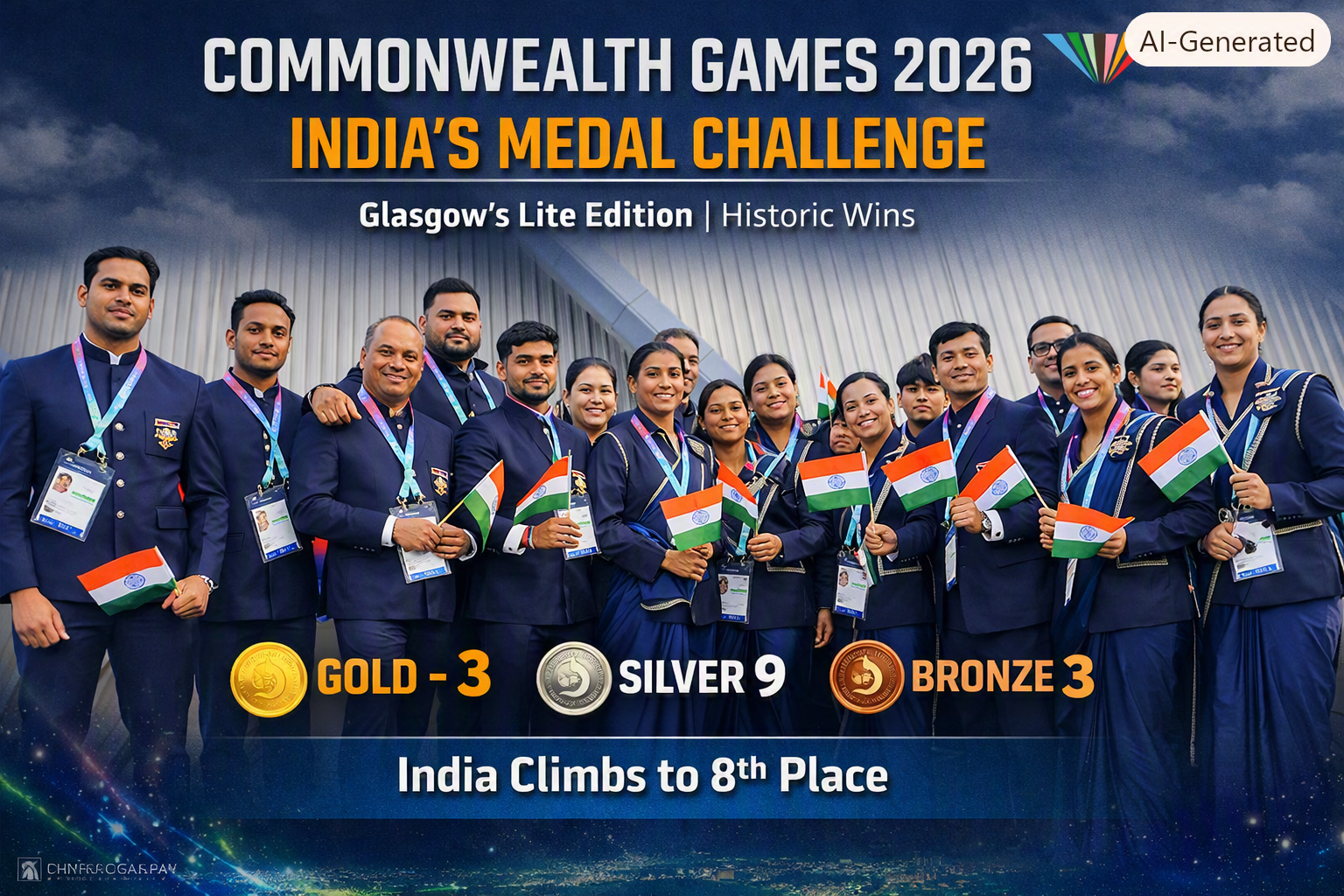
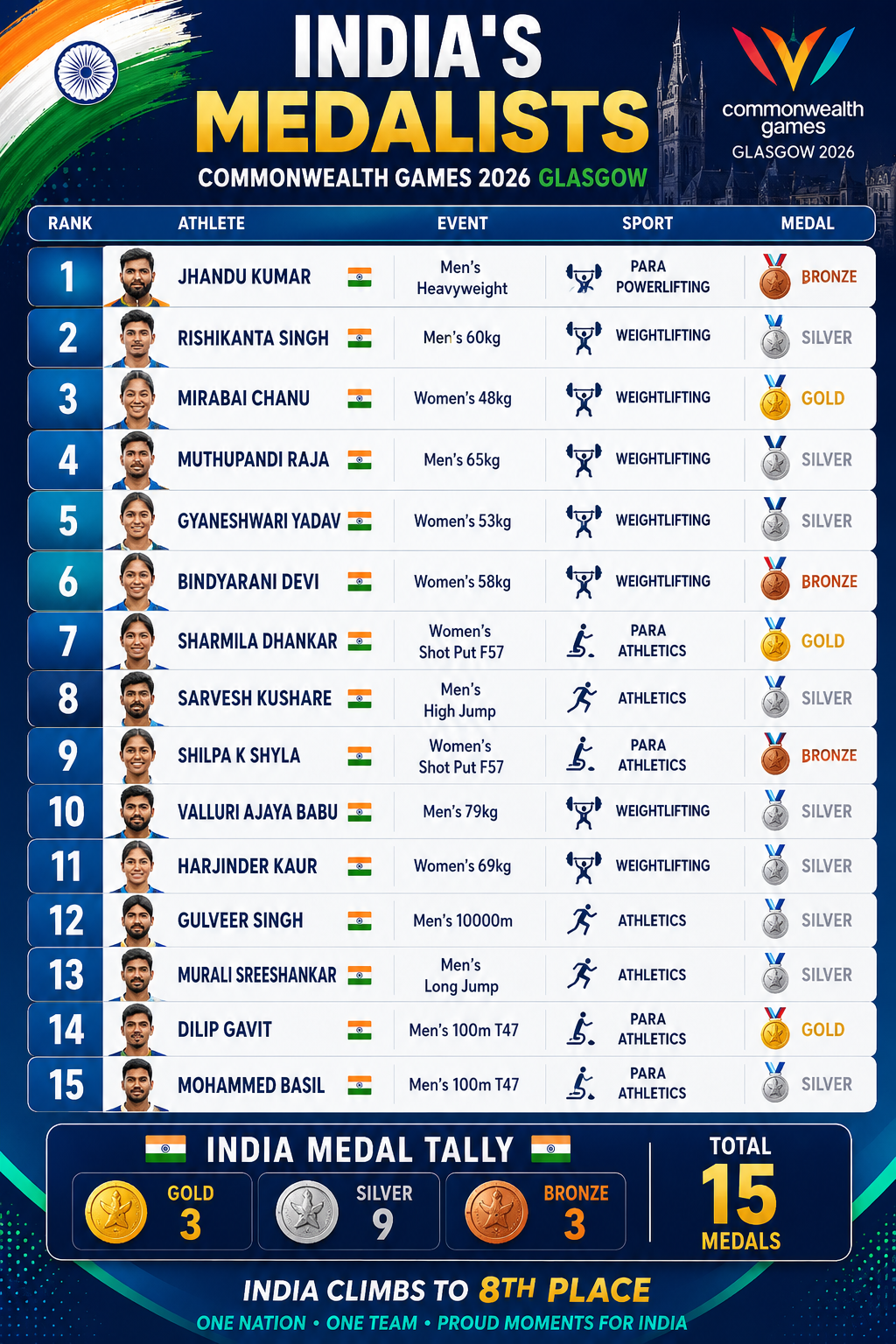
India’s athletes have delivered a historic performance at the Commonwealth Games 2026, securing 15 medals across weightlifting, athletics, and para sports. With 3 Gold, 9 Silver, and 3 Bronze medals, the nation proudly stands in 8th place in the overall medal tally, a moment of triumph that reflects resilience, talent, and sporting excellence.
Explore the full list of medalists below and celebrate India’s champions who brought glory to the nation!
Leaders Applaud India’s CWG Heroes
India’s stellar performance at the Commonwealth Games 2026 in Glasgow drew heartfelt tributes from the nation’s top leaders. Prime Minister Narendra Modi, President Droupadi Murmu, and Defence Minister Rajnath Singh extended warm congratulations to the medal winners, celebrating their grit and glory on the global stage.
In his message, PM Modi hailed the athletes’ unwavering dedication and inspiring achievements, spotlighting Sharmila Dhankar’s historic gold in women’s shot put F57 para-athletics; a triumph that ended India’s two‑decade wait for a para-athletics gold at the Games. His words underscored the government’s commitment to honouring sporting excellence and nurturing a culture where athletes’ victories become national pride.
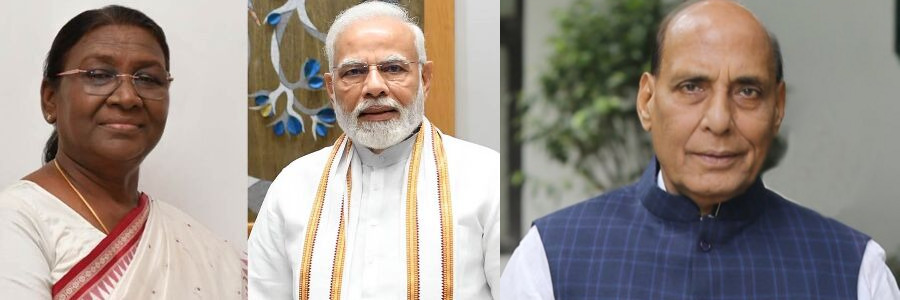
Together, these congratulatory notes reflect not just appreciation for medals won, but also recognition of the transformative impact Indian athletes have on the country’s sporting spirit and identity.
Brief History of the Commonwealth Games
The Commonwealth Games trace their origins back to 1930, when the first edition was hosted in Hamilton, Canada under the name British Empire Games. Conceived by Canadian sports journalist Melville Marks Robinson, the idea was inspired by the Inter-Empire Championship held in London in 1911 during King George V’s coronation. Over time, the event evolved into one of the world’s largest multi-sport competitions, second only to the Olympics in scale. In 1978, the Games were officially renamed the Commonwealth Games, reflecting the modern identity of the participating nations. Since then, they have been held every four years, celebrating athletic excellence while fostering unity and cooperation among member countries.
Purpose of the Games
The Commonwealth Games aim to:
Strengthen unity among member nations.
Promote cooperation through sports.
Celebrate athletic excellence across diverse disciplines.
A Look Back at India’s Medal History
2010 Delhi: Record 101 medals, 2nd overall
2014 Glasgow: 64 medals
2018 Gold Coast: 66 medals
2022 Birmingham: 61 medals
Against this backdrop, 2026 could mark India’s weakest showing yet.
Lessons for the Future: Ahmedabad 2030
India is eyeing Ahmedabad as host city for 2030, and Glasgow’s model offers a blueprint:
Use existing infrastructure.
Keep budgets lean.
Focus on sustainability.
But India will surely push to reinstate medal‑rich sports like wrestling, hockey, and badminton to maximize its chances.
Victory Echo
The Commonwealth Games 2026 are a story of resilience, talent, historic breakthroughs and compromise. Glasgow saved the tradition, but at the cost of scale and spectacle. For India, it’s a test of grit: Can the nation shine in fewer arenas, or will this be remembered as its weakest medal run?
With 15 medals already secured and more opportunities ahead, the nation’s athletes are scripting a golden chapter in sporting history.
Written by
Kartikeya RaoDiscussion (0)
Sign in to join the discussion.
Loading comments…