
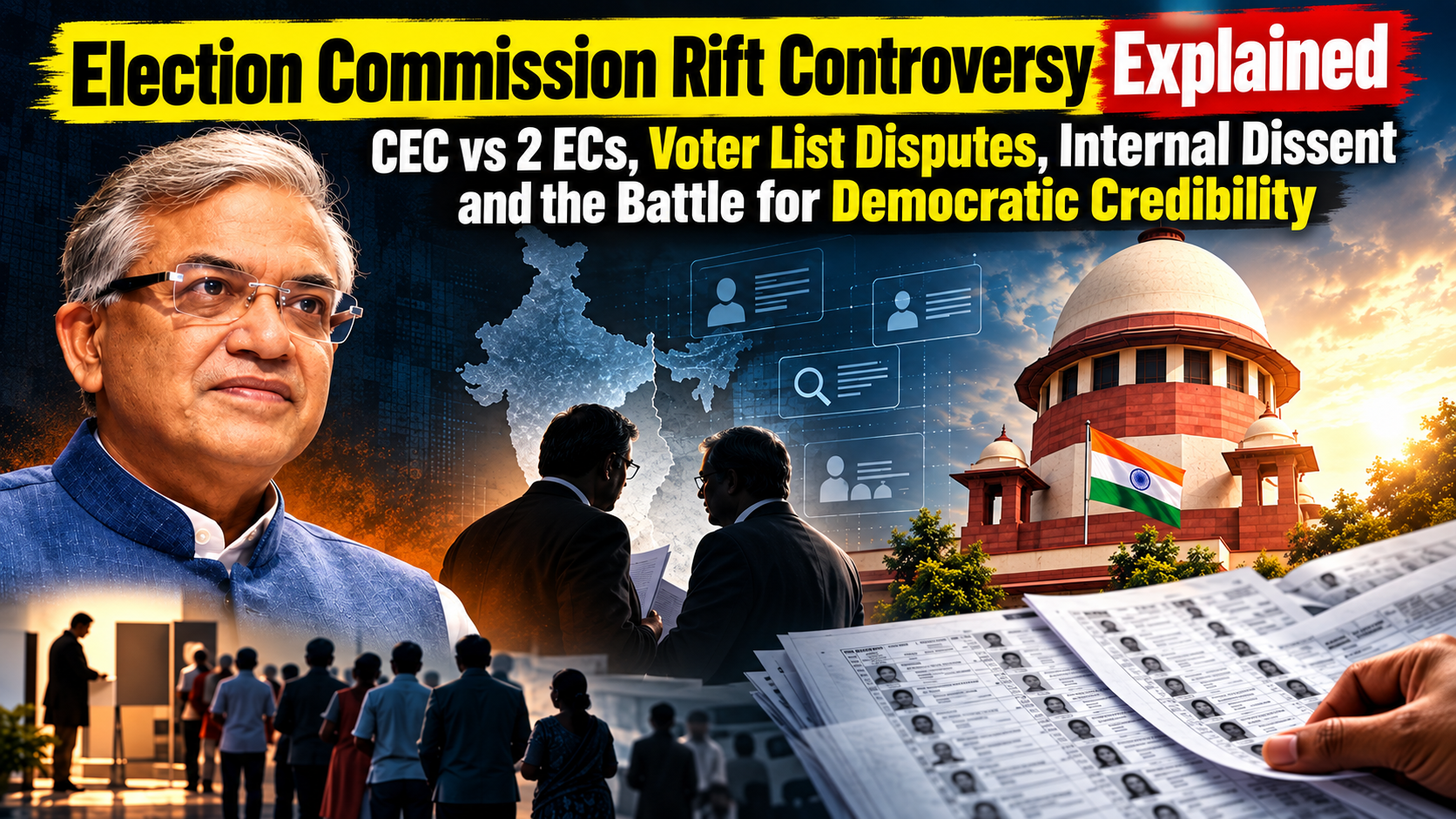
A report alleging internal disagreements within the Election Commission of India has triggered a political storm. From voter registration controversies to questions over decision-making powers, here’s what the debate is really about and why it matters for every Indian voter.
India's Election Commission of India (ECI), one of the country's most critical democratic institutions, has found itself at the center of an intense controversy. A recent report has claimed that significant disagreements emerged between the Chief Election Commissioner (CEC) Gyanesh Kumar and the two other Election Commissioners, Dr. Sukhbir Singh Sandhu and Dr. Vivek Joshi, over several key electoral decisions.
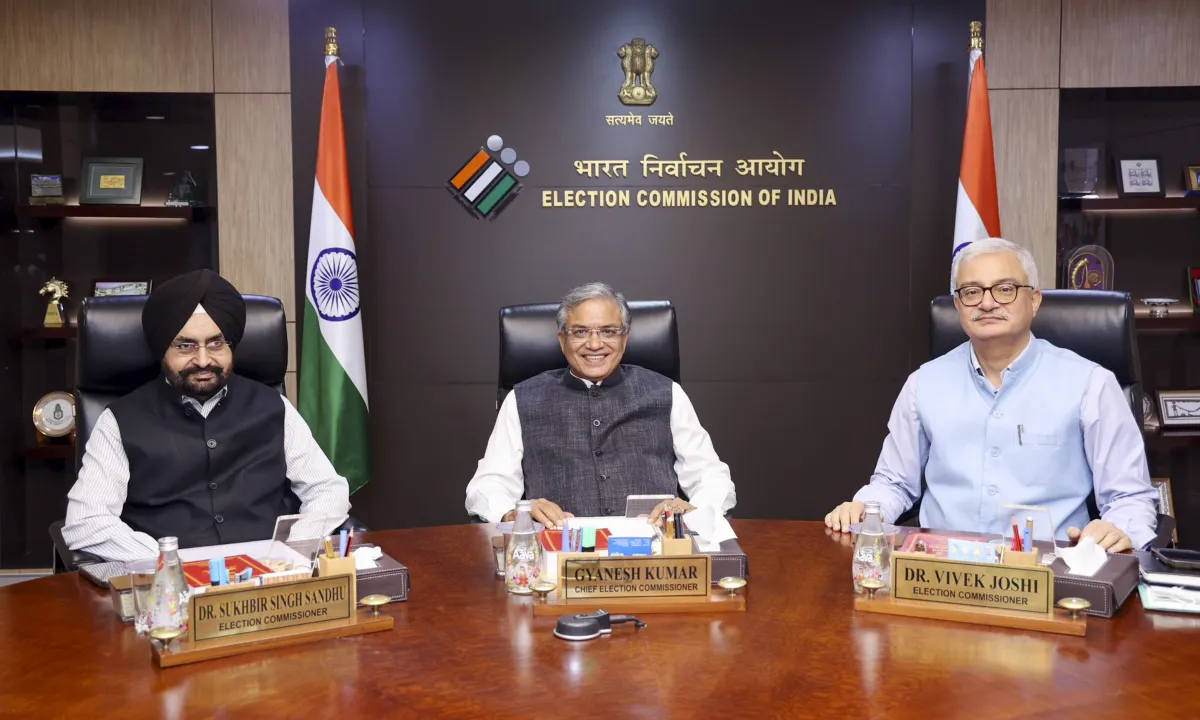
A growing Election Commission rift reportedly saw two Election Commissioners register 14 formal dissent notes in just 10 months, citing concerns over decisions taken without their prior knowledge or approval.
The allegations have sparked sharp political reactions, with opposition leaders questioning the Commission's functioning and demanding accountability. But what exactly is the controversy? And does disagreement within the Election Commission automatically indicate wrongdoing?
Let's break down the entire issue.
The Report That Triggered a Political Firestorm
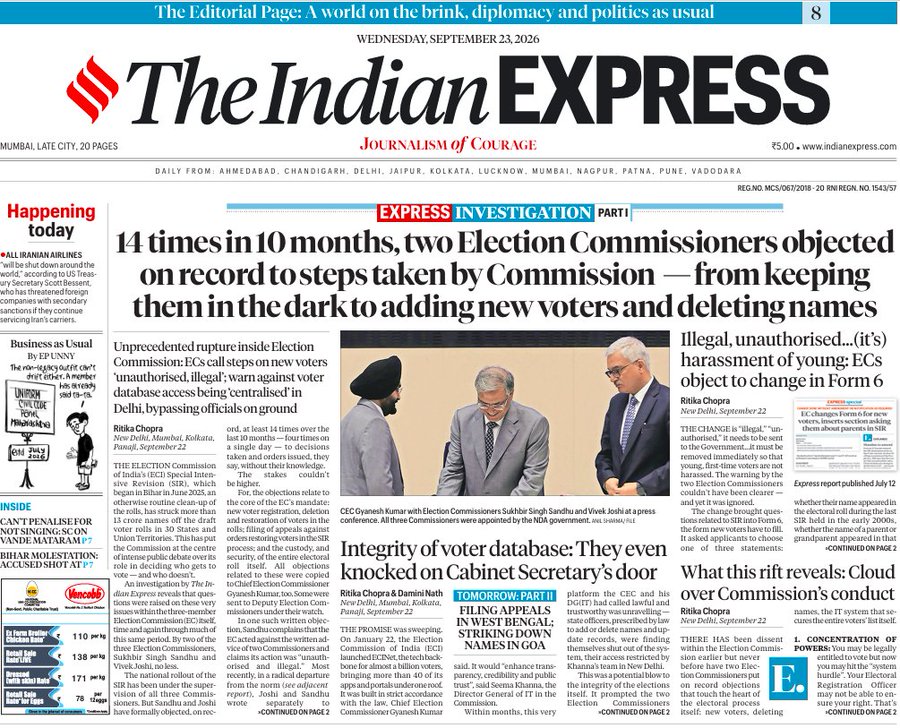
According to the report, the two Election Commissioners reportedly raised multiple formal objections over the past several months regarding important decisions related to:
1. Voter registration
2. Deletion of voter names
3. Restoration of deleted voters
4. Electoral database management
5. Technological platforms used by the ECI
6. Public communications issued in the Commission's name
The central allegation is not merely that disagreements existed, but that several crucial decisions may have been taken without adequate consultation among all three commissioners.
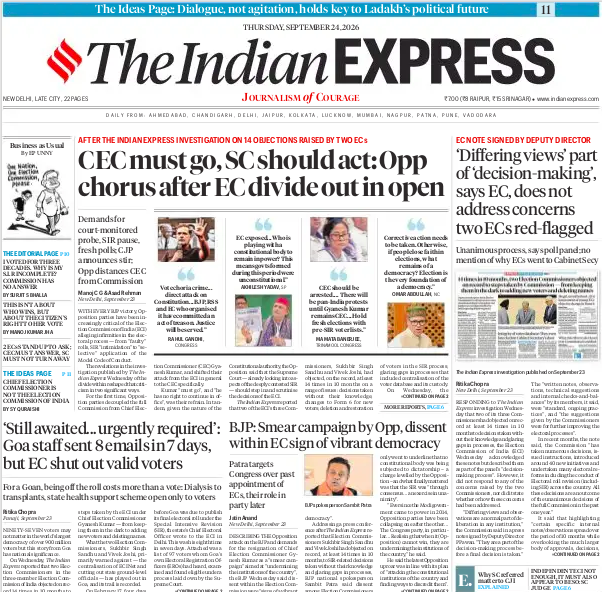
This has led opposition parties to question whether proper institutional procedures were followed and whether the decision-making process remained truly collective.
The Man in the Spotlight: Who Is Gyanesh Kumar?
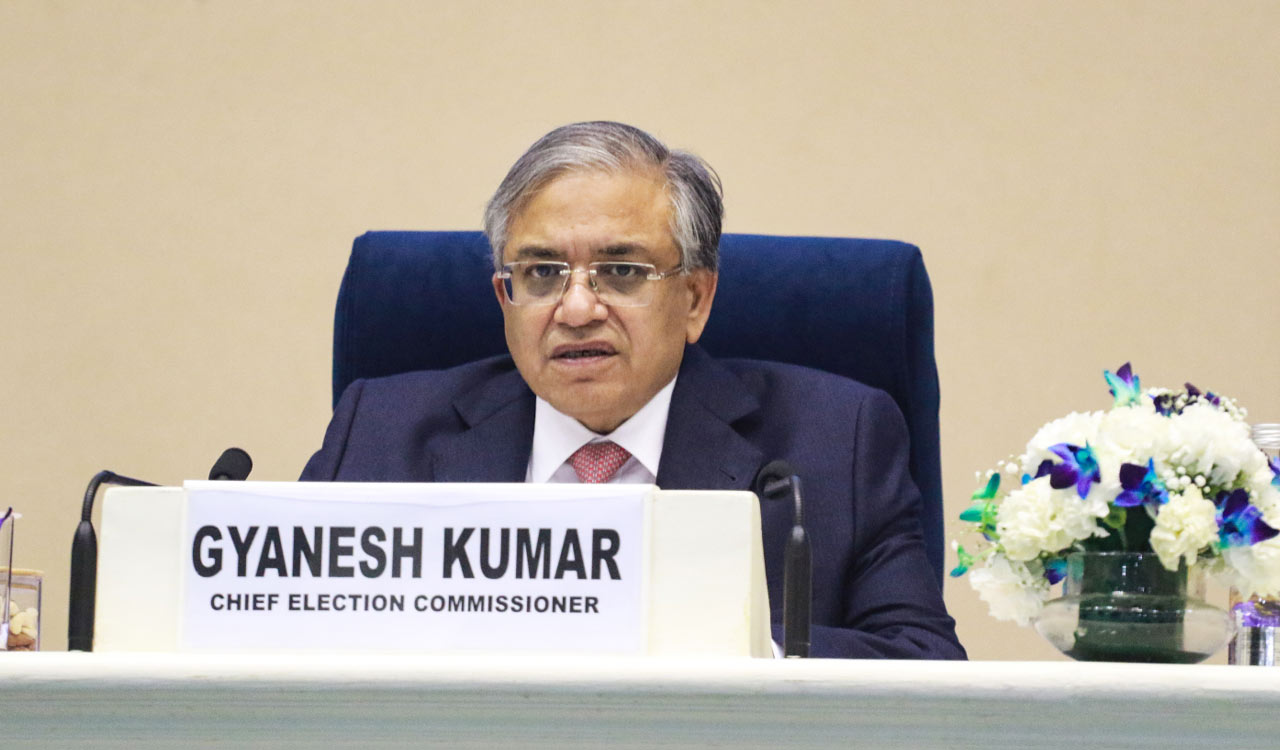
Gyanesh Kumar, India's 26th Chief Election Commissioner, is a veteran IAS officer from the 1988 Kerala cadre. Before heading the Election Commission, he served in several key roles at both the state and central levels and was associated with major national policy matters, including issues related to Article 370 and the Ram Mandir process.
Today, he finds himself at the center of a high-profile political and electoral controversy surrounding the functioning of the Election Commission and voter roll management.
How Does the Election Commission Actually Function?
Many people assume that the Chief Election Commissioner has the final say in every matter. However, India's constitutional framework works differently. The Election Commission consists of:
1. Chief Election Commissioner (CEC)
2. Election Commissioner
3. Election Commissioner
The CEC is often described as the "first among equals." This means the Chief Election Commissioner does not possess unilateral powers to override the other commissioners.
Under the constitutional framework, the Commission is expected to make decisions collectively. If consensus cannot be reached, matters can be decided through a majority vote. In simple terms:
1. Unanimity is preferred.
2. Discussion and debate are expected.
3. Majority decisions are constitutionally valid.
Therefore, disagreements themselves are not unusual within a democratic institution.
The Real Concern: Were Decisions Taken Collectively?
This is where the controversy becomes serious. Reports suggest that the issue is not disagreement itself but whether all three commissioners were actively involved before major decisions were finalized.
The two Election Commissioners raised concerns, claiming that some decisions were allegedly pushed through without sufficient consultation. If true, it would raise larger questions about institutional transparency and collective governance within one of India's most trusted democratic bodies.
However, it is important to note that these allegations remain part of an ongoing public debate and are strongly contested.
The Form 6 Controversy: Why Young Voters Are Watching Closely
One of the most discussed issues involves Form 6, the application used by citizens to enroll themselves in the voter list.
Traditionally, individuals turning 18 submit Form 6 to register as voters. The controversy emerged after additional questions were reportedly introduced into the process, including information related to:
1. Previous voter roll records
2. Parents' voter details
3. Grandparents' electoral records
4. Past inclusion in voter verification exercises
Some Election Commissioners reportedly objected to these additions, arguing that changes affecting voter registration requirements should ideally be backed by proper legal or regulatory processes.
Why Does This Matter?
For first-time voters, extra documentation requirements could potentially complicate the registration process. The two Election Commissioners fear that additional verification layers might discourage eligible citizens from enrolling.
Supporters, however, may argue that stronger verification helps ensure cleaner voter rolls and prevents duplication. The debate ultimately revolves around balancing electoral integrity with ease of voter participation.
The Bigger Battle: Control Over India's Voter Database
Another major flashpoint involves the management of electoral databases. Historically, voter list management has been a decentralized process.
At the ground level, Electoral Registration Officers (EROs), often district-level officials, have been responsible for:
1. Adding eligible voters
2. Removing ineligible names
3. Examining claims and objections
4. Updating local electoral rolls
However, the Election Commission has increasingly adopted digital platforms such as:
a) ERO-Net: A platform used for electoral roll management and voter-related services.
b) ECI-Net: A broader system designed to integrate multiple election-related applications and services into a single ecosystem.
The Commission has maintained that these platforms improve transparency, efficiency, credibility and public trust. Yet concerns reportedly emerged over whether such systems centralize too much control over electoral data.
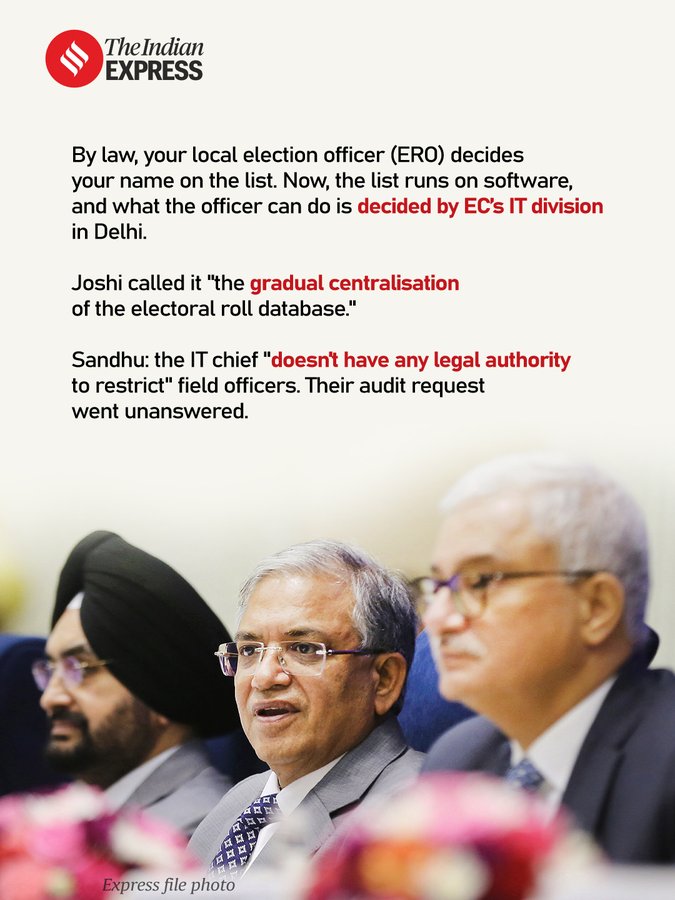
According to the report, the two Election Commissioners have argued that strong audit mechanisms are essential to ensure transparency regarding:
a) Who can access voter databases
b) Who can modify records
c) How changes are tracked and recorded
As elections become increasingly digital, these questions are likely to remain important in the future.
The Communications Dispute
Another reported source of disagreement involves official communications issued in the name of the Election Commission.
Questions were allegedly raised over whether all commissioners were consulted before important public statements and institutional communications were released.
The concern centers on procedure rather than substance. According to the report, the two Election Commissioners argue that communications representing the Election Commission should ideally reflect collective institutional approval. Supporters of the current system maintain that administrative efficiency often requires streamlined communication mechanisms.
Election Commission Responds: "Dissent Is a Part of Democracy"
Following the controversy, the Election Commission strongly defended its functioning. According to the Commission:
a) Internal disagreements are normal.
b) Written observations and objections are part of healthy institutional processes.
c) Technical suggestions and dissent notes are routine.
d) Internal checks and balances strengthen decision-making.
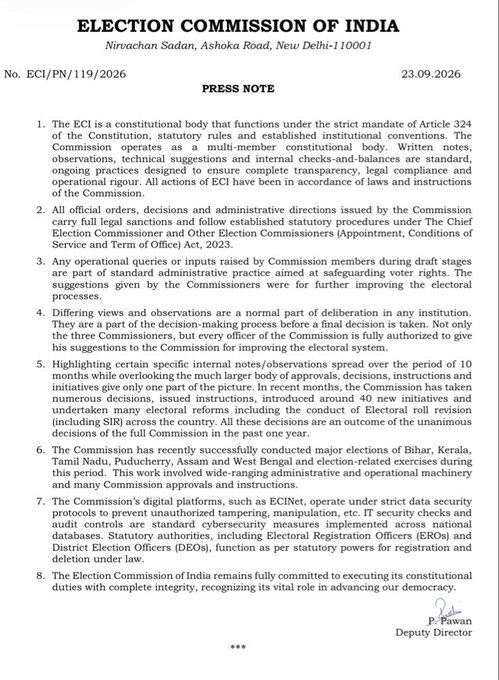
Most importantly, the Commission has stated that final decisions were ultimately taken collectively by all three commissioners, even when differences emerged during discussions.
In other words, the Election Commission argues that debate does not indicate dysfunction. Instead, it demonstrates a working democratic process within the institution itself.
Not the First Time: History Shows Similar Clashes
Internal disagreements within the Election Commission are not unprecedented.
1. The 2009 Dispute
Former Chief Election Commissioner N. Gopalaswami publicly raised concerns regarding Election Commissioner Navin Chawla, creating a significant institutional controversy. The issue generated national debate but ultimately did not result in Chawla's removal.
2. The Ashok Lavasa Episode (2019)
During the 2019 Lok Sabha elections, Election Commissioner Ashok Lavasa reportedly disagreed with majority decisions in matters related to the Model Code of Conduct.
He insisted that his dissent be formally recorded, leading to another debate over transparency within the Commission's decision-making process.
These examples demonstrate that institutional disagreements are not unique to the current controversy.
Political Storm Erupts: How India's Political Parties Reacted to the Election Commission Rift
1. Kejriwal Escalates Attack on Election Commission
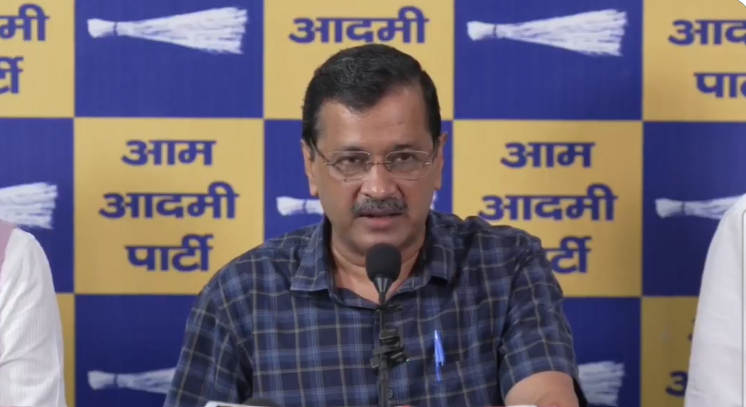
AAP national convenor Arvind Kejriwal intensified the political row by targeting Chief Election Commissioner Gyanesh Kumar, demanding a thorough probe and strict legal action over the allegations surrounding the Commission's decision-making process.
2. CJP Turns Up the Heat on Election Commission Row
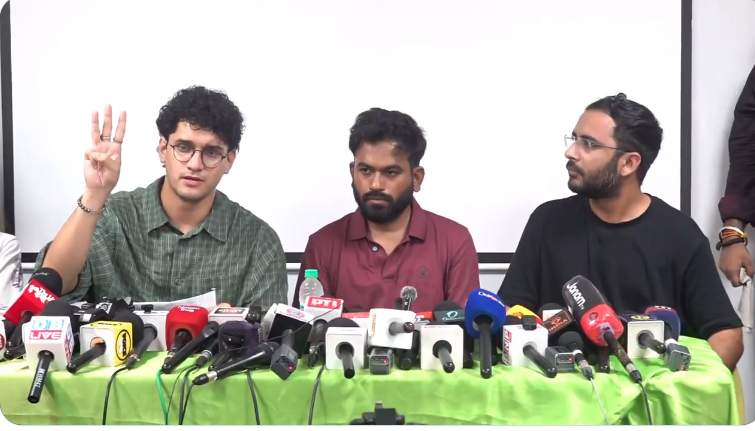
Amid the intensifying Election Commission controversy, the Cockroach Janta Party (CJP) has reportedly given Chief Election Commissioner Gyanesh Kumar a 48-hour deadline to step down. The party warned of a nationwide protest campaign if its demand is not met, citing concerns over the ongoing electoral roll revision exercise and the Commission's handling of the issue.
3.Rahul Gandhi and Congress Step Up Criticism of the Election Commission
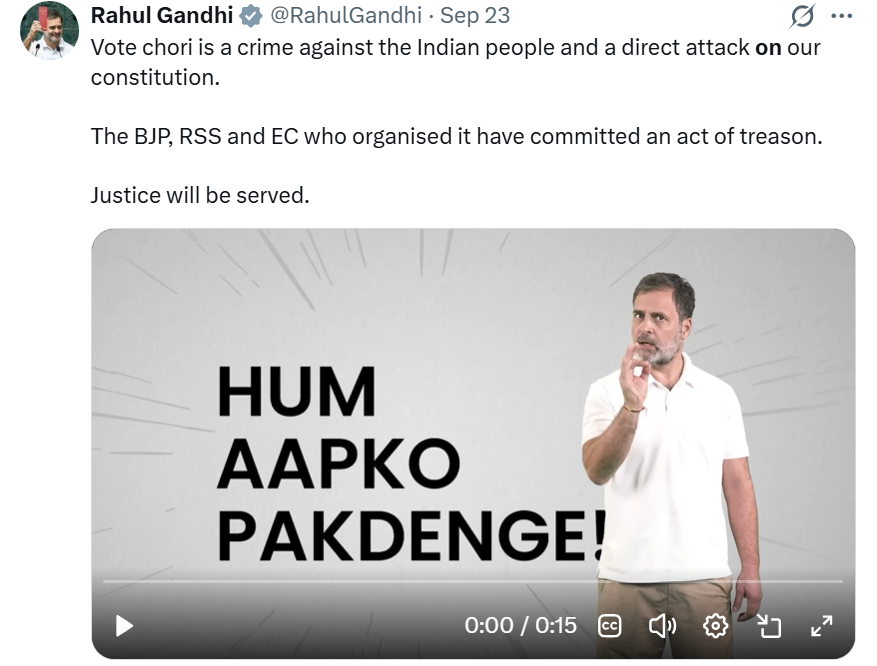
4. Raj Thackeray Demands Answers as EC Row Deepens
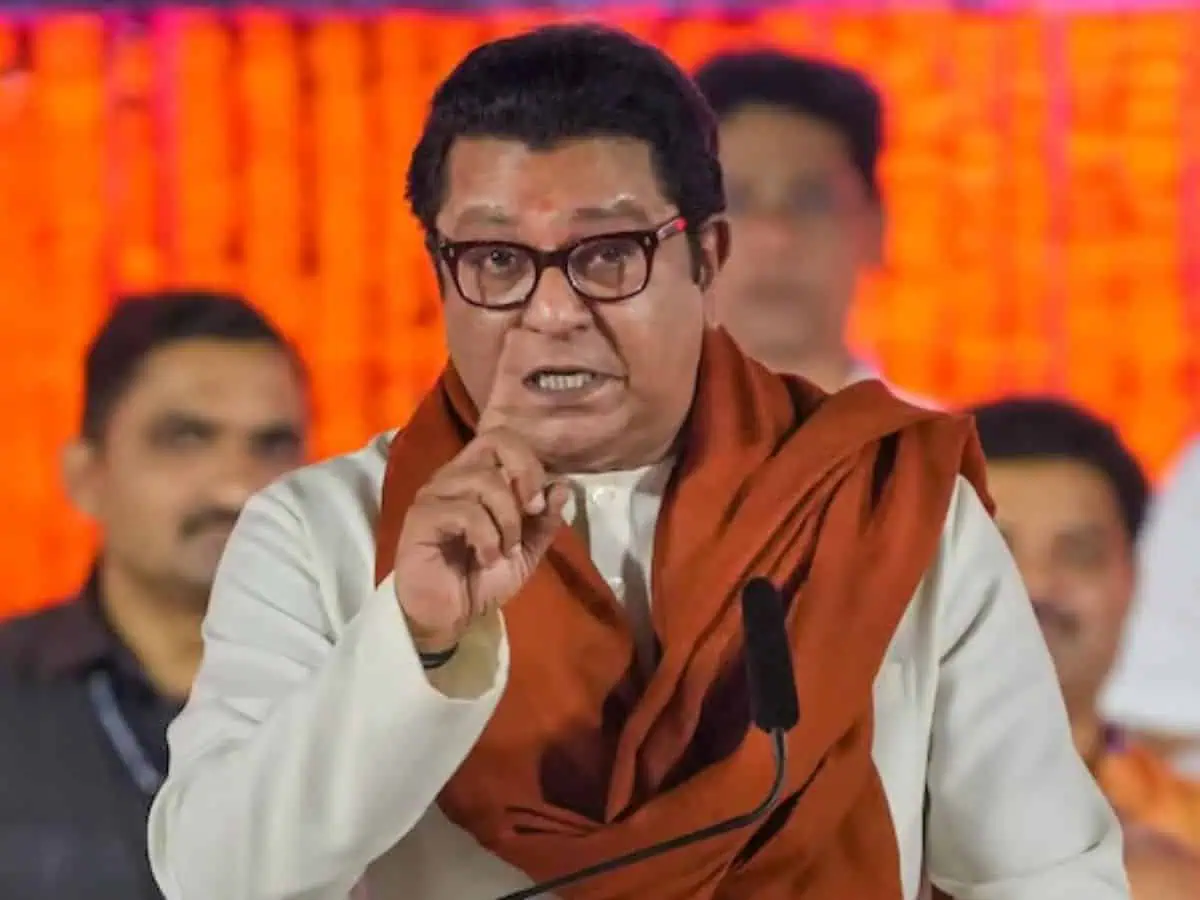
MNS chief Raj Thackeray has called for CEC Gyanesh Kumar's resignation and sought an independent investigation into the Election Commission controversy, citing recent reports of internal dissent within the poll body.
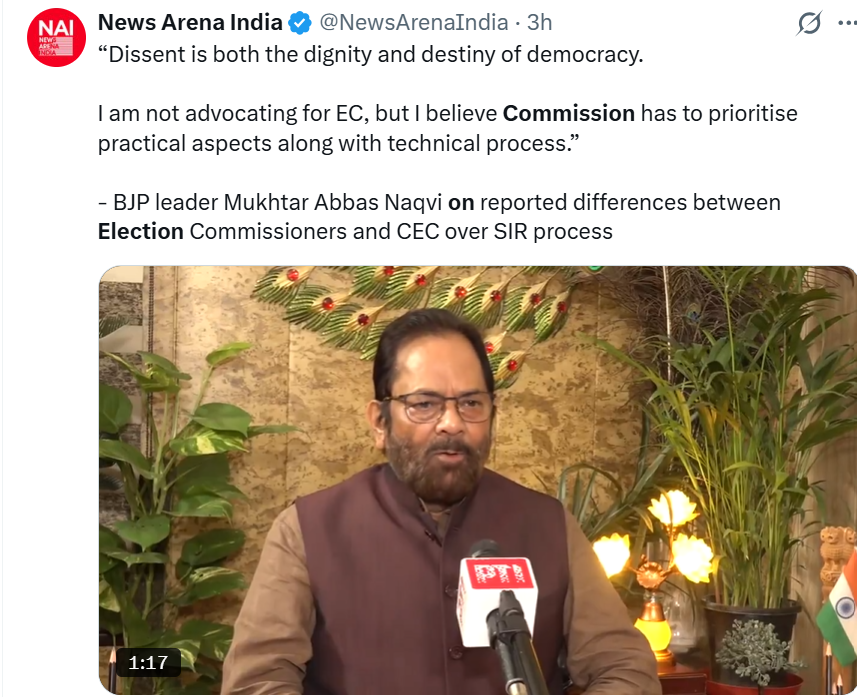
5. BJP Responds to the Election Commission Controversy
Why This Matters for Indian Democracy
At its core, this debate is not only about individual commissioners. It raises larger questions:
1. How should electoral institutions function in a democracy?
2. What level of transparency should exist in internal decision-making?
3. How can voter databases be managed securely while remaining accountable?
4. How should dissent within constitutional bodies be documented and communicated?
The answers to these questions will influence public confidence in electoral systems for years to come.
Ultimately, trust in elections depends not only on outcomes but also on the processes through which decisions are made.
The Bottom Line
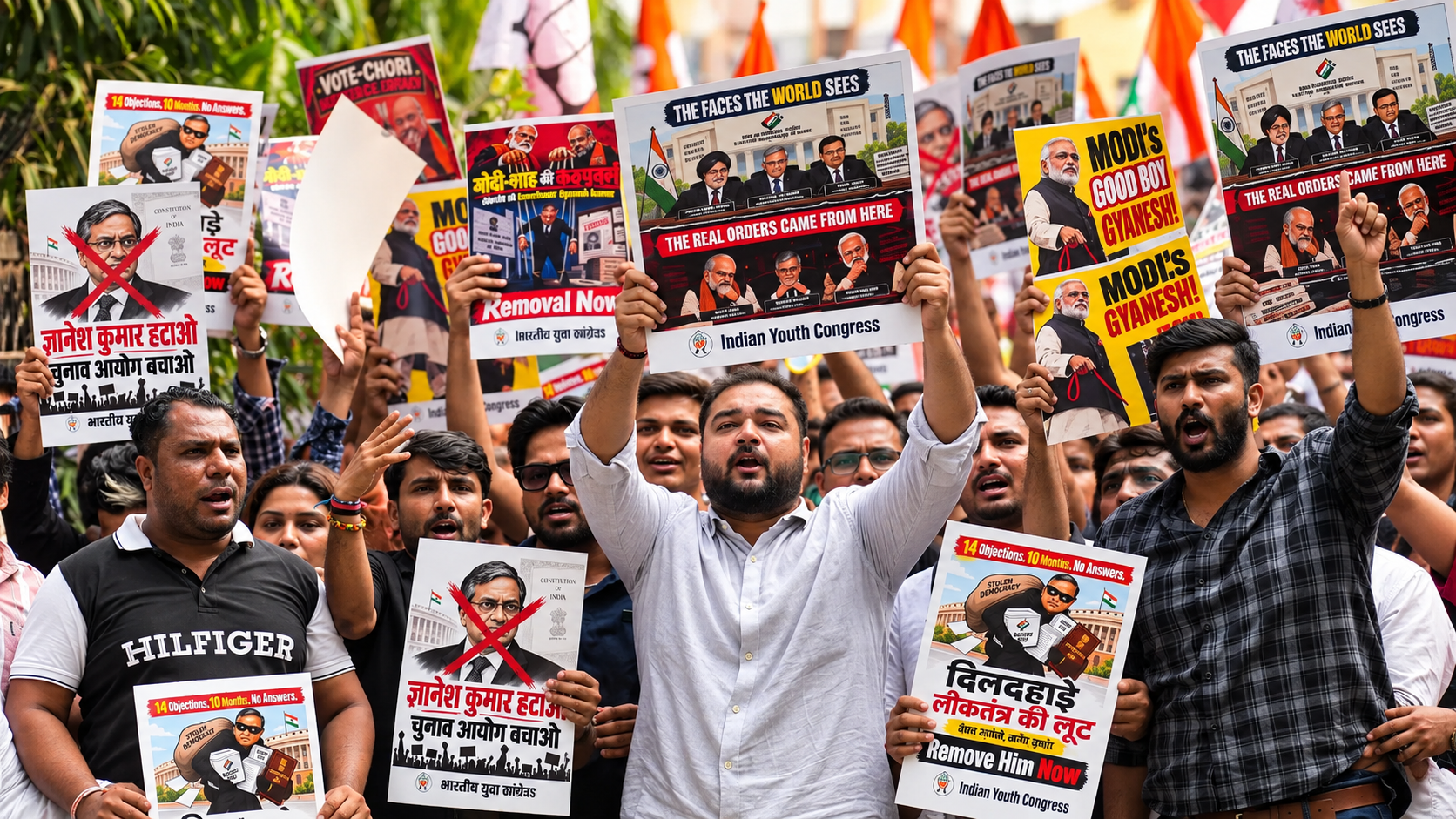
The controversy surrounding the Election Commission reflects a deeper debate about transparency, institutional accountability, and democratic governance.
While the two Election Commissioners raised concerns about whether key decisions were made without adequate consultation, the Election Commission has maintained that internal differences are a normal part of the decision-making process and that all final decisions were approved collectively.
As political tensions continue to rise, one fact remains clear: safeguarding both electoral integrity and public trust will be crucial for the future of India's democracy.
📢 What Do You Think?
Should internal dissent within constitutional bodies be made public for greater transparency? Or should such discussions remain confidential to protect institutional independence?
💬 Share your views in the comments.
📲 Follow us for sharp, fact-driven analysis of India's biggest political and governance stories.
🔔 Don't miss our next deep dive into the issues shaping the world's largest democracy.
Written by
Vedant BhardwajDiscussion (0)
Sign in to join the discussion.
Loading comments…