
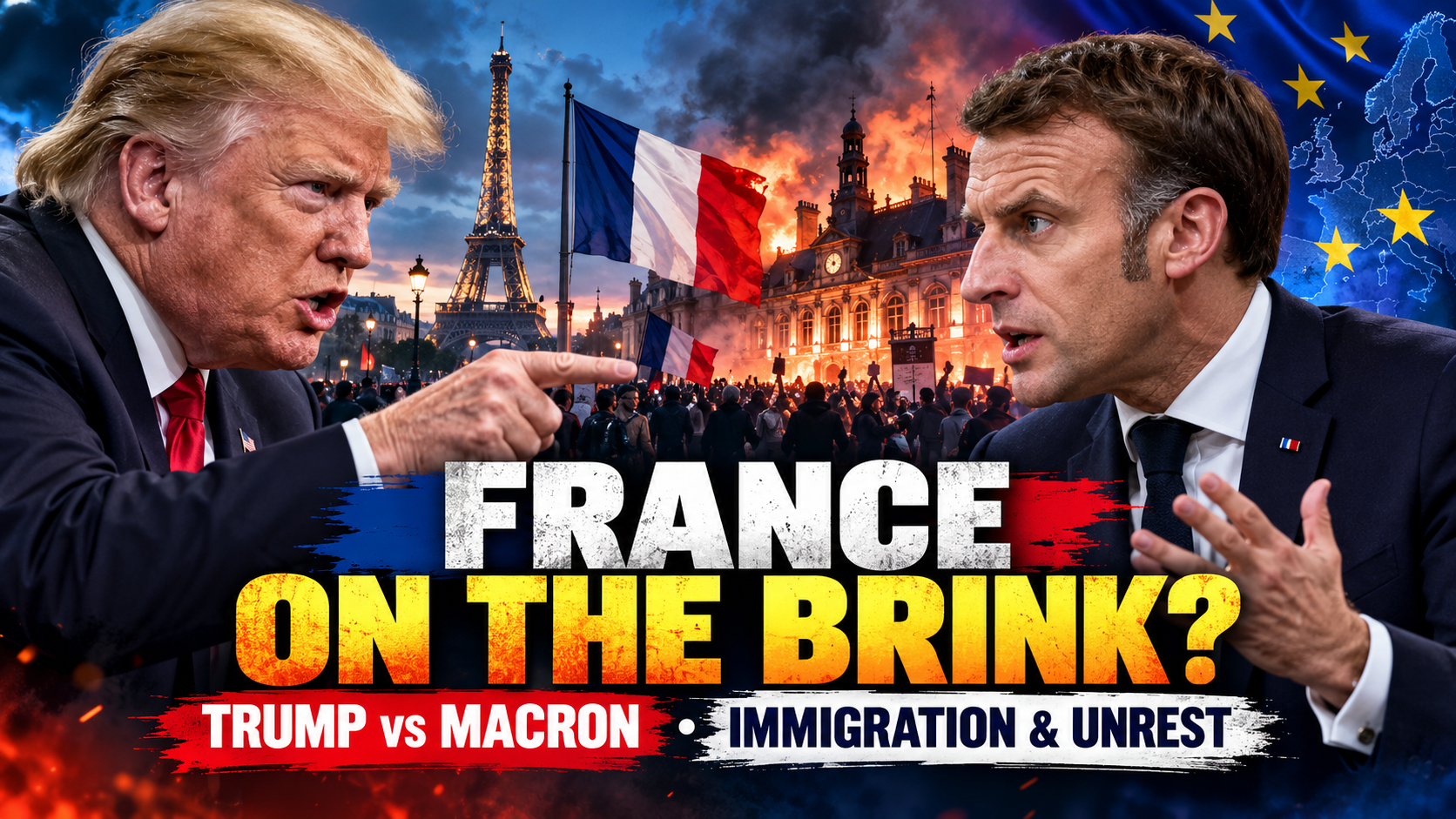
As riots rock France and public anger spills onto the streets, Donald Trump has entered the debate with a controversial claim: "Paris will be a Muslim city very soon." Is this a genuine warning about immigration and social cohesion, or a political message aimed at American voters? Here's a deep dive into the controversy, the facts, and what it means for France and the wider world.
France's Unrest Captures Global Attention
France has once again found itself at the center of international headlines as large-scale unrest, demonstrations, and incidents of violence have shaken several cities. Images of damaged public buildings, clashes on the streets, and widespread disruptions have sparked concern across Europe and beyond.
One of the most symbolic incidents involved the destruction of a historic town hall that had survived even the devastation of World War II. Such scenes have fueled intense debates about the state of French society, economic pressures, integration challenges, and government policy.

While analysts point to a mix of social and economic grievances, the turmoil has also become a political flashpoint far beyond France's borders.
🚨 France Erupts: Anger Against Macron Boils Over
Rising prices, public frustration, and violent clashes push France into crisis
More than 550,000 people reportedly took to the streets as anger over soaring living costs, fuel prices, and struggling public services spread across France.
From Paris to Dijon, protesters chanted: "Macron Resign!"
The unrest soon turned violent, with 2,400+ arrests, injured police officers, and even the historic Limoges Town Hall set ablaze.
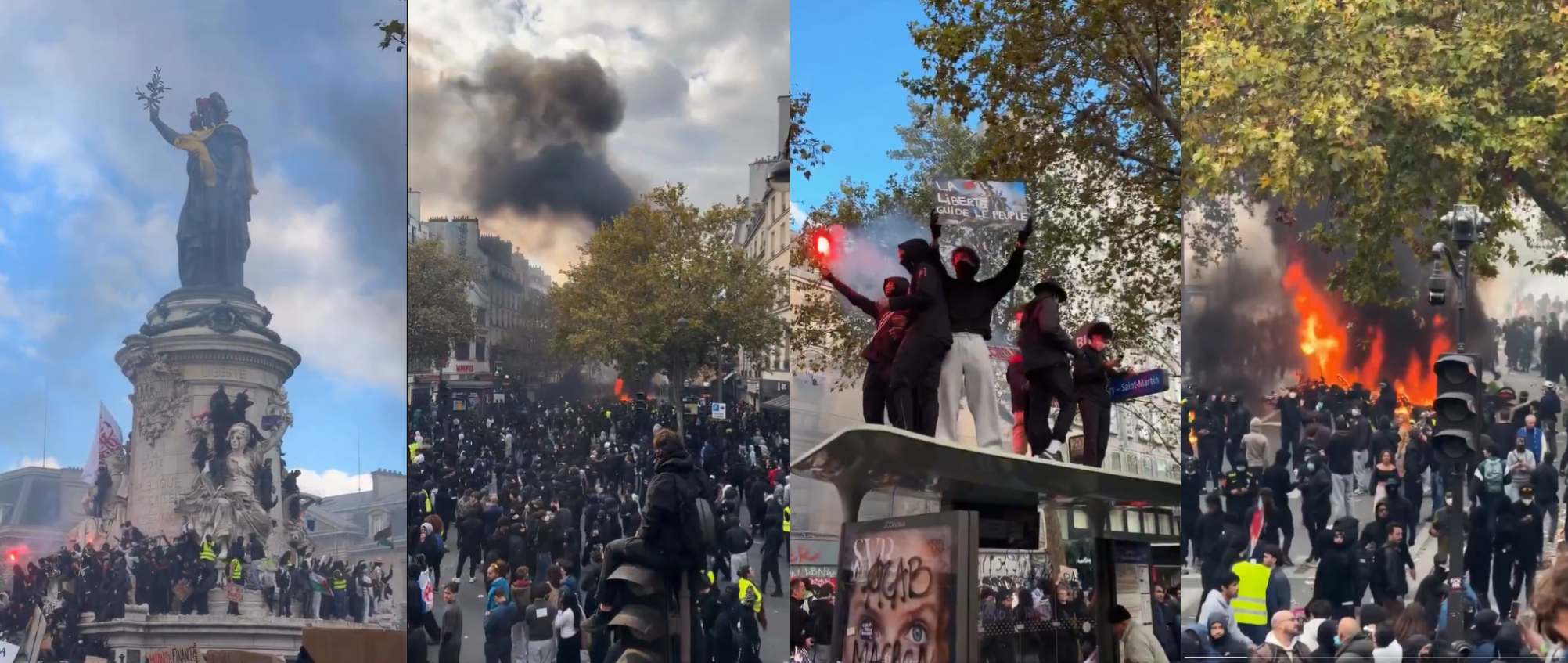
Behind the dramatic headlines lies a deeper story: a growing wave of public frustration over economic pressures, governance, and the rising cost of everyday life.
Donald Trump's Controversial Intervention
Amid the crisis, former U.S. President Donald Trump made headlines with a series of remarks about France's immigration policies.
Trump argued that France's long-standing approach to immigration has contributed to the country's current challenges. He suggested that French authorities should have imposed much stricter border controls years ago and criticized what he views as overly permissive migration policies.
His most debated statement was the claim that "Paris will be a Muslim city very soon."
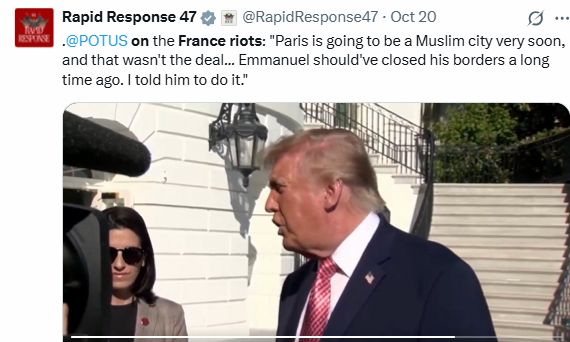
The comment immediately sparked reactions from supporters and critics alike, reigniting discussions about immigration, demographic change, national identity, and multiculturalism.
Trump also reportedly argued that Europe as a whole should tighten its borders, framing immigration as the central issue behind social instability.
Why Is Trump Linking the Riots to Immigration?
Trump's argument revolves around three main themes:
1. Border Control
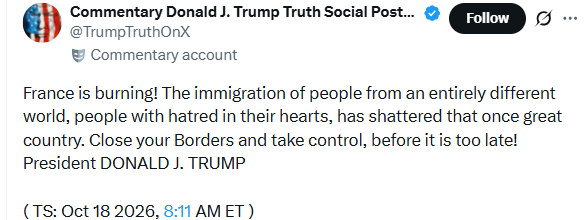
According to Trump, unrestricted immigration creates long-term social pressures that governments ultimately struggle to manage.
He believes stronger border policies would reduce future tensions and help preserve social stability.
2. National Identity
Trump has frequently emphasized the importance of protecting national culture and identity.
In the French context, he argues that large-scale immigration could gradually alter traditional cultural patterns and reshape urban demographics.
3. Political Messaging
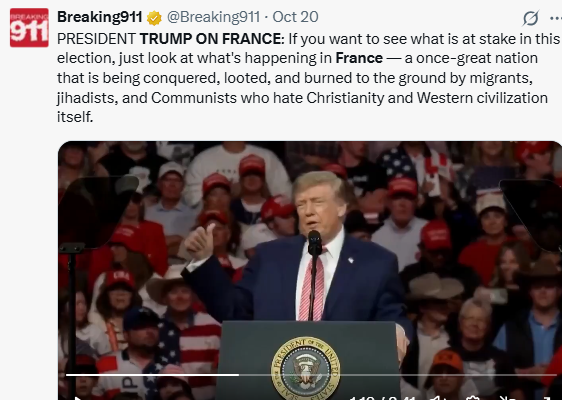
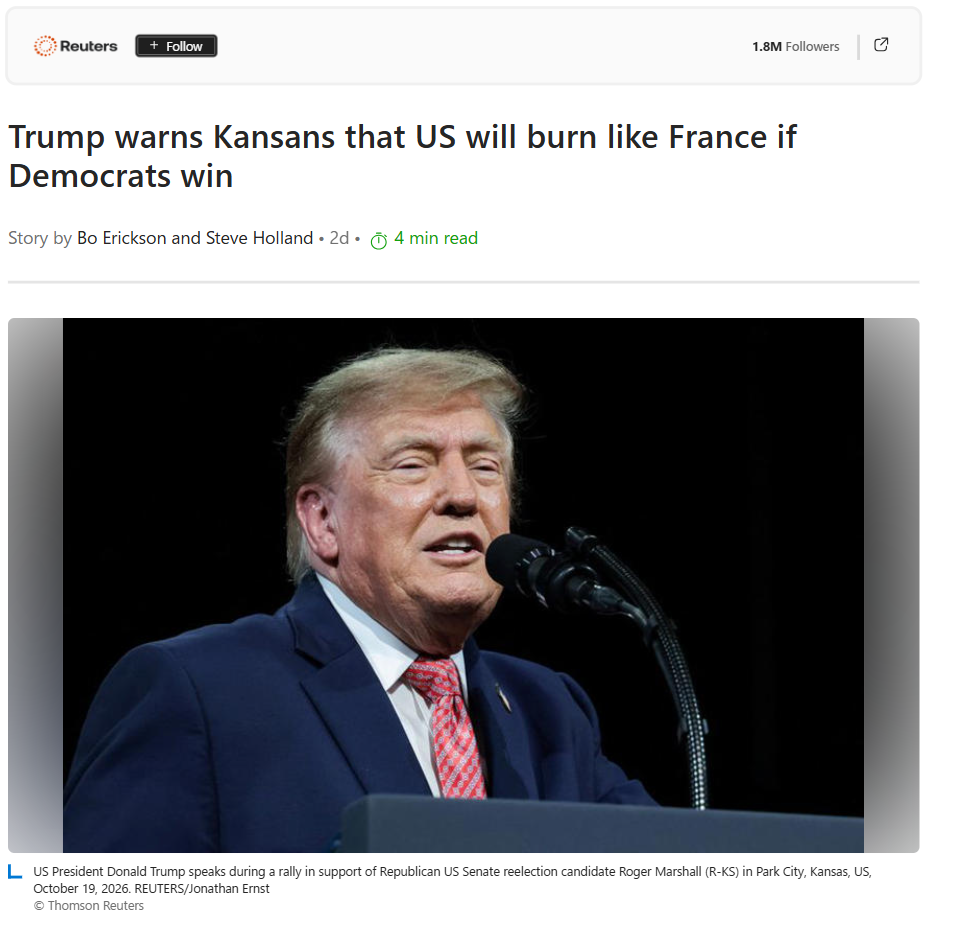
Many political observers believe Trump's comments are not solely about France. They are also seen as part of a broader message directed at American voters, particularly on immigration, border security, and public order.
By pointing to developments in France, Trump appears to be warning that similar challenges could emerge elsewhere if governments fail to control migration effectively.
Is Paris Really Becoming a "Muslim City"?
This is perhaps the most contentious part of the debate. While Paris has a significant Muslim population, available demographic studies do not support the claim that the city is close to becoming a Muslim-majority metropolis.
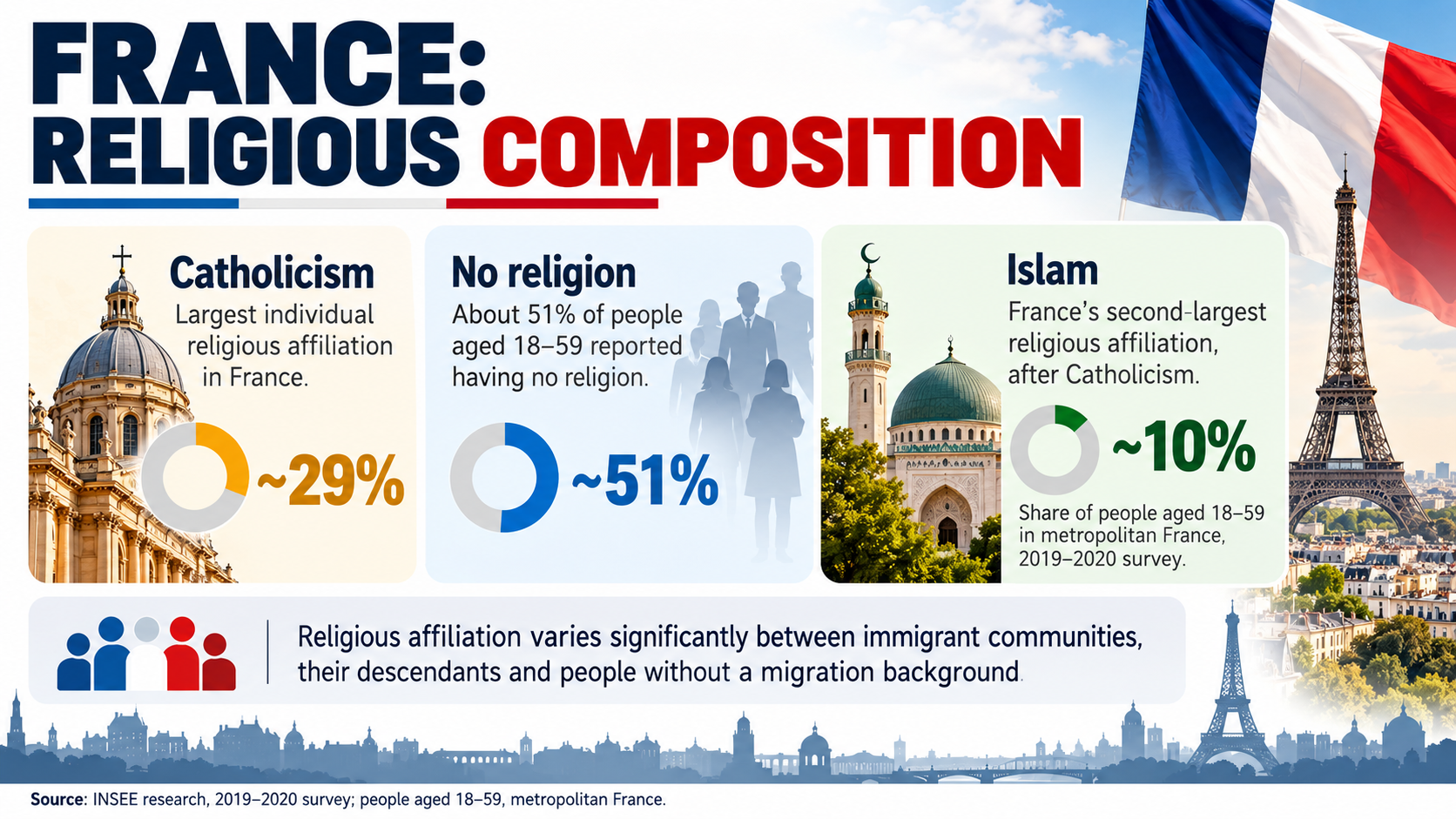
What is true, however, is that Islam is one of France's largest religious affiliations and has become a central topic in political discussions surrounding immigration, integration, and secularism. The reality is far more complex than political slogans suggest.
Understanding France's Unique Model of Secularism
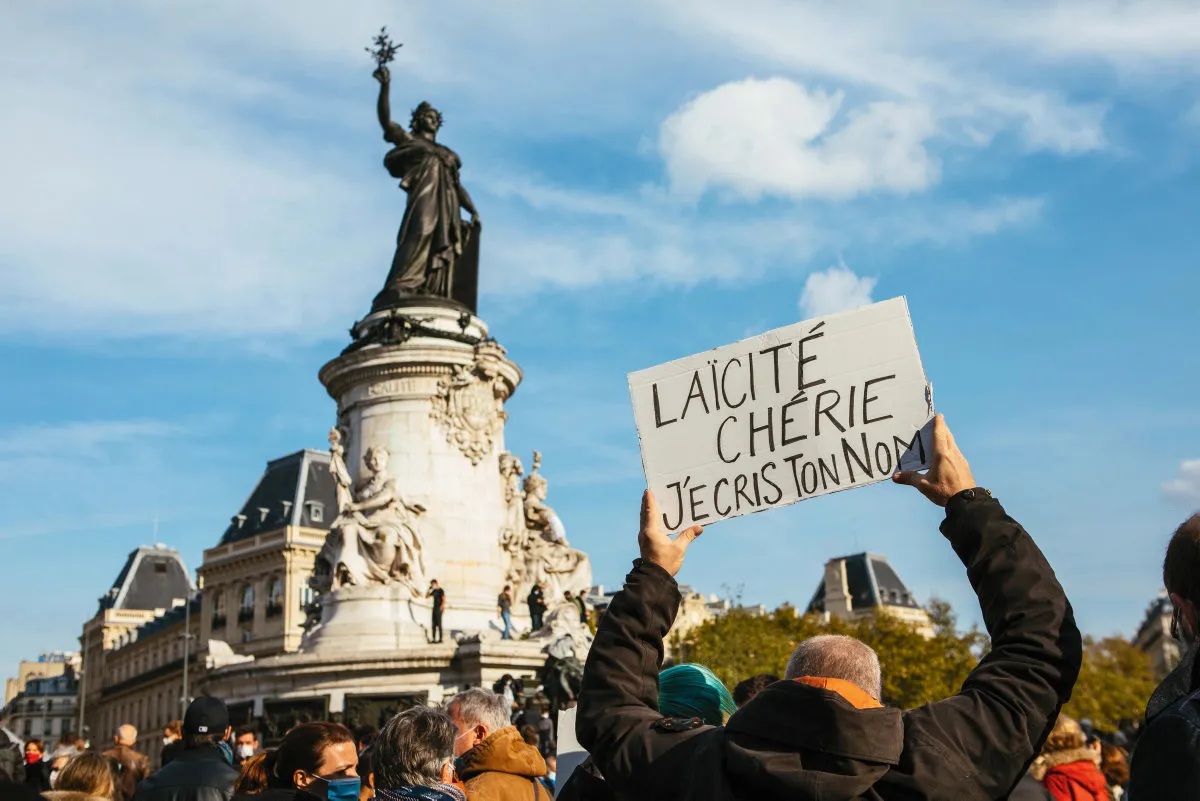
To understand why religion is such a sensitive topic in France, one must understand Laïcité.
What Is Laïcité?
Laïcité is France's principle of state secularism, established by law in 1905.m Under this model:
1. The government remains strictly neutral toward religion.
2. Religious institutions and the state are kept separate.
3. Public policy is designed to minimize religious influence in government affairs.
This differs from many other countries where the state may engage more actively with religious communities.
France vs India: Two Different Versions of Secularism
The French and Indian approaches to secularism are often misunderstood as identical, but they are fundamentally different.
France's model:
1. Strict separation between religion and the state.
2. Government aims to remain detached from religious matters.
India's model:
1. Equal treatment of all religions.
2. The state can intervene in religious matters when necessary but cannot favour one faith over another.
This distinction helps explain why debates over religion, identity, and public policy often become especially intense in France.
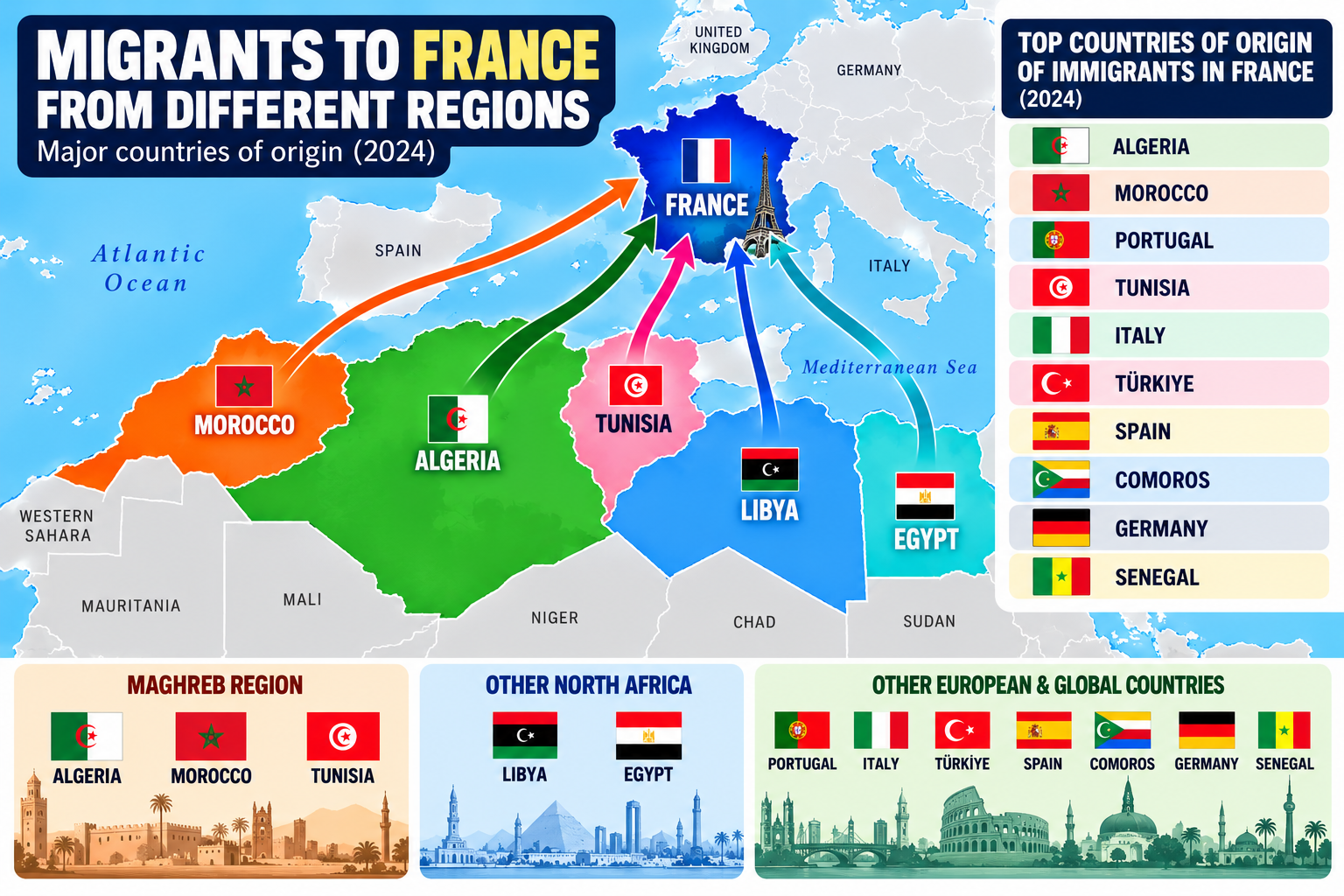
The Historical Roots of Muslim Migration to France
The presence of large Muslim communities in France is not a recent phenomenon.
1. The Colonial Connection
France maintained a vast colonial empire, particularly across North and West Africa. Countries such as Algeria, Morocco and Tunisia had deep historical links with France for decades.
2. Post-War Labour Demand
After World War II, France faced major labour shortages as it rebuilt its economy. To support industrial growth and reconstruction, workers from former colonies migrated to France in significant numbers.
Many eventually settled permanently, raised families, and became French citizens. Today, second- and third-generation descendants of those migrants form an integral part of French society.
This historical reality is a key reason why discussions about immigration in France cannot be separated from the country's colonial legacy.
Are Immigration Policies the Real Cause of the Unrest?
This is where the debate becomes more complicated. Trump's argument focuses primarily on immigration. However, many experts point to a broader set of factors behind the unrest, including:
1. Rising Cost of Living
Like many European countries, France has faced inflationary pressures and growing concerns about household expenses.
2. Public Services and Education
Several economists, social policy experts, and community organizations argue that rising frustrations over underfunded public services, education challenges, and local infrastructure issues have played a role in fueling unrest.
3. Economic Frustration
Concerns about employment opportunities, social mobility, and economic inequality continue to fuel public anger.
4. Social Integration Challenges
Questions surrounding integration, identity, and community cohesion remain important, but they are only one part of a much larger picture.
For many observers, reducing a complex social crisis to immigration alone risks overlooking deeper structural issues.
Can France Simply Close Its Borders?
Trump's solution is straightforward: “stronger border controls.”
But implementing such a policy is not as simple as it sounds.
1. France Is Part of the European Union
As an EU member, France participates in broader European agreements that promote freedom of movement.
2. The Schengen Challenge
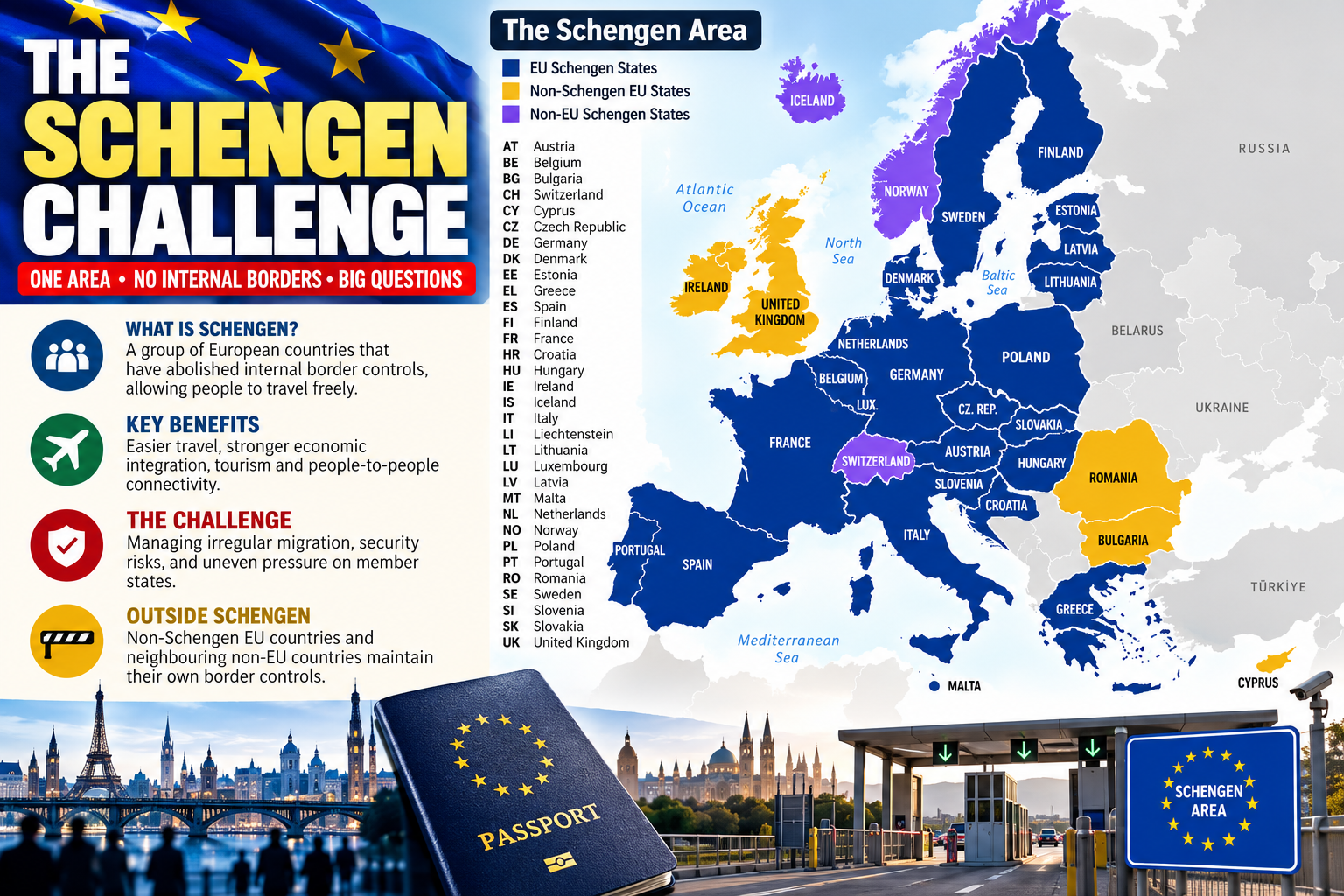
France is also part of the Schengen Area, which allows people to travel across much of Europe without routine border checks. Closing borders completely would involve significant legal, political, and economic complications.
While temporary restrictions can be introduced during emergencies, a permanent shutdown of borders would be difficult and controversial.
Macron Fires Back: France's Riots Aren't About Migrants
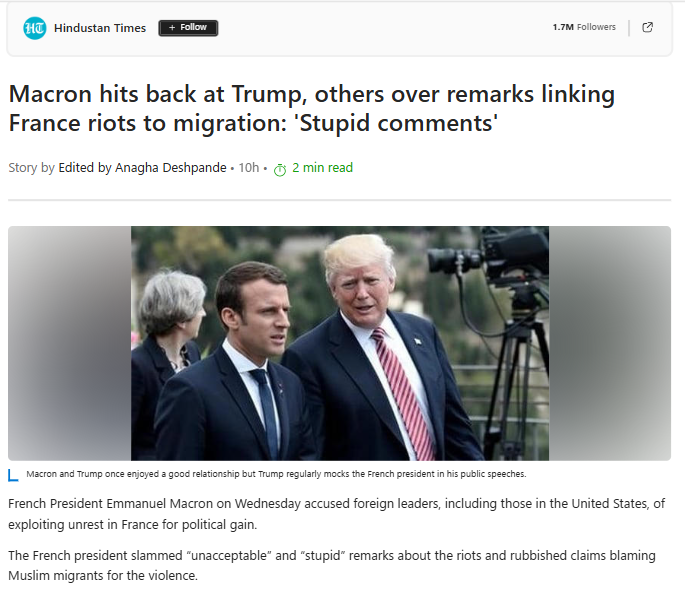
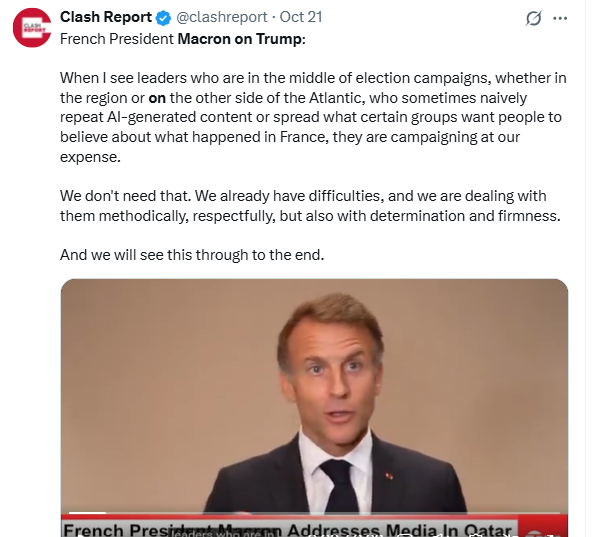
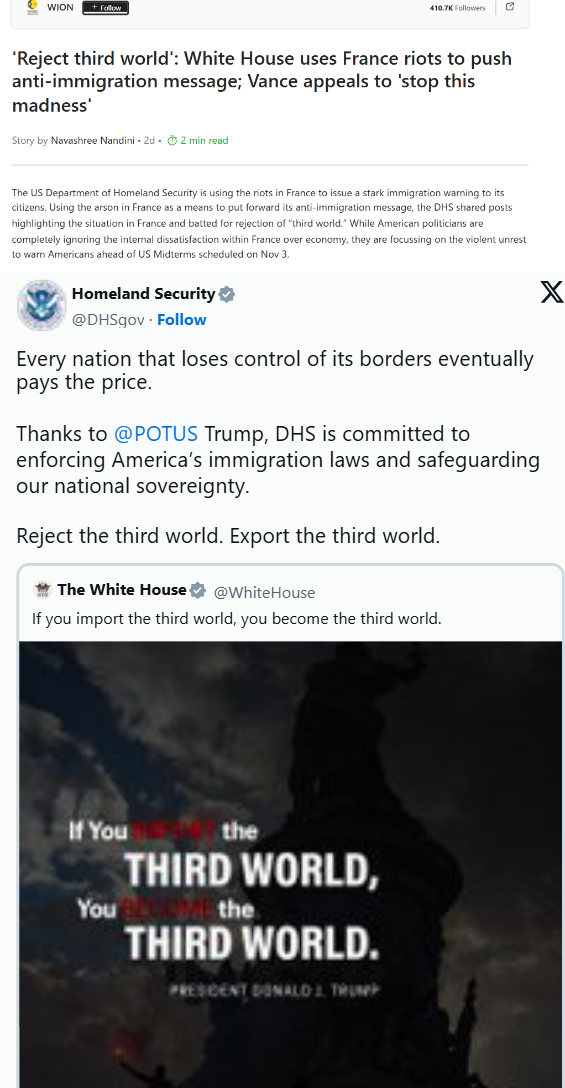
As France burns with unrest, the White House is turning the crisis into a stark warning on immigration and border security.
The Bigger Question: A French Crisis or a Global Warning?
The debate sparked by Trump's comments reflects a broader global conversation. Across Europe, North America, and other regions, governments are grappling with questions such as:
1. How should immigration be managed?
2. What is the balance between cultural diversity and national identity?
3. Can economic and social frustrations be addressed without deepening polarization?
4. What role should secularism play in increasingly diverse societies?
France has become the latest battleground in this discussion, but the underlying questions extend far beyond Paris.
✅ The Verdict: Immigration or Deeper Issues?
Trump's remarks have undoubtedly intensified an already heated debate. While his supporters view the events in France as evidence that stricter immigration controls are necessary, many sociologists, economists, urban policy experts, trade unions, community organizations, and opposition politicians argue that the unrest stems from a mix of economic, social, and governance challenges rather than immigration alone.
The reality likely lies somewhere between these competing narratives. France's current turmoil reflects complex historical, demographic, economic, and political forces that no single issue can explain.
As the debate continues, one thing is certain: the future of immigration, national identity, and social cohesion will remain among the most contested political questions of the 21st century.
👉 What Do You Think?
Are France's challenges primarily linked to immigration, or are rising living costs, economic pressures, and social inequalities the bigger drivers of unrest?
Share your perspective in the comments below and follow us for more in-depth analysis on global politics, immigration trends, and the geopolitical stories shaping the world.
Written by
Kartikeya RaoDiscussion (0)
Sign in to join the discussion.
Loading comments…