
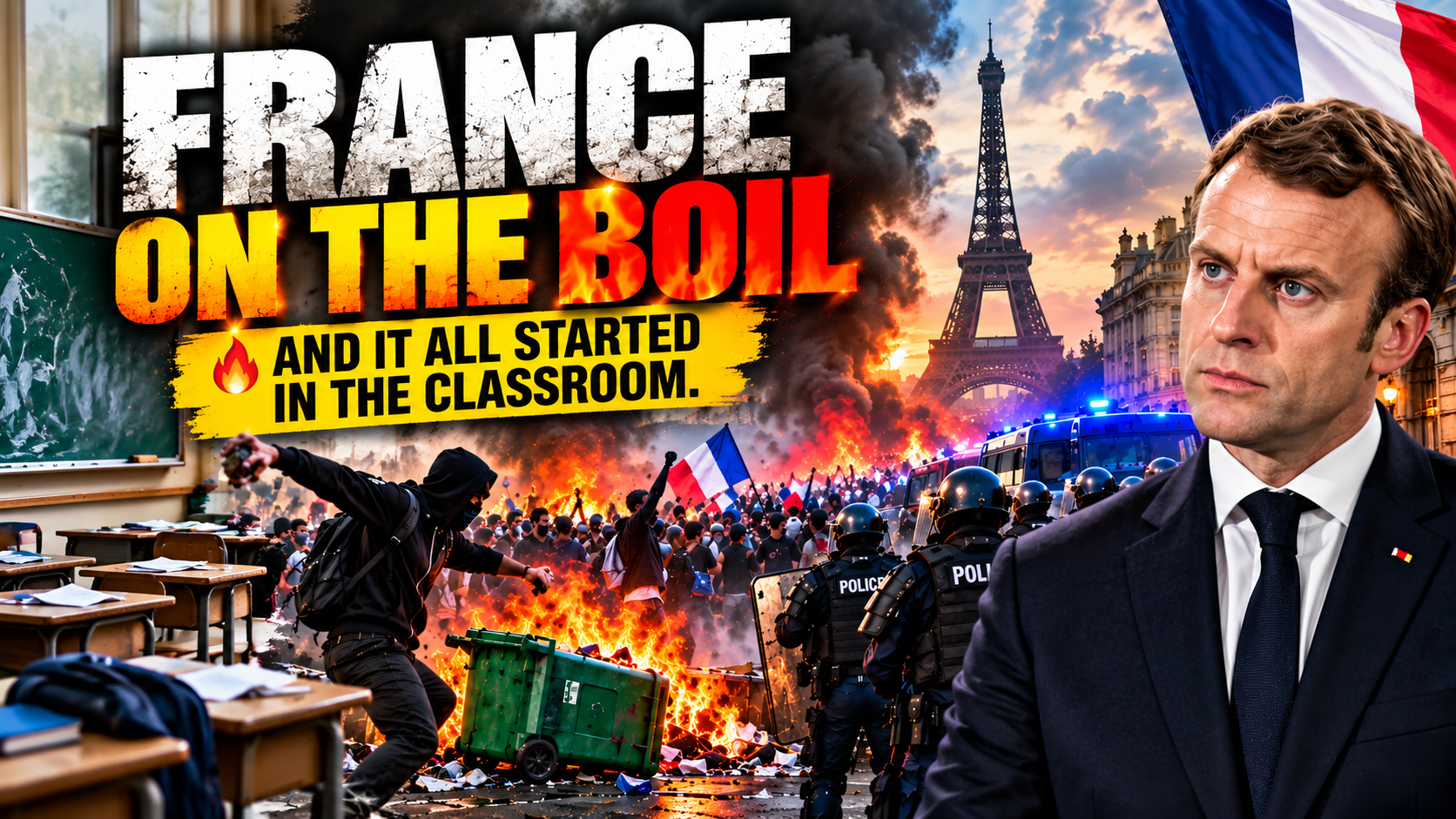
From Classroom Frustrations to Nationwide Unrest: The Real Story Behind France’s Explosive Student Protests
France, often celebrated for its strong public education system and commitment to equal opportunity, is currently facing a wave of student unrest that has shocked many observers. What began as a movement demanding better educational conditions has rapidly escalated into a nationwide crisis marked by school blockades, clashes with police, vandalism, and heated political debate.
At the heart of the chaos lies a question that resonates far beyond France: “What happens when young people feel their future is being compromised?"
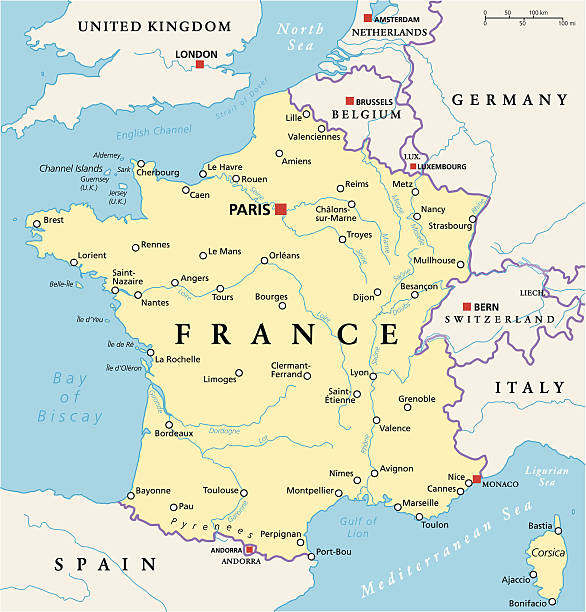
By October 1, more than 1,000 high schools, roughly one-quarter of the country's total high schools, had been impacted by the protests, with over 200 campuses reportedly blockaded by demonstrators. The situation intensified further on October 2, when the French Education Ministry confirmed that around 500 schools had been forced to close, while hundreds more faced significant disruptions due to ongoing protests and student-led actions.
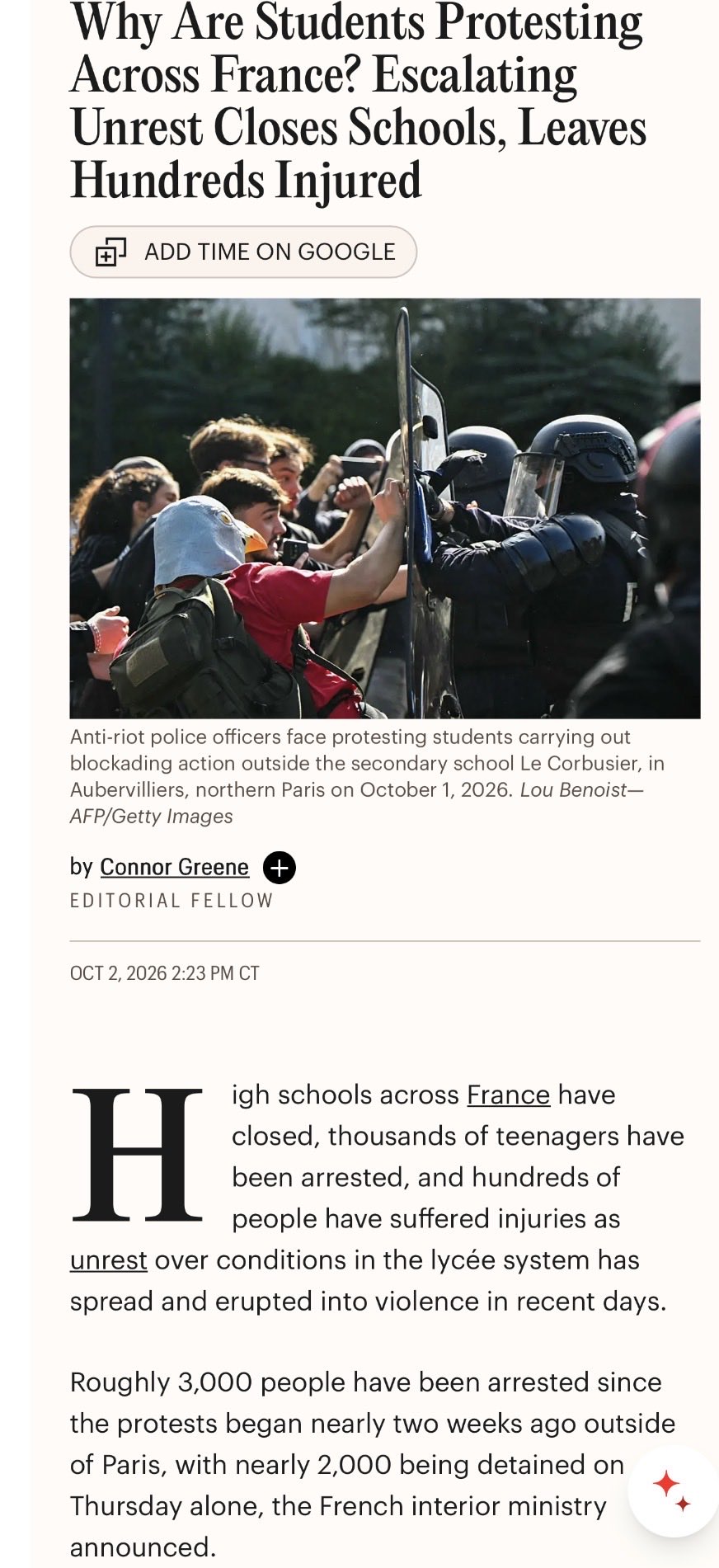
A Protest That Started With Education, But Became Much Bigger
The demonstrations began with complaints from high school students, particularly in suburban regions surrounding Paris. Students voiced concerns about deteriorating school conditions, inadequate infrastructure, overcrowded classrooms, and most importantly, a severe shortage of teachers.
What seemed like local frustration quickly gained momentum on social media. Videos showing neglected schools, absent teachers, and student grievances spread rapidly across platforms, transforming isolated complaints into a nationwide movement.
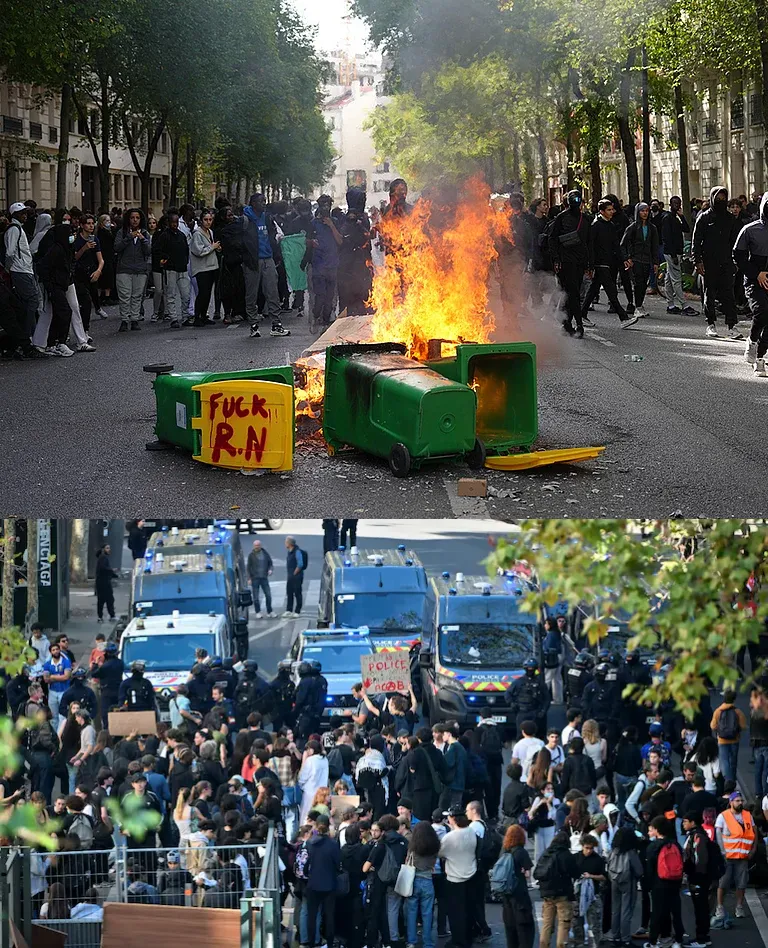
Within days, protests were no longer confined to a few schools. Thousands of students across France joined demonstrations, making education one of the country's most controversial and politically charged issues.
🚨 Protests Intensify as Participation Surges
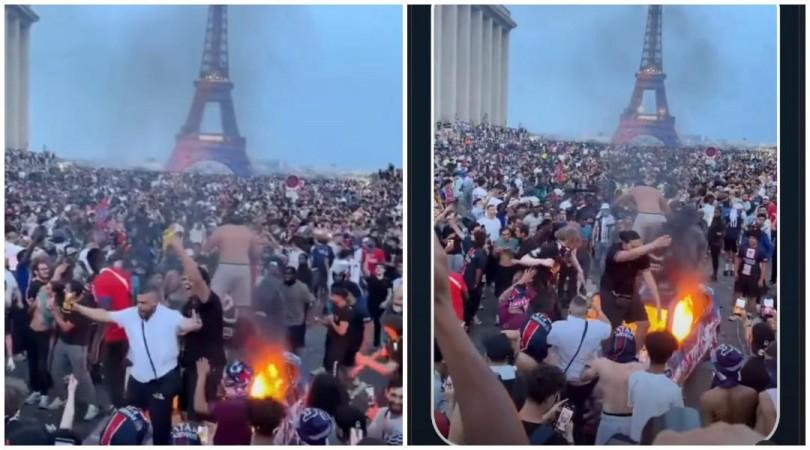
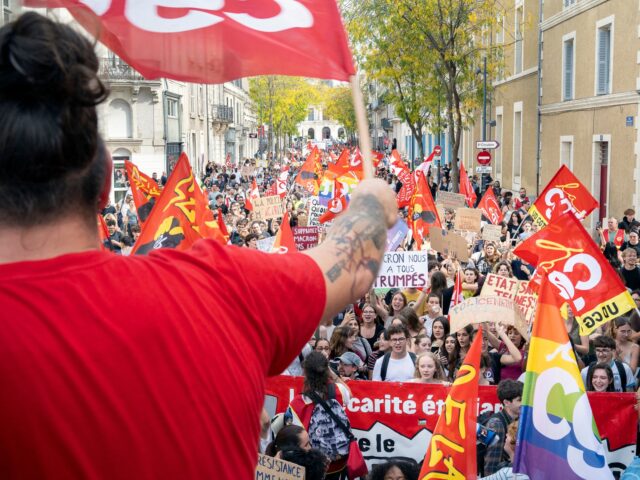
What began as a student-led movement has evolved into one of France's largest waves of social unrest in recent years. According to the French Interior Ministry, around 206,000 people joined the demonstrations, while unions claim participation was closer to 300,000. The growing movement has drawn support from teachers, firefighters, hospital staff, local government employees, and other public-sector workers, turning an education dispute into a broader national challenge.
⚠️ Rising Tensions and Human Cost
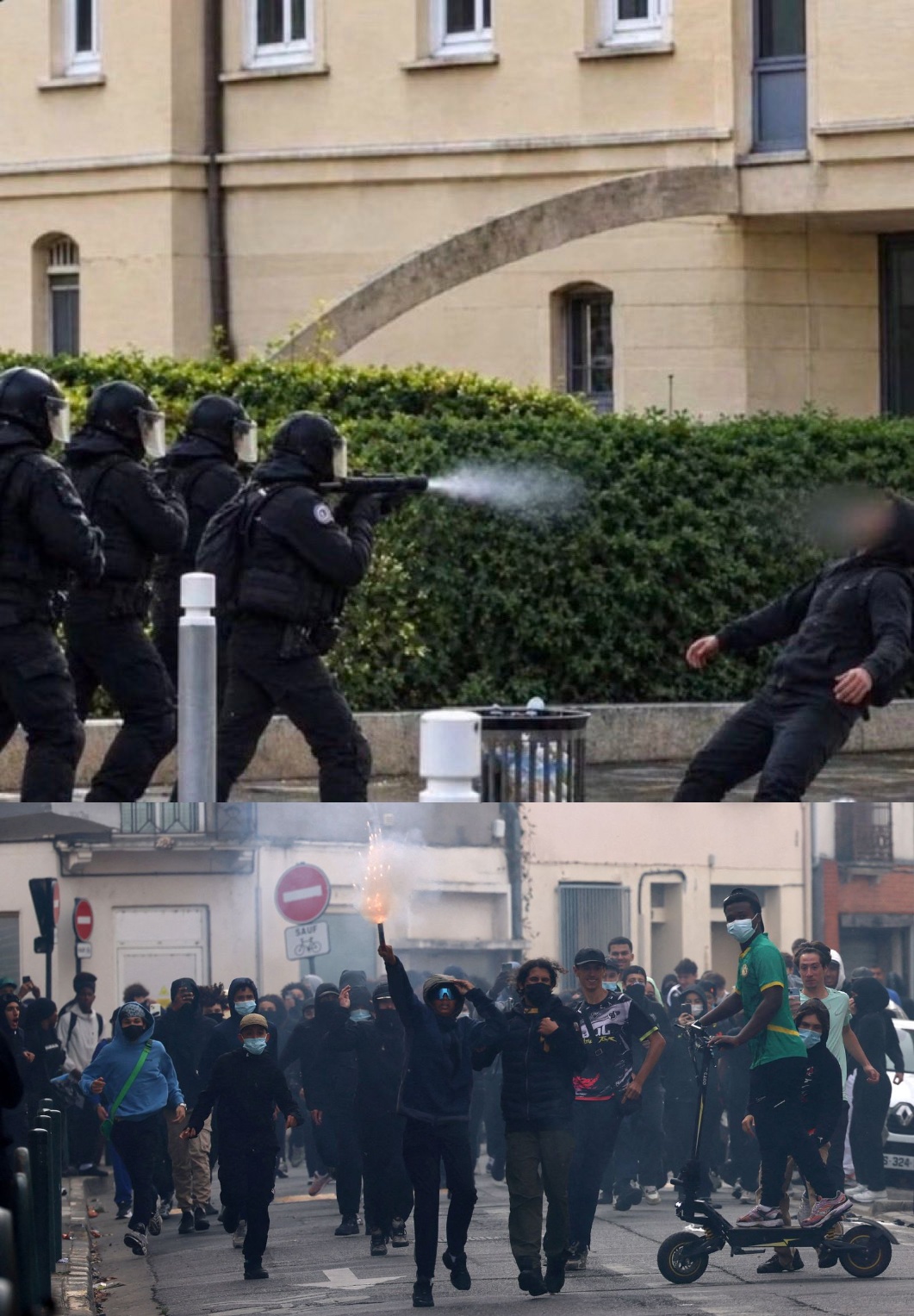
The unrest has taken a troubling turn, with a 15-year-old student in Lens suffering a severe hand injury during clashes. Authorities are investigating whether the injury was caused by a police grenade. As the protests enter their third consecutive week, teachers' unions have called for another nationwide day of demonstrations, signalling that the crisis is far from over.
The Main Complaint: “How Can We Learn Without Teachers?”
One of the strongest accusations from students is the persistent lack of teaching staff. Many claim that classrooms have gone for extended periods without qualified teachers. In some cases, replacement teachers were reportedly unavailable, leaving students to miss valuable instructional time.
This shortage has created a domino effect:
1. Overcrowded classrooms
2. Reduced teaching hours
3. Increased workload for existing teachers
4. Declining student performance
5. Growing dissatisfaction among families
For students preparing for critical examinations, the situation has become particularly alarming. Their argument is simple: “If education is a fundamental right, then access to teachers should not be a luxury.”
Why This Is Surprising in France
Unlike many countries, France spends heavily on education. The French state plays a major role in funding schools. Public education is highly subsidized, and even private institutions benefit from government support in various forms, including teacher salaries.
Because of this strong state involvement, many students and parents find the current situation difficult to accept. Their frustration stems from a perceived contradiction:
“How can a country known for investing in education still struggle with basic teaching availability and school infrastructure?”
This question has become central to the debate.
Beyond Teachers: Overcrowded Schools and Student Burnout
The protests are not solely about missing teachers. Students have also raised concerns regarding increasingly demanding schedules and overcrowded learning environments.
Many report spending long hours at school, sometimes from early morning until evening (approx. 8 am to 6 pm). Combined with staffing shortages and administrative challenges, these prolonged schedules have contributed to feelings of exhaustion and stress.
Young protesters argue that education should support personal growth, not create an environment of constant pressure. Increasingly, the discussion has shifted from educational resources to broader issues of student well-being and mental health.
Climate Change Adds Fuel to the Fire
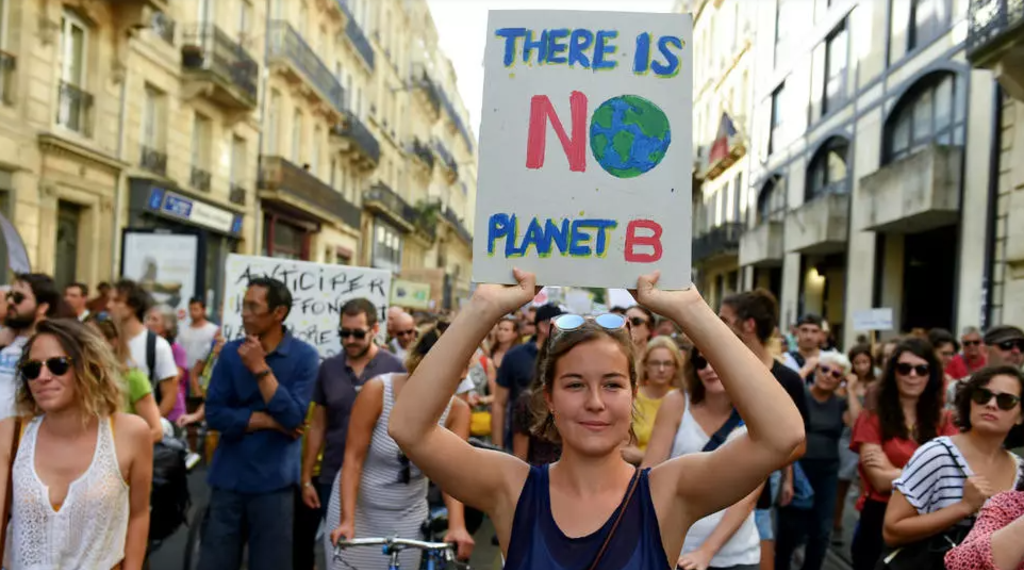
An unexpected factor has also entered the conversation: extreme heat.
Recent heat waves across Europe have exposed weaknesses in ageing school infrastructure. Many school buildings were originally designed for a cooler climate and now struggle to cope with rising temperatures.
Students have complained about:
1. Poor ventilation
2. Insufficient insulation
3. Overheated classrooms
4. Lack of air conditioning
5. Uncomfortable learning conditions
As climate change intensifies, educational infrastructure is being forced to confront new challenges. For many students, the issue is no longer just about quality education but also about basic comfort and safety during the school day.
When Peaceful Protests Turn Violent
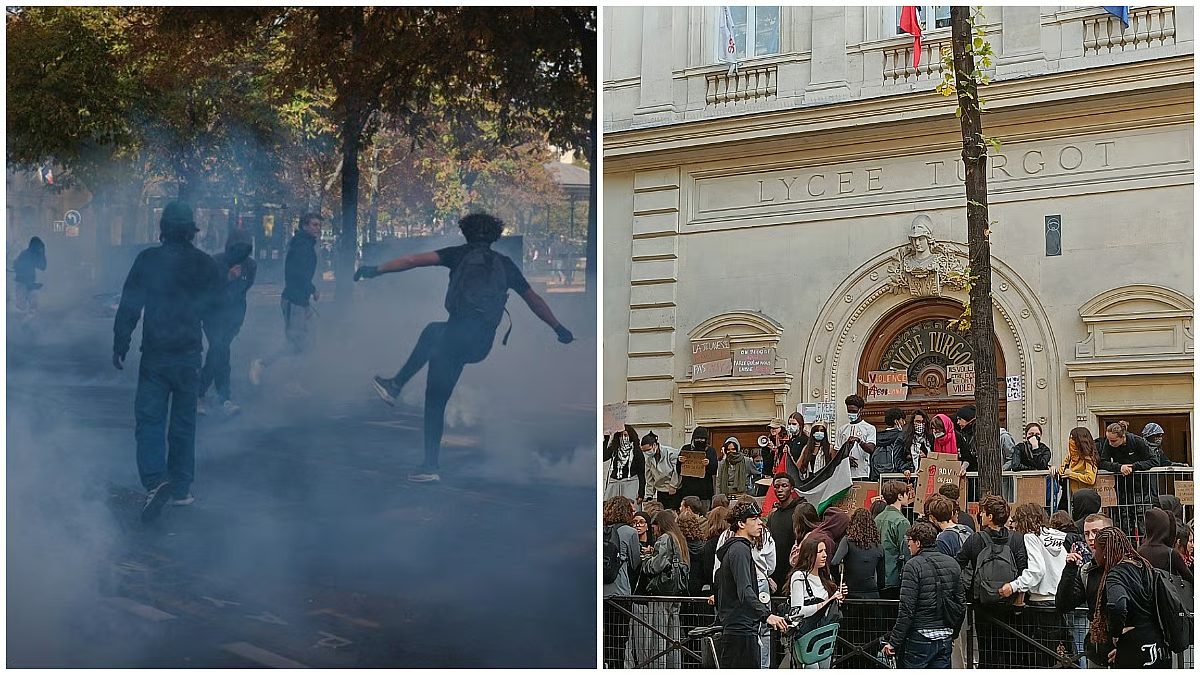
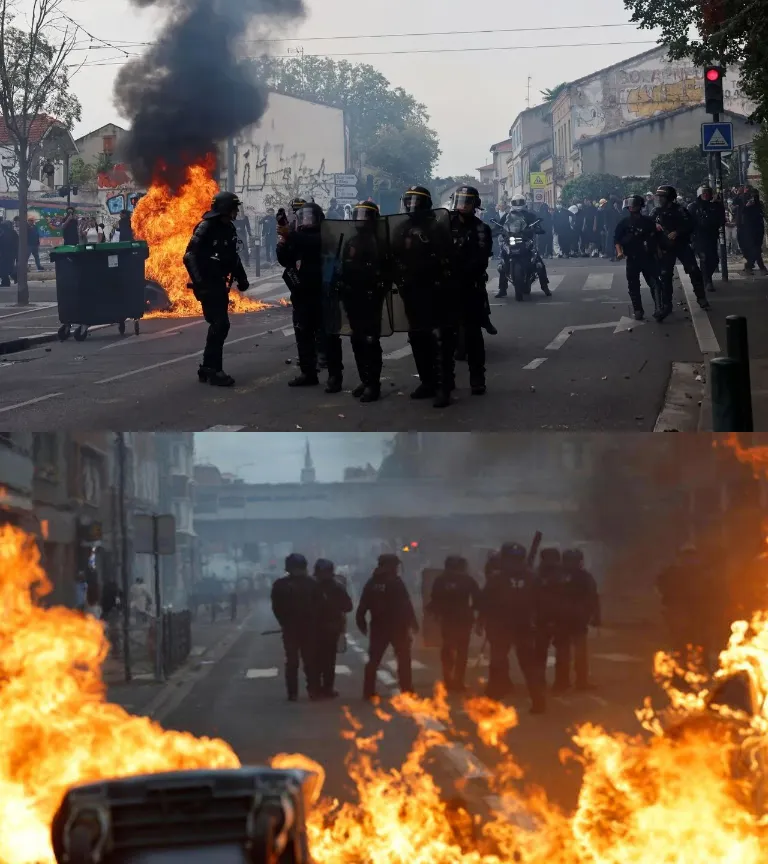
Like many large-scale protest movements around the world, tensions eventually escalated. Initially focused on education reforms, some demonstrations reportedly turned violent. There were incidents involving:
1. Burning trash bins
2. Damage to school property
3. Attacks on public infrastructure
4. Stone and bottle throwing
5. Confrontations with riot police
Authorities described parts of the unrest as "urban violence" rather than merely student demonstrations.
This distinction has become controversial. Many student organizers insist that their movement began peacefully and that violent incidents were caused by fringe groups, opportunistic actors, or individuals unrelated to the original educational demands.
This is a pattern frequently seen in mass protests globally, where legitimate grievances sometimes become overshadowed by disorder and confrontation.
The Role of Social Media: A New Era of Mobilization
Perhaps the most important difference between modern protests and those of previous decades is the speed of mobilization. Platforms such as TikTok, Snapchat, Instagram, and messaging groups have dramatically accelerated the spread of information.
Students have used social media to:
1. Share videos of poor school conditions
2. Document police actions
3. Coordinate demonstrations
4. Organize school blockades
5. Spread awareness nationwide
A protest that might once have remained local can now become a national movement within hours. In today’s digital world, a single viral video can ignite a conversation that reaches millions.
Education Is the Trigger, But Not the Entire Story
While education remains the central issue, many analysts believe deeper frustrations are also contributing to the unrest. Concerns frequently raised by young people include:
1. Employment opportunities
2. Economic uncertainty
3. Housing affordability
4. Social inequality
5. Climate anxiety
6. Future career prospects
When a major protest movement emerges, it often becomes a platform for multiple grievances at once.
The French student demonstrations appear to reflect a broader sense of dissatisfaction among sections of the country's youth who feel increasingly uncertain about the future.
Budget Cuts and Political Pressure
The timing of the protests is particularly difficult for the French government.
France faces pressure to control public spending and reduce fiscal deficits. Government plans to cut expenditures have sparked fears that education budgets could come under further strain.
Facing a widening budget gap, French leaders are targeting €54 billion in savings by 2027, insisting that major spending reforms are necessary to put the nation's finances back on track.
Students and teachers argue that reducing investment at a time when schools are already struggling would only deepen existing problems. As a result, the protests have evolved from a local educational dispute into a debate about national priorities.
Should governments focus on fiscal discipline? Or should they invest more aggressively in the next generation?
That question now sits at the center of France’s political conversation.
A Familiar Challenge for President Macron
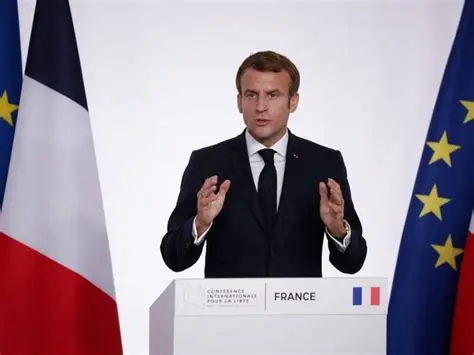
The unrest also adds to a long list of social movements that have challenged President Emmanuel Macron's administration.
Over the years, France has witnessed large-scale demonstrations over labour reforms, pension changes, rising living costs, and economic inequality. France has a long tradition of public protest, deeply rooted in its democratic culture and revolutionary history. Many citizens view demonstrations as a legitimate way to influence public policy.
However, when protests become violent, public sympathy can quickly shift, creating difficult choices for both authorities and demonstrators.
The Bigger Lesson: When Students Raise Their Voices, Governments Must Listen
The events unfolding across France serve as a powerful reminder that education is more than buildings, budgets, and policies.
It is about opportunity. It is about trust. And most importantly, it is about the future.
When students believe their education is being compromised, their frustration can evolve into a movement capable of shaking an entire nation.
France's current crisis is not merely a debate over classrooms and teachers. It is a warning signal about the expectations, anxieties, and aspirations of a generation that wants to be heard.
🚀 Storm Clouds Ahead
Whether one agrees with the protests or not, the message from thousands of French students is impossible to ignore: “A nation's future cannot be built if its classrooms are struggling today.”
The coming months will reveal whether France can address these concerns through dialogue and reform, or whether the tensions will continue to escalate.
📢 What Do You Think?
👉Should governments prioritize education funding even during economic challenges?
👉Are student protests an effective way to bring attention to systemic problems?
👉Where should the line be drawn between peaceful demonstration and public disorder?
Share your thoughts in the comments below, join the conversation, and follow us for more deep dives into the biggest global stories shaping our world today. 🌍📚🔥
Written by
Vedant BhardwajDiscussion (0)
Sign in to join the discussion.
Loading comments…