
After the Resignation Shock
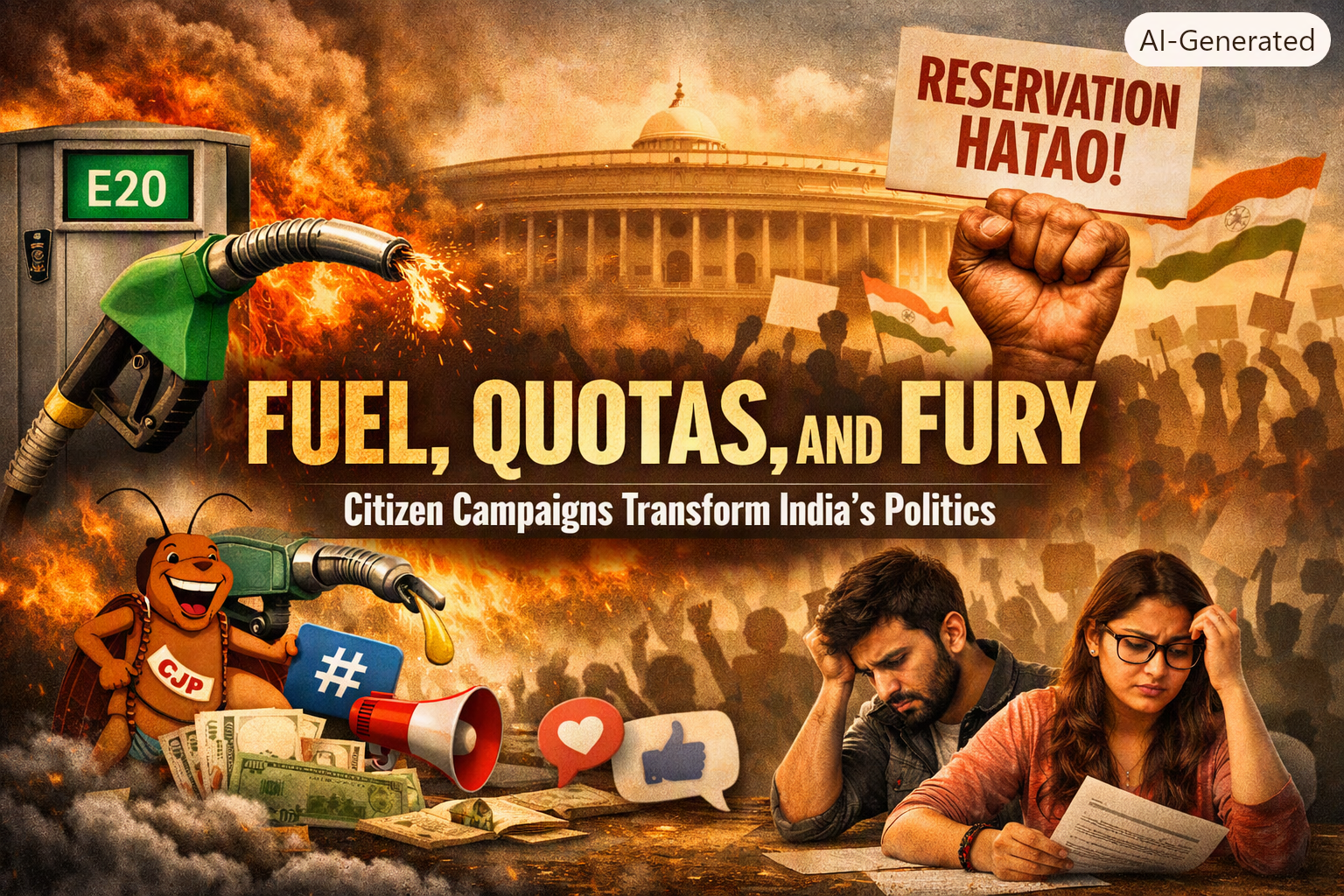
When Union Education Minister Dharmendra Pradhan stepped down following the fiery protests led by the Cockroach Janata Party (CJP), it sent ripples across the nation. Many began to believe that citizen‑led pressure could truly bend the government’s ear. Riding on this momentum, fresh campaigns have erupted across social media; two of them dominating the conversation: E20 petrol and reservation reforms.
The E20 Petrol Debate
India’s aggressive ethanol blending program has reached the E20 stage, petrol mixed with 20% ethanol. While the government touts it as a step toward energy security, reduced pollution, and farmers’ income growth, critics aren’t convinced. Vehicle owners complain of:
Lower mileage due to ethanol’s reduced energy density.
Higher maintenance costs in older cars (corrosion, rubber seal damage, fuel line wear).
Lack of consumer choice, as pure petrol is harder to find.
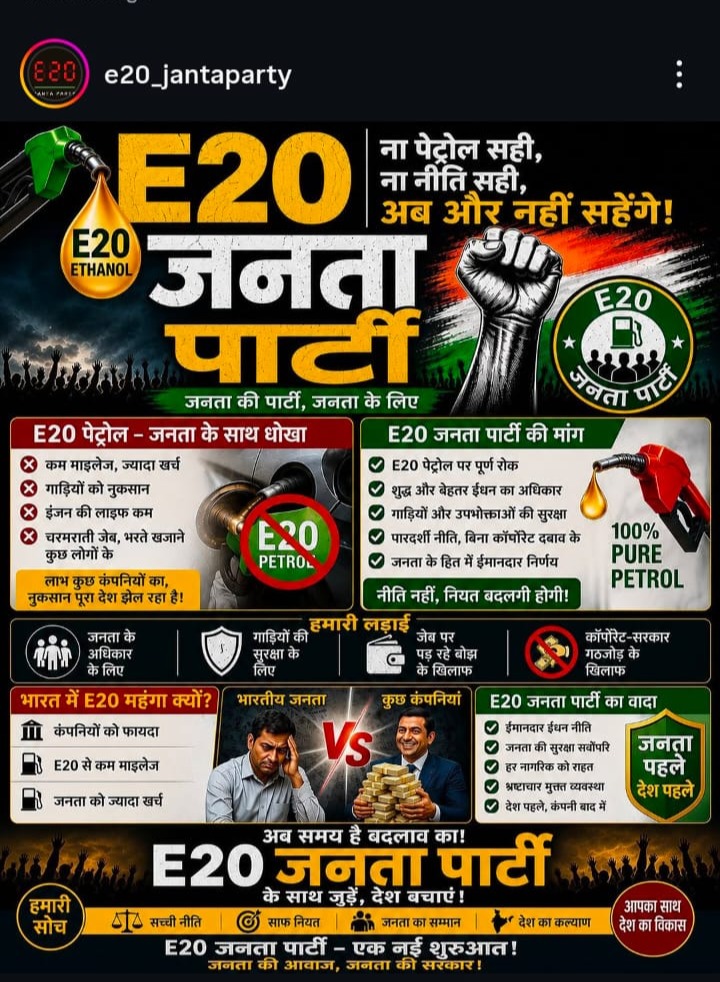
This frustration gave rise to the satirical ‘E20 Janata Party,’ a citizen‑led online campaign that mocks the policy through memes while demanding alternatives at the pump.
The Reservation Uproar: A Digital Uprising
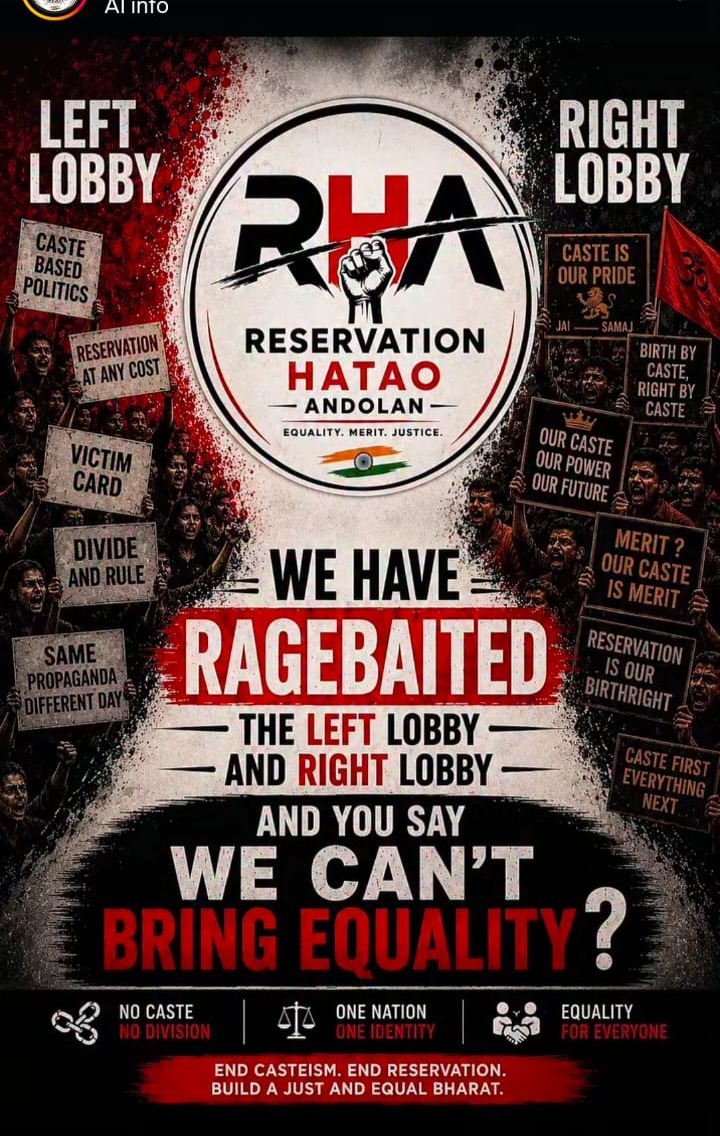
Parallel to the fuel debate, another storm brews: the “Reservation Hatao Andolan (RHA)”. This movement doesn’t call for scrapping reservations entirely but insists they should be based on economic disadvantage, not caste.
Their demands include:
Extending the “creamy layer” concept to SCs and STs, not just OBCs.
Prioritizing merit and efficiency in competitive exams.
Shifting focus to economically weaker groups rather than caste‑based quotas.
Supporters argue caste‑based reservations perpetuate inefficiency, while opponents insist they remain vital to correct historical injustice, ensure representation, and enable social mobility.
RHA: From Ambedkar’s Call to Instagram Fame
Drawing inspiration from B. R. Ambedkar’s timeless mantra - “Educate, Agitate, Organize” - the organisers of the Reservation Hatao Andolan (RHA) present themselves as a purely citizen‑driven initiative, free of political affiliations. In a matter of weeks, the campaign has surged across social media, pulling in an astonishing 5 million Instagram followers. This meteoric rise has cemented RHA’s place as one of the fastest‑growing issue‑based movements in India’s digital landscape.
Just like the CJP’s viral success, these campaigns thrive online. The E20 Janata Party and Reservation Hatao Andolan have amassed millions of followers, proving that digital activism can rival traditional politics. Their claim: “We are not affiliated with any party; we are citizens demanding change.”
Reservation Removal Sangh Joins the Fray
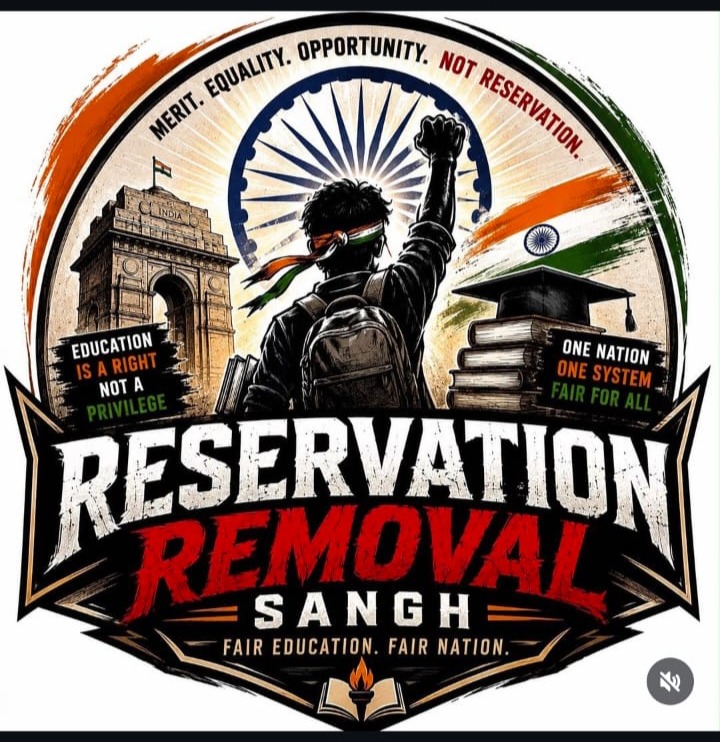
Adding to the growing chorus of anti‑reservation voices, another outfit has surfaced online: the Reservation Removal Sangh (RSS). While its message mirrors the stance of the Reservation Hatao Andolan, its reach is far more modest, with a comparatively smaller follower base. Still, its emergence highlights how multiple citizen‑driven groups are beginning to rally around the same cause, each carving out its own digital footprint in the debate over reservation reforms.
What Lies Ahead
Both issues- fuel policy and reservation- cut deep into India’s social and economic fabric. The government now faces a dilemma: balancing constitutional obligations, electoral considerations, and public anger.
Social media has become the new battleground, where citizen‑led campaigns like the Reservation Hatao Andolan are rapidly gaining traction and reshaping public debate.
Whether these online movements remain satire or evolve into serious political forces will define the next chapter of India’s democracy.
Reservation Rage and Ethanol Wars have surged beyond the streets into the feeds, turning social media into India’s new parliament, where memes, movements, and millions of voices now shape the nation’s political future.
Written by
Aarav VashishtDiscussion (0)
Sign in to join the discussion.
Loading comments…