
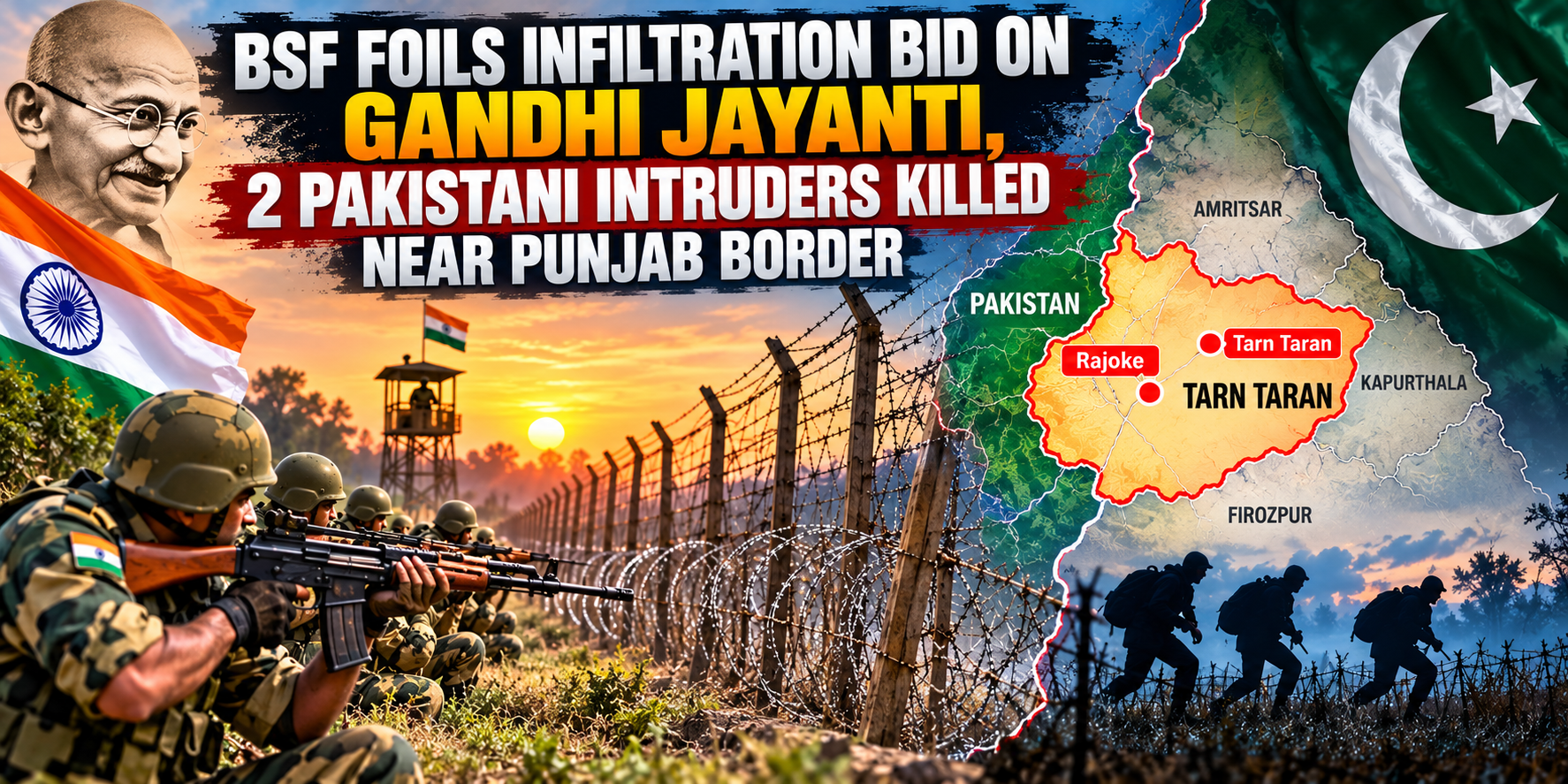
Alert BSF troops intercepted a cross-border infiltration attempt in Punjab's Tarn Taran sector, neutralizing two Pakistani intruders after repeated warnings while exposing the growing challenges of border security, smuggling, and illegal infiltration along the India-Pakistan frontier.
On October 2, Gandhi Jayanti, while the nation was commemorating the values of peace and non-violence, a serious security challenge unfolded along India's western frontier. Alert personnel of the Border Security Force (BSF) successfully thwarted an infiltration attempt along the India-Pakistan border in Punjab's Tarn Taran district, neutralizing two Pakistani intruders while a third managed to flee back across the border.
The incident once again highlights the persistent threat of cross-border infiltration and the immense responsibility carried by India's border forces in safeguarding national security around the clock.
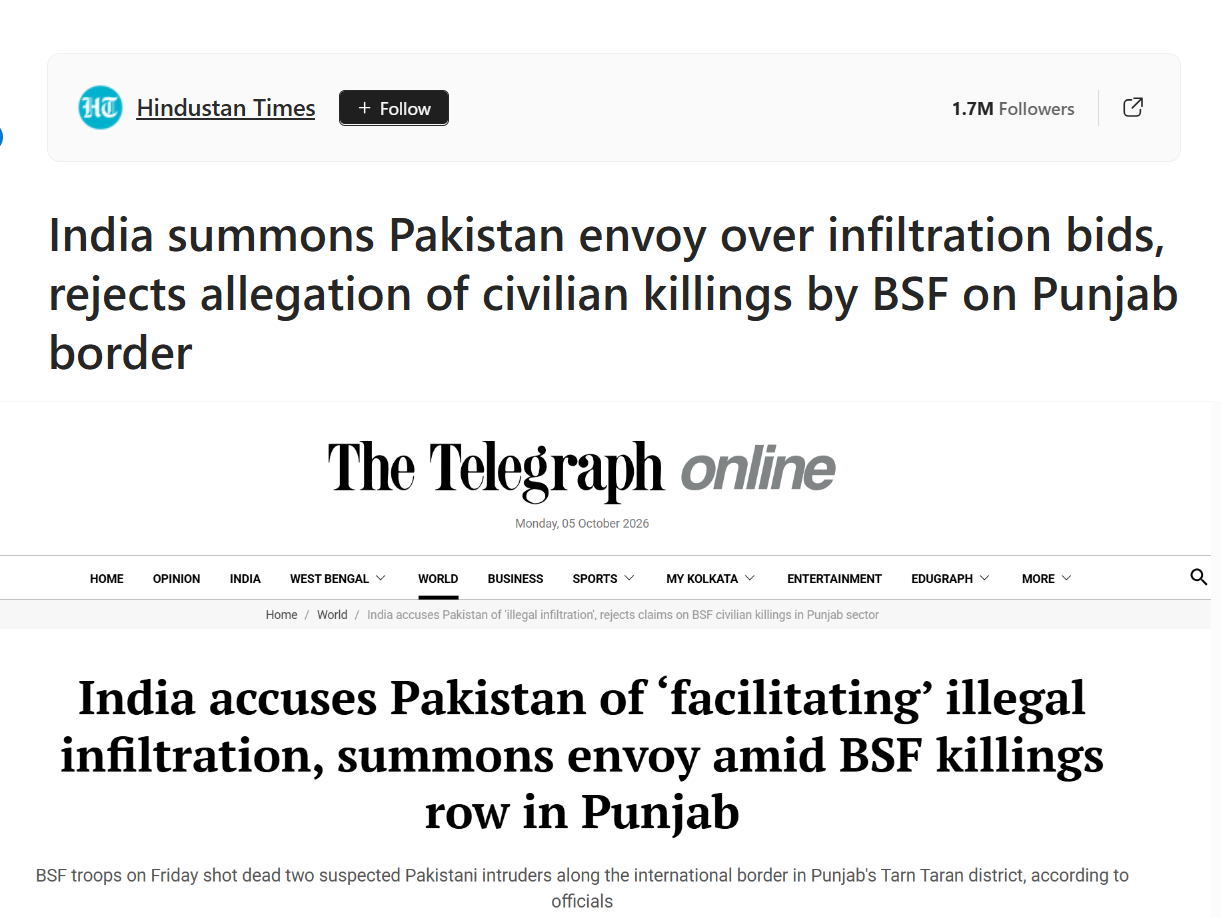
A High-Stakes Border Breach That Ended in Seconds: What Exactly Happened at the Border?
The incident took place near the Rajoke Border Outpost in Punjab's Tarn Taran district, a region that shares a sensitive stretch of the international border with Pakistan.
According to reports, BSF personnel detected suspicious movement originating from the Pakistani side near Chhattanwala. Surveillance teams identified three individuals attempting to illegally cross into Indian territory.
Contrary to some assumptions, security forces did not open fire immediately.
As per standard protocol, the intruders were first challenged and warned. They were informed that they were approaching the international border and ordered to stop and retreat. However, the individuals reportedly ignored repeated warnings and continued advancing toward Indian territory.
Faced with a potential security threat, BSF personnel opened fire. Two intruders were killed, while the third fled back across the border under the cover of the situation.
The bodies were later handed over to the Punjab Police for further investigation and legal procedures.
Why Tarn Taran Is Becoming a Security Hotspot
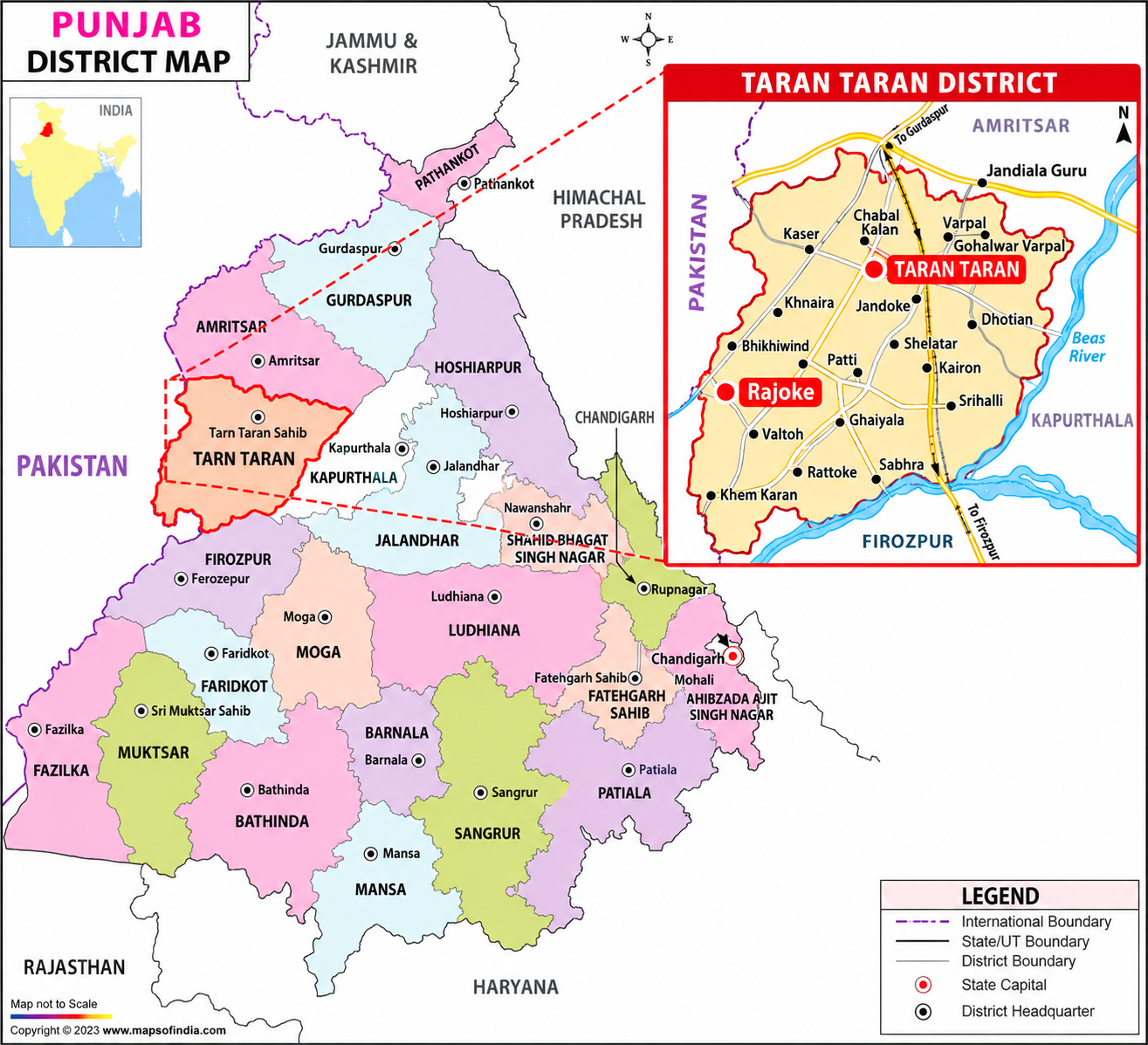
Tarn Taran has increasingly emerged as one of the most sensitive sectors along the India-Pakistan border.
Over the past few years, the region has frequently appeared in headlines involving:
1. Cross-border smuggling
2. Narcotics trafficking
3. Illegal infiltration attempts
4. Arms smuggling networks
5. Drone-based deliveries
Its geographical layout makes it particularly challenging to secure. Vast agricultural fields, dense vegetation, villages, canals, and drainage channels provide potential cover for infiltrators attempting to evade detection.
Recognizing these threats, Indian authorities have significantly strengthened surveillance and operational readiness in the area.
International Border vs Line of Control: Understanding the Difference
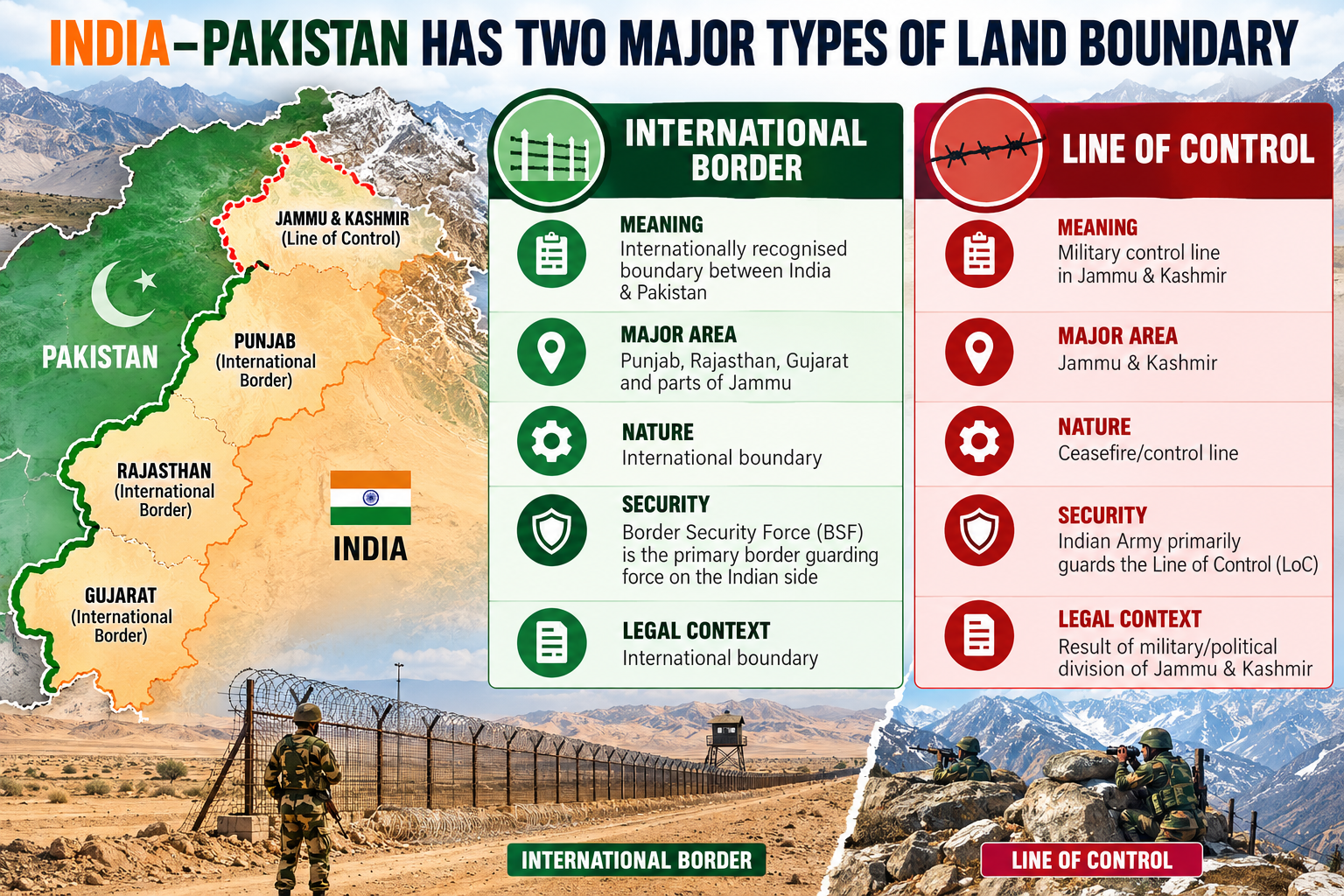
One common misconception is that every India-Pakistan border incident occurs along the Line of Control (LoC). In reality, the Tarn Taran sector falls under the International Border (IB), not the LoC.
The Line of Control (LoC)
1. Located primarily in Jammu and Kashmir.
2. Functions as the de facto military boundary between India and Pakistan.
3. Largely monitored by the Indian Army.
The International Border (IB)
1. Extends through Punjab, Rajasthan, Gujarat, and parts of Jammu.
2. Officially recognized boundary between the two nations.
3. Guarded primarily by the Border Security Force (BSF).
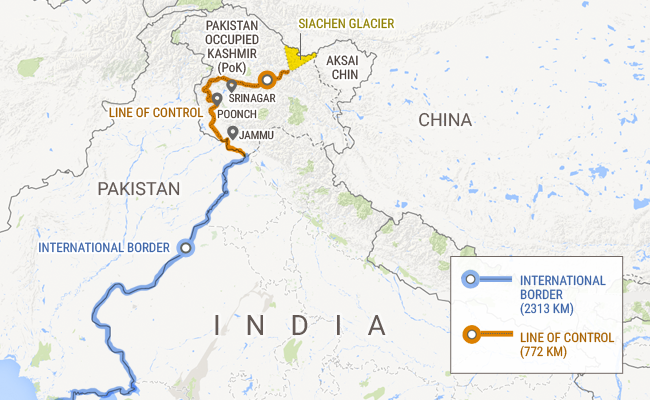
This distinction is important because the nature of threats, terrain, operational deployment, and surveillance mechanisms differ significantly between the LoC and the International Border.
Why Border Forces Don't Open Fire Immediately
Following such incidents, questions often arise about the use of force. What many people do not realize is that BSF personnel follow a structured escalation process before opening fire.
The typical response includes:
1. Detection of Suspicious Activity
Security personnel first identify unusual movement through observation and surveillance systems.
2. Challenge and Warning
Intruders are verbally challenged and instructed to stop or retreat.
3. Threat Assessment
Personnel assess whether the individuals pose a security risk.
4. Controlled Engagement
Only when warnings are ignored and a threat persists is force authorized.
This protocol ensures that operational actions remain measured, lawful, and proportionate to the threat level.
What Happens After Such an Encounter?
An infiltration incident does not end once firing stops. A detailed post-incident procedure follows:
1. Area Sanitization
Security teams thoroughly search the location for hidden threats, accomplices, explosives, weapons, or narcotics.
2. Identification Process
Authorities attempt to establish the identities and nationalities of the deceased through available documents and forensic evidence.
3. Material Recovery
Any belongings, communication devices, weapons, ammunition, or suspicious items are seized and examined.
4. Police Investigation
The recovered evidence and bodies are transferred to local law enforcement agencies for further inquiry.
5. Border Coordination
Official communication channels between the BSF and Pakistan Rangers may also be activated to handle procedural matters related to the incident.
Border Breach Sparks Diplomatic Showdown: India Summons Pakistan Diplomat After Failed Infiltration Bid

India has formally raised strong objections with Pakistan after the recent border infiltration incident, summoning Pakistan's senior diplomat in New Delhi and rejecting Islamabad's version of events.
Key Highlights
1. India dismissed Pakistan's claim that the deceased were civilians, maintaining that the individuals illegally crossed into Indian territory.
2. According to Indian authorities, three infiltrators ignored repeated BSF warnings and continued advancing across the border.
3. Officials described the incident as part of a broader pattern of cross-border infiltration and narcotics-linked networks allegedly operating from Pakistan.
4. The diplomatic move underscores India's firm stance on border security and illegal cross-border activities.

The latest development has added a diplomatic dimension to an already sensitive border security incident, further intensifying scrutiny of infiltration and smuggling networks along the India-Pakistan frontier.
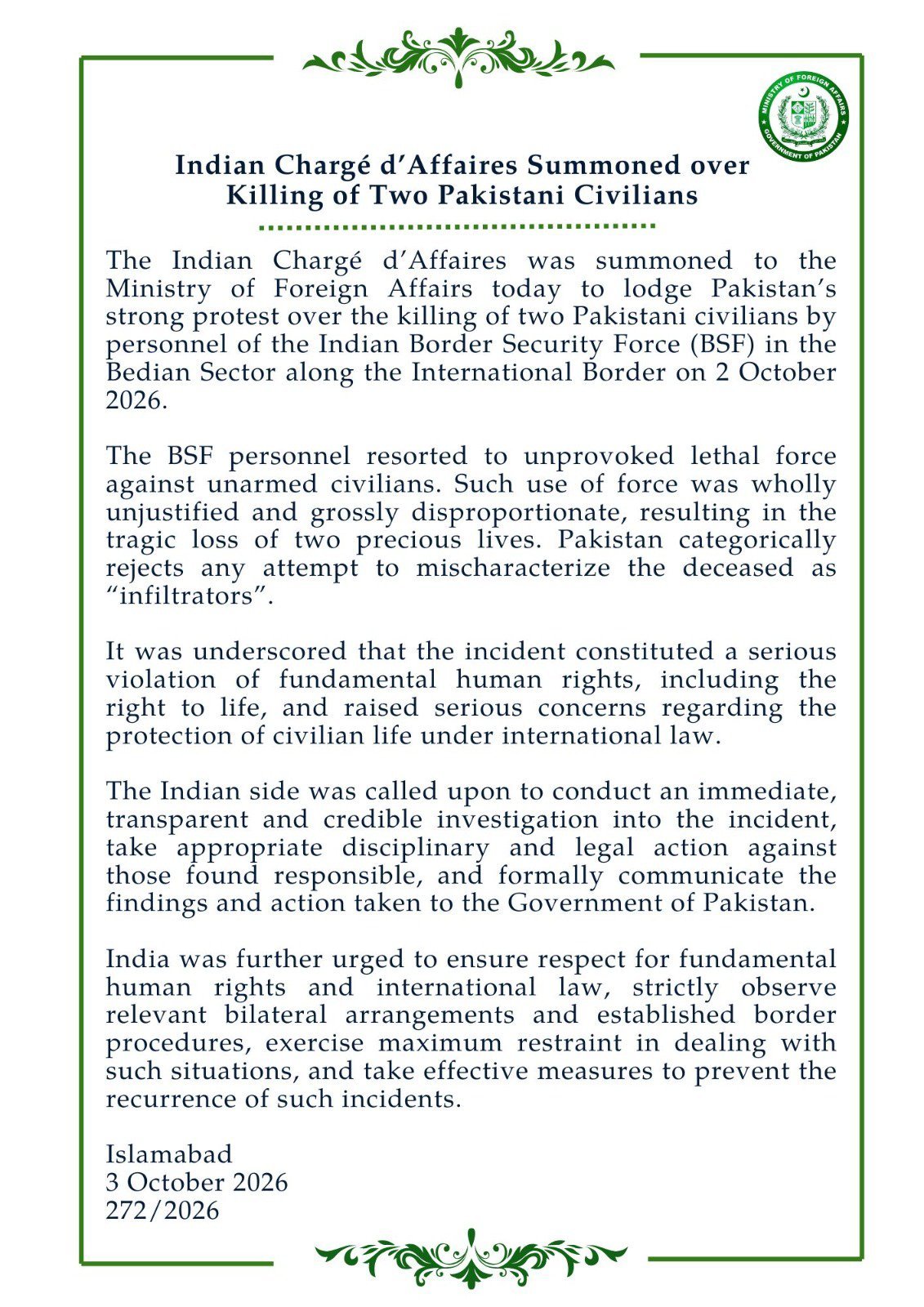
Pakistan Calls Them Civilians; India Calls It Infiltration: A Clash of Narratives Across the Border
Islamabad has challenged New Delhi's account of the border encounter, describing the deceased as civilians and formally protesting the incident through diplomatic channels.
The Critical Role of the Border Security Force
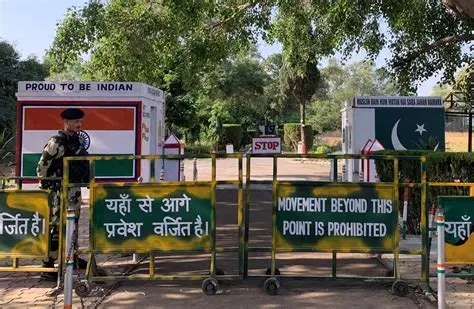
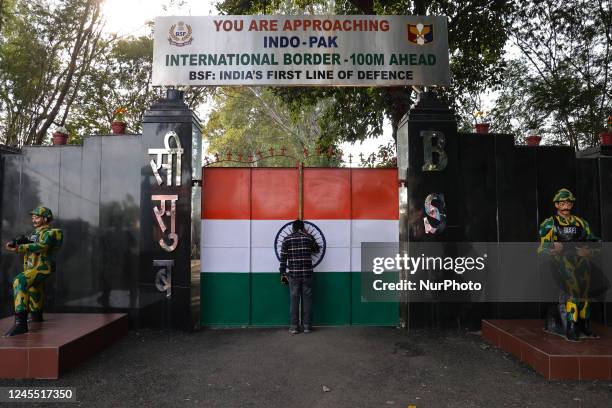
The BSF is India's first line of defense along several international borders and plays a far broader role than many people realize.
Key Responsibilities of the BSF Include:
✅ Guarding India's borders with Pakistan and Bangladesh
✅ Preventing illegal infiltration
✅ Countering smuggling operations
✅ Monitoring narcotics trafficking routes
✅ Detecting cross-border arms movement
✅ Maintaining surveillance in sensitive border regions
Operating under the Ministry of Home Affairs, the BSF combines manpower, intelligence, and technology to protect national interests.
Technology Is Changing Border Security
Modern border protection is no longer just about soldiers and fences. In this case, advanced surveillance systems reportedly played a crucial role in identifying suspicious movement. Today's border security architecture increasingly relies on:
1. Thermal imaging devices
2. Night vision systems
3. Ground sensors
4. High-resolution cameras
5. Intelligent monitoring platforms
6. Drone detection technologies
These tools allow forces to detect potential threats even in darkness, adverse weather conditions, and difficult terrain.
Why Punjab Presents Unique Security Challenges
Unlike mountainous infiltration routes in Jammu and Kashmir, Punjab offers a completely different operational challenge. The terrain is largely flat, which may seem easier to monitor. However, infiltrators often exploit:
1. Agricultural fields
2. Crop cover
3. Bushes and vegetation
4. Water channels
5. Rural settlements
6. Blind spots along border infrastructure
Additionally, rising use of drones for transporting narcotics, weapons, and contraband has transformed the security landscape. As a result, effective border protection now requires a combination of:
1. Physical fencing
2. Continuous patrols
3. Intelligence gathering
4. Advanced surveillance technology
5. Rapid response teams
6. Local coordination mechanisms
No single security layer can address every threat.
What Could Have Been the Objective?
Investigators will likely explore several possibilities behind the infiltration attempt:
1. Illegal Border Crossing
The most immediate possibility is an unauthorized attempt to enter Indian territory.
2. Smuggling Operations
The individuals may have been linked to narcotics or contraband trafficking networks.
3. Weapons Transfer
Cross-border arms supply remains a serious concern for security agencies.
4. Organized Network Activity
Authorities will examine whether the three individuals were part of a larger infiltration module or criminal network operating across the border.
Such investigations are critical because infiltration attempts can sometimes serve as diversions while other elements attempt to cross elsewhere.
Beyond the Fence: The New Age of Border Security
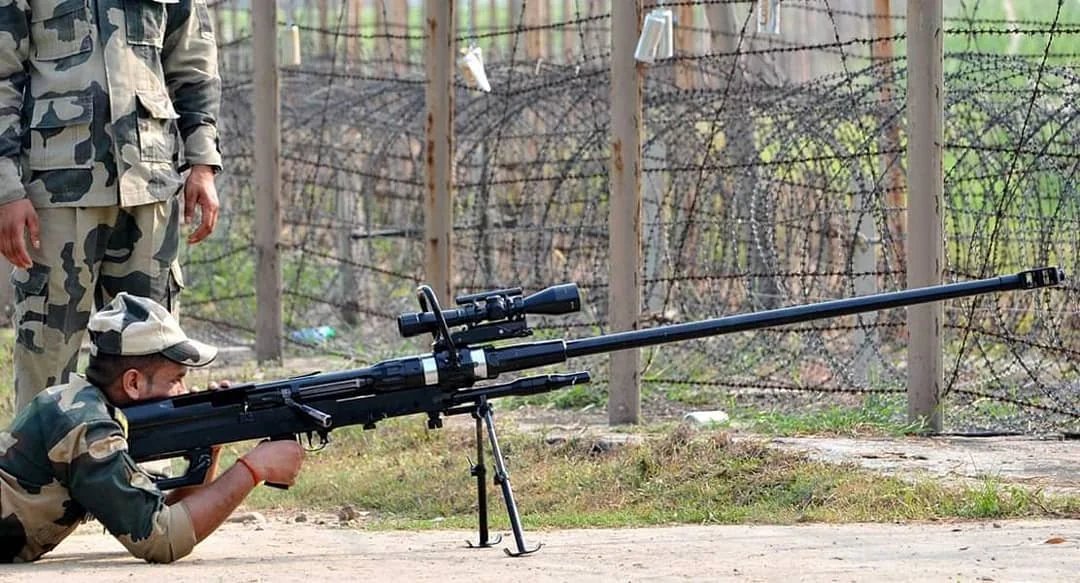
Border protection isn't just about building stronger fences. Modern security demands a powerful mix of surveillance, intelligence, technology, patrols, and rapid-response capabilities working together.
While physical barriers remain important, infiltrators can exploit gaps through tunnels, waterways, drone routes, difficult terrain, and poor visibility conditions. That's why effective border management relies on a layered defense system rather than a single line of infrastructure.
In today's security environment, smart monitoring and swift action matter just as much as the fence itself.
The Bigger Picture
The Tarn Taran incident is a stark reminder that border security remains an evolving challenge. From traditional infiltration attempts to sophisticated drone-assisted smuggling networks, threats continue to adapt.
The successful interception by BSF personnel demonstrates not only operational vigilance but also the growing importance of surveillance technology, intelligence gathering, and rapid decision-making in protecting India's borders.
As security threats become more complex, India's border defense strategy is increasingly relying on a multi-layered approach where technology and human expertise work hand in hand.
🚨 Stay Informed. Stay Aware.
Border security impacts national security, internal stability, and public safety more than most people realize.
Want more insightful breakdowns of India's defense, security, geopolitics, and strategic affairs?
👉 Subscribe to our newsletter for expert analysis and real-time updates.
👉 Share this article with fellow readers who want to understand the realities behind the headlines.
👉 Follow us for in-depth coverage of the stories shaping India's security landscape.
Written by
Bhavana SharmaDiscussion (0)
Sign in to join the discussion.
Loading comments…