
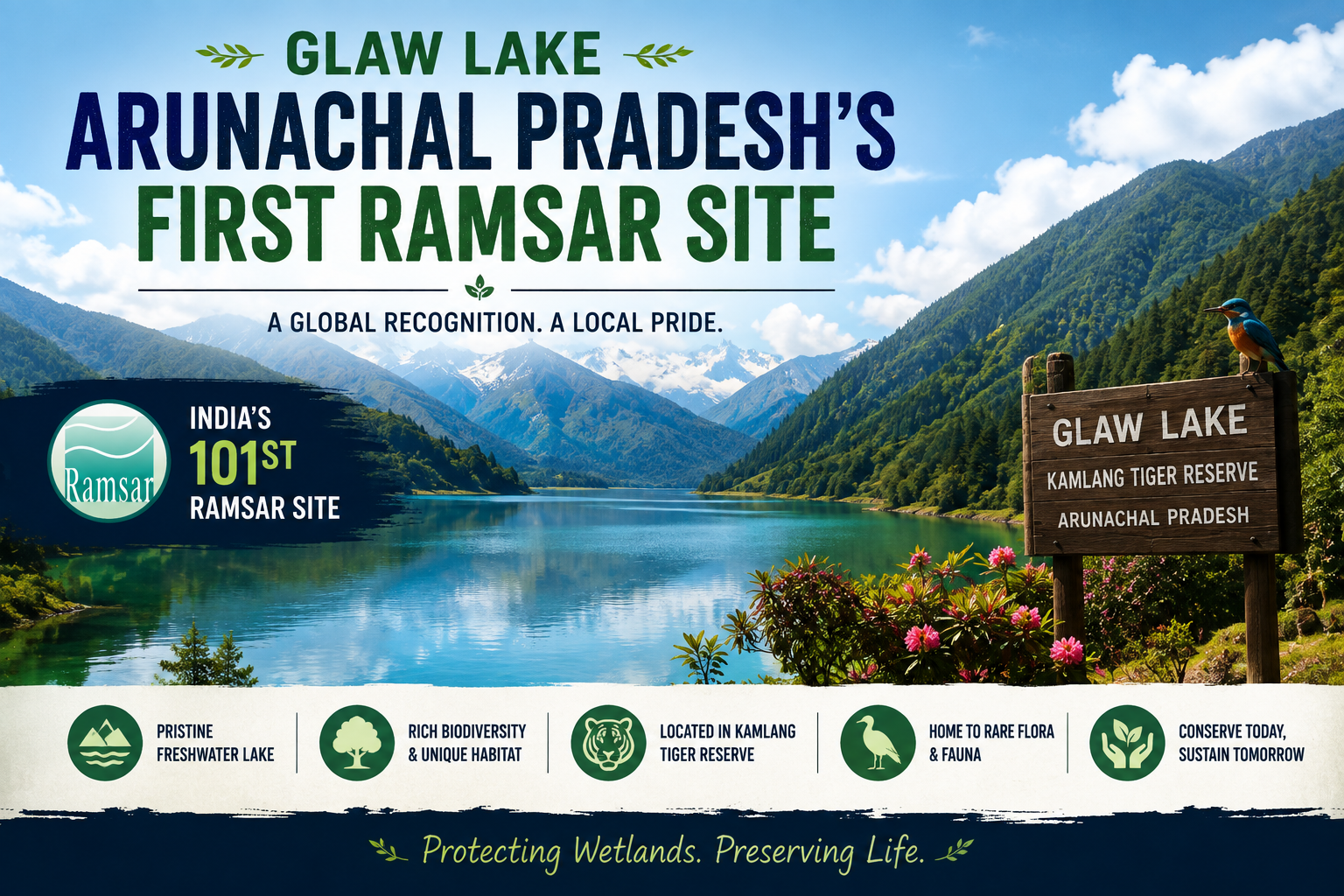
🏞️ A Hidden Gem at the Indo‑Myanmar Border
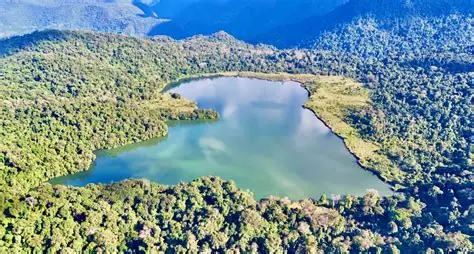
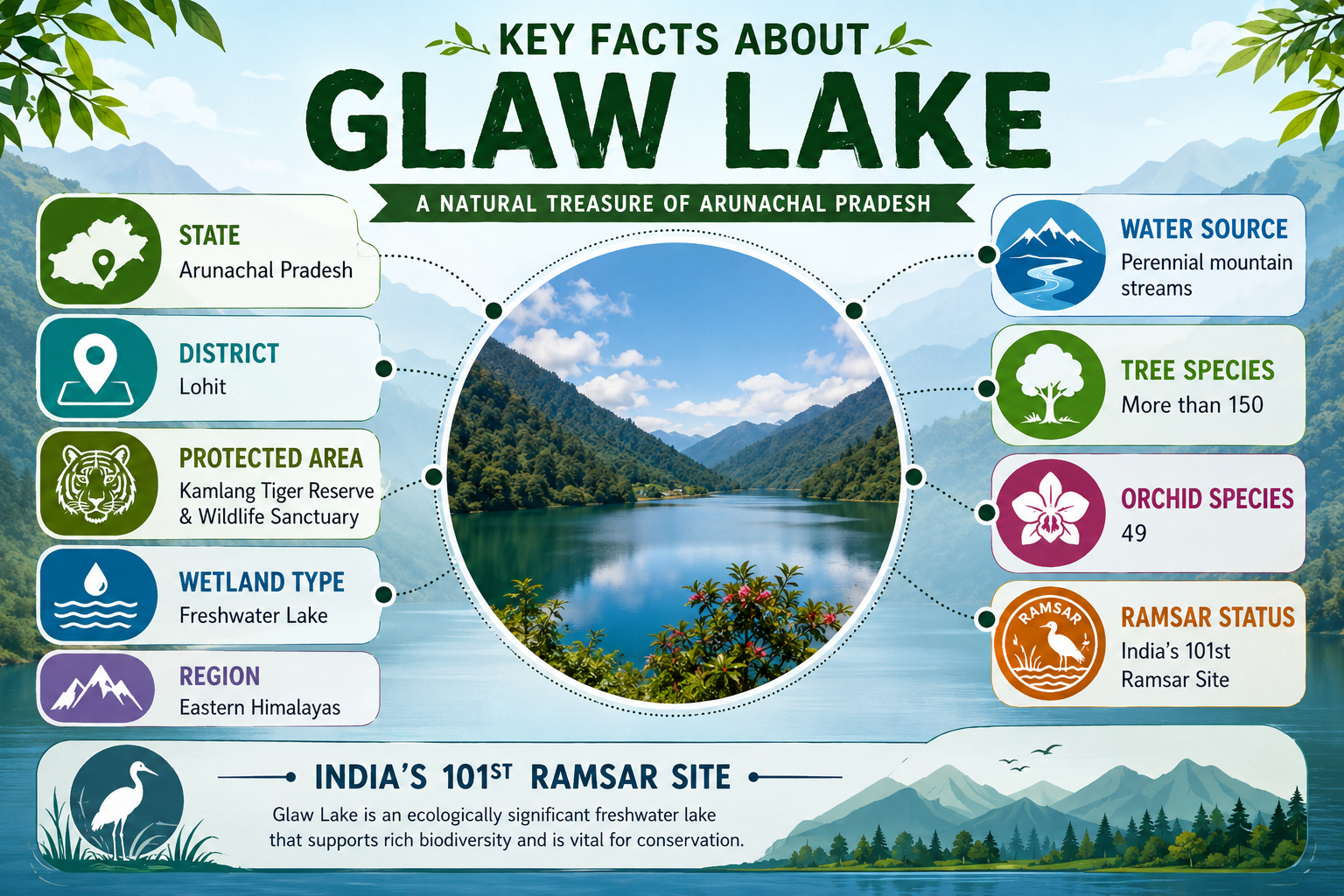
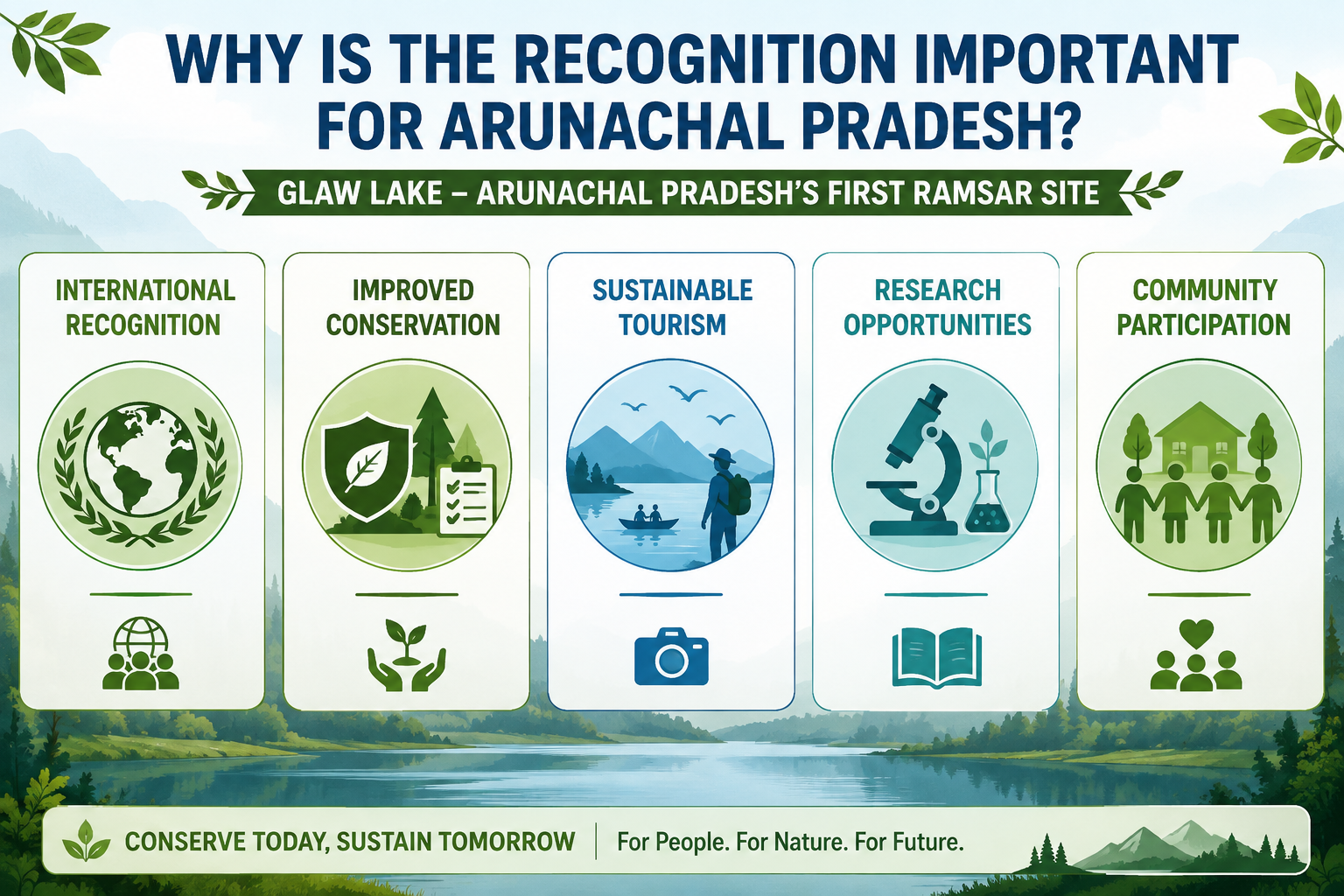
Nestled near the Myanmar border, Glaw Lake has etched its name in history as Arunachal Pradesh’s first Ramsar site. This pristine freshwater lake lies within the Kamlang Tiger Reserve and Wildlife Sanctuary, surrounded by lush Eastern Himalayan vegetation. Fed by mountain streams, Glaw Lake is a breathtaking high‑altitude ecosystem that now enjoys global recognition.
🌿 Why Wetlands Matter: Nature’s Life Support System
Wetlands are more than just water bodies; they are the “Kidneys of the Earth”, filtering pollutants, storing carbon, and acting as natural sponges against floods. They nurture biodiversity, sustain migratory birds like the Siberian Crane, and support livelihoods through fishing, lotus farming, and paddy cultivation. Destroying wetlands disrupts food chains and accelerates climate vulnerability.
🌍 India’s Wetland Leadership
India has rapidly expanded its Ramsar footprint, from just 26 sites in 2014 to 101 today. Globally, the UK leads with 176 Ramsar sites, followed by Mexico with 144. India now ranks third worldwide and first in Asia, showcasing its aggressive push to make wetland conservation a pillar of its climate and biodiversity policy.
🐅 Glaw Lake’s Unique Significance
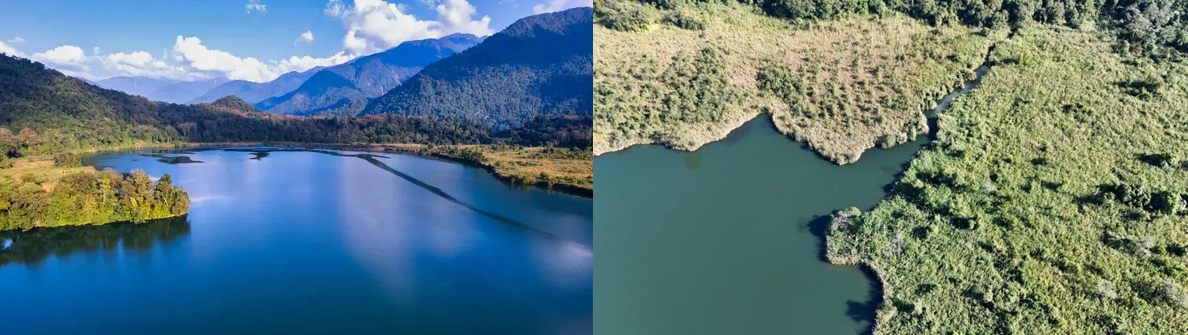
Freshwater ecosystem at high altitude.
Located inside Kamlang Tiger Reserve.
Surrounded by dense Himalayan forests.
Supports rich biodiversity and ecological balance.
This recognition not only boosts international prestige but also attracts scientific research, eco‑tourism, and conservation funding. For Arunachal Pradesh, Glaw Lake is more than a natural wonder - it’s a global badge of honour.
🌐 What is the Ramsar Convention?
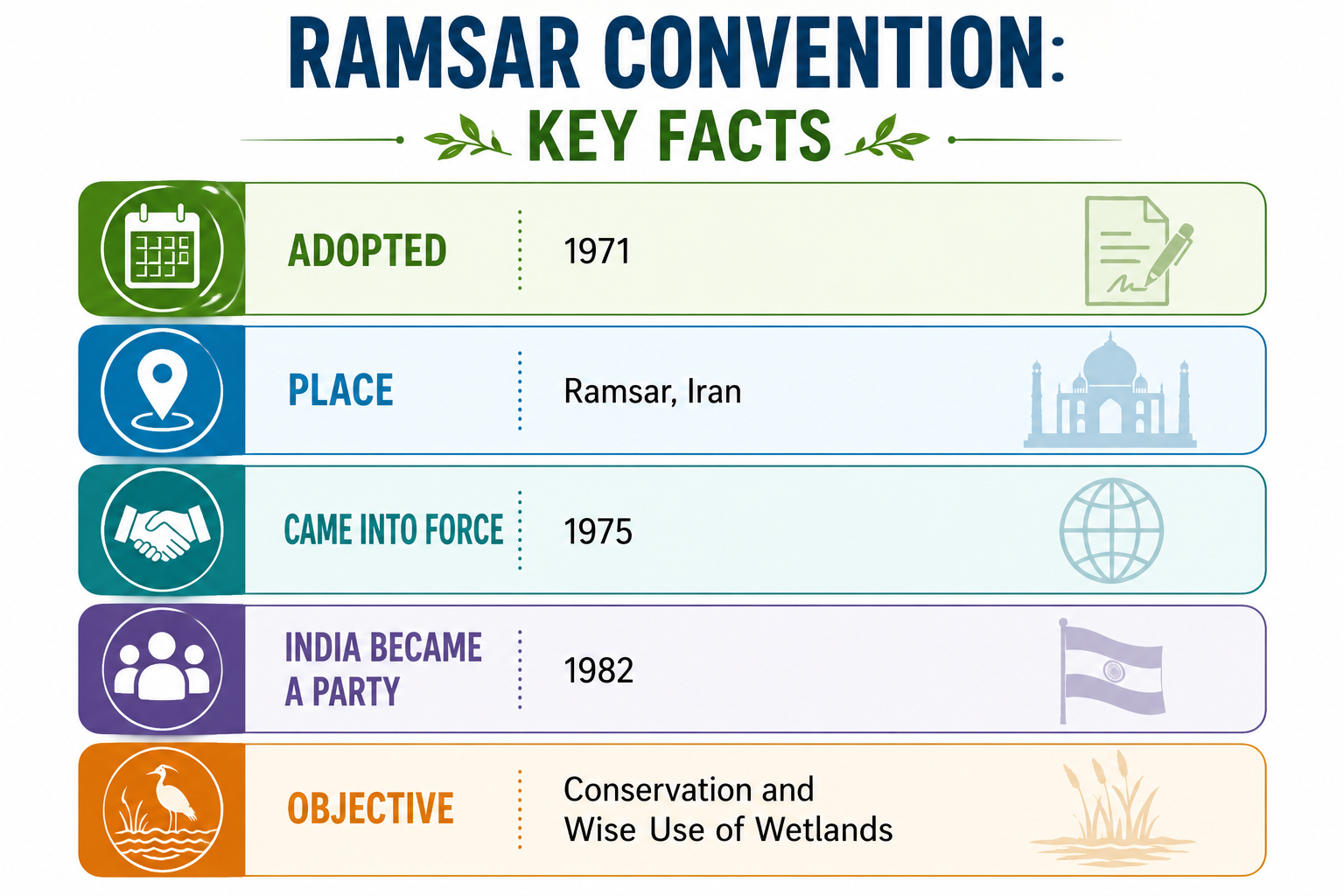
Signed in 1971 at Ramsar, Iran, the Ramsar Convention is the world’s only international treaty dedicated to wetlands. India joined in 1982, committing to conserve and wisely use its wetlands. Ramsar sites are designated based on ecological criteria such as the presence of endangered species, migratory birds, and overall biodiversity significance. Importantly, ownership remains with India, while the designation brings global attention and support.

Why This Matters for India’s Future
Wetlands are critical for:
Flood control & groundwater recharge.
Water purification & reduced treatment costs.
Climate change mitigation & adaptation.
Livelihoods for local communities.
By prioritizing wetlands, India is safeguarding water security, biodiversity, and resilience against climate disasters.
Glaw Lake’s Ramsar status is a reminder: wetlands are not wastelands; they are lifelines. As citizens, students, and policymakers, we must champion their protection. Whether through eco‑tourism, awareness campaigns, or sustainable practices, every effort counts.
👉 Explore. Protect. Celebrate. Glaw Lake is just the beginning - India’s wetlands deserve our voice and vigilance.
Written by
Niranjan MehtaDiscussion (0)
Sign in to join the discussion.
Loading comments…