
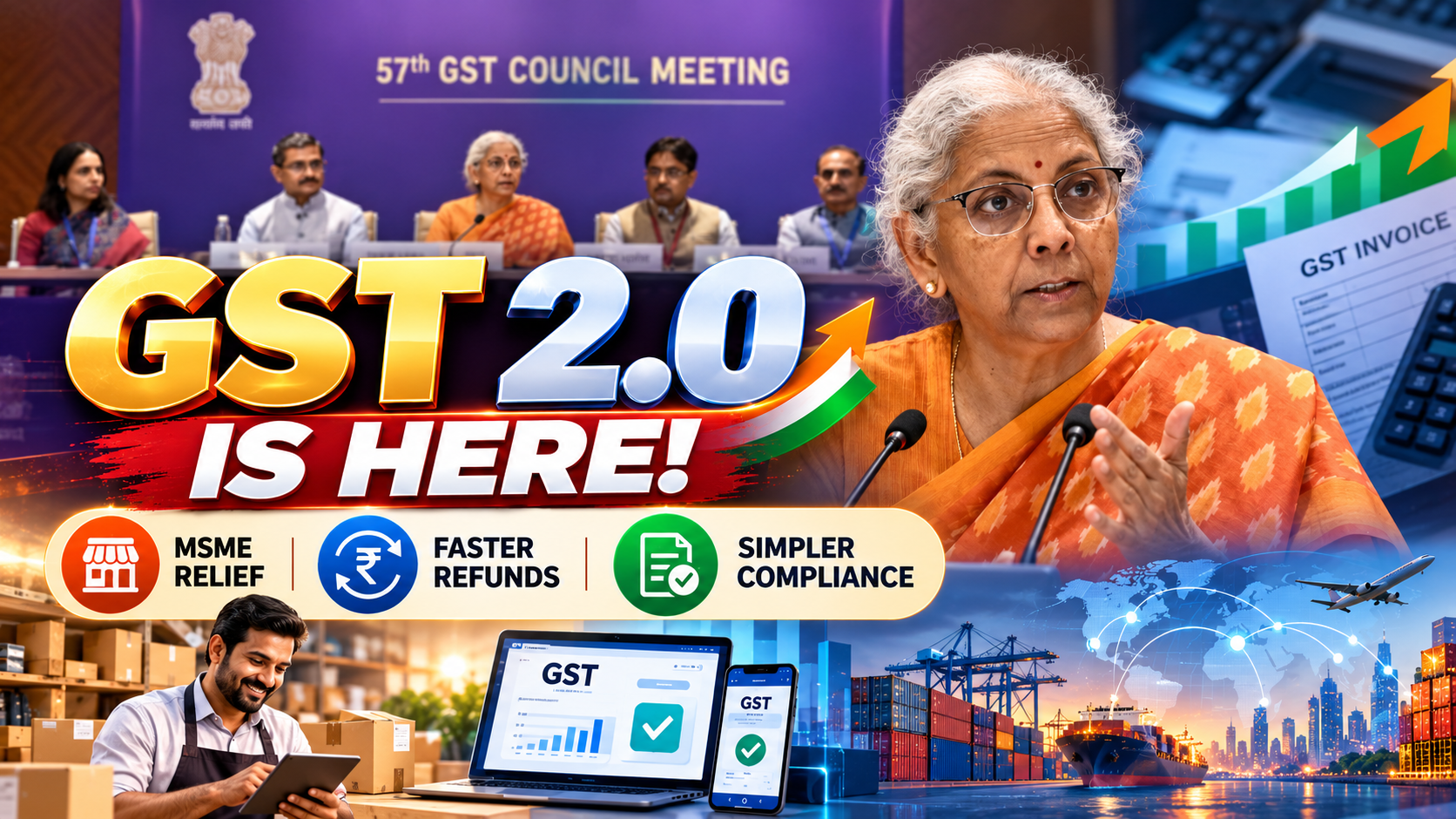
The 57th GST Council Meeting Could Change How Businesses Deal With GST Forever
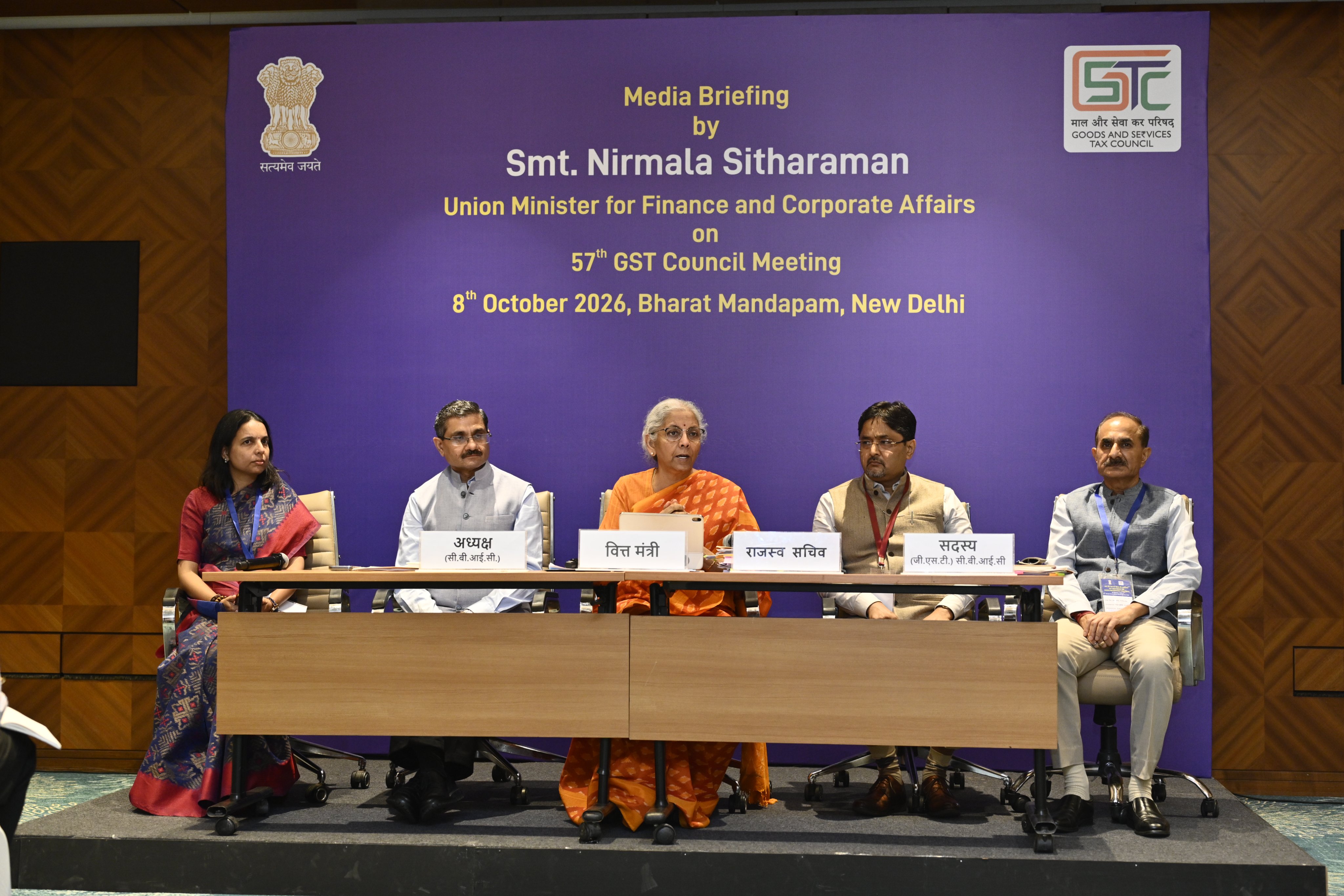
India's GST framework may be on the verge of a major transformation. The highly anticipated 57th GST Council Meeting, held on 8 October 2026, introduced a series of significant reforms aimed at easing compliance, accelerating refunds, supporting small businesses, and creating a more taxpayer-friendly GST system.
Unlike previous meetings that focused heavily on GST rate changes, this time the spotlight was firmly on ease of doing business, digitization, automation, MSME support, and reducing procedural harassment.
From simplifying GST registration to removing arrest powers from GST officers, these reforms are being seen by many as the beginning of "GST 2.0".

Let's break down the most important announcements and what they mean for businesses, entrepreneurs, exporters, and taxpayers.
What Is the GST Council?
The Goods and Services Tax (GST) Council is a constitutional body established under Article 279A of the Constitution of India.
It is chaired by the Union Finance Minister and includes:
1. Union Minister of State for Finance
2. Finance Ministers of all States and Union Territories
The GST Council Secretariat is headquartered in New Delhi, with the Union Revenue Secretary serving as its ex officio Secretary.
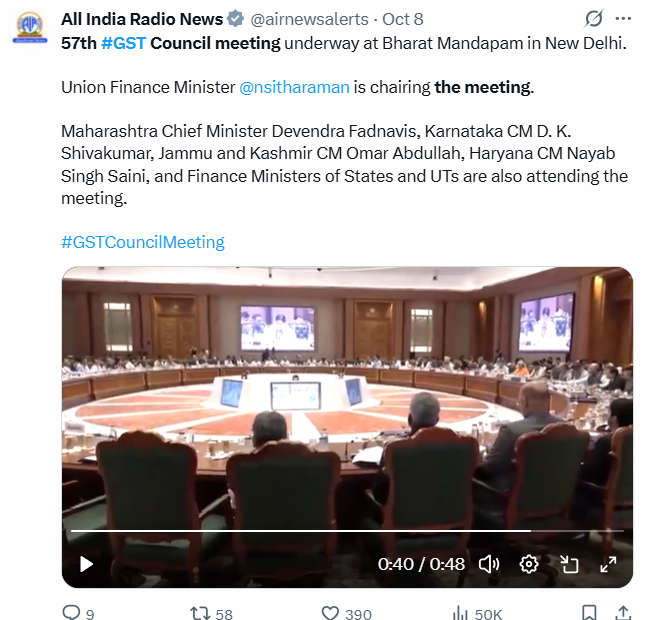
The Council plays a critical role in recommending:
✅ GST rates
✅ GST law amendments
✅ Threshold limits
✅ Compliance-related reforms
✅ Tax administration changes
An important point to remember is that the Supreme Court has clarified that GST Council recommendations are not legally binding, although they carry significant weight because they emerge through consensus between the Centre and the States.
🗳️ How GST Council Decisions Are Made
The GST Council follows a structured voting system to ensure that major tax decisions reflect both central and state interests.
✅ A meeting can proceed only if at least half of the Council's members are present.
✅ Any proposal requires support from at least 75% of the members present and voting to be approved.
✅ Voting power is shared: the Centre holds one-third of the total vote weight, while the States collectively account for two-thirds, ensuring a balanced decision-making process.
In short, “no major GST decision can be pushed through by the Centre alone; broad consensus between the Centre and the States is essential.”
Why Was This GST Council Meeting So Important?
When GST was launched in 2017, it was promoted as:
"One Nation, One Tax, One Market."
However, over the years, businesses faced several challenges:
1. Delayed GST refunds
2. Input Tax Credit disputes
3. Complex registration procedures
4. Compliance burdens for small businesses
5. Fear of enforcement actions and arrests
The 57th GST Council sought to address many of these long-standing concerns. The broader theme was clear:
"Make GST Simpler, Faster, and More Business-Friendly."
1. GST Registration Becomes Easier Through Automation
One of the biggest pain points for businesses has been GST registration and amendment procedures. Even simple changes such as:
1. Change of business name
2. Director updates
3. Partner additions
4. Additional business locations
often required extensive processing and interactions with tax officials.
What's Changing?
The Council has decided to move many routine processes toward automation and self-service digital approvals. Businesses will now be able to:
✅ Apply for registrations digitally
✅ Update details faster
✅ Submit documents online
✅ Reduce face-to-face interaction with officials
Why It Matters
A large percentage of GST applications involve routine modifications rather than fresh registrations. Automating these changes can:
1. Save time
2. Reduce administrative hassles
3. Minimize delays
4. Improve transparency
For startups and MSMEs, this could become a major ease-of-business reform.
2. Big Relief for Small E-Commerce Sellers
One of the most interesting reforms targets small sellers operating on e-commerce platforms such as Amazon, Flipkart, and similar marketplaces.
The Existing Problem
Example:
Imagine Riya, a homemaker in Jaipur, sells handmade candles through Amazon.
A customer in Chennai places an order. Although Riya runs her business from Jaipur, the product is shipped from Amazon's warehouse located in Chennai.
Earlier, interstate e-commerce transactions often involved complex GST compliance requirements, leading to additional paperwork and administrative challenges when the seller, customer, and warehouse were spread across different states.
Under the proposed changes, small sellers like Riya can simply use the e-commerce platform's warehouse details where required, reducing paperwork and making GST compliance much easier.
In short, the reform is designed to help small online sellers focus more on growing their business and less on navigating complex GST procedures.
The Proposed Solution
The Council has proposed simplifying registration requirements for small suppliers using e-commerce platforms.
Instead of dealing with complicated location-based compliance requirements, sellers may be able to rely on warehouse-related registration mechanisms, reducing unnecessary procedural burdens.
Who Benefits?
✅ Small online sellers
✅ Home-based entrepreneurs
✅ D2C brands
✅ MSMEs selling nationwide
This step could encourage more small businesses to expand beyond local markets.
3. Faster GST Refunds for Exporters
Exporters have long complained about delayed GST refunds. Since exports are generally zero-rated under GST, exporters are eligible for refund claims on the taxes paid on raw materials and inputs used during production.
The Problem
a) Many exporters, especially MSMEs, faced cash flow issues because refund processing often took too long.
b) Working capital remained stuck while businesses waited for refunds.
Imagine a small textile manufacturer in Surat exports shirts worth ₹20 lakh to customers in Europe.
To manufacture these shirts, the business purchases fabric, buttons, packaging materials and transportation services. On these purchases, it pays ₹1 lakh in GST.
Since exports are generally zero-rated under GST, the exporter does not charge GST to the foreign buyer. Therefore, the exporter is entitled to claim the ₹1 lakh GST paid on inputs as a refund from the government.
The exporter might have had to wait several weeks or even months to receive the refund. As a result:
a) ₹1 lakh remained stuck with the government.
b) The business had less cash available to buy raw materials for its next export order.
c) Small exporters and MSMEs often faced working capital shortages.
The New Proposal
The Council has recommended:
a) Faster Acknowledgement: Acknowledgement timelines reduced from 15 days to 10 days.
b) Quicker Refund Processing: Refunds expected to be processed much faster after acknowledgement.
c) Upfront Disbursement: Up to 90% of eligible refund amounts may be released earlier, with the remaining amount retained for verification.
Real-World Impact
If the exporter is eligible for a ₹1 lakh refund:
a) Earlier: The exporter could wait a long time for the full ₹1 lakh.
b) Now: The exporter may receive ₹90,000 much sooner, helping maintain cash flow and continue business operations without disruption.
Why This Matters
For exporters, cash flow is everything. Quicker refunds mean:
✅ Better liquidity
✅ Lower borrowing needs
✅ Faster business growth
✅ Improved global competitiveness
For thousands of export-driven MSMEs, this could be one of the most impactful reforms announced.
4. Input Tax Credit (ITC) Disputes Finally Under Review
Input Tax Credit (ITC) remains one of the most contentious areas in GST.
The Core Issue
Many businesses purchase raw materials and pay GST legitimately. However, they sometimes lose ITC claims because a supplier fails to properly report or deposit taxes. In simple terms:
a) Buyer pays tax honestly
b) Supplier defaults
c) Buyer suffers
This has created major disputes across sectors.
What Has the Council Decided?
The GST Council has not yet announced a final solution. Instead, it has decided to constitute a Committee of Officers to examine the issue. The committee is expected to submit recommendations within the coming months.
Why Businesses Are Watching Closely
If a fair mechanism emerges, it could protect genuine taxpayers from losing ITC due to another party's mistake.
Such a reform would remove one of the biggest pain points in India's GST framework.
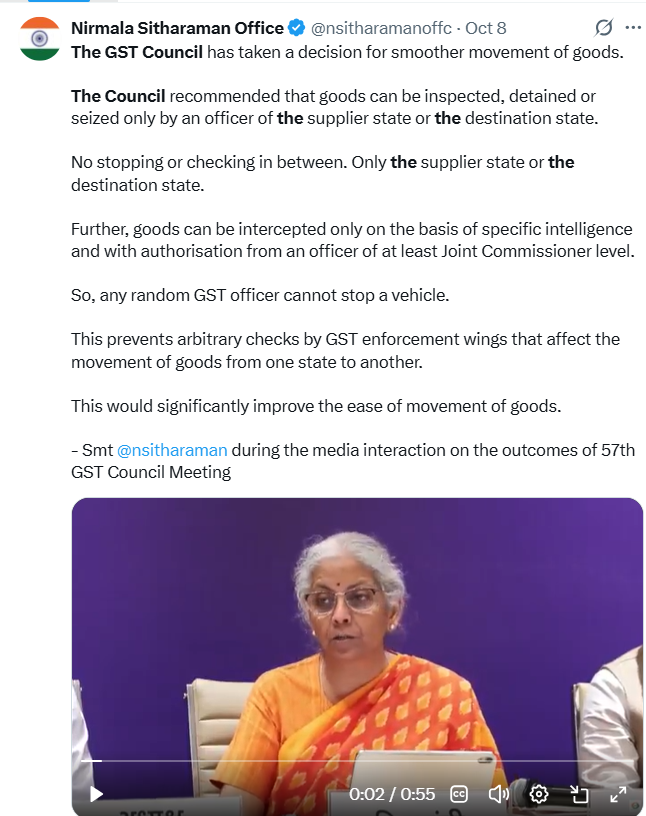
5. Historic Move: GST Officers May Lose Direct Arrest Powers
This is arguably the most headline-grabbing reform.
What Was the Earlier Provision?
Under Section 69 of the CGST Act, GST officers were authorized to arrest individuals in certain cases involving:
a) Tax evasion
b) Fraud
c) Wrongful ITC claims
d) Fake refund claims
subject to approval from the appropriate authorities.
What's Changing?
The Council has proposed withdrawal of direct arrest powers available to GST officers.
Future Process
Serious fraud cases may still face criminal prosecution, but legal action would require a more formal judicial process. The focus shifts from: "Arrest First" to "Recover Tax and Penalties First."
Why This Is Significant
Businesses have repeatedly argued that excessive enforcement powers create fear and uncertainty. The proposed reforms aim to:
✅ Improve taxpayer confidence
✅ Reduce harassment concerns
✅ Focus on revenue recovery
✅ Differentiate genuine mistakes from intentional fraud
This could mark a major shift in GST administration philosophy.
6. Higher Threshold for Criminal Prosecution
Another important reform involves raising the threshold for prosecution.
a) Earlier Threshold
Criminal prosecution could be initiated in cases exceeding ₹1 crore.
b) New Proposal
The threshold is proposed to be increased to ₹5 crore.
Impact
This means enforcement efforts will largely focus on:
a) Large-scale fraud
b) Serious tax evasion
c) Major revenue losses
rather than minor procedural violations.
For small and medium businesses, this provides significantly greater comfort.
7. Decriminalisation of Certain GST Offences
The government is also moving toward decriminalising several minor GST-related offences. The philosophy behind this shift is straightforward: “Not every compliance mistake should become a criminal matter.”
Instead of criminal proceedings, authorities may increasingly rely on:
a) Penalties
b) Warnings
c) Corrective measures
This approach is expected to create a more balanced and business-friendly compliance environment.
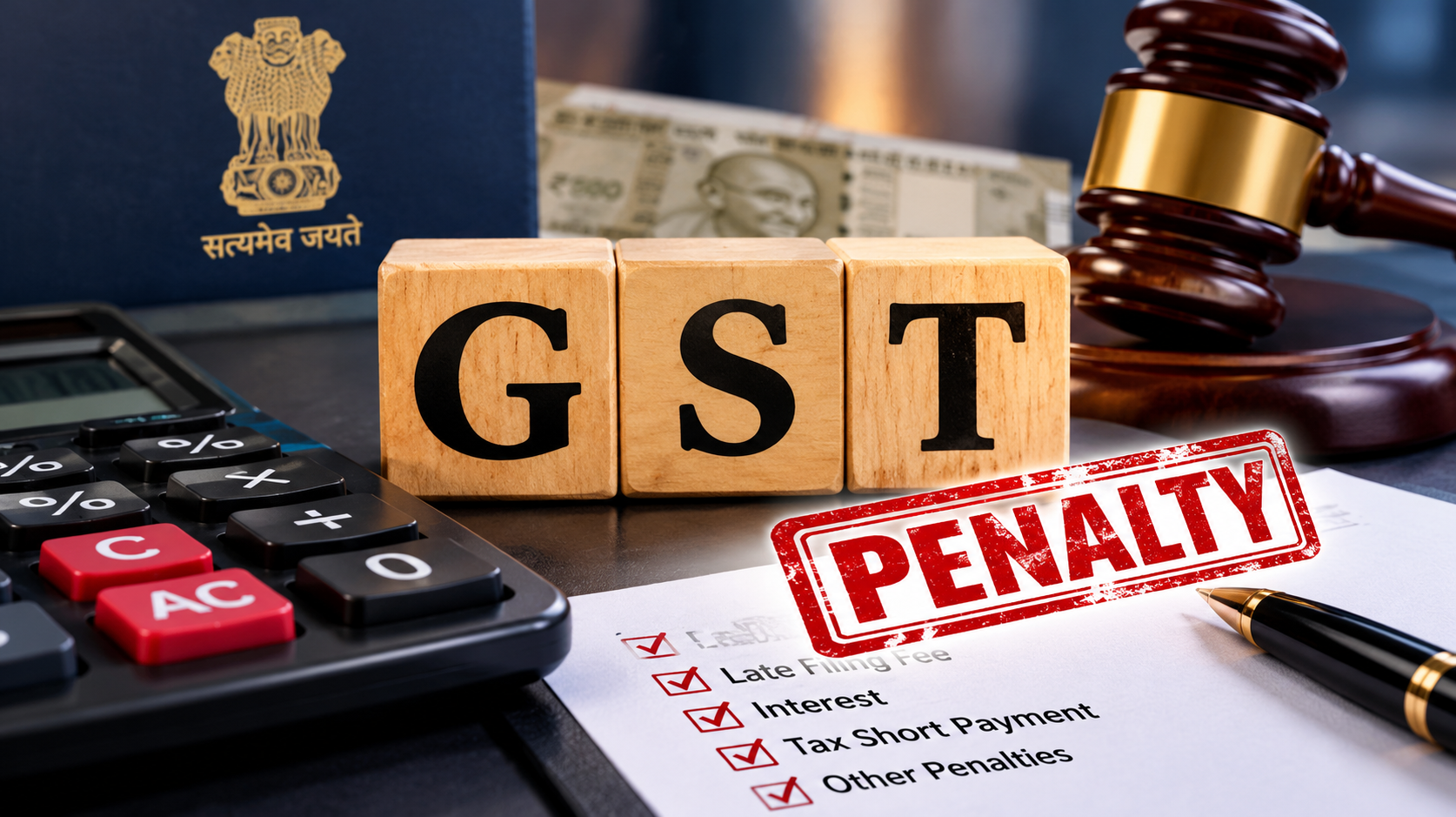
8. Reduced Penalties for Small Businesses
Small taxpayers often struggle with financial penalties arising from procedural lapses. To provide relief:
General Penalty Reduced
a) Earlier maximum penalty: ₹25,000
b) Proposed revised penalty: ₹10,000
For MSMEs and small business owners, this reduction can significantly lower compliance-related financial stress.
9. Quarterly Tax Payments for Small Taxpayers
A major compliance relief has also been proposed for smaller businesses.
Who Qualifies?
Businesses with turnover up to ₹5 crore.
Benefit
Eligible taxpayers may opt for:
✅ Quarterly tax payments
✅ Annual return filing mechanisms
instead of dealing with monthly compliance obligations.
Why This Matters
Reducing monthly filing pressure can help small business owners focus more on growth and operations rather than paperwork.
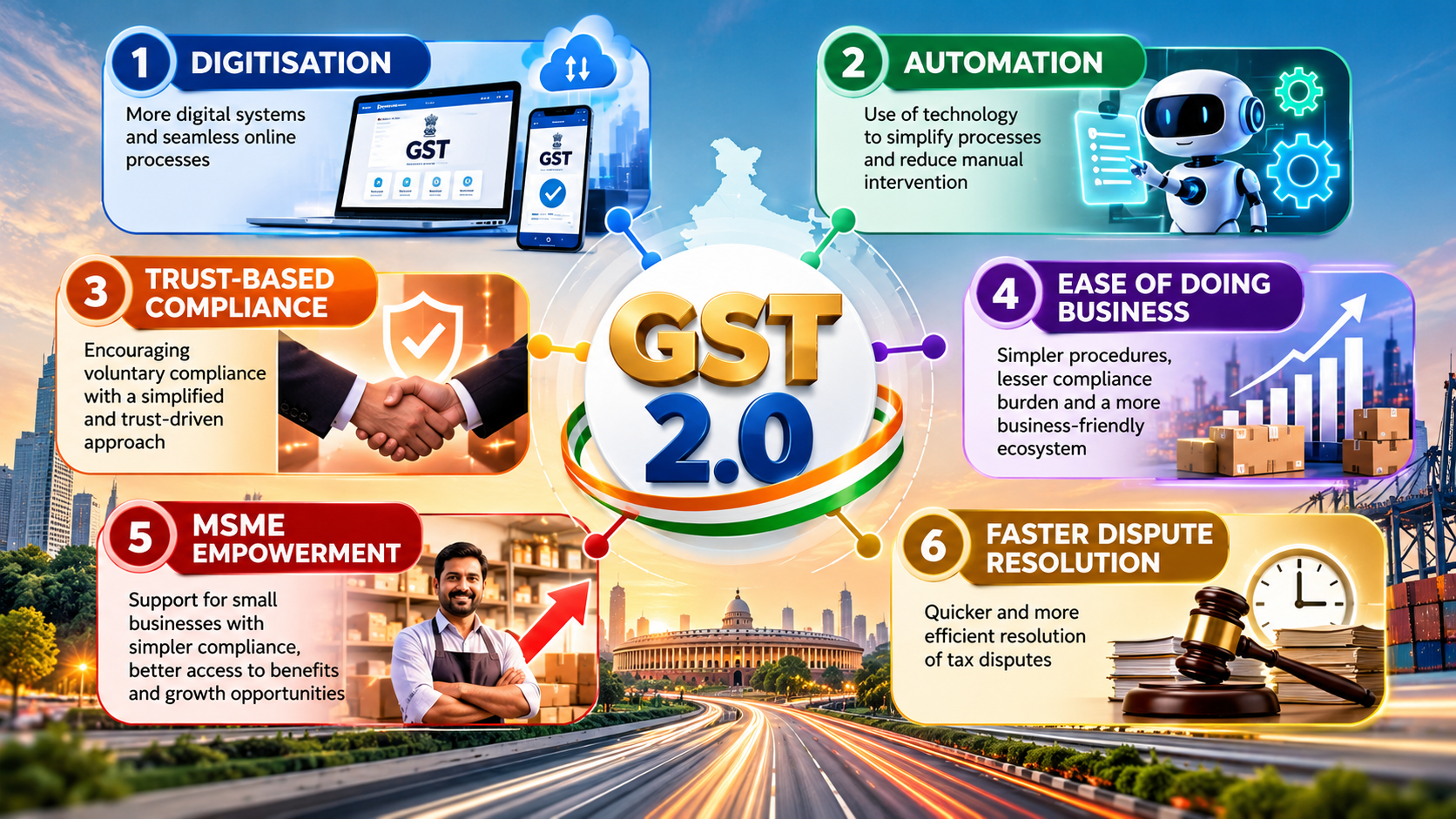
The Bigger Picture: Welcome to GST 2.0
The reforms announced in the 57th GST Council Meeting suggest a clear policy direction. The first phase of GST focused on:
1. Building a unified indirect tax system
2. Rate rationalisation
3. Creating a common national market
The next phase appears focused on:
✅ Digitisation
✅ Automation
✅ Trust-based compliance
✅ Ease of doing business
✅ MSME empowerment
✅ Faster dispute resolution
Whether these reforms fully achieve their objectives will depend on implementation, but the intent is clear: make GST simpler, less intimidating, and more business-friendly.
Closing Insights
The 57th GST Council Meeting may not have produced dramatic GST rate changes, but it delivered something potentially more important: structural reforms that could transform the day-to-day GST experience for millions of businesses.
From faster refunds and simpler registrations to reduced penalties and the proposed removal of arrest powers, the reforms signal a shift towards a more taxpayer-centric GST regime.
For MSMEs, startups, exporters, and small entrepreneurs, GST 2.0 could be the beginning of a far smoother compliance journey.
📢 What Do You Think?
Do these reforms genuinely make GST simpler, or do deeper structural issues remain unresolved?
💬 Share your views in the comments.
📲 Follow us for easy-to-understand updates on taxation, business, economy, and policy reforms.
🔔 Don't miss the latest insights that impact your business, investments, and financial future.
Written by
Aditya KulshreshthaDiscussion (0)
Sign in to join the discussion.
Loading comments…