
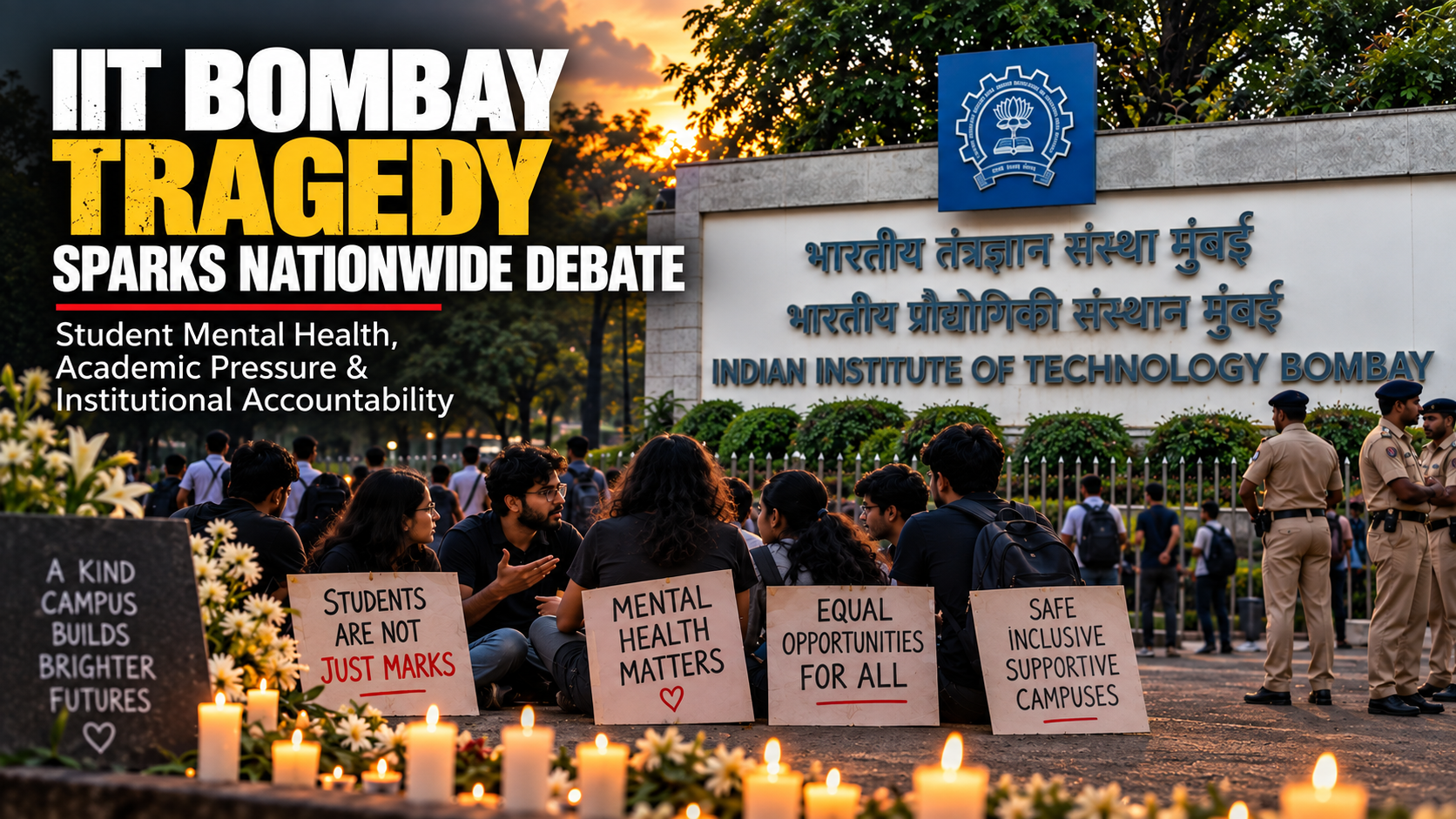
A student's death has reignited urgent questions about academic pressure, mental health, institutional accountability, and caste discrimination in India's premier educational institutions.
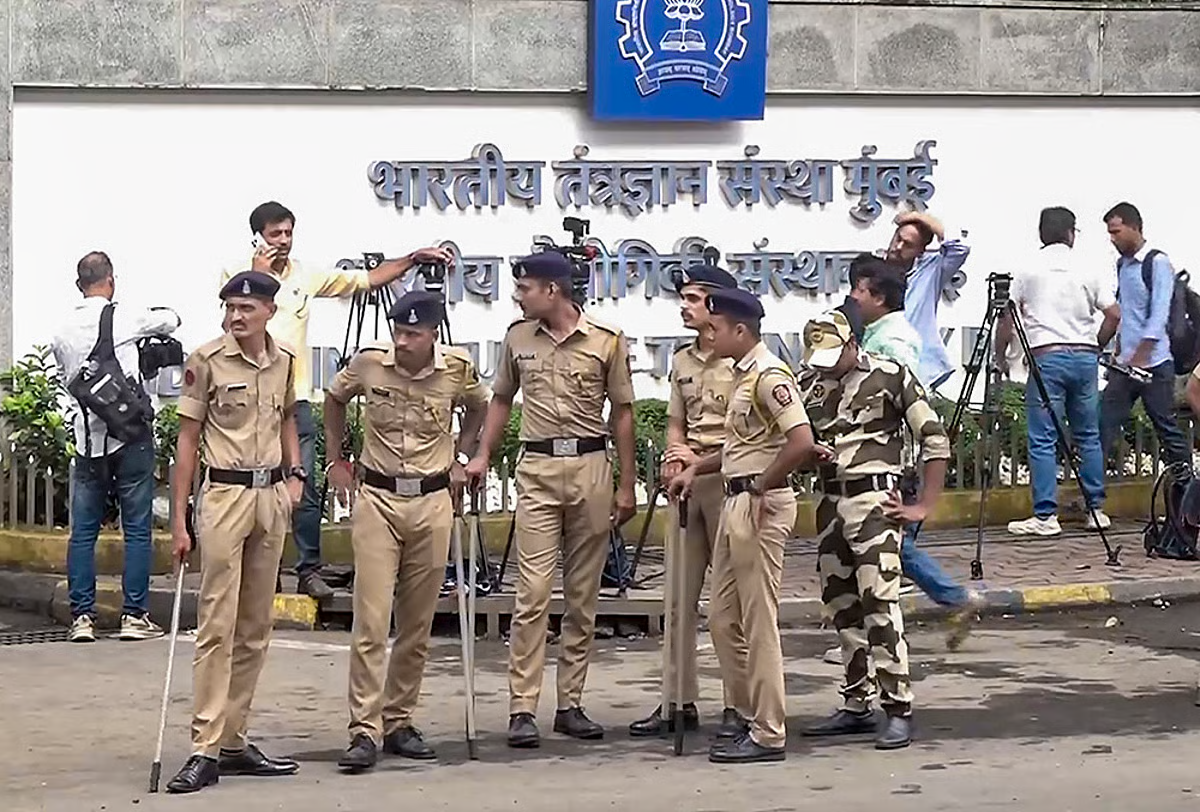
India's higher education system is once again under intense scrutiny following the tragic death of a second-year student at IIT Bombay. What initially appeared to be a case of student suicide has now evolved into a complex and highly sensitive controversy involving allegations of caste-based harassment, claims of institutional pressure, student protests, and a police investigation.
As emotions run high and competing narratives emerge, one crucial question remains unanswered: What really happened, and what does this incident reveal about the challenges students face in elite institutions?
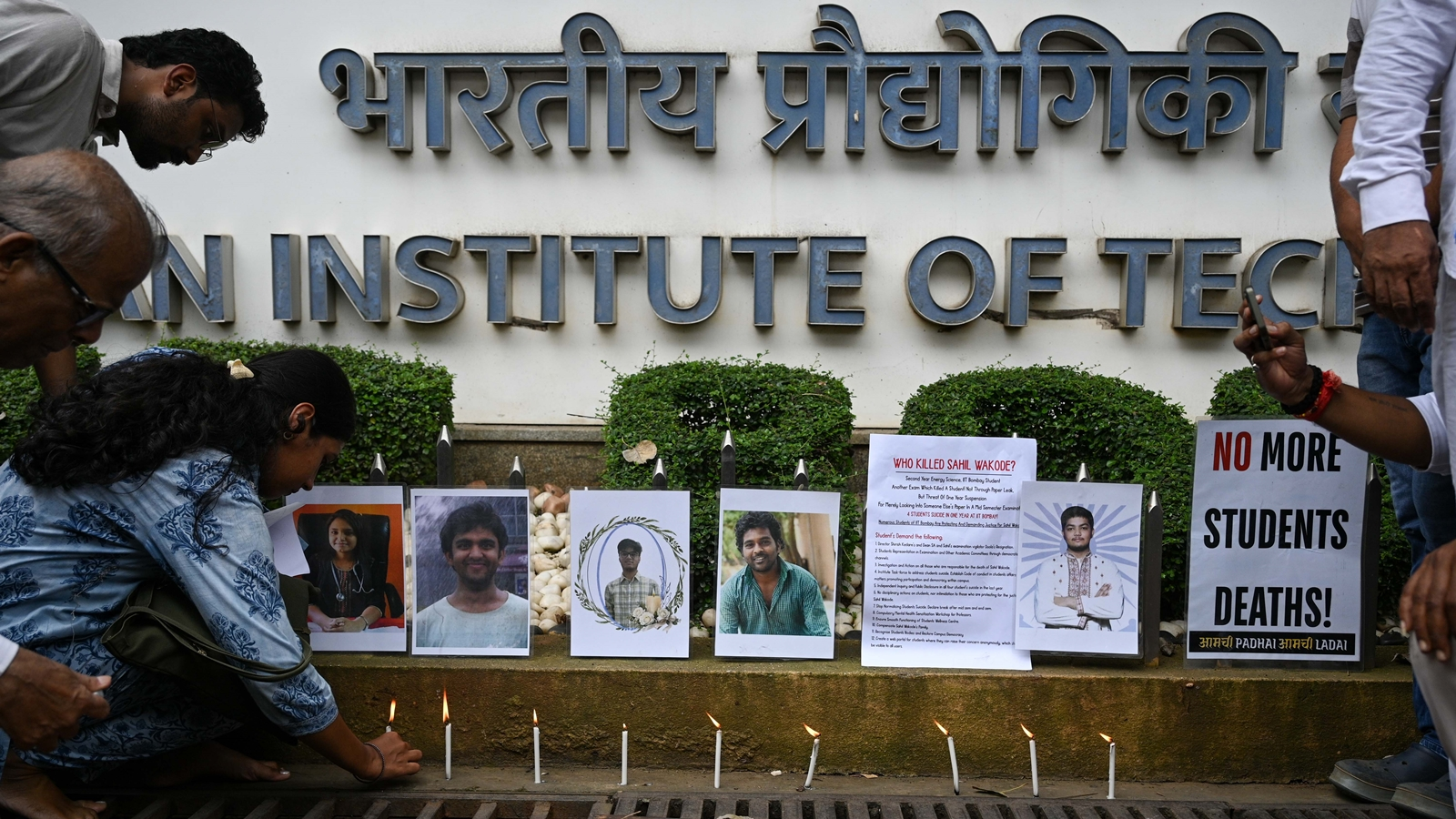
The Incident That Triggered the Controversy
The student at the center of the case was Sahil Wakode, a second-year student enrolled in the Energy Science and Engineering program at IIT Bombay.
According to reports, an examination was being conducted on September 18 when Sahil was allegedly caught using a mobile phone during the test. The institute reportedly claimed he was accessing ChatGPT on his phone, allegedly trying to get answers to exam questions.
Academic dishonesty is a serious issue in any educational institution. However, what followed transformed a disciplinary matter into a national debate.
IIT Bombay has stated that after the incident, faculty members and the department leadership spoke with the student, provided counselling, and assured him that no disciplinary action would adversely impact his academic future.
Yet, shortly after the incident, Sahil was found dead in his hostel room in what authorities believe to be a case of suicide. The tragedy sent shockwaves across the campus.
Why Has the Matter Become a Criminal Investigation?
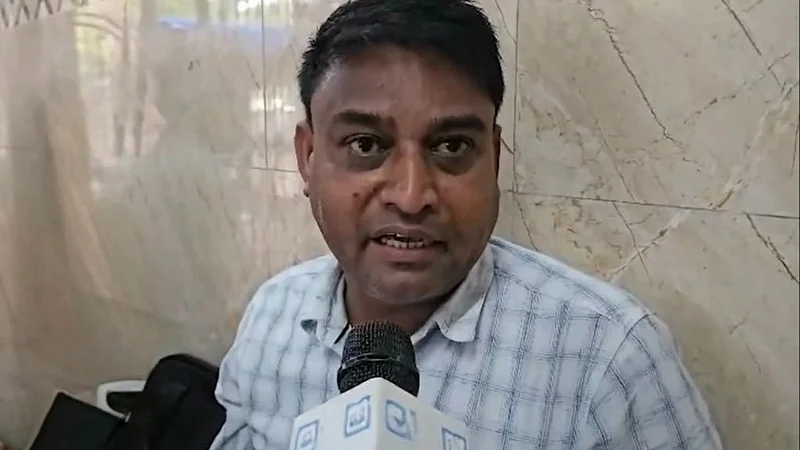
The case took a dramatic turn when Sahil's family approached the police with serious allegations.
According to his father, Sahil had previously informed him that he was facing caste-based abuse and mental harassment for several months. Based on this complaint, Mumbai Police registered a First Information Report (FIR) that included allegations of:
1. Abetment of suicide
2. Caste-based harassment
3. Violations under the SC/ST (Prevention of Atrocities) Act
These are serious accusations that carry significant legal consequences if proven.
The FIR reportedly alleges that a faculty member repeatedly subjected the student to caste-related remarks and harassment over an extended period. The family has further claimed that threats and intimidation were involved.
At this stage, it is important to emphasize that these remain allegations and are currently under investigation.
⚖️ Probe Deepens Amid Conflicting Claims

As the investigation gathers pace, IIT Bombay has reportedly placed Professor Suryanarayana Doolla on leave and asked him to cooperate with the police inquiry. While Sahil Wakode's family has alleged caste-based harassment, members of the institute's faculty have questioned those claims. Meanwhile, Mumbai Police's Crime Branch is examining the incident from all angles, with investigators yet to determine the facts surrounding the allegations and the student's tragic death.
Understanding the Caste Discrimination Allegations
One of the most sensitive aspects of the case is the invocation of provisions under the Scheduled Castes and Scheduled Tribes (Prevention of Atrocities) Act, 1989. The allegations suggest that the student was:
1. Intentionally humiliated based on caste
2. Subjected to insulting remarks linked to his social identity
3. Mentally harassed over a prolonged period
Such accusations strike at the heart of India's constitutional commitment to equality and social justice. The Constitution guarantees equal protection under the law, prohibits discrimination, abolishes untouchability, and safeguards the dignity and liberty of every citizen.
If discrimination occurred, it would represent a grave violation of these principles. If not, the investigation must establish the facts transparently and conclusively.
IIT Bombay's Response
The institute has strongly denied allegations of discrimination. According to IIT Bombay's version of events:
1. The student was counselled after the examination incident.
2. No disciplinary action had been finalized.
3. Assurances were reportedly given that the student's academic career would not suffer because of the episode.
4.The institution maintains that there was no caste-based discrimination involved.
This contrast between the institute's position and the family's allegations has created a deeply contested narrative. As a result, students and observers are demanding an impartial investigation to determine the truth.
Student Protests Erupt Across Campus
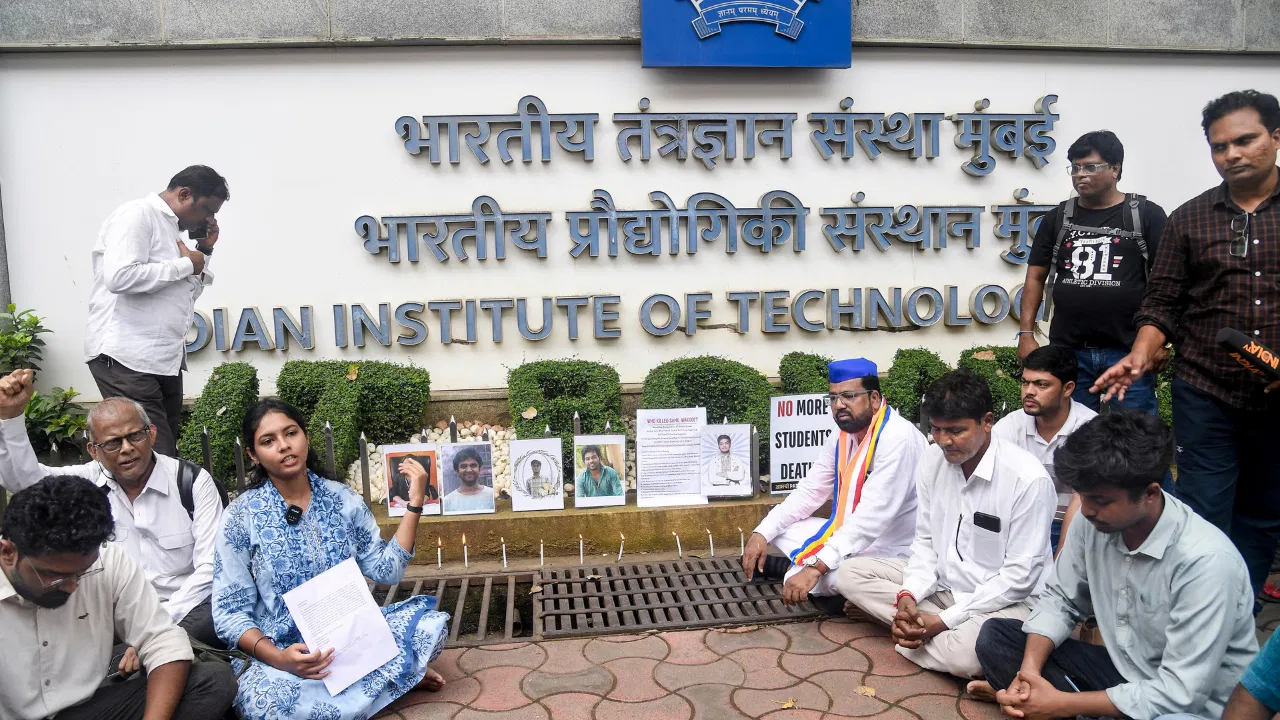
The tragedy has triggered significant unrest within the IIT Bombay community. Reports suggest that hundreds of students gathered to protest, raising concerns about:
1. Academic Pressure
Many students argue that the environment within highly competitive institutions can become overwhelming, particularly for those struggling academically or emotionally.
2. Mental Health Support
Protesters have called for stronger counselling systems, improved psychological support services, and proactive intervention mechanisms for students in distress.
3. Transparency in Disciplinary Processes
Students have reportedly questioned how disciplinary matters are handled and whether adequate safeguards exist to protect student well-being.
4. Concerns About Discrimination
Several student groups have demanded a thorough investigation into allegations of caste discrimination and institutional bias.
The administration and student representatives have reportedly engaged in discussions, with multiple demands being presented before campus authorities.
The Evidence Will Be Crucial
At present, public discussions are dominated by claims, counterclaims, emotions, and speculation. However, the outcome of the investigation will depend on evidence, including:
1. Digital records
2. WhatsApp conversations
3. Emails and communications
4. Examination records
5. Invigilation reports
6. CCTV footage
7. Witness testimonies
8. Forensic findings
9. Institutional documentation
Only a detailed and independent investigation can determine whether the tragedy resulted from harassment, academic stress, disciplinary concerns, personal factors, or a combination of circumstances.
Jumping to conclusions before the investigation concludes risks obscuring the truth.
📌 Fan Removal or Real Reform? IIT Bombay’s Move Sparks Fresh Debate
In the aftermath of the student's death, IIT Bombay has reportedly started replacing ceiling fans with wall-mounted units in hostel rooms as a preventive measure. However, the decision has triggered criticism from several quarters, with critics arguing that structural changes alone cannot address the deeper issues behind rising student suicides.

NCP (SP) spokesperson Anish Gawande questioned whether replacing fans could genuinely tackle the mental health crisis affecting premier institutes. He also highlighted concerns over the increasing number of student suicides reported across IIT campuses over the years, calling for a stronger focus on psychological support, academic stress management, and student well-being.
The debate now extends beyond infrastructure, raising a larger question: Are institutions doing enough to address the root causes of student distress?
A Larger Question: Are Students Under Too Much Pressure?
Beyond the specifics of this case lies a broader issue affecting universities across India. Elite institutions often place students in intensely competitive environments where they face:
1. Fear of failure
2. Social isolation
3. Academic expectations
4. Financial pressures
5. Career uncertainty
6. Family expectations
Mental health experts have repeatedly warned that these factors can compound emotional distress, particularly when students feel unsupported or marginalized.
The IIT Bombay case has once again highlighted the urgent need for institutions to balance academic excellence with emotional well-being. Success should not come at the cost of mental health.
Why This Case Matters Beyond IIT Bombay
This incident is not merely about one institution or one student. It raises critical questions about:
1. Student mental health in higher education
2. Anti-discrimination safeguards
3. Institutional accountability
4. Fair disciplinary mechanisms
5. Campus inclusivity
6. Crisis intervention systems
Regardless of the investigation's outcome, the tragedy underscores the importance of creating educational spaces where every student feels safe, respected, and supported.
The Road Ahead
As Mumbai Police's investigation progresses, the country will be watching closely. The truth must emerge through facts, evidence, and due process, not through social media narratives or ideological battles.
A young life has been lost. For the family, friends, and fellow students, that loss is irreversible. The responsibility now lies with investigators, the institution, and society at large to ensure that justice, transparency, and accountability prevail.
🚨 What Do You Think?
Should India's premier institutions introduce stronger mental health systems, greater transparency in disciplinary actions, and more robust anti-discrimination mechanisms?
Share your thoughts in the comments below.
👉 If you care about education, student welfare, campus reform, and national issues shaping India's future, follow our blog for in-depth analysis, breaking developments, and fact-based insights.
Because every student deserves not just a world-class education, but also dignity, support, and a chance to thrive.
Written by
Aditya KulshreshthaDiscussion (0)
Sign in to join the discussion.
Loading comments…