
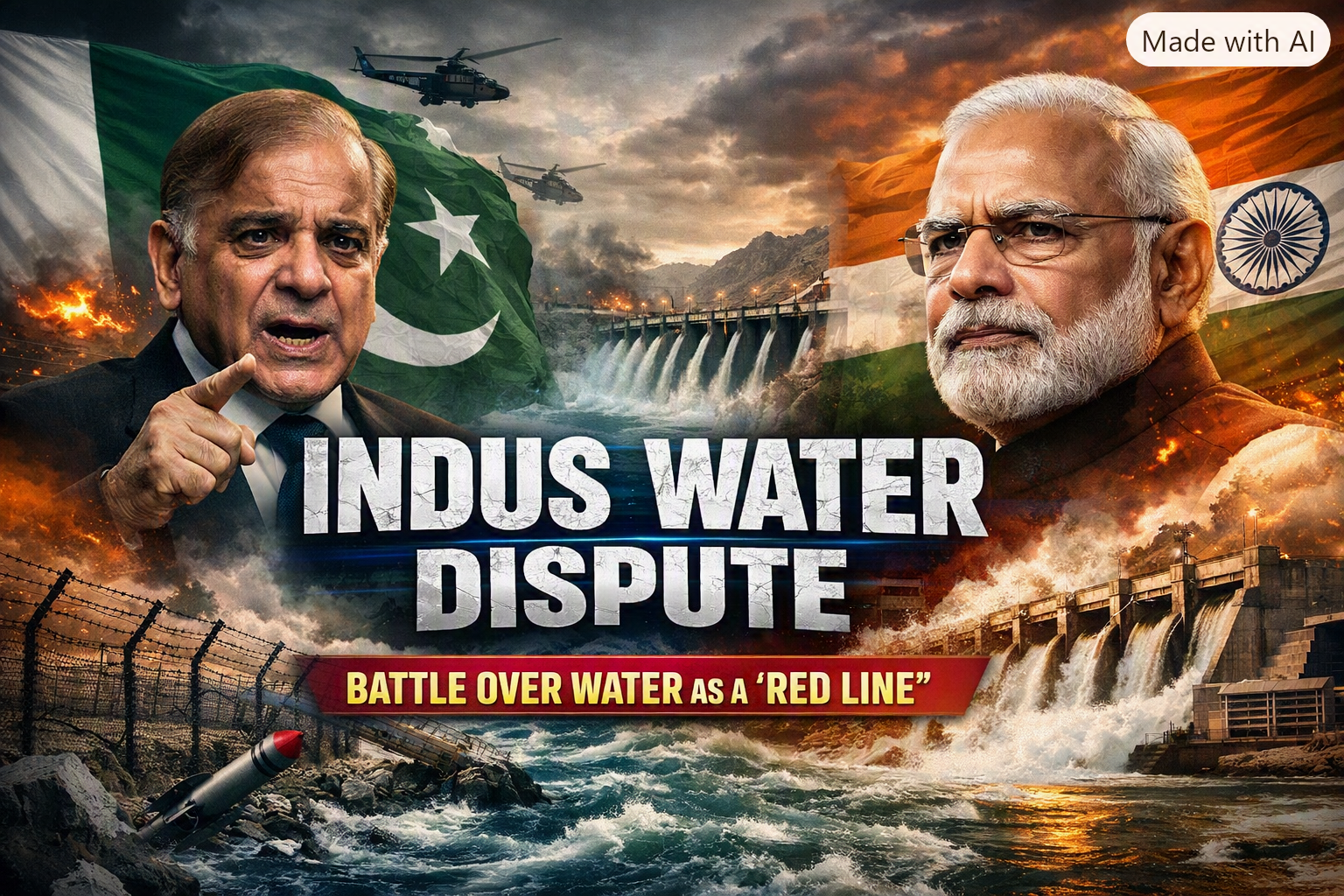
🚨 “Water Is a Red Line” – Sharif’s Threat
While Pakistan celebrates its freedom a day earlier, our focus should remain on how far our nation has progressed and the milestones we continue to achieve. Yet across the border, Prime Minister Shehbaz Sharif chose the occasion to deliver a fiery warning.
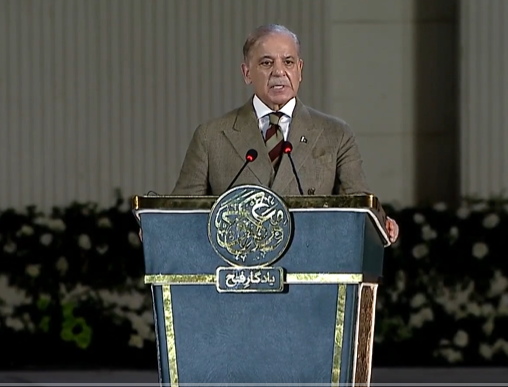
On August 14, Shehbaz Sharif declared that India is the “enemy of peace” and accused New Delhi of violating the Indus Water Treaty. He went further, stating:
“Every single drop of water is Pakistan’s red line. If India takes it, we will respond directly.”
This statement underscores Pakistan’s deep anxiety over water security. Sharif insisted that while Pakistan does not want war, any disruption of Indus River flows would be treated as an existential threat.
🌊 Why Water Matters So Much to Pakistan
Pakistan is a semi‑arid country where rainfall alone cannot sustain agriculture.
90% of its agricultural production depends on irrigation, largely from the Indus River system.
Crops like wheat, rice, and cotton rely heavily on river water and groundwater.
Any disruption in flows from India could devastate food security and livelihoods.
⚖️ Partition & The Indus Puzzle
After 1947, the Indus Basin became international: India upstream, Pakistan downstream. This split irrigation systems, sparked disputes, and set the stage for conflict. The World Bank eventually stepped in to broker peace.
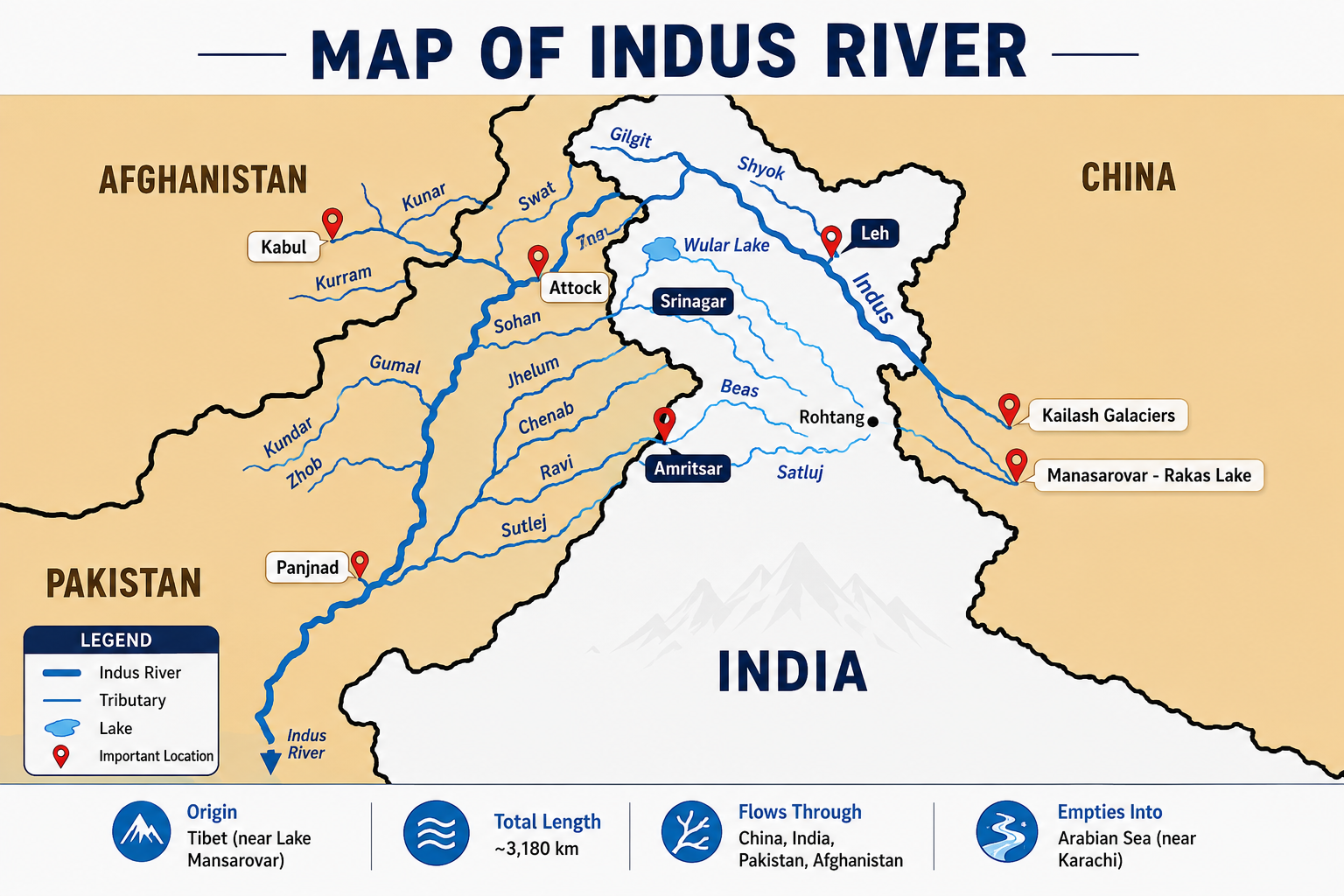
The Indus Water Treaty (1960), brokered with World Bank support, divided six rivers between the two nations:
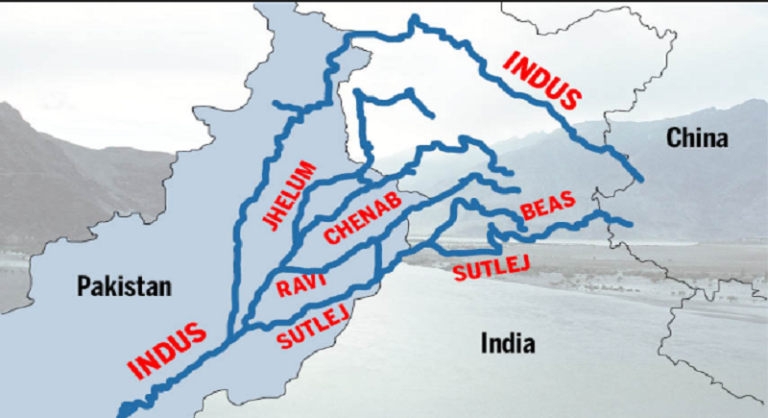
Eastern Rivers (Ravi, Beas, Sutlej) → India
Western Rivers (Indus, Jhelum, Chenab) → Pakistan
India retains limited rights to use western rivers for domestic, agricultural, and run‑of‑river hydro projects, but cannot block substantial flows.
⚔️ India’s Counterpoint: Linking Water to Terror
India’s stance hardened after the 2025 Pahalgam terror attack, when New Delhi declared:
“Terrorism and water cannot coexist.”
Rather than suspending the treaty outright, India placed it in “abeyance”, meaning the agreement remains but will not be fully honoured until Pakistan curbs cross‑border terrorism.
🚫 Can India “Switch Off” the Indus?
Not instantly. There’s no giant tap upstream. Geography and limited storage capacity mean India cannot simply block the river’s flow overnight.
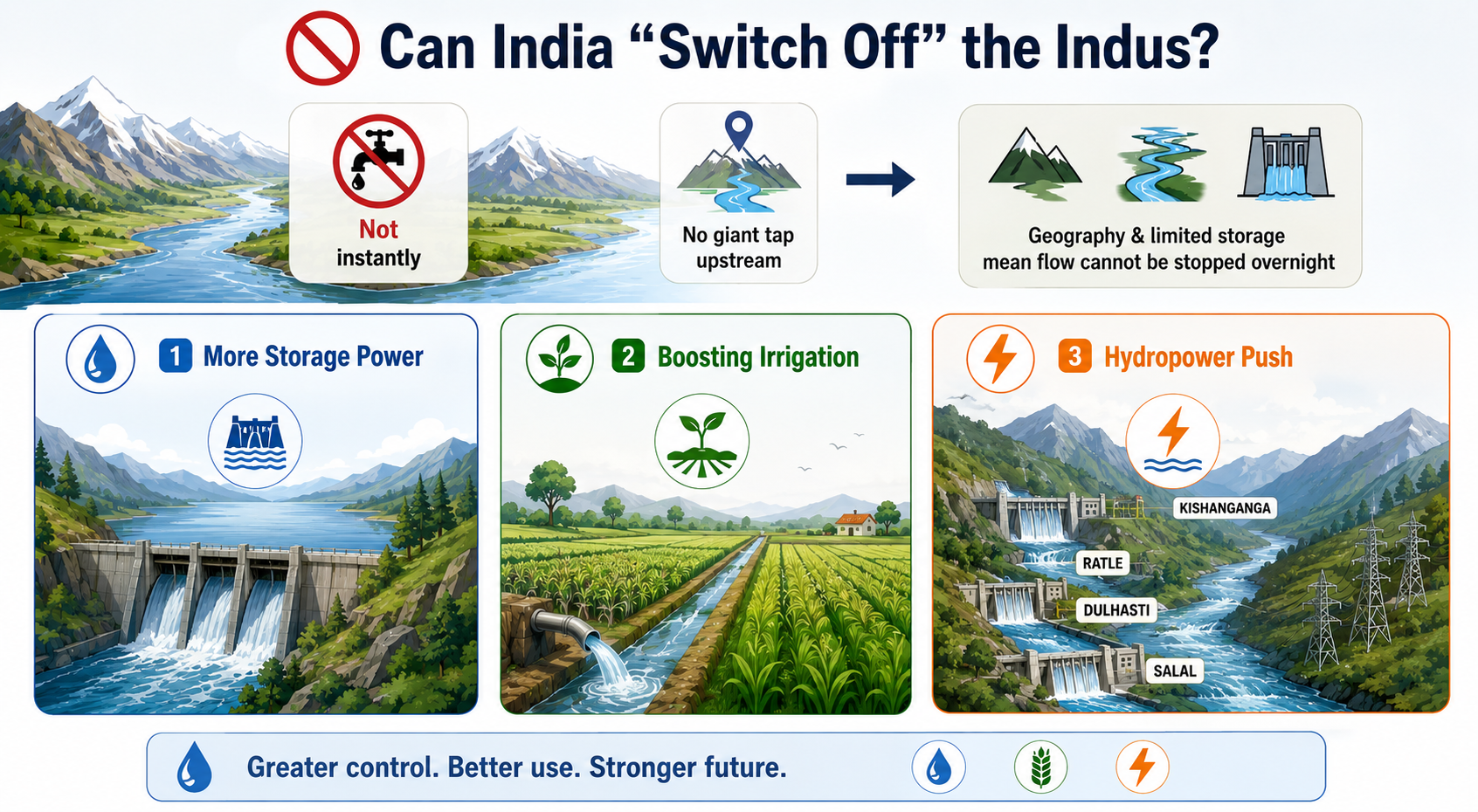
Key factors explain this:
💧 More Storage Power
India’s pause on the treaty opens space to build stronger reservoirs and expand water storage capacity.
🌾 Boosting Irrigation
With greater control, India can channel more water into agriculture, strengthening food security and rural growth.
⚡ Hydropower Push
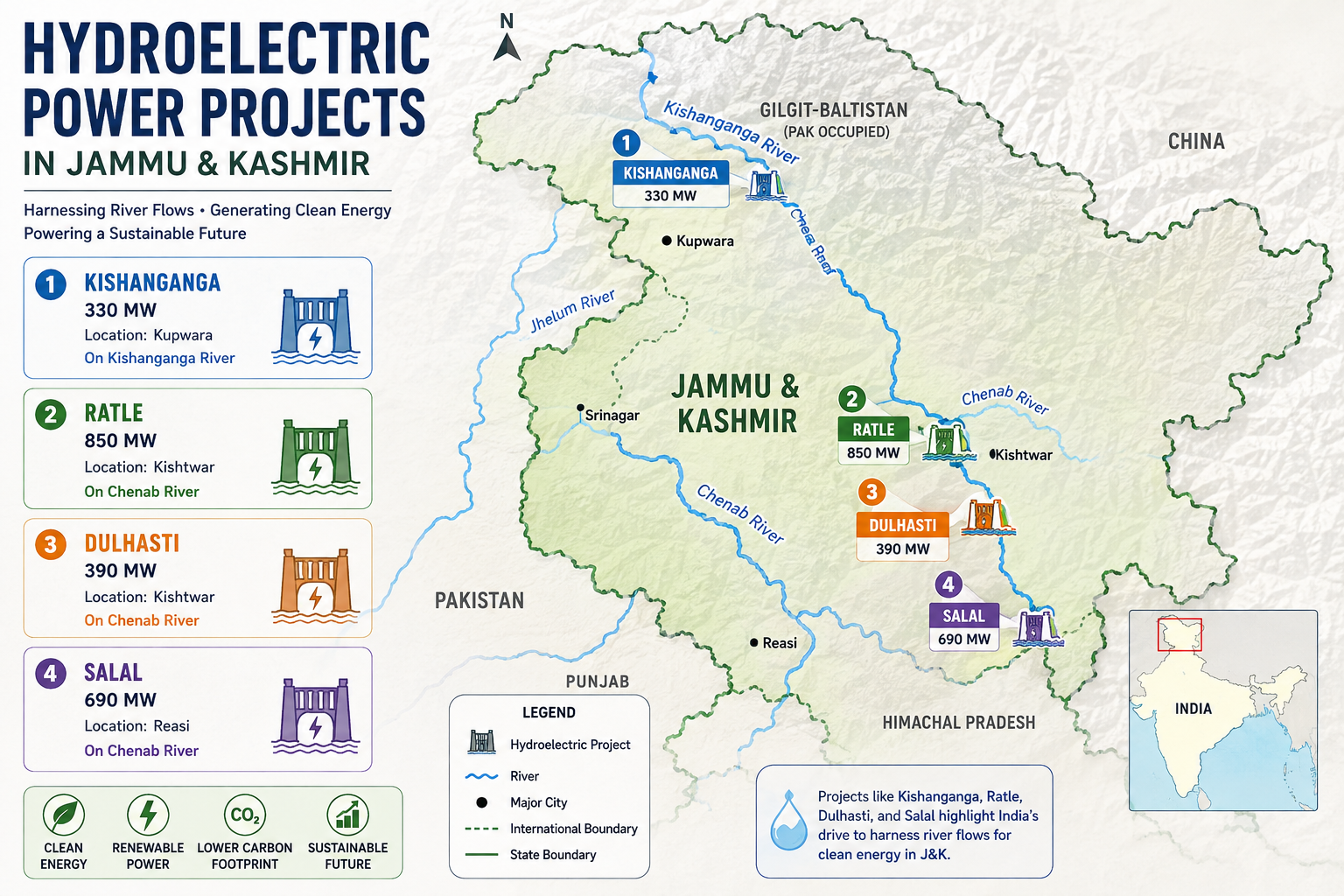
Projects like Kishanganga, Ratle, Dulhasti, and Salal showcase India’s push to harness river flows for clean energy in J&K, while maximizing domestic use of these waters.
🔥 Weaponization of Water – Reality or Rhetoric?
Pakistan accuses India of turning water into a weapon. But India counters that Pakistan has long used actual weapons and terrorism against innocent civilians. The debate has shifted from a technical water dispute to a national security and survival issue.
Meanwhile, experts note that Pakistan’s water crisis is not solely India’s doing. Mismanagement, groundwater depletion, poor governance, and inefficient irrigation have worsened the situation. According to the World Bank, 70% of Pakistan’s drinking water and 90% of rural supply comes from groundwater, now rapidly depleting.
🏔️ Jammu & Kashmir at the Heart of the Dispute
Since most western rivers originate in Jammu & Kashmir, India argues that the first water right belongs to its own people. Former J&K Chief Minister Omar Abdullah slammed Sharif’s remarks, saying:
“Pakistan cannot claim these rivers. This is our blood, our right.”
✅ Conclusion: Independence, Security, and Survival
On the eve of Pakistan’s Independence Day, Sharif’s threats highlight how water has become a flashpoint of survival and sovereignty. For India, the message is clear: development and security must go hand in hand. For Pakistan, the challenge lies not only in diplomacy but also in fixing its own water governance.
Water disputes are shaping geopolitics in South Asia. Share your views - Should water be treated as a weapon or a shared resource?
👉 What’s your take - Is Pakistan’s “red line” a genuine survival concern or political posturing?
Written by
Vedant BhardwajDiscussion (0)
Sign in to join the discussion.
Loading comments…