
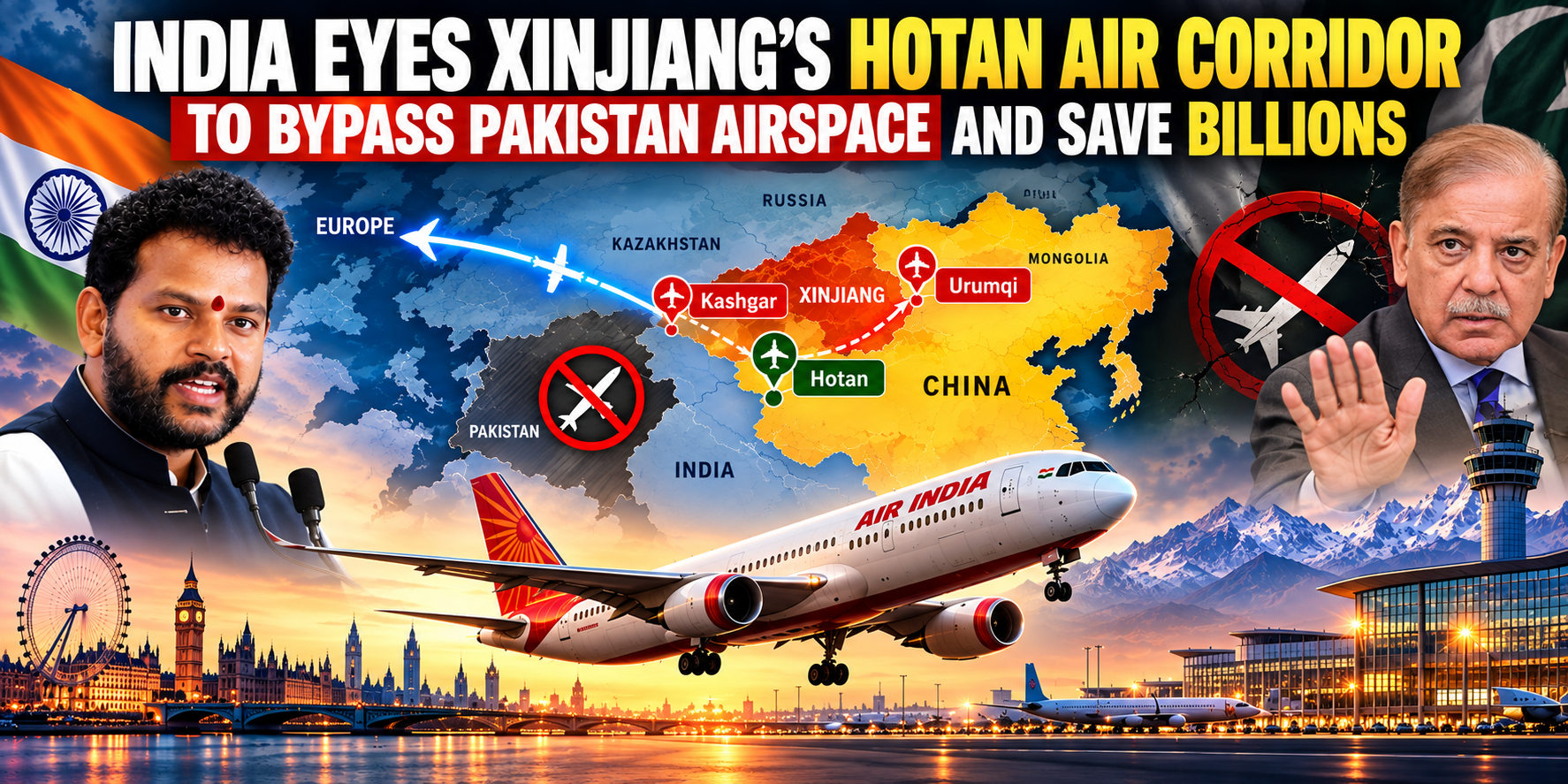
As Pakistan's airspace closure continues to disrupt Indian airlines, India is in talks with China over a proposed Hotan Air Corridor through Xinjiang. The route could slash flying costs, improve connectivity to Europe and North America, and open a new chapter in India-China cooperation.
The geopolitical landscape of Asia is shifting rapidly, and one of the most surprising developments is the growing engagement between India and China after years of tension. Recent diplomatic interactions, including high-level meetings at international forums, have sparked discussions about practical cooperation in several sectors.
One area where this changing dynamic could have a massive impact is aviation.
Civil Aviation Minister Ram Mohan Naidu said India is evaluating a Xinjiang route to cut flight times and costs amid Pakistan's airspace restrictions.
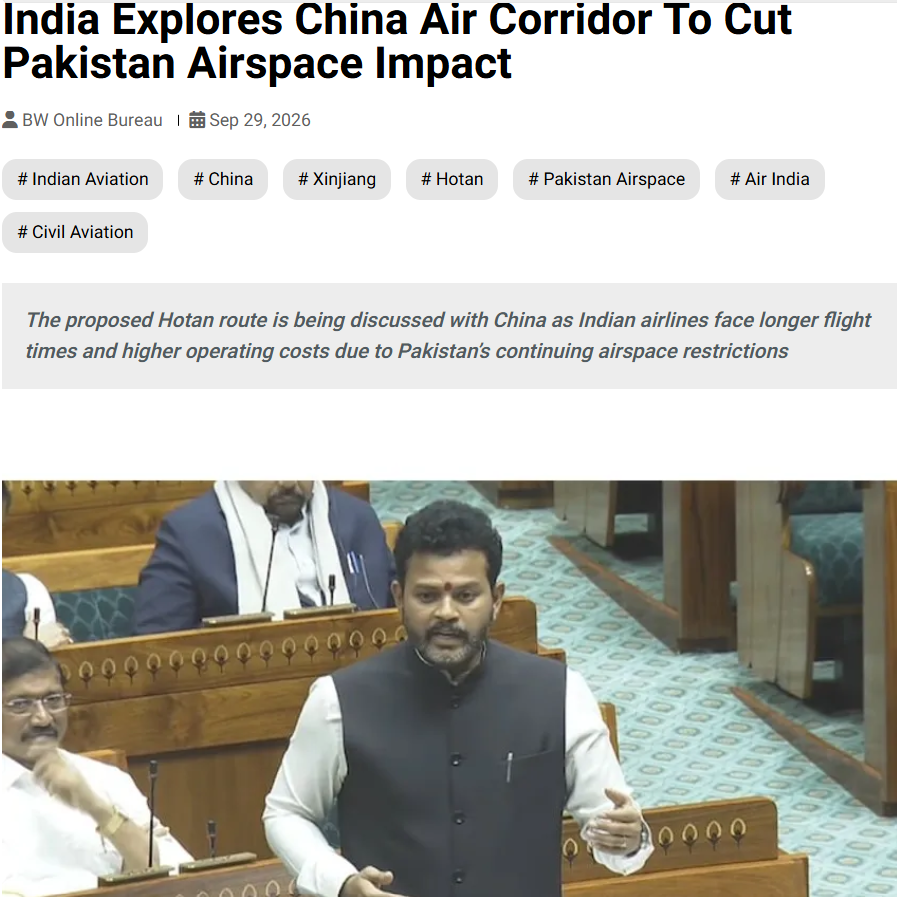
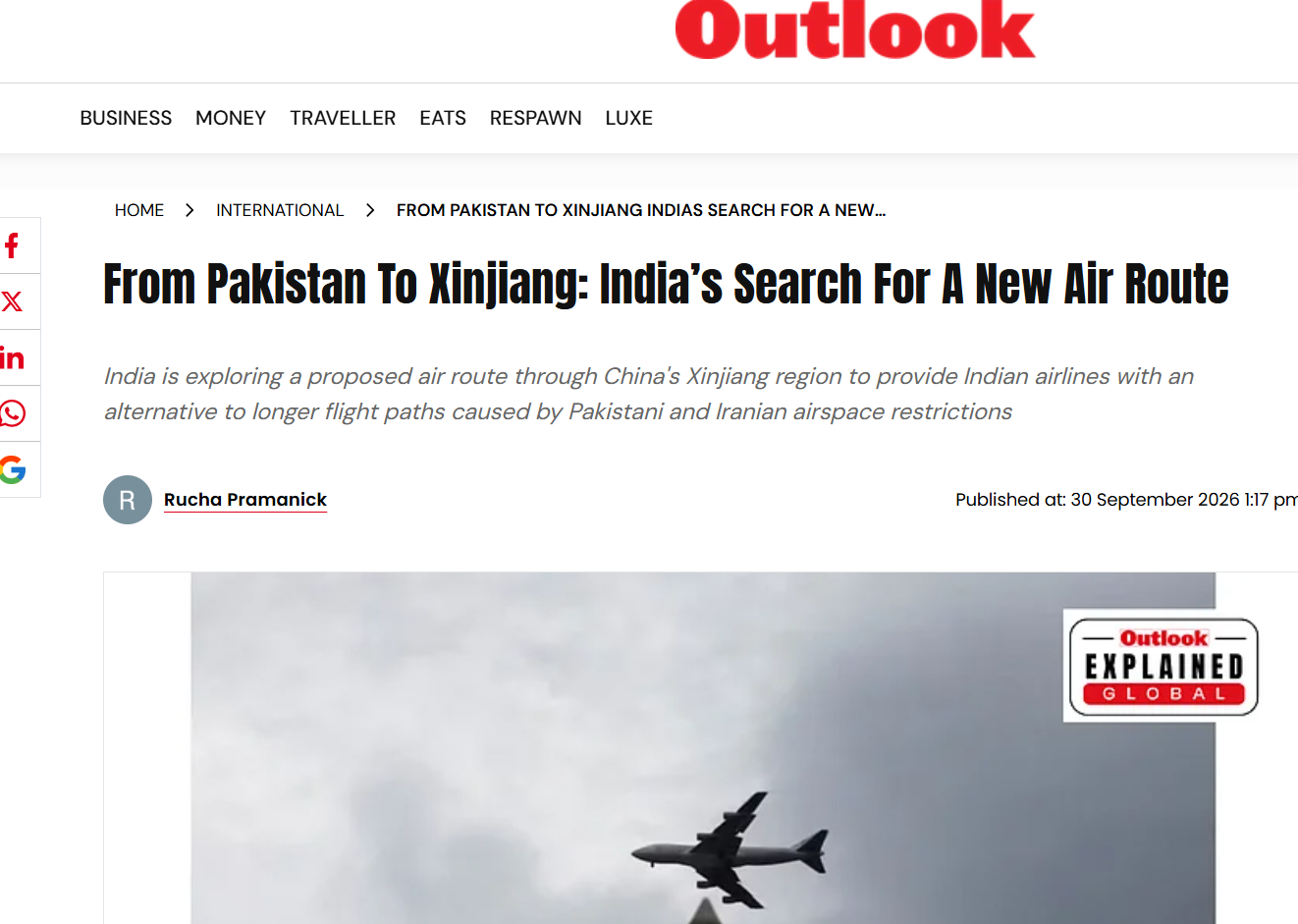
As Pakistan continues to keep its airspace closed to Indian airlines, India is reportedly exploring the possibility of using a route through China's Xinjiang region. If approved, the move could significantly reduce flying time, save billions in operational costs, and offer much-needed relief to airlines such as Air India.
But why is this route so important, and what challenges stand in the way? Let's break it down.
The Problem: Pakistan’s Airspace Closure Is Costing Indian Airlines Dearly
For years, flights departing from Northern India to Europe and North America relied heavily on Pakistan’s airspace. The route was straightforward:
India → Pakistan → Central Asia → Europe/North America
This path allowed airlines to take shorter, fuel-efficient routes, especially for long-haul international flights.
However, with Pakistan restricting access to Indian airlines, carriers have been forced to take lengthy detours. Instead of flying directly westward, many flights now travel:
India → Western India → Middle East → Europe/North America
While this may seem like a minor adjustment on the map, the financial consequences are enormous.
The Impact Includes:
1. Increased flight duration
2. Higher fuel consumption
3. Greater aircraft utilization
4. Longer crew duty hours
5. Increased maintenance costs
6. Reduced operational efficiency
In aviation, every extra minute in the air translates into additional expenses. For airlines already operating in a highly competitive environment, these costs add up quickly.
Airspace Freeze: How It All Started?
1. Trigger Event: The restrictions came in the aftermath of the Pahalgam terror attack that occurred on 22 April 2025 in Baisaran Valley, Jammu & Kashmir.
2. Who Was Affected? Pakistani airspace was closed to aircraft registered, owned, operated, or leased by Indian carriers.
3. Effective From: The ban took effect on April 24, 2025.
4. India's Response: New Delhi imposed reciprocal restrictions on Pakistani airlines.
5. Still in Force: The ban has been extended multiple times and remains in place under the latest NOTAM.
6. Bigger Than Aviation: What began as a temporary measure has evolved into a long-term geopolitical challenge for Indian aviation.
Why Air India Is Feeling the Maximum Heat
Among all Indian airlines, Air India is arguably the biggest casualty. The airline operates an extensive network of long-haul flights connecting India to destinations such as London, Paris, Frankfurt, New York, Chicago, Washington, Toronto and Vancouver.
Many of these routes traditionally benefited from access to Pakistan's air corridor. Without it, flights are becoming significantly longer.
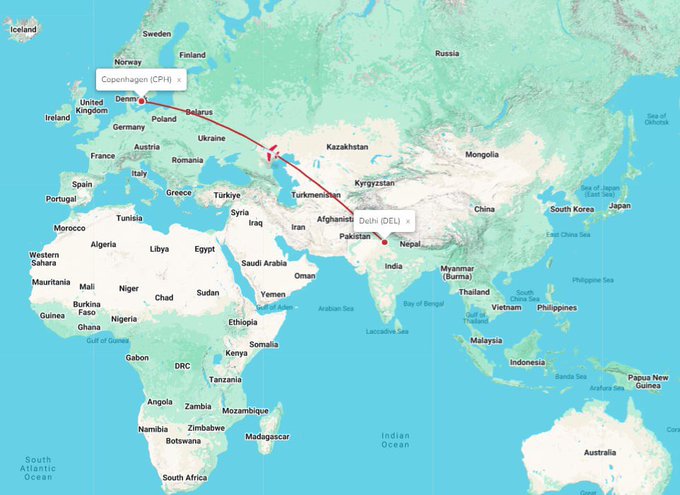
Consider Air India’s Delhi-London route, one of the airline’s busiest international corridors.
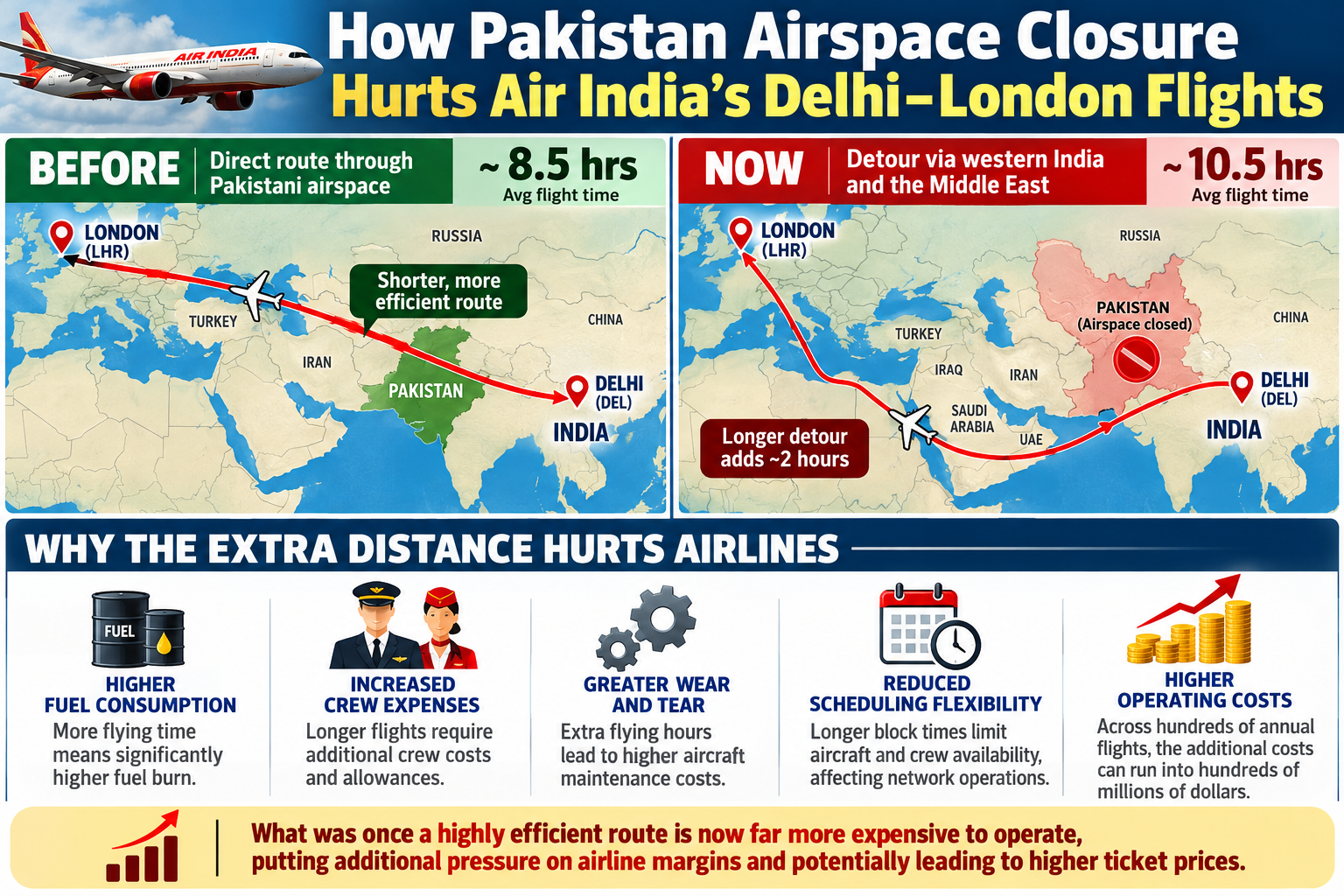
Before Pakistan closed its airspace to Indian carriers, flights could take a direct westward path through Pakistan and Central Asia, keeping flying times relatively short and fuel consumption under control.
Now, aircraft are often forced to take longer detours via western India and the Middle East, adding valuable flying time and significantly increasing fuel burn. What was once a highly efficient route has become far more expensive to operate, putting additional pressure on airline margins and potentially leading to higher operational costs across the network as well as passenger inconvenience.
For airlines, every extra hour in the air means more fuel, higher crew expenses, greater aircraft wear and tear, and reduced scheduling flexibility. Over hundreds of annual flights, these additional costs can translate into hundreds of millions of dollars in lost efficiency.
For airlines, longer flights mean fewer aircraft rotations and lower profitability.
INDIGO Feels the Airspace Squeeze
The airline trimmed Manchester operations and paused Copenhagen flights as detours increased operating expenses.
A New Possibility Emerges: The Xinjiang Route
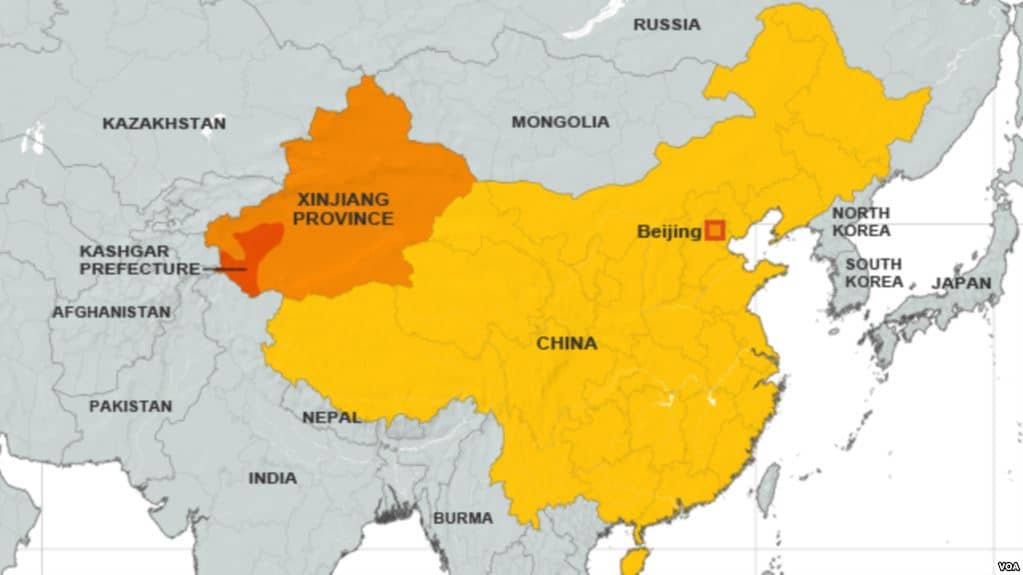
Faced with mounting costs, India is reportedly evaluating an alternative. The proposed solution involves routing flights through China's Xinjiang region.
The potential route would look something like this:
India → Leh Region → Xinjiang → Central Asia → Europe
At the center of this discussion is Hotan Airport, located in China's Xinjiang province. If this corridor becomes available, Indian carriers could reconnect with Central Asian air routes without relying on Pakistani airspace.
Why This Matters
The Xinjiang route would not be as short as the original Pakistan corridor. However, it could still be substantially shorter than the current detour through western India and the Middle East. That means:
✅ Reduced flying time
✅ Lower fuel costs
✅ Better aircraft utilization
✅ Improved airline profitability
✅ More competitive ticket pricing
For India's aviation industry, these advantages could be transformative.
The Biggest Hurdle: China’s Approval
There's just one challenge.
Airspace is sovereign territory. No airline can simply fly through another country's skies without permission.
For Indian carriers to use the Xinjiang route, China would need to approve:
1. Airspace access rights
2. Flight corridors
3. Air traffic management arrangements
4. Security clearances
5. Navigation procedures
This is where things get complicated. Much of Xinjiang is considered strategically sensitive from both security and military perspectives.
Foreign commercial airlines face restrictions in several parts of the region, meaning any proposal would require extensive negotiations.
The Security Dimension Cannot Be Ignored
This isn't merely an aviation issue. It's also a national security concern.
The proposed corridor passes near regions that hold immense strategic significance for China. As a result, Beijing would need to balance carefully:
1. Aviation cooperation
2. Border sensitivities
3. Military considerations
4. Airspace surveillance requirements
This is one reason analysts remain cautious about whether China will ultimately approve unrestricted access. Even if both sides see economic benefits, security priorities could outweigh commercial considerations.
Geography Creates Another Major Challenge
Even if China gives its approval, geography presents another obstacle. The proposed route passes through some of the world's most difficult terrain. The region includes:
1. Ladakh
2. The Himalayas
3. The Karakoram Range
4. Parts of Xinjiang
These are high-altitude, mountainous areas where aviation operations become more complex.
Why Mountain Routes Are Challenging
In aviation, emergency planning is crucial. When flights travel over densely connected regions, emergency diversion airports are more readily available.
Mountainous terrain reduces these options. If a technical issue, medical emergency, or adverse weather situation occurs, airlines need access to alternate airports for safe landings.
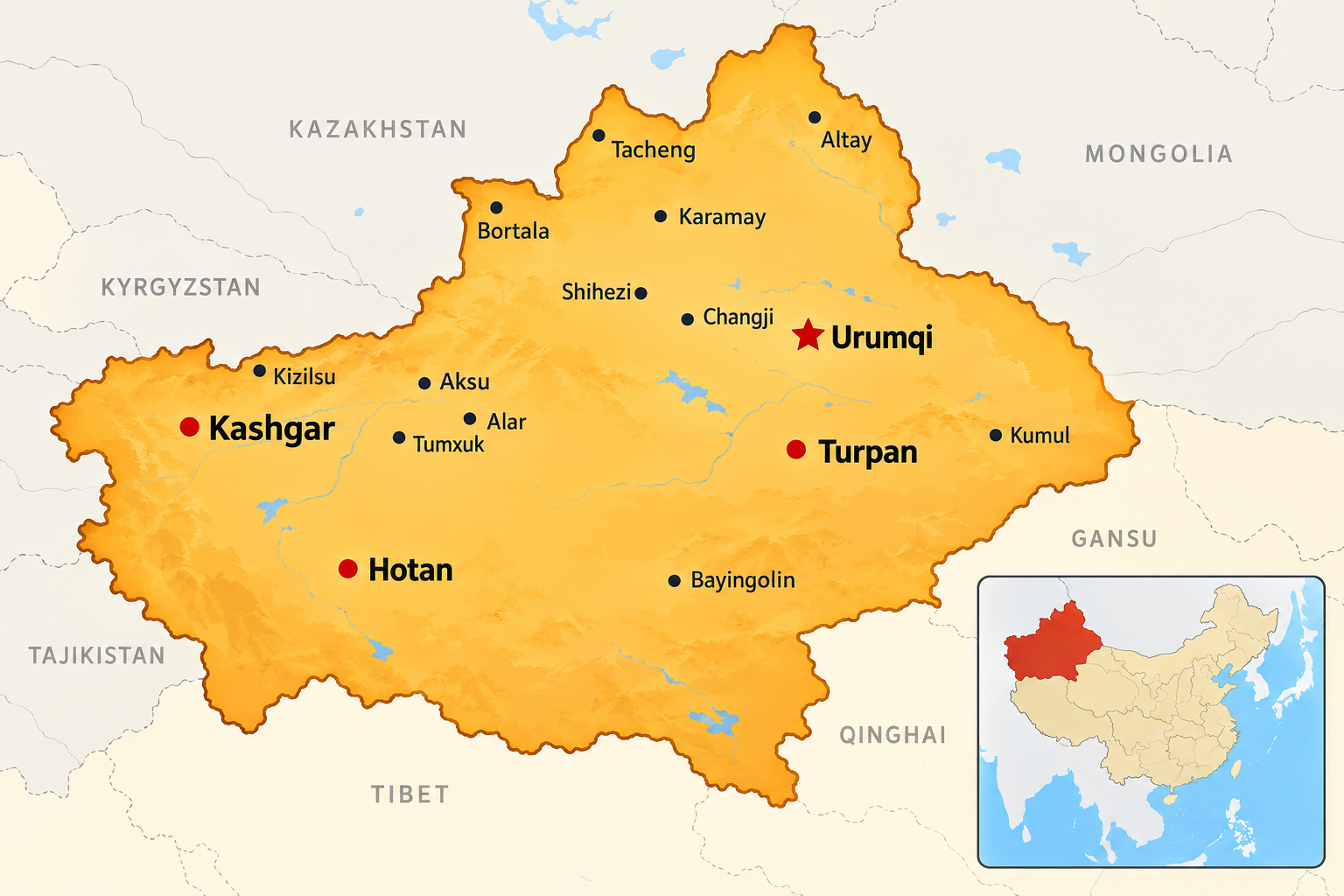
Potential diversion options could include airports such as:
1. Hotan
2. Kashgar
3. Urumqi
But their availability would depend entirely on Chinese authorization and operational coordination.
Why China Might Say Yes
Despite the challenges, China has reasons to consider the proposal positively.
1. Improving India-China Relations
Recent diplomatic engagement suggests both countries are exploring areas of practical cooperation. Aviation can often serve as a confidence-building measure between nations.
2. Economic Benefits
Allowing more overflights means:
a) Additional overflight fees
b) Greater airport utilization
c) Increased aviation activity
d) Stronger regional connectivity
This creates direct commercial benefits for China.
3. Regional Connectivity Goals
Improved air connectivity across Asia could contribute to broader economic integration and transportation efficiency.
Why China Might Still Say No
At the same time, there are significant reasons for hesitation.
1. Military Sensitivity
The India-China border remains strategically important for both countries.
2. Airspace Security Concerns
Managing foreign commercial traffic in sensitive zones requires extensive civil-military coordination.
3. Operational Complexity
Implementing a completely new corridor would involve technical, regulatory, and security challenges.
Simply put, while the economic case may be strong, geopolitical realities could complicate the final decision.
What This Means for Travellers and the Aviation Industry
If the Xinjiang corridor becomes a reality, the impact could be substantial:
1. Faster international flights
2. Lower airline operating costs
3. Improved route efficiency
4. Stronger competitiveness for Indian carriers
5. Better passenger experience
For Air India and other Indian airlines, it would help level the playing field against foreign carriers that are not subject to the same airspace restrictions.
In an industry where profit margins are often razor-thin, even a modest reduction in route length can create a massive financial advantage.
The Bottom Line
The discussion around a potential India-China aviation corridor is about far more than flight paths. It sits at the intersection of geopolitics, economics, national security, and global connectivity.
With Pakistan's airspace remaining inaccessible to Indian airlines, the search for alternatives has become increasingly urgent. A route through Xinjiang could offer a practical solution, but its success will depend on diplomatic trust, security cooperation, and strategic calculations in both New Delhi and Beijing.
Whether this proposal takes off or remains grounded, one thing is clear: the future of Asian aviation may be shaped as much by diplomacy as by aircraft technology.
✈️Stay Ahead of Global Aviation & Geopolitical Shifts
The world of aviation is changing faster than ever, and every geopolitical decision can reshape international travel overnight.
Want expert insights on global politics, aviation trends, economic developments, and strategic affairs?
📩 Subscribe for expert analysis delivered to your inbox.
🔗 Share this article with fellow aviation and world affairs enthusiasts.
🌍 Follow us for more updates on India, China, and the future of global connectivity.
Written by
Kartikeya RaoDiscussion (0)
Sign in to join the discussion.
Loading comments…