

From misleading sales to manipulated search results, the government is tightening the screws on e-commerce giants. Here’s what the new rules mean for your online shopping experience.
Online shopping has become an inseparable part of our daily lives. Whether it's groceries, smartphones, fashion, medicines, food delivery, travel bookings, or household essentials, almost everything is now just a few clicks away.
The convenience is unmatched. Order today, and in many cities, your package arrives within minutes or hours. But behind this convenience lies a growing concern: Are consumers really getting the deals they think they are?
For years, shoppers have faced issues such as fake discounts, hidden charges, manipulated search rankings, misleading advertisements, dark patterns, delayed refunds, and poor grievance redressal. Recognizing these concerns, the Government of India has introduced significant amendments to the Consumer Protection (E-Commerce) Rules that are set to reshape the online shopping ecosystem from January 1, 2027.
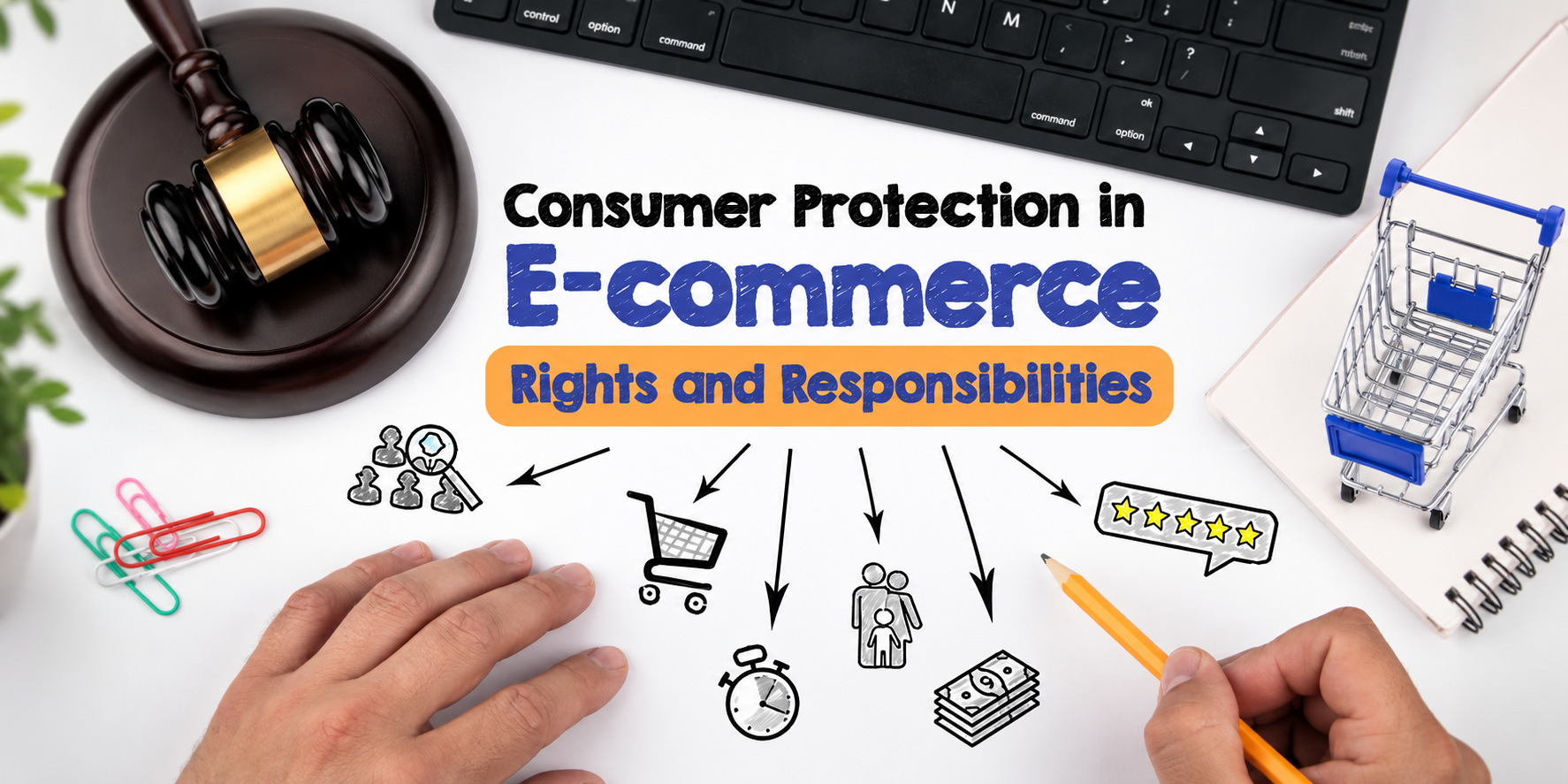
Let's dive into the major changes and understand how they could impact every online shopper in India.
Why Were New E-Commerce Rules Needed?
India's e-commerce industry has witnessed explosive growth over the last decade. Millions of consumers now rely on digital platforms for everyday purchases. However, this rapid expansion also exposed several loopholes:
1. Fake and exaggerated discounts
2. Sponsored products disguised as recommendations
3. Manipulated search results
4. Hidden fees at checkout
5. Forced subscriptions and auto-renewals
6. Lack of transparency about sellers
7. Poor complaint resolution mechanisms
8. Misuse of customer data
The government's objective is clear: Create a transparent, accountable, and consumer-centric digital marketplace without placing unnecessary burdens on businesses.
1. The End of Fake Discounts? New Price Transparency Rules Explained
One of the biggest complaints from online shoppers has been misleading discounts.
You've probably seen offers like: ₹35,000 Washing Machine Now Available for Just ₹20,000!"
But often, the product was never actually sold at ₹35,000 for any meaningful period. The inflated "original price" simply made the discount look massive.
✅What's Changing?
Under the new rules, e-commerce platforms must display:
a) The current discounted price
b) The prior price
c) The lowest price at which the product was sold during the previous 30 days
✅Why This Matters
Let's say an automatic washing machine was listed at different prices over a month:
a) From 1st to 10th January, it sold for ₹25,000.
b) From 11th to 20th January, the price dropped to ₹22,000.
c) From 21st to 30th January, it increased slightly to ₹23,000.
Now, during a festive sale on 31st January, the platform offers the washing machine for ₹20,000 and advertises it as: "Originally ₹35,000, Now Just ₹20,000!"
Under the new e-commerce rules, this kind of inflated discount claim will no longer be allowed.
Instead, the platform must disclose the lowest price at which the product was sold in the previous 30 days, which in this case was ₹22,000. This enables shoppers to see the actual savings of ₹2,000, rather than being misled by an artificially inflated "original" price of ₹35,000.
This move could significantly reduce deceptive discount marketing tactics.
2. No More Manipulated Search Results
When consumers search for products online, they often assume that top-listed products are the most relevant or best-rated options. But that's not always true. Many platforms allow brands and sellers to pay for premium visibility. As a result, a sponsored product may appear at the top even if better alternatives exist.
✅What the New Rules Require
The government is not banning advertising. Instead, platforms must clearly disclose when a product placement is sponsored. Consumers should immediately know whether:
a) A product appears naturally
b) It is being promoted through paid advertising
✅Why This Is Important
Transparency helps shoppers make informed decisions instead of unknowingly purchasing products simply because they appear first in search results.
3. Crackdown on Dark Patterns: The Tricks Companies Use to Influence Purchases
One of the most significant aspects of the new regulations is the stronger focus on eliminating dark patterns. Dark patterns are manipulative design techniques used to influence consumer behaviour and push them toward actions they might not otherwise take.
Common Examples Include:
a) False Urgency
Messages like:
· "Only 2 minutes left!"
· "Last item remaining!"
Even when the same offer continues for days.
b) Confirm Shaming
For example:
✅ Protect My Purchase
❌ No, I Don't Care About My Product
These options subtly pressure customers into purchasing add-ons.
c) Forced Continuity
A "free trial" that quietly turns into a paid subscription without sufficient notification.
d) Basket Sneaking
Additional products or services automatically added to the shopping cart, such as:
· Insurance plans
· Extended warranties
· Protection packages
· Donations
· Subscriptions
e) Hidden Costs
A product shown at ₹649 suddenly becomes ₹750 at checkout because of:
· Platform fees
· Handling charges
· Convenience fees
· Other unexplained additions
f) New Compliance Requirements
E-commerce companies will now have to:
· Follow anti-dark pattern guidelines strictly
· Conduct annual self-audits
· Display compliance certifications prominently
This is intended to make online shopping more honest and user-friendly.
4. Stronger Consumer Complaint Resolution
Customer complaints remain one of the biggest pain points in e-commerce. Common issues include:
a) Delayed refunds
b) Defective products
c) Missing deliveries
d) Return disputes
e) Warranty disagreements
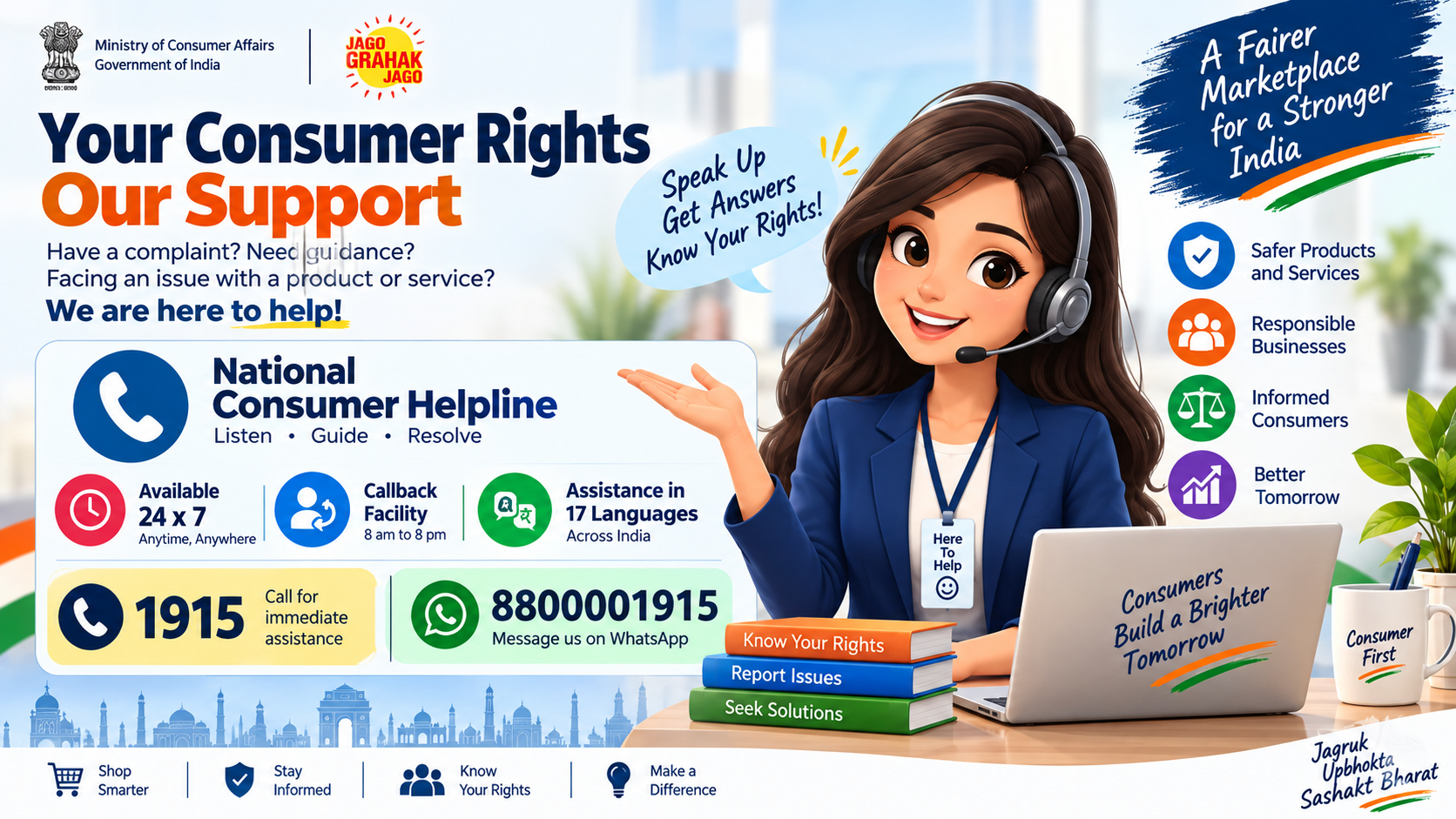
To improve accountability, the government is pushing for tighter integration with the National Consumer Helpline ecosystem.
✅ What It Means for Consumers
When complaints are filed, e-commerce entities will be required to participate more actively in the grievance redressal process. The goal is to increase transparency and ensure consumers remain informed about the status of their complaints.
This could significantly improve dispute resolution and customer confidence.
5. Greater Transparency About Sellers

Many shoppers believe they are purchasing directly from major platforms such as Amazon, Flipkart, or Myntra. In reality, these platforms often function as marketplaces where thousands of independent sellers offer products.
The Problem
Consumers often don't know:
a) Who the actual seller is
b) Where the seller is located
c) What return policies apply
d) Who is accountable if something goes wrong
✅ The New Requirement
Platforms will have to provide clearer seller information so buyers can easily identify:
a) Seller details
b) Return conditions
c) Product-related responsibilities
This is a major step toward accountability and consumer protection.
6. Country of Origin Disclosure Becomes More Important
Many consumers prefer products from specific countries for reasons ranging from quality concerns to supporting domestic manufacturing.
The amended rules emphasize clearer disclosure of a product's country of origin. This allows shoppers to make purchasing decisions based on their preferences, whether they want:
a) Made in India products
b) Imported goods
c) Products from specific manufacturing regions
Greater transparency means greater consumer choice.
7. Stronger Safeguards for Consumer Data
In today's digital economy, consumer data has become one of the most valuable assets. Every search, click, purchase, and browsing habit generates information that can be used for marketing and product recommendations.
✅ Under the New Framework
Consumer data should not be misused without proper permission. The intent is to ensure that personal shopping behaviour is handled more responsibly and ethically. With privacy becoming a major concern globally, this is an increasingly important area of regulation.
8. Seller Details Must Appear on Invoices
Another notable change is the requirement for seller information to be included on invoices. This may sound like a small adjustment, but it helps consumers:
a) Identify the actual seller
b) Raise complaints effectively
c) Track accountability
d) Resolve product-related disputes faster
Will These Rules Really Work?
While the reforms appear promising, several challenges remain. Key concerns include:
1. Enforcement Challenges
Can regulators effectively monitor thousands of platforms, millions of products, and countless sellers?
2. Defining Misleading Practices
What exactly qualifies as a deceptive recommendation or misleading presentation?
3. Self-Audit Credibility
Will annual self-audits conducted by companies be sufficient without stronger independent oversight?
4. Impact on Small Businesses
Smaller sellers and emerging e-commerce platforms may face compliance burdens that larger corporations can absorb more easily.
Despite these concerns, most experts agree that regulatory intervention was necessary.
The Bottom Line
India's upcoming e-commerce reforms represent one of the biggest consumer protection initiatives in the digital marketplace. By targeting fake discounts, sponsored search manipulation, dark patterns, hidden fees, seller opacity, and weak grievance handling, the government aims to make online shopping more transparent and trustworthy.
Whether these reforms fully achieve their objectives will depend on enforcement and compliance. However, one thing is certain: The era of unchecked digital marketplace practices is facing unprecedented scrutiny.
🚀 The Verdict: A Big Win for Indian Online Shoppers?
Before clicking that "Buy Now" button in 2027 and beyond, you'll have more information, greater transparency, and stronger consumer rights than ever before. The question is no longer whether online shopping will change.
The real question is: Are e-commerce platforms ready for the transparency revolution?
😊Enjoyed this article?
Stay ahead of India's biggest policy, technology, and consumer-rights developments.
🔔Subscribe to our newsletter for expert insights, breaking updates, and practical guides that help you make smarter decisions in the digital age.
🚀Share this article with friends and family so they don't fall for fake discounts, hidden charges, or online shopping tricks ever again!
Written by
Bhavana SharmaDiscussion (0)
Sign in to join the discussion.
Loading comments…