
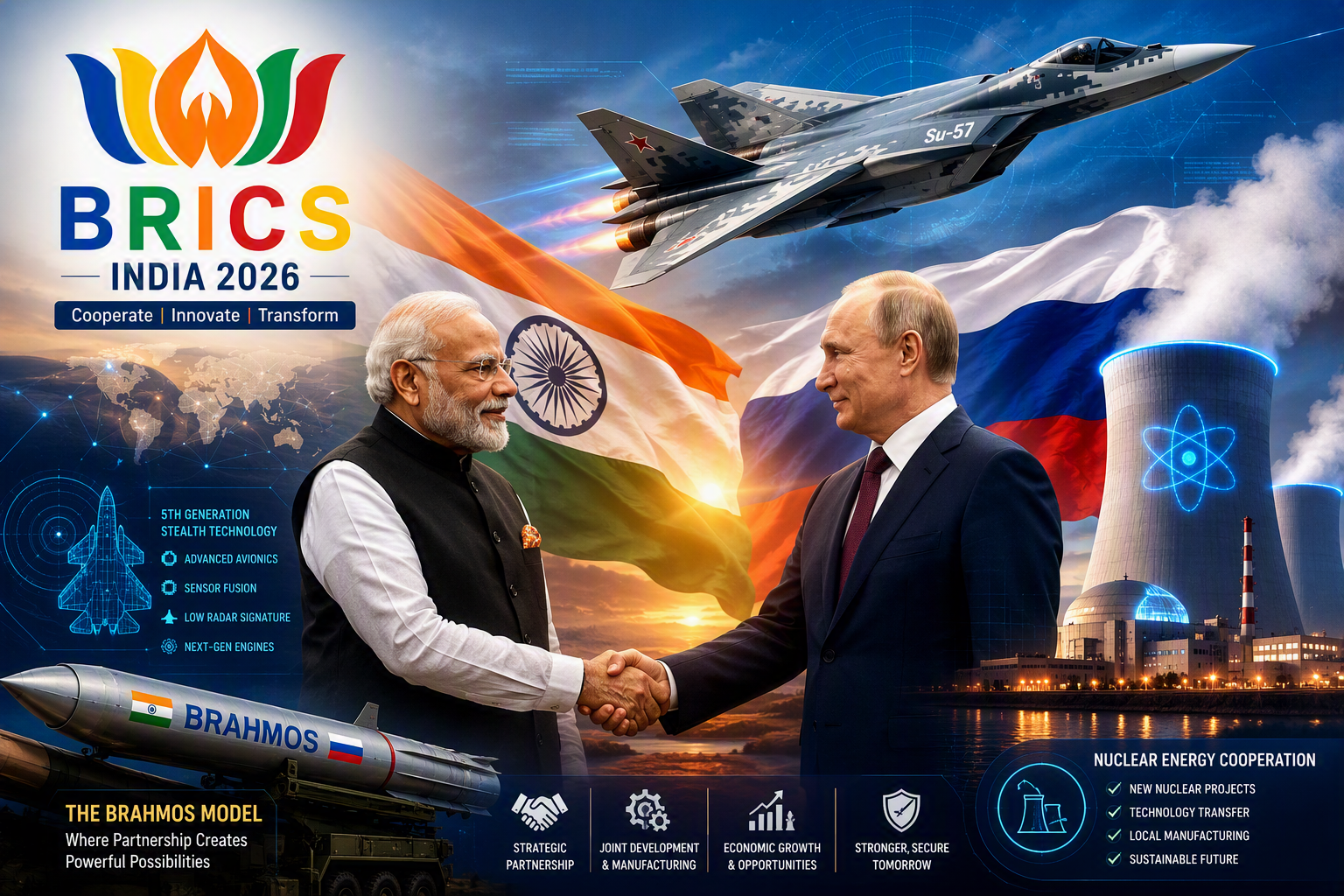
Ahead of the Modi-Putin Summit, Russia Reveals India’s Biggest Demands and They Could Reshape the Future of Defense and Energy
As the world turns its attention to the upcoming BRICS Summit in India on September 12-13, one major development is creating buzz across strategic and defense circles. Russian President Vladimir Putin is set to visit India, and on the sidelines of the summit, a crucial bilateral meeting with Prime Minister Narendra Modi is expected to take place.
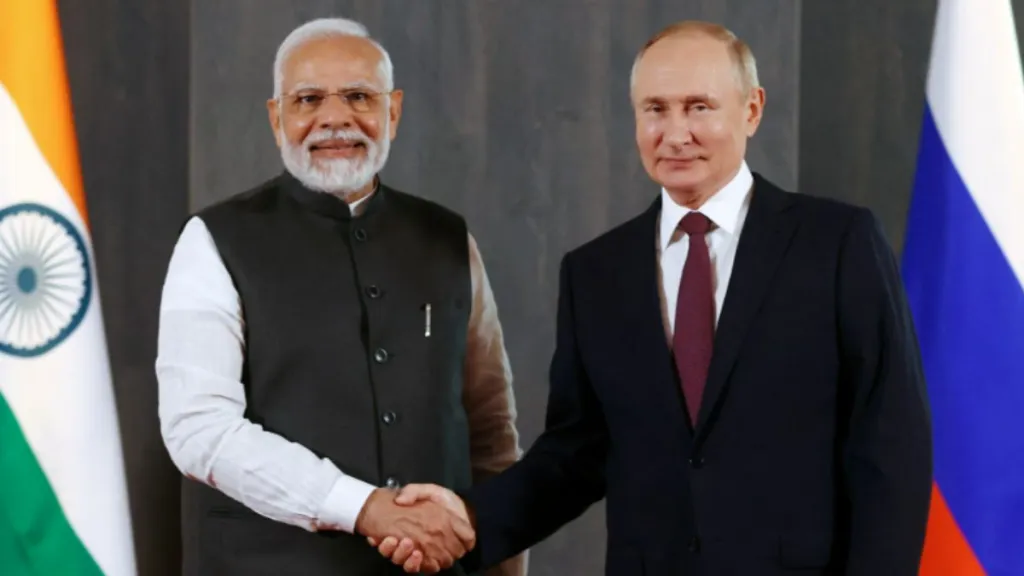
What makes this meeting extraordinary is Russia's revelation of India's strategic wishlist. And this is not about simply buying weapons or power plants. India is reportedly pushing for something far bigger: technology transfer, local manufacturing, joint development, and long-term strategic partnerships.
Here's what could be on the table.
India’s Big Ask: More Than Just Buying Russian Equipment
India's priorities ahead of the Modi-Putin talks can be broadly divided into four major areas:
1. Su-57 Fifth-Generation Fighter Jet Technology
2. Advanced Defense Technology Transfer
3. Expansion of Nuclear Energy Cooperation
4. Stronger Trade and Payment Mechanisms
The underlying message is clear: India wants capabilities, not just products.
The Su-57 Deal: Why India Wants Technology, Not Just the Fighter Jet
One of the most significant discussion points is expected to be Russia's fifth-generation stealth fighter, the Su-57.
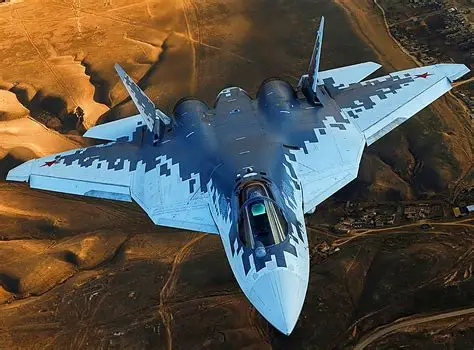
For years, India has explored options to strengthen its air superiority capabilities. While many countries possess advanced fighter aircraft, only a handful have access to true fifth-generation fighter technologies.
These technologies include:
1. Stealth capabilities with reduced radar visibility
2. Advanced avionics systems
3. Sensor fusion technology
4. Electronic warfare capabilities
5. High-end radar and surveillance systems
6. Infrared tracking technologies
The Su-57 is not merely another fighter aircraft. It represents access to some of the world's most sophisticated military technologies.
Why Doesn't India Simply Buy the Su-57?
This is where India's defense strategy has fundamentally changed.
Instead of remaining a buyer in a traditional buyer-seller relationship, India now wants:
✅ Technology transfer
✅ Local production in India
✅ Joint research and development
✅ Indigenous manufacturing capabilities
The goal aligns perfectly with India's broader vision of self-reliance in defense manufacturing.
Rather than importing complete aircraft, India wants the know-how that can strengthen its own future fighter jet programs.
How Su-57 Technology Could Supercharge India's AMCA Project
India is already developing its indigenous fifth-generation fighter under the Advanced Medium Combat Aircraft (AMCA) Program.
However, building such a platform requires expertise in several critical areas.
1. Stealth Technology
Modern fifth-generation fighters rely heavily on:
a) Radar-absorbing materials
b) Low-observable aircraft design
c) Infrared signature reduction technologies
Access to these technologies could significantly accelerate India's indigenous stealth fighter development.
2. Advanced Jet Engines
Perhaps India's biggest challenge in fighter aircraft development has been engine technology.
Programs like the Kaveri Engine have faced multiple hurdles over the years. Cooperation with Russia in advanced engine technologies could help India overcome one of its most critical technological bottlenecks.
3. Next-Generation Radar and Sensors
Modern combat aircraft function as flying sensor networks.
Technologies such as:
a) AESA Radar
b) Infrared Search and Track (IRST)
c) Sensor Fusion Systems
could dramatically boost India's future combat capabilities.
The Strategic Dilemma: Wait for AMCA or Partner with Russia Now?
India currently faces a major strategic decision.
Option 1: Fully Indigenous Development
Advantages:
a) Complete technological independence
b) Strong domestic manufacturing ecosystem
c) Reduced foreign dependency
Challenges:
a) Longer development timelines
b) Delayed operational capability
Option 2: Collaborate with Russia
Advantages:
a) Faster capability acquisition
b) Access to advanced technologies
c) Potential joint development opportunities
Challenges:
a) Continued dependence on foreign partners
b) Higher costs
c) Possible geopolitical complications
This is why the Su-57 discussion is about far more than purchasing a fighter aircraft. It is about bridging the gap between immediate military needs and long-term strategic autonomy.
The Other Mega Agenda: India's Nuclear Energy Expansion
Defense isn't the only area where India is looking toward Russia. Another critical focus of the upcoming talks is expected to be nuclear energy cooperation.
India has set ambitious goals to significantly expand nuclear power generation over the coming decades. Achieving such targets requires:
1. Advanced reactor technology
2. Long-term fuel arrangements
3. Engineering expertise
4. Large-scale financing partnerships
Russia has already demonstrated its commitment through projects like the Kudankulam Nuclear Power Plant, making it one of India's most trusted partners in the nuclear sector.
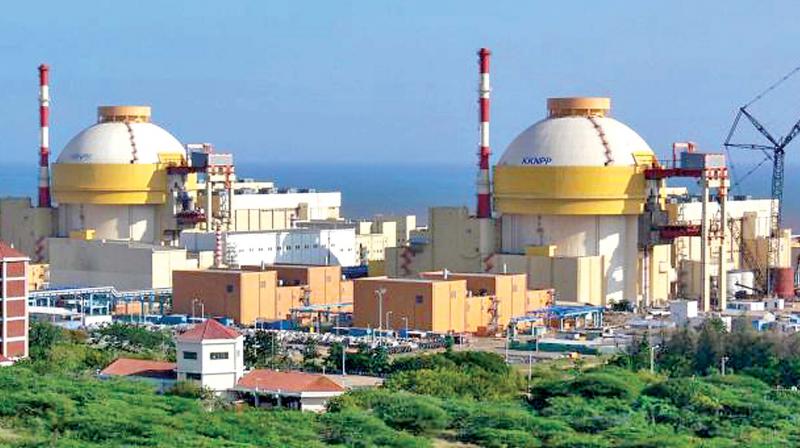
A New Russian-Designed Nuclear Project in India?
Discussions are reportedly centered around developing an additional site featuring Russian-designed nuclear reactors.
But once again, India is not looking for simple imports.
The focus is on:
1. Localization of components
2. Indian manufacturing participation
3. Technology transfer
4. Strengthening domestic supply chains
This approach will help India:
✅ Expand nuclear manufacturing capacity
✅ Create highly skilled jobs
✅ Reduce import dependency
✅ Build long-term technological expertise
The BrahMos Model: India's Blueprint for Future Partnerships
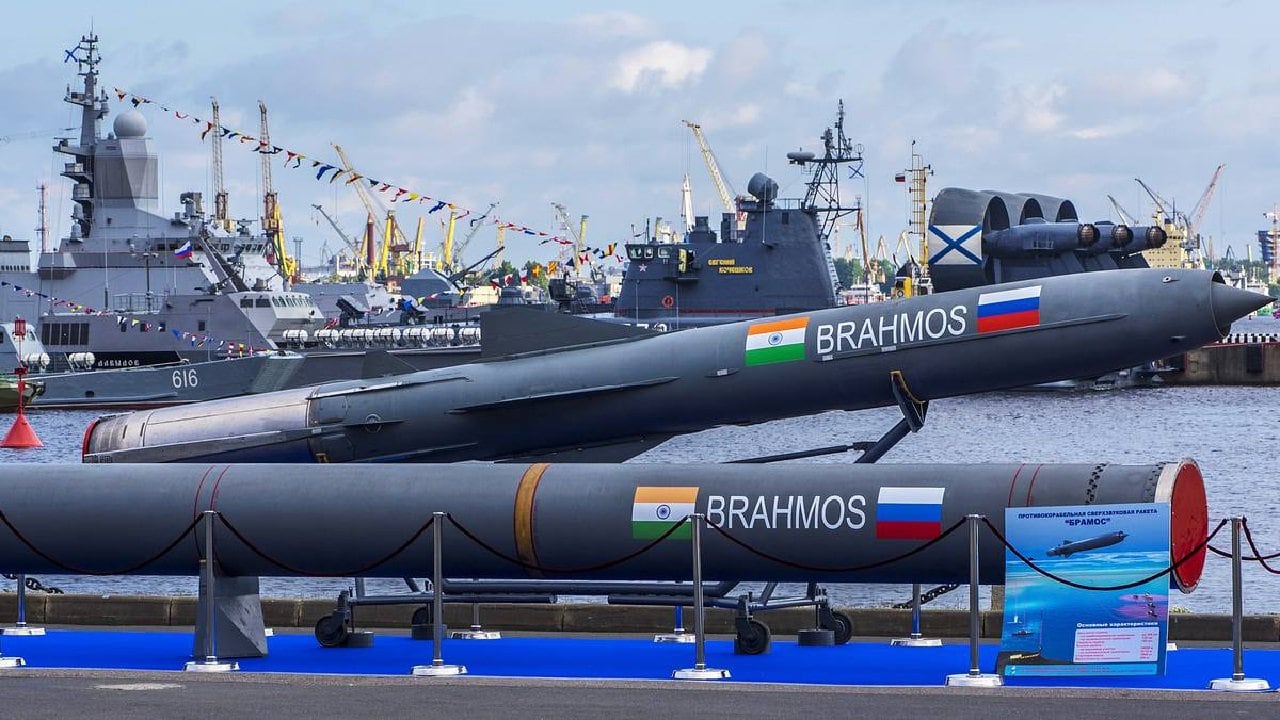
Perhaps the strongest example of successful India-Russia cooperation is the BrahMos missile program. Instead of merely importing missiles, both countries collaborated to jointly develop one of the most effective missile systems in the world.
The lesson from BrahMos is simple: India wants more partnerships that create technology, jobs, and strategic capabilities at home.
That philosophy now appears to be shaping discussions around fighter jets, nuclear energy, and emerging defense technologies.
Why Russia May Be Open to India's Demands
The timing is significant. India remains one of the world's largest defense markets and a rapidly growing energy consumer. For Russia, deeper cooperation provides:
1. Access to a massive long-term market
2. Industrial partnerships
3. Revenue opportunities
4. Geostrategic influence
For India, the arrangement offers an opportunity to obtain advanced technologies while accelerating domestic manufacturing capabilities. In many ways, it could be a win-win partnership.
The Biggest Roadblock: Western Sanctions
However, one major challenge remains. Growing defense and strategic cooperation with Russia could attract attention under Western sanctions frameworks, particularly those targeting countries engaging extensively with Russian defense industries.
Such measures can impact areas beyond defense, including:
1. Banking
2. Insurance
3. Financial transactions
4. International trade channels
This geopolitical balancing act will likely be one of the most sensitive aspects of future India-Russia cooperation.
The Big Picture
The upcoming Modi-Putin meeting at the BRICS Summit may prove to be much more than a diplomatic engagement.
At its core, India appears to be pursuing a transformational strategy: moving away from simply purchasing foreign technology and toward acquiring the knowledge, manufacturing capacity, and industrial ecosystem needed to become a global technological powerhouse.
Whether it is the Su-57, nuclear reactors, or future defense collaborations, the message from New Delhi is becoming increasingly clear:
India doesn't just want equipment anymore. India wants ownership of the future.
🚀 What Do You Think?
Will India benefit more by accelerating its indigenous AMCA fighter program, or should it leverage Russian technology to fast-track next-generation capabilities?
💬 Share your views in the comments below. Don't forget to share this article with fellow defense and geopolitics enthusiasts.
🔔 Follow us for exclusive insights on BRICS, India-Russia relations, defense technology, and global strategic affairs.
Written by
Aditya KulshreshthaDiscussion (0)
Sign in to join the discussion.
Loading comments…