
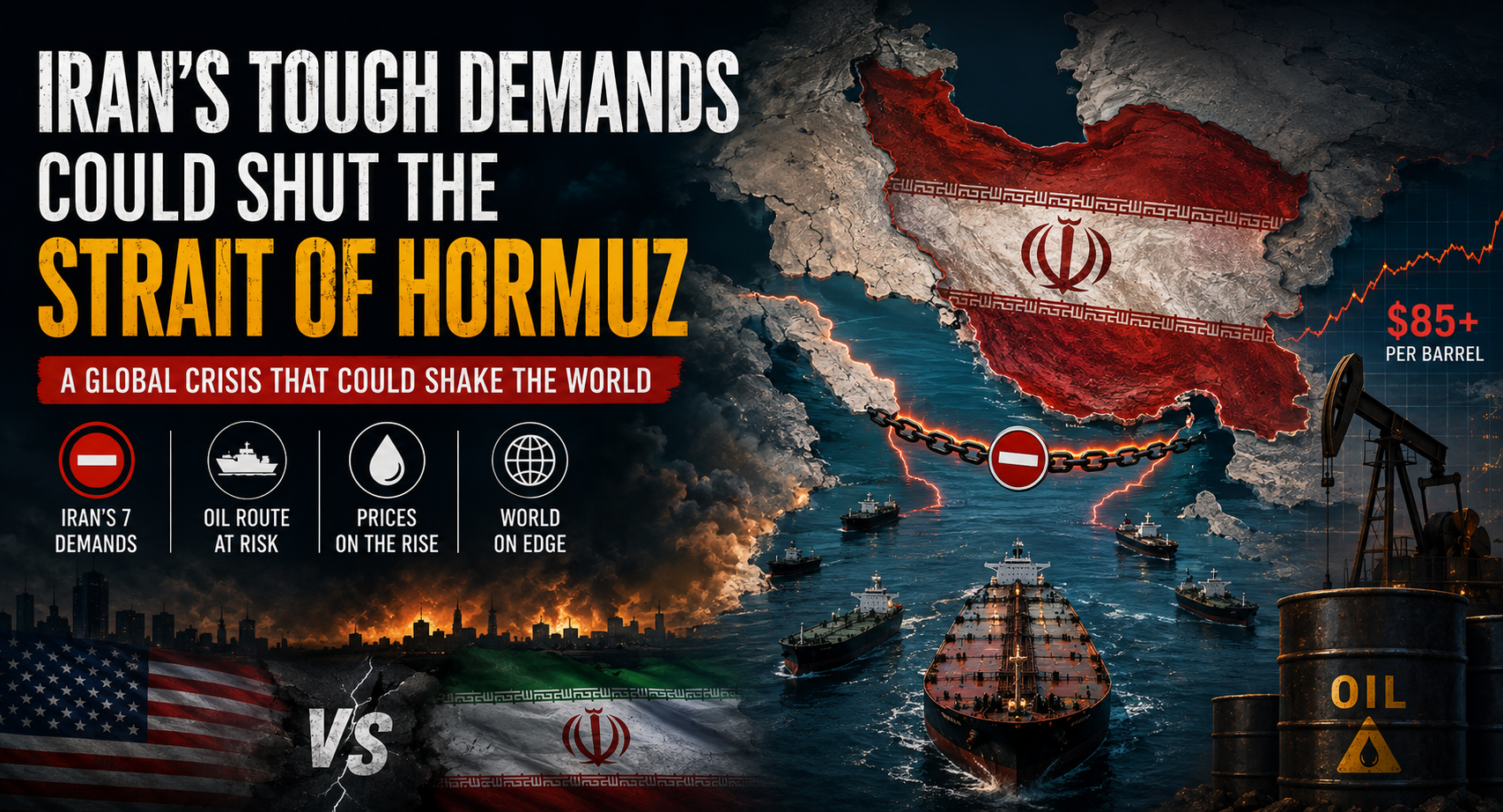
🌍 A World on Edge
The global stage has been burdened by the ongoing Russia‑Ukraine war since 2022. Now, the U.S.-Iran conflict that erupted on February 28 shows no signs of cooling down. Both nations remain entrenched in their positions, refusing to back down. The result? Rising uncertainty, escalating risks, and a looming threat to one of the world’s most critical chokepoints, the Strait of Hormuz.
⛔ Iran’s Ultimatum to the U.S.
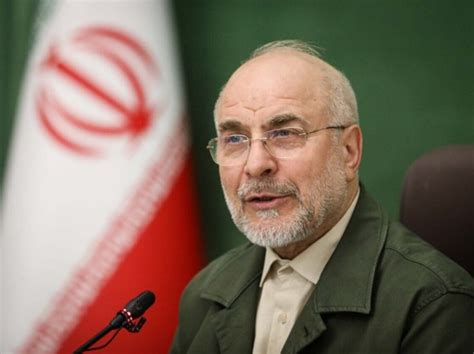
On Saturday, council secretary Mohammad Bagher Zolghadr declared via Iran’s state broadcaster IRIB that the Strait of Hormuz would remain shut unless Washington changes its conduct.
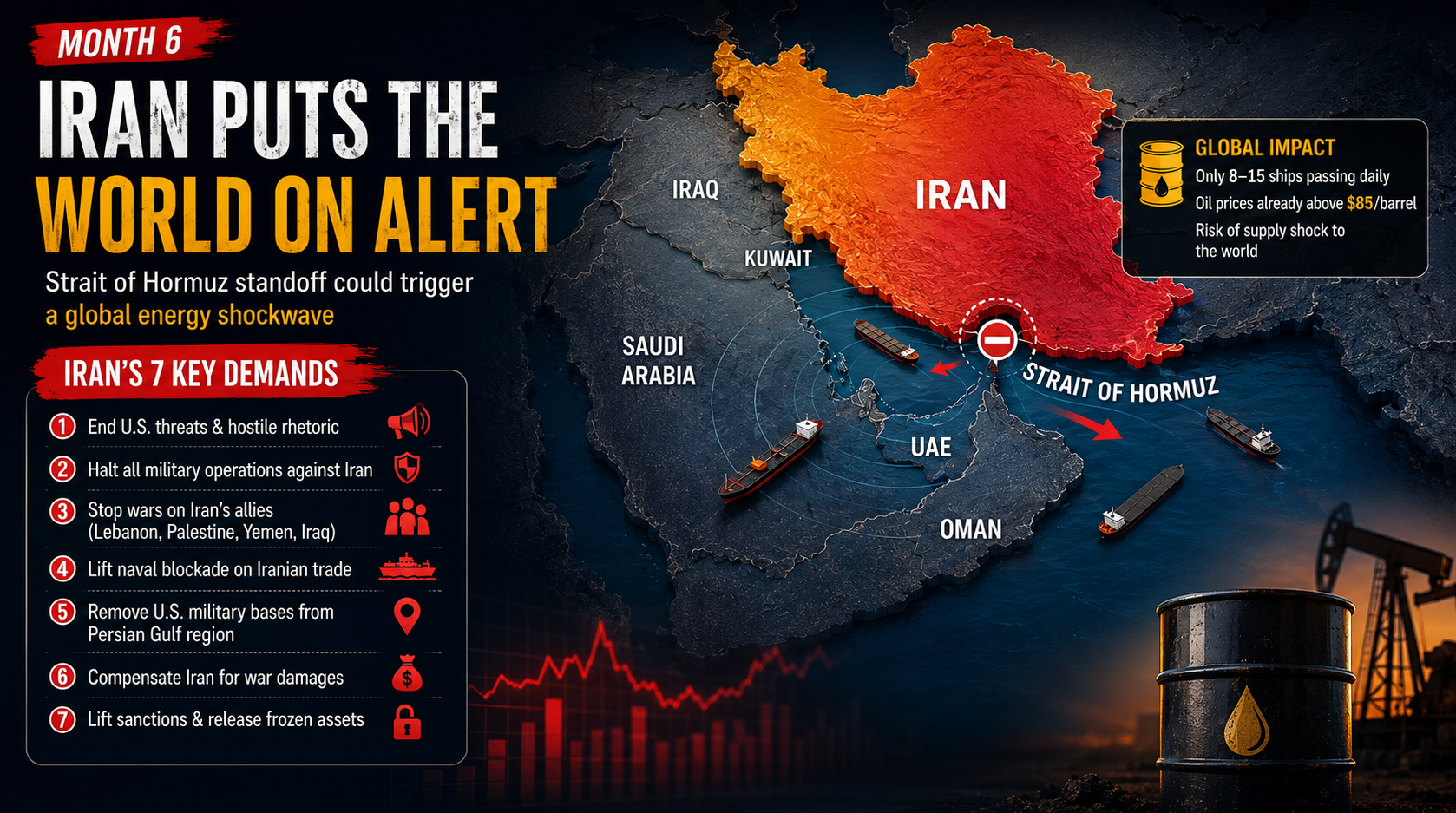
Iran has laid out a list of seven uncompromising demands before it agrees to reopen the Strait of Hormuz:
1. End U.S. threats: No more daily warnings or aggressive rhetoric.
2. Permanent halt to military operations against Iran.
3. Stop wars against Iran’s allies in Lebanon, Palestine, Yemen, and Iraq.
4. Remove the naval blockade that restricts Iranian exports and imports.
5. Withdraw U.S. military bases from the Persian Gulf region.
6. Compensation for war damages inflicted on Iran.
7. Lift sanctions and release frozen assets to revive Iran’s economy.
Iran insists these conditions must be met before any reopening of the Strait, even if it reaches technical arrangements with Oman.
💥 Why This Matters Globally?
The Strait of Hormuz is not just a regional issue; it is a lifeline for global energy trade. Nearly 130 ships once passed through daily, but now only 8–15 vessels manage the transit. This disruption has already driven oil prices above $85 per barrel, with traders fearing further spikes.
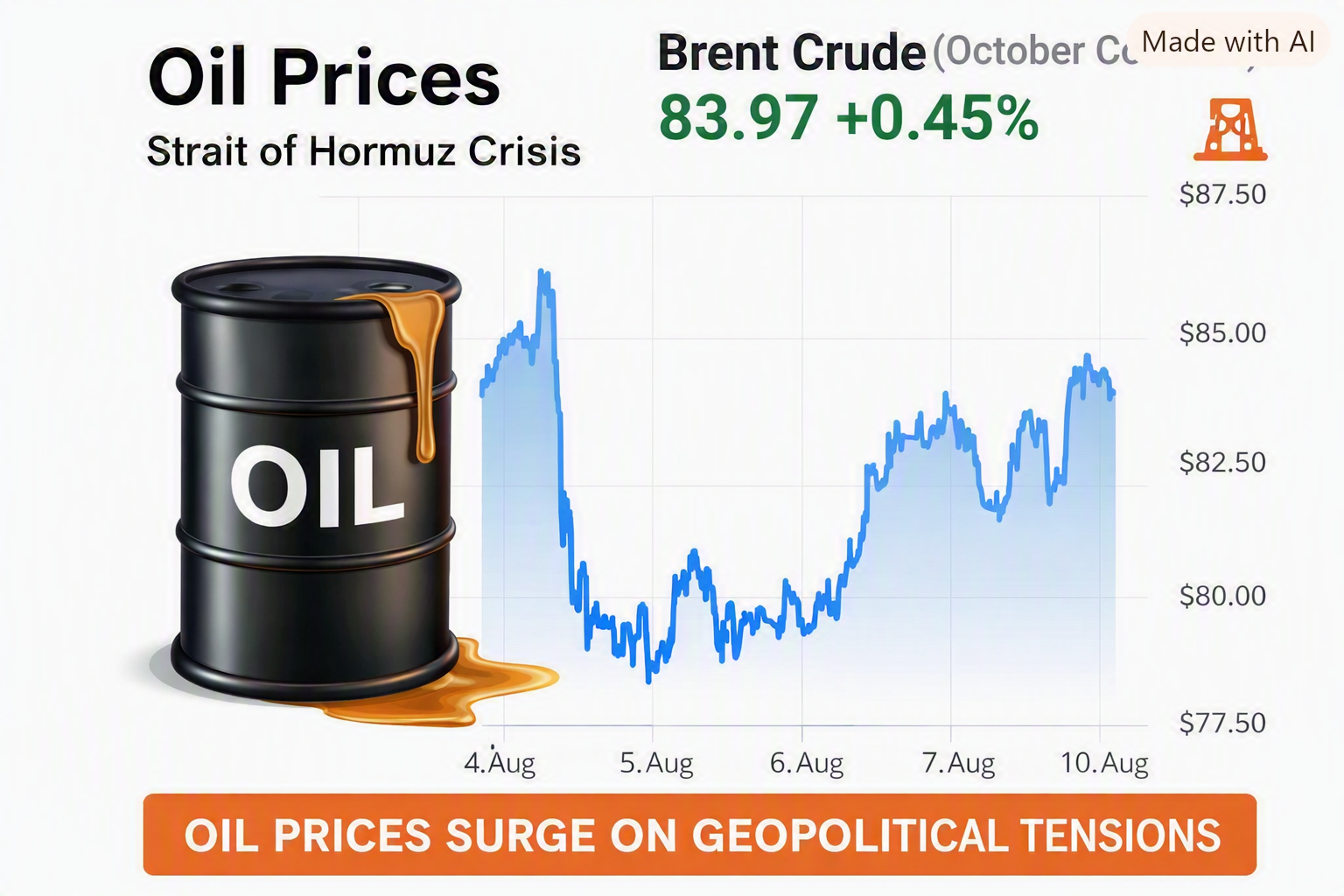
Iran knows the leverage it holds: any prolonged closure or disruption here could send shockwaves across the U.S., the EU, Asian importers, and countries like India. By weaponizing uncertainty, Tehran is pressuring Washington to bend.
Why the U.S. Resists?
For America, conceding to Iran’s demands is not just about policy; it’s about credibility and power projection. Yielding under military pressure could embolden other nations to challenge U.S. dominance. Moreover, allies like Saudi Arabia, the UAE, and Israel strongly oppose any move that strengthens Iran’s regional influence.
Sanctions relief would also give Iran fresh resources to bolster groups like Hezbollah and the Houthis, further destabilizing the Middle East.
🔮 What Lies Ahead?
Reports suggest President Trump may be considering ending the war without a nuclear deal, a major shift from Washington’s long‑standing demand that Iran halt uranium enrichment. Yet, Iran shows no signs of backing down. The standoff continues, with the world anxiously watching whether diplomacy or escalation will prevail.
🚨Closing Verdict
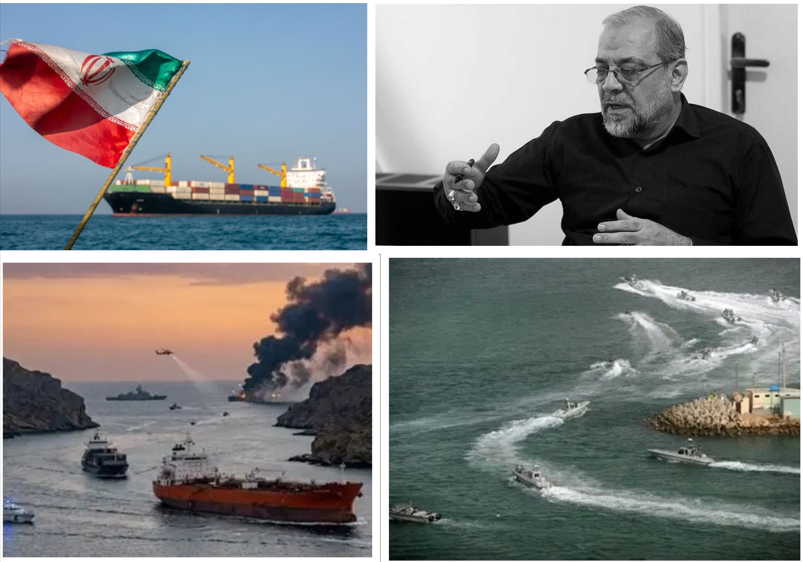
The Strait of Hormuz crisis is more than a regional dispute; it’s a global economic time bomb. Every demand, every refusal, and every delay carry consequences for oil markets, shipping lanes, and geopolitical stability.
Keep your eyes on the Middle East; every move there ripples through global energy markets. Businesses and policymakers must prepare for volatility in oil and LNG markets.
Share your thoughts: Should the U.S. compromise to stabilize global trade, or stand firm against Iran’s leverage?
Written by
Ritvik DeshmukhDiscussion (0)
Sign in to join the discussion.
Loading comments…