
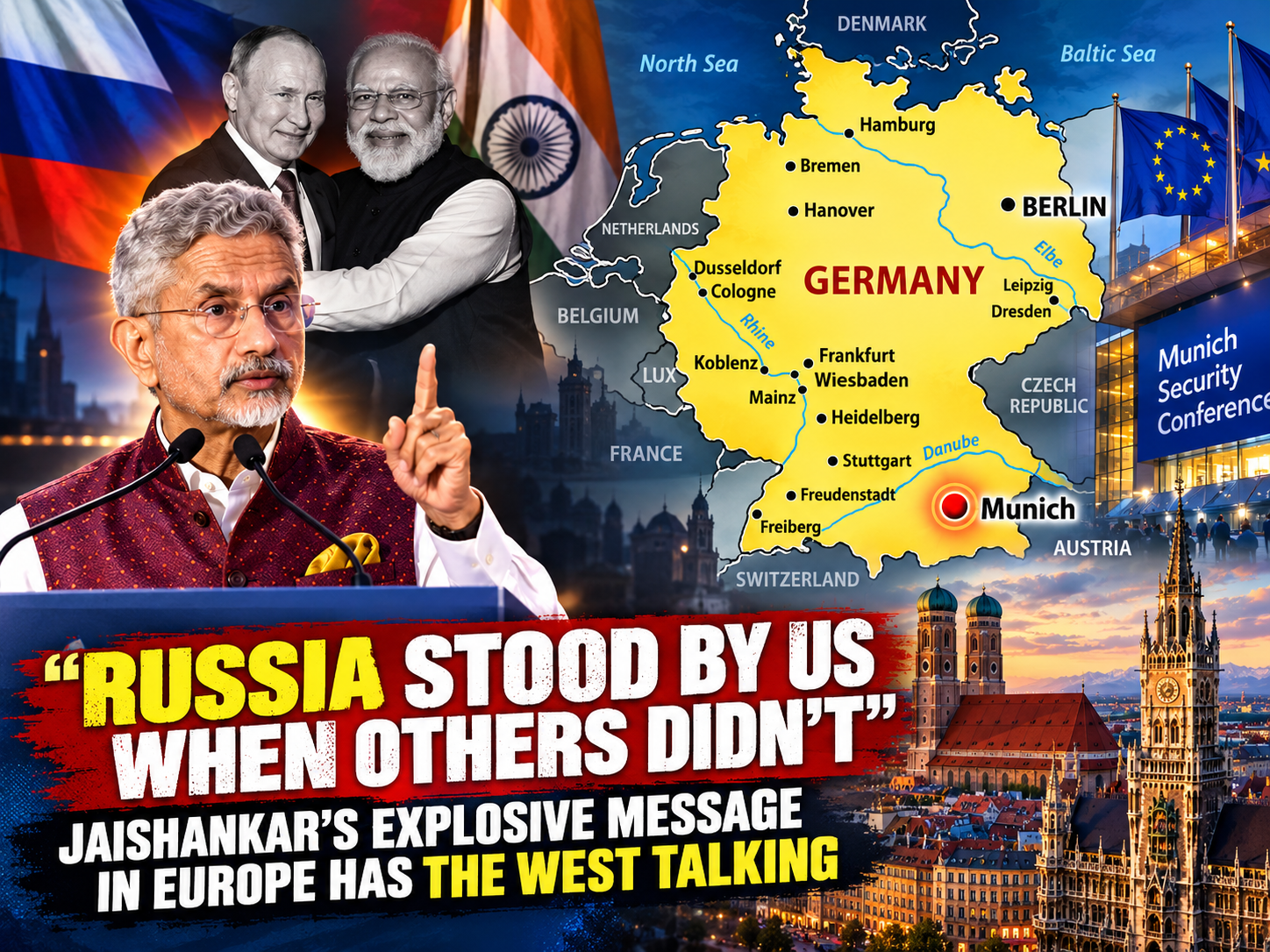
India’s Foreign Minister Delivers a Powerful Reminder: Foreign Policy Is Built on History, Not Pressure
At a time when Western nations continue to pressure India to distance itself from Russia, External Affairs Minister Dr S. Jaishankar delivered a blunt and uncompromising message from Europe. Speaking at a global governance panel during the 62nd Munich Security Conference in Germany, Jaishankar made it clear that India’s relationship with Russia is not a temporary arrangement driven by convenience. It is rooted in decades of trust, strategic support, and historical experience.
His remarks have reignited an important debate: Why does India continue to maintain strong ties with Russia despite growing Western criticism? The answer lies not in today's headlines, but in history.
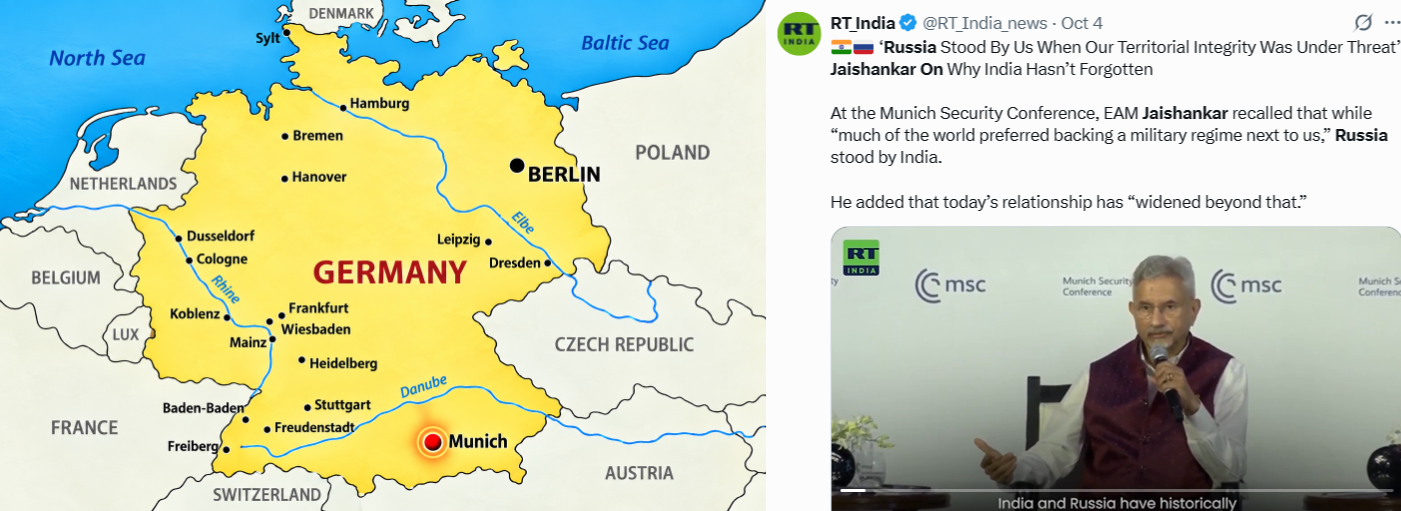
India’s Clear Message: We Don’t Abandon Friends in Difficult Times
One of the strongest points made by Jaishankar was that India does not forget those who stood by it during its most challenging moments.
While many Western commentators often view India-Russia relations solely through the lens of the Russia-Ukraine conflict, India sees the partnership through a much broader historical perspective. According to Jaishankar, countries that supported India's security, sovereignty, and territorial integrity during critical periods earned a level of trust that cannot simply be erased by changing geopolitical trends.
In other words, India’s foreign policy is not dictated by external pressure. It is shaped by national interests and long-term historical experience.
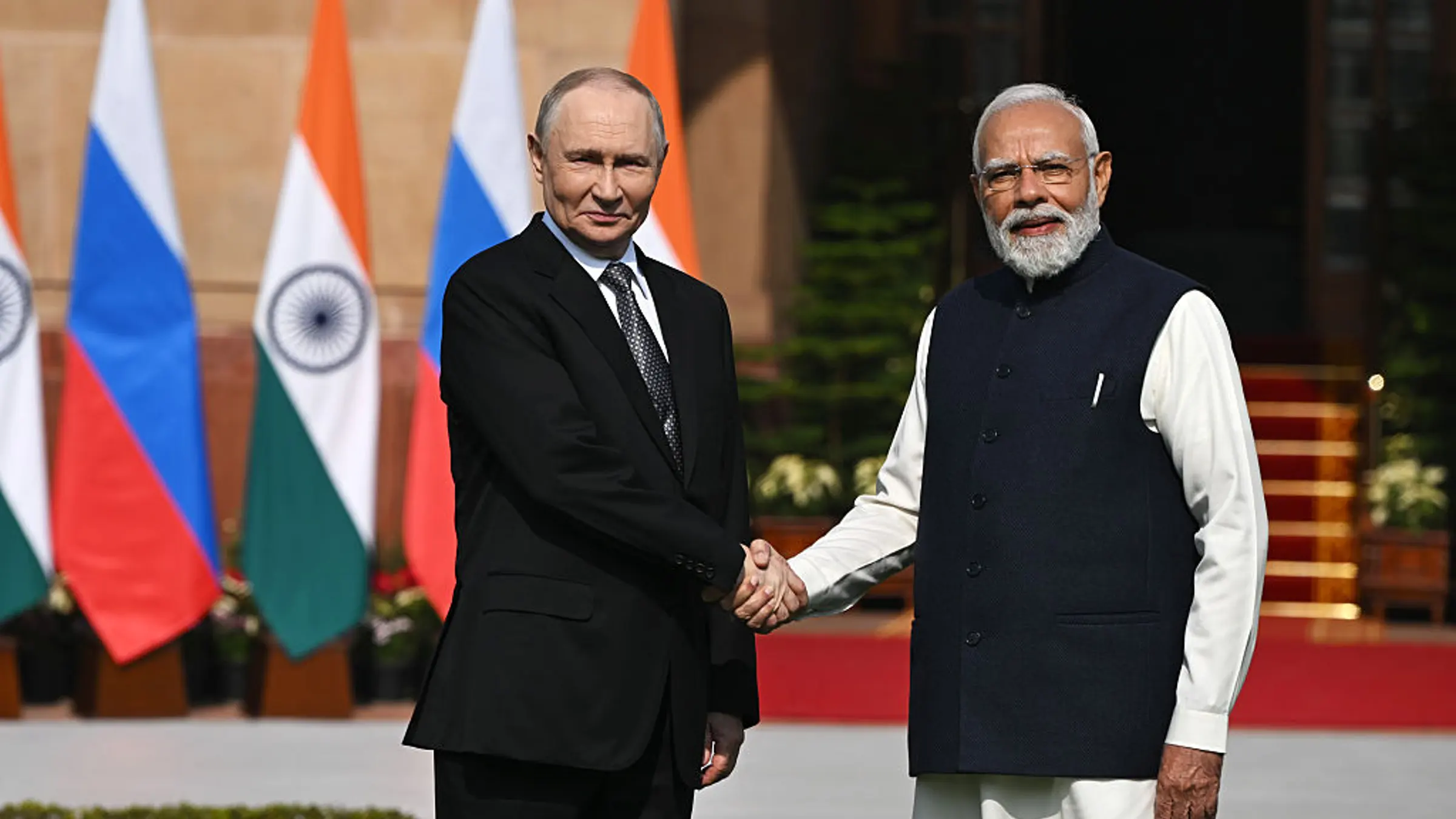
The Historical Bond Between India and Russia
To understand India’s position today, it is essential to revisit the Cold War era.
After gaining independence in 1947, India adopted the policy of Non-Alignment, seeking to remain independent of major power blocs. However, geopolitical realities gradually pushed India closer to the Soviet Union.
Unlike many European nations, India faced unique security challenges:
1. Hostile relations with Pakistan
2. Border disputes with China
3. Territorial threats on multiple fronts
4. Limited military-industrial capabilities in the early decades of independence
During these years, the Soviet Union emerged as a crucial partner. It provided more than just military equipment. It offered diplomatic backing, industrial assistance, technological cooperation, and strategic support when India needed it most.
This shared history still influences India's diplomatic calculations today.
When the West Backed Pakistan
One of the most sensitive points Jaishankar highlights concerns the role Western powers played during several key moments in South Asian history.
Throughout much of the Cold War, Pakistan became an important ally of the United States-led security framework. Islamabad joined Western-backed military alliances such as SEATO, 1954 (Southeast Asian Treaty Organization) and CENTO, 1955 (Central Treaty Organization) and received substantial military assistance.
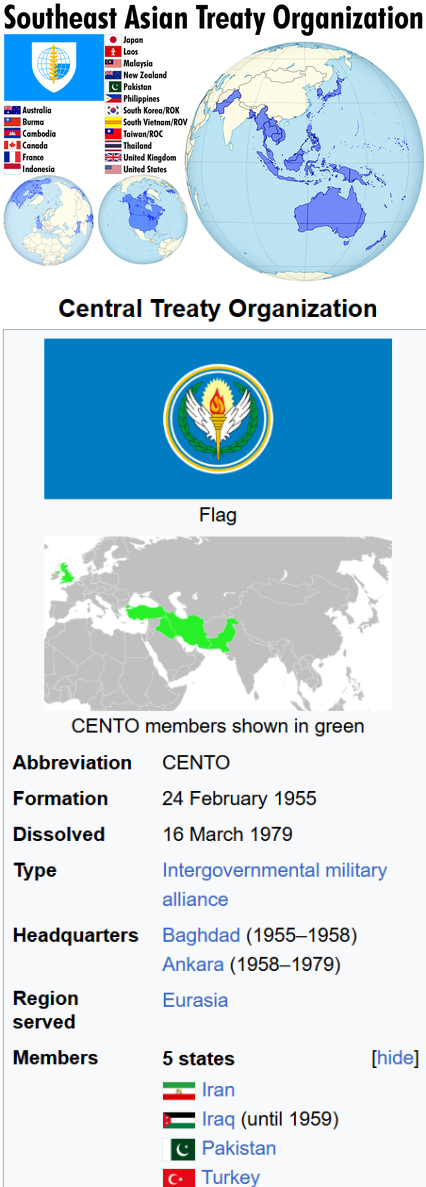
From India's perspective, this created an uncomfortable contradiction. While Western nations often promoted democratic values internationally, many of them continued supporting Pakistan even during periods of military rule.
For India, these choices were not forgotten. Historical memory plays a powerful role in international relations, and New Delhi continues to evaluate global partnerships based on actions taken during crucial moments rather than rhetoric alone.
The Defense Partnership That Changed Everything
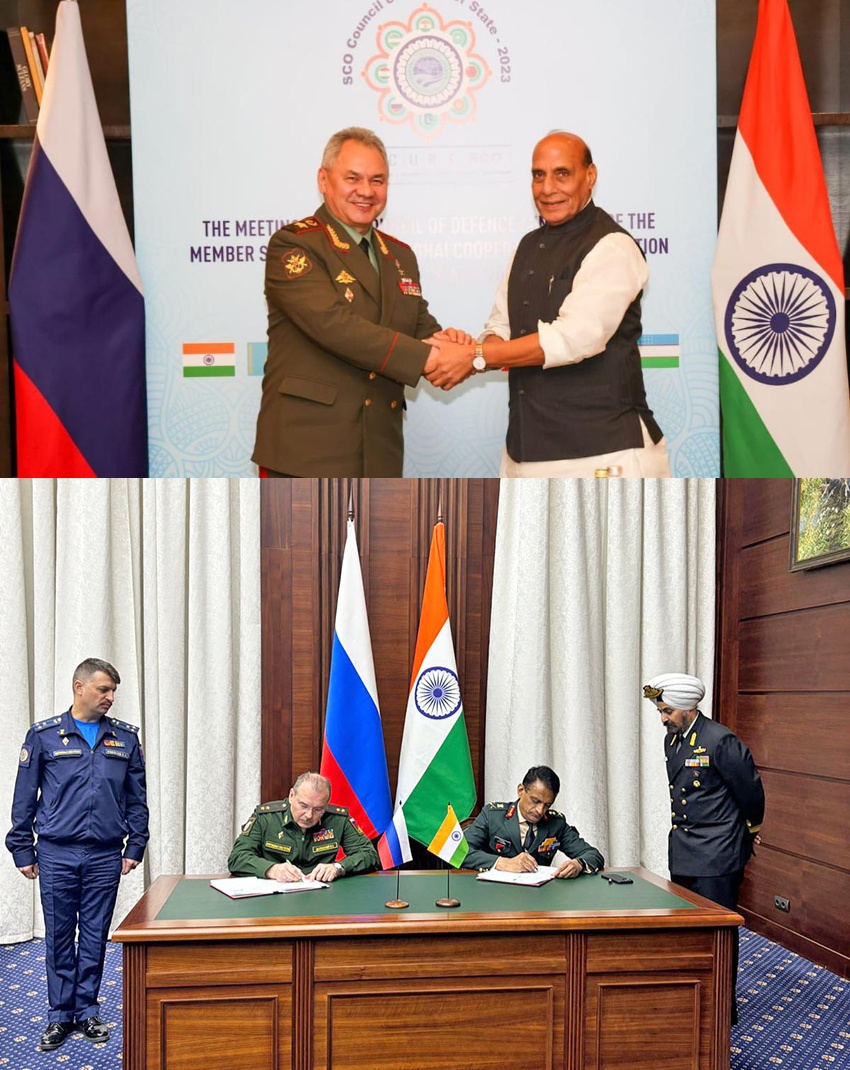
One of the biggest reasons for the close India-Russia relationship has been defense cooperation. For decades, the Soviet Union helped India build its military capabilities by supplying:
1. Fighter aircraft
2. Tanks
3. Submarines
4. Missile systems
5. Advanced technologies
More importantly, Moscow often agreed to technology transfers and local manufacturing arrangements that helped India strengthen its indigenous capabilities.
At a time when India lacked sufficient industrial and defense infrastructure, Soviet support became a cornerstone of India's military modernization.
As a result, generations of Indian strategic planners viewed Russia not merely as a supplier, but as a trusted security partner.
The Tashkent Moment: Moscow Steps In
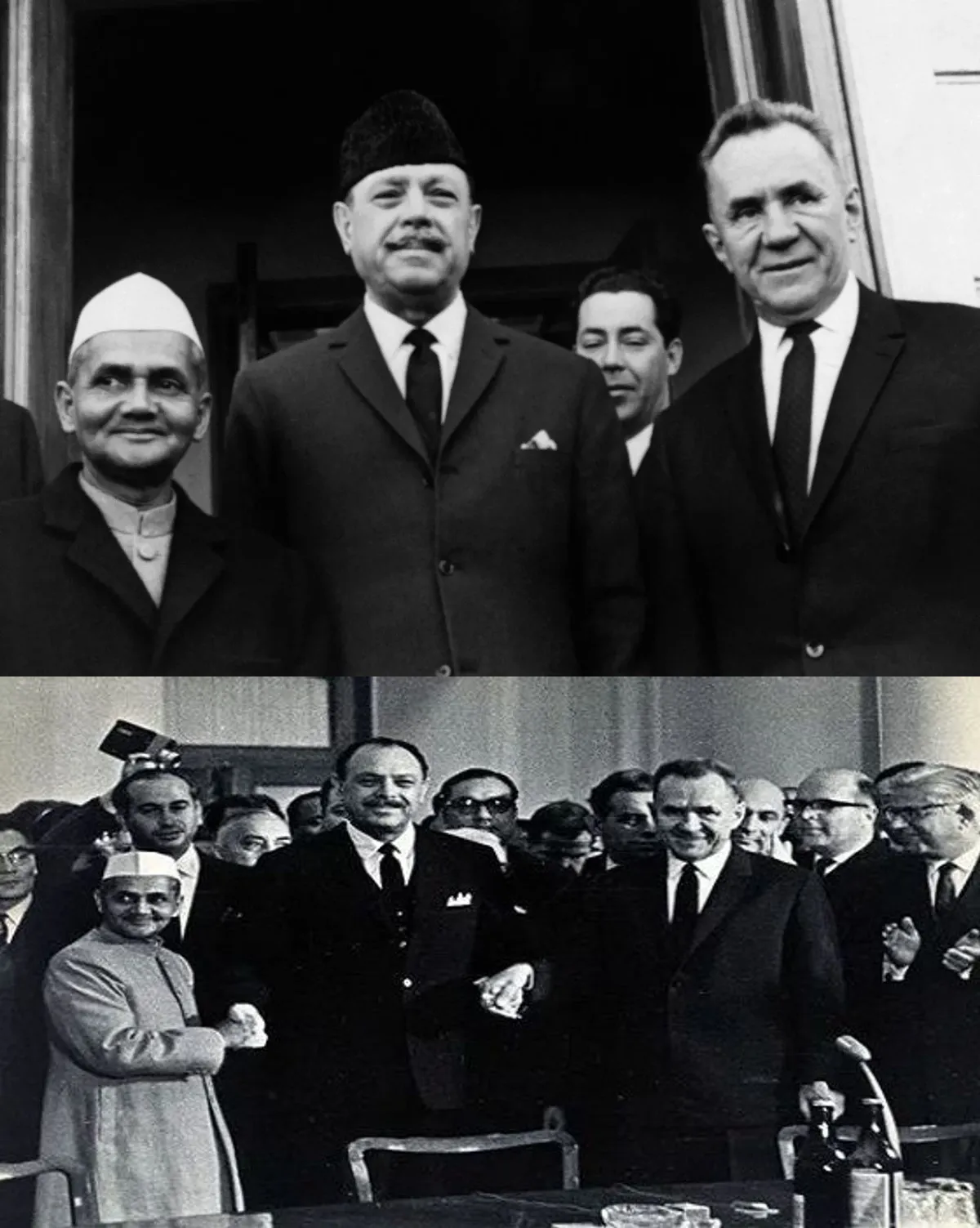
Following the 1965 India-Pakistan War, the Soviet Union emerged as a key peacemaker. Its mediation led to the 1966 Tashkent Declaration, signed by Indian Prime Minister Lal Bahadur Shastri and Pakistani President Ayub Khan. The agreement aimed to ease tensions and restore normal ties, showcasing Moscow's growing diplomatic influence in South Asia.
Not Always a Straight Alliance
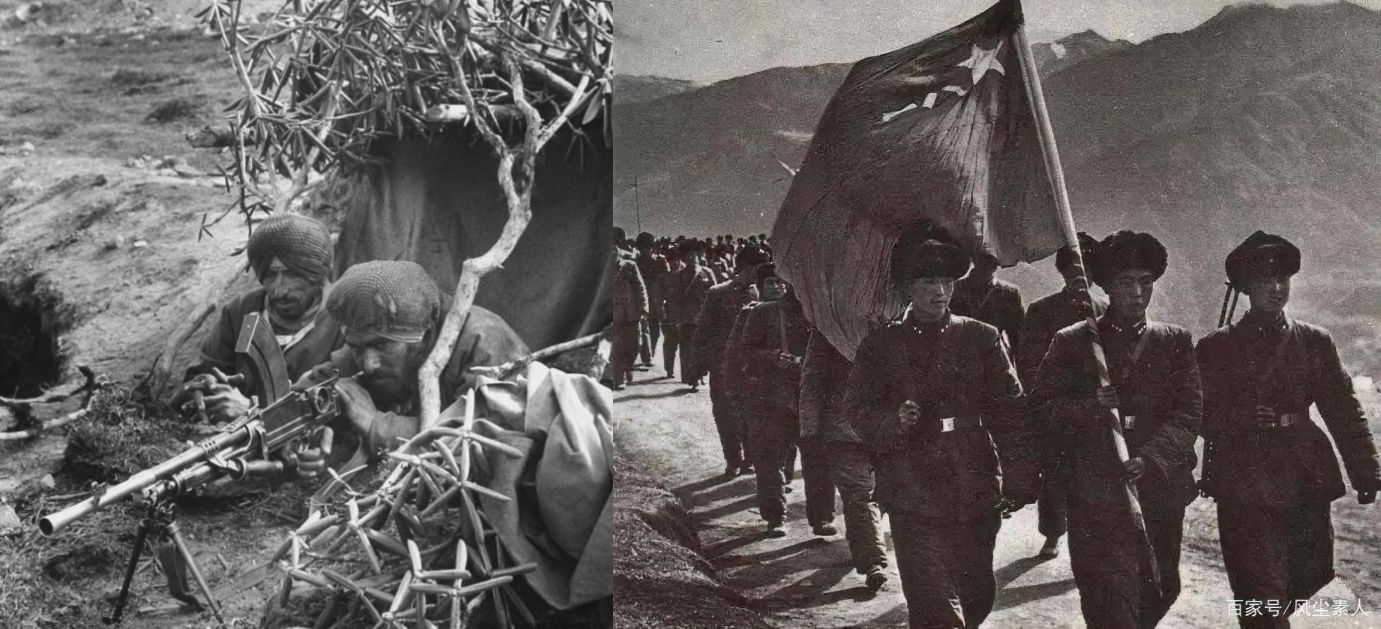
Contrary to popular belief, Soviet support for India was not automatic during every conflict. During the 1962 India-China War, Moscow found itself balancing a complicated relationship with Beijing. As tensions between China and the Soviet Union were still evolving, the Kremlin avoided taking a firm stand, making its position far more cautious than in later years.
1971: The Turning Point That Shaped India's Strategic Memory
If there is one event that explains India's enduring appreciation for Russia, it is the 1971 Bangladesh Liberation War.
The crisis began in East Pakistan, where political unrest, allegations of electoral manipulation, and widespread human rights violations triggered a humanitarian disaster. Millions of refugees entered India, creating enormous pressure on the Indian government.
As tensions escalated toward war, India took a critical diplomatic step. In August 1971, India signed the Treaty of Peace, Friendship and Cooperation with the Soviet Union.
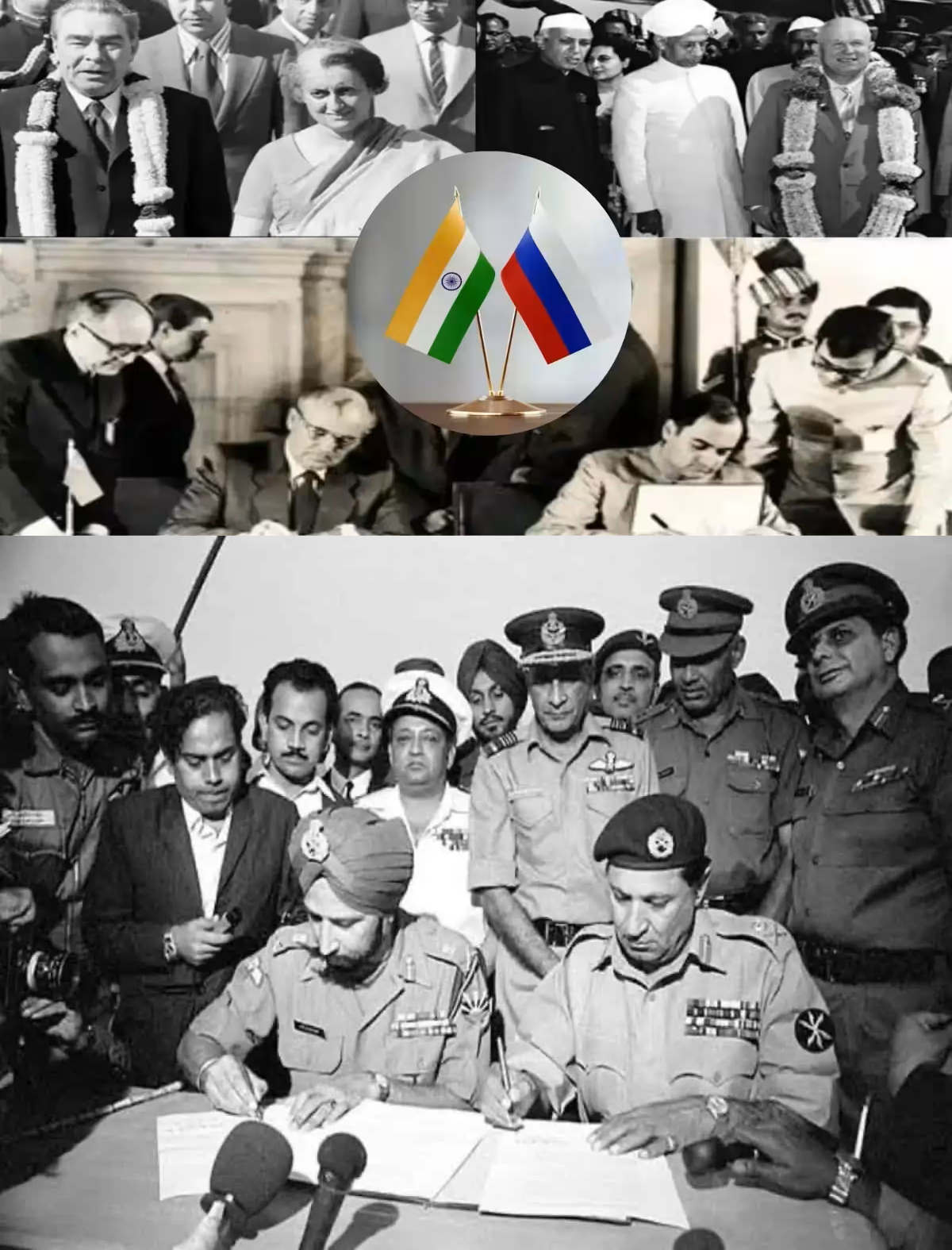
This agreement sent a powerful signal across the world: India would not stand alone if conflict erupted. And conflict did erupt.
When the United States Moved Toward Pakistan
During the 1971 war, global geopolitics became far more complicated. Pakistan was playing an important role in facilitating communication between the United States and China, a relationship that Washington considered strategically important.
As the conflict intensified, the United States deployed elements of Task Force 74 and sent the nuclear-powered aircraft carrier USS Enterprise toward the Bay of Bengal.
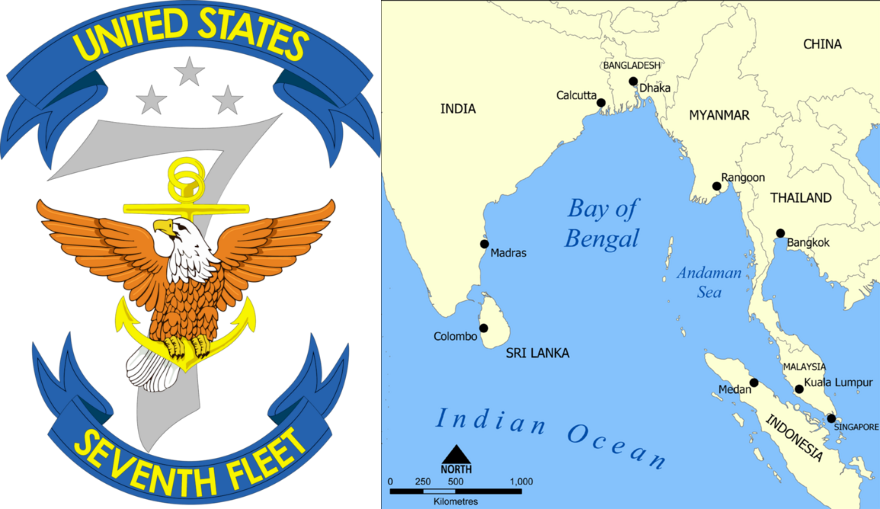
For India, this was viewed as a major strategic signal. At this moment, the Soviet Union responded by deploying naval assets of its own, effectively balancing the regional equation and reassuring India.
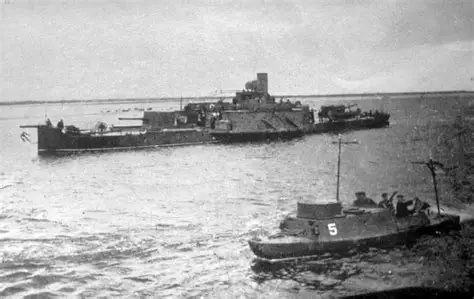
Whether one agrees with every aspect of that era or not, one fact remains undeniable: many Indians remember 1971 as a moment when Moscow stood firmly beside New Delhi. And that memory still carries enormous weight.
Russia’s Diplomatic Shield at the United Nations
Support was not limited to military and strategic cooperation. The Soviet Union also played a crucial diplomatic role at the United Nations.
During critical moments, Moscow used its veto power in the UN Security Council to block resolutions that India viewed as unfavourable to its interests. The veto is one of the most powerful tools in global diplomacy, enabling any permanent UN Security Council member to block a resolution with just one dissenting vote.
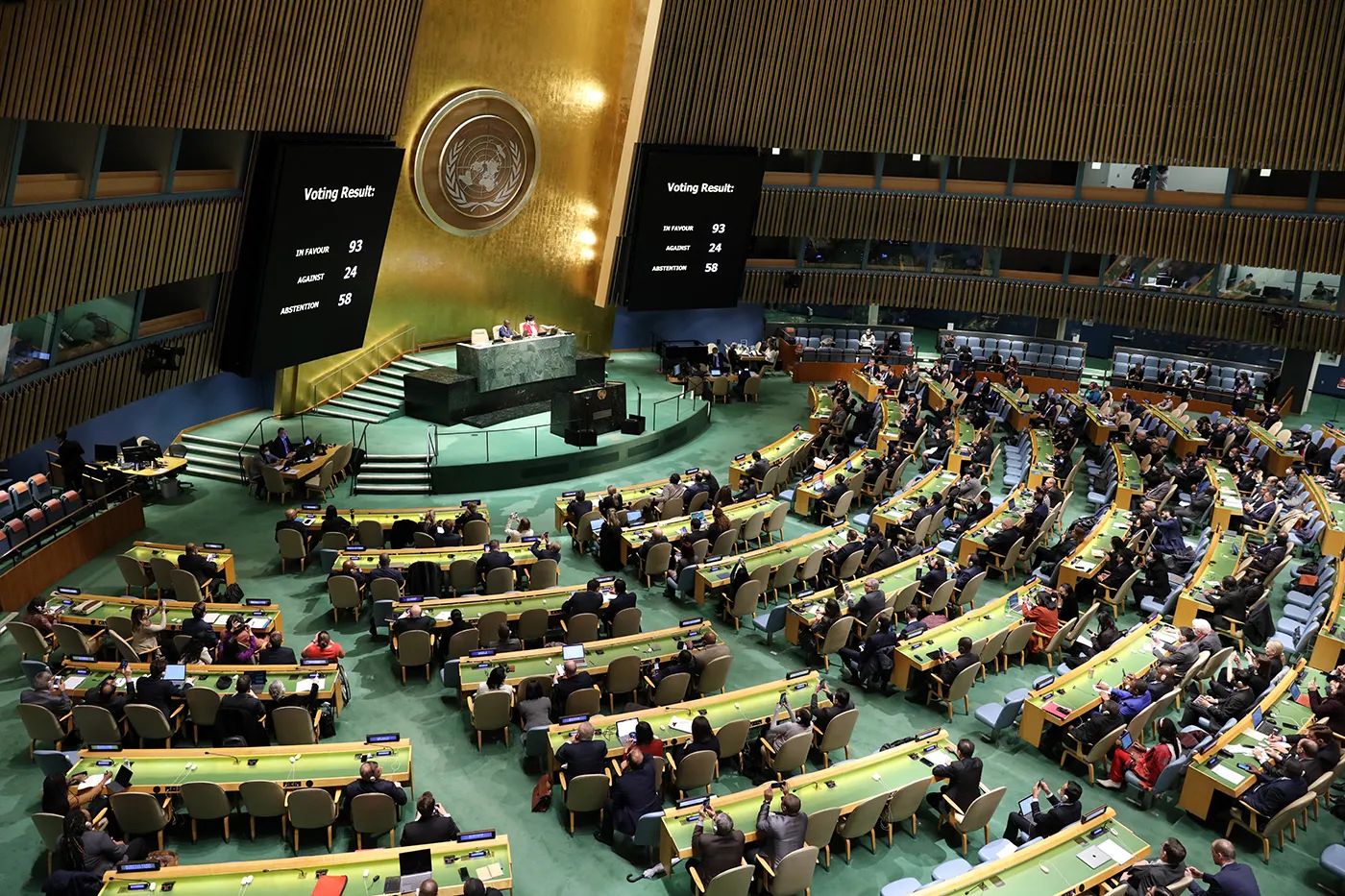
For Indian policymakers, this diplomatic backing became as important as weapons or military cooperation. This is precisely why Jaishankar's comments go beyond defense deals or energy purchases.
His message was about trust, reliability, and strategic solidarity built over decades.
Why Is Jaishankar Saying This Now?
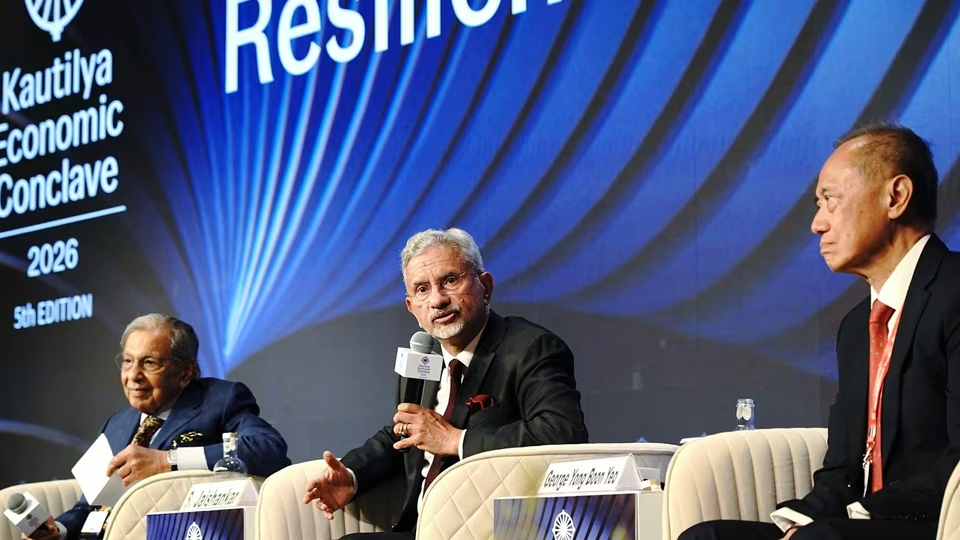
The timing is no coincidence. The Russia-Ukraine conflict continues to reshape global politics, and India has faced repeated calls from Western nations to:
1. Reduce Russian oil imports
2. Scale back defense cooperation
3. Distance itself from Moscow diplomatically
4. Align more closely with Western sanctions
India's response has remained consistent. New Delhi argues that its foreign policy is based on national interests, strategic autonomy, and independent decision-making.
But Jaishankar added another important layer to that argument. India's choices are also shaped by historical experience.
From New Delhi's perspective, international relationships cannot be judged solely through current events. They must also be evaluated by decades of cooperation, support, and reliability.
A Bigger Message to the World
Beyond Russia, Jaishankar's remarks carried a broader message. India wants the world to understand that global politics is no longer defined by a single dominant narrative.
Countries have different histories, different security challenges, and different strategic priorities. What may appear obvious from Washington, Brussels, or Berlin can look very different from New Delhi.
India sees issues through the lenses of:
1. Border security
2. Terrorism
3. Regional stability
4. Strategic autonomy
5. Long-term national interests
And increasingly, India is willing to articulate those perspectives openly on the global stage.
The Bottom Line: History Still Matters in Global Politics
Jaishankar’s speech in Europe was much more than a defense of India’s Russia policy. It was a reminder that nations remember who stood with them in times of crisis and who did not.
Whether during wars, diplomatic confrontations, security threats, or critical moments at the United Nations, India believes Russia played a significant role in supporting its national interests. That historical memory continues to influence Indian foreign policy today.
As global power equations evolve, one thing is becoming increasingly clear: India intends to make decisions based on its own strategic calculations, not external expectations.
And Jaishankar’s latest remarks may be one of the strongest declarations of that principle yet.
🚀 What Do You Think?
Should India prioritize its historical partnership with Russia, or should it move closer to the West in the changing global order?
✅Share your opinion in the comments below.
✅Follow us for sharp geopolitical analysis and international affairs insights.
✅Subscribe to our newsletter and never miss the stories shaping the future of global politics.
Written by
Ishaan TrivediDiscussion (0)
Sign in to join the discussion.
Loading comments…