
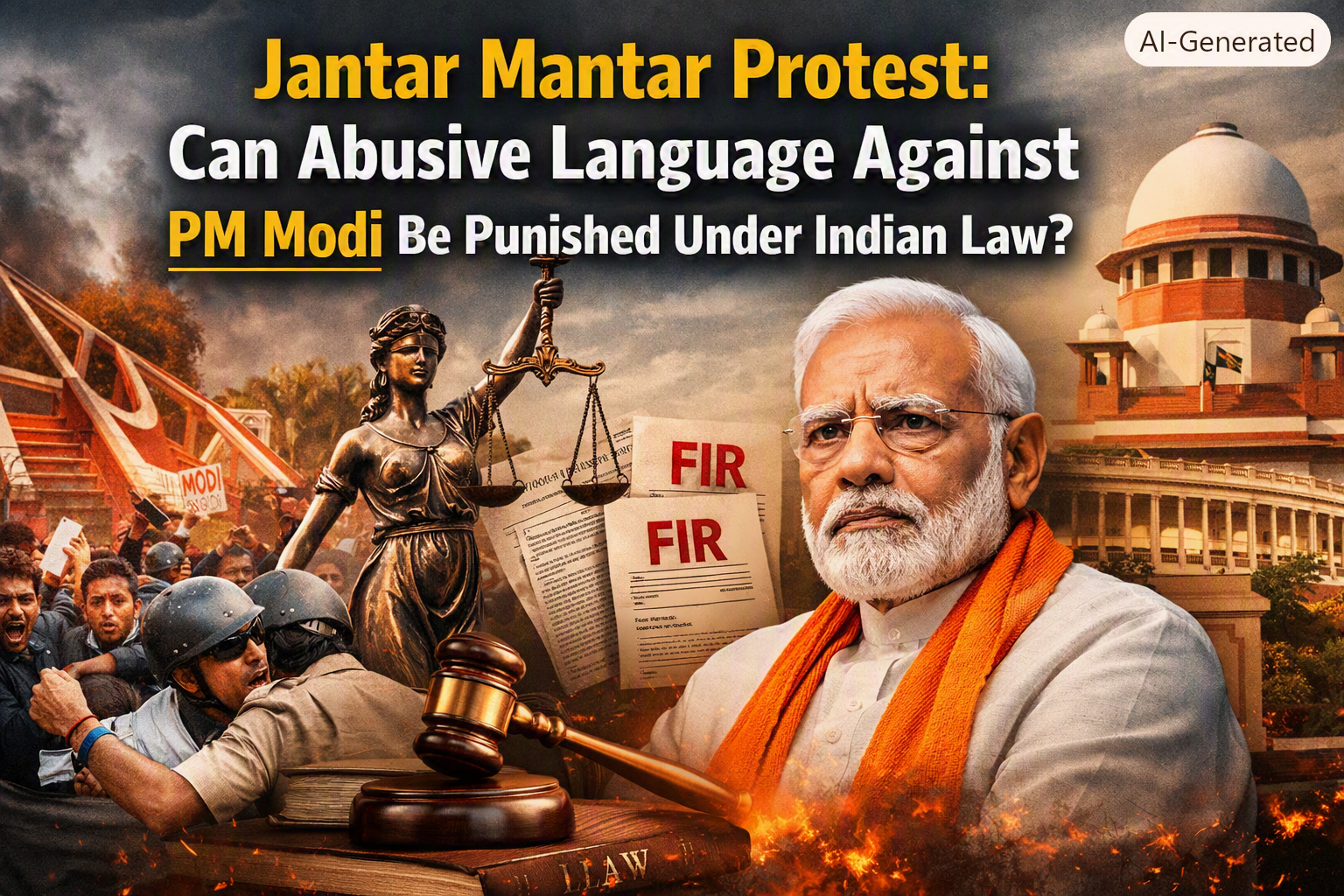
The Jantar Mantar Flashpoint
The protest at Jantar Mantar may have ended, but the controversy refuses to die down. A storm of debate has erupted across India after several protestors used abusive language directed at Prime Minister Narendra Modi.
Girl Issues Apology for Anti‑Modi Remarks
One particular case involving a young woman from Noida went viral when she first claimed to be 25, but later appeared in a video saying, “I am just 15, forgive me.” “Her words sparked outrage and criticism, ultimately leading to an FIR filed by a Supreme Court advocate, who stated that the language was ‘highly offensive’ and constituted an insult to the dignity of the Prime Minister.”

In her video statement, the young woman described the incident as her “first and last mistake.”
The video has since spread widely across social media, though its authenticity remains unverified.
“I want to apologise to the entire nation. I feel deeply ashamed and cannot even face myself. Please forgive me,” she said.
A complaint regarding her remarks was lodged at a Noida police station on Wednesday. Acting on it, the police registered a Zero FIR and later transferred the case to the Parliament Street Police Station in New Delhi for investigation.
The Legal Puzzle
This raises a burning question: Does Indian law punish mere abuse or profanity directed at political leaders?
Freedom of Speech (Article 19(1)(a)): Citizens have the right to criticize government policies, ministers, and even the Prime Minister. Democracy thrives on free political discussion.
Reasonable Restrictions (Article 19(2)): This freedom is not unlimited. Restrictions apply if speech threatens sovereignty, public order, morality, or amounts to defamation.
Supreme Court’s Stand: The Court has clarified that profanity alone does not automatically become a crime. It must be shown that the language caused public disorder, criminal intimidation, or defamation.
Relevant Legal Sections
Section 352 (Indian Nyaya Sanhita): Punishes intentional insults meant to disturb public peace (up to 2 years imprisonment).
Section 351: Covers criminal intimidation if abusive language threatens life or property (up to 7 years in extreme cases).
Section 356 (Defamation): Allows leaders, including the Prime Minister, to file defamation suits, though courts often give wider leeway to criticism of public offices.
The Prime Minister’s Response
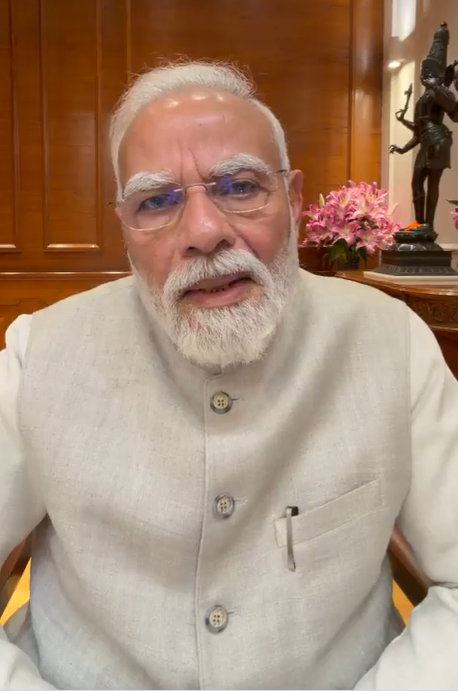
Instead of escalating the matter, PM Modi took a conciliatory tone. In an Instagram reel, he said: “I forgive the misguided youth. Their anger cannot decide the future of our society. We must guide them, not brand them permanently as wrong.” His message emphasized that abuse weakens democratic discourse, while constructive disagreement strengthens it.
“At Jantar Mantar, I wasn’t just targeted with abusive language; even my late mother was dragged into it with degrading remarks. But hurling insults never solves problems; what we truly need is to guide those who have lost their way,” he said.
“I choose forgiveness. Mistakes happen, but it was deeply unsettling to see young women resorting to such words. Our youth may be misled, yet they remain our children. It is our responsibility to help them find the right path,” he added.
Congress Hits Back at Modi Over Video
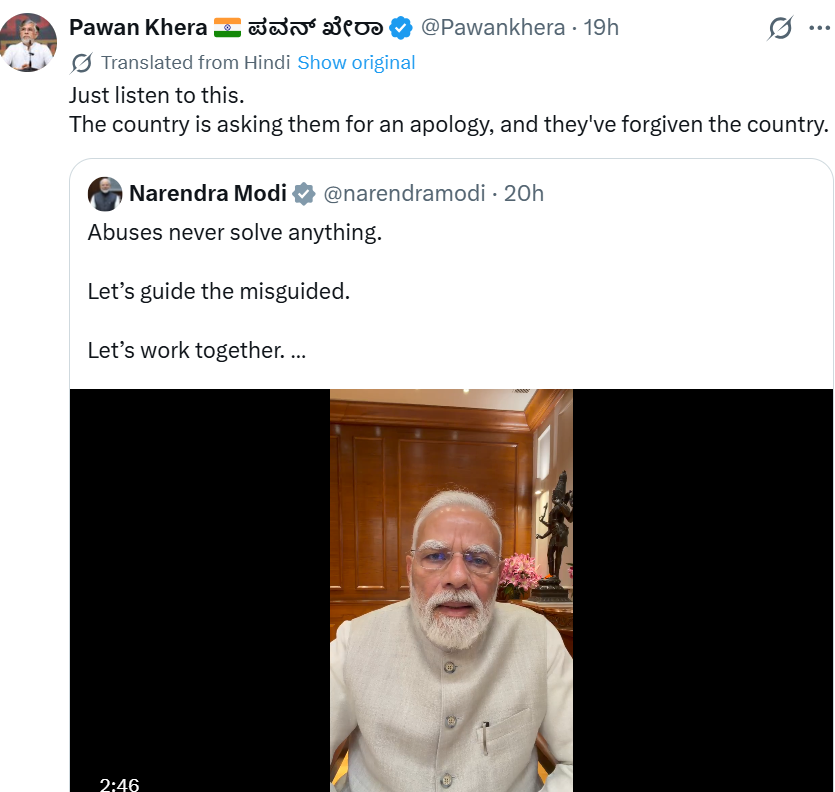
The Congress party sharply criticized Prime Minister Modi’s recent remarks, arguing that while citizens across the country were expecting an apology, he instead chose to “forgive the nation.”
Sharing the clip on X, Congress MP Pawan Khera posted in Hindi: “Listen carefully. The people are demanding an apology, yet he claims to have forgiven the country.”
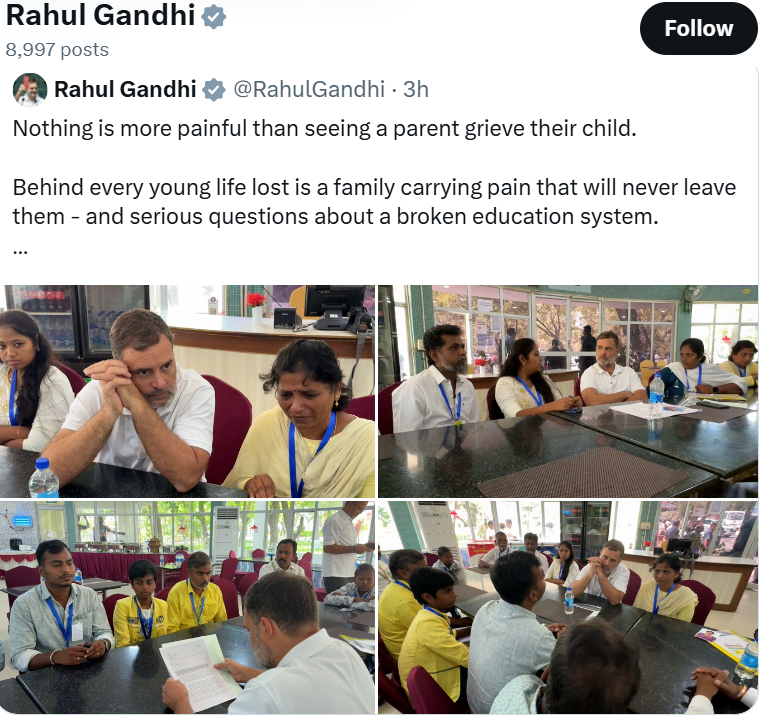
Rahul Responds to Viral Video: Reacting to the clip, Rahul Gandhi asserted that students “do not need forgiveness - what they deserve is an apology.” Sharing images from his meetings with students and grieving families, he remarked, “Few things are more heartbreaking than watching a parent mourn their child.” He further added that young people are being asked to “work honestly within a system that fails to be honest with them.”
The Bigger Picture
This incident highlights the fragile balance between free speech and accountability. Citizens can-and must- question authority, but crossing into abusive territory risks legal consequences and undermines democratic debate.
What do you think strengthens democracy more, unfiltered speech or responsible criticism? Join the conversation, share your views, and let’s redefine the boundaries of free expression in modern India.
Written by
Niranjan MehtaDiscussion (0)
Sign in to join the discussion.
Loading comments…