⚖️ The Flashpoint: From 43% to 70%
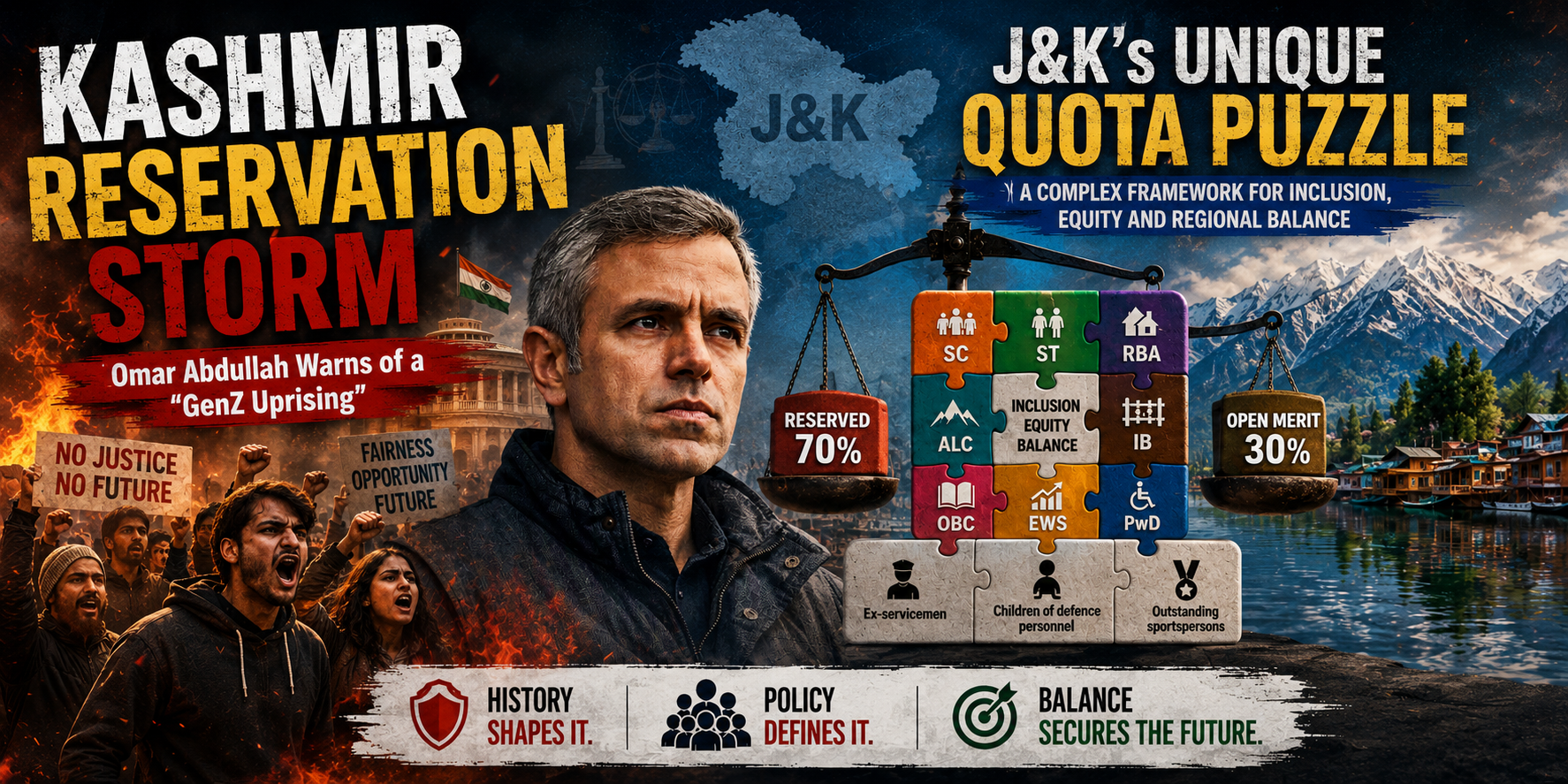
In 2024, Jammu & Kashmir witnessed a seismic shift in its reservation policy. The quota for reserved categories in jobs and education shot up from 43% to a staggering 70%, leaving just 30% for open merit candidates. This sudden expansion ignited frustration among youth, especially those from the general category, who now feel cornered with limited opportunities.
"Imagine 100 government jobs: earlier 57 were open merit, now only 30 remain."
⚡ Gen‑Z Anger on the Horizon
Omar Abdullah cautioned that unresolved reservation issues could spark Gen‑Z‑style protests in Jammu & Kashmir. His government insists it has done its part: the Cabinet cleared the proposal, queries answered, and papers sent to the Lieutenant Governor, yet final approval remains stuck. Abdullah pressed: “Where is the Cabinet’s proposal?” warning that rising frustration is already fueling student unrest and political controversy.
🏔️ The ST Controversy: Paharis vs Gujjars & Bakarwals
The most explosive change came when the Scheduled Tribe quota doubled from 10% to 20%. Alongside Gujjars and Bakarwals, the Pahari community was added to the ST list.
Gujjars & Bakarwals opposed this inclusion, fearing dilution of their share.
To balance, the government expanded the overall ST quota, but this only deepened the divide.
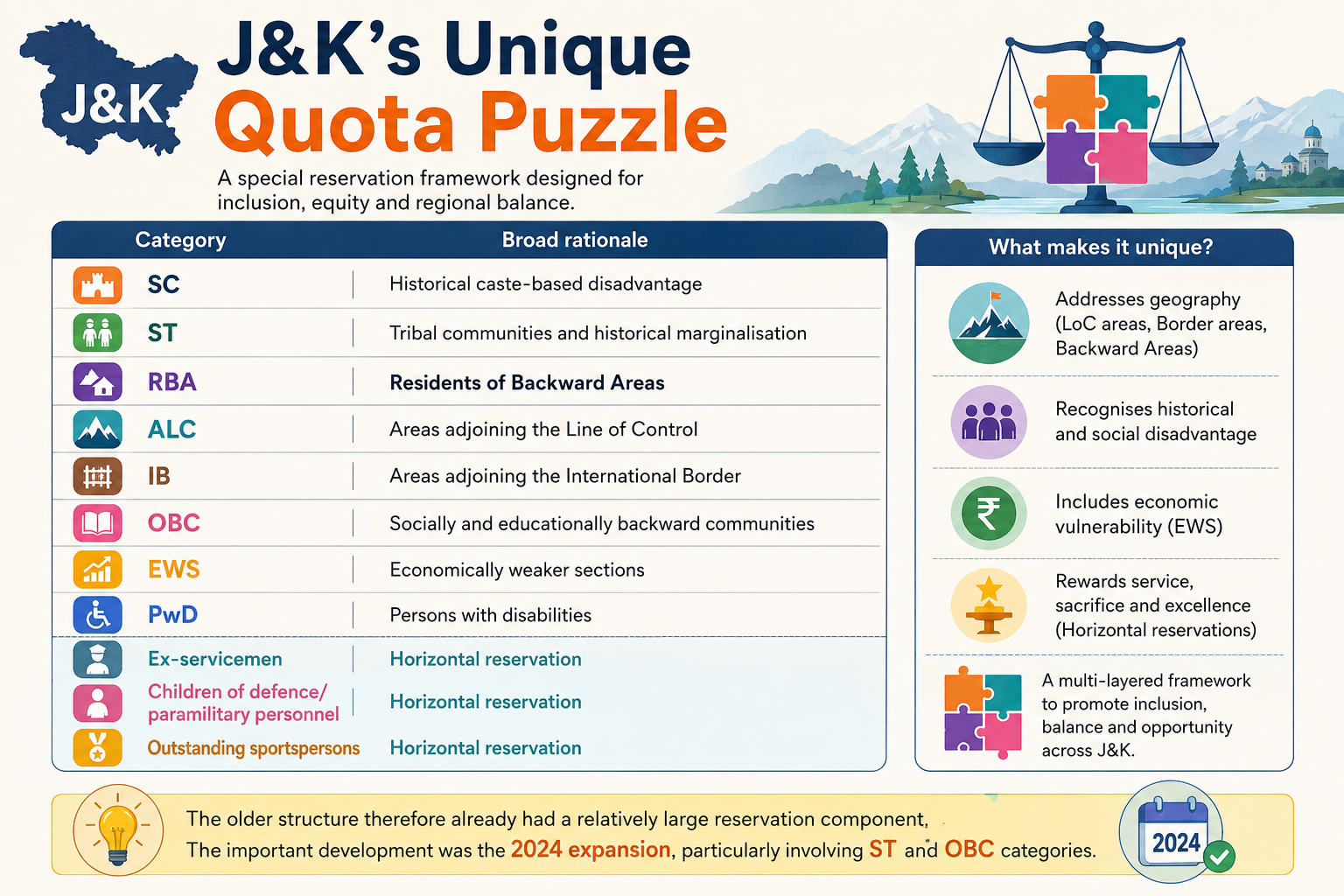
🏔️ J&K’s Unique Quota Puzzle
Unlike the rest of India, Jammu & Kashmir’s reservation system goes beyond the familiar SC, ST, and OBC categories. Here, geography and circumstance also shape entitlement, covering backward areas, border zones, and special groups.
⚡ The 2024 Twist
Even before this, J&K already had a heavy quota load. But the 2024 expansion, especially boosting ST and OBC shares, tipped the balance further, sparking fresh controversy and youth unrest.
🗣️ Omar Abdullah’s Dilemma
When Omar Abdullah became Chief Minister after the 2024 elections, he inherited this ticking time bomb.
If he reduces reservation, reserved communities will erupt.
If he maintains 70%, general-category youth will intensify protests.
His cabinet has suggested “rationalization”, cutting quotas for EWS and backward area residents to restore balance for open merit.
But here’s the catch: final approval lies with the Lieutenant Governor and the Centre.
🚨 The GenZ Factor: A Protest Brewing
Abdullah has warned of a “GenZ-style agitation”, a reference to the tech-savvy, social-media-driven generation born between 1996–2012.
Already, students are hitting the streets.
Abdullah fears a mass movement, reminiscent of Delhi’s Jantar Mantar protests, but sharper, faster, and digitally amplified.
The Bigger Picture: Statehood & Identity
In May 2026, Abdullah met Home Minister Amit Shah, demanding:
Restoration of full statehood for J&K.
Rationalization of reservation before the situation spirals out of control.
This isn’t just about jobs; it’s about identity, fairness, and the future of Kashmir’s youth.
No Complaints to Washington
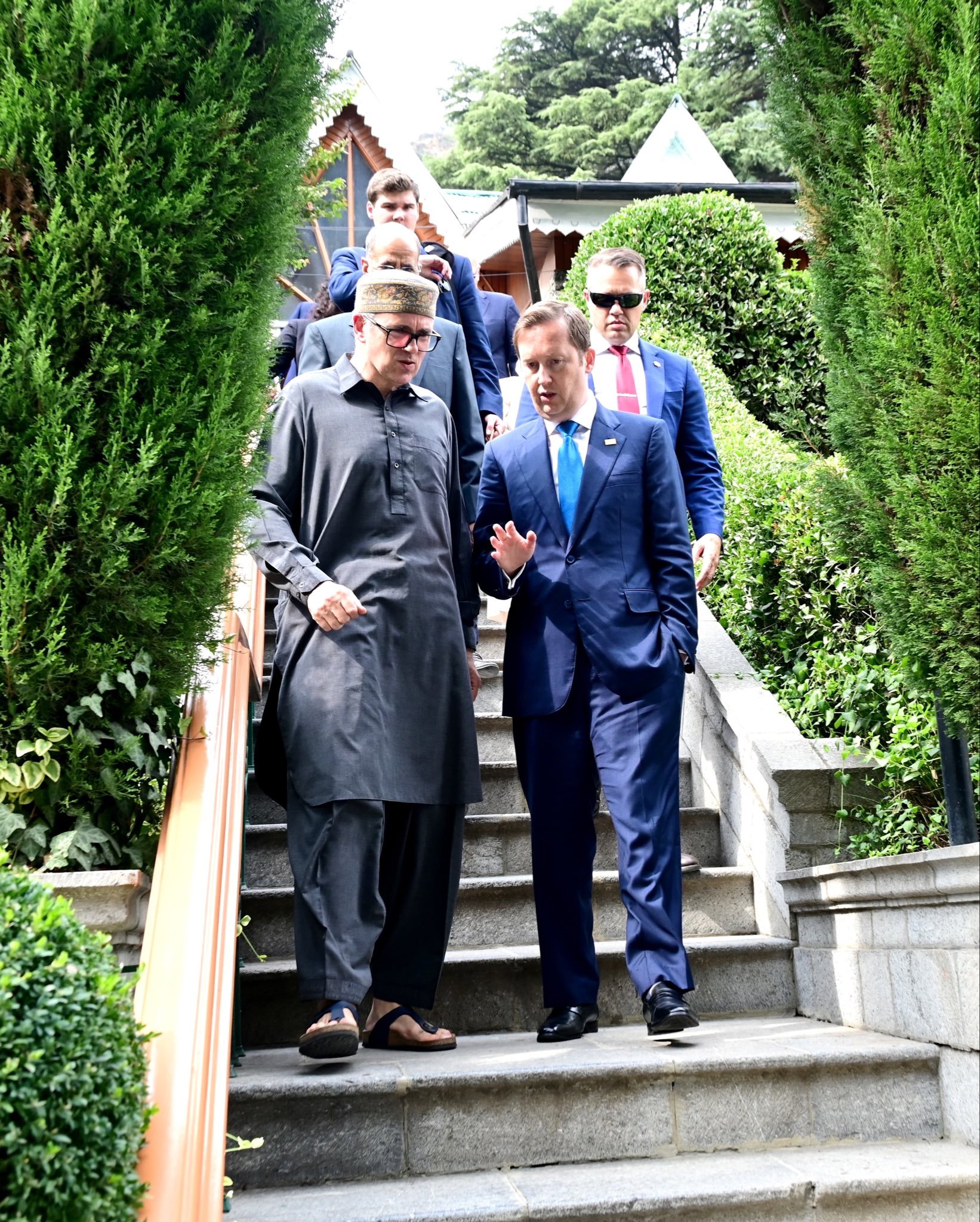
Ahead of his meeting with US Ambassador Sergio Gor, Chief Minister Omar Abdullah made it clear: “Our issues are ours to solve. They won’t be fixed in Washington, but by our own government. I don’t carry complaints to foreign envoys.”
The reservation debate in Jammu & Kashmir is more than policy; it’s a battle for opportunity and trust. Whether you’re a student, policymaker, or concerned citizen, the time to engage is now.
👉 What do you think: Should reservation be rationalized, or is expansion the only way to ensure inclusivity?
Join the conversation, share your voice, and let’s shape a future where opportunity is balanced and fair.
Written by
Ritvik DeshmukhDiscussion (0)
Sign in to join the discussion.
Loading comments…