
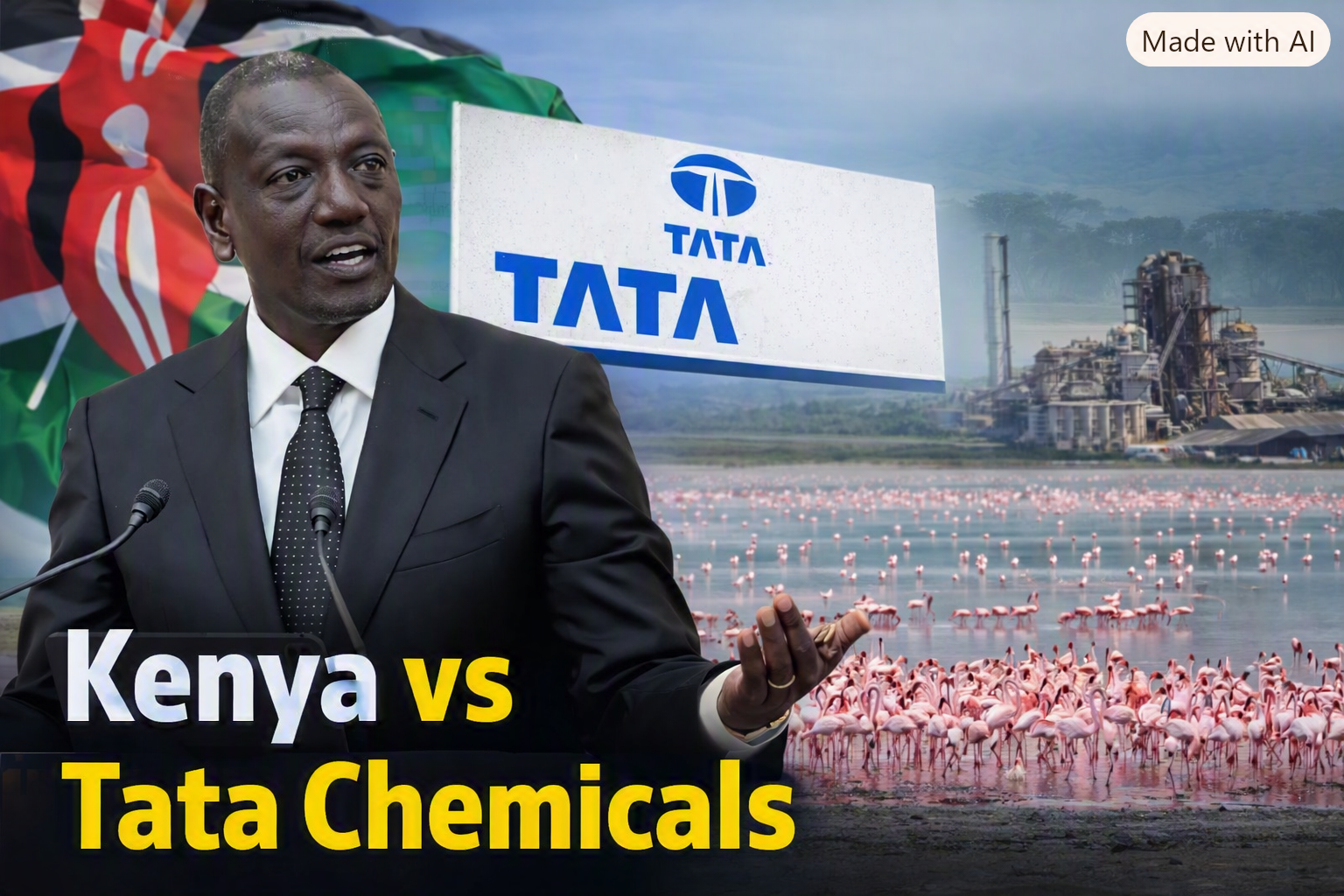
🌍 The Shockwave from Africa
Kenya has stunned the business world by asking Tata Chemicals Magadi Ltd., a subsidiary of Tata Chemicals, to pack up after nearly 21 years of operations. President William Ruto’s government claims Kenya no longer wants to be just an exporter of raw materials. Instead, it wants full value addition and manufacturing to happen within its borders.
"Are we slaves to other people?" Ruto asked, sparking a fiery debate about foreign investment, resource extraction, and national sovereignty.

🧪 What’s at Stake?
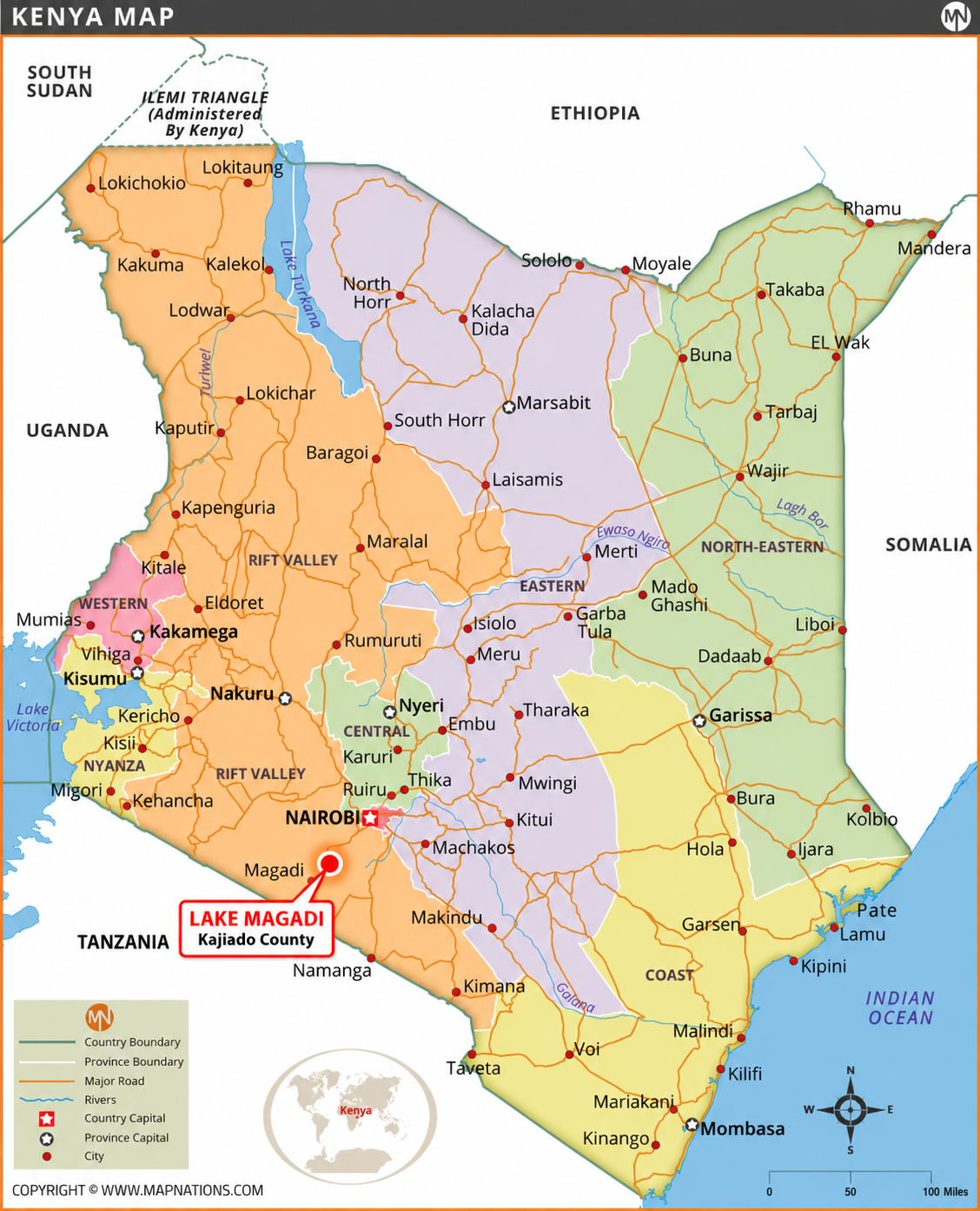
Lake Magadi in Kajiado County is rich in Trona, a mineral processed into soda ash.
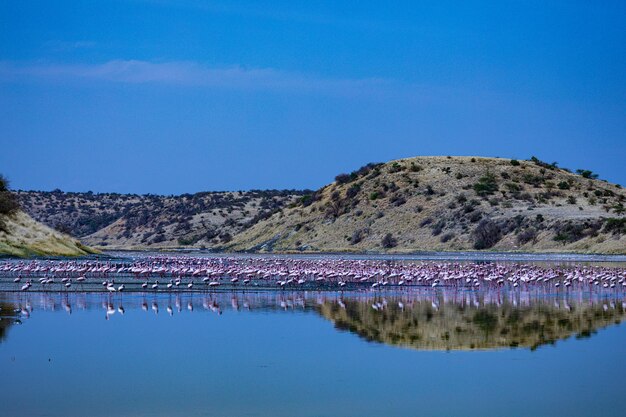
Soda ash is vital for glass manufacturing, detergents, and chemicals.
Tata Chemicals is the world’s fourth-largest producer of soda ash, with Kenya being a key hub.
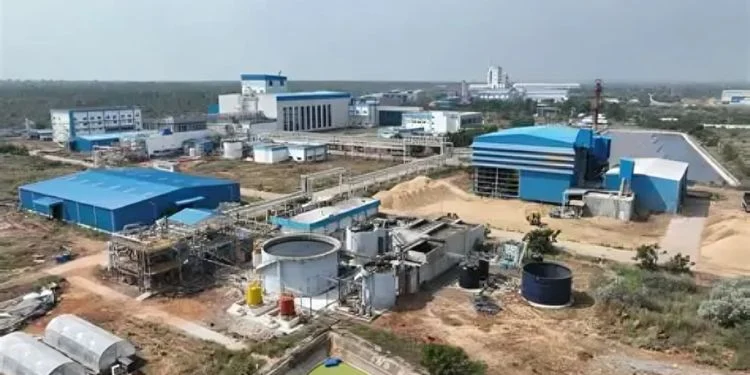
In 2024 alone, Kenya produced 264,921 tons of soda ash, much of it exported to India, Thailand, Tanzania, and Uganda.
⚖️ The Dispute Explained
Kenya’s government accuses Tata of:
Exporting raw soda ash without local value addition.
Failing to comply with new royalty laws (3% on soda ash extraction).
Weak employment and skill transfer initiatives.
Tata Chemicals, however, insists it has followed all rules, submitted reports, and employed over 600 Kenyans directly while contributing to tax revenues and exports.
🔥 Why This Matters for India
Tata is a trusted Indian brand; its expulsion raises questions about foreign investment security in Africa.
India imports soda ash from Kenya; any disruption could affect glass and detergent industries.
The move echoes past controversies involving Indian conglomerates abroad, like Adani.
⚡ Adani vs Tata: Different Battles, Same Scrutiny
Kenya isn’t “anti‑India” - it’s tightening the screws on all foreign players in strategic sectors.
Adani’s clash: about electricity transmission, foreign participation, transparency, and control of critical infrastructure.
Tata’s dispute: centered on mining, royalties, licences, environmental compliance, and demands for local value addition.
Both cases highlight Kenya’s push for greater oversight of foreign investment, but the battlegrounds are very different - power grids vs natural resources.
🏭 From Magadi to Tata: A Century in Transition
The Magadi soda industry began in 1911, with a landmark mining lease signed in 1928. Fast forward to 2005, Tata Chemicals entered the picture by acquiring the UK’s Brunner Mond Group, bringing Magadi operations under its wing.
So, while the site’s soda‑ash legacy spans over a century, Tata’s ownership is just two decades old, a nuance often lost when people say “Tata has been here for 100 years.”
💡 The Bigger Picture
Kenya wants to transform from a resource-exporter to a manufacturing hub. While the ambition is valid, shutting down Tata’s operations risks:
Job losses for hundreds of workers.
Supply chain disruptions.
Legal battles with foreign investors.
Foreign companies bring capital and technology, but Kenya’s demand for local value addition signals a policy shift that could reshape Africa’s investment climate.
📉 Market Jitters After Kenya’s Move
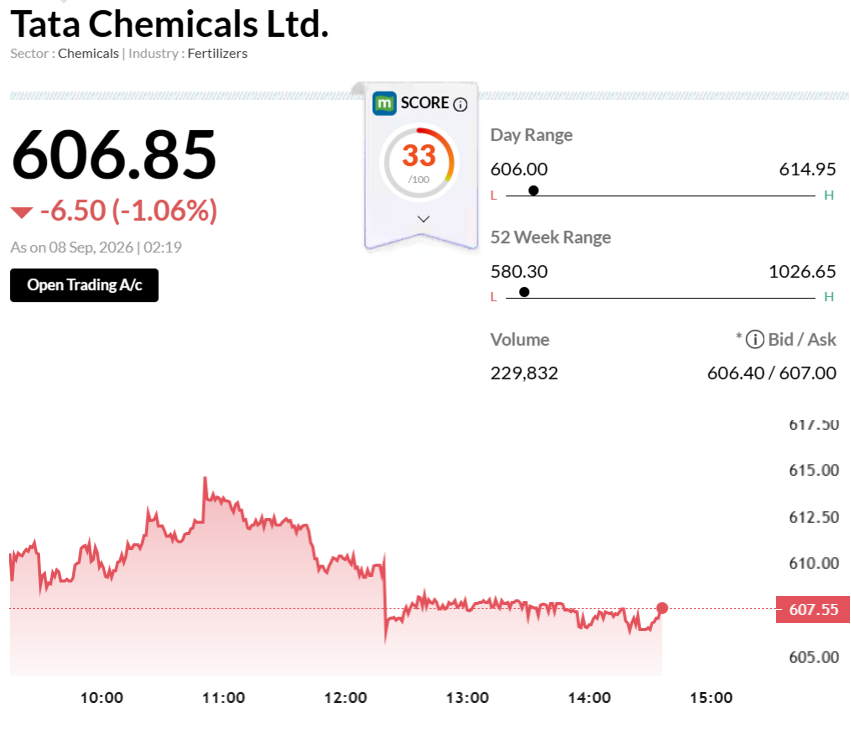
Following Kenya’s presidential “Are we slaves?” statement, Tata Chemicals’ stock slipped nearly 3% intraday on September 4, as investors reacted to the uncertainty surrounding its operations in the country.
💥 The Bottom Line
This is not just about Tata or Kenya; it’s about the global tug-of-war between resource-rich nations and multinational corporations. The outcome will decide whether Kenya becomes a model for resource sovereignty or risks scaring away investors.
What do you think: Should countries like Kenya force foreign companies to manufacture locally, or does this risk driving investment away?
💬 Share your thoughts in the comments below. Stay tuned for more global business insights.
✍️ Subscribe now for sharp, eye-catching blogs that decode geopolitics and economics!
Written by
Niranjan MehtaDiscussion (0)
Sign in to join the discussion.
Loading comments…