
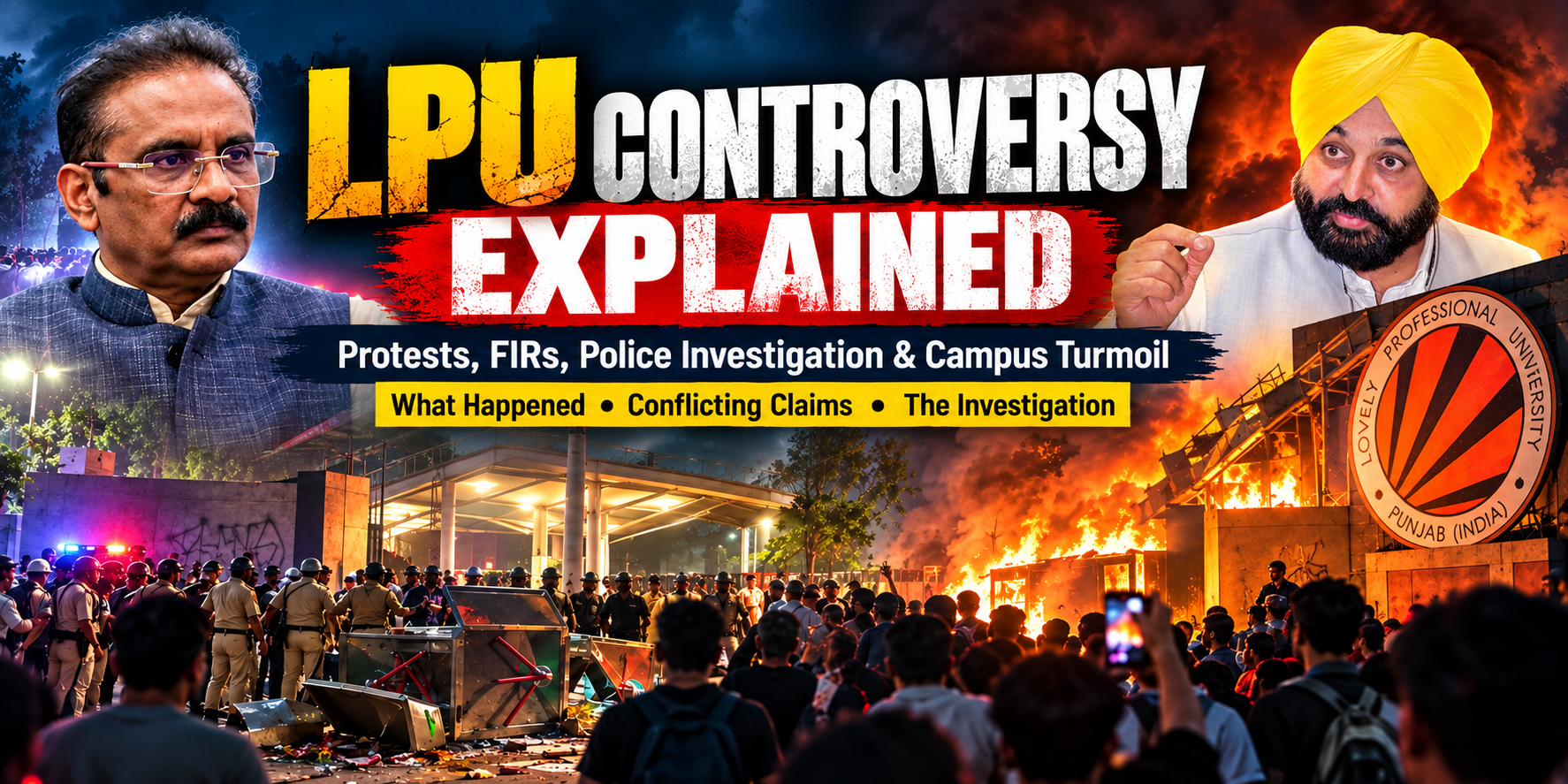
As viral allegations, rumours, and conflicting claims spread rapidly across social media, a wave of student protests engulfed LPU, prompting FIRs, a police investigation, and intense scrutiny over campus safety, transparency, and accountability.
A university campus is meant to be a place of learning, growth, and security. But when disturbing videos emerge from inside a reputed institution, concern spreads rapidly among students, parents, and the public. That is exactly what unfolded at Lovely Professional University (LPU), Punjab, where a series of allegations, protests, conflicting claims, and police actions turned the campus into the center of a nationwide debate.
As social media continues to amplify information at lightning speed, one critical question remains: What is the truth behind the LPU controversy?
How the Protests Began
The unrest reportedly began during the night of September 26-27, when allegations started circulating across social media platforms.
Reports spreading online claimed that a female student had been sexually assaulted and later died by suicide. The information rapidly gained traction on platforms such as Reddit, WhatsApp, and other social networks.
As emotions ran high and uncertainty grew, students began gathering around the Girls' Hostel area, demanding answers and an immediate investigation into the allegations. What started as concern soon escalated into a large-scale protest as students accused authorities of failing to respond adequately to their demands.
From Questions to Chaos: When Tensions Exploded
As the crowd grew, frustration among students intensified. Several protesters demanded transparency, accountability, and urgent action from university authorities. According to reports from the ground, students raised concerns regarding:
1. Hostel security measures
2. Accountability of hostel management
3. Deployment of staff near girls' hostels
4. Alleged lapses in student safety protocols
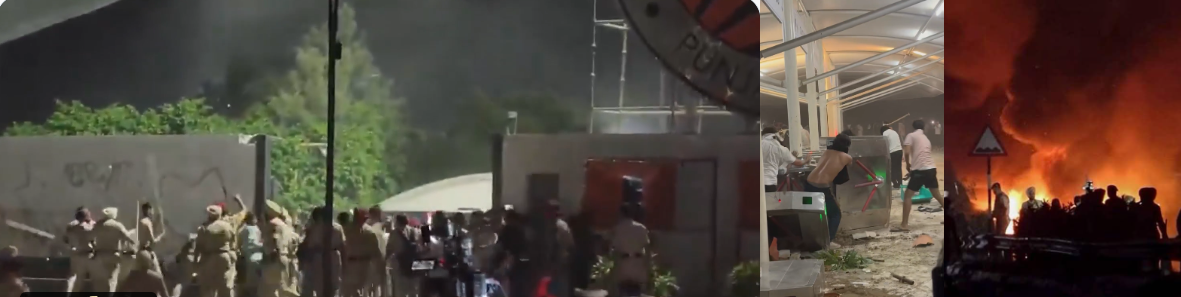
However, as tensions escalated, the protests reportedly took a violent turn.
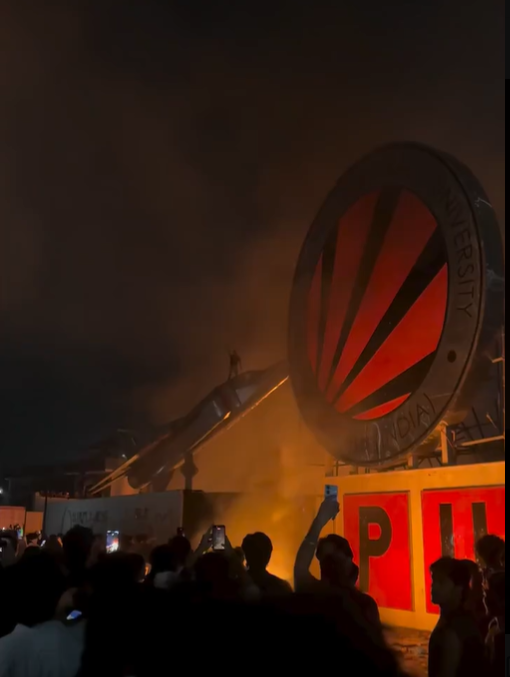
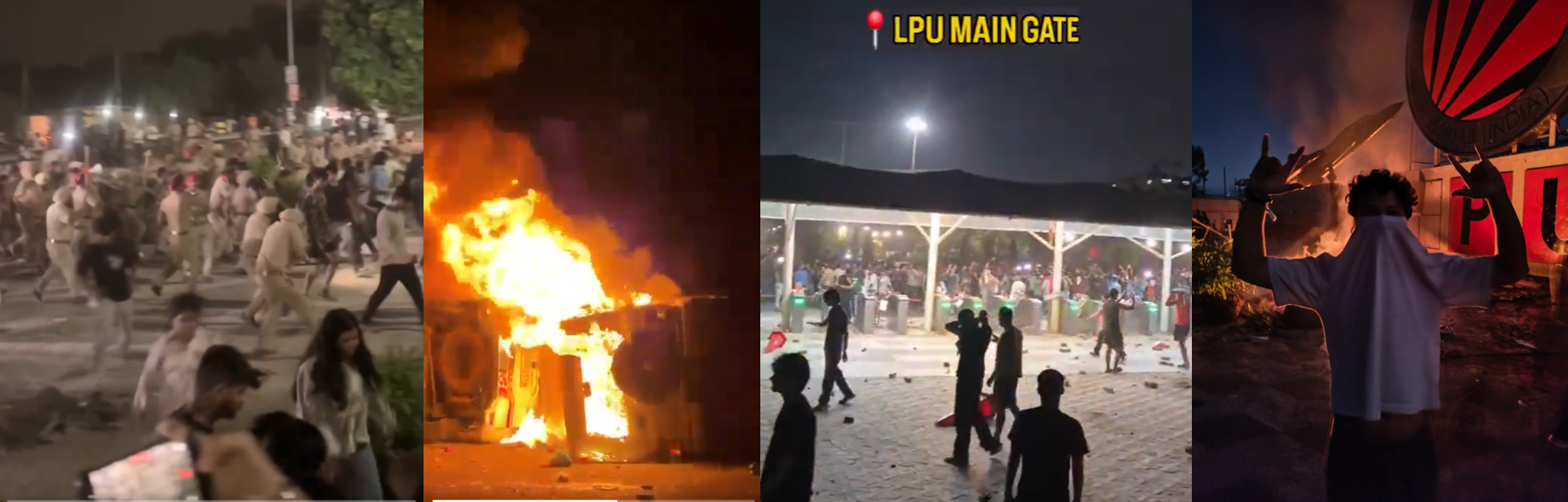
Campus property was damaged, fires were allegedly set in certain areas, and confrontations took place between protesters and law enforcement personnel. Videos circulating online showed students climbing on decommissioned military displays installed inside the campus, including decommissioned aircraft and tanks.
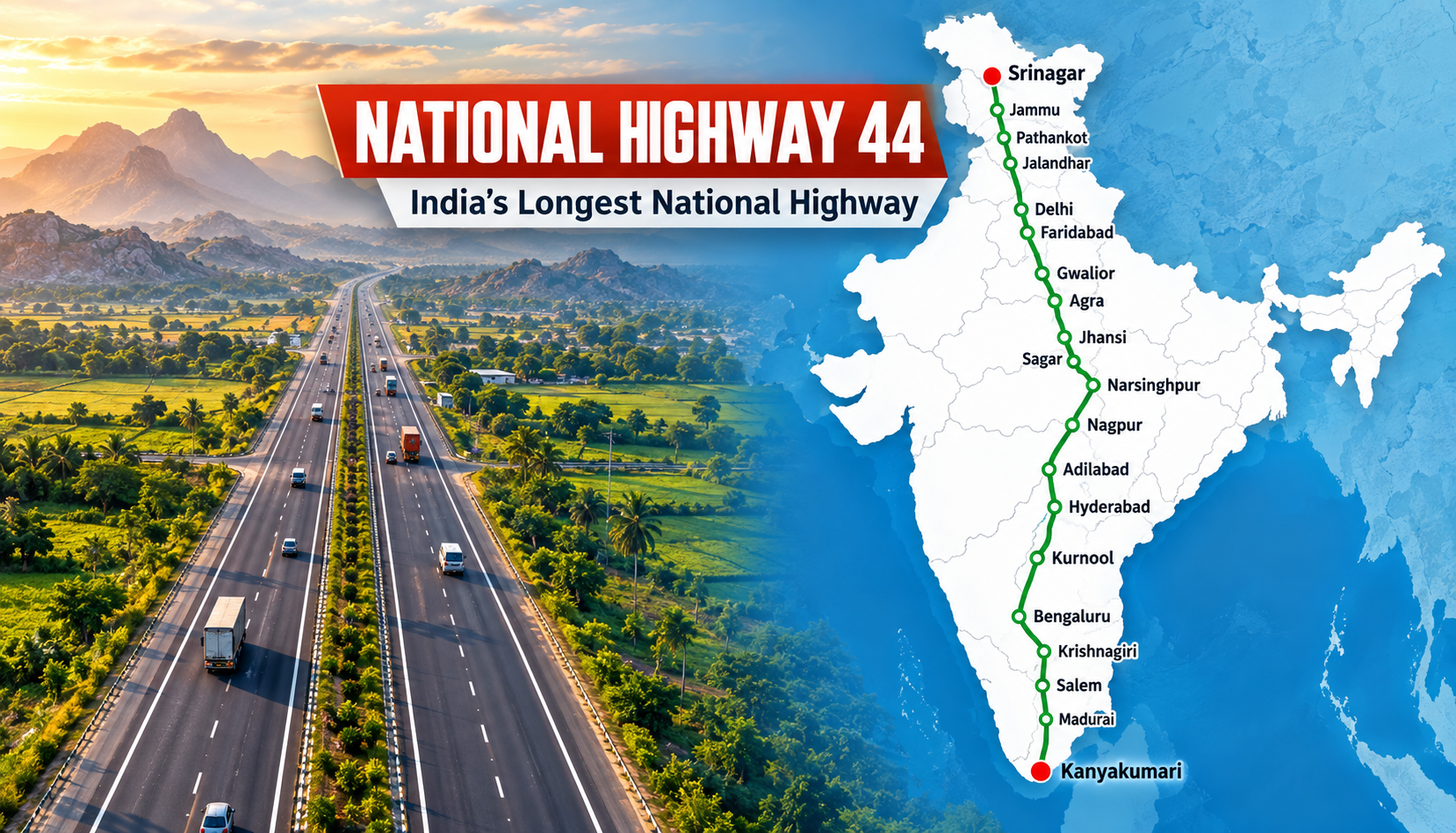
The situation quickly moved beyond university boundaries when portions of National Highway 44 (NH-44) near the Jalandhar-Phagwara stretch were reportedly blocked by protesters.
Clashes with Police and Growing Security Concerns
The road blockade disrupted traffic and drew the attention of law enforcement agencies. Clashes were reported between protesters and police personnel. Reports indicated injuries on both sides, while police vehicles were allegedly damaged during the unrest.
In response, Punjab Police deployed a significant security presence to prevent further violence and restore normalcy. The events sparked widespread concern among parents, particularly those whose children reside in university hostels. For many families, the circulating videos only added to fears regarding student safety.
The University's Stand: "No Such Incident Occurred"
One of the most controversial aspects of the entire episode has been the conflicting narratives emerging from different stakeholders.
Initially, university authorities categorically denied the allegations circulating online. LPU maintained that the claims being shared on social media were baseless and unsupported by facts.
To reinforce its position, the university released a video featuring residents of Room 504 in Girls' Hostel 3, the room that had become central to many online claims.
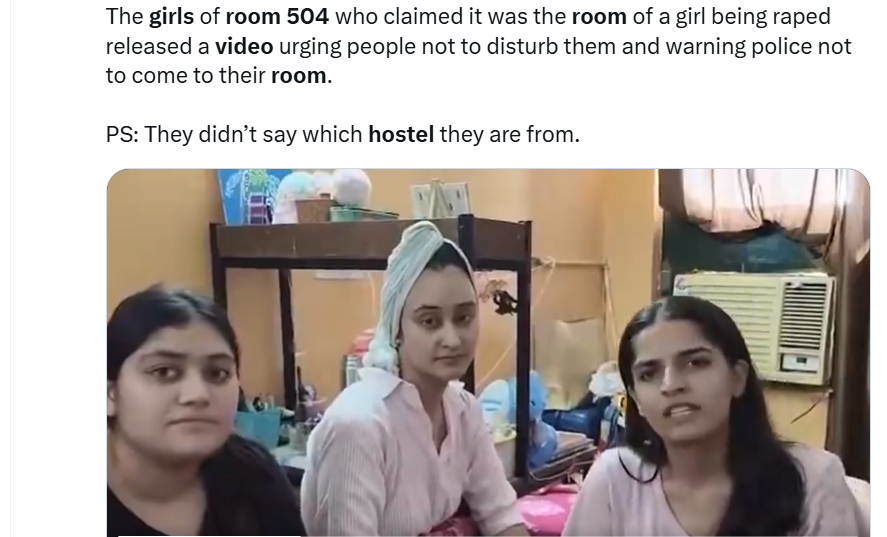
In the video, students stated:
1. No such incident had occurred.
2. They had been living in the room for months without any issue.
3. Protesters and outsiders should stop gathering near their room.
4. Repeated visits by police and others were causing them distress.
For a moment, the administration appeared confident that the released footage would settle the matter. But the controversy was far from over.

A Second Video Changes the Narrative
Shortly after the university's video surfaced, another video began circulating online.
In this new footage, students allegedly claimed that their statements had been influenced and that portions of the earlier video were not shown in full. They further alleged that the video had been uploaded without their consent.
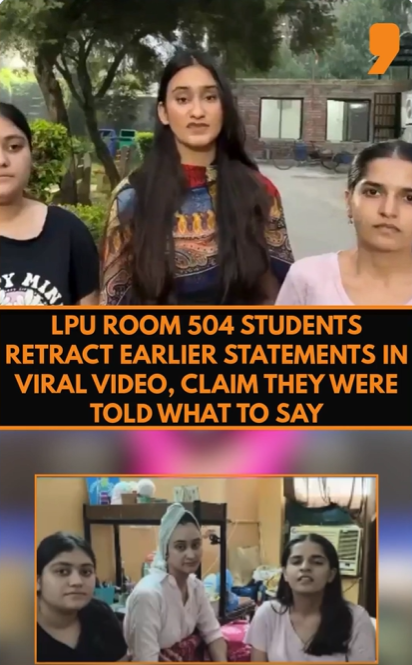
These allegations created a fresh wave of confusion. Suddenly, there were two competing narratives:
1. The university's version claiming that no incident had occurred.
2. Students alleging pressure and incomplete representation of facts.
As contradictory claims filled social media, determining the truth became increasingly difficult.
Police Response: From Denial to FIR
Adding another layer of complexity was the evolving position of the police. In the initial stages, police reportedly stated that no official complaint had been received and suggested that the circulating information was largely rumour-driven.
However, with protests intensifying and allegations continuing to spread, authorities later confirmed that an FIR had been registered against an unknown person.
Police also constituted a Special Investigation Team (SIT) to examine the matter thoroughly. This move raised important questions among observers:
1. If there was no basis for the allegations, why was an FIR registered?
2. Were authorities responding to public pressure or emerging evidence?
3. Could crucial information have been missed during the initial response?
At this stage, investigators have emphasized that conclusions should only be drawn after a complete inquiry.
Another Suicide Case Raises More Questions
As the controversy unfolded, discussions also emerged around a separate case involving a student from Telangana who had reportedly died by suicide weeks earlier.
This led to further speculation online. Many people began asking:
1. Are the two incidents connected?
2. Are they entirely separate cases?
3. Is social media combining unrelated events into a single narrative?
At present, these questions remain matters for investigation rather than public assumption.
LPU Suspends Classes for 10 Days
In the aftermath of the protests, the university announced a series of precautionary measures. These included:
1. Suspension of classes for 10 days
2. Postponement of mid-term examinations
3. Advisories for students to consult parents and return home if possible
4. Instructions for remaining students to stay within hostel premises
The university also stated that it would cooperate fully with ongoing investigations.
What the SIT Investigation Will Examine
The newly formed Special Investigation Team is expected to review multiple forms of evidence, including:
1. CCTV footage
2. Physical evidence from hostel premises
3. Mobile phone data
4. Digital communications
5. Social media activity
6. Witness testimonies
The investigation will ultimately determine whether the allegations have factual basis or whether misinformation played a significant role in triggering the unrest. Until then, any definitive conclusion would be premature.
👤 The Man Behind LPU
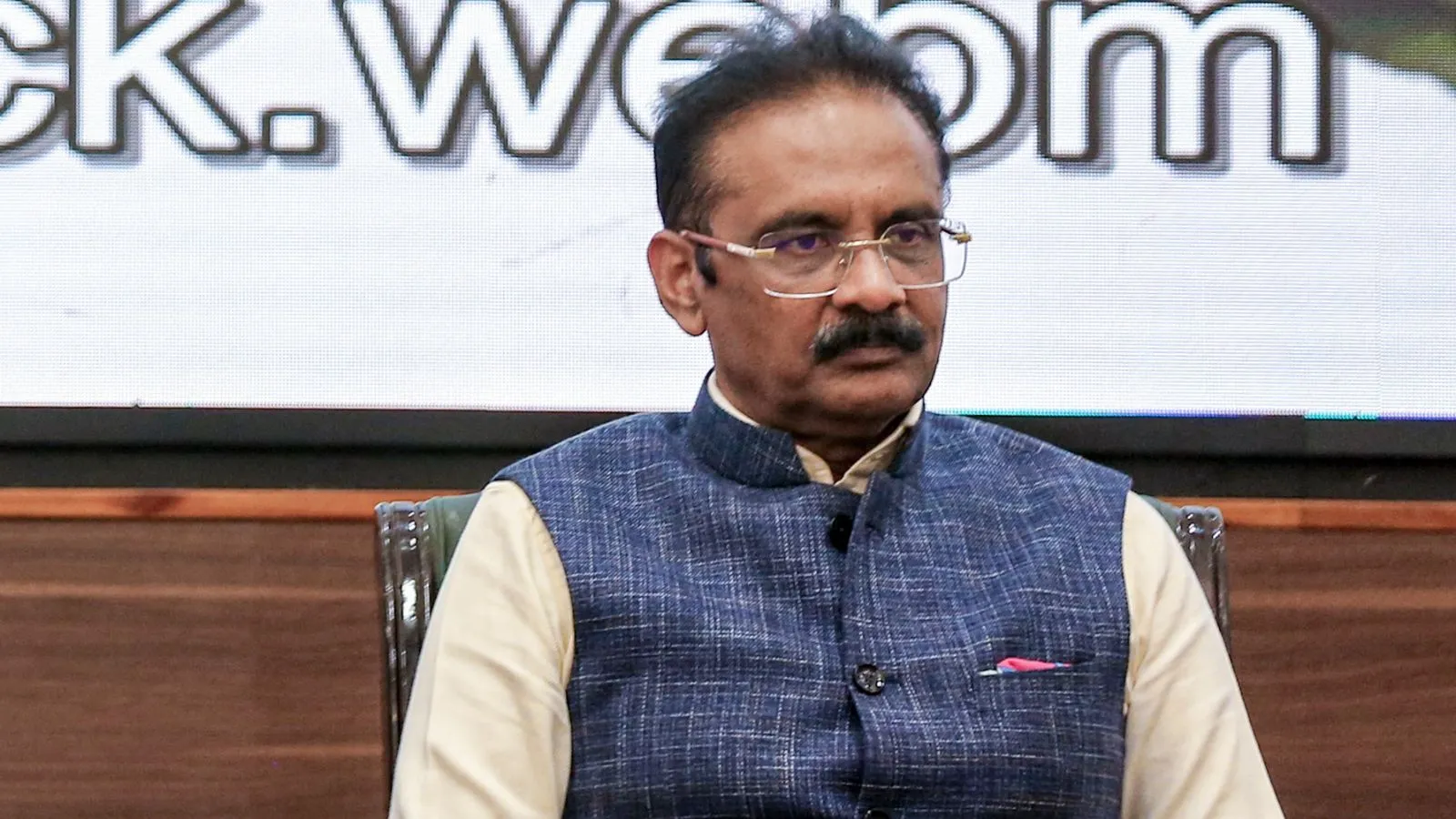
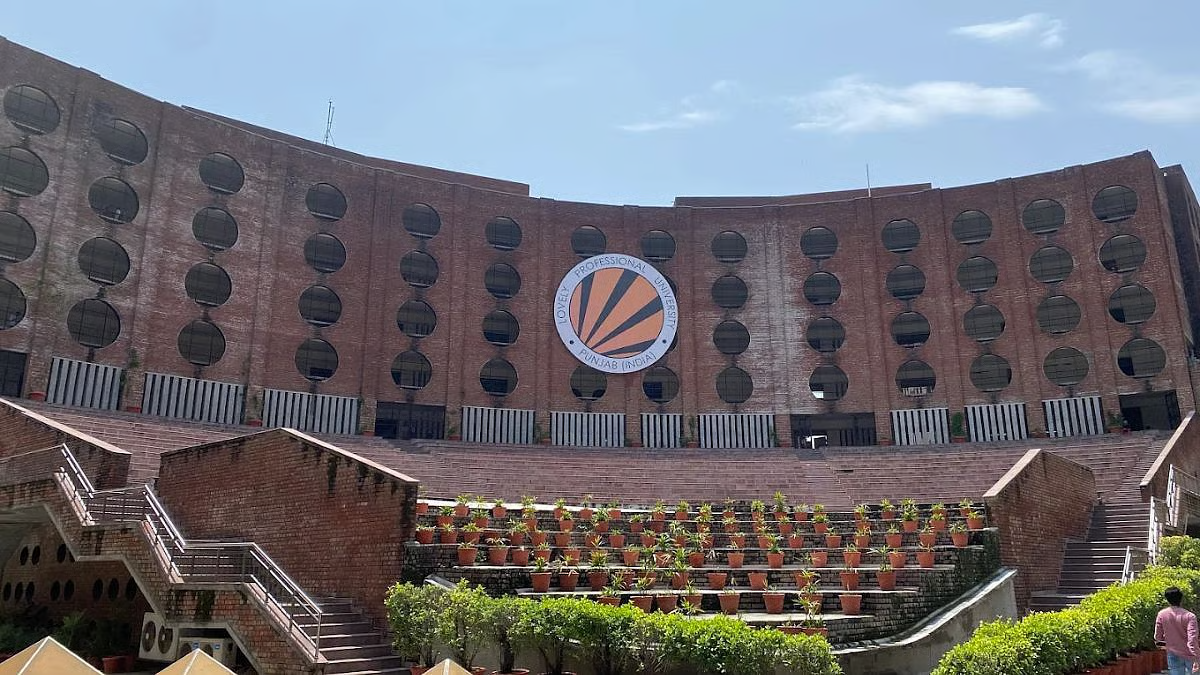
Founded by entrepreneur-turned-politician Ashok Mittal, Lovely Professional University (LPU) has grown into one of India's largest private universities since its launch in 2005. Spread across more than 600 acres in Punjab's Phagwara, the campus functions like a self-contained township, featuring world-class academic, healthcare, sports, and commercial facilities.
After serving in the Rajya Sabha with the Aam Aadmi Party (AAP), he later joined the Bharatiya Janata Party (BJP), marking a significant shift in his political journey. Adding to his academic leadership role, Mittal currently serves as a Rajya Sabha MP, making him a prominent figure in both education and politics.
🔍 Chitkara Connection? A Parallel Controversy Raises Fresh Questions
Interestingly, the unrest at LPU emerged shortly after a similar controversy at Chitkara University, Punjab. Reports suggest that protests at Chitkara were also fueled by unverified claims involving a female student and an alleged suicide, sparking concerns across the campus.
The similarities between the two incidents have led authorities to examine whether there is any connection between them. However, senior police officials have indicated that the cases may be completely unrelated, and no definitive link has been established so far.
As investigations continue, the focus remains on separating facts from speculation and understanding whether these incidents are part of a larger pattern or simply two independent campus controversies.
The Bigger Lesson: Social Media Can Ignite a Fire Before Facts Arrive
Perhaps the most important takeaway from the LPU controversy is the extraordinary power of social media.
In today's digital age, a single unverified message can travel through thousands of phones within minutes. What begins as a rumour can quickly evolve into public outrage, protests, and even violence before official facts emerge.
This does not mean allegations should be ignored. Every claim involving student safety must be investigated seriously and transparently. At the same time, it highlights the need for responsible information sharing and patience while investigations are underway.
A Campus Seeking Answers
The LPU controversy has left behind a trail of unanswered questions, emotional distress, and heightened scrutiny of campus safety mechanisms.
Students want accountability. Parents want reassurance. Authorities want order. Investigators are searching for facts.
For now, the truth lies not in viral videos, rumours, or competing narratives, but in the findings of the official investigation. Until those findings emerge, one thing is clear: the incident has reignited a national conversation about student safety, institutional transparency, and the dangers of misinformation in the digital age.
💬 What Do You Think?
Should universities be more transparent during crises? Can social media help expose issues, or does it often fuel panic before facts are verified?
Share your thoughts in the comments, join the discussion, and stay tuned for verified updates on this developing story.
Written by
Devansh KaulDiscussion (0)
Sign in to join the discussion.
Loading comments…