
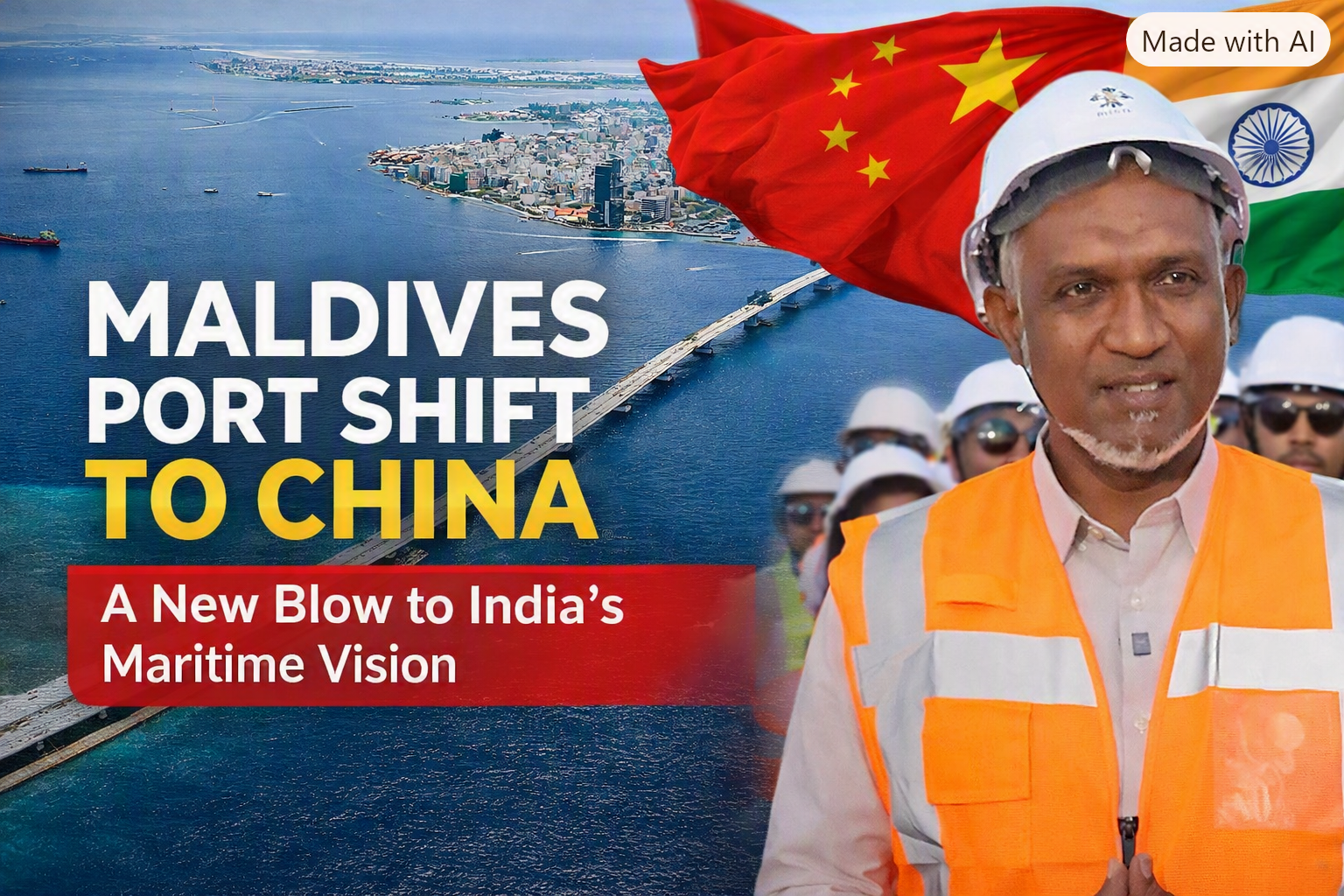
🌊 The Big Shift in the Indian Ocean
In a surprising turn of events, Maldives has awarded the Phase One contract of the Thilafushi Port Project to China Harbour Engineering Company (CHEC), sidelining India despite earlier public commitments. This move has reignited concerns about the growing India–China strategic competition in the Indian Ocean.
"In October 2024, India and Maldives had publicly agreed to develop the state-of-the-art Thilafushi commercial port jointly. Now, the project’s first phase has gone to China."
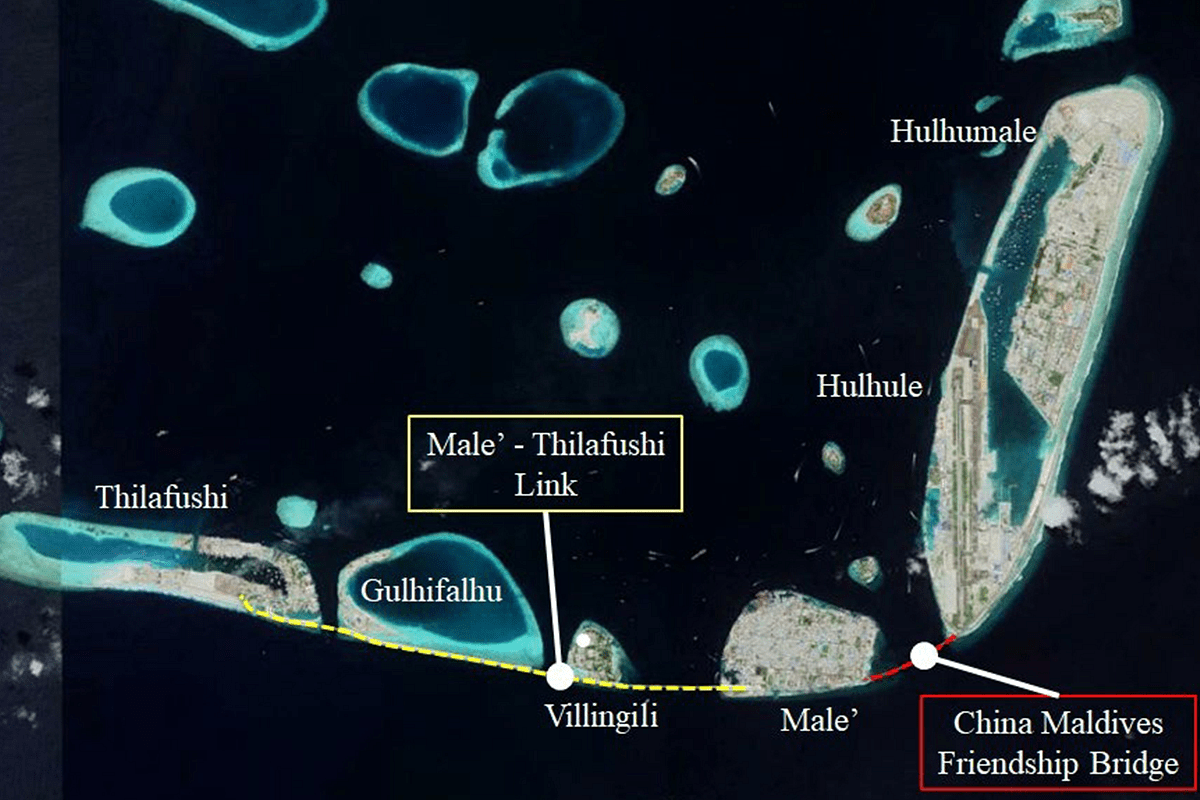
🏝️ Why Thilafushi Matters
Location Advantage: Situated near the capital Malé, Thilafushi Island was chosen to ease congestion at Malé Port. Malé’s commercial port is bursting at the seams, hemmed in by dense population, limited land, and heavy cargo traffic; it has become a chokepoint for the nation’s lifelines of food, fuel, and construction materials. The result is a cocktail of economic delays, urban congestion, and strategic vulnerability, making a modern port not just an infrastructure upgrade but a critical economic‑security asset for the Maldives.
Economic Lifeline: Maldives depends heavily on maritime trade. Cargo delays at Malé often stretch to 5–6 days. The new port promises to cut unloading time to just 48 hours.
Industrial Hub: Planned as a modern maritime gateway, Thilafushi is set to become a major commercial and industrial hub for the nation.
⚔️ India’s Strategic Concerns
Broken Promises: India was supposed to co-develop the port under the Joint Vision Document signed in 2024.
China’s Expanding Footprint: Chinese financing, technical personnel, and long-term maintenance raise fears of debt dependency, similar to Sri Lanka’s Hambantota Port, leased to China for 99 years.
Security Angle: While officially a commercial port, India worries about potential dual-use facilities that could strengthen China’s naval presence in the region.
🔄 Diplomatic Irony
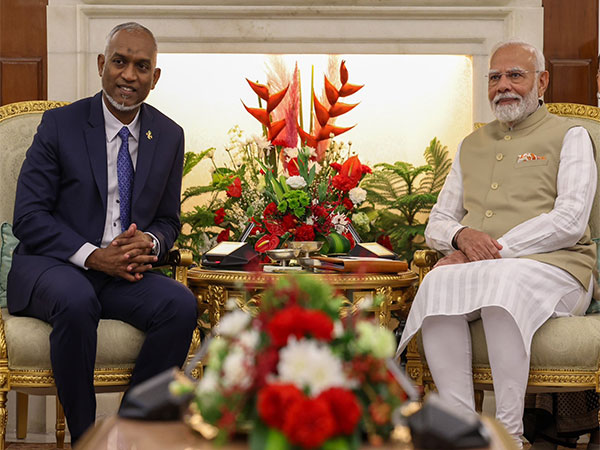
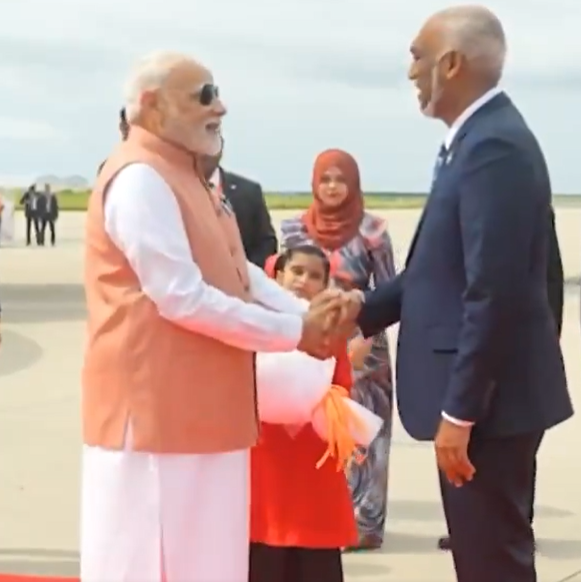
Relations between India and Maldives had recently improved after tensions over the “India Out” campaign. President Mohamed Muizzu even visited India in October 2024, adopting a Vision for Comprehensive Economic and Maritime Security Partnership. Yet, the Thilafushi contract decision has cast a shadow over this progress.
🚧 What Lies Ahead
Phase One → China: The first stage is firmly in Chinese hands.
Future Phases → Uncertain: India may still secure later stages if it raises concerns diplomatically.
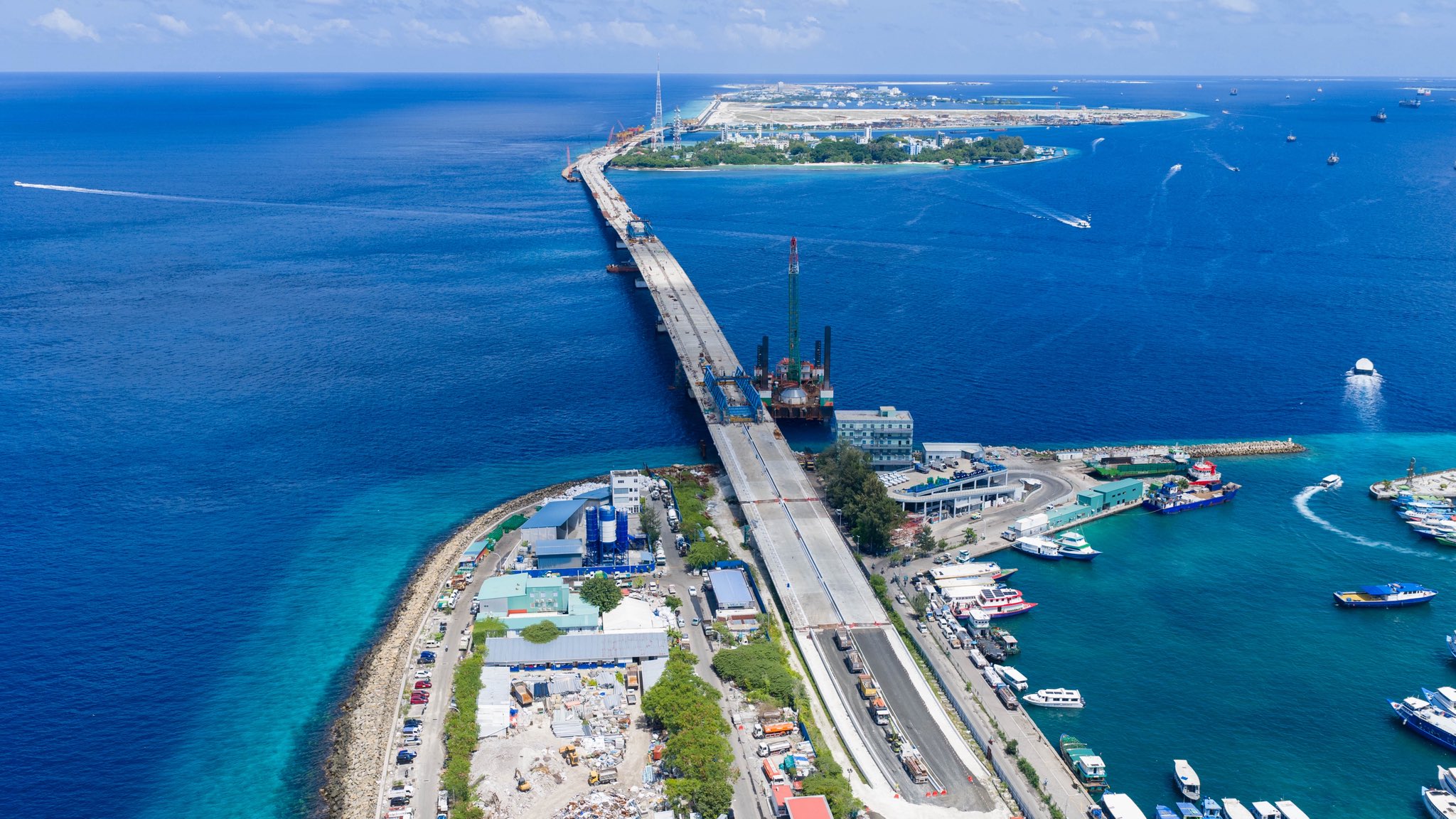
Greater Malé Connectivity Project (GMCP): India continues to support this ambitious plan to link Malé with surrounding islands through bridges and modern infrastructure.
💰 India’s Financial Lifeline to Maldives
During President Muizzu’s 2024 India visit, New Delhi extended a $400 million currency swap and rolled over Maldivian Treasury Bills worth ₹30 billion, giving the island nation much-needed breathing space. This wasn’t just aid; it was a strategic signal. India and China are locked in a contest that goes far beyond military might, stretching into finance, infrastructure, trade, diplomacy, connectivity, and maritime security.
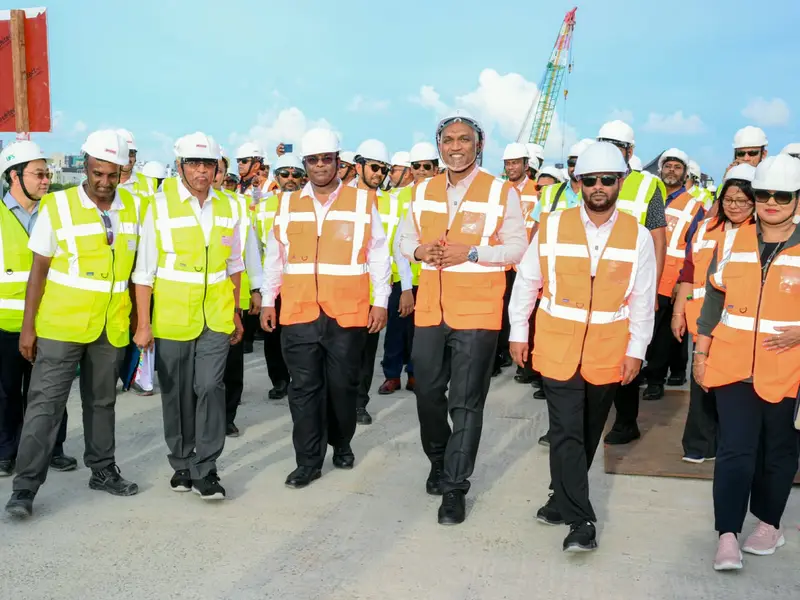
The Thilafushi episode is more than a port deal; it’s a geopolitical chess move in the Indian Ocean.
👉 Stay informed about India’s maritime strategy. Follow our updates on Indo-Pacific geopolitics. Share your thoughts: Is Maldives tilting permanently towards China, or can India reclaim its role?
Written by
Ritvik DeshmukhDiscussion (0)
Sign in to join the discussion.
Loading comments…