
Mark Zuckerberg’s apology has jolted India’s digital arena, exposing cracks in Big Tech’s power and accountability.
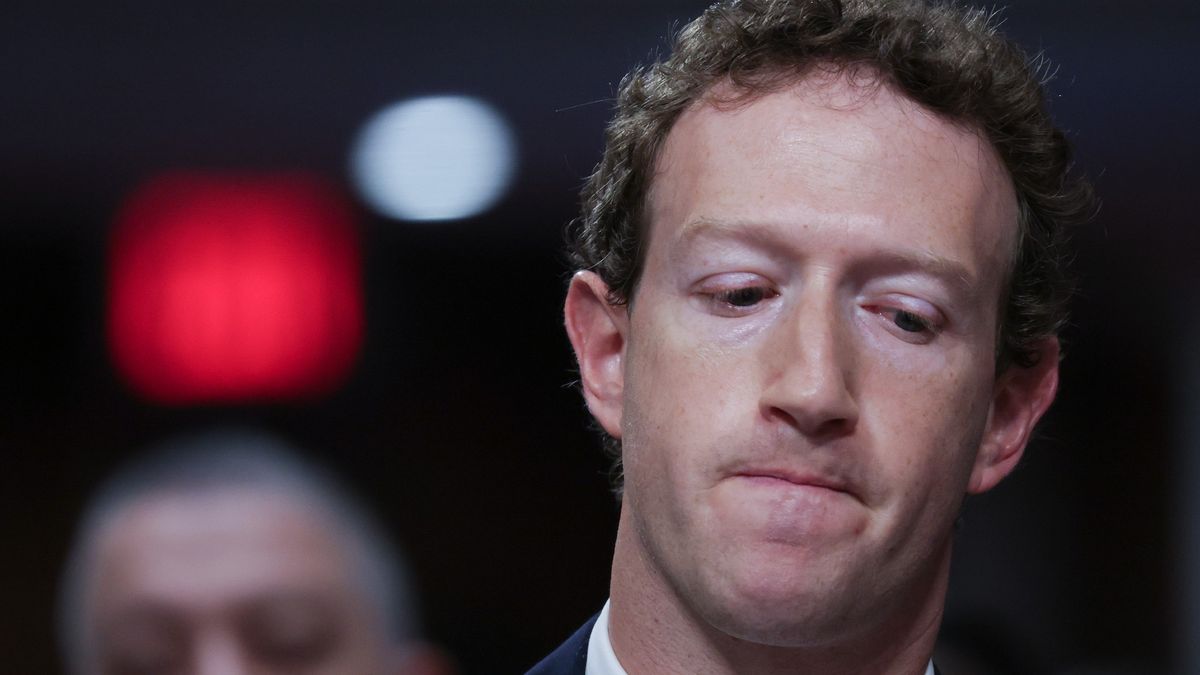
The Controversy That Sparked a Storm
On July 23, during the CJEP protests, Prime Minister Narendra Modi released a selfie video addressing the NEET‑UG paper leak and related legislation. The video was uploaded across Facebook, Instagram, and other Meta platforms. Shockingly, it disappeared from Facebook for nearly five hours, triggering outrage in Parliament and raising questions about Meta’s accountability.
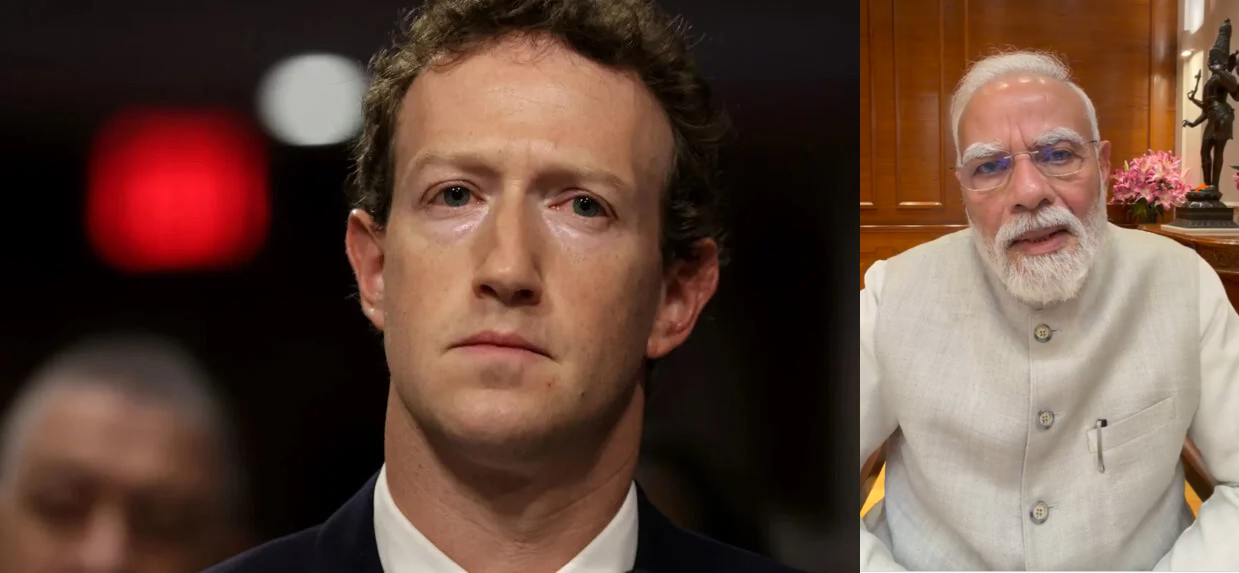
Government Ultimatum: Safe Harbour at Risk
India’s Parliamentary Communications & IT Committee warned Meta that failure to issue a formal apology could strip the company of its Safe Harbour protection under the IT Act. Without this shield, Meta officials could face direct criminal liability. The government also issued a three‑day ultimatum to all major platforms - Google, YouTube, X, WhatsApp, Instagram, Snapchat - demanding immediate removal of child sexual exploitation material (CSEM) and other obscene content.
Zuckerberg’s Statement: What He Admitted
Mark Zuckerberg finally issued an apology, but notably avoided direct mention of the Prime Minister’s deleted video. Instead, he acknowledged:
Failures in platform operations leading to wrongful content regulation.
Promotion of certain content through paid boosting, which violated neutrality.
Responsibility beyond hosting: Meta acted not just as an intermediary but also as a distributor and controller of content.
He admitted mistakes in handling harmful material, including CSEM and deepfake content, and apologized for operational lapses.
The Safe Harbour Debate
Under the IT Act, Safe Harbour protects platforms that merely host user content without editorial control. But Meta’s role, as admitted by Zuckerberg, extended to distribution and amplification, raising doubts about whether Facebook still qualifies for this protection.
The Committee made it clear: If Meta fails to comply, Safe Harbour could be revoked, exposing the company to legal action in India.
Decoding Safe Harbour: India’s Digital Shield Simplified
Safe harbour under India’s IT Act is like a legal shield for online platforms. It protects social media sites, e‑commerce companies, and search engines from being punished for what user's post, as long as they act responsibly. To retain this immunity, platforms must adhere to strict rules, remove illegal content upon notification, establish grievance‑redressal systems, and refrain from interfering with or promoting specific content.
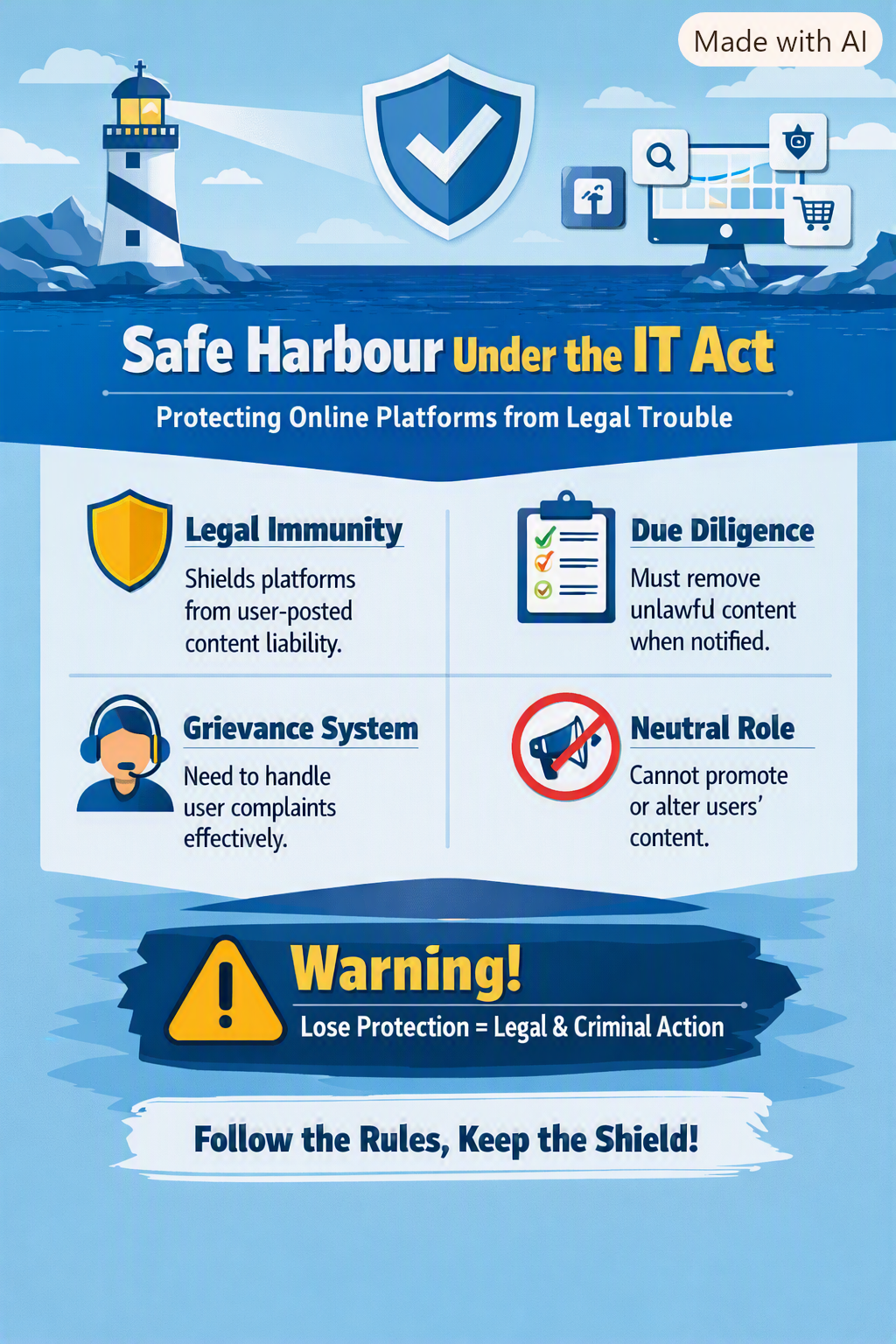
If they fail to comply, this protection vanishes, leaving them open to lawsuits and even criminal charges. Recent amendments have tightened the rules, ensuring only senior officials can issue takedown notices and clarifying that safe harbour applies even in criminal cases if due diligence is followed.
In short, safe harbour balances free digital expression with accountability, making compliance non‑negotiable for tech giants operating in India.
Meta’s Quick Fix on Modi’s Video
On July 28, Meta clarified that Prime Minister Narendra Modi’s Facebook video addressing exam paper leaks had been taken down unintentionally.
The apology coincided with high‑level meetings in New Delhi, where Meta’s senior leadership, including Chief Global Affairs Officer Joel Kaplan, engaged in discussions with officials from the Ministry of Electronics and Information Technology (MeitY).
The company admitted it was a technical slip, stressing that the removal was not deliberate. Within hours, the clip was restored, with a spokesperson confirming: “The content was removed in error and has since been restored.”
In short, what looked like censorship was simply a glitch, swiftly corrected to bring the video back online.
What This Means for India’s Digital Future
This episode highlights a turning point in India’s regulation of Big Tech. The government is signaling zero tolerance for lapses in content moderation, especially when national leaders and sensitive issues are involved.
Meta’s apology may have bought temporary relief, but the larger question remains: Can global tech giants continue to operate in India without stricter accountability?
India’s digital ecosystem is at a crossroads. Should platforms like Meta be treated as neutral hosts, or held accountable as content distributors?
Share your thoughts, raise your voice, and join the debate, because the future of free speech and online safety in India depends on it.
Written by
Ritvik DeshmukhDiscussion (0)
Sign in to join the discussion.
Loading comments…