
A Gen Z's Style of Communication
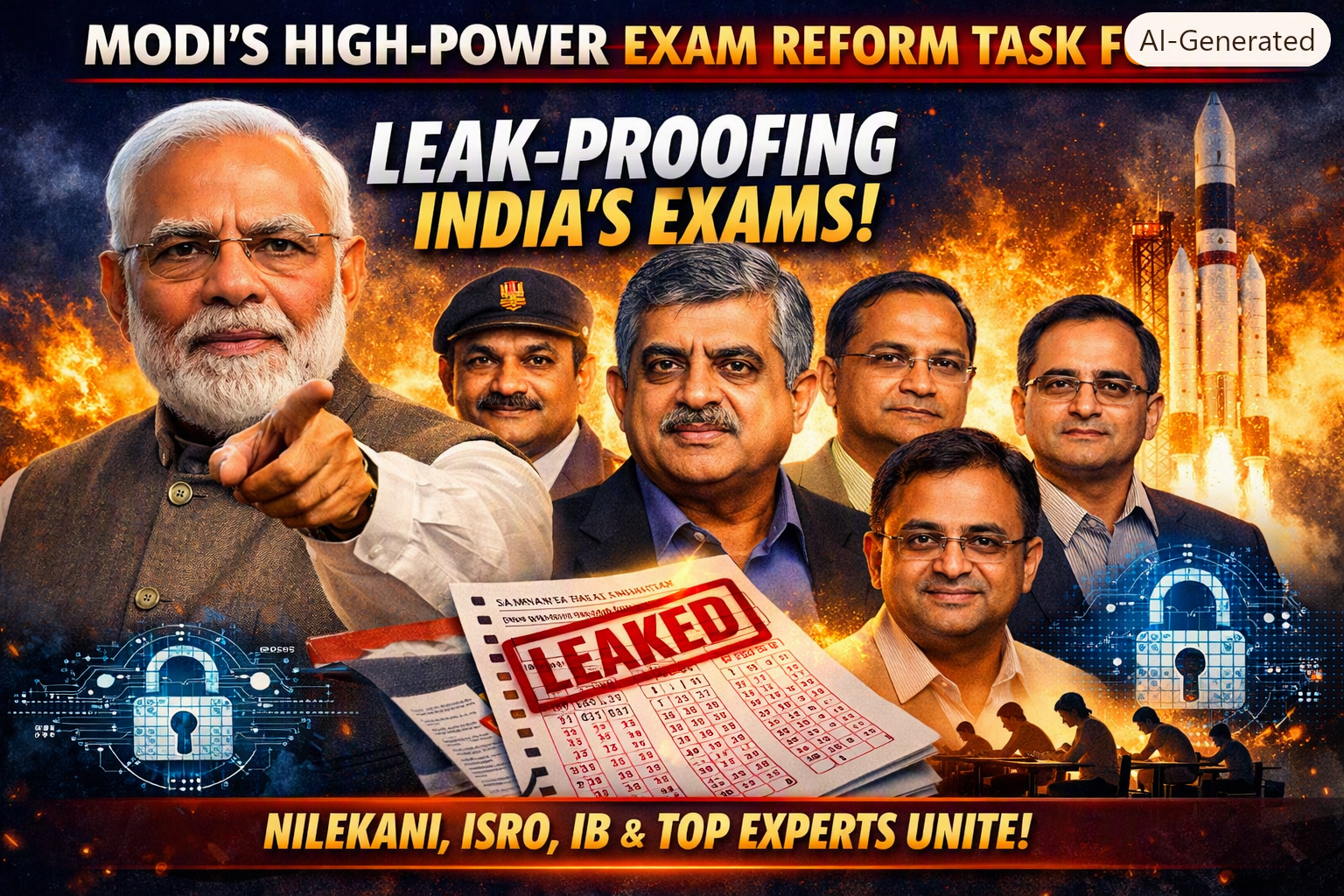
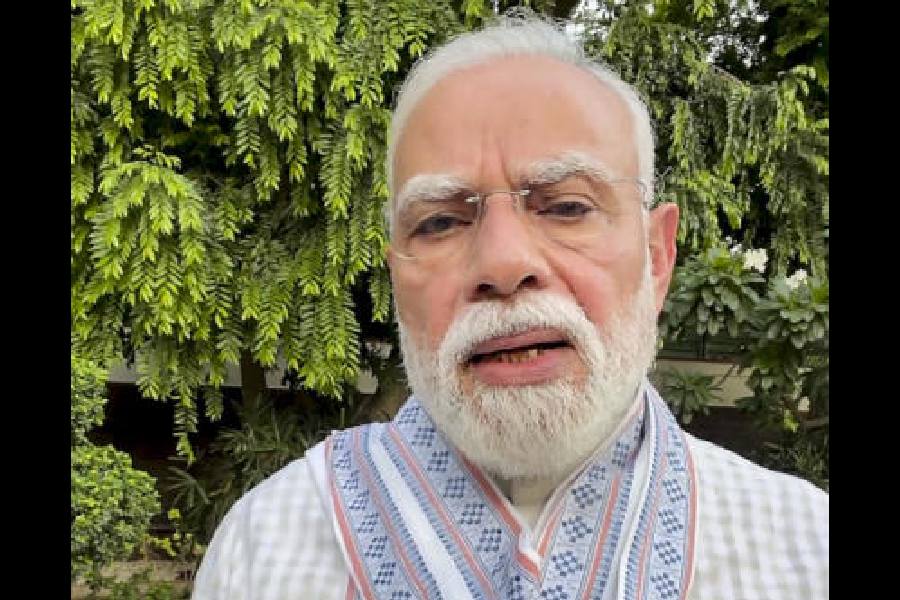
For days, the nation witnessed relentless protests demanding exam reforms. Finally, Prime Minister Narendra Modi broke the silence, not through traditional press conferences, but via direct, selfie‑style videos shot on a front camera. This fresh, personal communication style has struck a chord with millions, signaling a leader speaking straight to the people.
The Crisis That Shook India
Paper leaks, especially the NEET exam fiasco, have eroded public trust, wasted years of student preparation, and triggered nationwide outrage. With millions of careers at stake, the demand for a foolproof system has never been louder.
The Game‑Changing Announcement
Yesterday, PM Modi unveiled what is being called the biggest step in India’s education reforms:
A High‑Power Task Force dedicated to making exams leak‑proof.
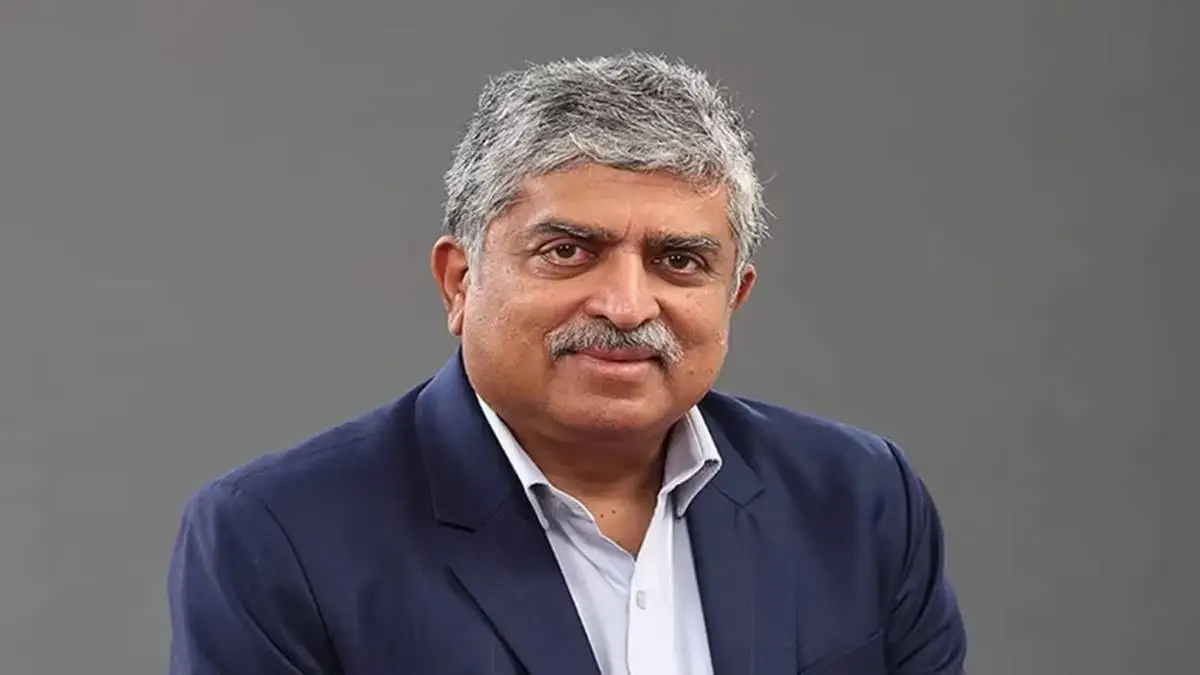
At its helm: Nandan Nilekani, Infosys co‑founder and the mastermind behind Aadhaar, India’s most ambitious digital identity project.
The vision: Just as Aadhaar transformed identity security, India’s exams will now be fortified with cutting‑edge technology.
Beyond Nilekani: The Titans of Reform
Apart from Nandan Nilekani, the government has roped in a diverse panel of heavyweights to strengthen the task force. The lineup includes:
S. Somanath, who previously led ISRO and brings unmatched expertise in space technology and mission security.
Tapan Deka, the former Intelligence Bureau chief, adding a sharp edge of national security and intelligence oversight.
V. Kamakoti, Director of IIT Madras, representing academic innovation and advanced research.
Anita Karwal, former Education Secretary, with deep insights into policy and institutional frameworks.
Amrit Lal Meena, a logistics specialist, tasked with streamlining the movement and safeguarding of exam materials.
Together, this cross‑disciplinary team blends technology, governance, security, education, and logistics, a rare mix designed to tackle India’s examination crisis from every angle.
Why Nilekani Matters?
Nilekani’s track record in building secure, scalable digital infrastructure makes him the perfect choice. His leadership promises:
Tech‑enabled governance reforms.
Cybersecurity safeguards.
Institutional accountability.
What This Means for Students
If successful, this task force could:
End the cycle of leaks, cancellations, and re‑exams.
Ensure fair competition for millions of aspirants.
Restore public confidence in India’s examination system.
Shah’s Strong Signal of Support
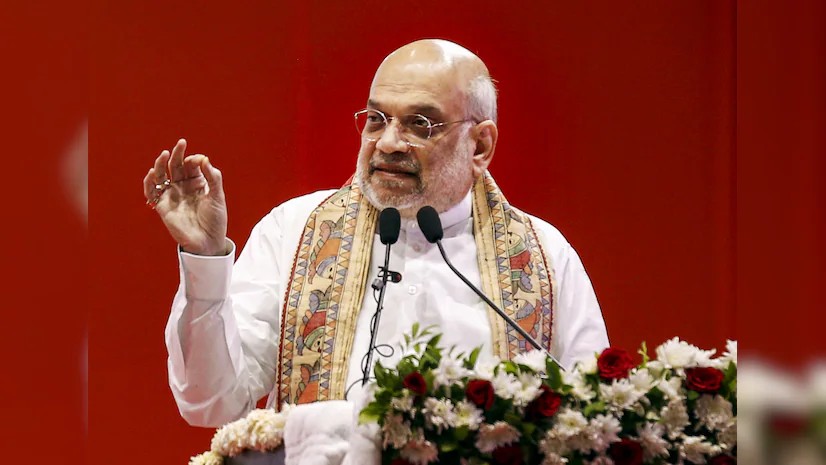
Late Saturday night, Union Home Minister Amit Shah, widely regarded as the government’s second‑in‑command, weighed in on the unfolding crisis. He emphasized that for BJP workers, the nation’s youth and students matter more than any position of power.
Pointing to Dharmendra Pradhan’s resignation, Shah described it as a reflection of this principle. He further underlined that the Modi government respects the emotions of young people and is determined to push through the reforms needed to end the menace of paper leaks.
Opposition Strikes Back
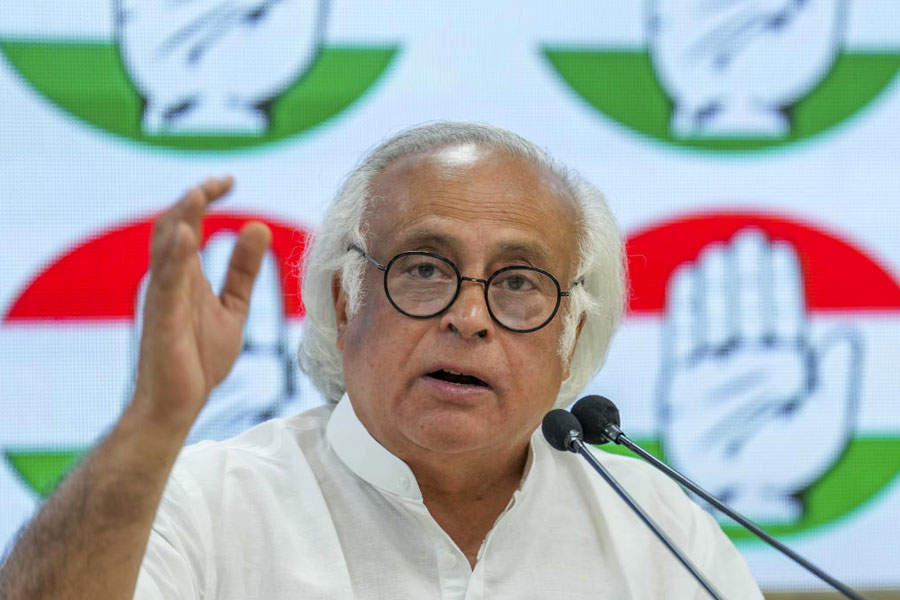
On Monday, the Congress party hit out at the Modi government, accusing it of using the newly announced high‑powered task force on examination reforms as a smokescreen to distract from its alleged mishandling of NEET‑UG and other exams. The party argued that the Centre has yet to act on the 101 recommendations of the K. Radhakrishnan Committee set up in 2024.
Senior leader Jairam Ramesh sharpened the attack by mocking Education Minister Pradhan’s video as “high‑level hawabaazi” and branding Modi’s announcement as nothing more than “high‑powered jumlebaazi.”
Technology Meets Education Reform
Modi’s announcement isn’t just about exams; it’s about rebuilding trust in India’s education system. With Nilekani at the helm, the government is betting big on technology to secure the future of millions of students.
Written by
Devansh KaulDiscussion (0)
Sign in to join the discussion.
Loading comments…