
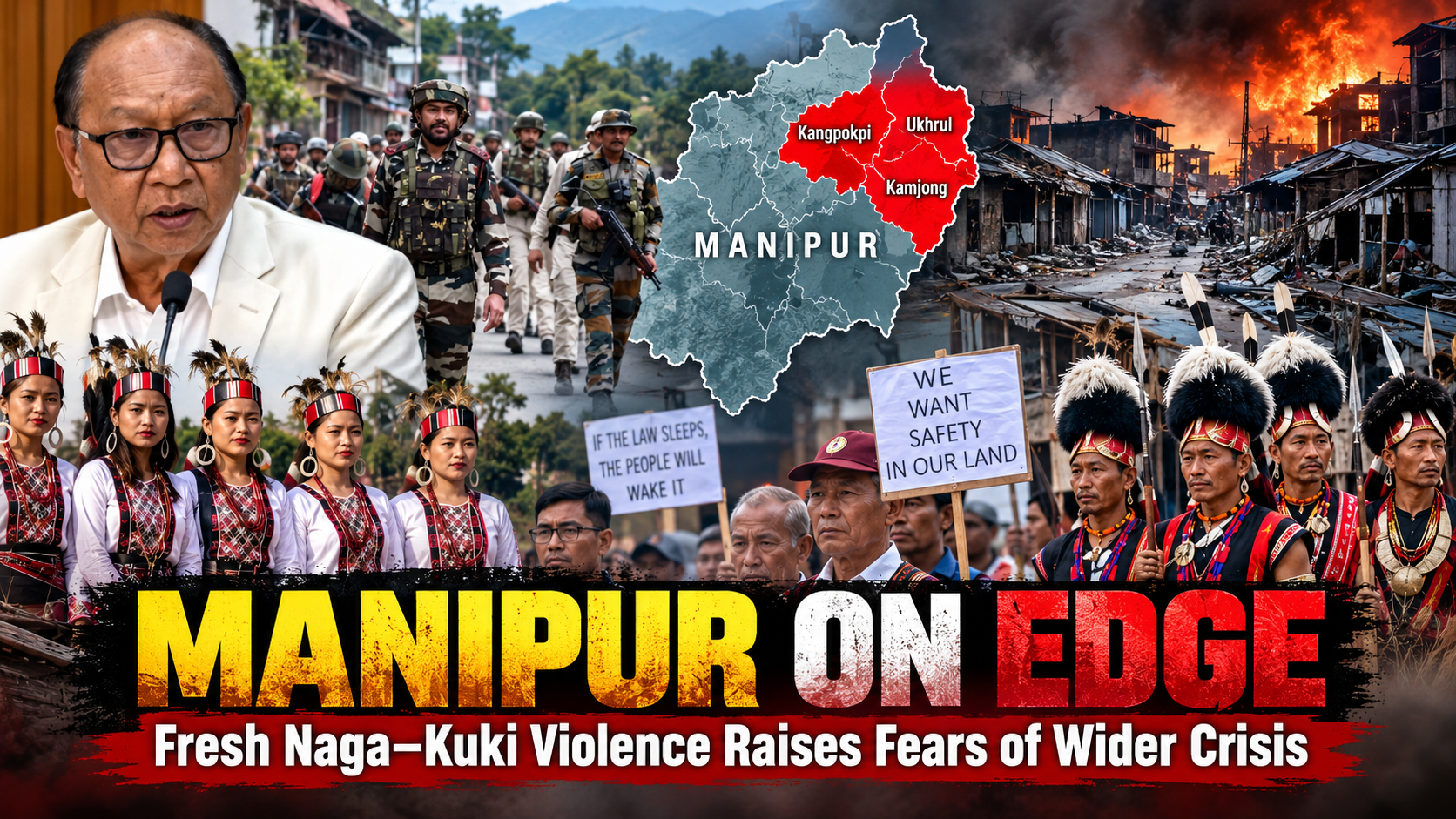
Just as Manipur was recovering from the devastating 2023 unrest, fresh clashes between Naga and Kuki communities have reignited security concerns, raising fears that the conflict could spread across the state's sensitive hill districts.
After years of unrest and bloodshed, Manipur once again finds itself at the center of a growing security crisis. While the scars of the devastating 2023 Meitei-Kuki clashes have yet to fully heal, a new wave of violence has erupted, this time between the Naga and Kuki communities.
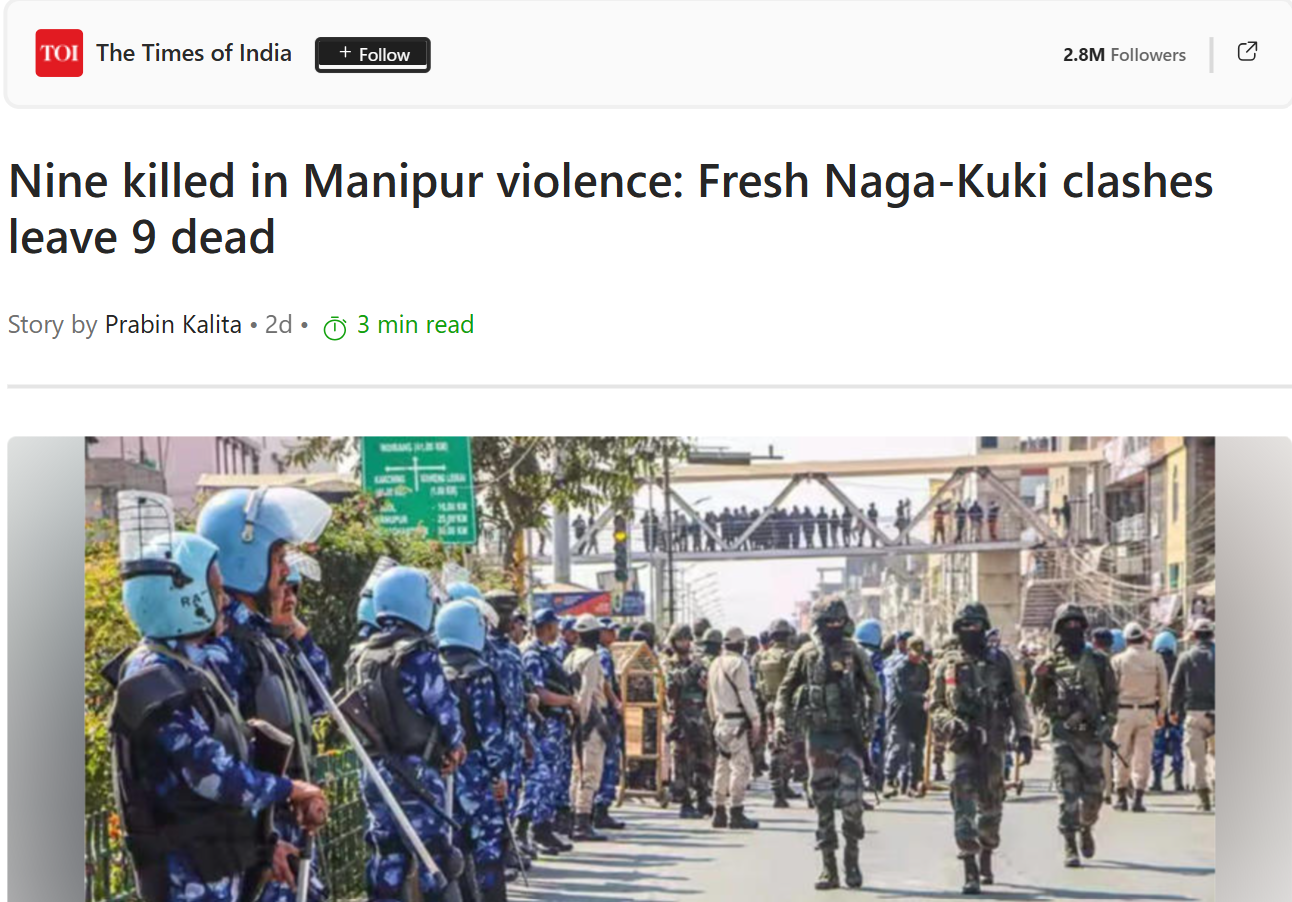
What began as a localized incident quickly spiralled into deadly confrontations across multiple districts, leaving nine people dead, homes and shops torched, and communities gripped by fear. The latest violence raises a troubling question: “Is Manipur heading toward another prolonged cycle of ethnic conflict?”
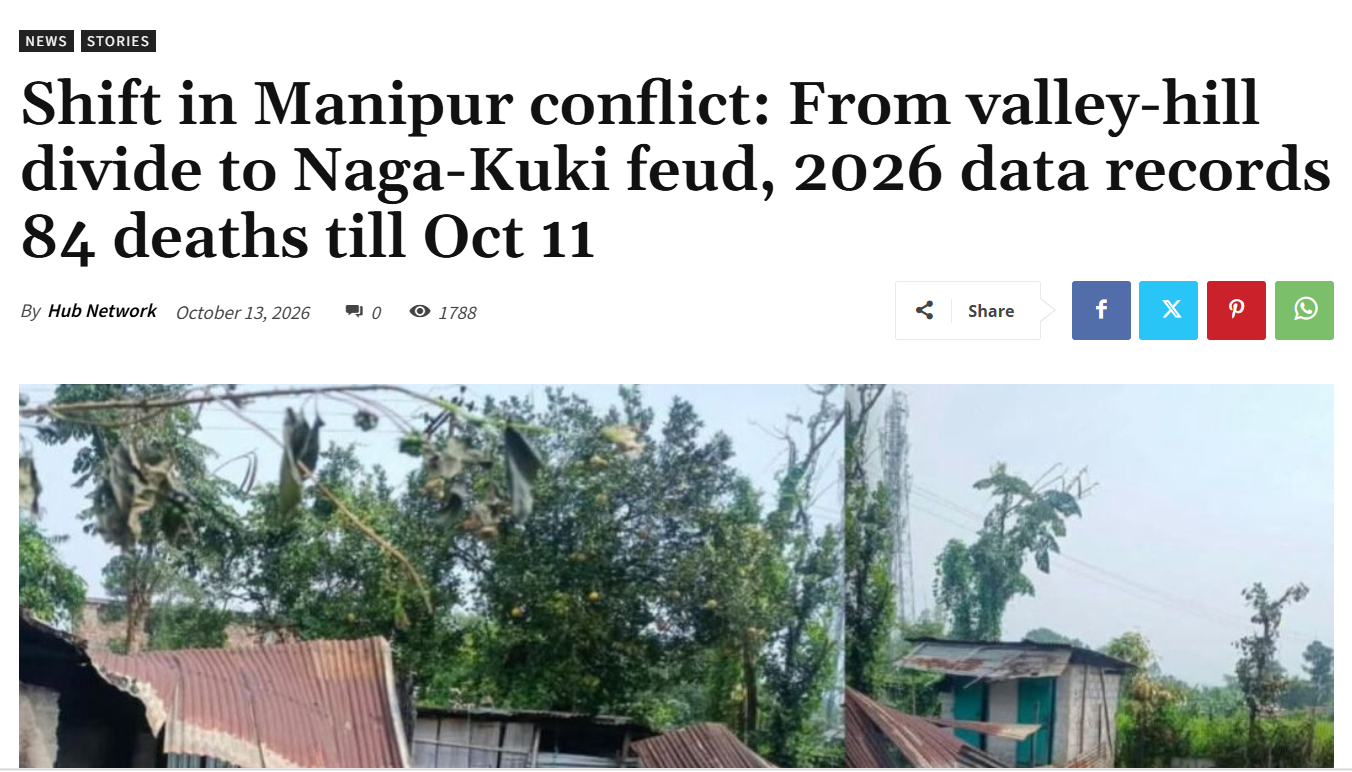
Manipur's conflict landscape appears to be entering a troubling new phase, with mixed hill districts emerging as key flashpoints in 2026. Between February 4 and October 11, the state recorded 84 conflict-related deaths, of which 73 were from the Naga and Kuki communities, highlighting the growing intensity of inter-community tensions.
What Happened? How a Local Incident Escalated Into Deadly Violence
The latest unrest reportedly began in Kamjong district, a sensitive hill region bordering Myanmar.
According to reports, security forces were conducting an operation to dismantle alleged illegal bunkers in the area. During the operation, a confrontation reportedly broke out involving security personnel, residents, and unidentified armed individuals.
Amid the chaos, a 42-year-old Kuki woman was killed by gunfire.
The violence erupted while Manipur Chief Minister was in New Delhi meeting Prime Minister Narendra Modi to discuss restoring peace and stability in the state, even as at least 14 houses were reportedly set ablaze.
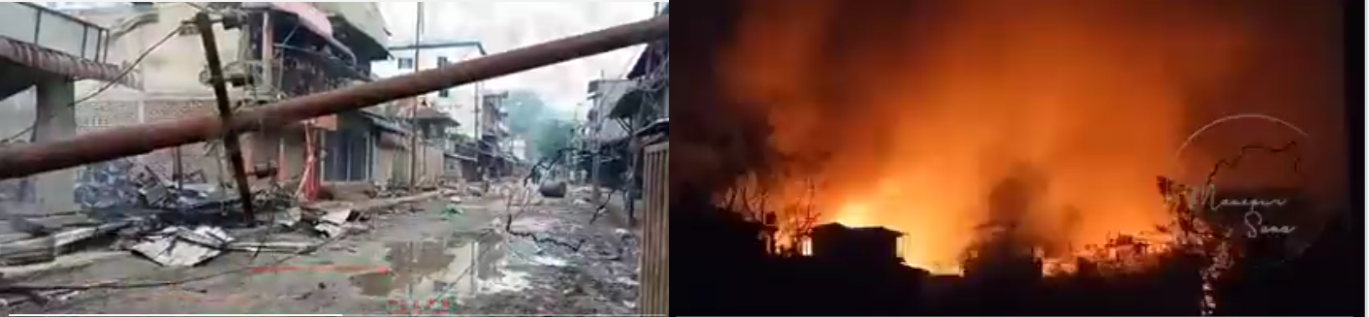
While investigations are still underway and responsibility remains unclear, this tragic death appears to have become the immediate trigger that intensified existing tensions. Within hours, retaliatory attacks, armed clashes, and incidents of arson began spreading across neighbouring districts.
The incident demonstrates a harsh reality often seen in ethnic conflicts: a single spark can ignite long-standing grievances that have accumulated over decades.
Nine Dead Across Three Districts in Less Than 24 Hours
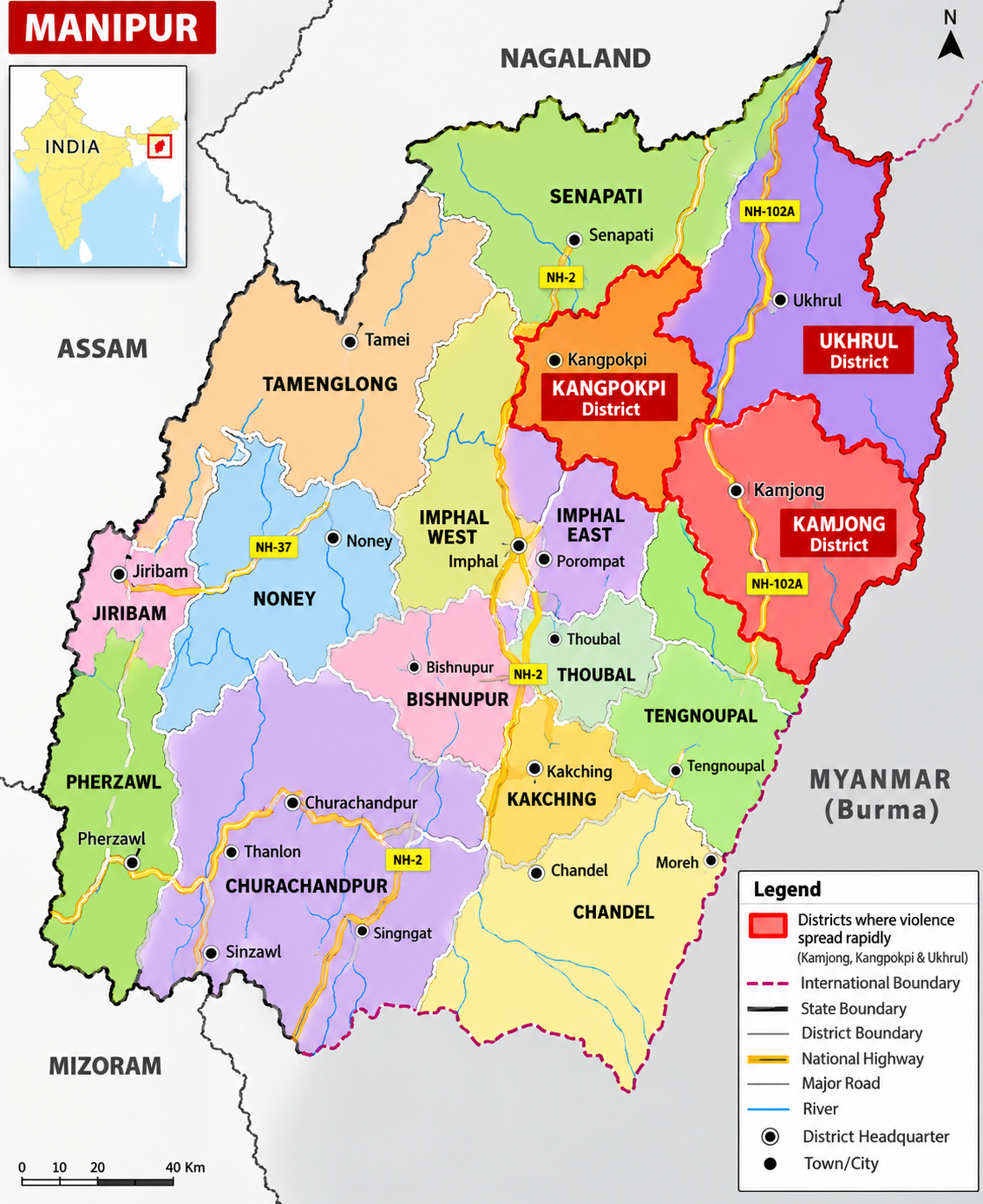
The violence spread rapidly across three hill districts of Manipur.
1. Kamjong District
The conflict initially intensified here in the Chassad area, where reports emerged of attacks involving armed groups. Violence resulted in fatalities and the burning of several houses and properties.
2. Kangpokpi District
Tensions soon spread into neighbouring Kangpokpi, a Kuki-Zo-majority district with several Naga settlements. Reports indicated attacks targeting local village defense volunteers, further escalating mistrust between communities.
3. Ukhrul District
The violence reached Ukhrul district as well. A civilian was reportedly killed in an ambush on National Highway 202 (NH-202), while blockades and disruptions along key transport routes further heightened instability in the region.
According to available reports, the nine victims include:
1. Six members of the Naga community
2. Two members of the Kuki community
3. One individual of Nepali origin
The rapid spread of violence across geographically separate districts highlights how fragile the security situation remains.
Why Manipur's Geography Makes the Crisis More Dangerous
Understanding Manipur's geography is crucial to understanding the conflict. The state is broadly divided into:
1. Imphal Valley, largely inhabited by the Meitei community
2. Hill districts, inhabited by various tribal groups, including Nagas, Kukis, and Zomi communities
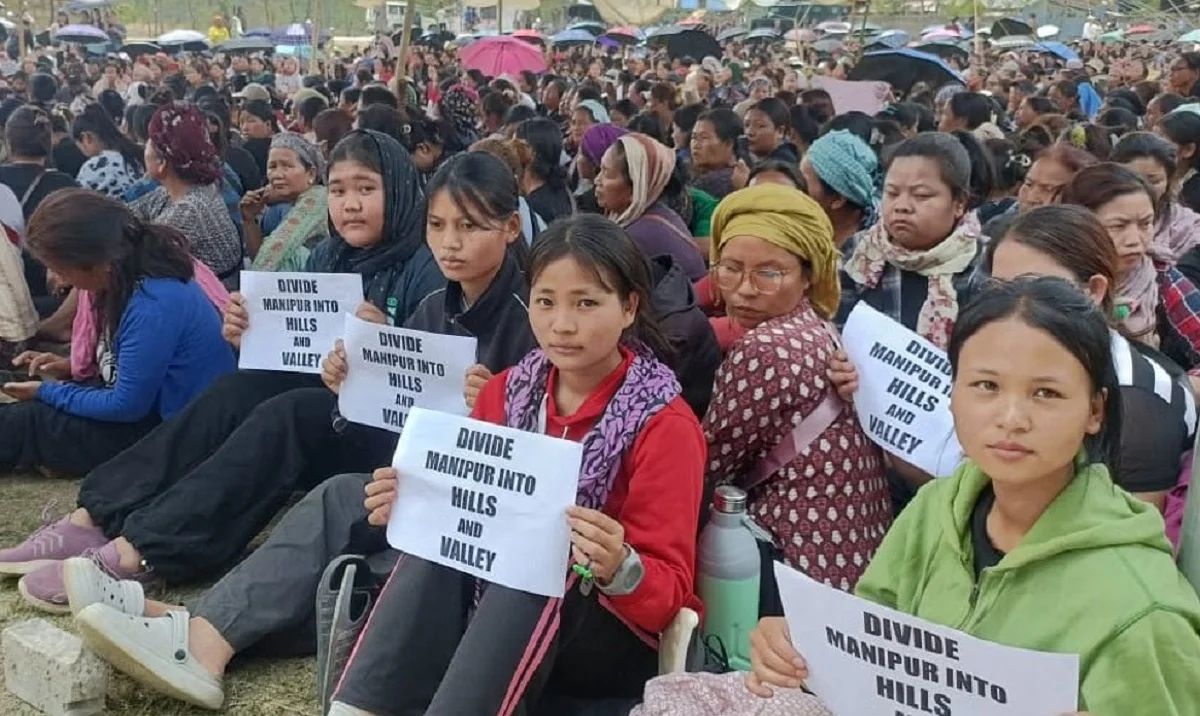
The latest clashes occurred primarily in the hill regions. These areas present unique challenges:
1. Difficult Terrain
Dense forests, mountains, and scattered settlements make security operations extremely difficult.
2. Border With Myanmar
Several affected districts lie close to the India-Myanmar border. Security agencies have long viewed this region as sensitive due to concerns over cross-border movement and the presence of armed groups.
3. Road Dependency
When violence erupts, highways and connecting roads are often blocked. This immediately impacts:
a) Food supplies
b) Fuel availability
c) Healthcare access
d) Economic activity
As a result, even localized clashes can affect thousands of civilians far from the actual conflict zones.
Who Are the Nagas and Kukis?
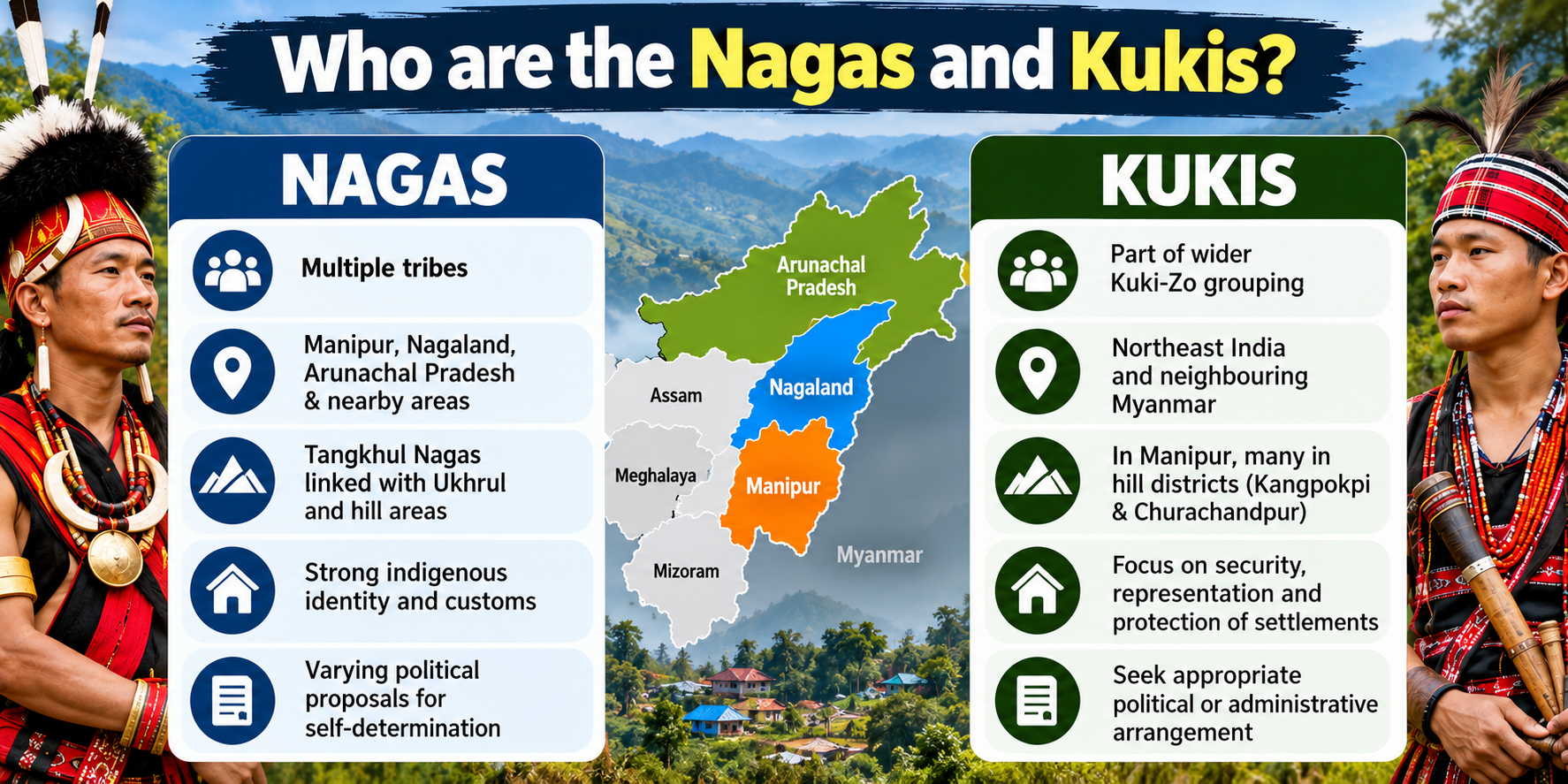
To understand the current tensions, it is important to examine the historical and political background of both communities.
The Naga Community
The Naga population is spread across:
a) Nagaland
b) Manipur
c) Arunachal Pradesh
d) Assam
e) Parts of Myanmar
Many Naga political movements have historically focused on issues such as:
a) Cultural identity
b) Traditional institutions
c) Ancestral territories
d) Greater autonomy and self-governance
Questions relating to land, borders, and political authority remain highly sensitive within Naga society.
The Kuki Community
The Kuki population is concentrated mainly in:
a) Manipur
b) Border regions of Myanmar
Key concerns frequently raised by Kuki groups include:
a) Protection of settlements
b) Security of ancestral lands
c) Political representation
d) Administrative arrangements and autonomy
As a result, land ownership, territorial claims, and political influence have become recurring points of friction.
The Historical Roots of Naga-Kuki Tensions
The current crisis did not emerge overnight. Relations between Naga and Kuki groups deteriorated significantly during the early 1990s.

At the center of many disputes are competing claims involving:
1. Ancestral territories
2. Historical settlements
3. Traditional governance rights
4. Administrative control over specific regions
Each community often interprets historical rights and territorial claims differently, making compromise difficult.
Although periods of relative calm followed, underlying grievances never entirely disappeared.
Why This Violence Is Different From the 2023 Crisis
The devastating violence that rocked Manipur in 2023 was primarily centered on tensions between the Meitei and Kuki communities. The latest unrest introduces a potentially dangerous new dimension.
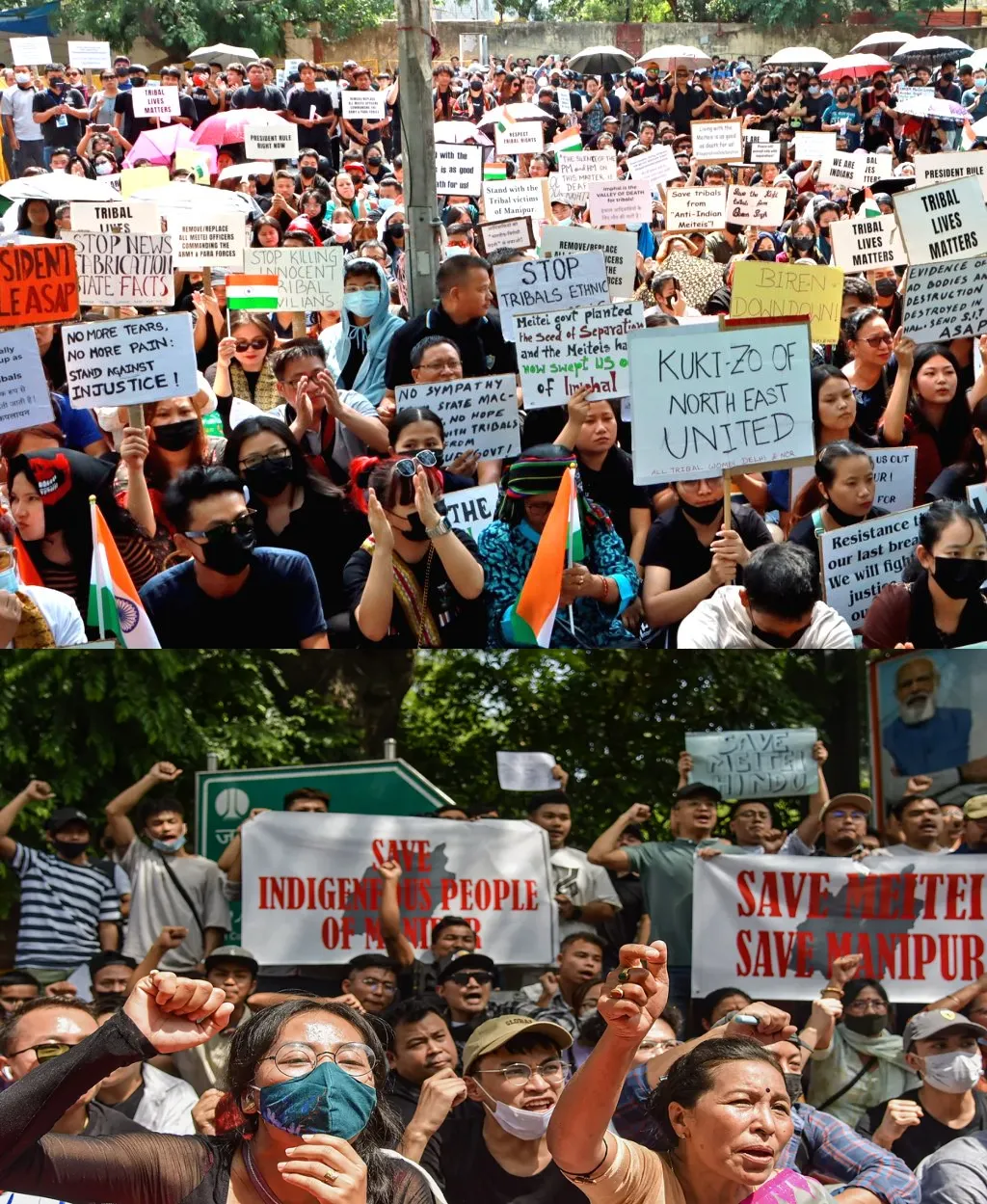
Instead of involving only two communities, the conflict now risks drawing additional ethnic groups into the crisis. Security experts fear that if Naga-Kuki tensions escalate further:
1. Existing fault lines could deepen
2. More districts could become involved
3. Community polarization could worsen
4. Peace-building efforts undertaken since 2023 could suffer major setbacks
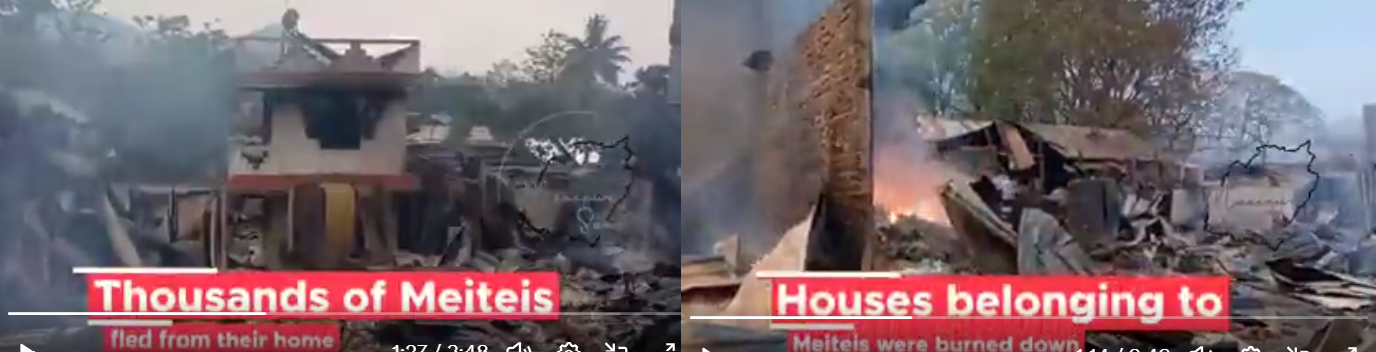
In short, Manipur's ethnic landscape could become even more fragmented.
A Disturbing Incident Intensifies Emotions
One of the most disturbing allegations emerging from the violence involves the killing of a 52-year-old Ajinbou R, a Naga community member.
According to reports, community organizations have alleged that the victim's severed head was taken away after the attack. The allegation has triggered outrage across Naga civil society groups.
A joint tribal council representing several Naga organizations reportedly issued an ultimatum of 48hours demanding the return of the remains before funeral and postmortem procedures could proceed.
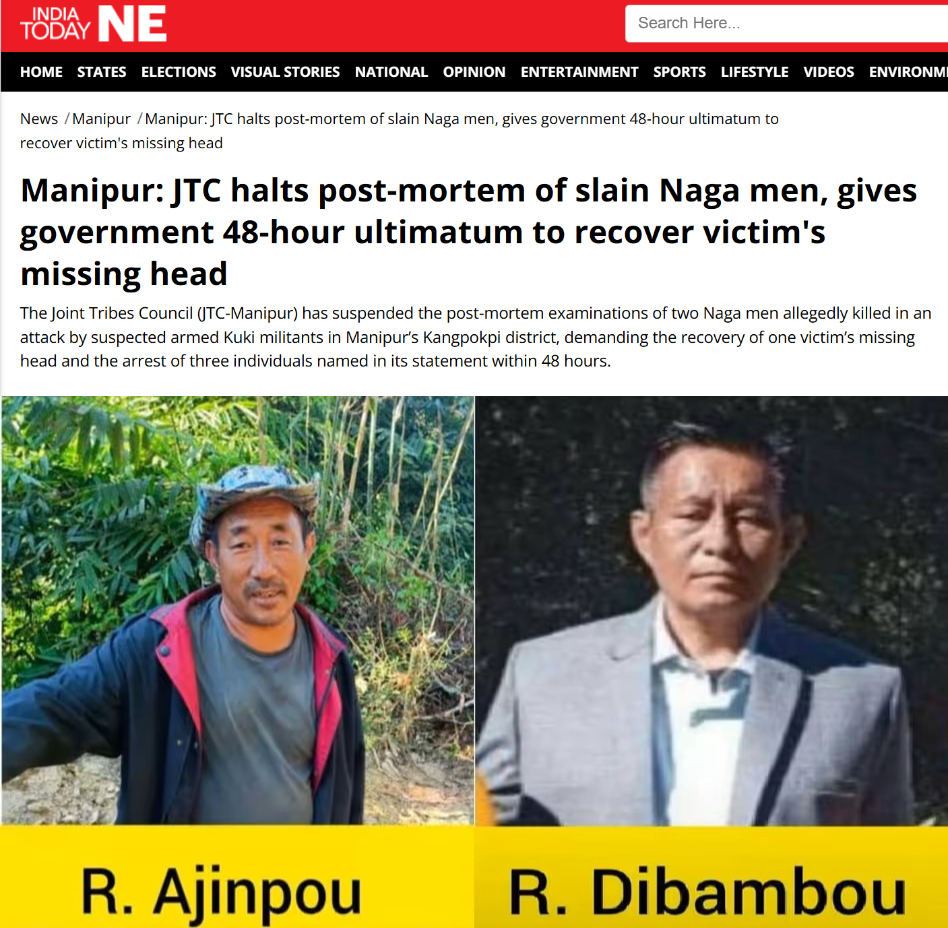
Even if investigations are still ongoing, the emotional impact of such allegations has significantly raised tensions on the ground.
⚠️ Who Is the Joint Tribes Council (JTC) and Why Does It Matter?
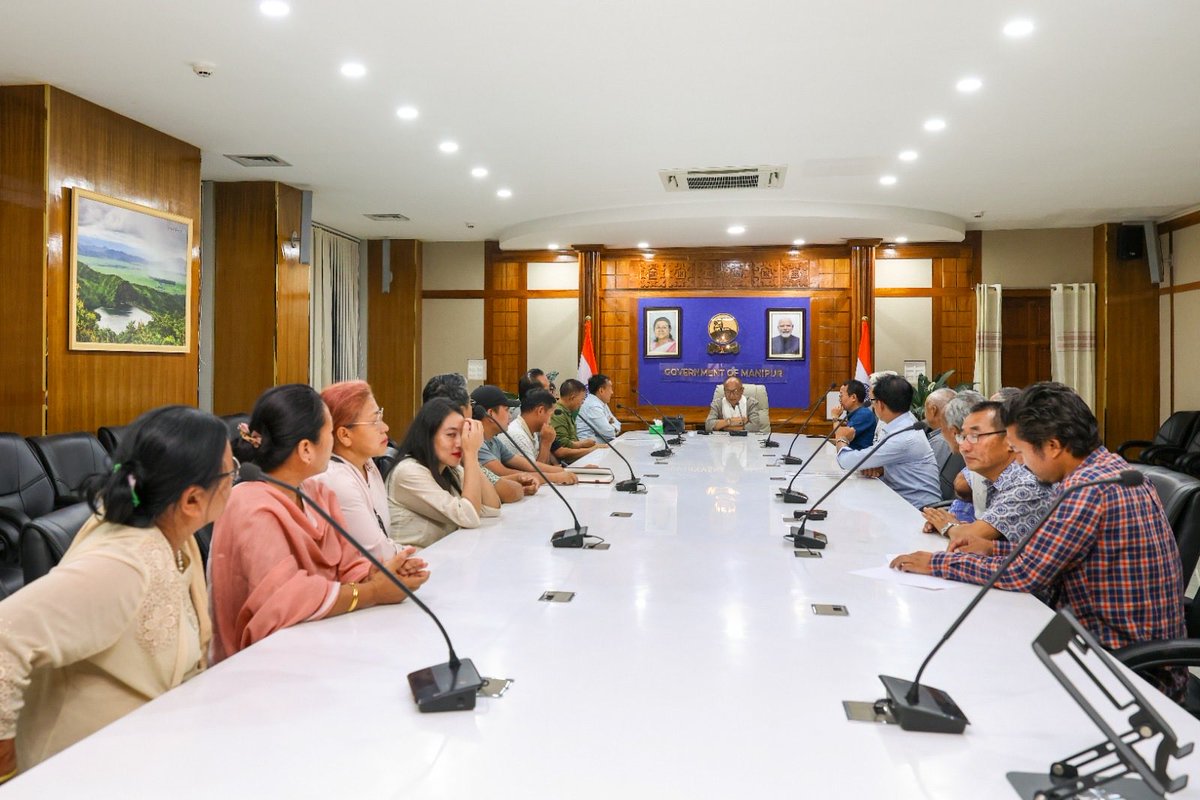
The Joint Tribes Council (JTC), Manipur is a Naga civil society body representing four communities: Inpui, Liangmai, Rongmei, and Zeme. Acting as a collective voice for these groups, the council advocates on issues related to security, community rights, and the protection of Naga interests. Amid the latest violence, the JTC has emerged as a key stakeholder shaping community responses and demands for justice.
Government Response: Can Peace Be Restored?
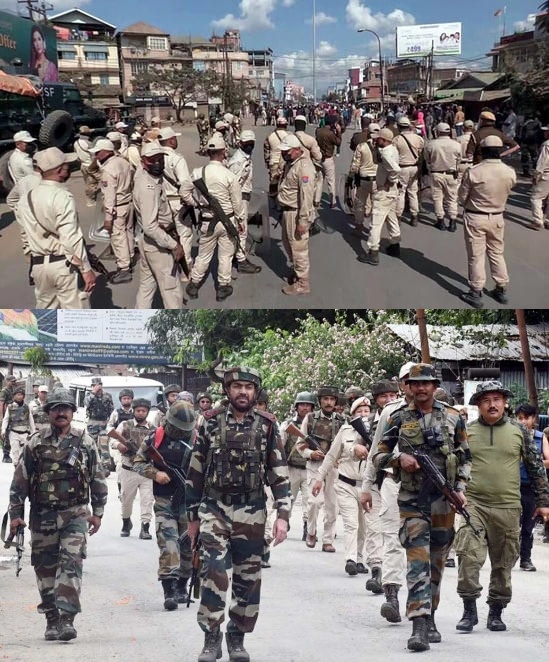
Following the outbreak, state authorities emphasized the need to maintain calm and prevent further escalation.
The central government has also signalled support for efforts aimed at restoring law and order, strengthening security measures, and ensuring that violence does not spread further.
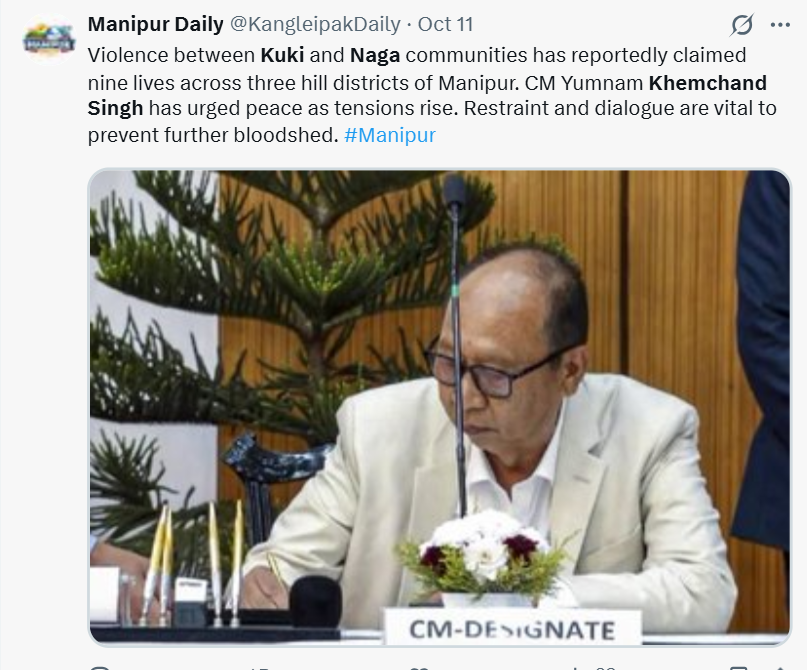
Encouragingly, there have been no major reports of fresh large-scale clashes at present. However, the situation remains highly sensitive.
🚨 Political Pressure Mounts Amid Rising Ethnic Violence
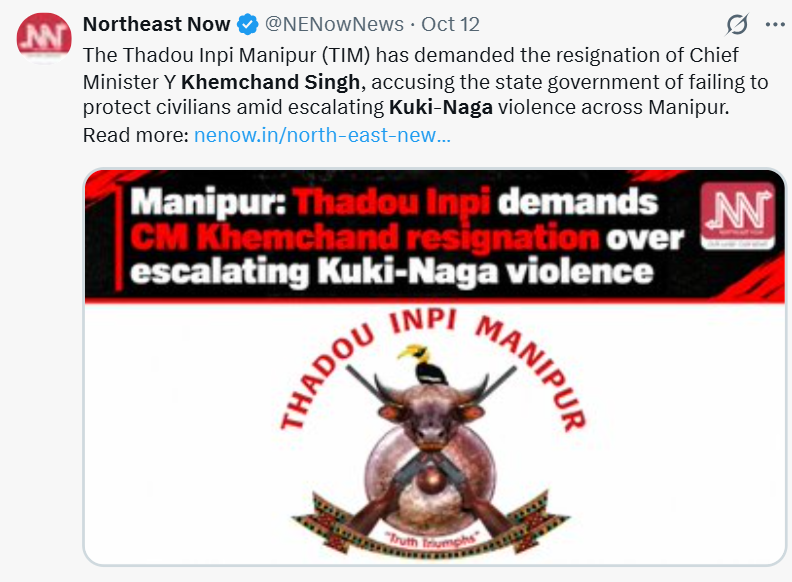
As Naga-Kuki tensions intensify across Manipur, the Thadou Inpi Manipur (TIM) has called for Chief Minister N. Biren Singh's resignation, accusing the state government of failing to adequately protect civilians and restore law and order during the escalating unrest.
🏞️ Land Disputes at the Heart of the Conflict
In a recent interview, former Manipur Chief Minister N. Biren Singh suggested that long-standing disputes over land ownership and territorial rights in the hill areas remain one of the key factors contributing to recurring ethnic tensions and conflict in the state.

The Bigger Question: Can Manipur Break the Cycle of Violence?
The recent bloodshed serves as a stark reminder that Manipur's challenges go far beyond individual incidents.
Ethnic tensions, historical grievances, territorial disputes, security concerns, and cross-border complexities continue to create a volatile environment where even a single triggering event can produce devastating consequences.
If peace is to become sustainable, simply controlling violence will not be enough. Long-term dialogue, trust-building between communities, stronger governance, and meaningful conflict resolution mechanisms will be essential.
The coming weeks may determine whether this latest clash remains a localized tragedy or develops into another chapter of prolonged unrest.
🧭 Looking Ahead
Manipur's latest Naga-Kuki violence is more than just another security incident. It is a warning that unresolved ethnic tensions can quickly reignite, even when peace appears to be returning. The challenge now is preventing retaliation, restoring trust, and ensuring that Manipur does not slide back into a broader conflict.
🔔 Stay Informed. Stay Ahead.
Geopolitical developments, internal security challenges, and regional conflicts often have consequences far beyond their immediate locations.
👉Follow our blog for in-depth analysis of India's security, geopolitics, diplomacy, and emerging national challenges.
👉Share this article and join the discussion: Can lasting peace be achieved in Manipur, or is the state facing another dangerous turning point?
Written by
Samar PrakashDiscussion (0)
Sign in to join the discussion.
Loading comments…