From Global Human Rights Battles to Geopolitical Controversies, the Story Behind Navanethem “Navi” Pillay’s Nobel Peace Prize Victory
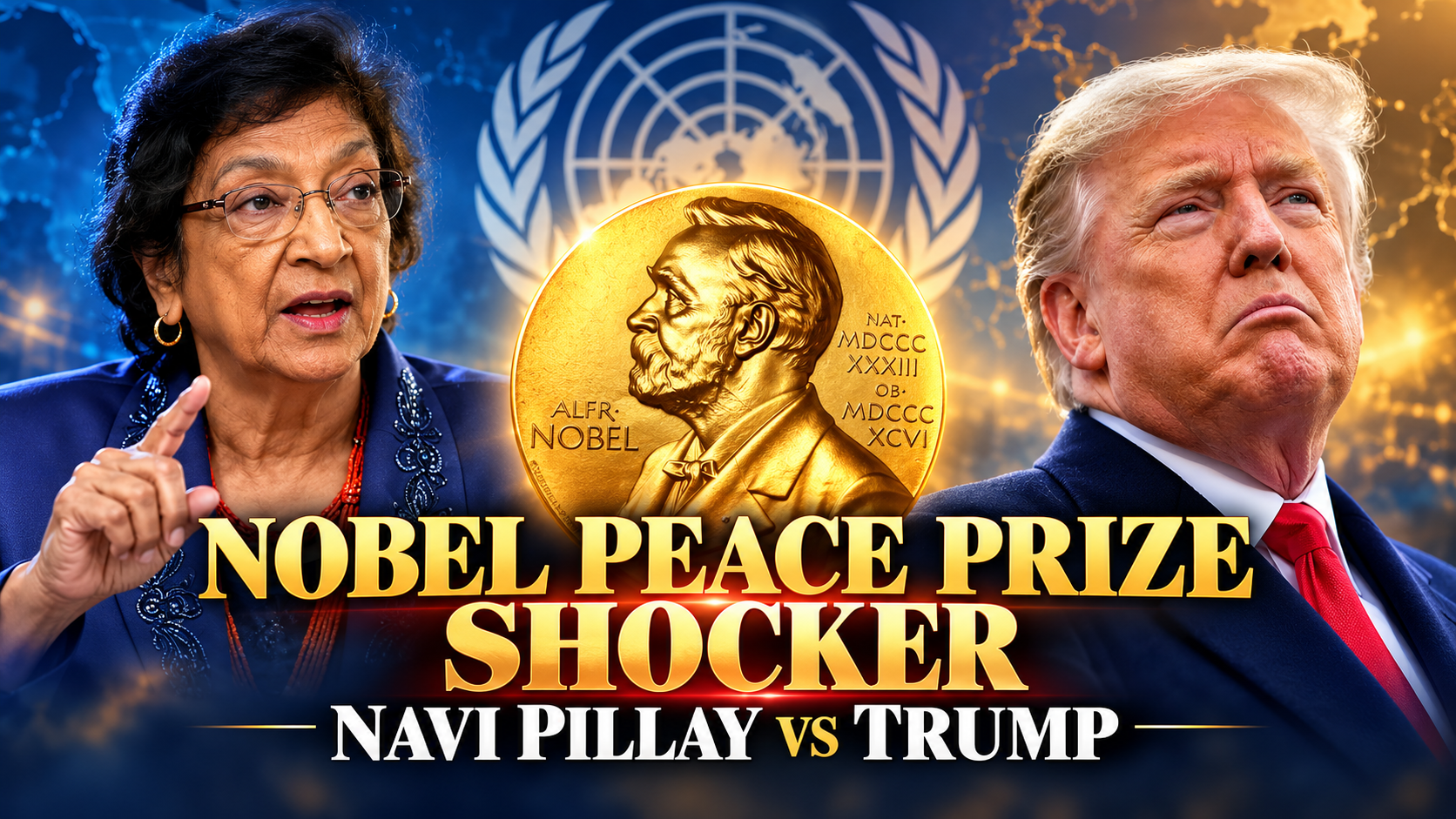
The announcement of the Nobel Peace Prize has once again triggered global debate. But this time, the spotlight is not just on the winner. It is also on the person who did not win.
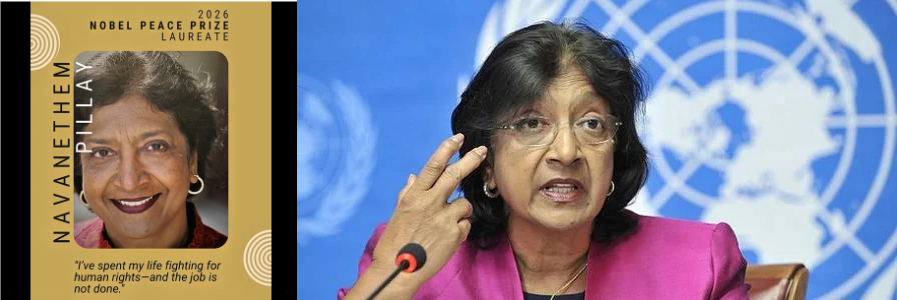
For the last few years, former US President Donald Trump and several of his supporters have openly argued that he deserved the Nobel Peace Prize for his role in various international diplomatic efforts. Yet, when the Nobel Committee revealed its choice, the prize went instead to an Indian-origin human rights champion, Navanethem "Navi" Pillay.
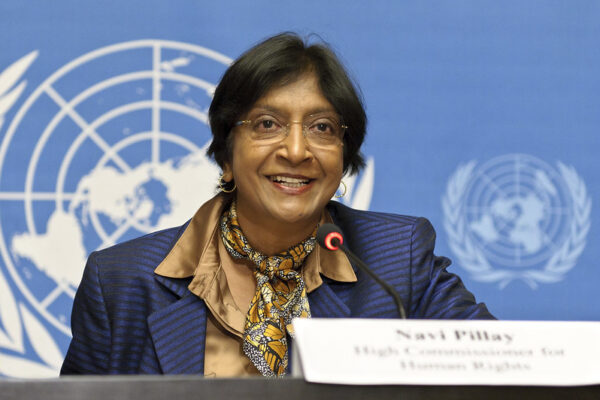
The decision immediately sparked discussions across political circles, media platforms, and social media. Who is Navi Pillay? Why was she selected? Why are some governments and political groups unhappy with the decision? And why has the achievement of an Indian-origin Nobel laureate not generated the kind of celebration seen in previous cases? Let's decode the complete story.
India's Nobel Legacy: A Proud but Limited Club
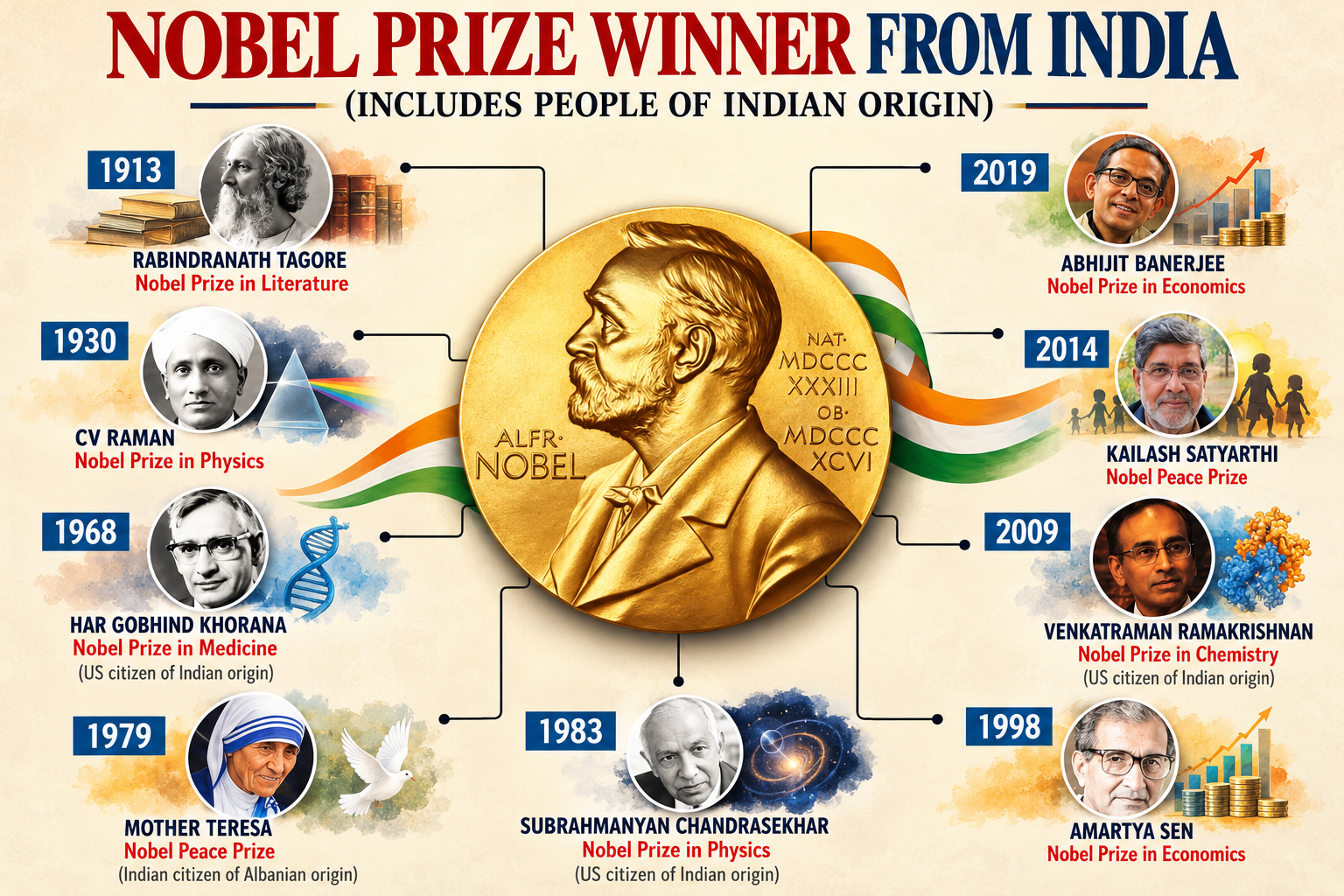
Whenever Nobel Prize winners of Indian origin are discussed, names such as:
1. Rabindranath Tagore
2. C.V. Raman
3. Mother Teresa
4. Amartya Sen
5. Abhijit Banerjee
6. Har Gobind Khorana
7. Subrahmanyan Chandrasekhar
often come to mind.
Some were Indian citizens when they received the award, while others had later acquired foreign citizenship. Yet India has consistently celebrated their achievements because of their Indian roots and contributions to humanity.
Whether it is economists, scientists, authors, or researchers, India has proudly embraced global achievers of Indian origin.
That is why the Nobel Peace Prize awarded to Navi Pillay naturally raises an important question: “Why has this recognition not generated the same level of public enthusiasm?”
👩⚖️ Who Is Navanethem "Navi" Pillay?
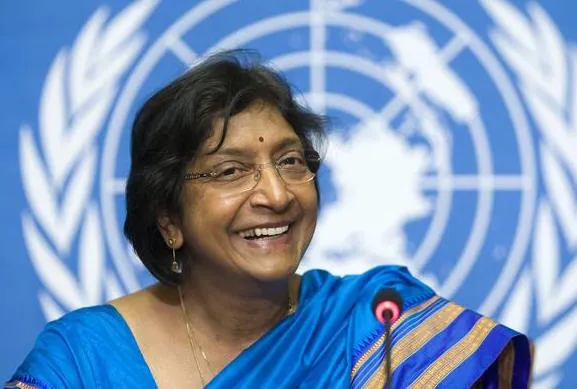
Many people had never heard her name before the Nobel announcement. However, Navi Pillay has spent decades working at the highest levels of international law, human rights, and global justice.
Born in South Africa in 1941, Pillay comes from a family of Indian-origin Tamils whose ancestors were taken from Tamil Nadu to South Africa during the British colonial era.
Although she was born in South Africa, her family roots trace back to India, making her one of the most prominent global personalities of Indian descent.
Her career spans some of the most significant human rights battles of modern history.
⚖️ Fighting Apartheid and Defending Human Rights
Pillay began her career as a lawyer during one of South Africa's darkest periods: the apartheid era.
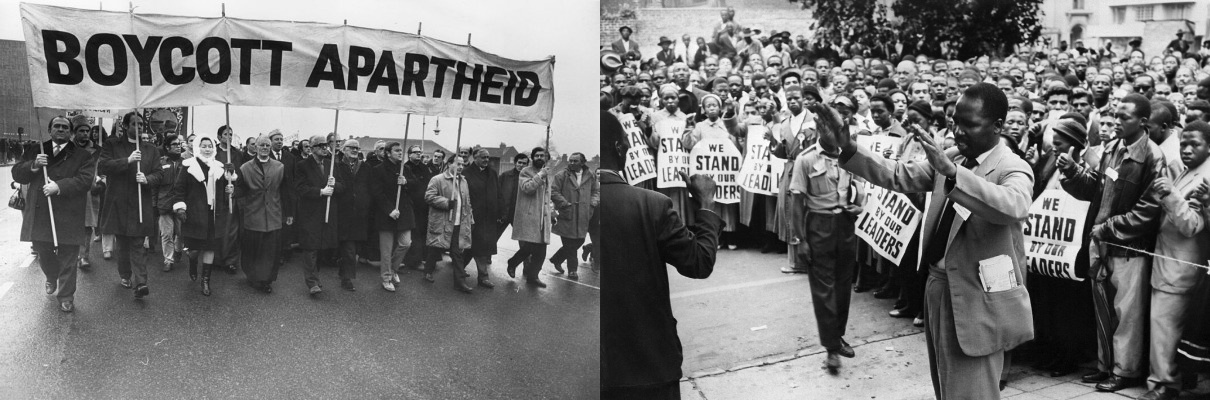
At a time when racial discrimination was institutionalized, she defended activists and political prisoners fighting for equal rights. She became a respected legal figure in the broader anti-apartheid movement, closely tied to the struggles led by Nelson Mandela and many human rights activists.
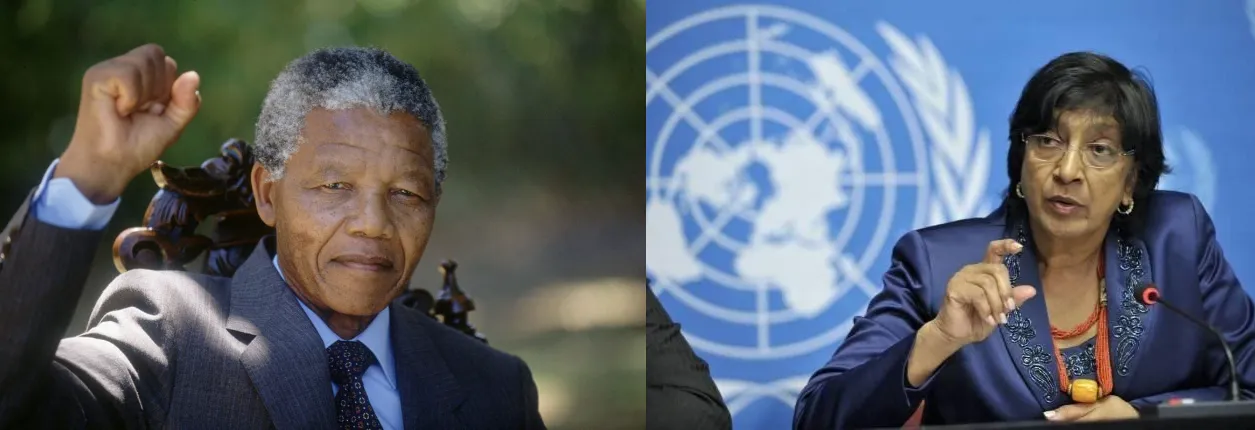
Her legal work quickly gained international recognition.
🌍 The Rwanda Genocide Cases That Changed Her Career
One of the defining moments of Pillay's career came after the 1994 Rwanda genocide. The conflict led to the deaths of hundreds of thousands of people and remains one of the worst humanitarian catastrophes of the modern era.
Pillay was appointed as a judge of the International Criminal Tribunal for Rwanda (ICTR), established by the United Nations to investigate atrocities and prosecute those responsible for the genocide.
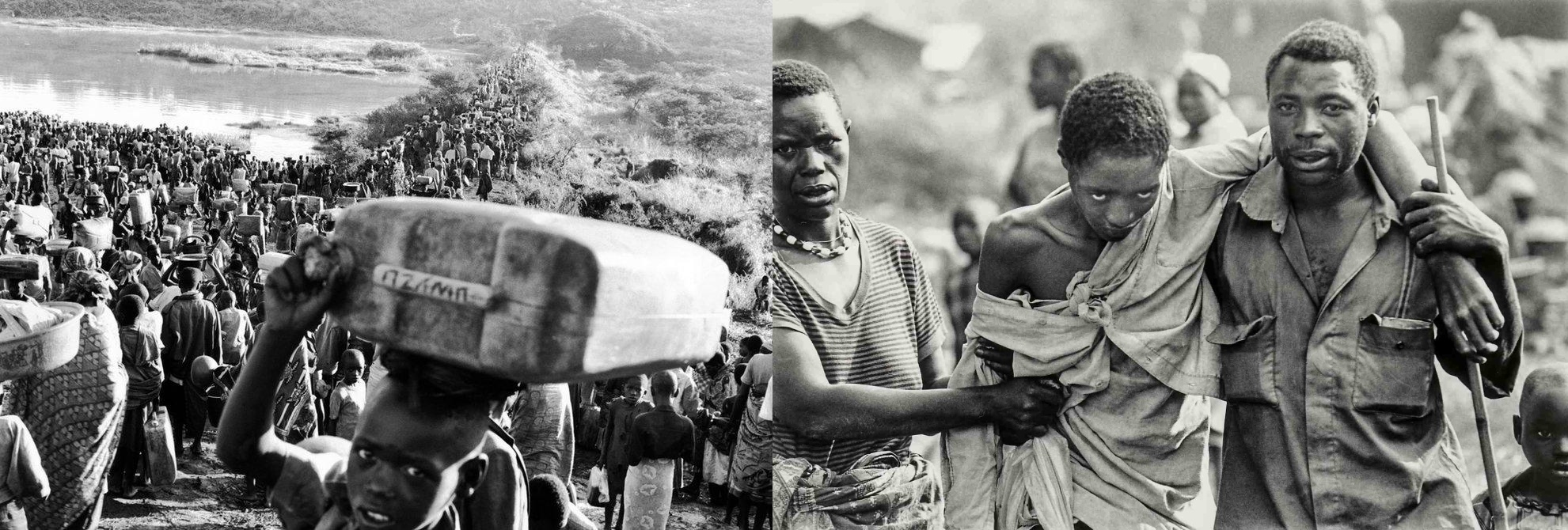
Her work helped strengthen international legal accountability and justice mechanisms for war crimes and crimes against humanity. This role transformed her into a globally respected voice on international justice.
🏛️ From International Judge to UN Human Rights Chief
Pillay's rise did not stop there. She later served as a judge at the International Criminal Court (ICC) in The Hague, one of the world's most influential judicial institutions.
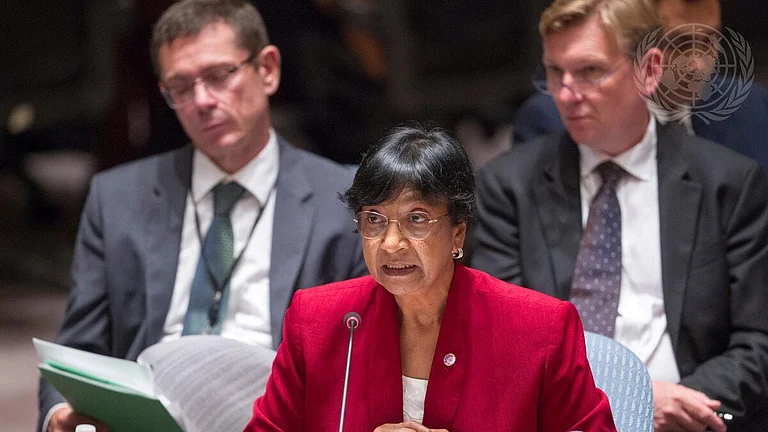
From 2008 to 2014, she served as the United Nations High Commissioner for Human Rights, one of the most powerful human rights positions globally. During her tenure, she frequently spoke out against:
1. Human rights abuses
2. Political repression
3. Discrimination
4. War crimes
5. Civilian suffering during armed conflicts
Supporters praised her consistency and independence. Critics, including some governments, pro-Israel advocacy groups, legal commentators, and political figures who disagreed with her positions on Israel-related investigations, accused her of being overly critical of powerful states while selectively focusing on certain conflicts.
🔥 The Gaza Investigation That Changed Everything
The biggest controversy surrounding Pillay emerged in recent years due to her involvement in investigations related to the Israel-Gaza conflict.
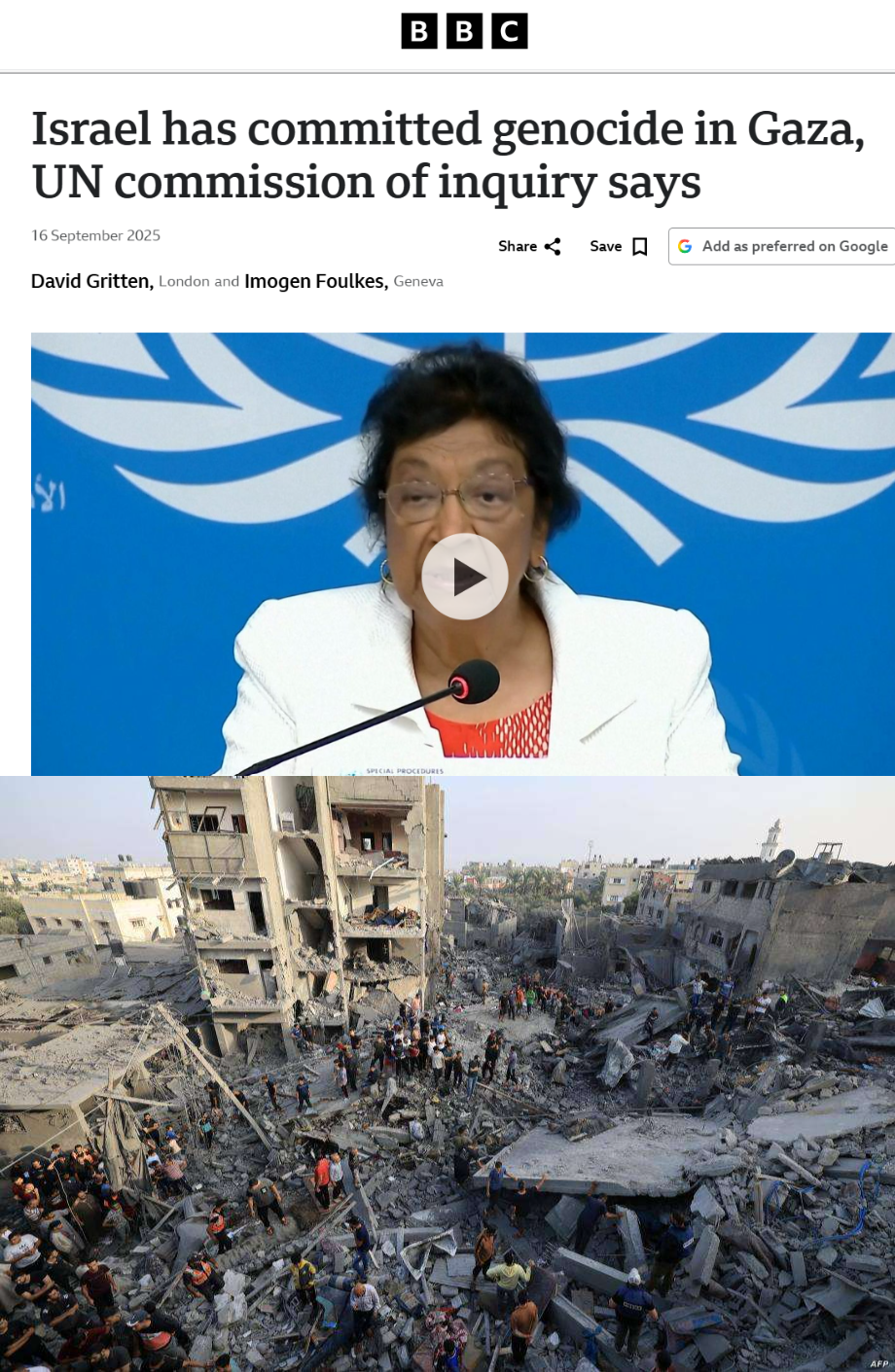
She became associated with international inquiries examining allegations of violations of international humanitarian law during the conflict. Reports and findings linked to these investigations led to strong reactions across the political spectrum.
Supporters argued that accountability should apply to every nation equally, regardless of geopolitical influence. Israeli officials, pro-Israel groups, and some international commentators argued that certain UN-backed investigations focused disproportionately on Israel compared with other global conflicts.
As a result, Pillay became a highly polarizing figure in global politics. And this controversy is central to understanding the reaction to her Nobel Peace Prize victory.
Trump's Nobel Peace Prize Obsession
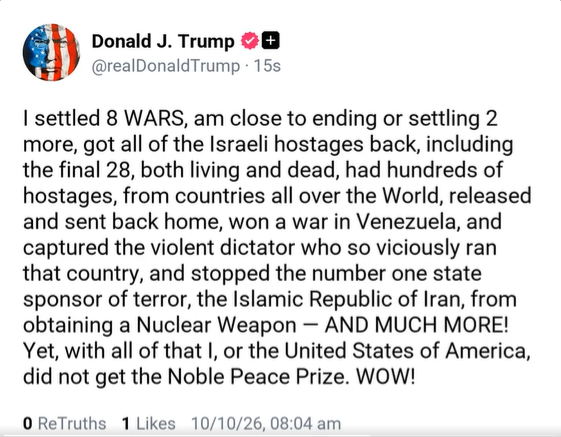
While Pillay's supporters celebrated her decades of human rights work, another story was unfolding simultaneously.
Donald Trump has repeatedly argued that he deserved the Nobel Peace Prize. Over the years, Trump and his supporters have pointed to several foreign-policy initiatives as evidence of his peace-making efforts:
1. Diplomatic Initiatives
Example: Trump frequently cited his 2018 summit with North Korean leader Kim Jong Un, the first-ever meeting between a sitting U.S. president and a North Korean leader, as a major diplomatic breakthrough.
2. Middle East Agreements
Example: Supporters often highlight the Abraham Accords, a series of U.S.-brokered agreements that normalized relations between Israel and several Arab states, including the United Arab Emirates and Bahrain in 2020.
3. Conflict Mediation Efforts
Example: Trump pointed to U.S.-facilitated talks between Serbia and Kosovo that resulted in a 2020 economic normalization agreement after years of strained relations between the two sides.
4. International Negotiations
Example: Trump's administration negotiated the 2020 Doha Agreement with the Taliban, which was presented as a step toward ending the long-running war in Afghanistan and launching broader peace talks.
Trump frequently pointed to these diplomatic and geopolitical initiatives as key reasons why he believed he deserved the Nobel Peace Prize.
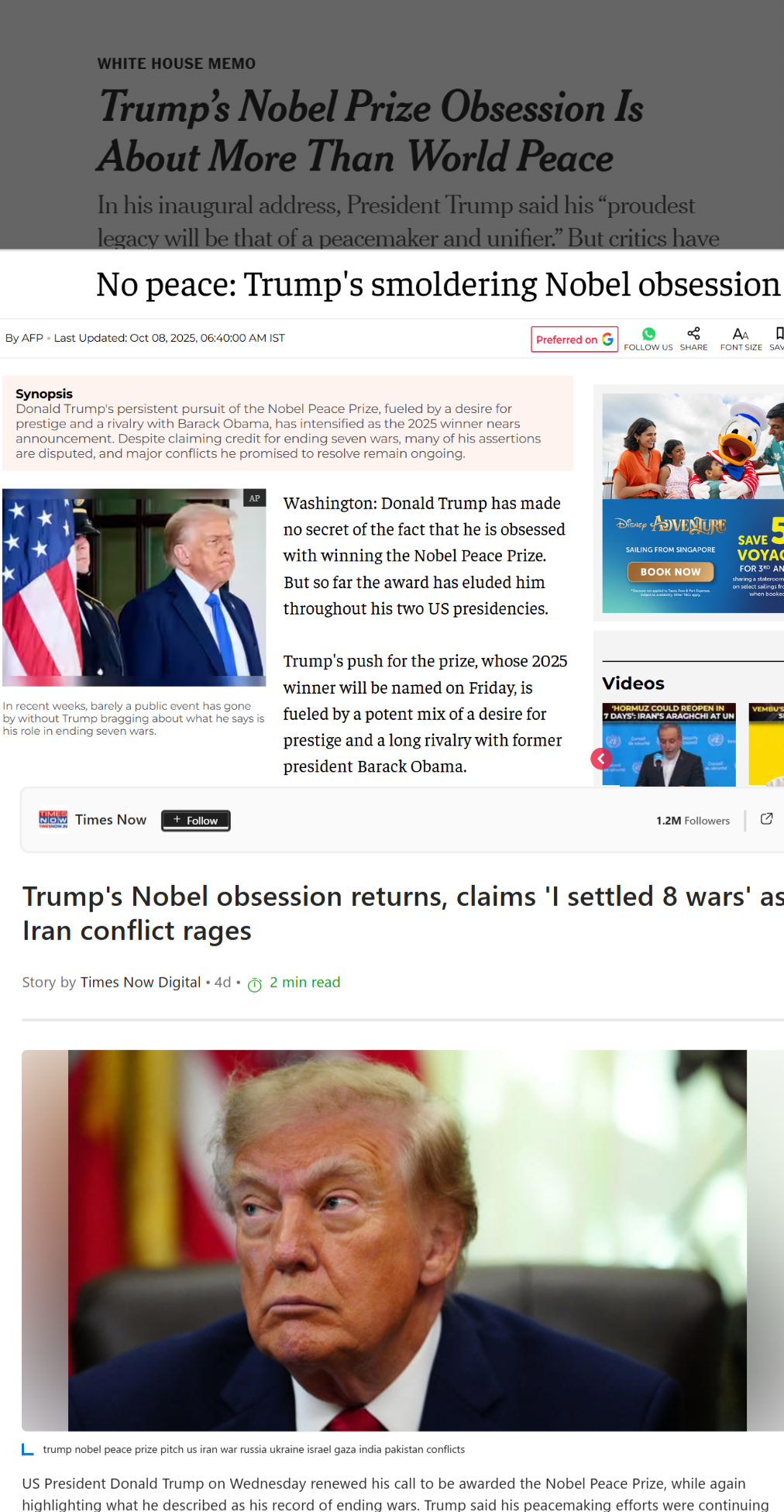
Several political allies and foreign supporters publicly backed such demands.
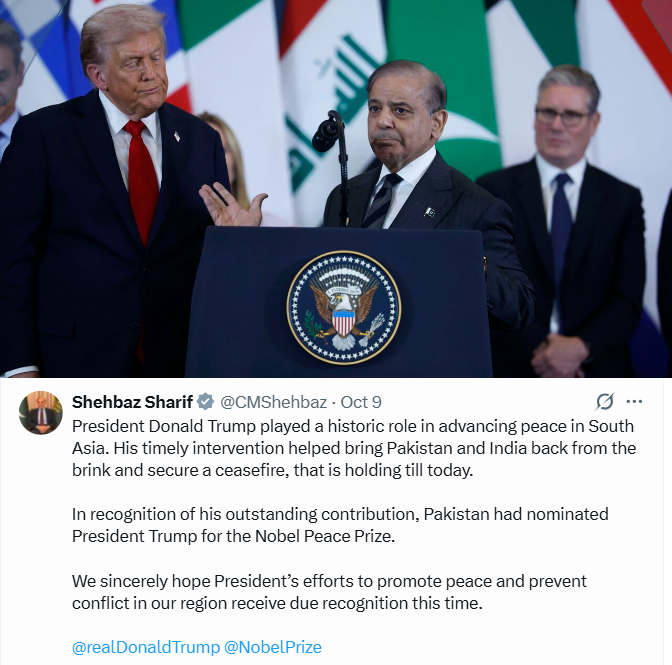
However, despite multiple nominations and recurring discussions, the Nobel Committee never selected him.
This year's decision therefore carried symbolic significance. Many observers immediately interpreted Pillay's victory as a rejection of Trump's expectation that he would eventually receive the prestigious prize.
A Symbolic Nobel Share That Put Trump Back in the Global Spotlight.
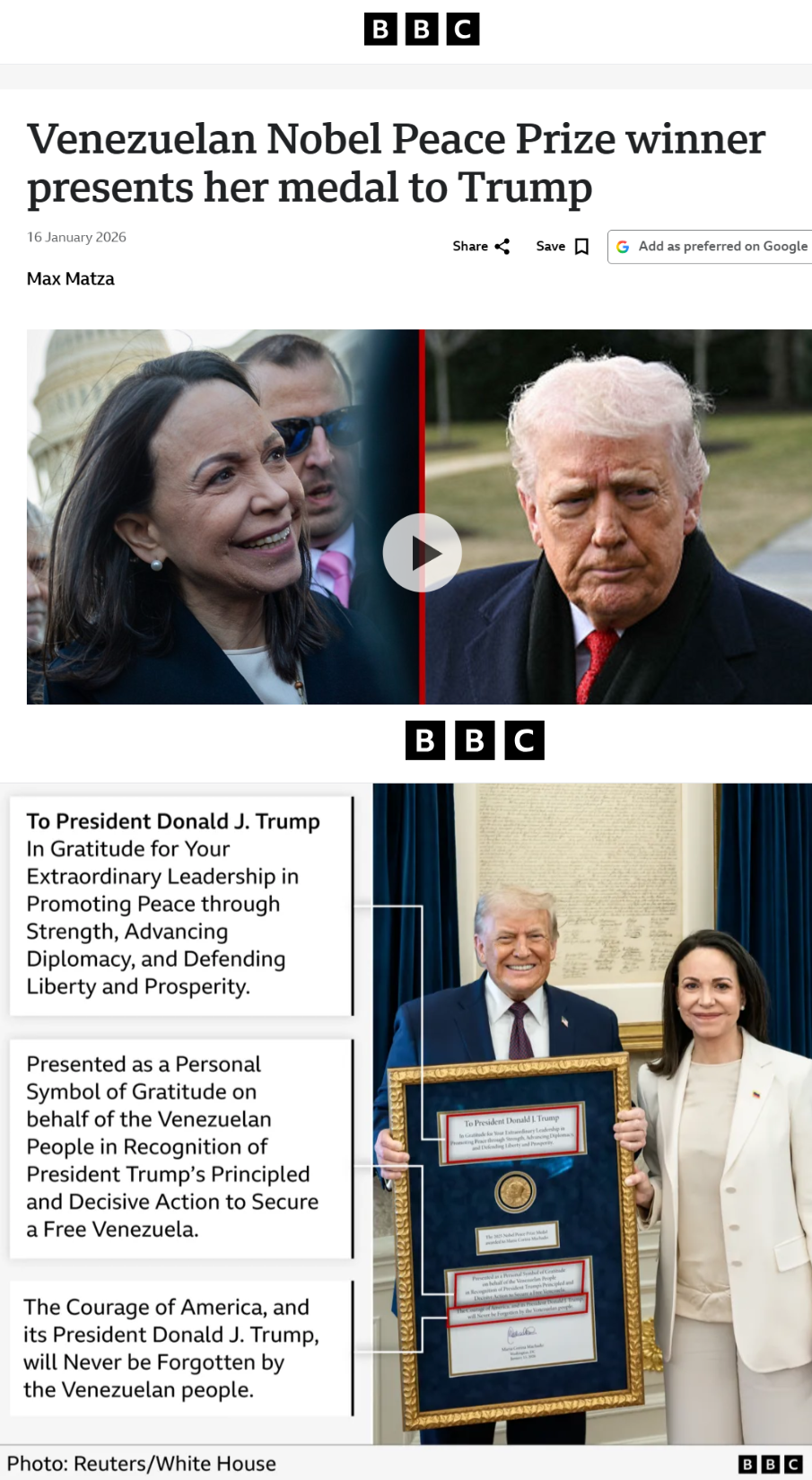
In an extraordinary post-award gesture, Nobel Peace Prize laureate Maria Machado presented her medal to Donald Trump, stating that his support for democratic forces in Venezuela played a significant role in the struggle she had long championed.
Nobel Frustration Goes Public
Following another Nobel Peace Prize disappointment, Trump publicly expressed frustration during talks with Norway's Prime Minister, reigniting debate over his long-standing quest for the prestigious award.
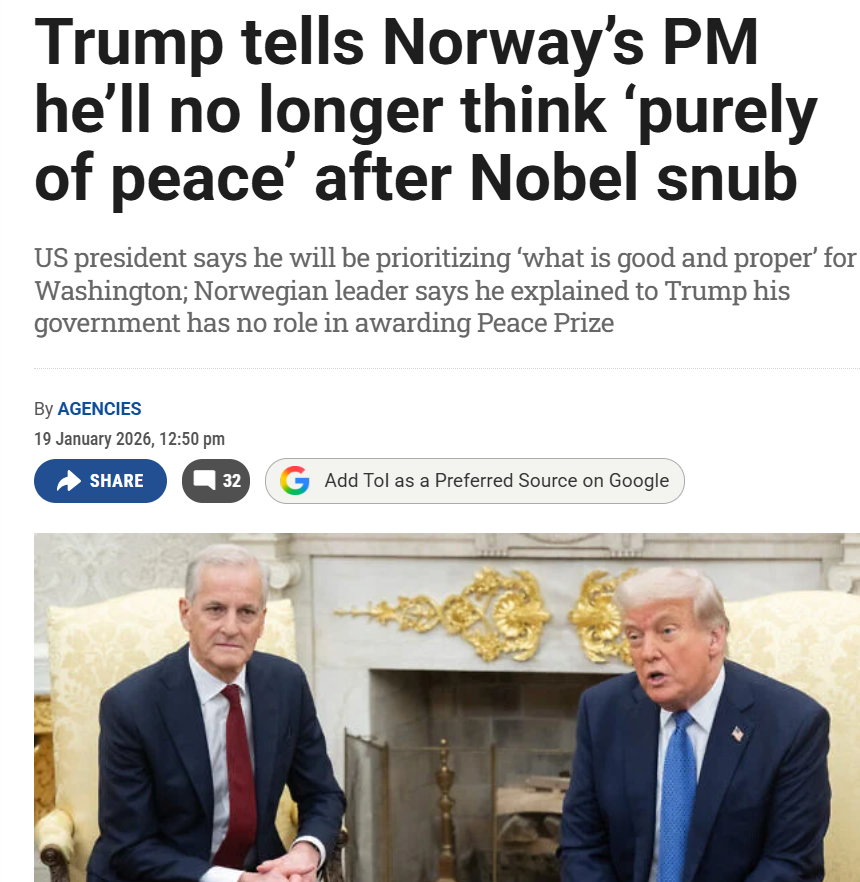
After being denied the Nobel Peace Prize, Trump vowed to prioritize U.S. interests, while Norway's Prime Minister Jonas Gahr Støre clarified that the Norwegian government plays no role in selecting the Nobel Peace Prize winner.
Washington vs. The Hague: The ICC Showdown Intensifies
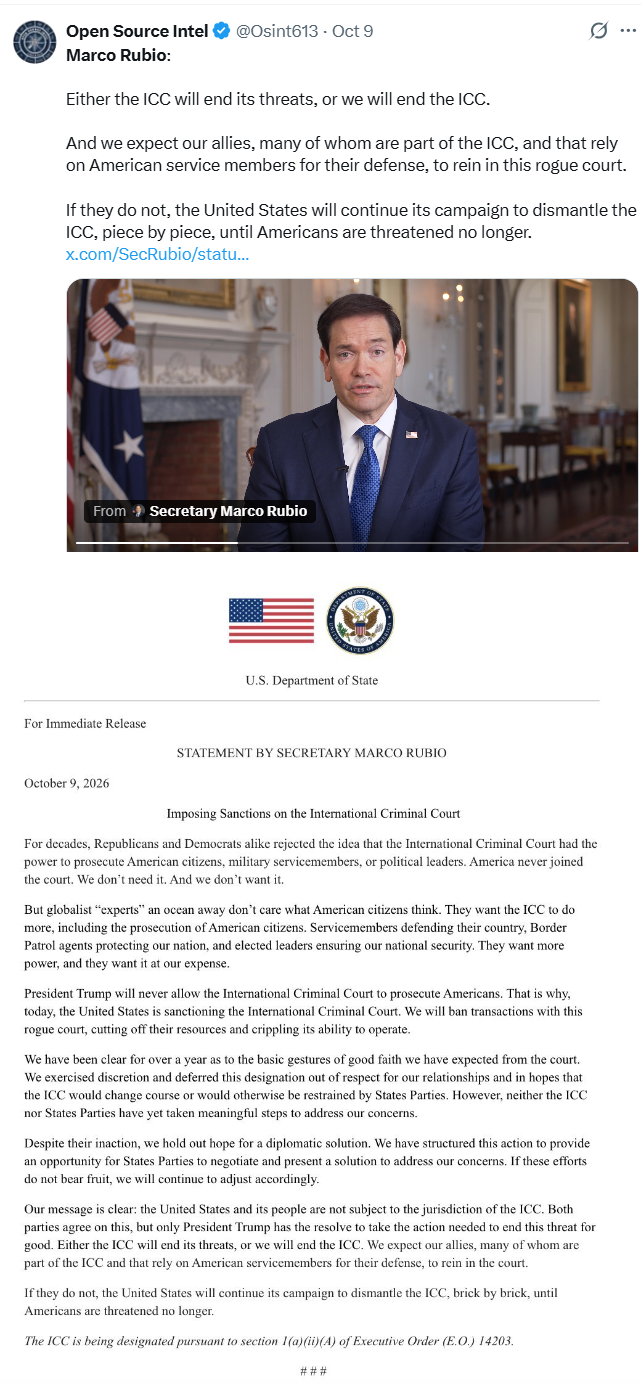
Just days after the Nobel Peace Prize announcement, the Trump administration escalated its confrontation with the International Criminal Court (ICC), with Secretary Marco Rubio warning that the U.S. would continue efforts to weaken the court unless it backed down.
From Nobel Disappointment to Global Mockery
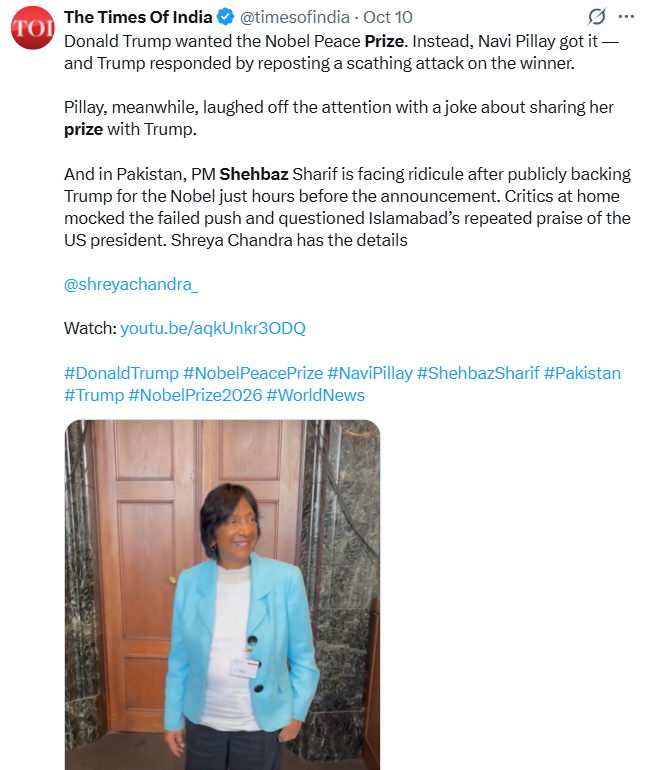
As Navi Pillay claimed the Nobel Peace Prize, Trump responded with sharp criticism, while even his supporters in Pakistan faced ridicule for backing his unsuccessful Nobel bid.
🌎 Why the Award Is Generating Political Debate
The Nobel Peace Prize has never been free from controversy. Every winner comes with supporters and critics.
In Pillay's case, reactions appear to be shaped by three major factors:
1. Human Rights vs Geopolitics
Supporters view her as a lifelong defender of justice, anti-racism, and human rights. While supporters praised her commitment to human rights and accountability, some Israeli officials, pro-Israel advocacy groups, and critics of certain UN investigations questioned her findings on sensitive geopolitical conflicts, particularly those involving Israel and Gaza.
2. Israel-Gaza Polarization
Her association with investigations into the Gaza conflict has made her a controversial figure in countries and political groups that strongly support Israel.
3. India's Strategic Position
India today maintains close relations with several countries involved in ongoing geopolitical tensions.
As a result, reactions to Pillay's recognition may be influenced by contemporary political realities rather than simply her Indian heritage.
Should India Celebrate an Indian-Origin Nobel Winner?
This is perhaps the most interesting question. When Indian-origin scientists, economists, and innovators receive global recognition, India often celebrates their achievements regardless of where they live.
Navi Pillay fits that broader category of globally recognized individuals with Indian roots.
But in today's political climate, identities are increasingly viewed through the lens of ideology, international alliances, and geopolitical preferences.
Should heritage alone be enough for celebration? Or should public recognition depend on a person's political positions and global reputation?
The debate remains open.
🎯 The Bigger Takeaway
Beyond politics and controversy, one fact remains undeniable:
Navanethem "Navi" Pillay has spent decades working in international law, human rights, anti-apartheid activism, genocide investigations, and global justice initiatives.
Her Nobel Peace Prize places her among the most influential figures of Indian origin on the world stage.
At the same time, the strong reactions surrounding the award highlight how deeply politics now influences global recognition, diplomacy, and public perception.
The story is therefore much bigger than a Nobel Prize. It is a story about identity, geopolitics, human rights, diplomacy, and the battle over global narratives in an increasingly polarized world.
💬 What Do You Think?
🔹Should India openly celebrate Nobel winners of Indian origin regardless of their political views?
🔹Did the Nobel Committee make the right choice by honouring Navi Pillay?
🔹Was Donald Trump unfairly overlooked, or did the Nobel Peace Prize maintain its credibility through this decision?
👇 Share your views in the comments and join the discussion.
📢 Enjoyed This Analysis?
✅Follow us for in-depth geopolitical insights and global affairs breakdowns.
✅Share this article with friends who love international politics and current affairs.
✅ Subscribe to stay updated on the biggest stories shaping the world.
Because headlines tell you what happened. We help you understand why it happened. 🌍🔥
Written by
Bhavana SharmaDiscussion (0)
Sign in to join the discussion.
Loading comments…