
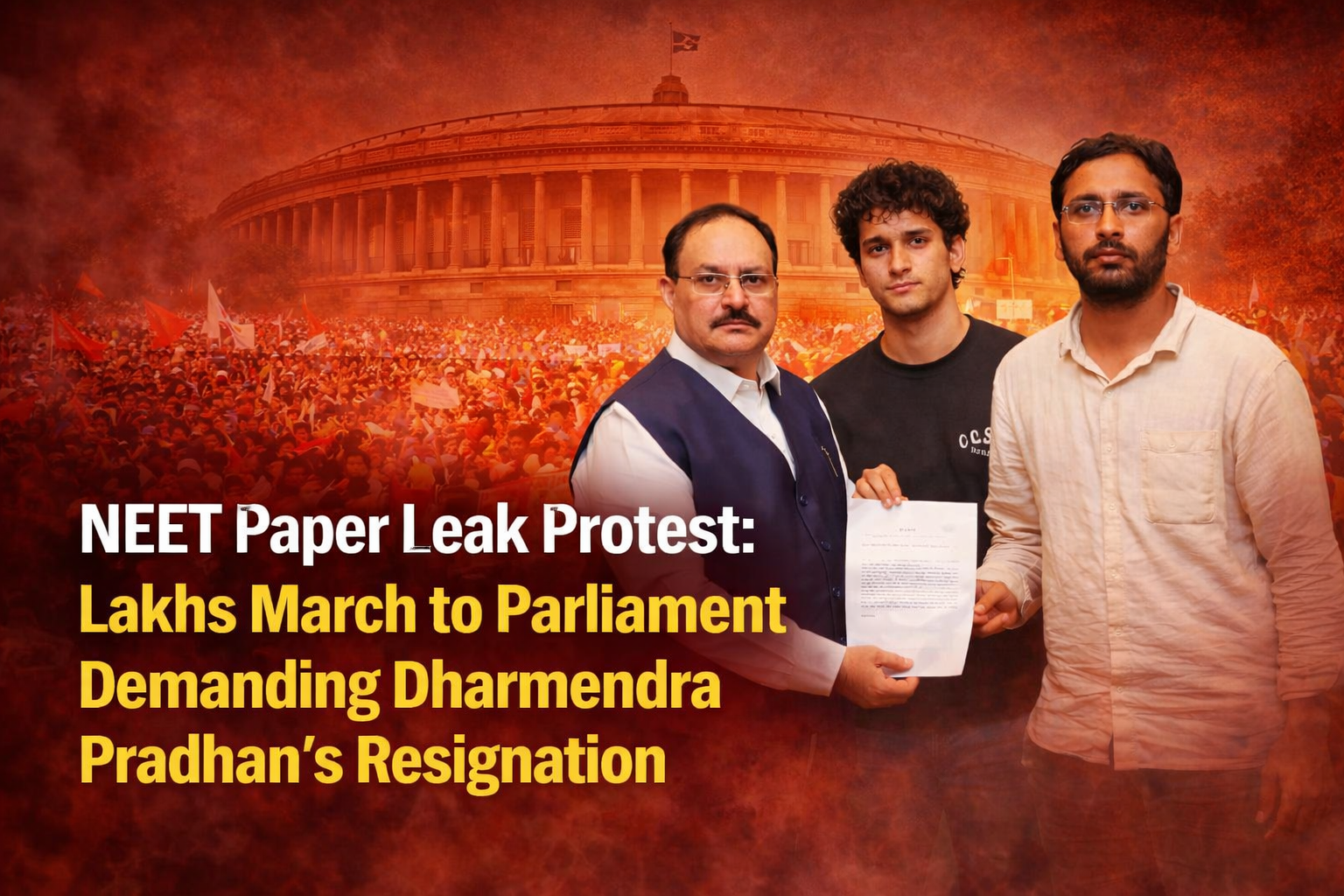
Clash at Jantar Mantar
Yesterday, Delhi’s Jantar Mantar became the epicenter of a storm. The Cockroach Janata Party (CJP), backed by thousands of students and supporters, marched toward Parliament demanding the resignation of Union Education Minister Dharmendra Pradhan over the NEET paper leak scandal. What began as a peaceful march quickly escalated into violent confrontations; protesters clashed with police, barricades were broken, tear gas shells were fired, and water cannons roared. Both sides reported injuries, with students and police officers alike caught in the chaos.
Placards, Slogans, and Rising Anger
By mid‑morning, Jantar Mantar had transformed into a rallying ground. Students, unemployed youth, and activists gathered undeterred by the blazing sun and sudden showers. With placards raised high, they chanted slogans demanding Education Minister Dharmendra Pradhan’s resignation - “Dharmendra Pradhan, step down!” and “We asked for ‘Make in India,’ you gave us ‘Leak in India.’”
The crowd, drawn from Delhi and beyond, overflowed into the roads leading toward Parliament, a striking symbol of growing frustration among India’s youth. Their anger was fueled not only by the government’s silence but also by the fact that Sonam Wangchuk has been on a peaceful hunger strike since June 28, yet no action has been taken.
“We Made the Government Listen”
Despite the turmoil, the CJP declared victory. Their spokesperson triumphantly announced: “The Cockroaches have achieved a major victory today. We made the government bow down and listen to us.” For the first time since the movement began, the government formally reached out to the protesters.
Direct Talks with Power
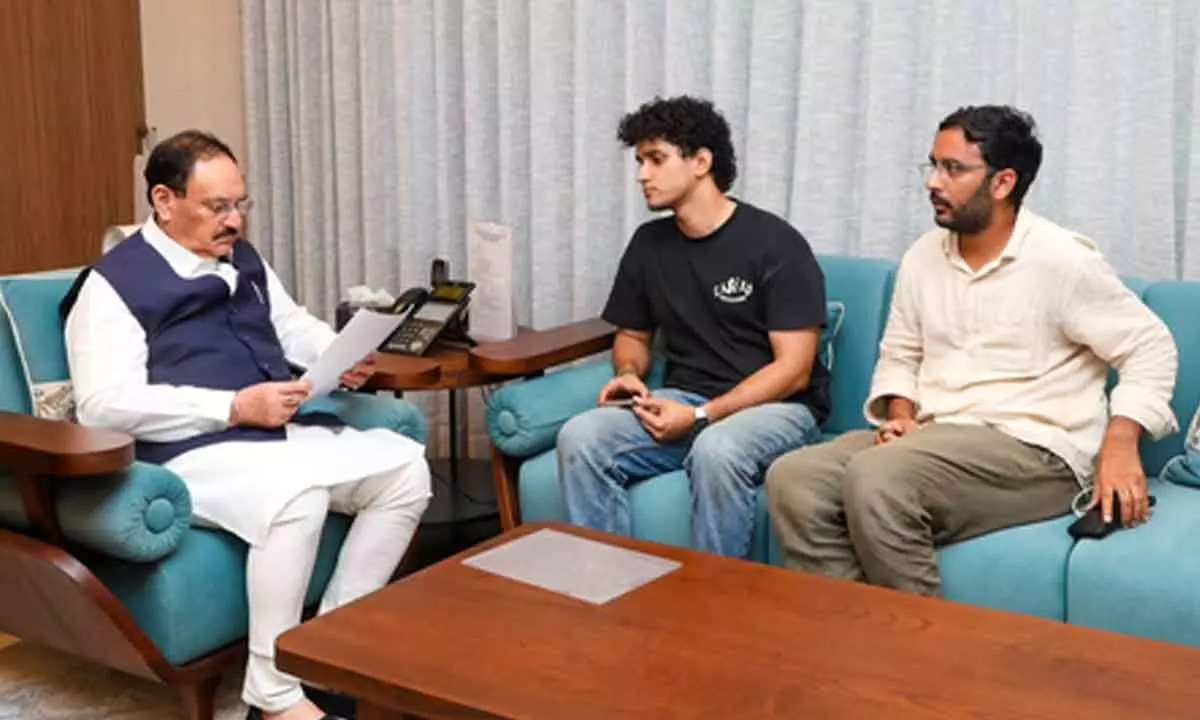
In a dramatic turn, two CJP representatives, Saurabh Das and Ashutosh Ranka, met directly with BJP President JP Nadda. The delegation presented their demands, which included:
Accountability for officials involved in exam paper leaks
Structural reforms in education and examination security
Compensation for families of students who died by suicide due to exam controversies
Most importantly, the resignation of Education Minister Dharmendra Pradhan
What This Means
The government’s decision to engage in dialogue marks a pivotal moment. For weeks, the CJP had been dismissed as a fringe protest. Now, with growing public support and the health of hunger‑striking activist Sonam Wangchuk drawing national concern, the movement has forced its way into the political spotlight.
A Voice from the Hospital
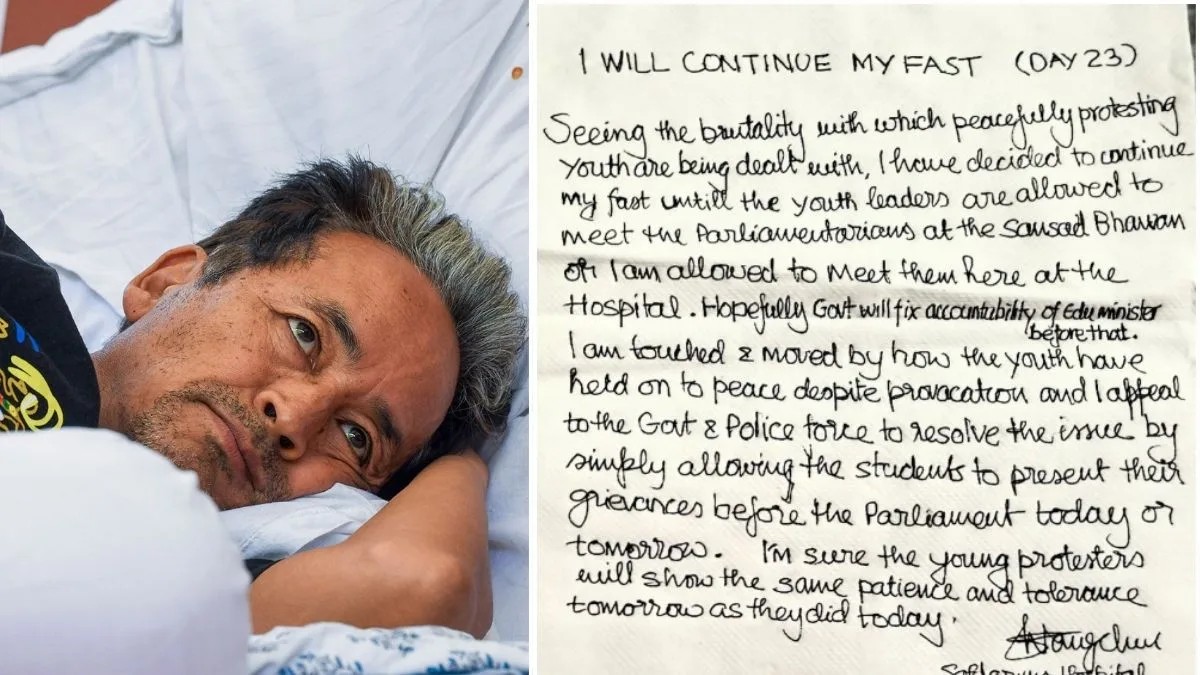
Amid the chaos and clashes, a powerful handwritten note emerged from Safdarjung Hospital. In it, activist Sonam Wangchuk vowed to continue his fast, now on its 23rd day, until youth leaders are allowed to meet parliamentarians and accountability is fixed on the Education Minister. His words capture both the pain of the moment and the resilience of the movement, a reminder that even under pressure, the call for justice remains peaceful yet unyielding.
The Road Ahead
Although dialogue has begun, none of the demands has been accepted so far. The Cockroach Janata Party remains firm, insisting that the protest will continue until tangible action is taken. The pressing question now is whether the government will yield to their most contentious demand, the resignation of the Education Minister, or risk an escalation of the movement.
Written by
Ritvik DeshmukhDiscussion (0)
Sign in to join the discussion.
Loading comments…