
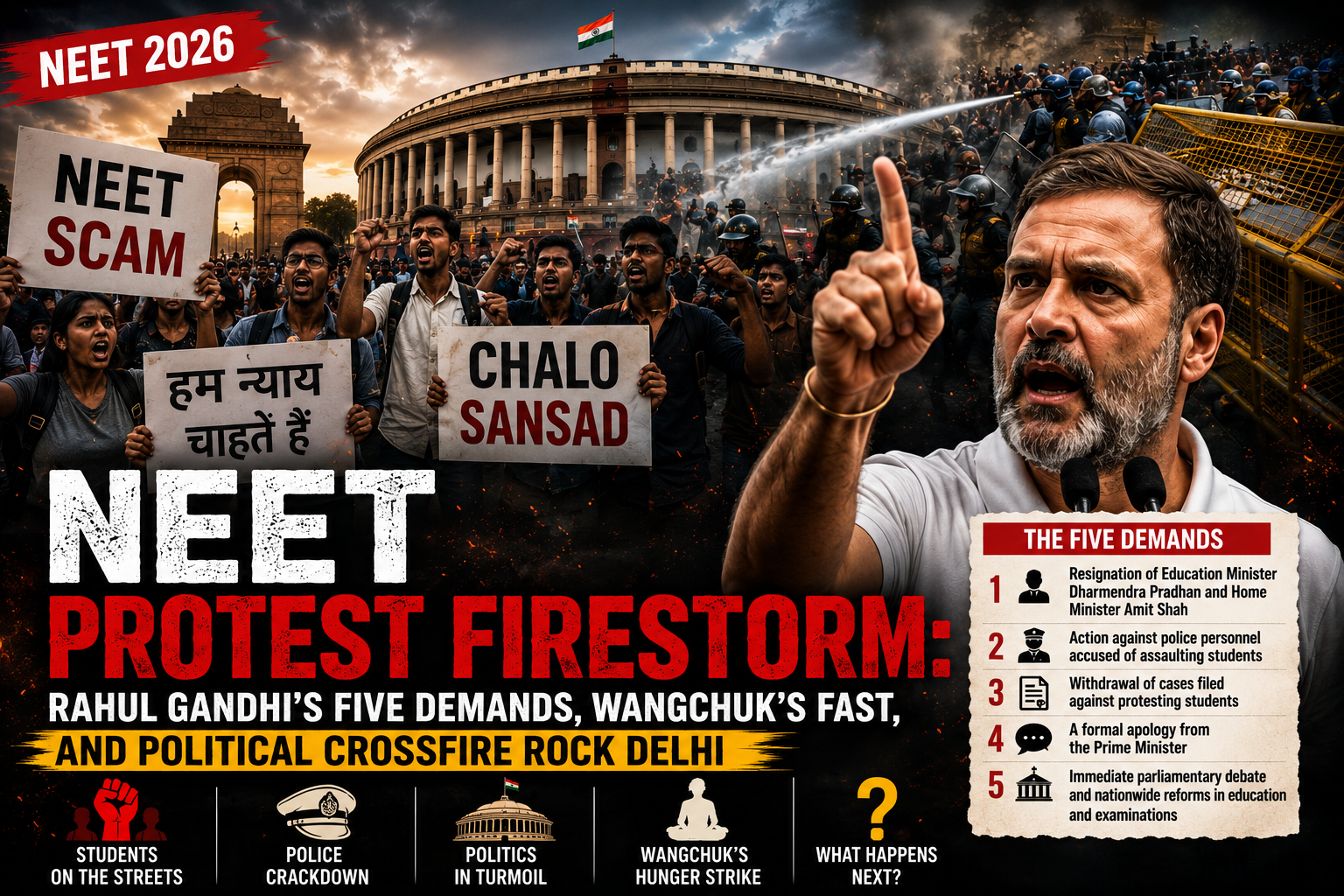
Parliament March Blocked, Streets Erupt
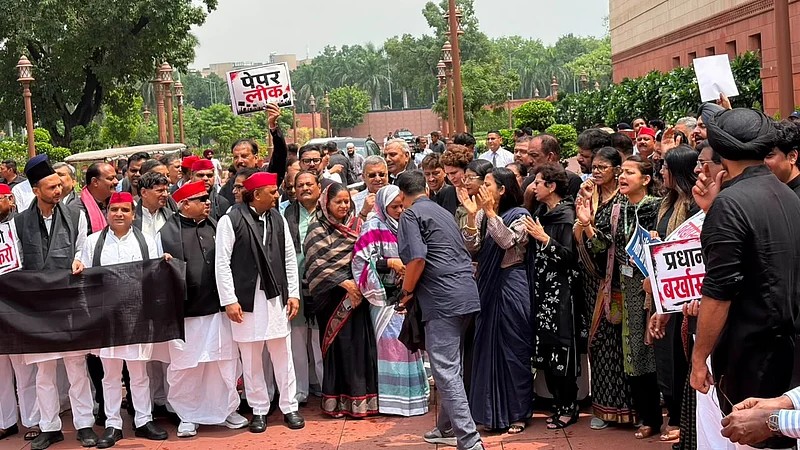
On July 20, students gathered at Delhi’s Jantar Mantar, chanting “Chalo Sansad” and vowing to march toward MPs. But Delhi Police swiftly imposed Section 163 (earlier Section 144), banning gatherings of more than four people. What followed was chaos- clashes between police and students, allegations of brutality, and over 100 injured police officers.
Congress Joins the Battle
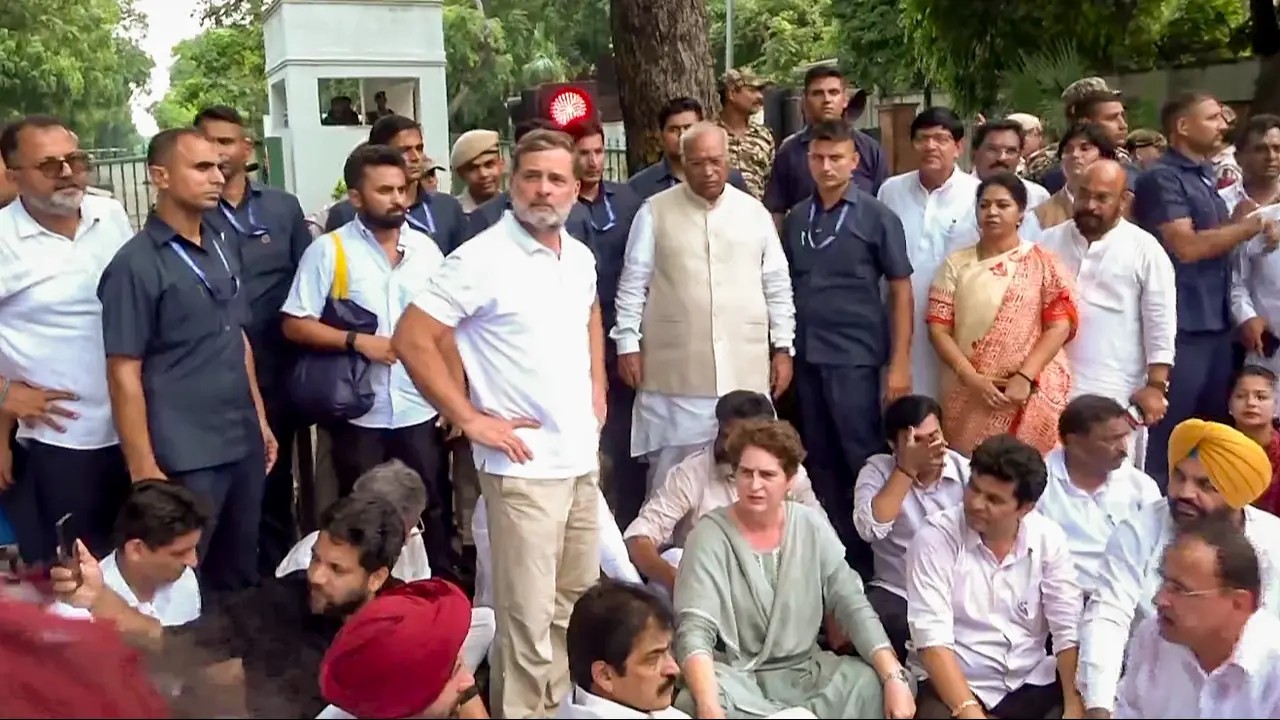
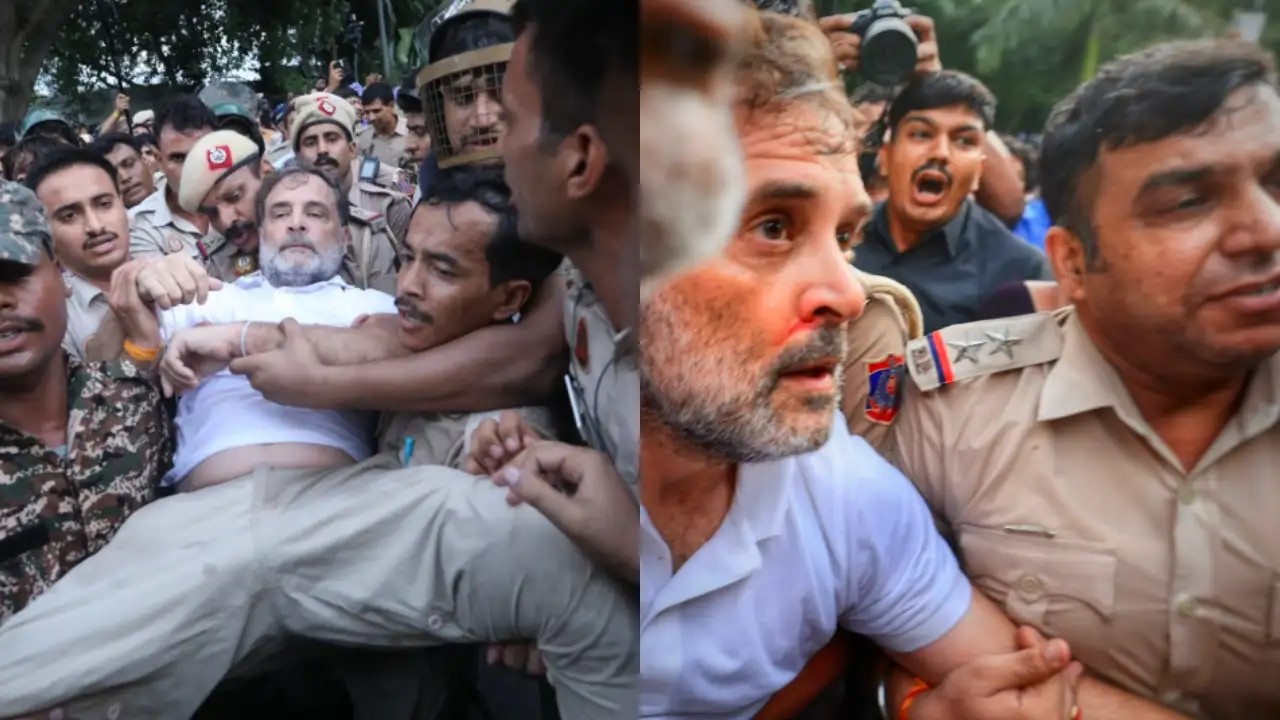
As the protest intensified, Congress leaders including Rahul Gandhi, Priyanka Gandhi Vadra, and Mallikarjun Kharge staged a sit‑in outside the Prime Minister’s residence at Lok Kalyan Marg. Rahul Gandhi declared: “I will stay here all night until our demands are met.” Soon after, he and other leaders were detained and taken to a stadium, sparking outrage over what they called suppression of student voices.
The Five Demands
Rahul Gandhi released a video statement outlining five explosive demands:
Resignation of Education Minister Dharmendra Pradhan and Home Minister Amit Shah over exam mismanagement and police crackdown.
Action against police personnel accused of assaulting students.
Withdrawal of cases filed against protesting students.
A formal apology from the Prime Minister for the crackdown.
Immediate parliamentary debate and nationwide reforms in education and examinations.
Political Crossfire
The protest quickly turned into a political battlefield. The Aam Aadmi Party (AAP) accused Congress and BJP of collusion, claiming Rahul Gandhi’s protest outside the PM’s residence was allowed to divert attention from the student movement. Tweets from leaders like Saurabh Bharadwaj and Sanjay Singh fueled the narrative of “Congress‑BJP jugalbandi,” while students criticized opposition parties for fighting among themselves instead of uniting.
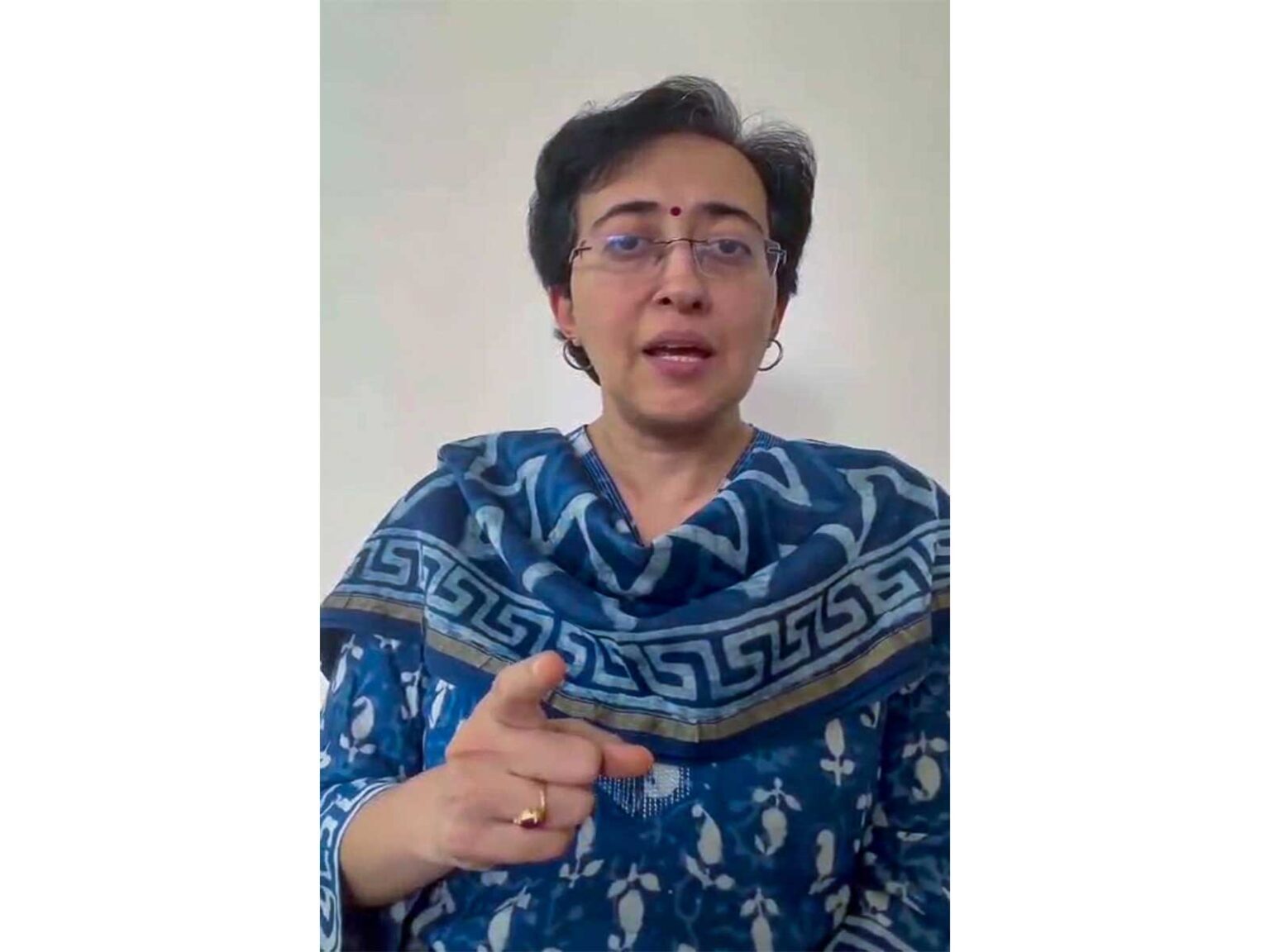
AAP leader Atishi took a sharp dig at Congress during the ongoing NEET‑UG 2026 protests. She pointed out that student groups and activist Sonam Wangchuk had been sitting at Jantar Mantar for weeks without the government paying attention. Yet, when Rahul Gandhi and Congress leaders staged a protest outside the Prime Minister’s residence, talks with the Centre began within an hour. Atishi mocked this as a clear “jugalbandi” between the BJP and Congress.
Government’s Stand
The government insists it is committed to accountability. PM Modi labeled paper leaks a “grave sin” and highlighted swift action: a CBI investigation, 13 arrests, and ongoing prosecutions. Ministers assured that Parliament is the right forum for debate, signaling readiness for discussion.
The Wangchuk Factor
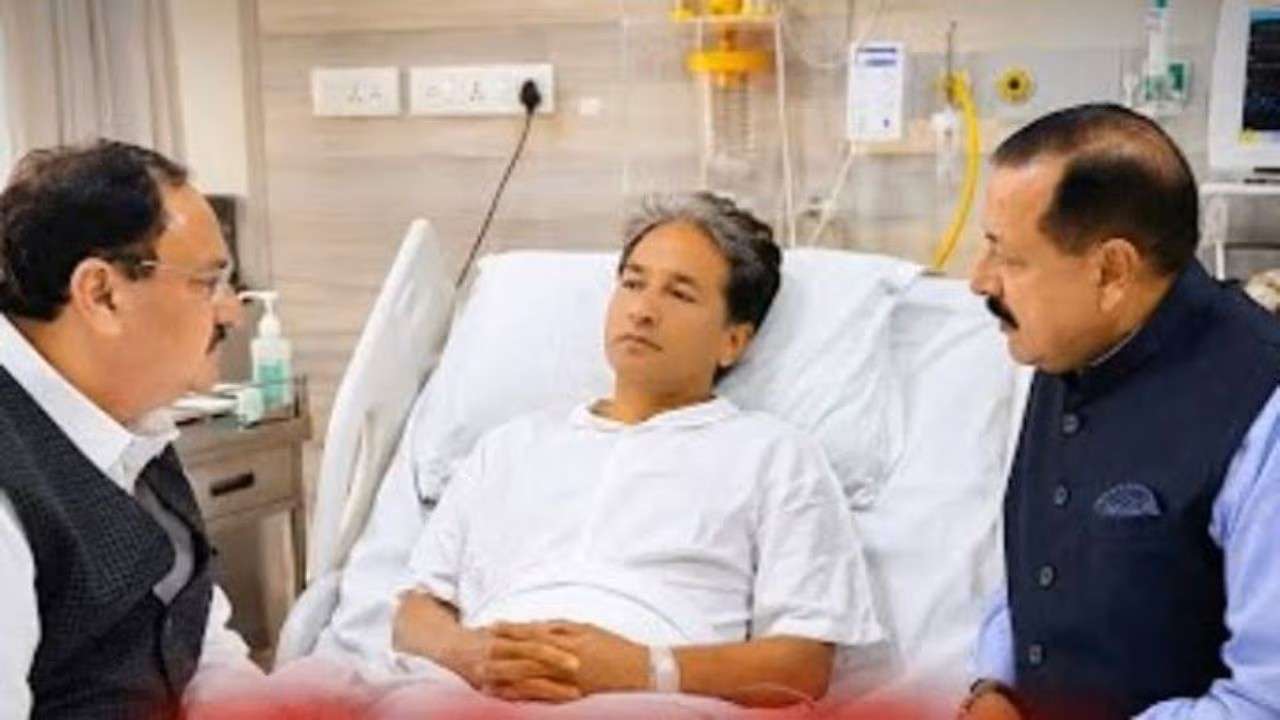
Meanwhile, activist Sonam Wangchuk, on hunger strike since June 28, was shifted from Safdarjung Hospital to Medanta after Delhi High Court approval. He vowed to break his fast only if assured of a parliamentary debate. His condition and demands have added moral weight to the movement, drawing ministers like JP Nadda and Jitendra Singh to meet him personally.
The Road Ahead
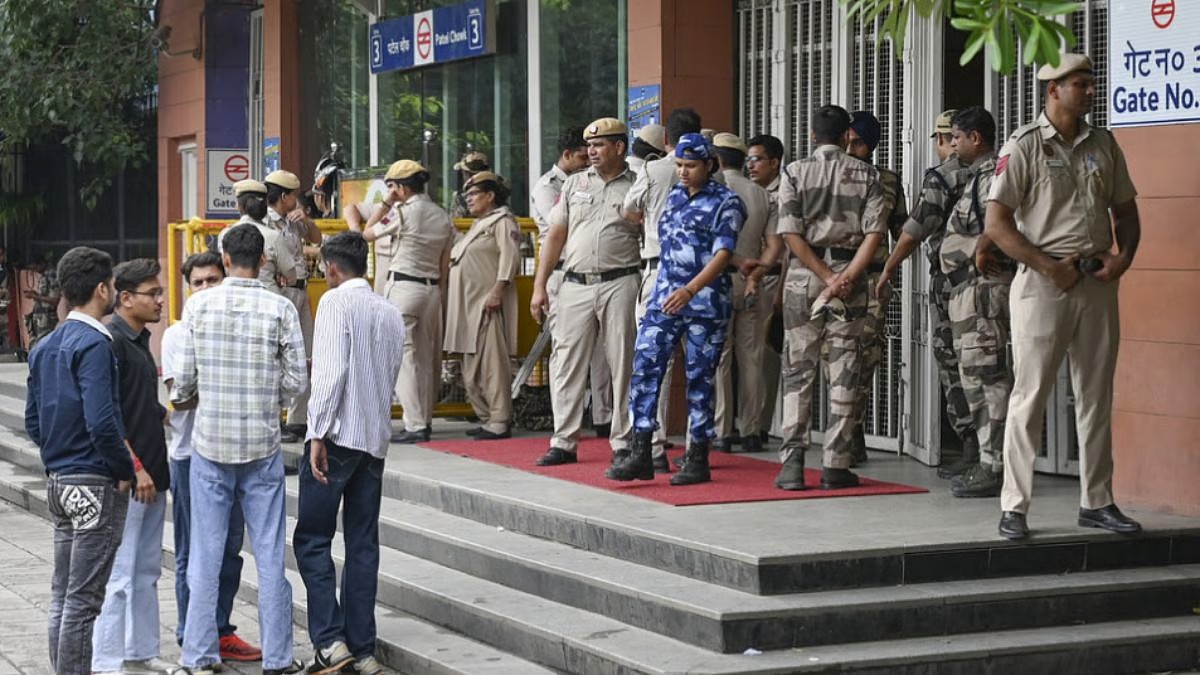
With Parliament sessions repeatedly adjourned, metro stations shut down, and reports of disruptive elements infiltrating protests, the movement stands at a crossroads.
Will Rahul Gandhi’s five demands force a breakthrough, or will political infighting weaken the students’ cause?
Written by
Niranjan MehtaDiscussion (0)
Sign in to join the discussion.
Loading comments…