
The Global Pattern of Protest Politics
History shows us a recurring rhythm in politics across the world: mass protests erupt, old systems collapse, and a new leader rises to power on a wave of public hope. The rise is often meteoric — fueled by frustration, anger, and dreams of instant change. Yet, just as quickly, the downfall begins.
Why? Because expectations are set impossibly high. Citizens imagine overnight miracles, but governance is a slow grind. When reality fails to match the hype, disillusionment sets in, and the same crowds that once cheered now demand accountability.
This cycle has played out in countries from Latin America to Eastern Europe, and now, Nepal is the latest stage for this political drama.
Nepal’s Case: The Rise of Balen Shah
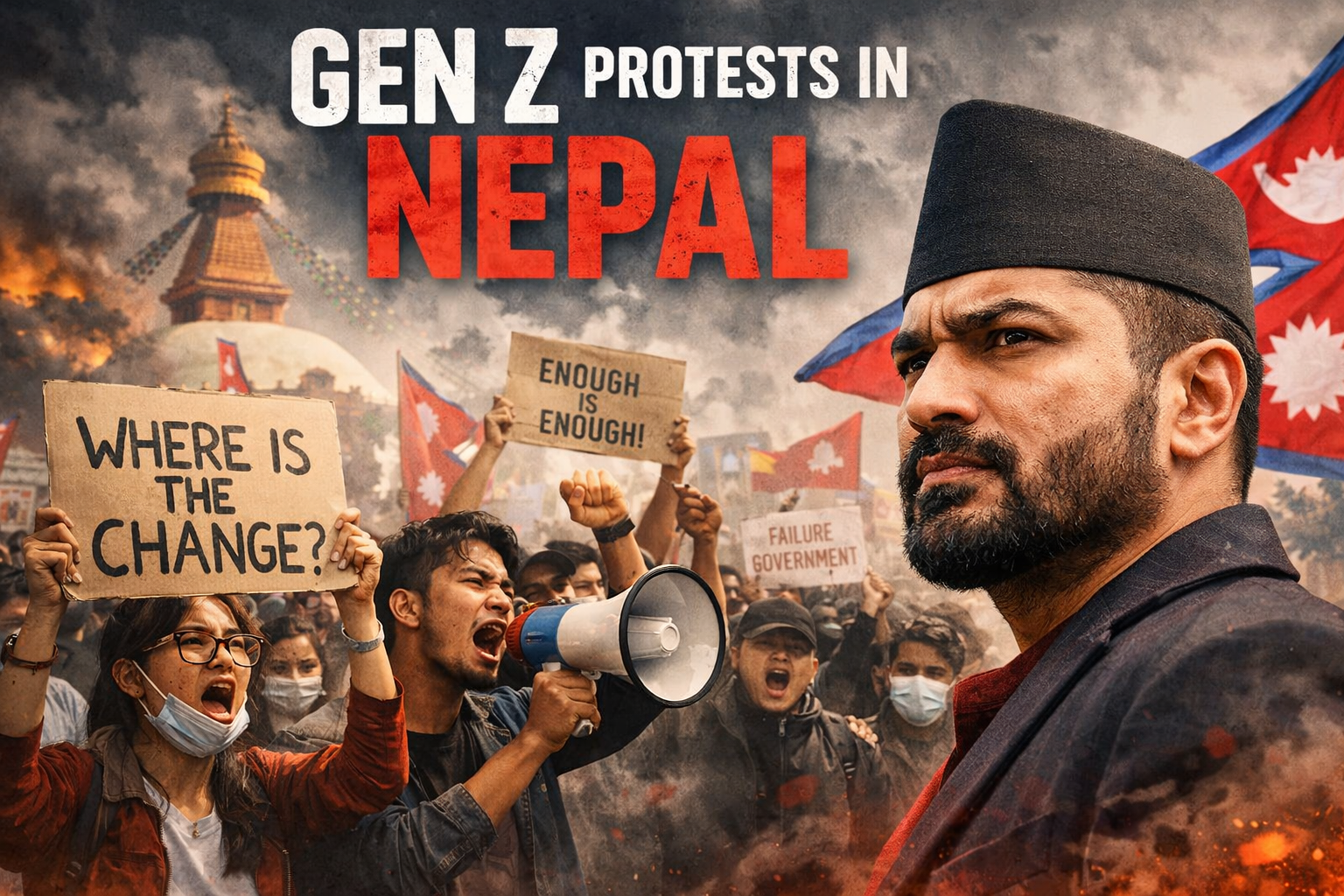
Last year, Nepal witnessed a wave of unrest. Tens of thousands — even hundreds of thousands — filled the streets, demanding an end to the dominance of traditional political parties. Out of this chaos emerged Balen Shah, a fresh face who symbolized hope, change, and a break from the past.
His rise was dramatic. Shah was hailed as the people’s leader, the one who could finally deliver what decades of political elites had failed to achieve. For Nepal’s youth, especially Gen Z, he represented a new chapter.
But politics is unforgiving. Within months, the same generation that lifted him to power turned against him. Headlines now scream: “Balen Shah Government Under Fire as Gen Z Protests Erupt.”
Why the Backlash?
The backlash against Shah is not unique — it’s part of the protest‑to‑power paradox. Several factors explain why the tide turned so quickly:
Unrealistic Expectations: Citizens hoped for instant transformation, but systemic issues like corruption, unemployment, and infrastructure cannot be solved overnight.
Youth Disillusionment: Gen Z, who once rallied behind Shah, now feel betrayed. Their frustration reflects impatience with slow reforms.
Symbol vs. Reality: Shah was seen as a symbol of change, but symbols alone cannot deliver governance. The gap between image and execution widened rapidly.
Lessons from Nepal’s Political Drama
Nepal’s unfolding story offers lessons not just for its own leaders, but for protest‑driven politics worldwide:
Managing Expectations is Crucial Leaders must balance hope with realism. Overpromising leads to inevitable disappointment.
Youth Movements are Powerful but Volatile Gen Z can mobilize quickly, but their loyalty is fragile. Sustained engagement requires transparency and tangible progress.
Symbols Must Translate into Systems Charismatic leaders can ignite change, but without institutional reforms, momentum fizzles out.
The Bigger Picture
Nepal is not alone. Similar cycles have unfolded in countries like Egypt after the Arab Spring, Greece during its debt crisis, and even in Latin America where populist leaders rose and fell in rapid succession.
The pattern is clear: protest births hope, hope births leaders, and leaders face the crushing weight of expectation. Unless they deliver systemic change, the cycle repeats.
The Bottom Line: The Fragile Dance of Democracy
Nepal’s current turmoil is a reminder that democracy is not just about replacing faces, it’s about building trust, institutions, and sustainable progress. Balen Shah’s story is still unfolding, but the protests against him highlight the fragility of protest‑driven politics.
The world will be watching: Will Nepal break the cycle, or will it once again prove that in politics, the faster the rise, the faster the fall?
Written by
Kartikeya RaoDiscussion (0)
Sign in to join the discussion.
Loading comments…