
🔥 The Campaign Unleashed
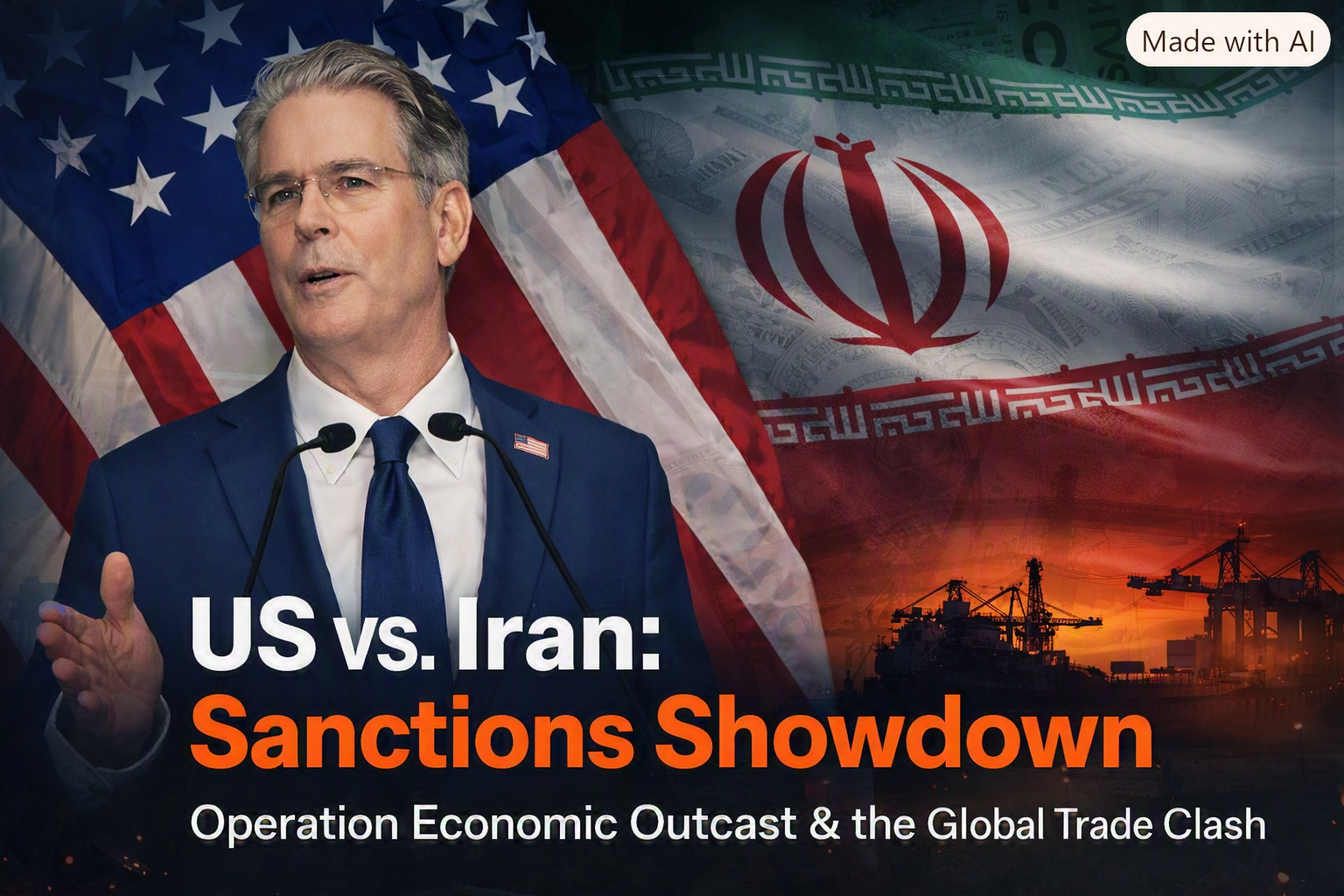
On August 24th, U.S. Treasury Secretary Scott Besant announced a sweeping initiative against Iran, branding it Operation Economic Outcast. The mission: cut Iran off completely from financial and commercial channels, ensuring no loophole remains for sanction evasion. Unlike past measures, this campaign is designed to be airtight - a full‑scale economic war meant to replace military pressure.
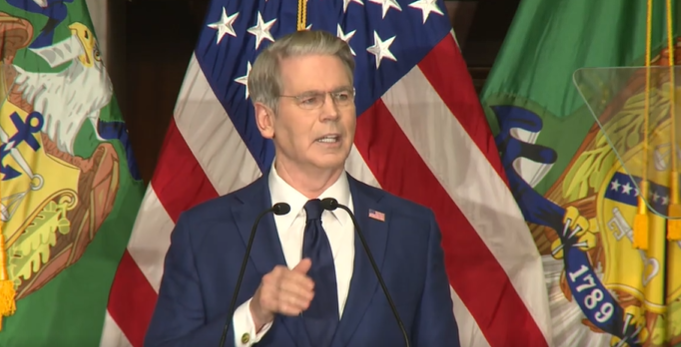
He further added, “Any institution enabling Iran’s money‑laundering networks will be cut off from the U.S. dollar system, no exceptions. Starting today, we will choke off every revenue stream that fuels the IRGC and the Iranian regime, leaving no room for escape.”
⚖️ Primary vs. Secondary Sanctions
Primary Sanctions: Freeze all Iranian assets under U.S. jurisdiction, severing direct ties between Washington and Tehran.
Secondary Sanctions: The real game‑changer. Any country or company trading with Iran risks losing access to U.S. banks, dollar transactions, and capital markets. In today’s global economy, that’s a near‑impossible choice: trade with Iran or stay connected to the world’s most powerful financial system.
🌍 Iran’s Counter‑Threats
Iran wasted no time in responding. Officials warned that any nation supporting U.S. sanctions would face retaliation. Gulf countries, particularly Saudi Arabia, UAE, and Iraq, were directly singled out. Tehran threatened to escalate tensions in the Strait of Hormuz, a chokepoint critical to global oil shipments, vowing to block ships if sanctions are enforced.
🎬 America’s Sanctions: A Replayed Script
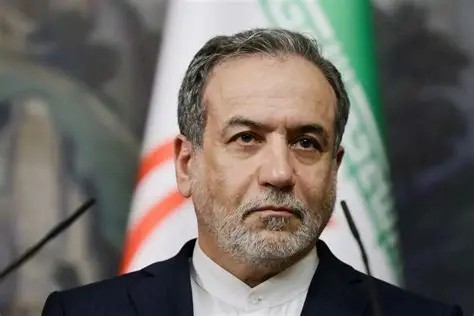
Iran’s Foreign Minister Abbas Araghchi dismissed U.S. sanctions as nothing more than recycled bullying tactics - a “repeating movie” that Tehran knows by heart. He argued that Washington’s shift from military threats back to old economic pressure reflects desperation, insisting that only dialogue rooted in justice and dignity can lead to real solutions.
⚖️ Sovereignty Under Siege: The Reach of U.S. Sanctions
The extraterritorial application of U.S. sanctions has sparked fierce objections from Iran. Tehran argues that Washington is effectively telling nations, “You may be sovereign, but if you trade with Iran, America will punish you.” Iranian officials frame this policy as a direct assault on national sovereignty and international law, turning economic restrictions into a global power struggle.
🌍 UAE: The Sanctions Game‑Changer
The United Arab Emirates is Iran’s largest trading partner in the Middle East. Its decision to suspend trade with Tehran, seen by Iran as coordinated with Washington, marks a turning point. For the U.S., this cooperation is critical: sanctions bite harder when neighbouring states shut down Iran’s lifelines of trade, banking, shipping, and foreign currency access. With the UAE closing these channels, Iran’s ability to bypass restrictions becomes much harder.
China’s Dilemma
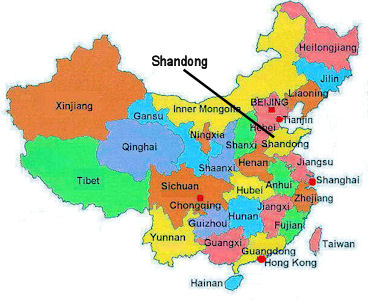
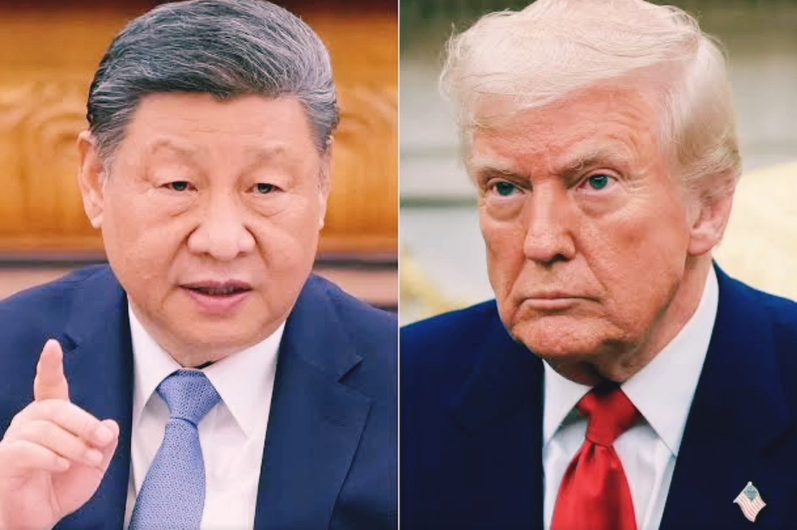
China, Iran’s largest oil customer, finds itself at the center of this storm. While Washington pressures Beijing to cut ties, China continues importing Iranian oil through smaller refineries in the Shengdong region, cleverly avoiding exposure to U.S. penalties. Beijing has condemned the sanctions as illegal, setting up a direct clash with American policy.
“The Chinese Foreign Ministry has issued a stern warning to Washington, declaring that China will act decisively and take all necessary steps to safeguard its rights and defend its national interests.”
India’s Tightrope Walk
India faces limited but notable fallout. Four Indian companies (Portease Partners LLP, Sadashiva Overseas Limited, PP Softtech Pvt. Ltd., and Prakrutees Infra Impex Pvt. Ltd.) have already been sanctioned for petroleum trade with Iran. Washington alleges these companies were importing Iranian petroleum and petrochemical products, placing them directly in the crosshairs of America’s sweeping sanctions campaign.
However, the bulk of India’s exports- basmati rice, pharmaceuticals, and agricultural products- remain exempt under humanitarian clauses. With 65% of exports to Iran being rice, valued at $810 million in 2025‑26, India’s trade impact is cushioned, though projects like Chabahar Port may feel strain.
📉 The Bigger Picture
Sanctions have already devastated Iran’s economy:
The rial has collapsed, crossing 2 million per U.S. dollar.
Inflation is soaring, oil revenues shrinking.
Yet, history shows sanctions alone rarely topple regimes. Instead, Iran is rallying nationalism, framing U.S. pressure as foreign aggression, a narrative that strengthens domestic resolve.
⚔️ What Lies Ahead?
America’s gamble is clear: squeeze Iran until its regime collapses. But Iran’s counter‑moves, from Gulf threats to Chinese partnerships, suggest this economic war could spiral into a prolonged global standoff. The question isn’t just whether Iran survives, but how far the ripple effects will reach across Asia, Europe, and beyond.
For policymakers, the unfolding sanctions battle is a test of global alliances; for businesses, it’s a wake‑up call to reassess exposure to Iranian trade before U.S. restrictions bite; and for us, it’s a stark reminder that the Strait of Hormuz remains a powder keg, where the next escalation could send energy prices spiraling worldwide.
👉 Do you think sanctions can truly bring down a regime, or will Iran’s defiance reshape global power dynamics? Share your thoughts below!
Written by
Ishaan TrivediDiscussion (0)
Sign in to join the discussion.
Loading comments…