
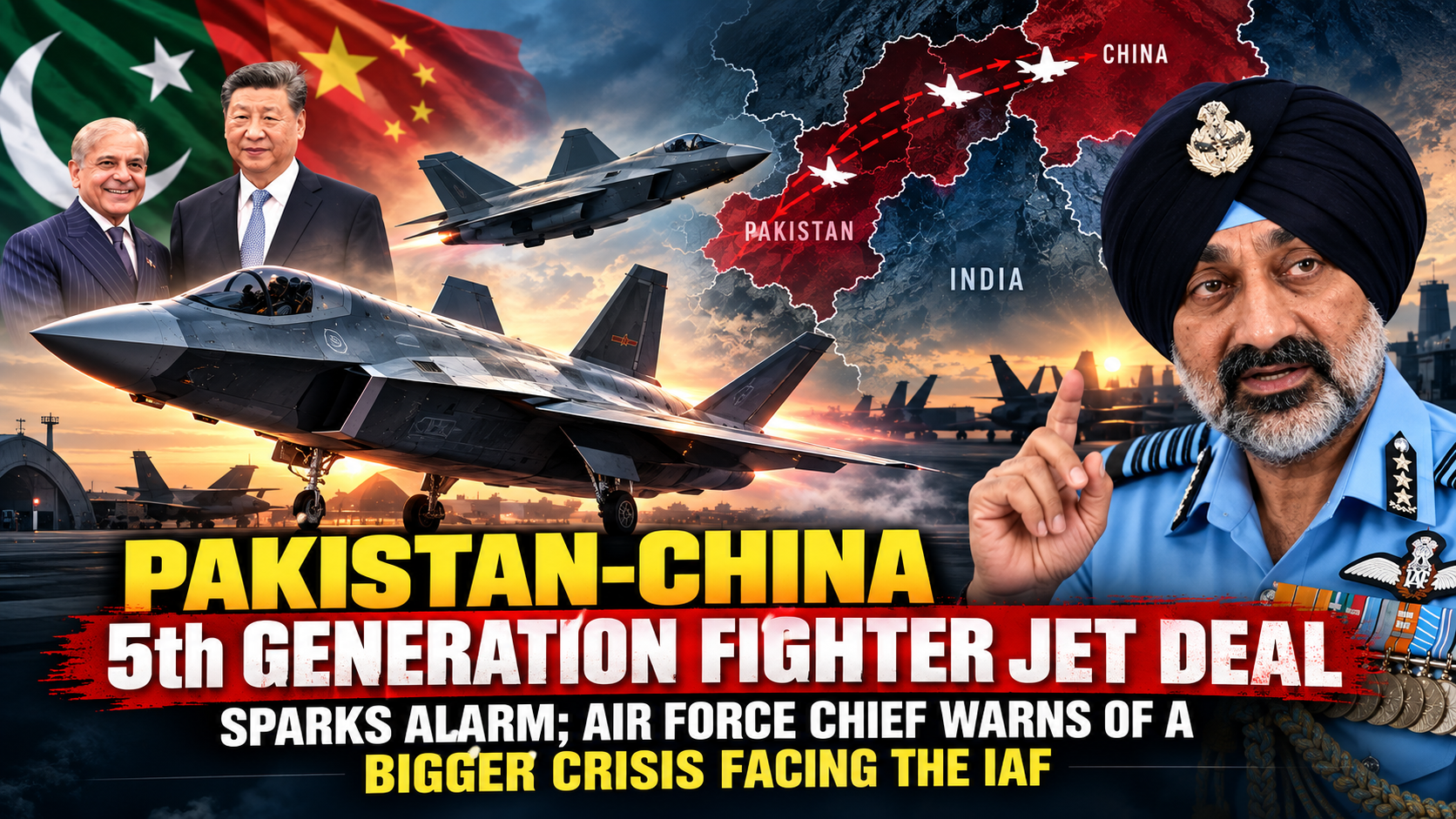
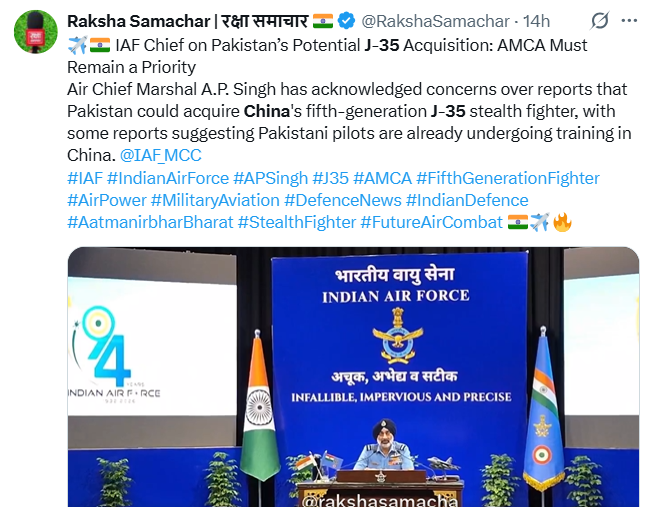
While Pakistan’s acquisition of China’s J-35 stealth fighter has emerged as a major strategic concern, the Indian Air Force Chief warns that shrinking squadron strength, retiring aircraft, and delayed inductions could pose an even bigger challenge to India’s air power in the years ahead.
As geopolitical tensions continue to reshape Asia's security landscape, a recent statement by Indian Air Force Chief Air Chief Marshal Amar Preet Singh has sparked widespread debate among defense analysts and strategic experts.
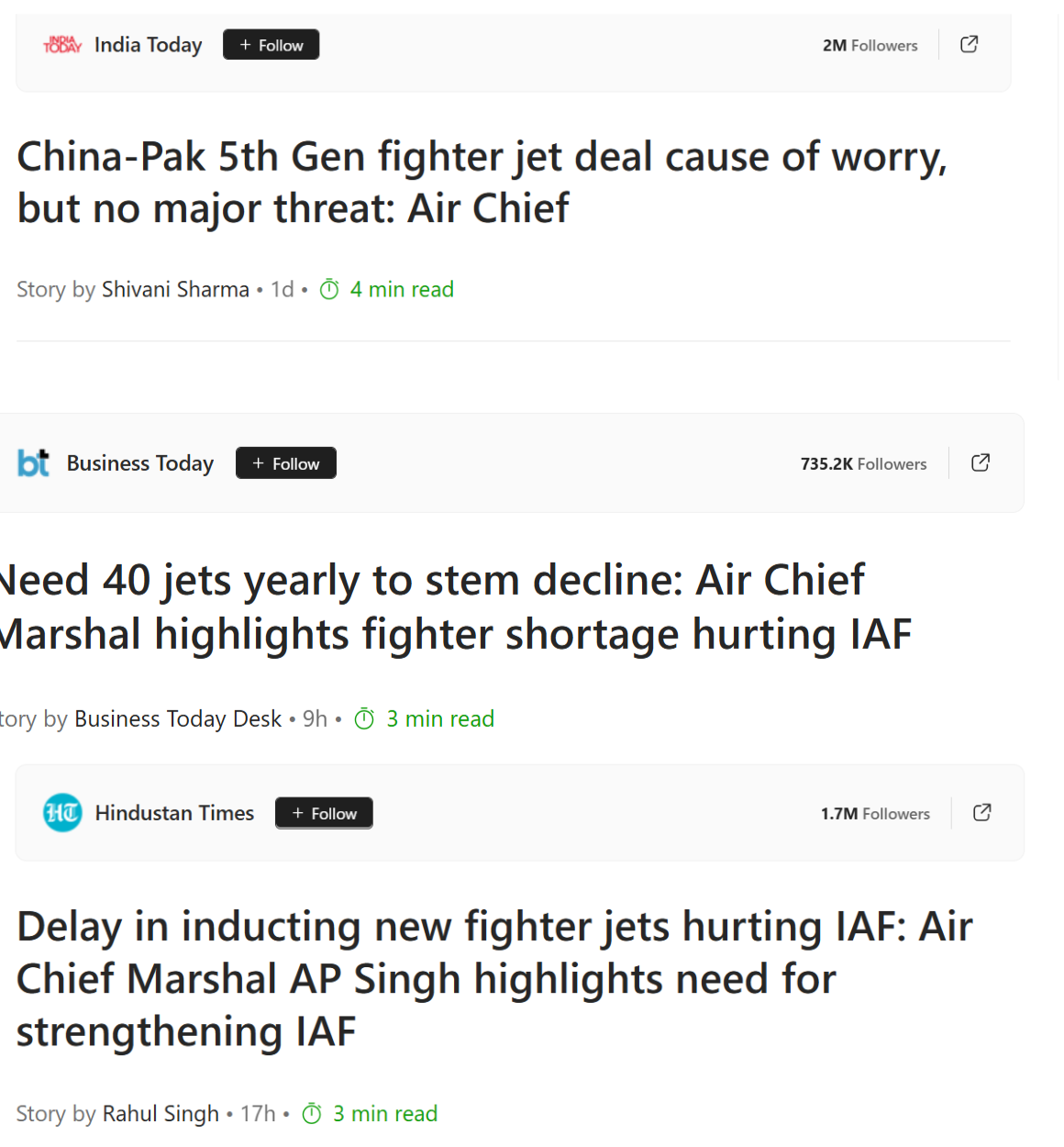
The headline concern is Pakistan's move to acquire China's advanced fifth-generation stealth fighter jet, the J-35. However, according to the Air Force Chief, the real challenge for India is not just what Pakistan is buying, but what India may be losing: fighter squadron strength.
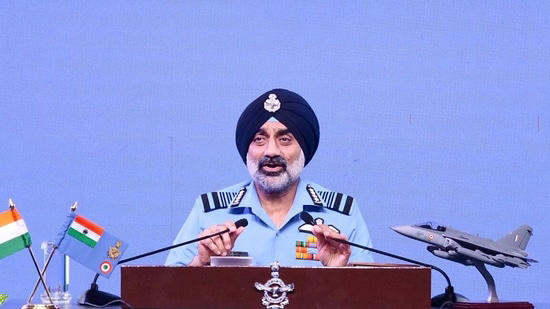
His message was clear, nuanced, and deeply significant. While Pakistan's military modernization deserves attention, India’s shrinking fighter fleet poses an equally important strategic challenge that requires urgent action.
Pakistan’s J-35 Deal: A New Chapter in South Asian Air Warfare
Pakistan is reportedly preparing to acquire the Chinese J-35A, an export variant of China's next-generation stealth fighter platform. For Pakistan, this represents a major technological leap.
Its current combat fleet consists primarily of fourth(4th) and 4.5-generation aircraft such as:
1. JF-17 Thunder
2. F-16 Fighting Falcon
3. J-10C
4. Mirage fighters
The introduction of the J-35 would elevate Pakistan into the exclusive group of nations operating fifth-generation combat aircraft.
But why is this significant? Because fifth-generation fighters are not simply faster aircraft. They are sophisticated battlefield systems designed around stealth, information dominance, and network-centric warfare.
What Makes Fifth-Generation Fighter Jets So Powerful?
Modern fifth-generation fighters introduce capabilities that fundamentally change the nature of aerial combat.
1. Stealth Technology
Stealth aircraft are designed to minimize radar detection, making them significantly harder for enemy defense systems to track and engage.
This allows pilots to penetrate contested airspace with greater survivability.
2. Advanced AESA Radars
Active Electronically Scanned Array (AESA) radars provide superior target detection, multi-target tracking, mapping capabilities, and electronic warfare advantages.
These radars enable pilots to see threats long before they are detected themselves.
3. Sensor Fusion
One of the most transformative features of modern fighters is sensor fusion.
Rather than displaying fragmented information from multiple systems, the aircraft combines data from radars, sensors, satellites, and communication networks into a unified tactical picture.
This reduces pilot workload and improves decision-making speed during combat.
4. Internal Weapon Bays
Unlike older aircraft that carry missiles externally, fifth-generation fighters store many weapons inside the fuselage.
This dramatically enhances stealth characteristics by reducing radar reflections.
5. Network-Centric Combat
Modern fighters are designed to operate as part of a connected battlefield ecosystem, sharing information with aircraft, ground defenses, surveillance systems, and command centers in real time.
In modern warfare, information superiority is often just as important as firepower.
Why India Is Not Panicking About the J-35
Despite the attention surrounding Pakistan's potential acquisition, Air Chief Marshal Amar Preet Singh emphasized an important reality:
“Owning an advanced fighter does not automatically guarantee air superiority.”
Military effectiveness depends on far more than a single platform. An aircraft's success is determined by factors such as:
1. Pilot training
2. Data connectivity
3. Radar coverage
4. Electronic warfare integration
5. Missile performance
6. Battlefield coordination
7. Logistics and maintenance
A stealth aircraft operating in isolation cannot fully exploit its technological advantages.
This is why modern defense experts increasingly differentiate between platform capability and system capability. A powerful aircraft is valuable. A fully integrated combat ecosystem is even more valuable.
⚔️ Operation Sindoor’s Biggest Warfare Lesson: Platforms Don't Win Wars, Systems Do
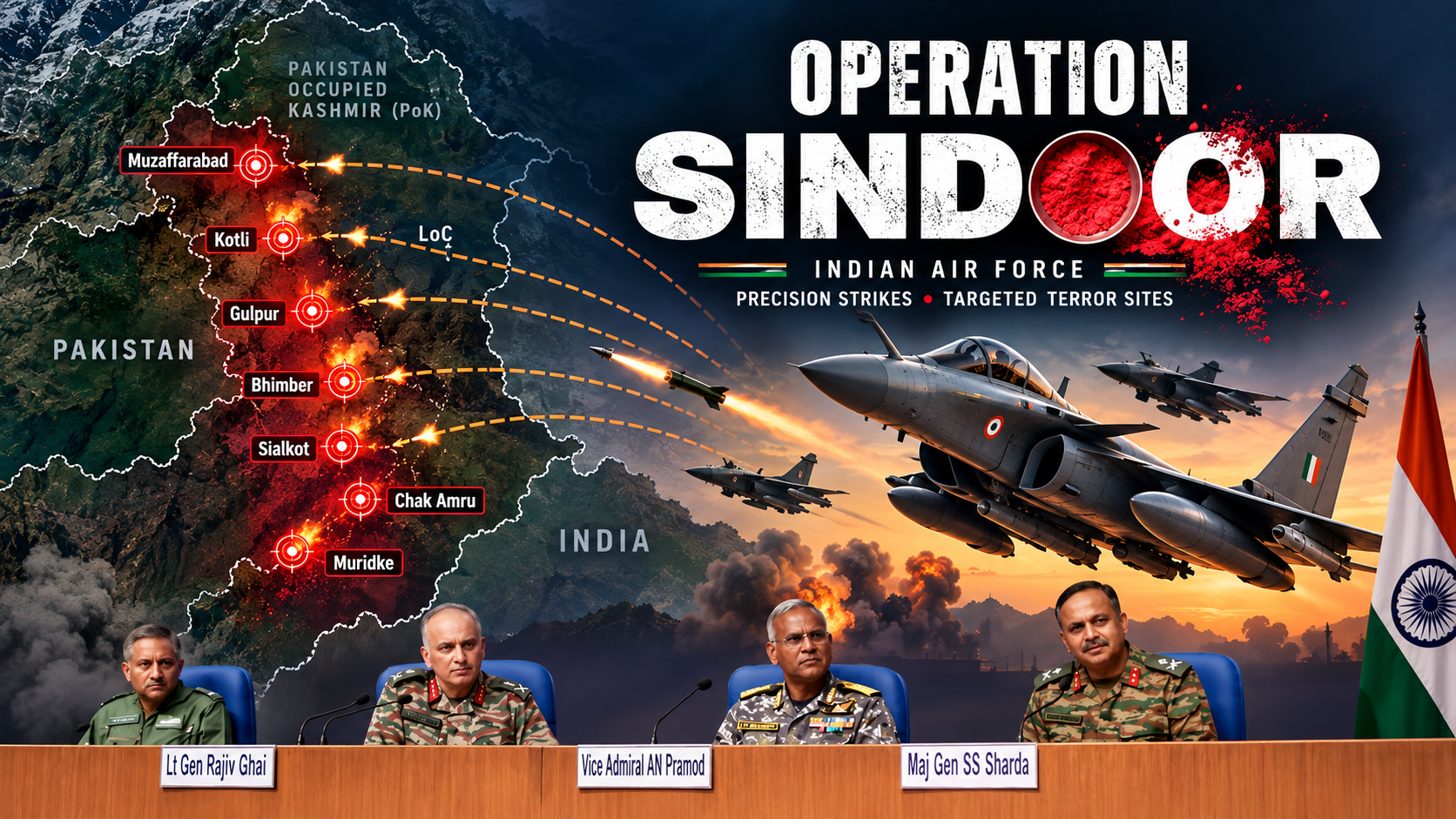
Citing Operation Sindoor, Air Force Chief A.P. Singh stressed that battlefield success isn't determined by advanced fighter jets alone. Despite possessing sophisticated aircraft and military platforms, Pakistan failed to gain a meaningful advantage because effective warfare depends on integration, coordination, and real-time intelligence sharing.
The message is clear: in modern air combat, a connected and integrated combat system is far more powerful than a standalone advanced platform.
The Integration Advantage: India’s Strategic Focus
The Indian Air Force leadership has consistently emphasized integrated warfare capabilities. The focus is not merely on acquiring the most advanced aircraft but ensuring seamless coordination among:
1. Fighter jets
2. Air defense systems
3. Surveillance networks
4. Missile units
5. Electronic warfare platforms
6. Command and control centers
The lesson is simple: Technology delivers results only when it operates as part of an integrated system.
According to the Air Force Chief, this remains one of India's key strengths.
The Real Threat: Declining Squadron Numbers
While discussions around stealth fighters dominate headlines, the Air Force Chief highlighted a far more pressing concern.
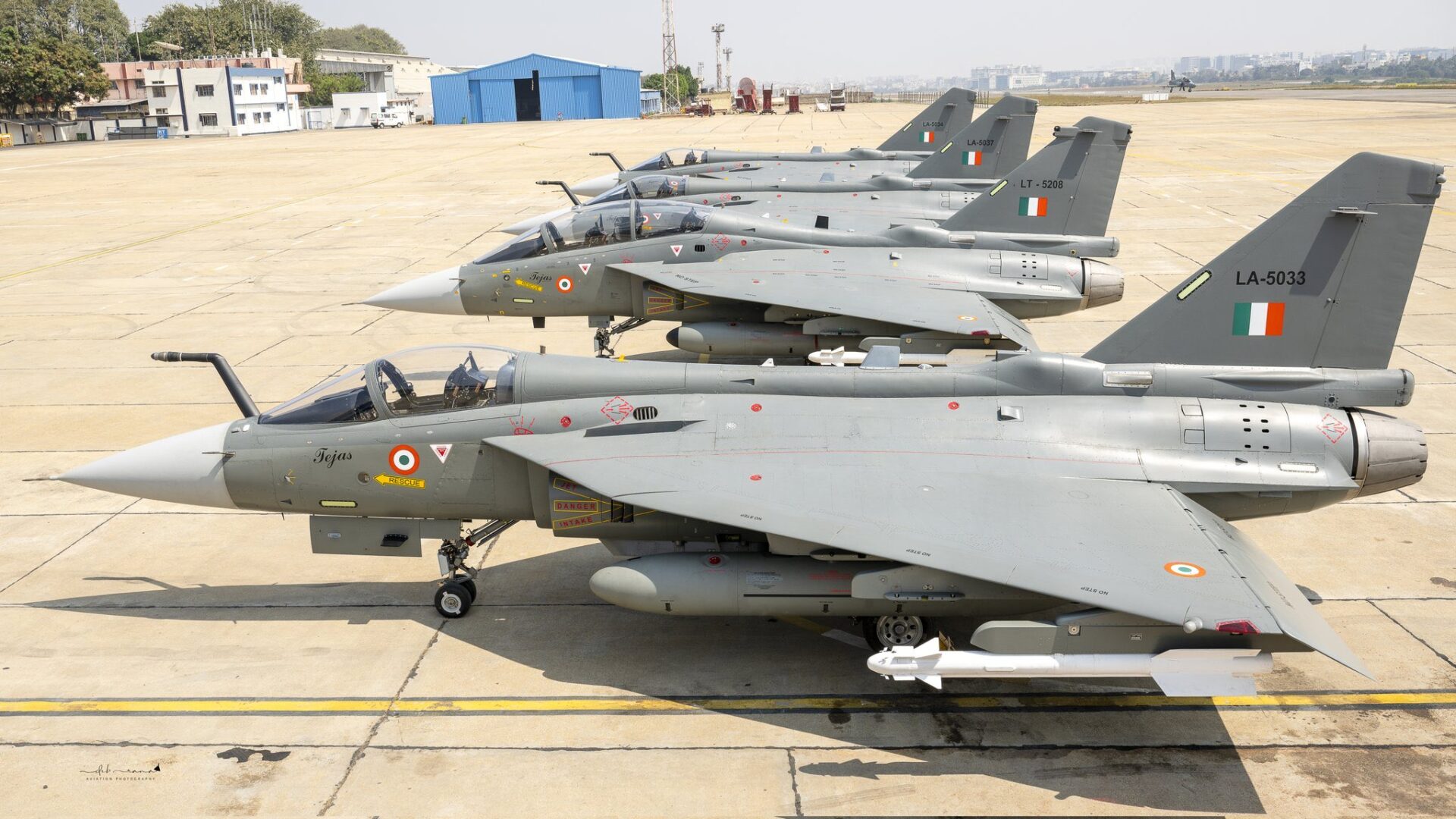
India's fighter squadron strength continues to decline. The sanctioned strength of the Indian Air Force is approximately:
“42 Fighter Squadrons”
However, operational numbers have reportedly fallen below 30 squadrons. This is a significant gap. Considering that a fighter squadron typically consists of around 18 aircraft, India currently faces a shortfall that translates into hundreds of combat aircraft. This numerical decline is becoming increasingly difficult to ignore.
Why Numbers Still Matter in Modern Warfare
A common assumption is that technological superiority can compensate for lower numbers. While advanced aircraft do offer greater combat effectiveness, numbers remain critical for a country with India's security challenges.
India faces a unique strategic scenario:
✅Western Front: Pakistan
✅Northern and Eastern Fronts: China
Any potential two-front conflict would place extraordinary demands on available air assets. Even if India possesses highly capable aircraft, not every squadron is available at all times. Many aircraft are:
1. Under maintenance
2. Undergoing upgrades
3. In training rotations
4. Awaiting repairs
As a result, actual combat-ready strength is typically lower than total inventory figures. The Air Force Chief highlighted the need to induct approximately 36-40 new aircraft annually merely to maintain operational strength while replacing retiring fleets.
India’s Fighter Fleet Challenge
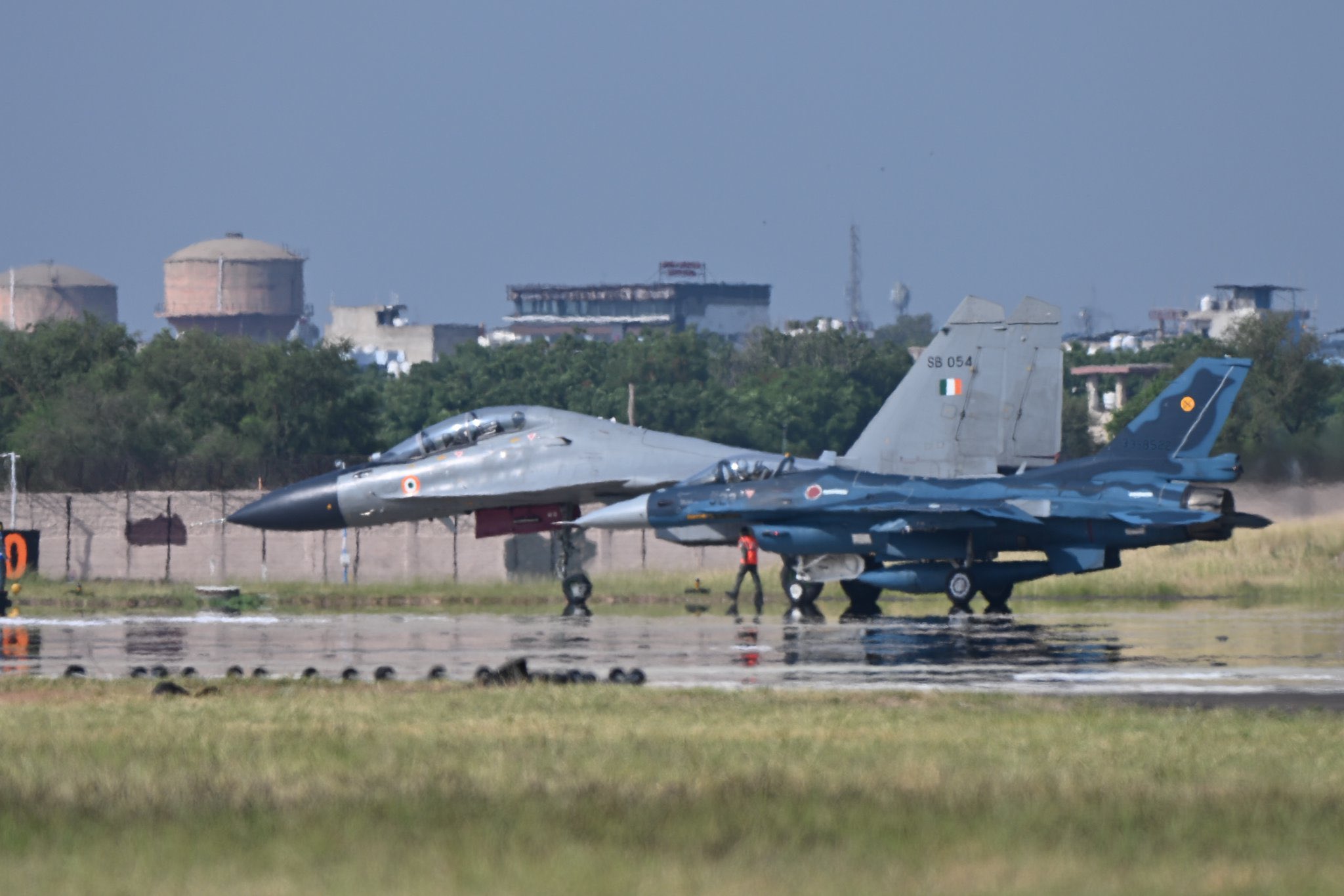
The issue becomes more complex when one examines the retirement schedule of legacy aircraft. Several older platforms are reaching the end of their service lives.
Examples include:
1. MiG-21 (already retired or being phased out)
2. Jaguar fleet
3. Mirage aircraft
4. MiG-29 variants
Every retirement reduces squadron strength unless replacements arrive quickly. Unfortunately, that process has faced challenges.
Tejas Delays and the AMCA Question
India has pinned significant hopes on indigenous programs, particularly the Tejas fighter and the Advanced Medium Combat Aircraft (AMCA).
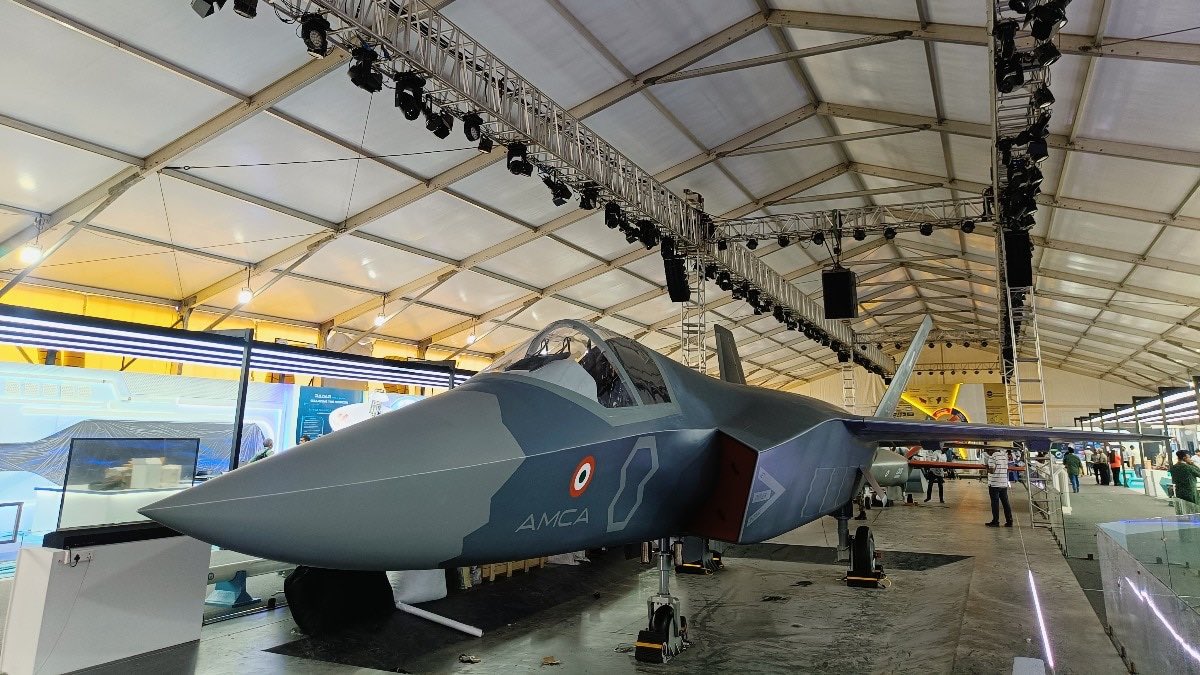
However, induction timelines have proven slower than expected. Engine availability, production bottlenecks, testing requirements, and technological development cycles have delayed rapid force expansion. The AMCA program represents India's long-term ambition to field a homegrown fifth-generation fighter.
Yet defense experts recognize that such projects require years of development, testing, certification, and production before reaching operational readiness. This timeline has raised concerns that capability gaps could emerge before new platforms enter service.
The Bigger Strategic Picture
The Air Force Chief's statement should not be interpreted as an expression of weakness. Rather, it serves as a realistic assessment of future challenges.
The rise of Pakistan-China defense cooperation undoubtedly deserves attention. Greater interoperability between the two countries could strengthen Pakistan's technological capabilities over time.
However, India's most urgent task may be ensuring that:
✅ Squadron numbers remain sufficient
✅ Aircraft inductions accelerate
✅ Indigenous programs stay on schedule
✅ Integrated air defense networks continue to evolve
✅ Emerging threats are addressed proactively
In the end, wars are rarely won by a single aircraft or a single technology. They are won through preparation, integration, readiness, and sustained capability development.
The Strategic Takeaway
Pakistan's acquisition of China's J-35 stealth fighter may grab headlines, but the Indian Air Force Chief has highlighted a more fundamental issue: maintaining the strength and readiness of India's air combat fleet.
The future of air power in South Asia will not be decided solely by who owns the most advanced fighter jet. It will be determined by who can successfully combine technology, numbers, integration, and operational readiness into a cohesive fighting force.
As India races to modernize its air force amid rapidly evolving regional threats, the coming decade could prove decisive for the balance of power in the skies.
🚀 Stay Ahead of the Defense Curve
Is India’s biggest challenge really the J-35, or is it the shrinking squadron strength of its own Air Force?
The debate is far from settled, and the stakes could shape the future balance of air power in South Asia.
If you found this analysis insightful, share it with fellow defense enthusiasts, military observers, and geopolitics followers to keep the conversation going.
Want more deep-dive analysis on military technology, geopolitics, defense modernization, and global security trends?
👉 Subscribe to our newsletter for expert insights delivered straight to your inbox and follow us for real-time defense updates and strategic analysis.
Written by
Ritvik DeshmukhDiscussion (0)
Sign in to join the discussion.
Loading comments…