
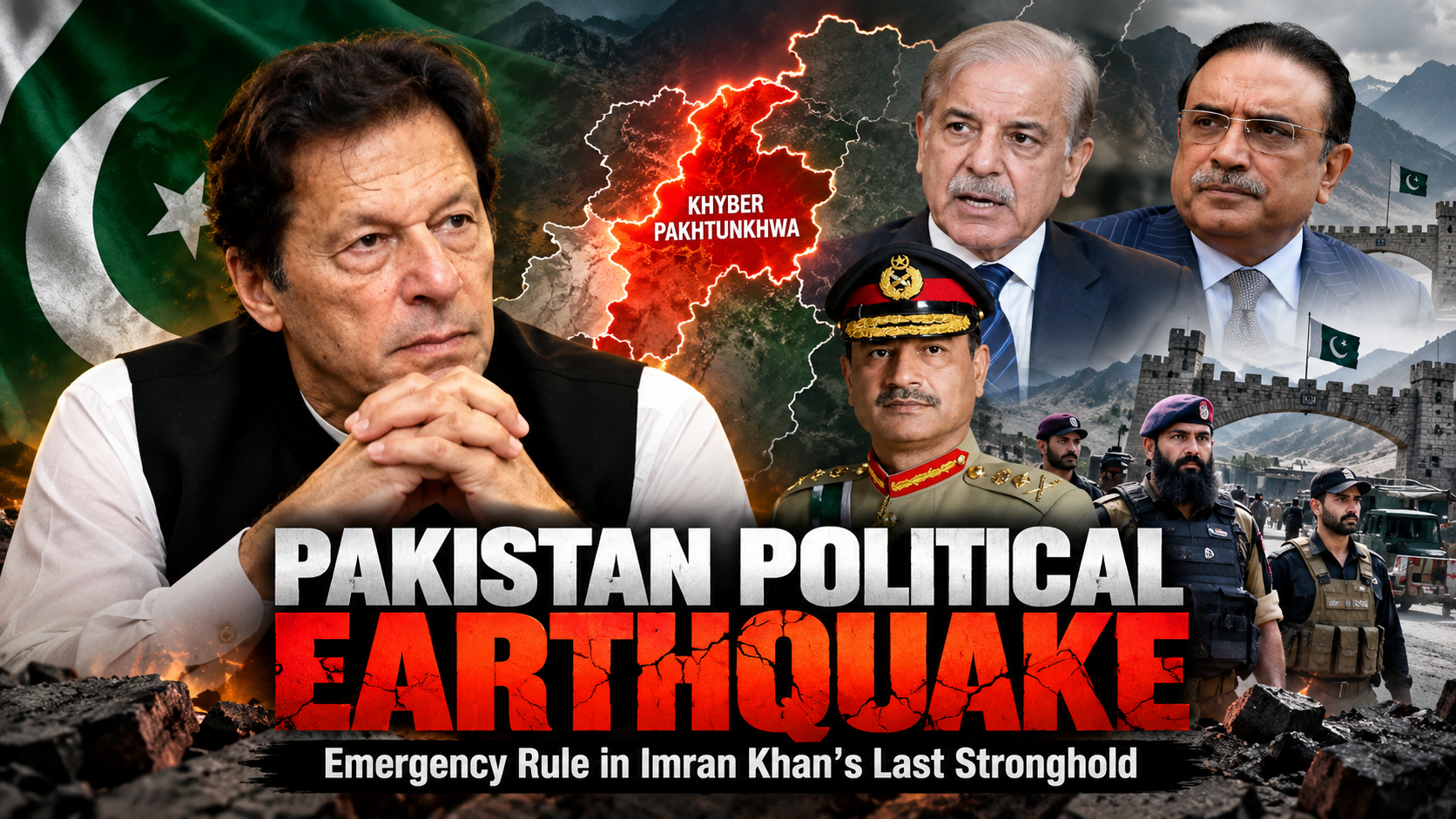
Islamabad cites surging terrorism and security concerns, while PTI accuses the government of stripping away provincial autonomy and crushing its final center of power.
Is Pakistan Heading Toward Another Major Political Crisis?
Pakistan appears to be entering yet another period of deep political instability. In a dramatic and highly controversial move, the federal government has imposed emergency rule in Khyber Pakhtunkhwa (KP), effectively ending the rule of Pakistan Tehreek-e-Insaf (PTI), the party led by former Prime Minister Imran Khan.
This development is particularly significant because Khyber Pakhtunkhwa was the last major province under PTI's control. With Imran Khan still behind bars and his party already facing immense political pressure, removing PTI's provincial government raises serious questions about democracy, federalism, security, and Pakistan's political future.
But what exactly happened, and why does it matter so much?
What Happened in Khyber Pakhtunkhwa?
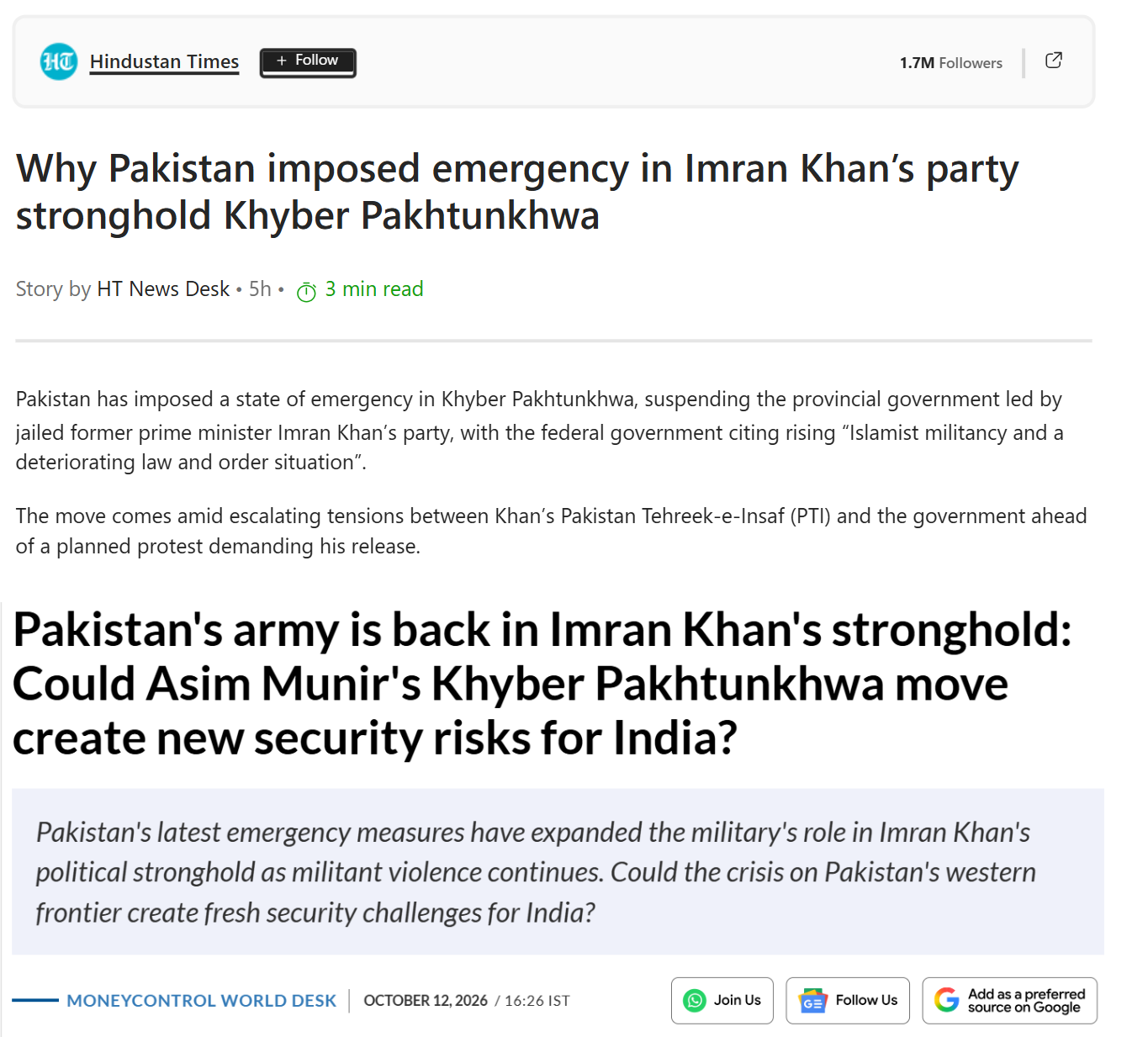
On October 11, 2026, Pakistan's President Asif Ali Zardari, acting on the advice of the federal government led by Prime Minister Shehbaz Sharif, approved the imposition of emergency measures in Khyber Pakhtunkhwa.
As a result:
1. The PTI-led provincial government has been suspended.
2. Governor's Rule has been imposed.
3. An 11-member advisory council has reportedly been established to assist the provincial governor in administration.
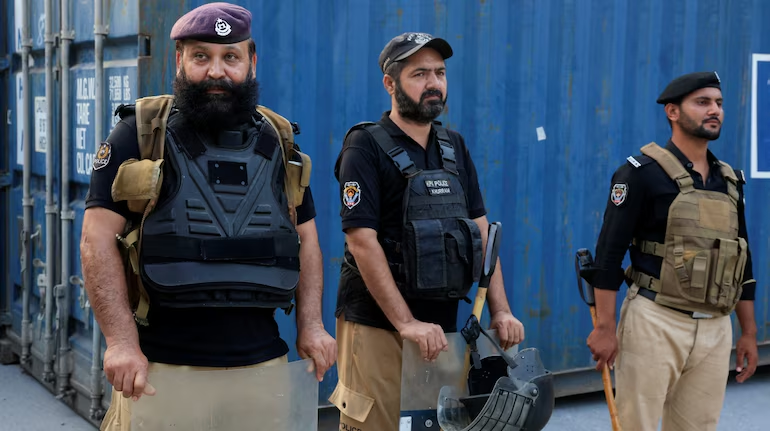
4. Security forces have been deployed in larger numbers across the province.
The federal government argues that extraordinary measures became necessary because the provincial administration was unable to effectively address the worsening security situation and rising militancy in the region.
Why Is Khyber Pakhtunkhwa So Important?
Khyber Pakhtunkhwa is not just another province.
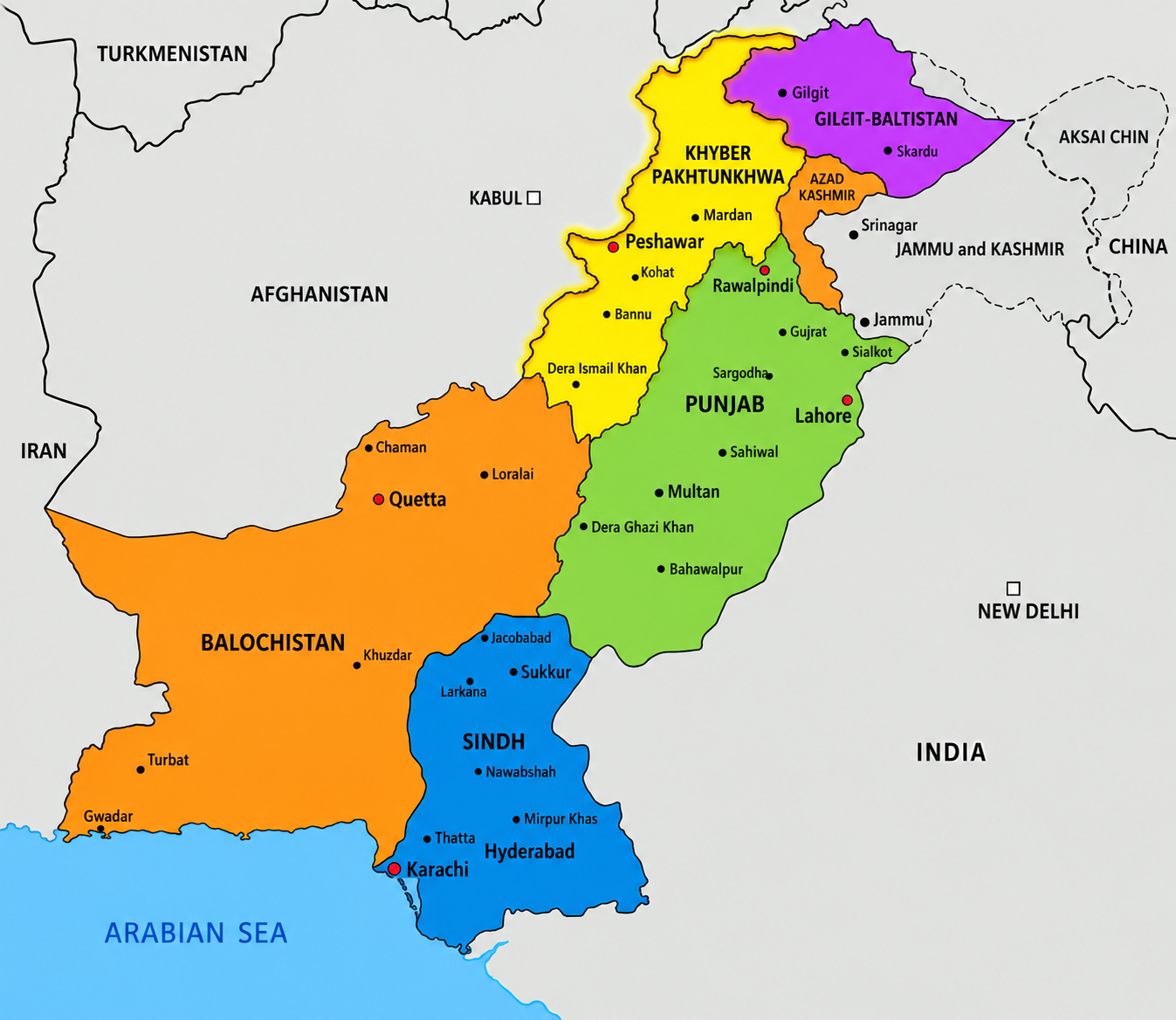
Located along Pakistan's western frontier, it shares a long and sensitive border with Afghanistan. Its capital, Peshawar, has historically been at the center of security, counterterrorism, and cross-border issues.
Several factors make the province strategically critical:
1. Border With Afghanistan
KP directly borders Afghanistan, making it a key region in monitoring cross-border movement and militant activity.
2. Terrorism and Security Challenges
Pakistan has repeatedly accused militant groups operating from Afghan territory of launching attacks inside Pakistan. Among the most frequently mentioned groups is the Tehreek-e-Taliban Pakistan (TTP).
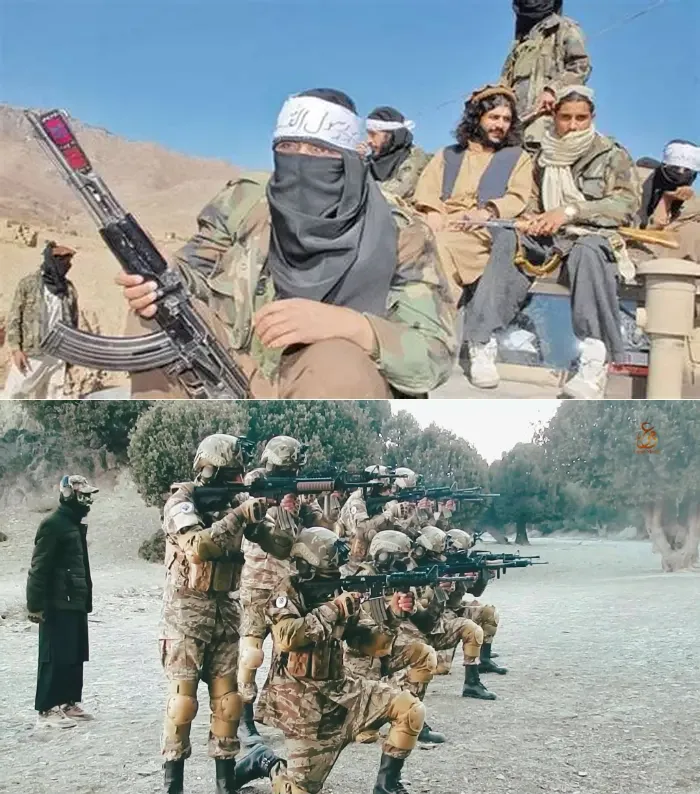
The mountainous terrain of the region often makes counterterrorism operations more difficult, allowing militant networks opportunities to regroup and operate.
3. Political Significance
For more than a decade, PTI has enjoyed significant political influence in Khyber Pakhtunkhwa. Since 2013, the province has largely been considered Imran Khan's political bastion and one of the party's strongest power centers.
Losing control of KP therefore carries consequences far beyond local governance.
Why Did the Federal Government Take Such a Drastic Step?
According to the Shehbaz Sharif government, the move was driven primarily by national security concerns. Federal authorities argue that:
1. Terror-related incidents have increased significantly.
2. The provincial administration failed to coordinate effectively with the federal government.
3. Counterterrorism efforts require stronger cooperation between provincial and federal authorities.
4. The province's handling of negotiations and security matters linked to Afghanistan was inadequate.

Pakistani officials have cited alarming security statistics, claiming a sharp rise in extremist and terrorist incidents in recent years. Officials claim terrorist and extremist incidents have surged dramatically, with authorities reporting a 196% increase in violence-related attacks over the past two and a half years.
The government's position is straightforward: "extraordinary threats require extraordinary measures."
PTI Calls It a Political Takeover
Not surprisingly, PTI strongly rejects the federal government's justification.
According to PTI leaders, the emergency measures are not about security but about politics. The party argues that:
1. Imran Khan has already been imprisoned for an extended period.
2. PTI leaders have faced legal and political pressure across the country.
3. Khyber Pakhtunkhwa was the last significant province where PTI still exercised power.
4. The imposition of Governor's Rule weakens provincial autonomy guaranteed under Pakistan's constitutional framework.
PTI supporters see the move as another attempt to dismantle the party's remaining political influence.
Many within the party have also criticized the increased military presence and security operations in the province, describing them as excessive and politically motivated.
The Timing Raises Even More Questions
Perhaps the most intriguing aspect of this development is its timing.
In recent weeks, PTI supporters have intensified their campaign for the release of Imran Khan. Since October 4, 2026, large-scale protest marches led by Khyber Pakhtunkhwa PTI’s Chief Minister Sohail Afridi have been advancing toward Islamabad, reflecting the party's strong grassroots support in the province.

One of the key demands of these campaigns was simple: "Release Imran Khan."
However, tensions escalated after negotiations between PTI and the federal government failed to produce a breakthrough. Soon afterwards, emergency measures were imposed on October 11, 2026.
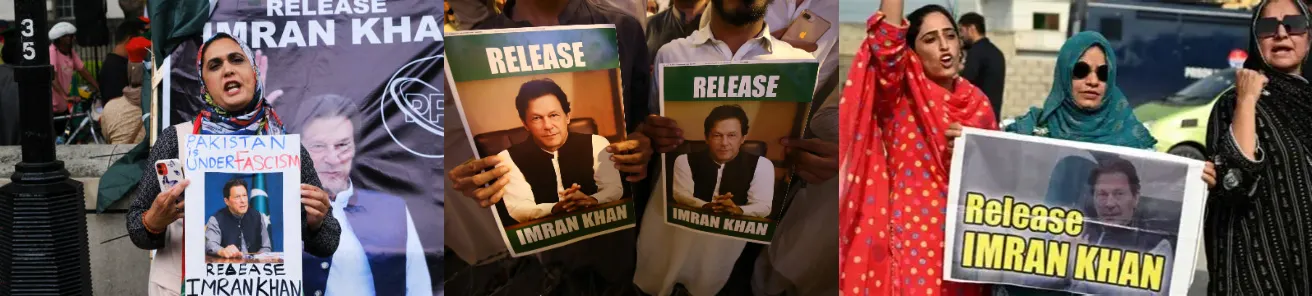
For PTI supporters, the sequence of events appears far from coincidental.
Is Pakistan's Federal Structure Under Pressure?
The controversy also revives a much larger constitutional debate.
In 2010, Pakistan adopted the landmark 18th Constitutional Amendment, which transferred significant powers from the federal government to provincial governments.
The amendment was widely viewed as a major step toward decentralization and provincial autonomy.
Opposition parties, PTI leaders, constitutional experts, and advocates of provincial autonomy argue that suspending an elected provincial government moves Pakistan in the opposite direction of the decentralization envisioned under the 18th Constitutional Amendment.
According to them, it raises concerns about whether the federal government is gradually reclaiming powers that were intentionally devolved to the provinces.
Supporters of the decision, however, insist that constitutional mechanisms exist precisely for situations involving severe threats to national security.
⚡ Who Is Imran Khan and Why Does Khyber Pakhtunkhwa Matter?
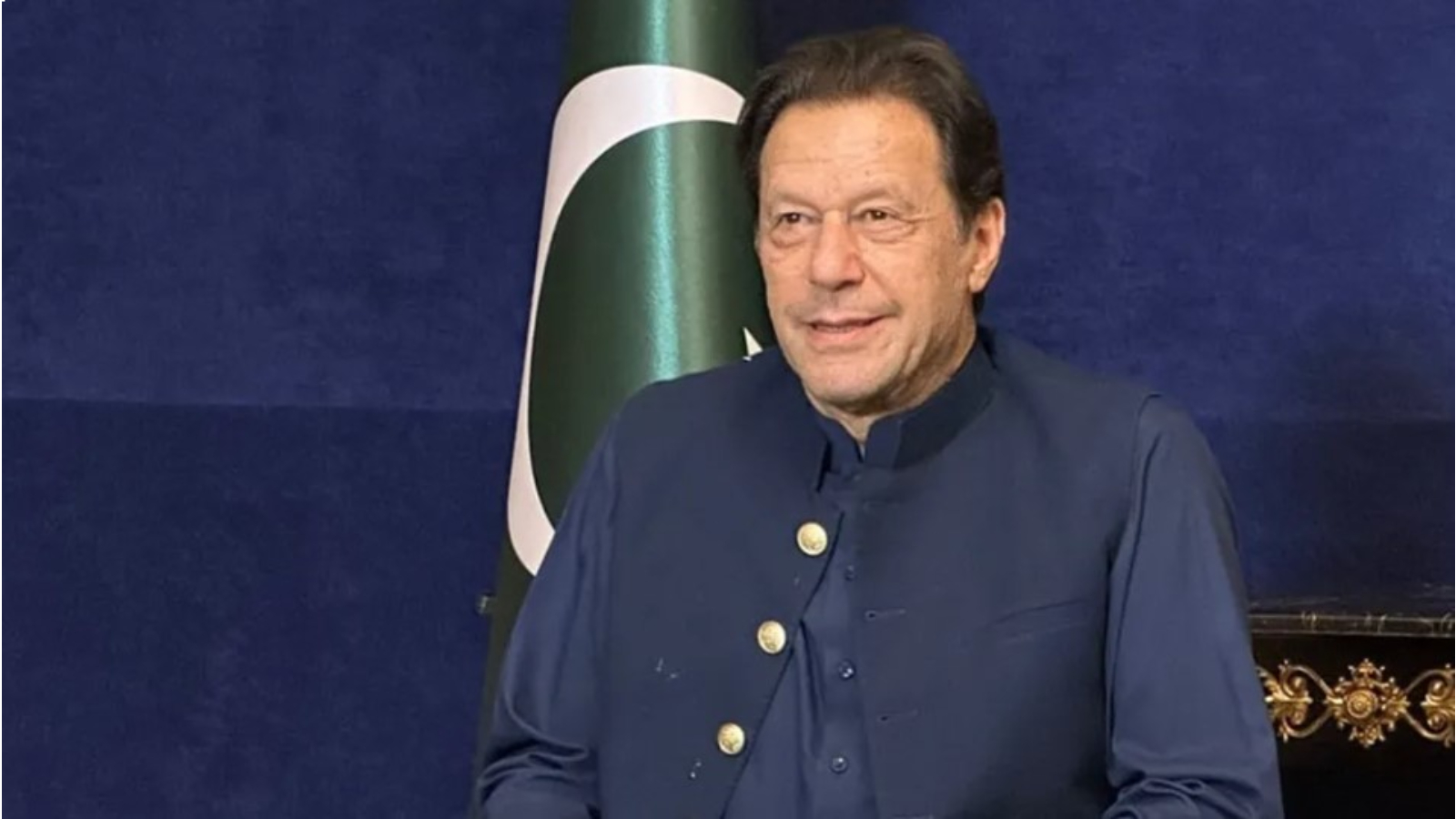
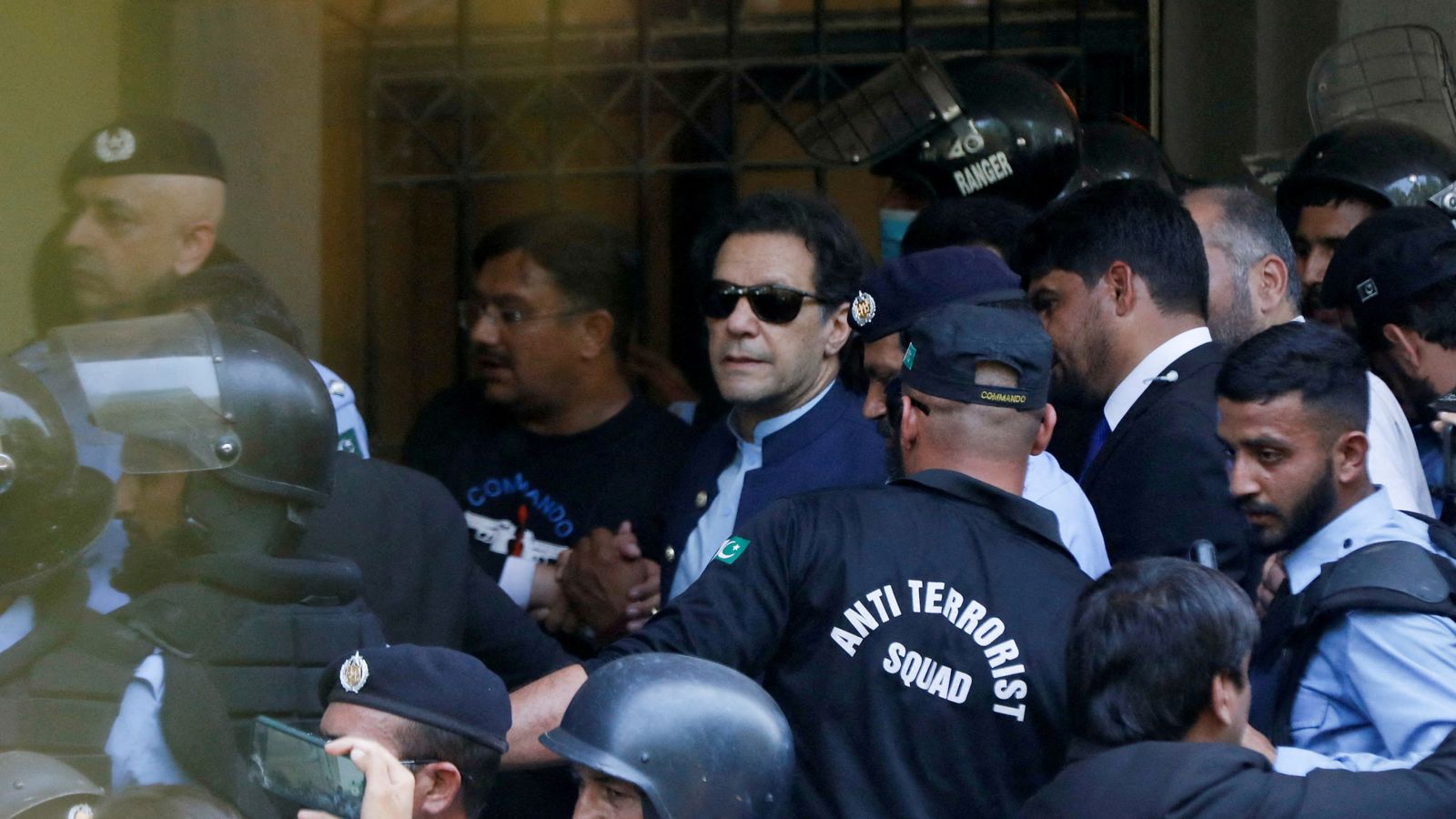
Imran Khan, Pakistan's former prime minister and founder of PTI, was removed from office through a no-confidence vote in 2022 and has remained behind bars since 2023 while facing multiple legal cases. PTI maintains that the charges are politically motivated.
What Does This Mean for Imran Khan?
For Imran Khan and PTI, control of Khyber Pakhtunkhwa was more than just a political victory, and the consequences could be severe. Even while out of power nationally, PTI retained an important political advantage: An Institutional Base
Having control over a province gave PTI:
1. Administrative influence
2. Political visibility
3. A platform for mobilizing supporters
4. A counterweight to the federal government
With Governor's Rule now in place, PTI risks losing one of its most important organizational strongholds.
At a time when the party is already battling legal, political, and administrative challenges, this development could significantly weaken its position.
⚡ From Islamabad March to Custody: The Political Fallout Begins
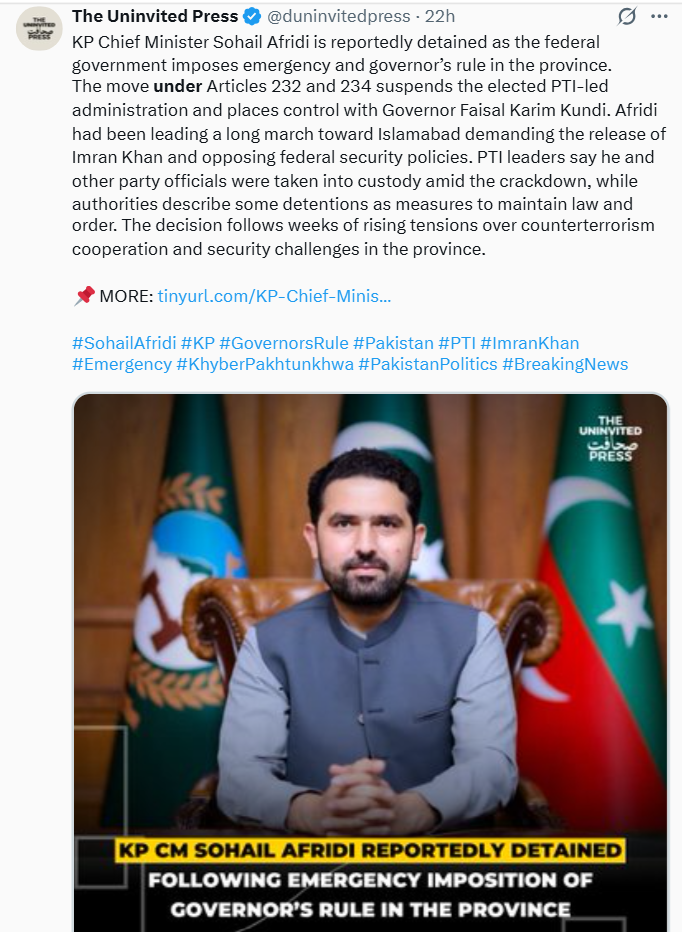
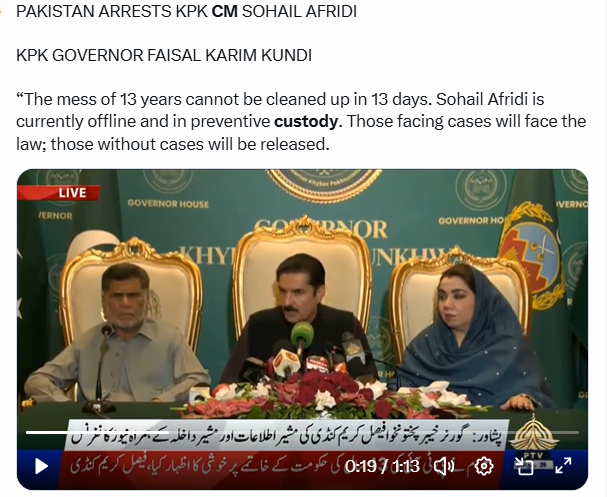
The emergency declaration has triggered an immediate political crackdown, with reports indicating that Khyber Pakhtunkhwa Chief Minister Sohail Afridi has been taken into custody as authorities move to enforce Governor's Rule. The development comes days after Afridi spearheaded mass protests demanding the release of Imran Khan, further intensifying the confrontation between PTI and the federal government.
Could Pakistan Face Greater Instability?
The biggest concern now is what happens next. Several possible outcomes could emerge:
1. Rising Political Confrontation
The standoff between PTI and the federal government may intensify further, leading to more protests, demonstrations, and political polarization.
2. Public Unrest
If supporters perceive the move as politically motivated, public anger could increase, particularly in PTI strongholds.
3. Security Challenges
Pakistan is already facing rising security concerns in several regions, including Khyber Pakhtunkhwa and Balochistan. Additional political instability could further complicate the security environment.
4. Worsening Pakistan-Afghanistan Relations
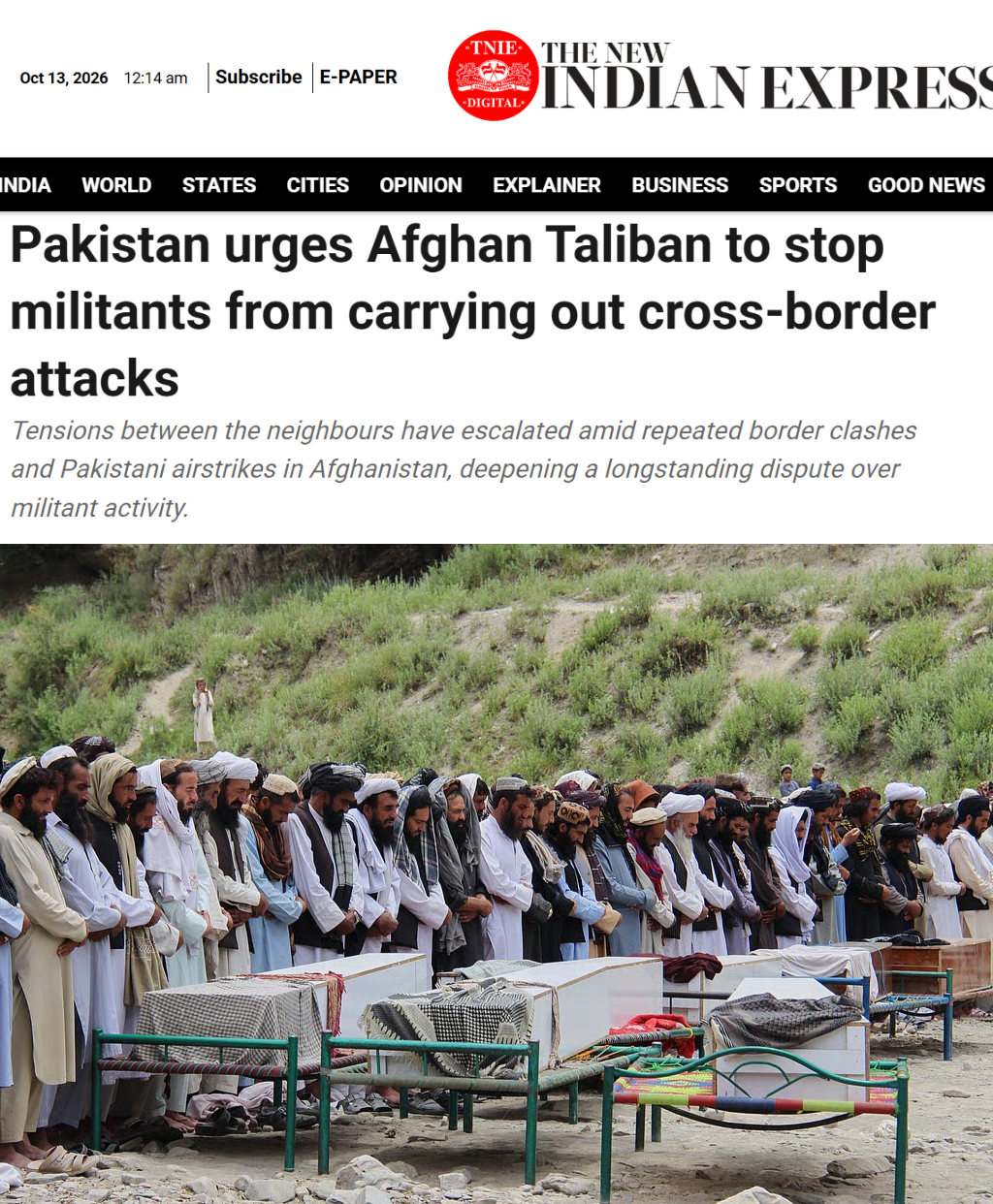
Border clashes and accusations between Pakistan and Afghanistan have become increasingly common.
If Pakistan expands military operations or increases pressure on Afghanistan over cross-border militancy, bilateral relations could deteriorate even further.
The Bigger Picture
The emergency imposed in Khyber Pakhtunkhwa is more than a provincial political dispute. It sits at the intersection of multiple crises affecting Pakistan today:
1. Growing terrorism concerns
2. Political polarization
3. Questions over democratic institutions
4. Federal versus provincial power struggles
5. Tensions with Afghanistan
6. The uncertain future of Imran Khan and PTI
Whether this move restores stability or triggers an even deeper political confrontation remains to be seen.
One thing, however, is already clear: Pakistan's political landscape has entered another highly volatile phase, and the consequences could extend far beyond Khyber Pakhtunkhwa.
🔥 Final Analysis: Pakistan's Defining Moment?
The fall of PTI's last major provincial government marks a potentially historic turning point in Pakistan's ongoing political saga. While the federal government portrays the move as a counterterrorism necessity, PTI leaders and opposition voices argue that it is a politically motivated step aimed at weakening Imran Khan's remaining power base.
As tensions rise, Pakistan now faces a critical question:
“Is this a genuine attempt to restore security, or the beginning of a new chapter in the country's political power struggle?”
The answer could shape Pakistan's future for years to come.
📢 What Do You Think?
Was the emergency in Khyber Pakhtunkhwa justified for national security reasons, or is it a political move aimed at weakening Imran Khan and PTI?
💬 Share your views in the comments below.
🔔Follow us for in-depth analysis of geopolitics, South Asian affairs, security developments, and global power shifts.
📲Don't forget to share this article with friends and fellow readers interested in Pakistan's rapidly evolving political crisis.
Written by
Aarav VashishtDiscussion (0)
Sign in to join the discussion.
Loading comments…