
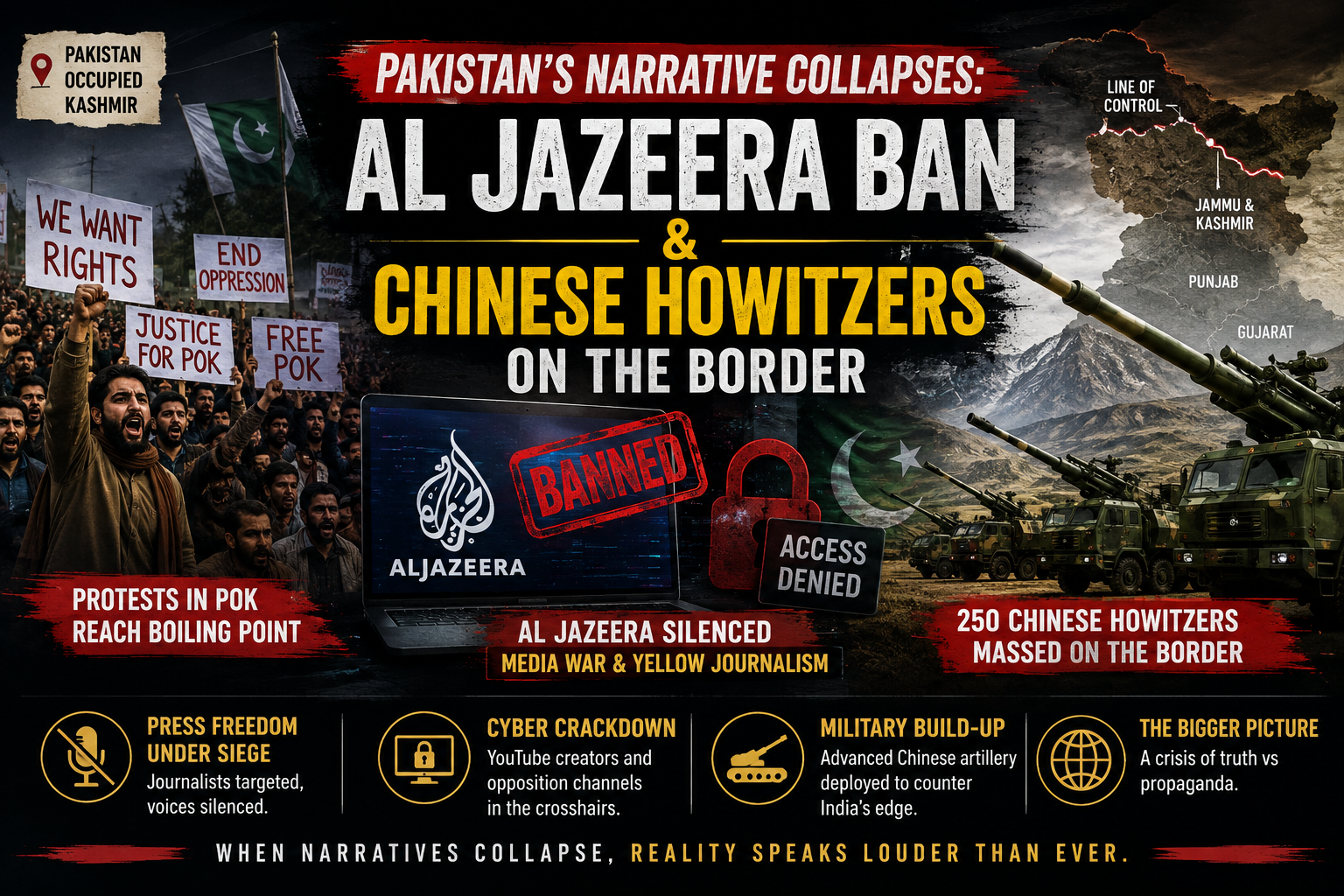
Protests in Pakistan-Occupied Kashmir Reach Boiling Point
For months, Pakistan-Occupied Kashmir (POK) has been engulfed in relentless protests. What began as scattered demonstrations has now escalated into a full-blown movement, fueled by anger over inflation, electricity shortages, unemployment, and broken promises of autonomy.
Streets are flooded with frustrated citizens, and reports of violent crackdowns, injuries, deaths, and intimidation have shattered Islamabad’s long-standing claim of “peaceful democracy” in POK.
Al Jazeera Silenced: Pakistan’s Media War & ‘Yellow Journalism’ & ‘Selective Reporting” Allegations
On August 3, Pakistan’s Ministry of Information and Broadcasting launched a fierce attack on Al Jazeera, accusing the Qatar-funded network of “yellow journalism.” Officials accused Al Jazeera of sensationalizing its coverage, using inflated headlines, dramatic visuals, and giving disproportionate attention to opposition voices, while sidelining the government’s own narrative.
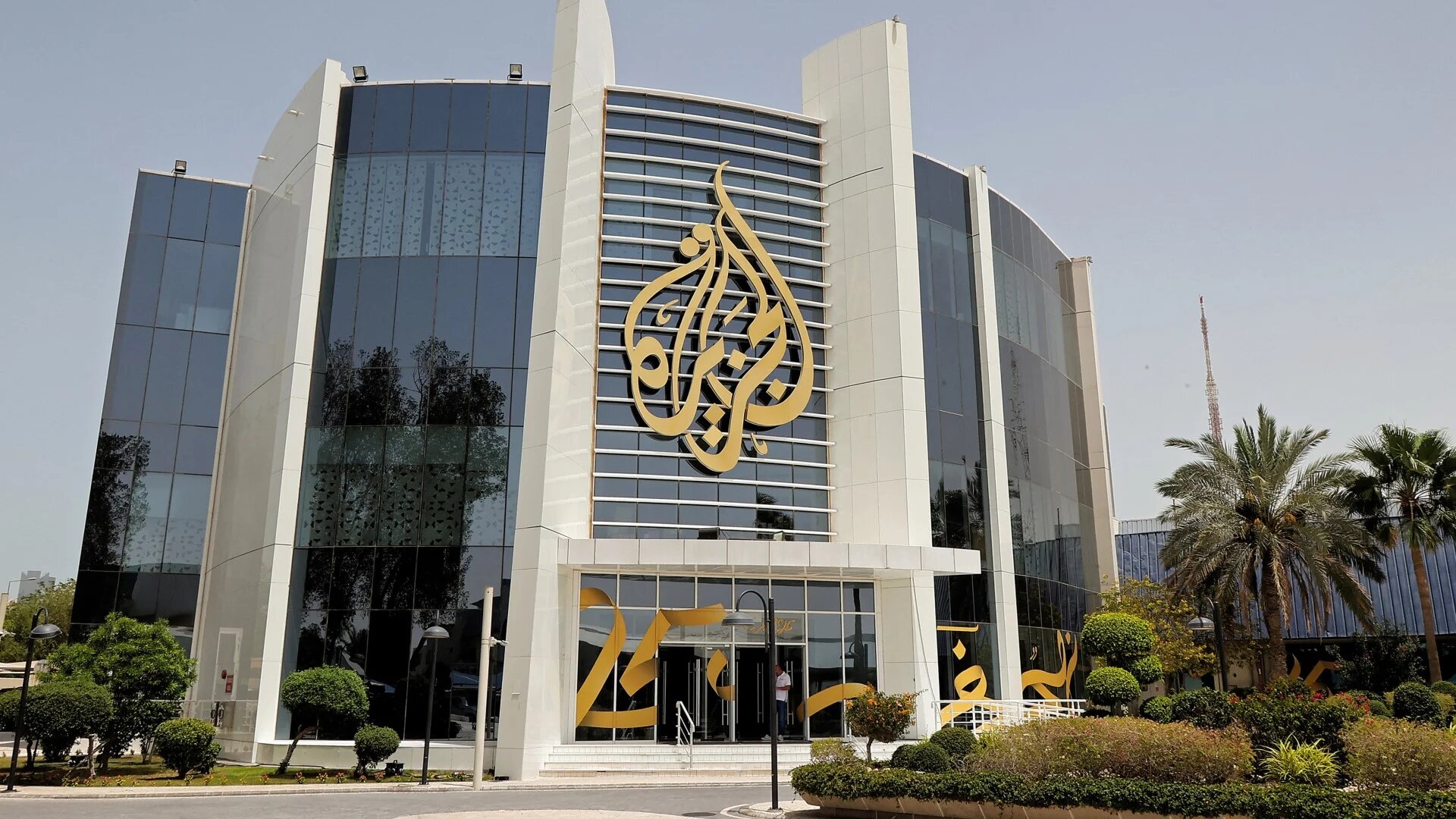
Soon after, users across Pakistan found Al Jazeera’s website inaccessible, alongside other portals covering POK protests. This move reveals Pakistan’s desperation: decades of carefully crafted narratives about “free and fair elections” in POK are collapsing under global scrutiny. Al Jazeera’s coverage, broadcast to over 100 countries, has exposed realities Islamabad can no longer hide.
Press Freedom Under Siege: Journalists in the Crosshairs
The Committee to Protect Journalists (CPJ) has slammed Pakistan for what it calls a systematic assault on independent reporting. From internet blackouts and telecommunication shutdowns to outright restrictions on coverage, the situation in Pakistan-administered Kashmir has spiraled into a dangerous clampdown on press freedom.
CPJ warned that the disappearance and detention of journalists, combined with government-imposed barriers to news gathering, paints a grim picture of media repression. The organization has urged Pakistani authorities to end the crackdown immediately, restore access to information, and ensure that reporters can work freely without fear or obstruction.
Cyber Crackdown: YouTube Creators and Opposition Channels in the Crosshairs
Earlier in July, Al Jazeera revealed that an Islamabad judicial magistrate moved to block several YouTube channels after a June 2 report from Pakistan’s National Cyber Crime Investigation Agency. The agency accused these platforms of spreading “intimidating, provocative, and derogatory” content aimed at state institutions and officials.
By June 24, a court order had singled out channels tied to the main opposition party, its leadership, and jailed former Prime Minister Imran Khan, along with outspoken journalists critical of the government. In a parallel move, YouTube issued warnings to 27 creators, cautioning that their channels could be removed if they failed to comply with the directives.
China’s Shadow: Howitzers Massed on the Border
Parallel to the media clampdown, Pakistan has deployed 250 Chinese-made SH15 truck-mounted 155mm self-propelled howitzers along the India-Pakistan border, from the Line of Control to the international boundary stretching across Punjab, Jammu, and Gujarat.
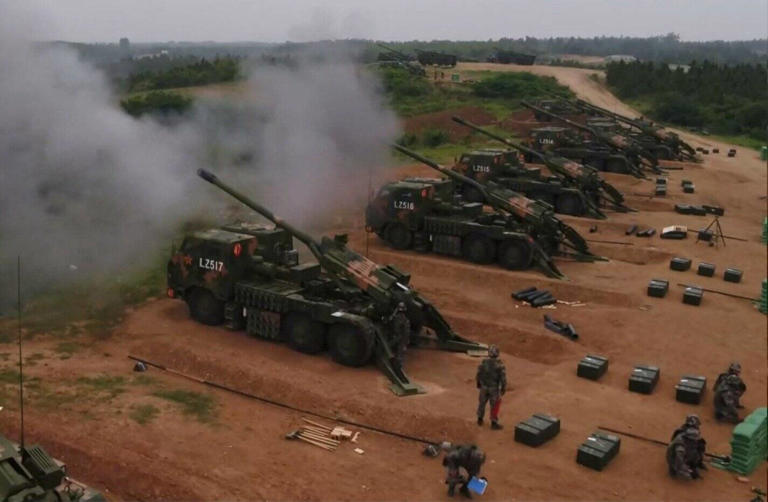
Artillery, often called the “God of War,” plays a decisive role in modern conflicts by weakening enemy positions before ground advances. Pakistan’s move signals both lessons learned from recent clashes and an attempt to match India’s advanced arsenal, which already includes indigenous systems like K9 Vajra, Dhanush, and ATAGS. Yet, Pakistan faces a critical challenge: dependence on China for spare parts and ammunition. Sustaining such a massive deployment could strain its already fragile economy.
India’s Perspective: A Strategic Advantage
For India, these developments reinforce its long-standing position. The unrest in POK highlights governance failures Islamabad has long denied, while restrictions on press freedom expose Pakistan’s insecurity. Militarily, India remains confident, with superior artillery systems already in place to counter any escalation.
The Bigger Picture: Narrative Warfare
Modern conflicts are fought not just with weapons but with narratives. Pakistan’s attempt to suppress dissenting voices and project strength through Chinese military hardware underscores its struggle to control both domestic unrest and international perception. But the cracks are showing, and the world is watching.
The unfolding crisis in POK is more than a regional issue; it’s a test of truth versus propaganda.
Because when narratives collapse, reality speaks louder than ever.
Written by
Ishaan TrivediDiscussion (0)
Sign in to join the discussion.
Loading comments…