
A Routine Patrol, A Sudden Collision, and Big Questions at Sea
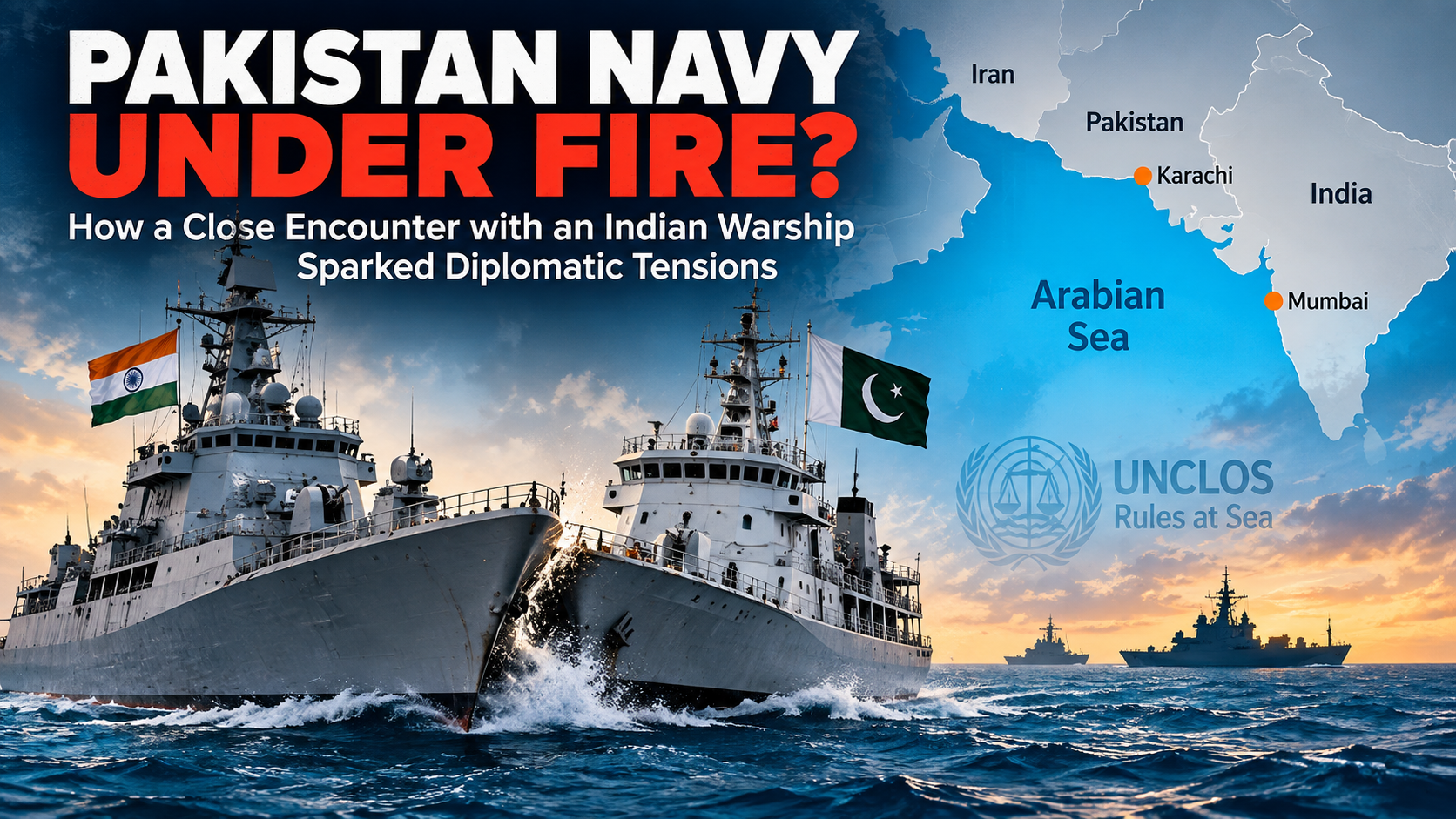
A maritime incident in the Arabian Sea has placed Pakistan's naval professionalism under intense scrutiny after a Pakistani naval vessel reportedly collided with an Indian Navy warship during what India described as a routine surveillance mission in international waters.
While no major damage or casualties have been reported, the episode has triggered diplomatic protests, renewed concerns over naval conduct, and raised uncomfortable questions about operational discipline in one of the world's most sensitive maritime regions.
What Exactly Happened?
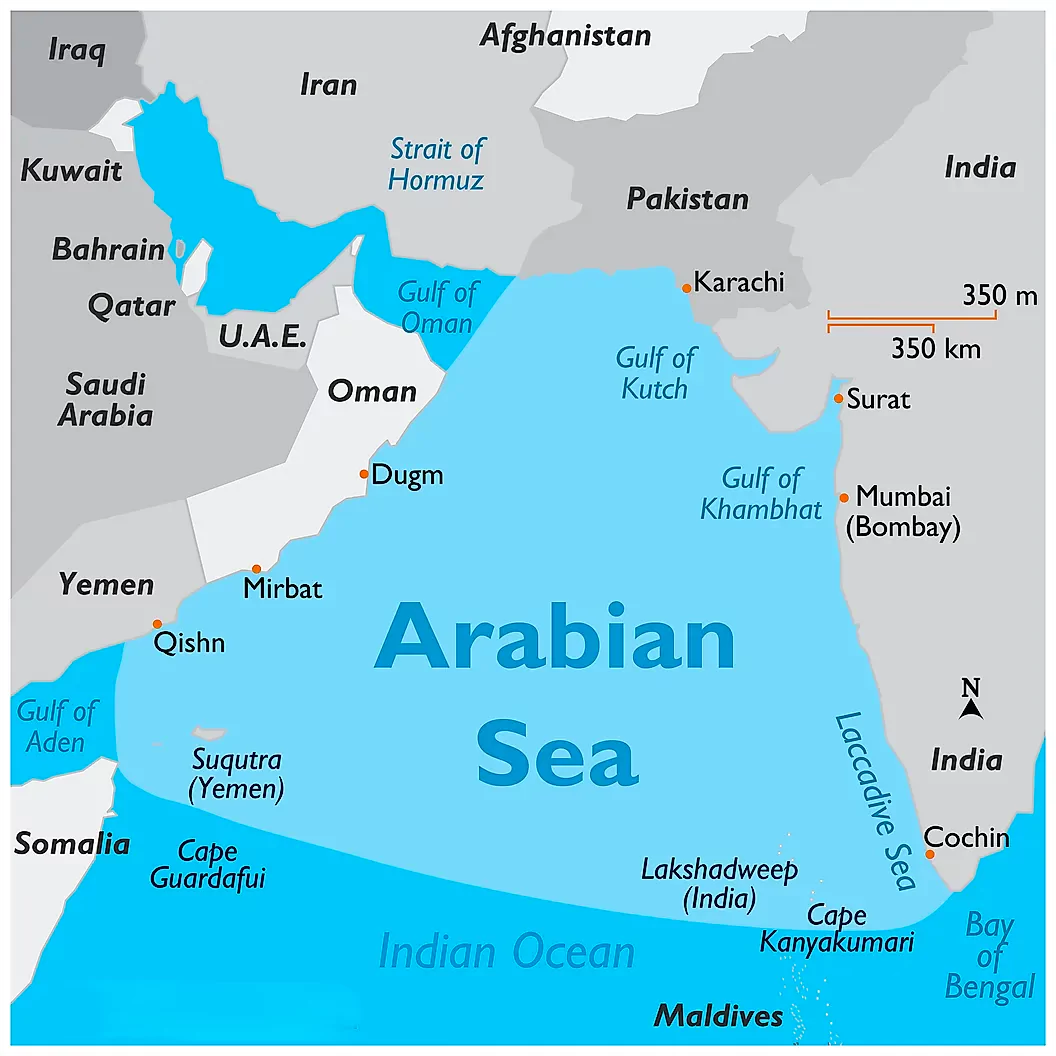
According to India's account of the incident, an Indian naval vessel was conducting a routine surveillance operation in international waters in the northern Arabian Sea when a Pakistani naval ship approached at high speed and eventually made contact with the Indian warship.
The exact identity of the Indian ship involved, and precise operational details have not been publicly disclosed. However, India has strongly objected to how the Pakistani vessel reportedly approached and manoeuvred near its naval unit.
What makes the incident particularly noteworthy is that it did not occur during a conflict or military confrontation. Instead, it happened during peacetime operations, where naval vessels are expected to follow established international maritime safety protocols.
From Exercise to Embarrassment: Naval Drill Hits Rough Waters
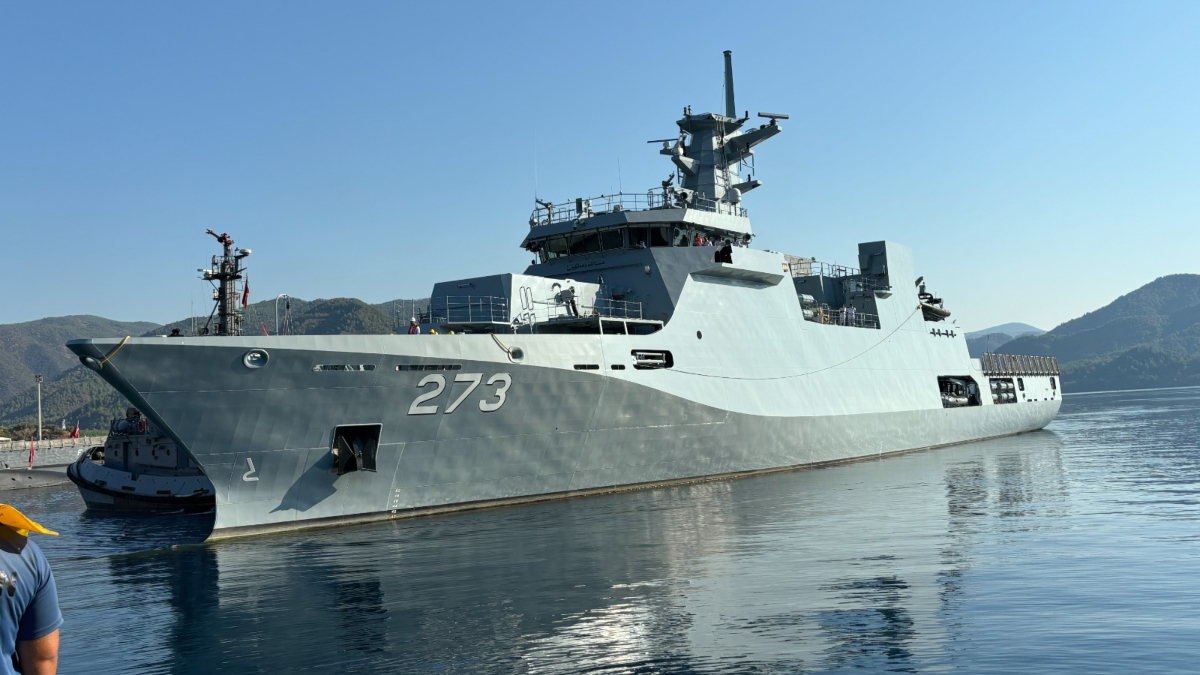
The Pakistani Navy's PNS Hunain, a Yarmook-class patrol vessel, reportedly returned to port with significant damage after a collision involving an Indian Navy warship in the North Arabian Sea. The incident occurred while Pakistan was conducting its SEASPARK-2026 naval exercise, which featured operational activities off the Karachi coast and surrounding waters.
Why Naval Collisions Are Not Ordinary Accidents
If two commercial ships collide, the consequences are generally limited to insurance claims, investigations, and maritime liability issues.
A collision involving naval vessels is an entirely different matter.
Warships carry sophisticated radar systems, surveillance equipment, weapons platforms, and sensitive military technology. They operate under strict military engagement procedures and often monitor strategic activities in real time.
Because of this, even a minor collision can:
1. Trigger military alerts
2. Create diplomatic tensions
3. Lead to accusations of unsafe conduct
4. Increase the risk of misunderstanding between rival nations
5. Escalate regional security concerns
In highly sensitive waters such as the Arabian Sea, professionalism and precision are essential to prevent incidents from spiraling into larger crises.
India's Strong Response
India has made it clear that the core issue is not merely the physical contact between the vessels. According to New Delhi, the major concern was how the Pakistani ship approached and manoeuvred in close proximity to the Indian warship.
Indian officials reportedly described the conduct as:
1. Unsafe
2. Unprofessional
3. Unacceptable
India subsequently lodged a strong diplomatic protest and summoned Pakistan's senior diplomatic representative in New Delhi to formally convey its concerns.
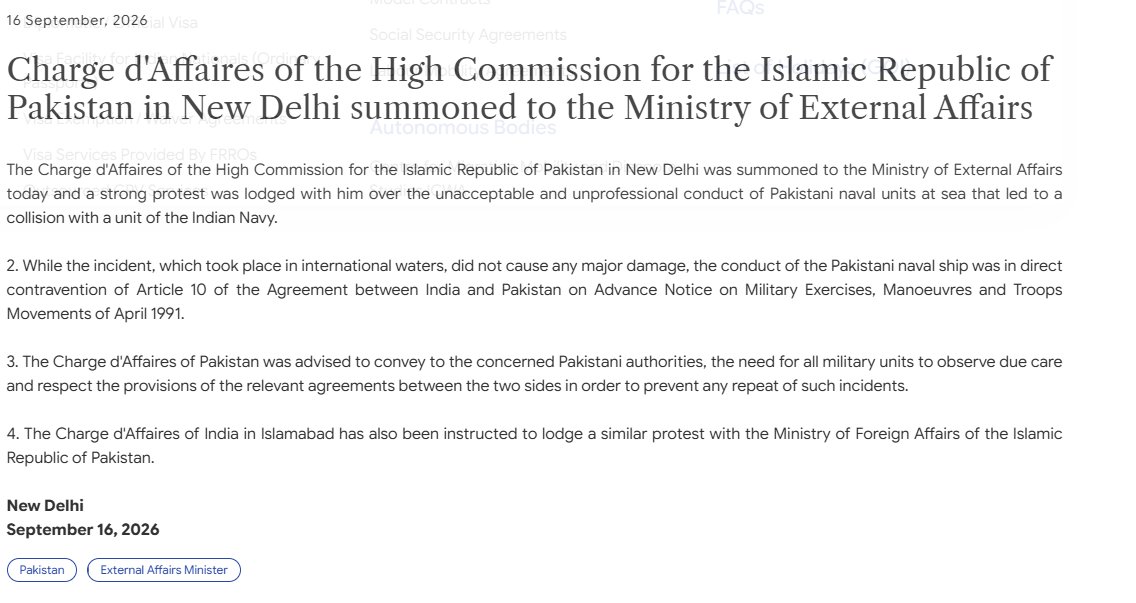
The message was straightforward: military vessels operating in international waters must adhere to established navigational norms and safety standards at all times.
International Waters Do Not Mean "No Rules"
One common misconception is that international waters are lawless zones where countries can operate however they wish.
That is far from reality.
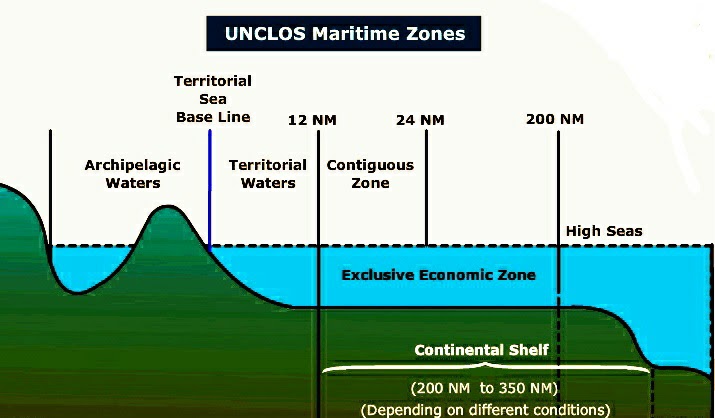
While territorial waters generally extend up to 12 nautical miles from a country's coastline, international waters beyond those limits remain governed by internationally accepted maritime regulations.
Among the most important frameworks are:
1. UNCLOS (United Nations Convention on the Law of the Sea)
UNCLOS establishes maritime zones, navigational rights, and responsibilities for states operating at sea.
2. Collision Prevention Regulations
International regulations for preventing collisions at sea were created specifically to ensure safe navigation between vessels operating in shared maritime spaces. These rules require ships to maintain safe distances, communicate effectively, and manoeuvre responsibly to avoid dangerous encounters.
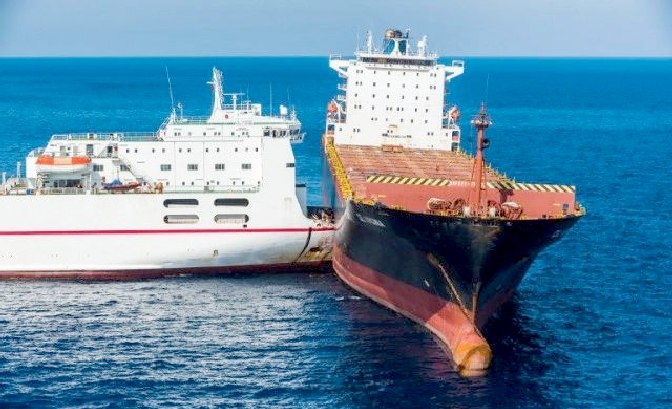
Any alleged violation of these principles naturally attracts serious attention, especially when military assets are involved.
Why the Arabian Sea Is So Sensitive
At first glance, the ocean seems vast enough to prevent such incidents. In reality, the northern Arabian Sea is one of the busiest strategic maritime regions in the world.
Both India and Pakistan maintain active naval interests in the area.
India's Presence
The Indian Navy regularly conducts:
1. Surveillance missions
2. Anti-piracy operations
3. Merchant shipping protection
4. Maritime security patrols
These activities have become increasingly important as global shipping routes face security challenges in nearby regions.
Pakistan's Presence
Pakistan also operates naval missions from key ports such as:
1. Karachi
2. Gwadar
As a result, vessels from both countries often find themselves operating in relative proximity, making professional navigation and communication critical.
Why India Revived a 35-Year-Old Maritime Pact
India has argued that the Pakistani vessel's actions breached provisions of the 1991 India-Pakistan military confidence-building agreement, a framework designed to prevent risky military encounters and misunderstandings between the two nuclear-armed neighbours.
The agreement promotes transparency during military exercises, troop movements, and operational manoeuvres. By invoking it, New Delhi signaled that even in international waters, naval conduct must adhere to established safety norms and bilateral safeguards aimed at avoiding unnecessary escalation.
Not the First Such Incident
Observers point out that this is not the first close naval encounter between India and Pakistan. A similar incident occurred in 2011 when Pakistan Navy vessel PNS Babar and Indian Navy ship INS Godavari were involved in a collision during anti-piracy operations.
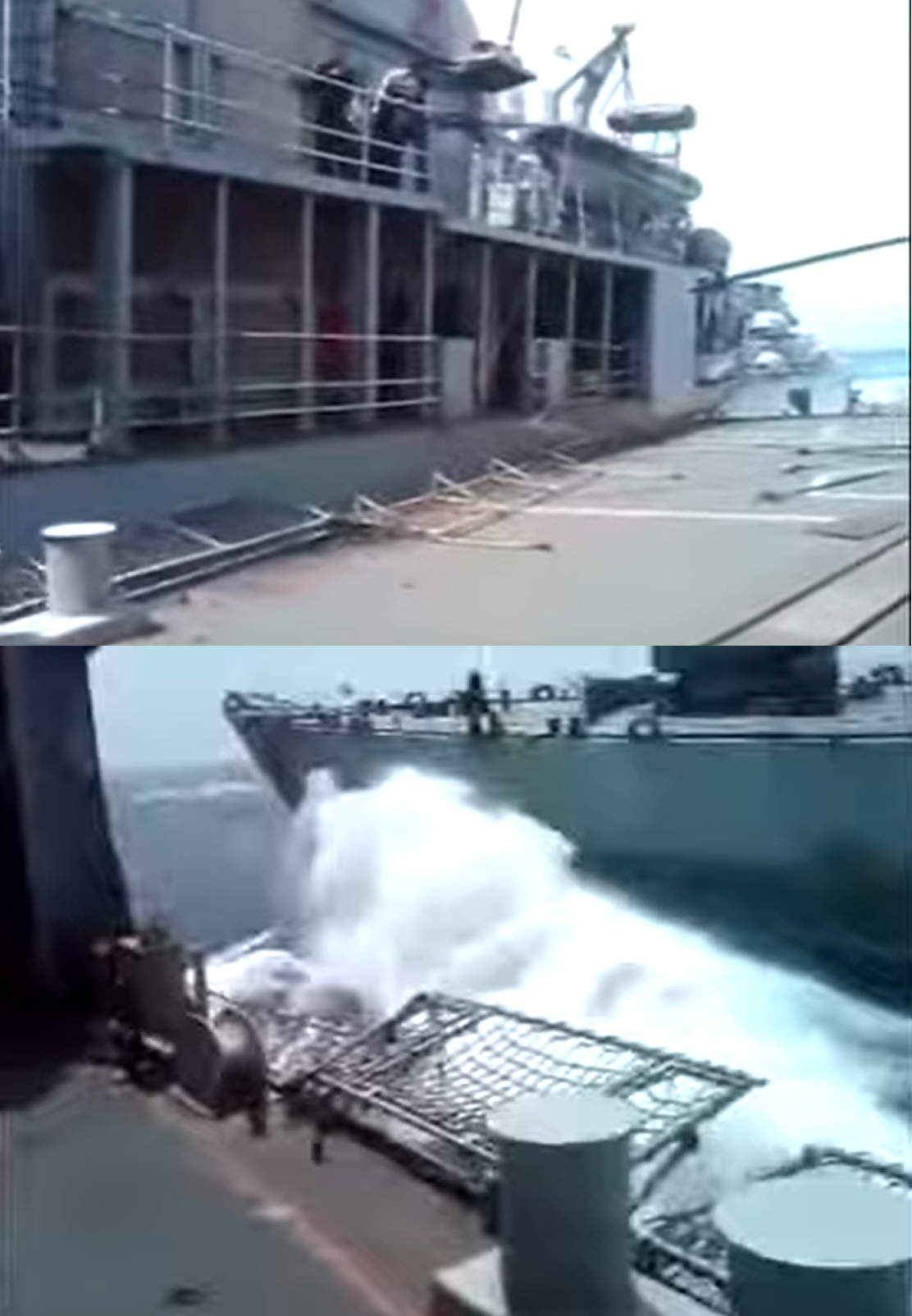
Such events highlight a recurring reality: when rival naval forces operate near one another, even small navigational errors can create potentially dangerous situations.
That is precisely why international maritime conduct standards exist.
The Bigger Question: Training or Judgment?
The latest episode has reignited debate over operational standards and naval discipline.
Critics argue that modern warships are equipped with advanced navigation systems, radar networks, and sophisticated situational awareness tools designed specifically to avoid such incidents.
This raises a broader question: “Was the incident the result of poor manoeuvring, inadequate decision-making, miscommunication, or something else entirely?”
While only an official investigation can determine the exact circumstances, the diplomatic fallout suggests that India views the matter as more than a simple navigational mishap.
Why This Incident Matters
The India-Pakistan relationship has long been shaped by caution, mistrust, and military vigilance. That is precisely why confidence-building measures and maritime protocols are so important.
When naval forces operate responsibly, they reduce the risk of misunderstandings. When procedures break down, even a minor incident can generate diplomatic friction and security concerns far beyond the immediate event.
In the crowded strategic waters of the Arabian Sea, professionalism is not just desirable. It is essential.
The Bigger Picture
The reported collision may not have caused significant damage, but it has certainly caused significant debate. More importantly, it serves as a reminder that in a region where tensions can escalate quickly, naval discipline, communication, and adherence to international norms remain crucial for maintaining stability at sea.
🚢 What Do You Think?
Was this simply an unfortunate navigational error, or does it point to deeper operational concerns within regional naval forces?
Share your thoughts in the comments, follow us for more geopolitics and defense analysis, and stay updated on the stories shaping South Asia's strategic future.
Written by
Aditya KulshreshthaDiscussion (0)
Sign in to join the discussion.
Loading comments…