🏔️ A Cold Desert’s Hidden Crisis
Ladakh may look like a land of endless snow and glaciers, but it is in fact a high‑altitude cold desert. Rainfall is almost nil, and farmers here struggle with short growing seasons and limited crop diversity. Water exists, but using it for agriculture is the real challenge.
💧 The Stok Nala Breakthrough
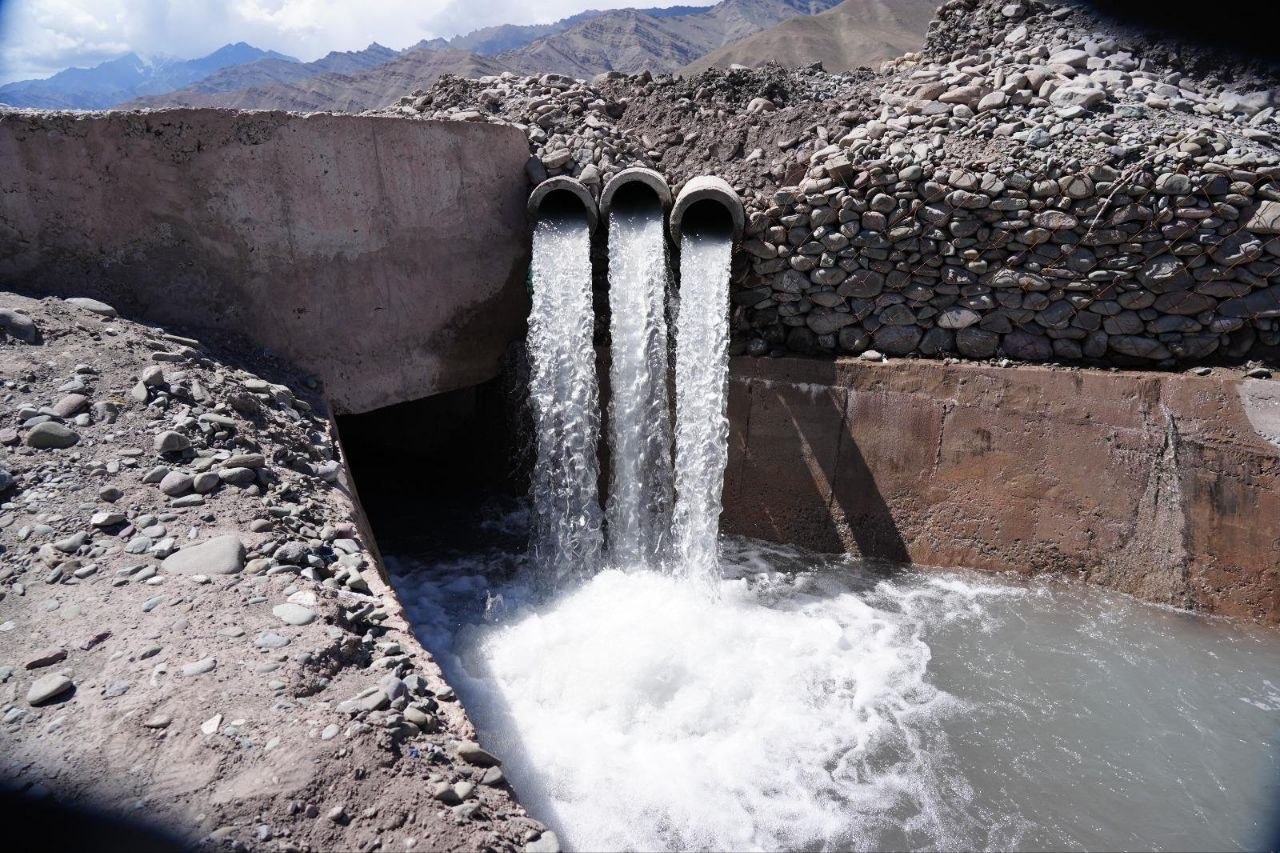
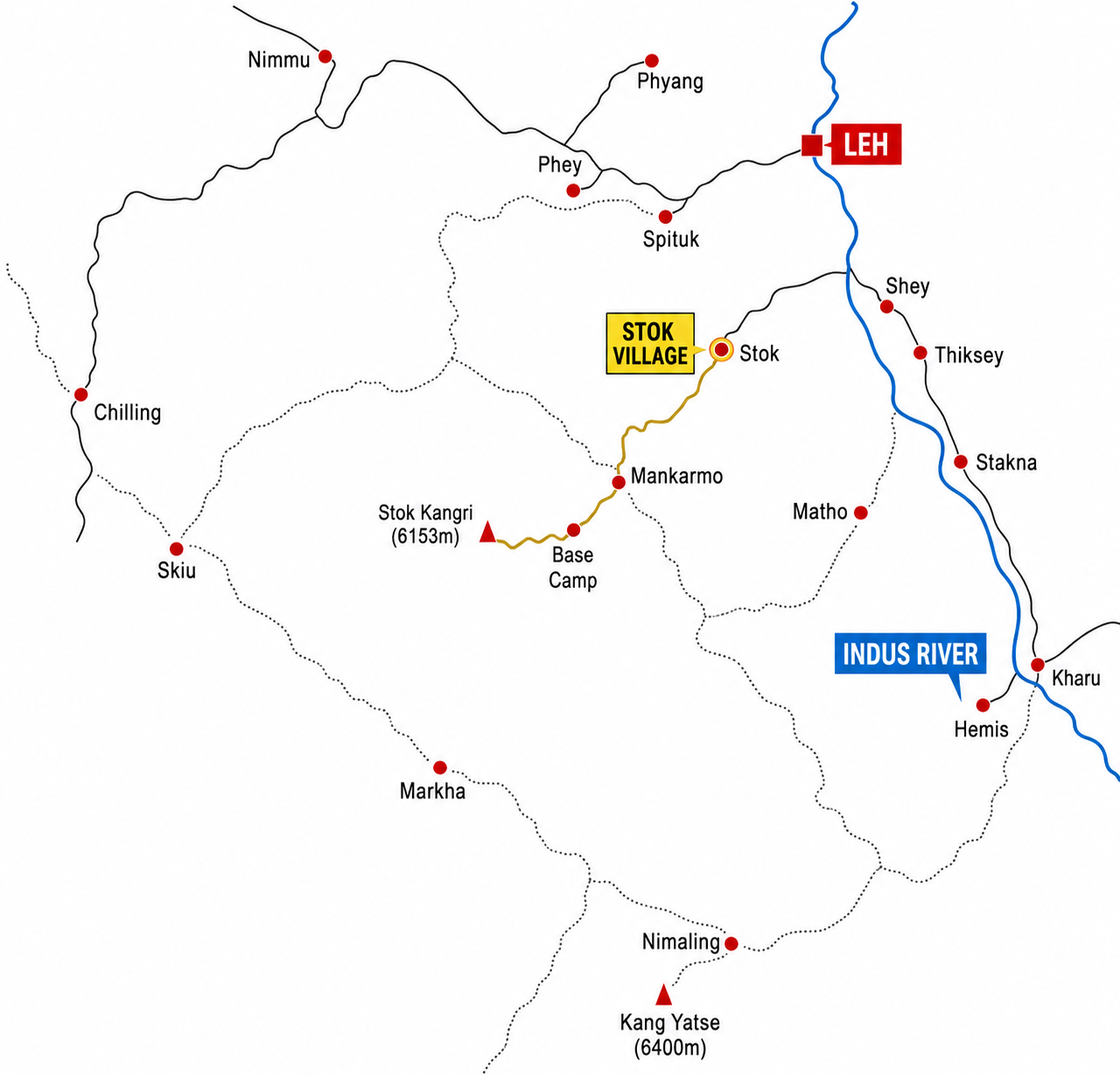
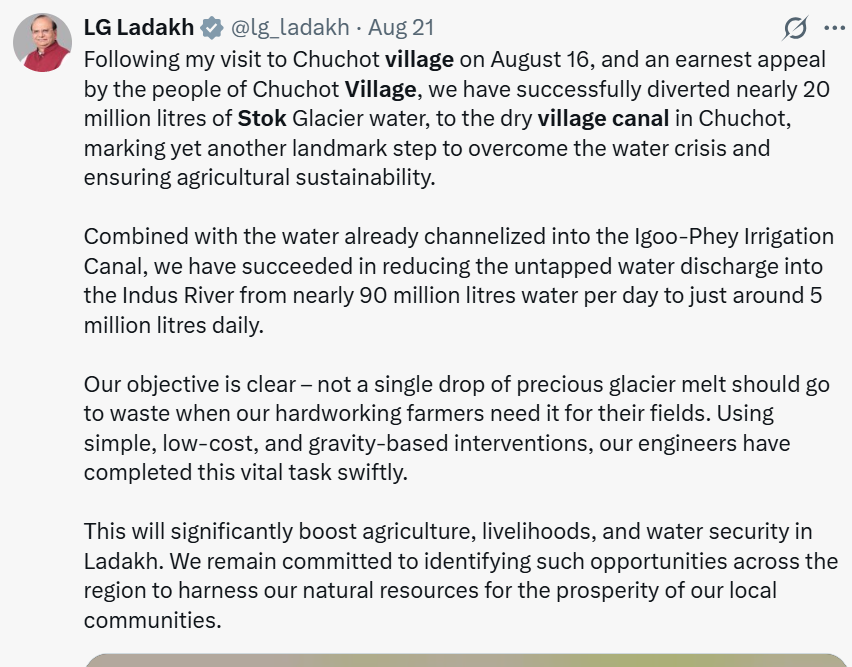
Near Leh lies the small Stok village, where glacier meltwater once flowed straight into the Indus River and onward to Pakistan. The Ladakh administration spotted an opportunity: instead of letting this precious resource slip away, why not divert it into irrigation canals?
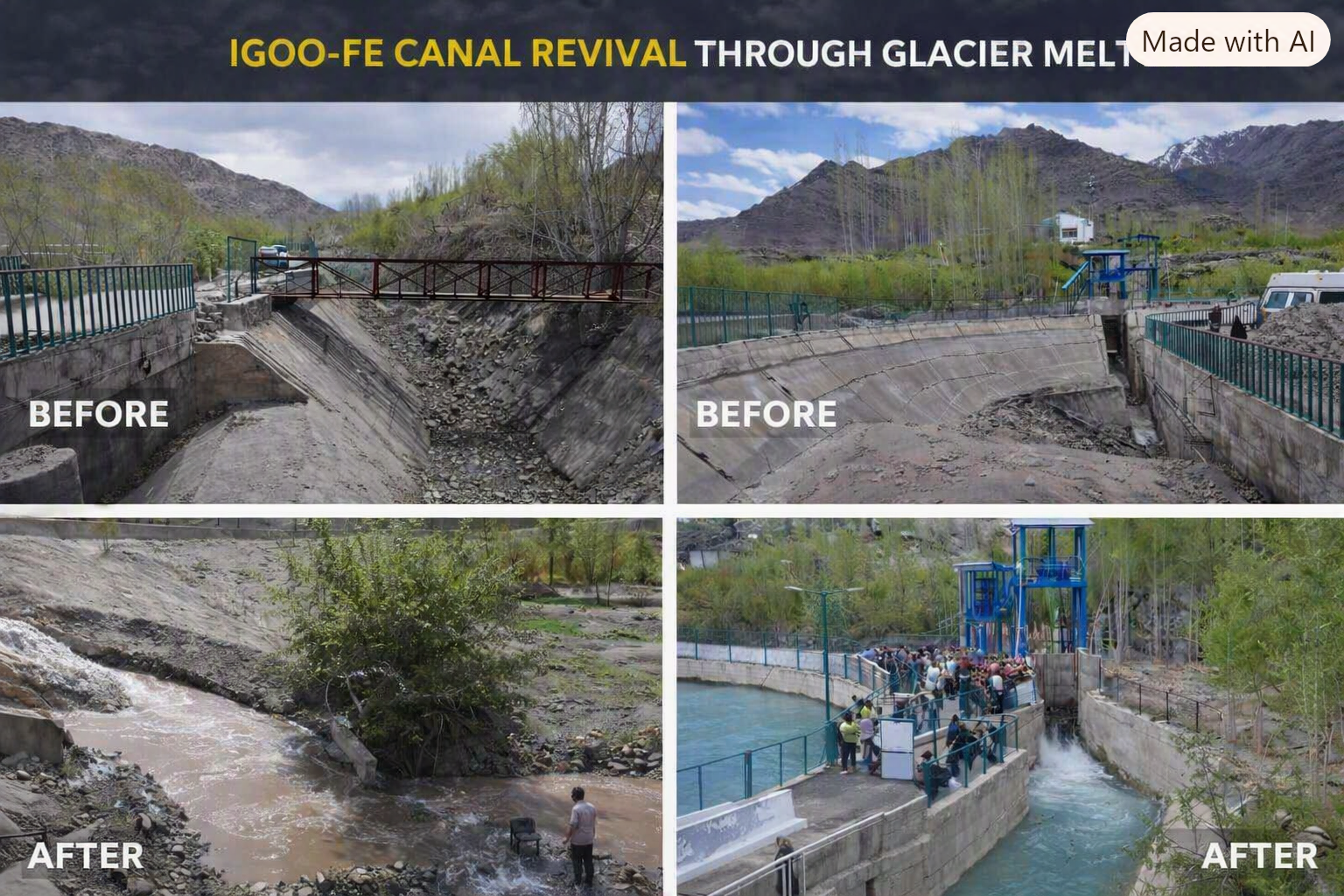
With simple earthwork, no expensive dams, no massive construction, the officials redirected 36.6 cusecs of water (≈90 million liters per day) into the long‑awaited Igoo‑Fe canal system.
🚜 Zero‑Cost, Maximum Impact
This intervention required almost zero capital expenditure. By digging trenches at strategic points, water was guided into canals rather than the Indus. The result? Over 1,000 acres (400+ hectares) of farmland across 12 villages now benefit from reliable irrigation.
🛠️ Not a New Project, Old Canal, New Life: Just a New Perspective
No flashy infrastructure. No billion‑dollar dam. Farmers had land. The canal has been there since 2005, quietly waiting. Water has flowed right past it all these years.
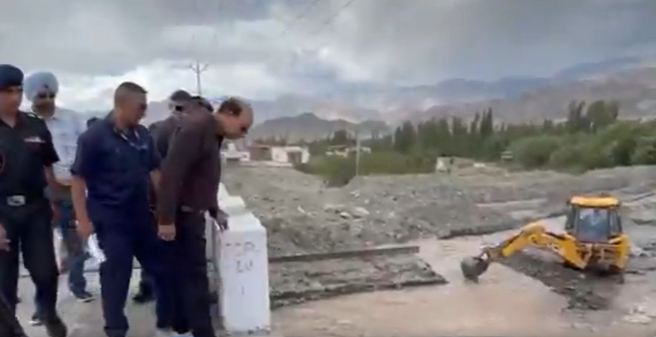
Sometimes the smartest solution isn’t about innovation; it’s about attention. Ladakh’s administration noticed what was already in front of them and redirected it. A small intervention, a massive impact. By fixing the bottleneck, they unlocked the canal’s true potential.
🌾 Why Irrigation Matters in Ladakh
🌦️ Rainfall? Almost non-existent - Ladakh is a cold desert. With barely any precipitation, farming here can’t rely on rainfall at all.
🏔️ Altitude Limits Agriculture - High elevation means short growing seasons due to snow cover, restricted crop choices, and low productivity.
⏳ Farming Against the Clock - The window for cultivation is tiny. Farmers must squeeze maximum yield out of a very short summer.
💧 Water When You Don’t Need It - Glacier melt brings plenty of water, but only seasonally. It arrives when snow melts, not when fields demand it. That’s why storage, diversion, and smart distribution are critical.
That’s why irrigation is not just about saving water; it’s about saving livelihoods. More water means more crops, higher productivity, better farmer incomes, and stronger village economies.
🌍 Beyond Water: An Economic Ecosystem
This isn’t just water management; it’s an economic transformation. Irrigation boosts agricultural employment, strengthens local economies, and creates resilience in one of India’s most fragile terrains.
⚖️ No Treaty Trouble
Some may wonder: does diverting water affect the Indus Waters Treaty? The answer is no. India isn’t blocking the Indus directly; it’s simply using glacier streams before they merge. With the treaty currently suspended, Ladakh’s farmers can breathe easy.
🔮 A Model for the Future
This initiative could become a replicable model across Ladakh. By identifying other glacier‑fed streams and diverting them smartly, more villages can secure water, agriculture, and prosperity.
Ladakh’s story proves that small interventions can spark big revolutions. Share this article to spread awareness about sustainable water use in fragile ecosystems. Let’s celebrate innovation that saves millions of liters daily and transforms lives in India’s cold desert.
👉 What other regions do you think could benefit from such glacier‑fed irrigation models? Join the conversation and spark ideas for the next breakthrough!
Written by
Devansh KaulDiscussion (0)
Sign in to join the discussion.
Loading comments…