
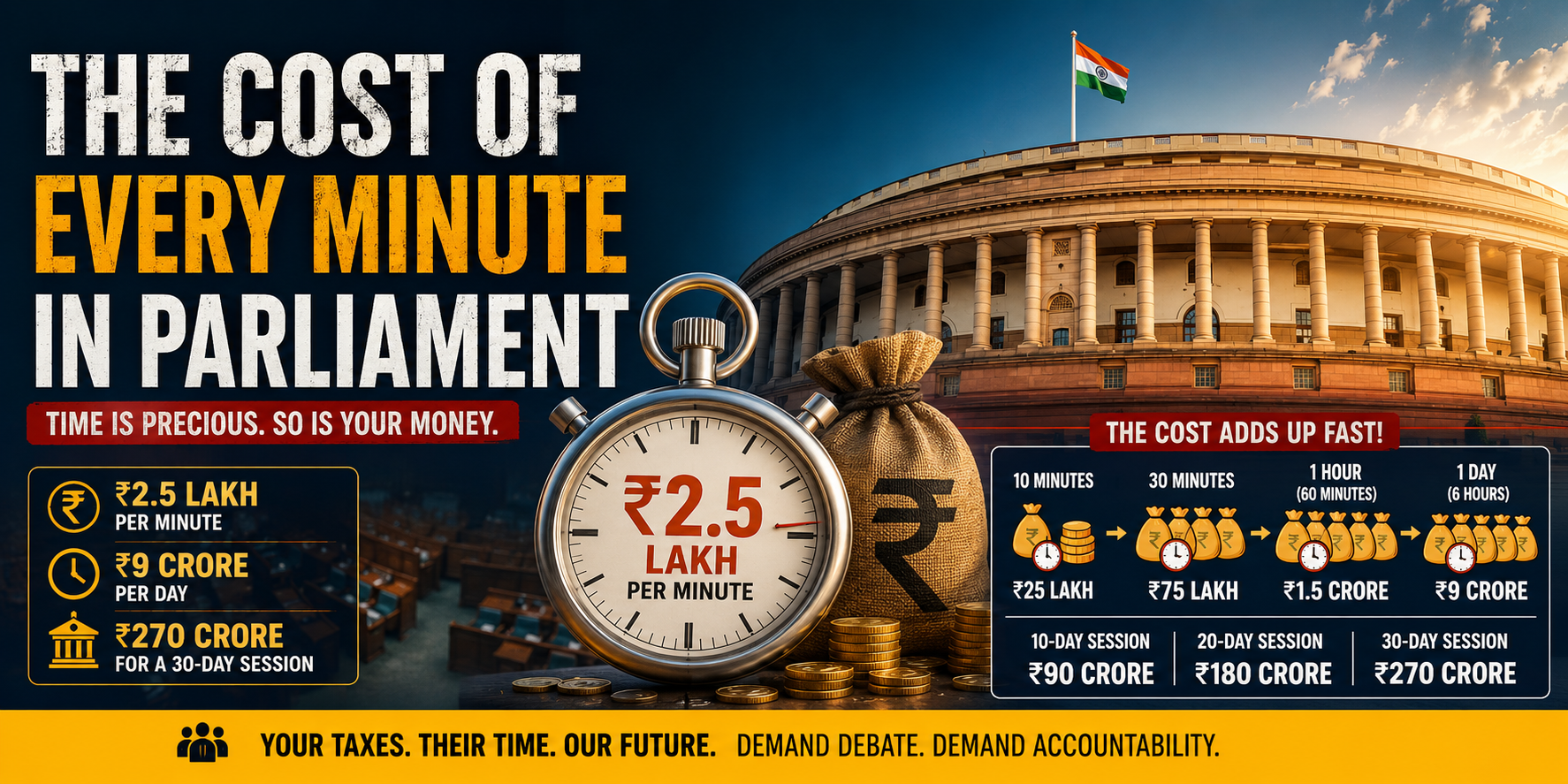
The Cost of Every Minute
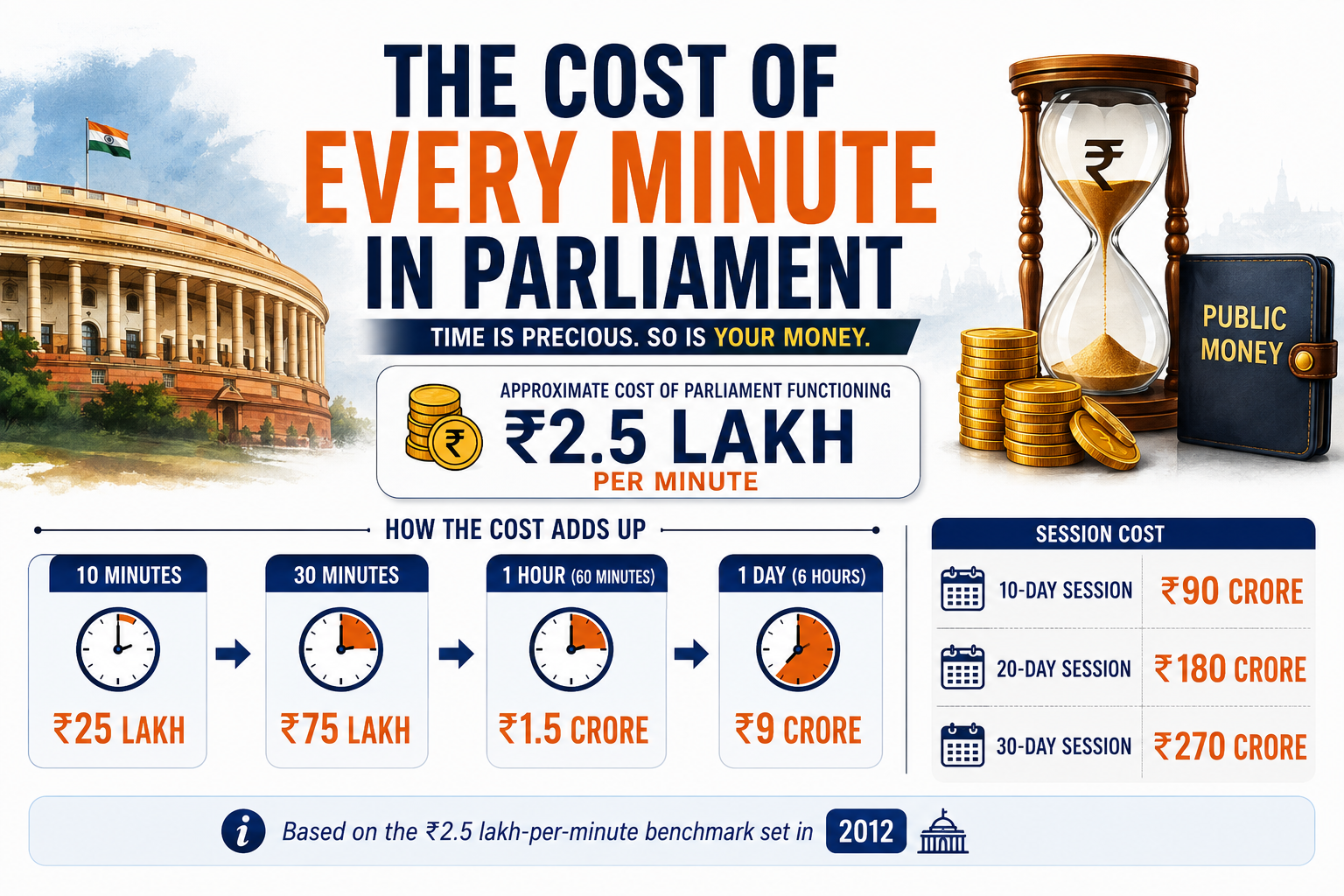
India’s Parliament meets only three times a year: Winter, Budget, and Monsoon Sessions. But here’s the shocking part: every single minute costs taxpayers ₹2.5 lakh plus. Daily, that’s a staggering ₹9 crore plus drained from the public purse. Yet, what do citizens get in return? Bills passed in mere minutes, often without meaningful debate.
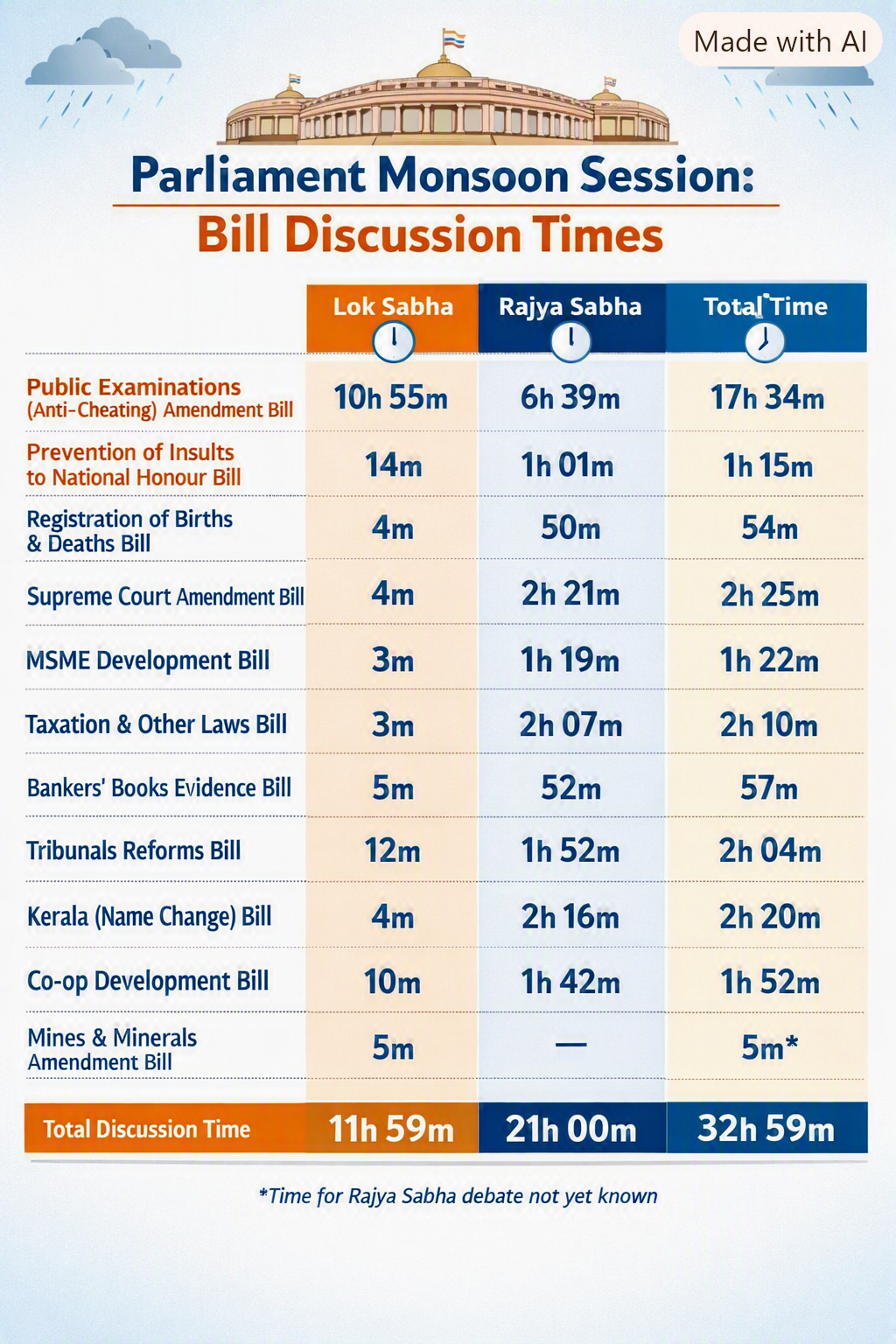
"Lok Sabha passed 12 bills this Monsoon Session, most in under 5 minutes."
📉 Productivity Takes a Hit
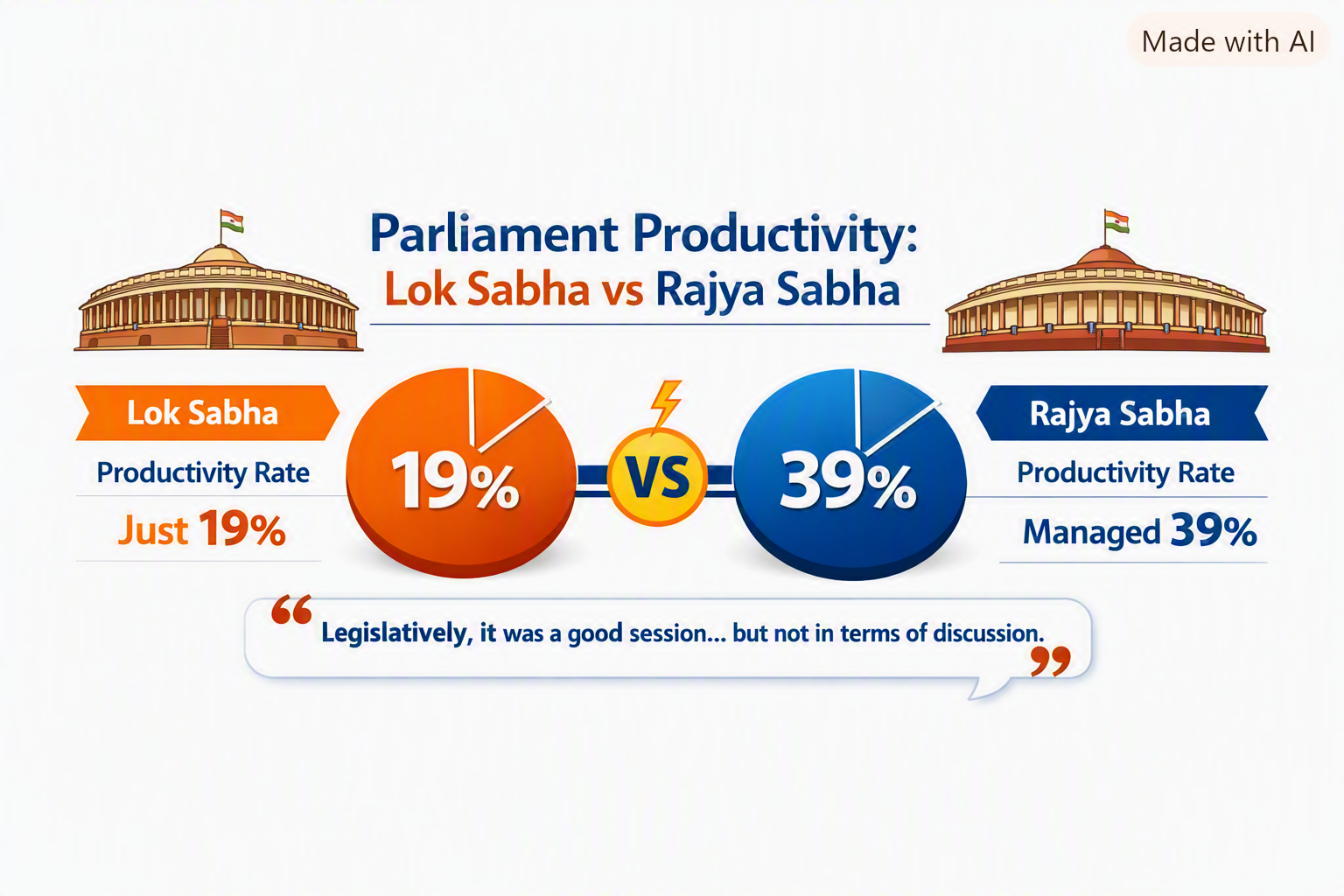
Rijiju revealed that Lok Sabha’s productivity stood at just 19%, while Rajya Sabha managed 39%. “Legislatively, it was a good session,” he said, “but not in terms of discussion.”
Democracy Without Deliberation
Parliament is meant to be the heart of democratic debate, where elected MPs represent citizens’ voices. Instead, bills are being rushed through with voice votes, while opposition sloganeering fills the chamber.
Examples from the Monsoon Session:
This is not scrutiny. This is speed-passing legislation.
Adjourned Sine Die: What It Really Means
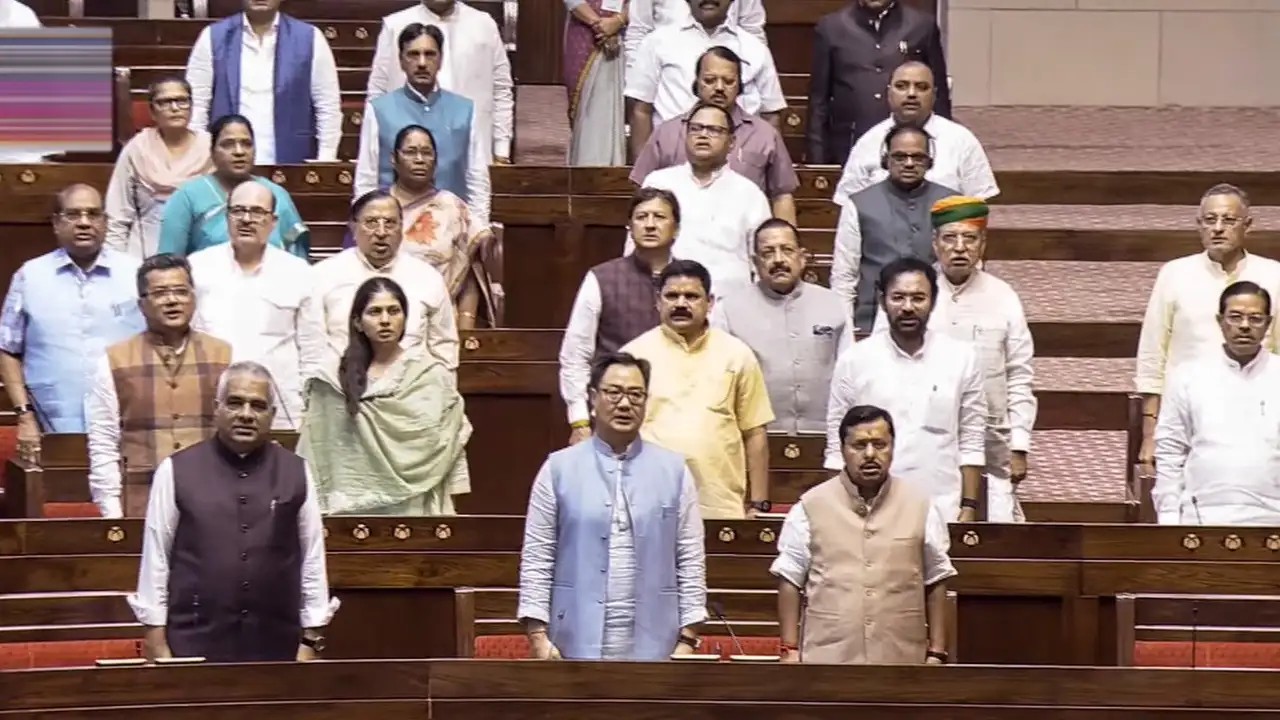
On August 13, the Lok Sabha was adjourned sine die, meaning no date was set for resumption. The session ended after just 3 minutes and 10 seconds, most of which was spent singing Vande Mataram.
Normally, the Speaker summarizes the session’s achievements. This time, even that was skipped. Ultimately, it’s the President who formally ends the session, but the lack of accountability in the House is glaring.
⚡ Bills Passed, Debate Missing
Despite the flurry of legislation, the Lok Sabha saw a debate deficit. Out of 12 bills cleared, 11 were rushed through without meaningful discussion.
📚 One Bill Stood Out
The Public Examinations (Prevention of Unfair Means) Amendment Bill was the lone exception. It received detailed scrutiny in both Houses and aimed to tighten laws against paper leaks and exam malpractice.
🔊 Chaos Over Consensus
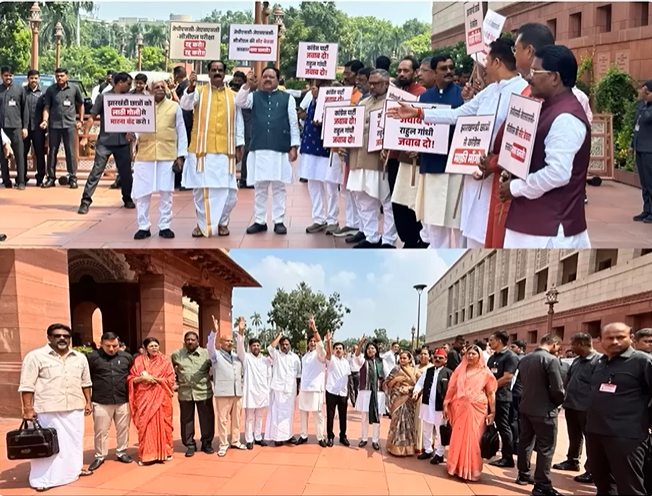
The session was dominated by disruptions, slogan‑shouting, adjournments, and walkouts. While some Opposition parties engaged in Rajya Sabha debates, the Congress and allies staged dramatic exits.
🎯 Rijiju Blames Opposition
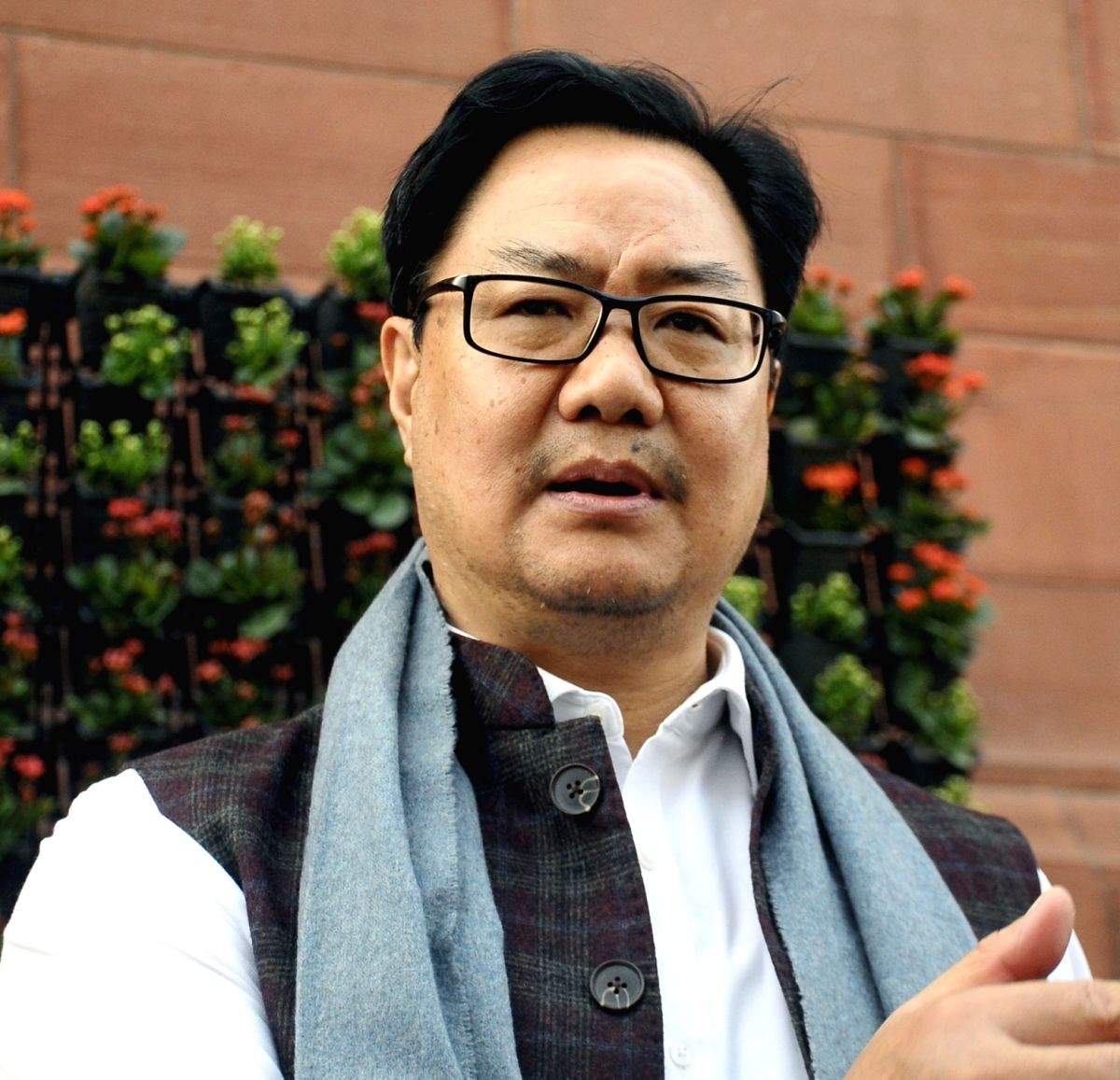
Union Minister Kiren Rijiju slammed the Congress for blocking debate, saying 12 bills were passed but without quality discussion as the Opposition stalled proceedings in the Lok Sabha.
🗣️ Government Wanted Debate, Opposition Walked Out
Rijiju argued the government was ready to respond, but the Opposition “kept making excuses” and avoided meaningful engagement, choosing walkouts over dialogue.
📢 Slogans Over Substance
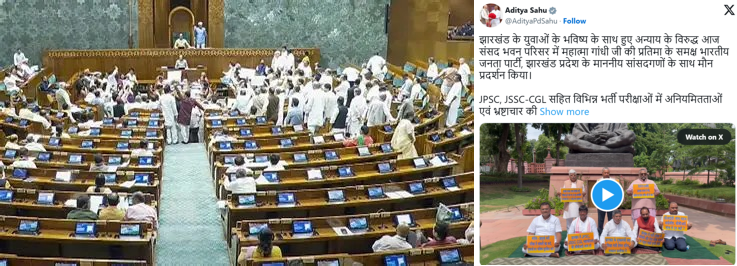
He accused Congress MPs of constant sloganeering and disruptions, claiming this denied Parliament the chance to function and robbed citizens of accountability.
👩🏫 New MPs Left in the Dark
Rijiju warned that repeated chaos deprived newly elected MPs of learning opportunities, stressing that without debates, they cannot grasp parliamentary procedures. He expressed hope the Winter Session would restore order.
🎤 Renuka Fires Back
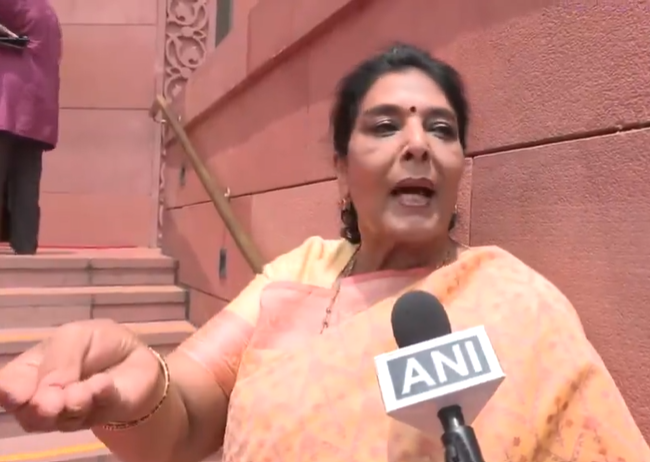
Congress MP Renuka Chowdhury dismissed blame for the Monsoon Session washout, saying the government must answer for the failure, not the Opposition. “They think singing Vande Mataram makes them patriots,” she quipped.
🕵️ Missing in Action
Aiming Union Home Minister Amit Shah, she asked: “What do you call leaders who don’t show up, don’t speak, and don’t meet anyone?”, a sharp jab at his absence during key debates.
The Missing Link: Parliamentary Committees
Standing Committees are supposed to be the guardians of legislative scrutiny. With 21 Lok Sabha MPs and 10 Rajya Sabha MPs, they consult experts, stakeholders, and examine bills clause by clause.
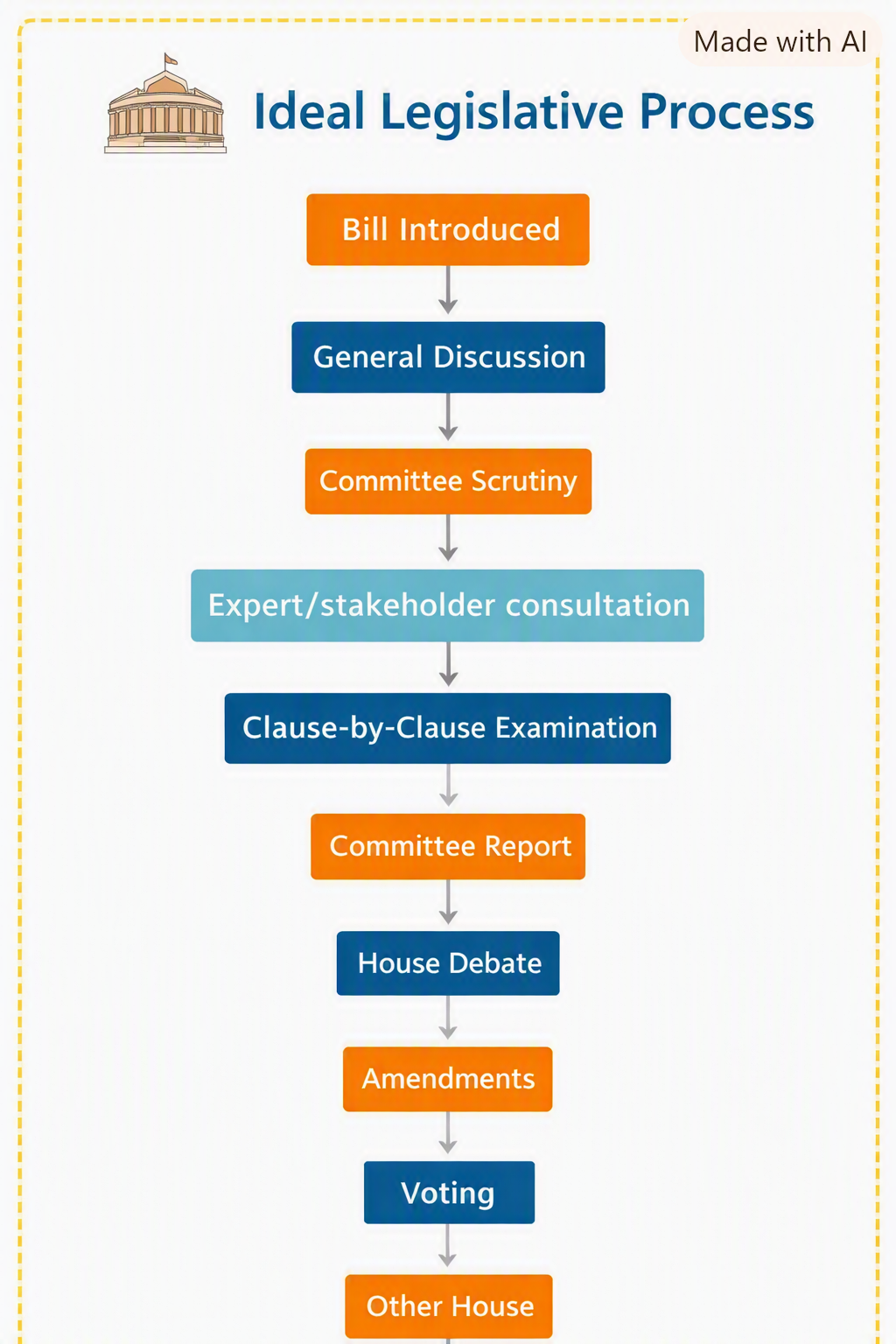
But in recent sessions, bills are bypassing committees altogether. Instead of deep analysis, they’re being waved through Parliament like items on a conveyor belt.
"Parliament is not a voting machine. It is a forum for debate."
Opposition vs Government: Endless Deadlock
From the NEET paper leak to police action on student protests, opposition parties demanded discussions. The government insisted it was ready, but procedural wrangling meant no real debate ever happened. Citizens are left confused, watching both sides blame each other while critical issues remain unresolved.
💰 Benchmark That Still Holds
Back in 2012, then Parliamentary Affairs Minister Pawan Kumar Bansal pegged the cost of Parliament at ₹2.5 lakh per minute. More than a decade later, media reports continue to use this figure as the standard reference for calculating the staggering expense of every session.
Why This Matters to You
When bills are passed without scrutiny, citizens bear the consequences. Laws affect education, business, taxation, and civil rights. Without debate, loopholes go unnoticed, and accountability vanishes.
This isn’t just about Parliament; it’s about the quality of democracy itself.
Democracy thrives only when citizens demand accountability. Raise your voice for debate over drama. Because every minute in Parliament costs crores, and every minute without scrutiny costs democracy.
Written by
Aditya KulshreshthaDiscussion (0)
Sign in to join the discussion.
Loading comments…