A Historic Milestone
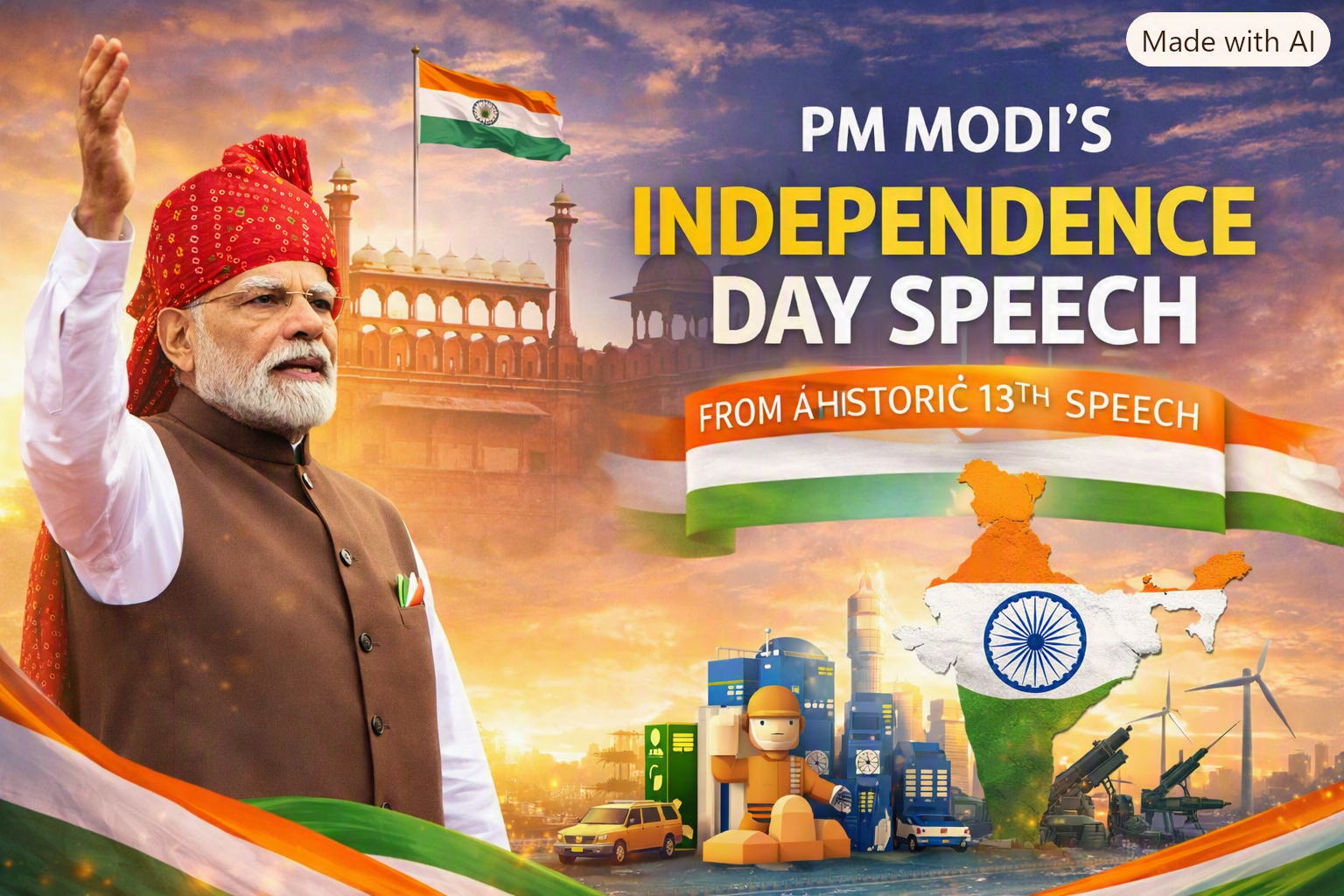
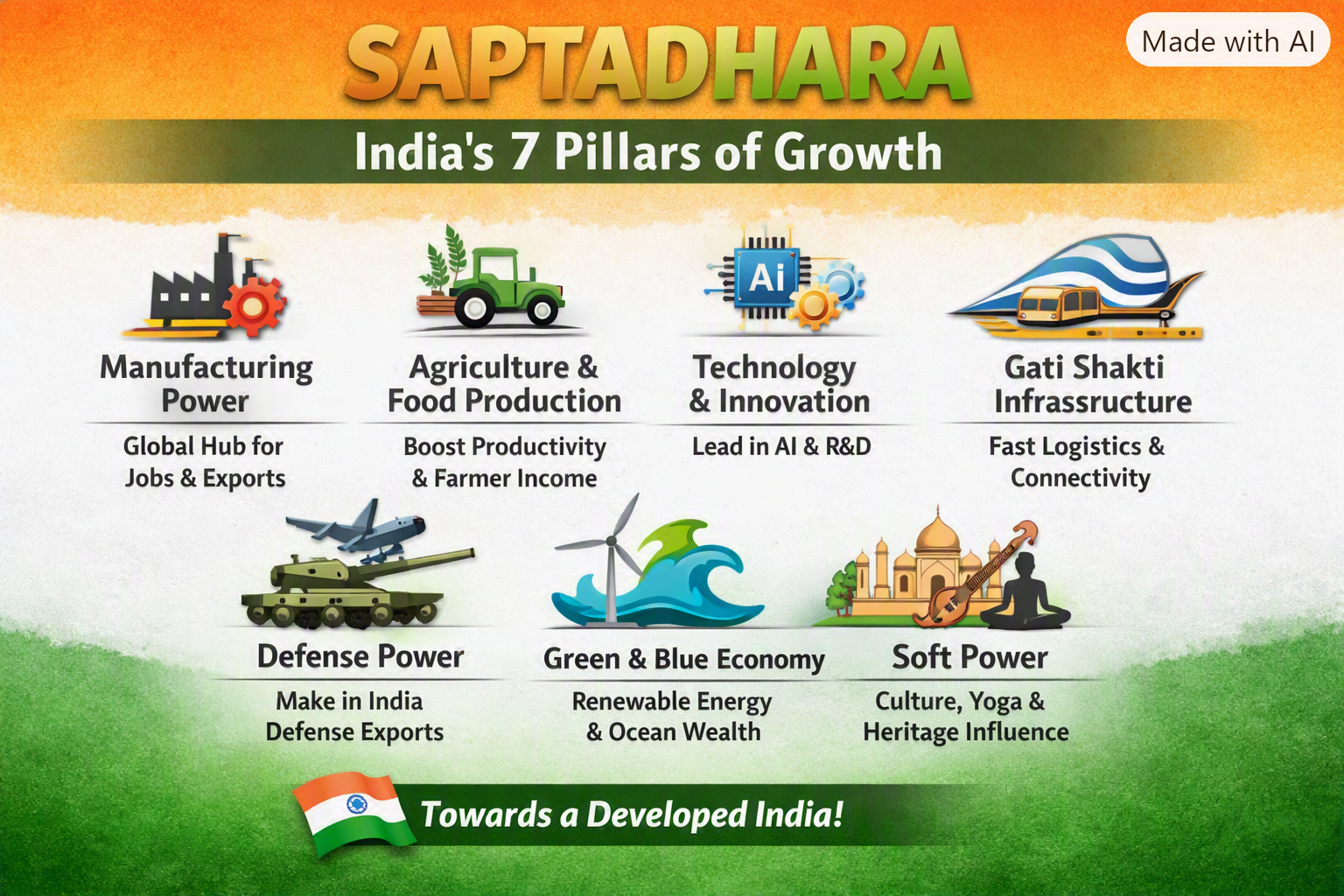
Prime Minister Narendra Modi delivered his 13th consecutive Independence Day address from the Red Fort, becoming the second leader in India’s history to achieve this feat after Jawaharlal Nehru. His 75‑minute speech, shorter than last year’s marathon, was packed with bold visions for India’s future.
The “Saptadhara” – Seven Streams of Growth
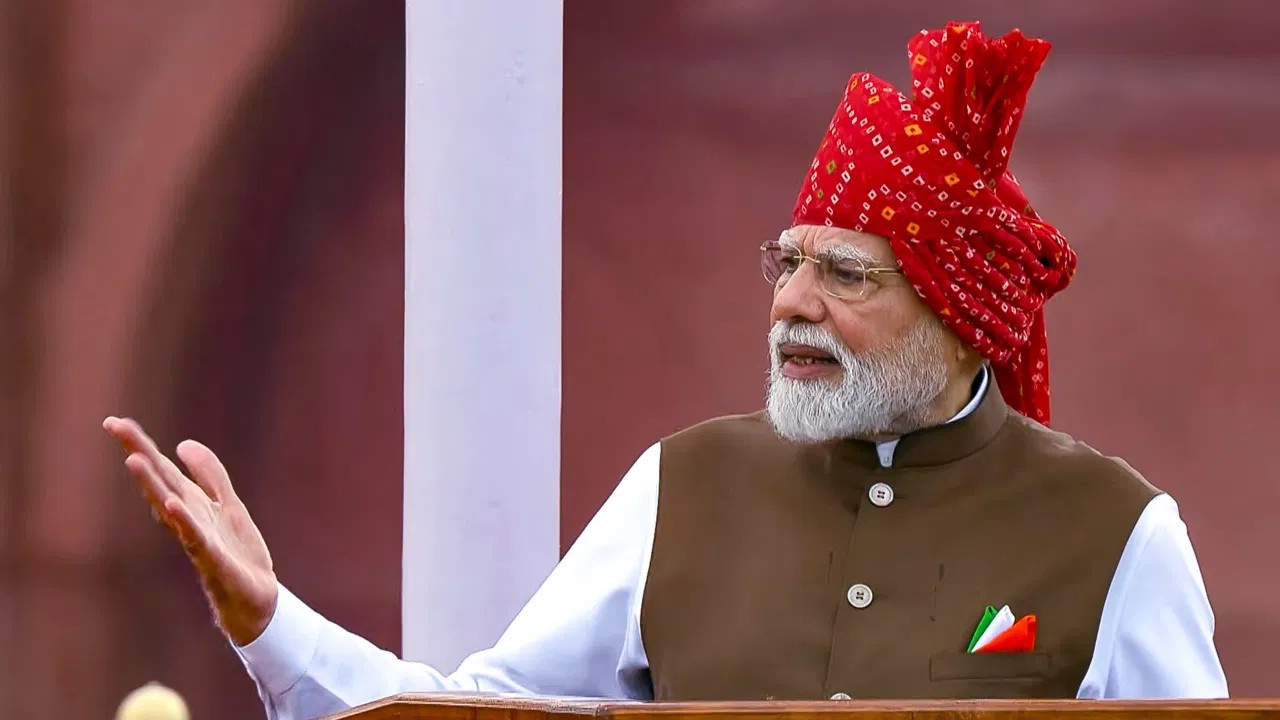
Modi unveiled a roadmap he called Saptadhara, seven pillars to propel India into the league of developed nations:
Manufacturing Power – Transform India into a global hub, creating jobs and boosting exports.
Agriculture & Food Production – Raise farm productivity, expand food processing, and secure farmer incomes.
Technology & Innovation – Invest in AI, semiconductors, and R&D to achieve technological sovereignty.
Gati Shakti (Infrastructure) – Build faster logistics and connectivity to cut costs and accelerate exports.
Defense Power – Strengthen indigenous defense production and exports, reducing reliance on foreign suppliers.
Green & Blue Economy – Harness renewable energy and ocean resources for sustainable growth.
Soft Power – Expand India’s cultural influence through yoga, films, and heritage.
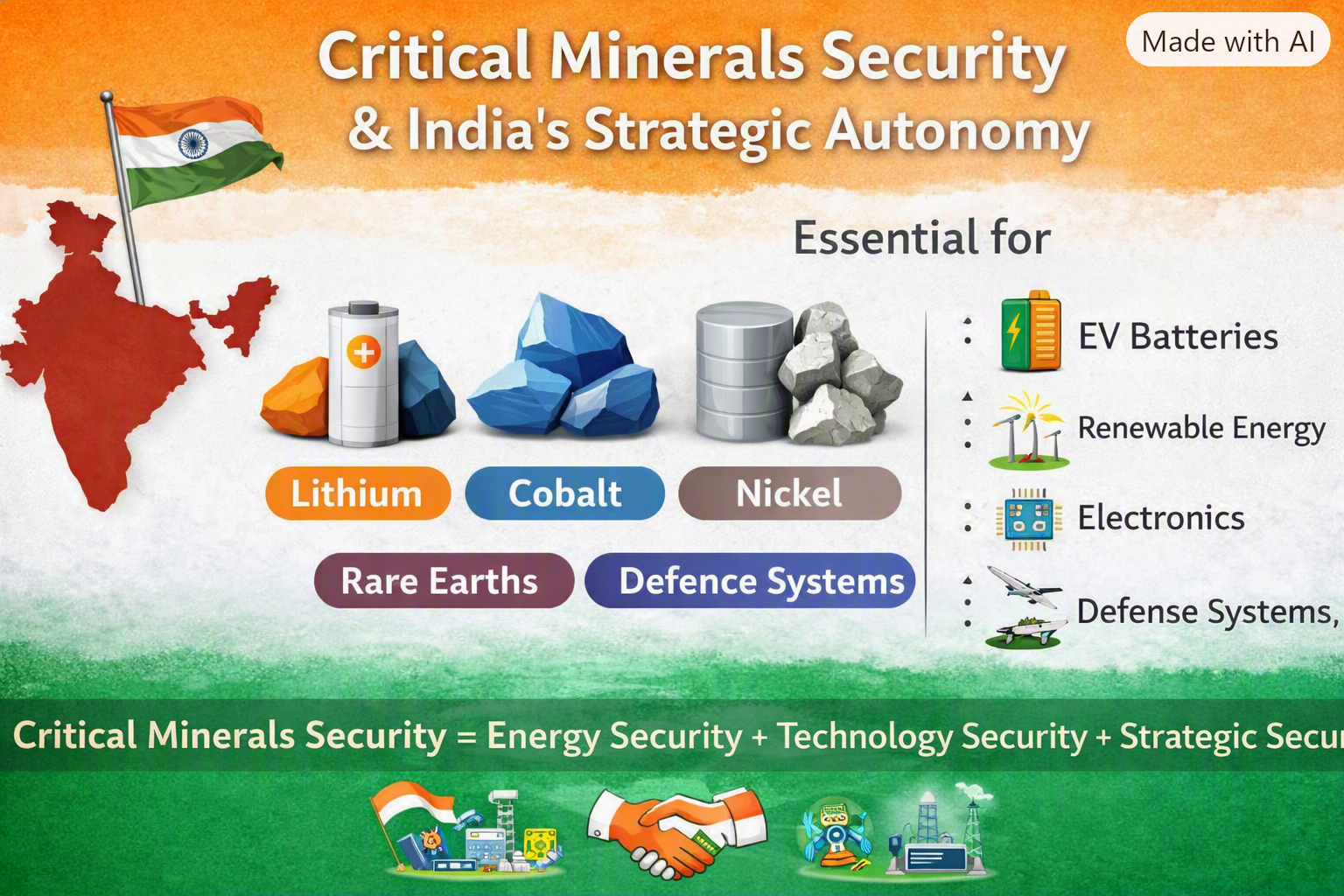
“Critical minerals security equals energy security, technology security, and strategic security,” Modi emphasized, underlining India’s push for autonomy in lithium, cobalt, and rare earth elements.
AI, Youth, and Education
Acknowledging the AI revolution, Modi announced training for 1 crore youth in AI skills within a year, ensuring India doesn’t just consume but creates cutting‑edge technology. He also promised free online coaching for weaker sections and middle‑class students, democratizing access to quality education.
🏅 India’s Sporting Vision 2036
Looking ahead to the 2036 Games, Prime Minister Modi set an ambitious target: India should compete in at least three‑quarters of all events. To make this dream a reality, he announced a nationwide talent discovery drive aimed at children between 5 and 15 years old. The mission? To spot hidden gems in every corner of the country and provide them with specialized training so they can rise as world‑class athletes and carry India’s flag to new heights.
This isn’t just about medals, it’s about unlocking potential, inspiring young minds, and ensuring India’s sporting spirit shines on the global stage.
Energy & Strategic Autonomy
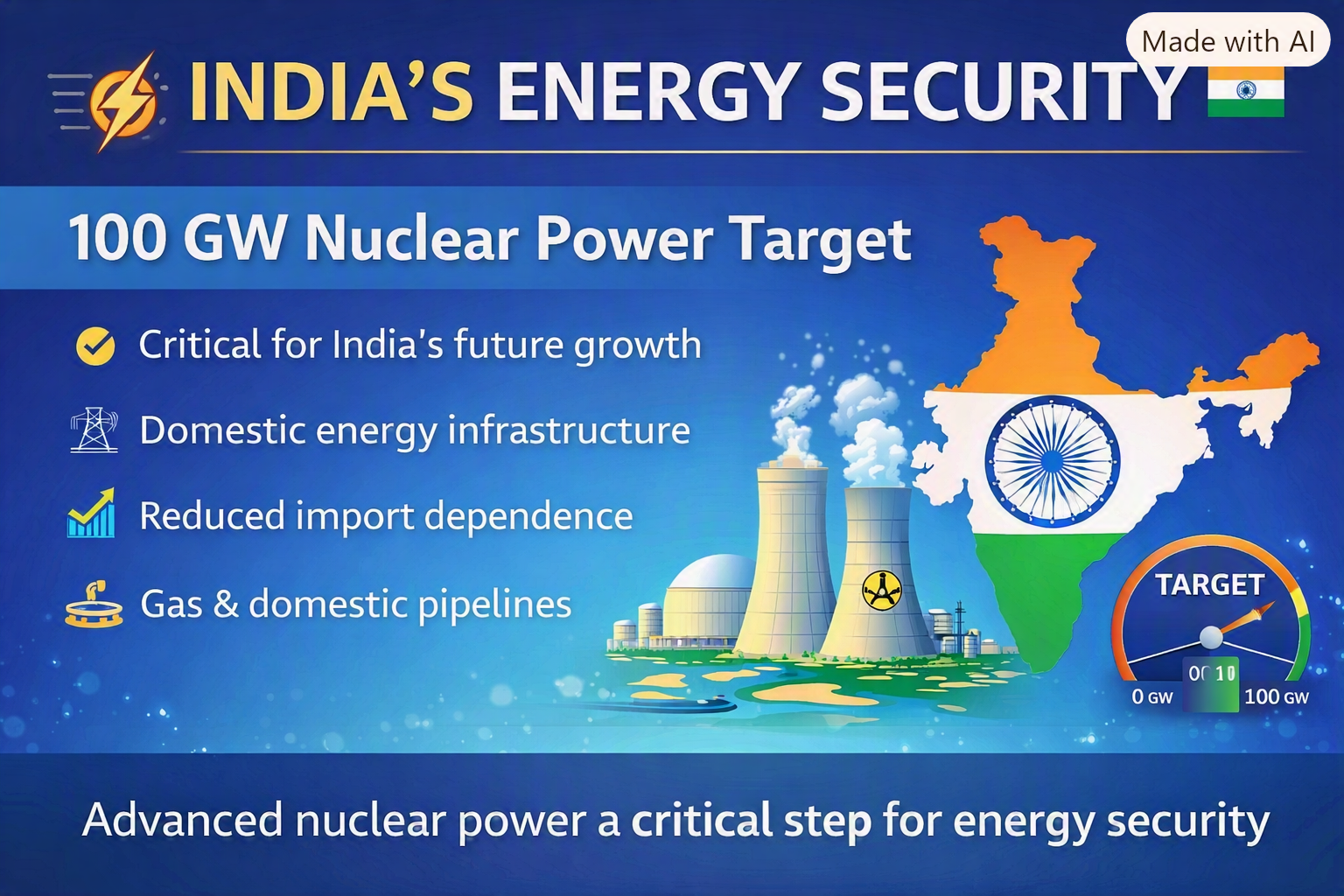
From nuclear power expansion to domestic pipelines, Modi stressed energy security as the backbone of India’s growth. He highlighted partnerships with countries like Australia and Chile to secure critical minerals vital for EV batteries and renewable energy.
🚭 Nasha Mukt Yuva Abhiyan: A Call to Action
Prime Minister Modi sounded a powerful alarm on the growing menace of drug abuse, urging the nation to unite against this silent threat. He emphasized that building a drug‑free India is not just the government’s mission but a collective responsibility of families, communities, and citizens alike.
To spearhead this vision, he announced the 100‑day nationwide Nasha Mukt Yuva Abhiyan, encouraging families to actively participate and safeguard the future of India’s youth. He further added, “The fight against addiction is the fight for our children’s tomorrow.”
The Warning Against “Dimaagi Naxals”
While celebrating the decline of armed Naxalism, Modi cautioned against “intellectual Naxals”, those who ideologically support disruptive movements. He urged collective vigilance to safeguard governance and democracy.
From Conflict to Culture
On National Handloom Day, women who once lived as Naxals stepped onto the runway in vibrant traditional sarees. Their graceful walk wasn’t just a fashion showcase, it symbolized successful rehabilitation and a powerful return to society, while celebrating the rich handloom heritage of Chhattisgarh.

Empowering Women, Transforming India
From 3 Crore to 6 Crore “Lakhpati Didis”
Prime Minister Modi highlighted a remarkable shift in the rural economy led by women. The initial goal of creating 3 crore Lakhpati Didis has already been surpassed, and now the vision expands to 6 crore sisters achieving financial independence. This movement isn’t just about numbers; it’s about unleashing the economic power of women to reshape villages and uplift communities.
33% Representation for Women
Modi also made a passionate appeal for women’s rightful place in governance. With the Nari Shakti Vandan Adhiniyam already passed, he urged all political parties to rise above decades of delay and ensure 33% representation for mothers and sisters in the Lok Sabha and State Assemblies. Women are already leading at the grassroots level in Panchayats and Municipalities; now it’s time to give them a stronger voice in shaping national policy.
United in Spirit, Strong in Resolve
Prime Minister Modi’s address echoed the heartbeat of national unity as he invoked the timeless call of “Vande Mataram”, reminding citizens that India’s collective strength is the driving force behind its progress and aspirations.
At the same time, he extended heartfelt solidarity to families affected by recent floods and landslides, assuring them of swift government support and rehabilitation. His words carried both compassion and conviction, a message that India stands together, in pride and in pain.
🚀 India Rising: From Poverty to Powerhouse
Prime Minister Modi painted a bold picture of India’s ascent, a nation rapidly evolving into a global economic, technological, and manufacturing powerhouse. He emphasized that the momentum must continue to achieve the Vision 2047 goal of a fully developed India.
Equally striking was his revelation that 25 crore citizens have broken free from poverty in just 12 years, a testament to India’s expanding opportunities and inclusive growth.
India’s journey to becoming a developed nation hinges on these seven streams. The question is: Will we, as citizens, align our efforts with this vision?
👉 Share your thoughts: Which of the Saptadhara pillars do you believe will most transform India’s future? How can youth and innovators contribute to this roadmap?
Written by
Bhavana SharmaDiscussion (0)
Sign in to join the discussion.
Loading comments…