
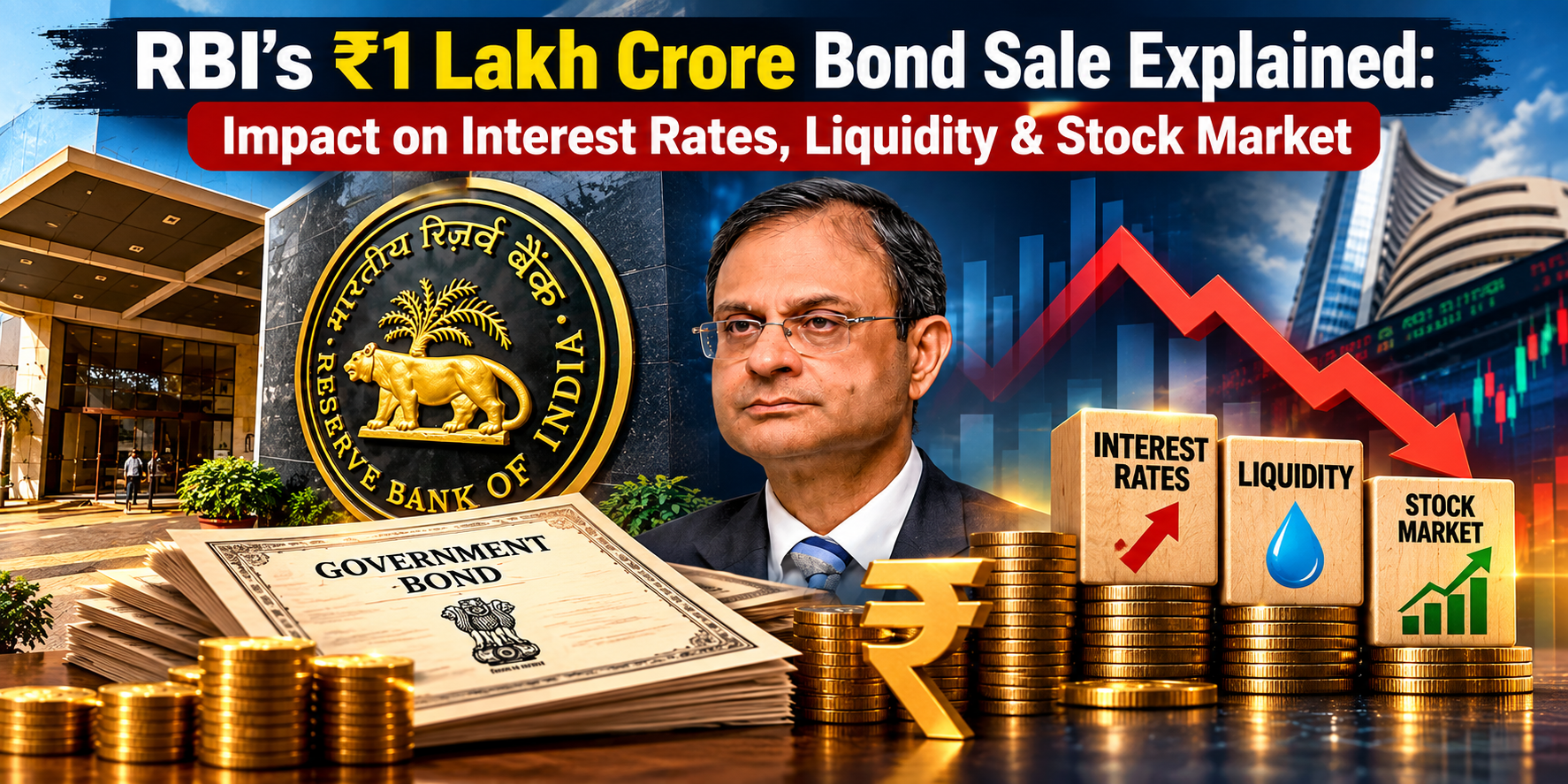
From Supporting the Rupee to Draining Bank Cash: What RBI’s Historic Bond Sale Means for Interest Rates, Loans, and the Stock Market
India’s financial system recently witnessed a historic move. After taking several measures to support the weakening rupee and attract more dollars into the country, the Reserve Bank of India (RBI) found itself facing an entirely different challenge: too much liquidity in the banking system.
To tackle this surplus cash, the RBI has carried out its largest bond-selling operation in a decade, selling government securities worth ₹1 lakh crore (₹1 trillion) through Open Market Operations (OMOs).
But why would the central bank suddenly start selling bonds? What problem is it trying to solve? And how could this impact interest rates, loans, and even the stock market? Let's break it down.
RBI’s Historic Bond-Selling Spree Explained
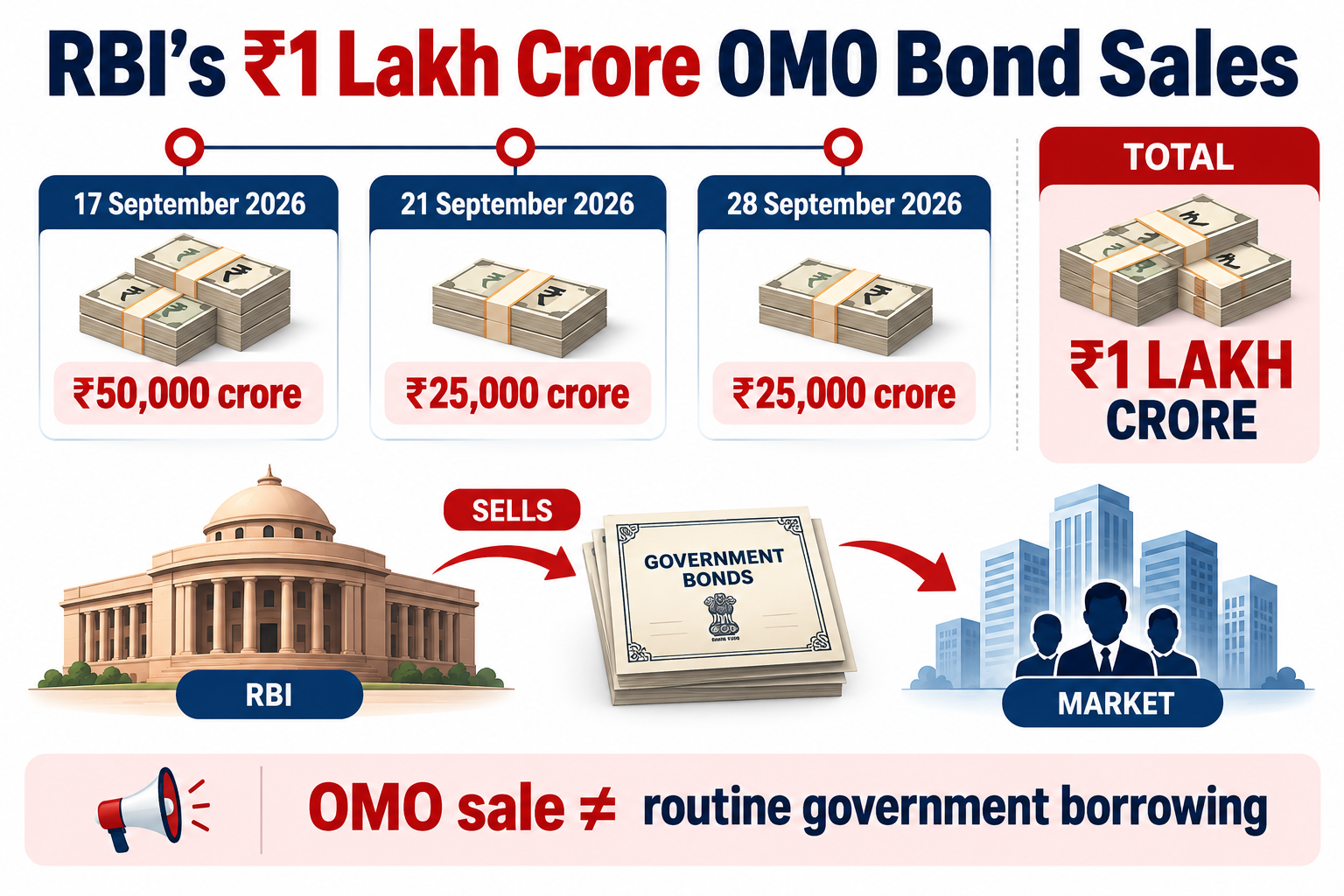
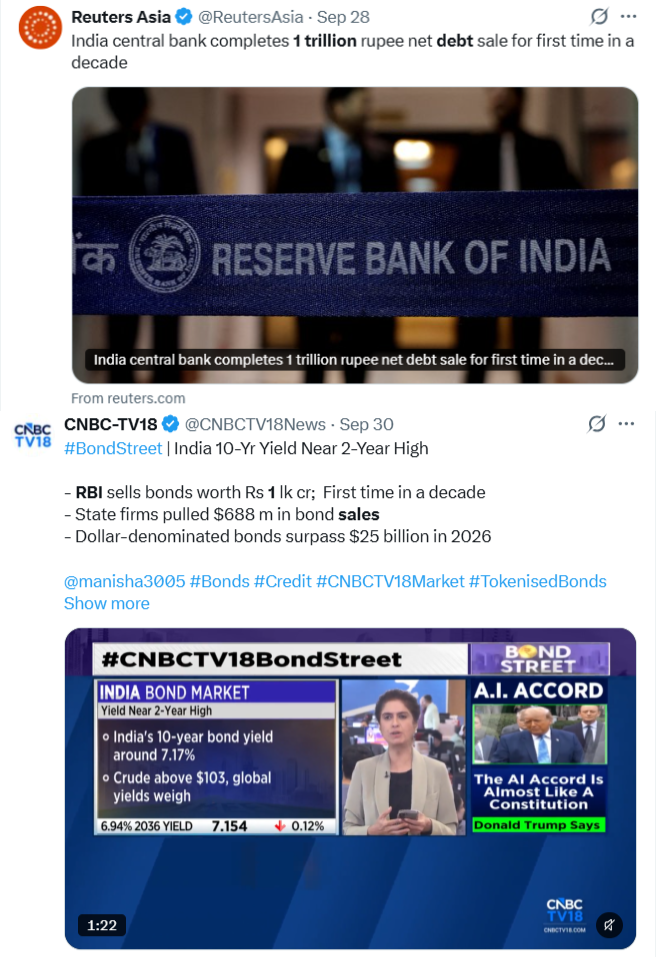
The RBI recently completed a net debt sale of ₹1 trillion, making it the largest such operation in over a decade.
The central bank conducted these sales through Open Market Operations (OMOs), a key monetary policy tool used to regulate liquidity in the banking system. During September, the RBI sold government bonds in multiple phases, gradually absorbing excess cash from banks.
At first glance, selling bonds may sound technical, but the core objective is simple: The RBI wanted to remove surplus money from the banking system.
What Are Open Market Operations (OMOs)?
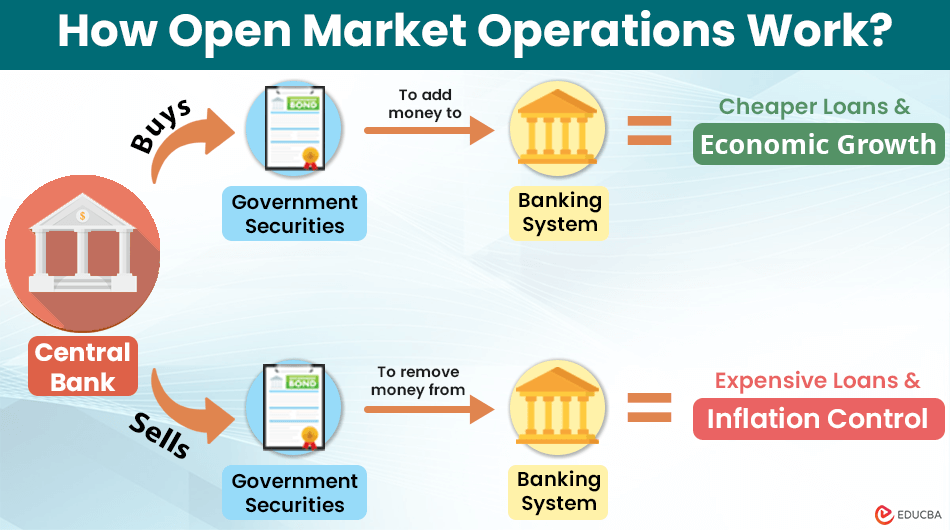
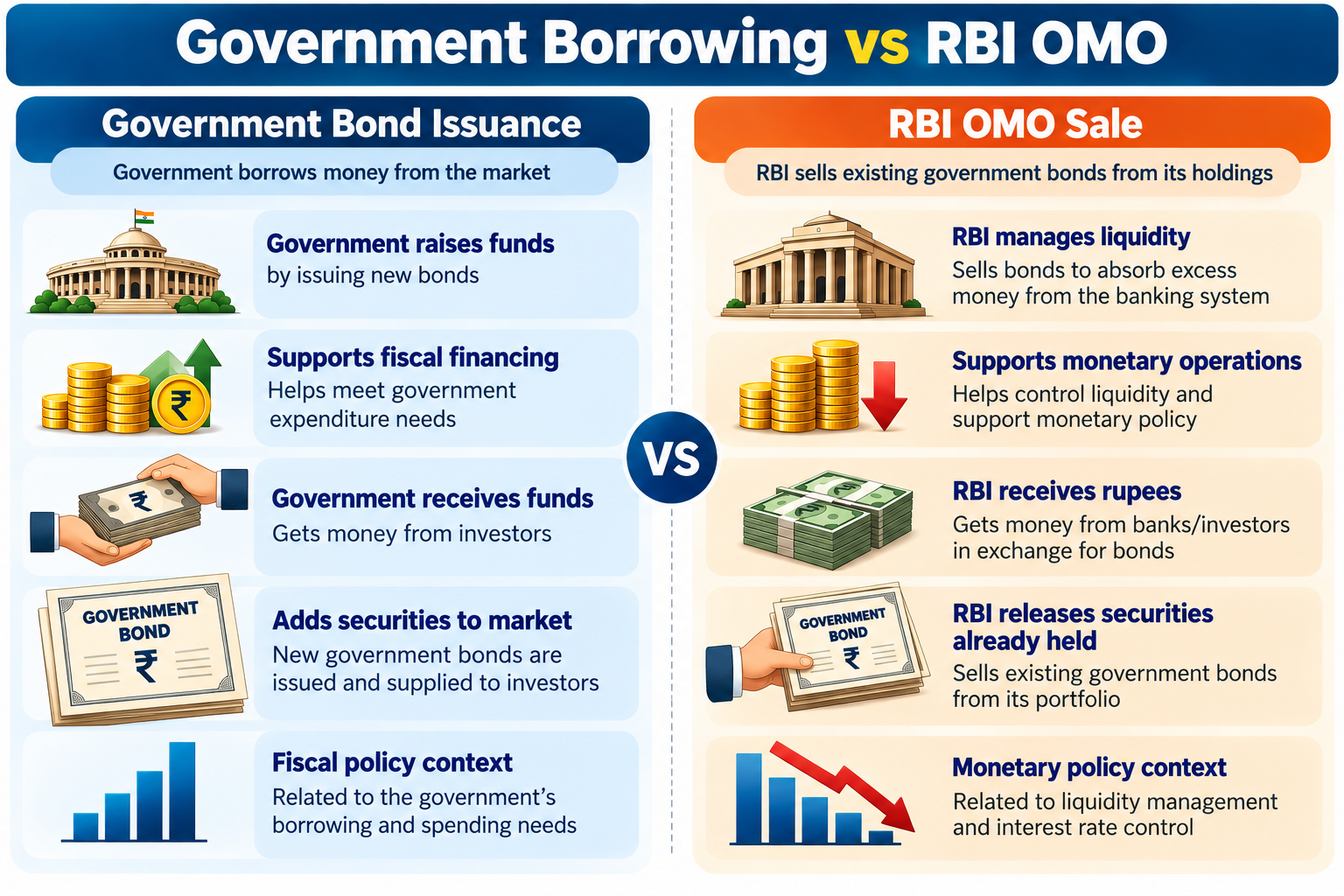
Open Market Operations are one of the most powerful tools available to central banks. The mechanism works in two ways:
When RBI Sells Bonds
1. Banks purchase government bonds from RBI.
2. Banks pay money to RBI.
3. Cash leaves the banking system.
4. Liquidity decreases.
When RBI Buys Bonds
1. RBI purchases bonds from banks.
2. RBI pays money to banks.
3. More cash enters the system.
4. Liquidity increases.
Think of it like a water tank.
✅ If there's too much water, RBI opens the drain and removes some.
✅ If there's too little water, RBI adds more.
The goal is to maintain the right balance.
A Simple Example
Suppose SBI buys government bonds worth ₹4,000 crore from RBI. In exchange:
✅ SBI receives bonds. ✅ RBI receives ₹4,000 crore.
As a result, ₹1,000 crore is removed from the banking system.
Multiply this process across banks and you can understand how RBI absorbs excess liquidity from the market.
Why Did Indian Banks Suddenly Have So Much Cash?
The answer lies in RBI's efforts to support the rupee.
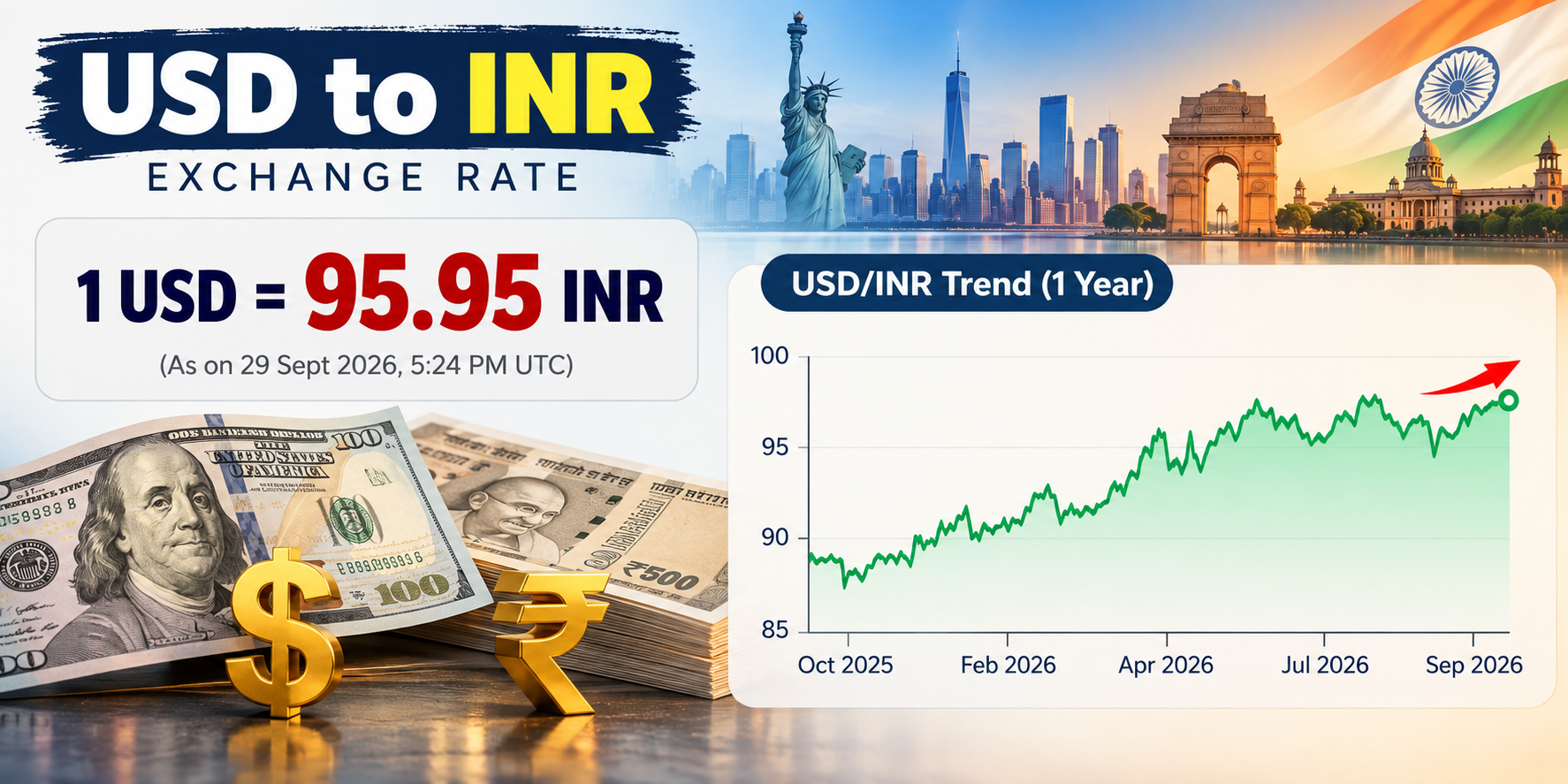
Over the past year, concerns grew over the rupee's depreciation against the US dollar. At one point, discussions intensified over whether the currency could approach the ₹100-per-dollar milestone.
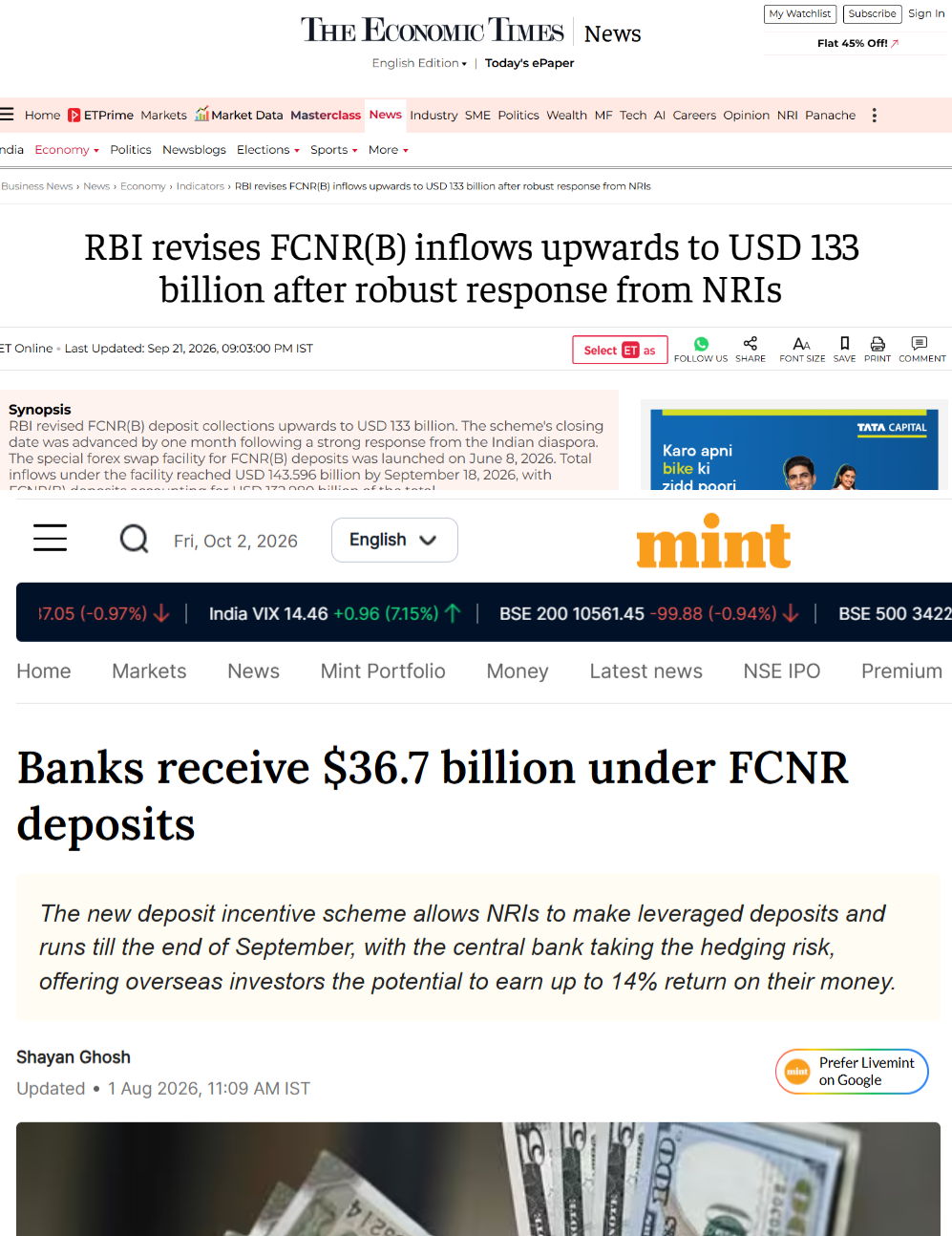
To strengthen foreign currency inflows, RBI encouraged deposits under special schemes such as: FCNR Deposits (Foreign Currency Non-Resident Accounts)
This allowed Non-Resident Indians (NRIs) to deposit their foreign currency earnings in Indian banks. The response was massive. Billions of dollars flowed into Indian banks as NRIs transferred overseas savings into India.
While this helped support the rupee, it also created an unintended consequence: Banks suddenly found themselves sitting on huge amounts of cash.
How Dollar Inflows Created Excess Liquidity
Many people assume that since these deposits arrived in dollars, they wouldn't affect rupee liquidity.
But that's only part of the story. In practice:
Foreign Currency Deposits → RBI Currency Swaps → Rupee Injection into Banks
As banks receive dollars, RBI often absorbs those dollars through foreign exchange operations and provides rupees in return. This process expands liquidity inside the domestic financial system.
At the same time, India's foreign exchange reserves climbed to record highs, while banks accumulated enormous surplus cash. At one stage, surplus liquidity in the banking system crossed ₹11 trillion. For RBI, that became a concern.
Why Too Much Liquidity Can Become a Problem
Most people assume more money in banks is always good. After all, more cash means:
✅ Easier loans
✅ Lower borrowing costs
✅ Greater economic activity
But excessive liquidity can create distortions. When banks have too much idle money, they become eager to lend. You may have experienced this yourself:
1. Frequent loan offers
2. Cheaper financing options
3. Aggressive lending campaigns
Banks do this because holding excess cash generates little return. However, if liquidity becomes excessive, lending rates can fall below levels desired by RBI, weakening its monetary policy transmission.
How It Interferes With RBI's Interest Rate Strategy
The RBI currently uses the repo rate i.e. 5.25% as its benchmark monetary policy tool. The repo rate acts as a reference point for short-term borrowing costs across the financial system.
But when banks are overflowing with surplus cash, they may lend money to other banks and borrowers at rates lower than intended.
Think of it like a clearance sale. If a store has too much inventory, it offers discounts to attract buyers. Similarly, when banks have too much cash, they may lower lending rates to attract borrowers, even if RBI wants interest rates to remain higher.
Too Much Bank Cash → Aggressive Lending → Lower Interest Rates → Reduced Effectiveness of RBI Policy
That is why RBI periodically absorbs excess liquidity from the banking system.
The Bond Yield Connection

Another important consequence of RBI's bond sales is their impact on bond yields. Bond prices and bond yields move in opposite directions.
The Formula Is Simple: More Bond Supply → Lower Bond Prices → Higher Bond Yields
Since RBI is selling large quantities of government bonds:
1. Bond supply increases
2. Prices can come under pressure
3. Yields move higher
This rise in yields can influence borrowing costs across the broader economy.
What Does This Mean for Businesses?
Higher bond yields often translate into:
1. Costlier corporate borrowing
2. More expensive project financing
3. Increased cost of capital
Businesses dependent on debt financing may find raising funds slightly more expensive. As a result, aggressive investment and expansion plans can slow down. This is one reason why financial markets closely track RBI liquidity actions.
Could the Stock Market Feel the Impact?
Yes, at least in the short term. When RBI withdraws liquidity from banks:
✅Short-term interest rates can rise.
✅Bond yields may increase.
✅Borrowing costs can move higher.
For stock markets, this is generally viewed as a negative signal because easy liquidity is one of the major drivers of market rallies. Companies that rely heavily on borrowing may face higher financing costs, potentially affecting future profitability.
This comes at a time when Indian equities have already witnessed heightened volatility after touching record highs. While bond sales alone are unlikely to determine market direction, they can add another layer of pressure to investor sentiment.
Why Is This ₹1 Trillion Sale So Historic?
The scale of this operation is what makes it remarkable. Even during the liquidity surge following demonetization, RBI's liquidity absorption operations did not reach the scale seen today.
This latest ₹1 trillion bond sale has surpassed previous major interventions, making it one of the most significant liquidity-management exercises in recent RBI history.
In simple terms: RBI first helped attract dollars into India to support the rupee. Those inflows created excess cash in banks. Now the central bank is removing that excess liquidity to keep interest rates and financial conditions under control.
It's a balancing act between currency stability, banking liquidity, inflation management, and economic growth.
The Bottom Line
The RBI's record ₹1 lakh crore bond sale is not a sign of financial stress. Instead, it reflects active monetary management. By draining excess liquidity, the central bank is trying to:
1. Maintain control over interest rates
2. Ensure monetary policy remains effective
3. Prevent distortions in financial markets
4. Balance growth with stability
As India navigates a complex global economic environment, this historic move highlights how central banks often solve one challenge only to confront another. The key lies in maintaining equilibrium.
📢Stay Ahead of India's Biggest Economic Developments
Want simplified explanations of RBI policies, financial markets, geopolitics, and the global economy?
✅Follow our blog for expert analysis that breaks down complex economic events into easy-to-understand insights.
📩Subscribe now and get the latest updates delivered directly to your inbox.
🔔Go beyond the headlines and discover how major economic decisions shape opportunities, investments, and India's growth story.
Written by
Aarav VashishtDiscussion (0)
Sign in to join the discussion.
Loading comments…