

📊 A Surprising Statistic
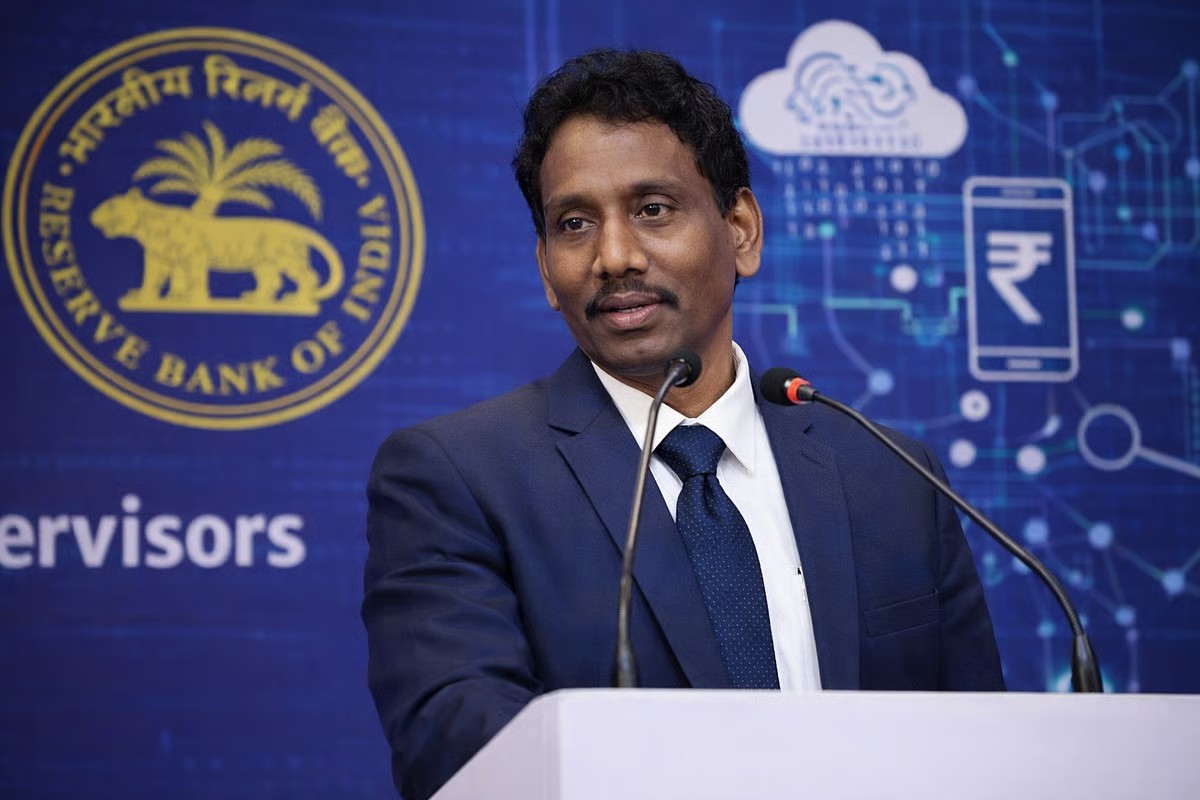
At the Global Cash Management Conference 2026 in Jakarta, RBI Deputy Governor Shirish Chandra Murmu revealed a striking fact:
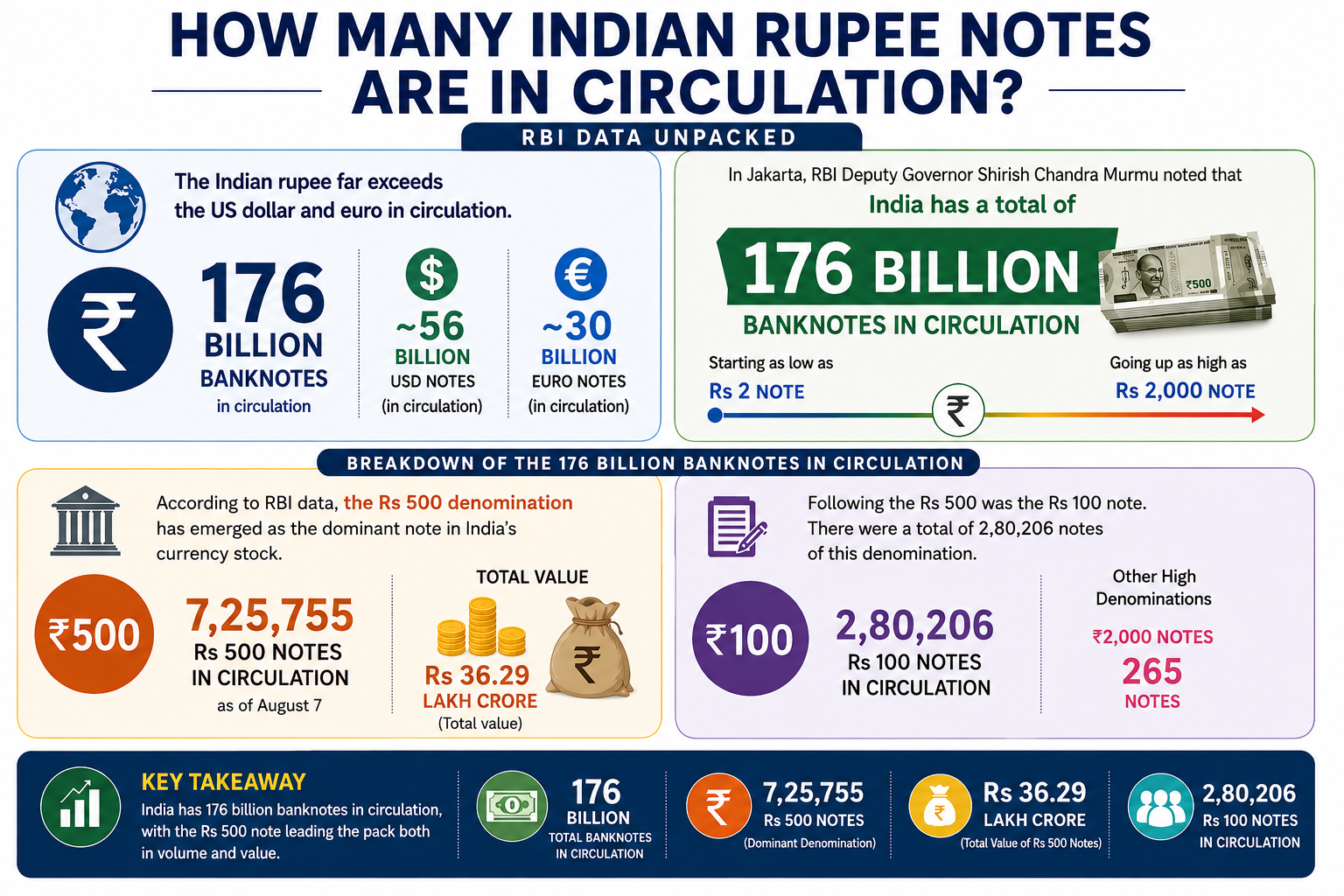
India has 176 billion banknotes in circulation, nearly three times more than the US dollar (56 billion) and far ahead of the Euro (30 billion).
While a single $500 bill dwarfs the value of a ₹500 note, India’s sheer volume of currency notes has outpaced the world’s biggest economies.
💡 Cash vs Digital: India’s Payment Paradox
India’s financial landscape is witnessing a fascinating twist: both cash and UPI are booming at the same time.
Currency with the Public
By July 2026, ₹41.8 lakh crore was held outside banks, in wallets, homes, shops, rural markets, and businesses. This measure, called currency with the public, excludes cash held by banks and reflects money physically circulating among people.
The Paradox Explained
At first glance, rising cash alongside surging UPI looks contradictory. But here’s the catch:
People can hold more cash as a precaution or store of value.
At the same time, they can use UPI more often for convenience.
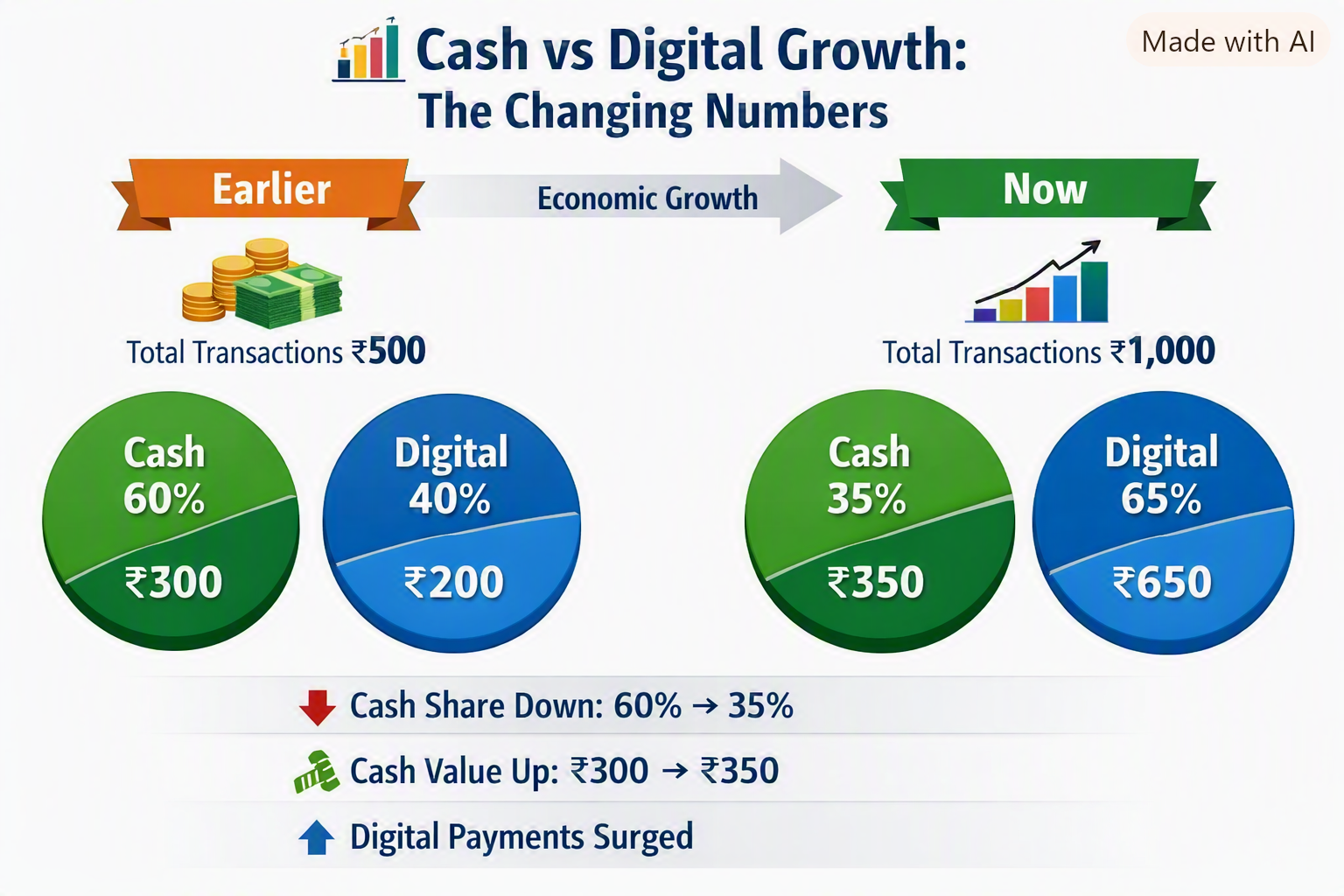
Growth in GDP and transaction volumes means even a smaller share of cash translates into higher absolute value.
⚡ Why It Matters
This dual rise shows India’s economy is expanding in both traditional and digital directions. Cash remains vital for rural and informal sectors, while UPI dominates urban and formal transactions.
📱 UPI’s Meteoric Rise
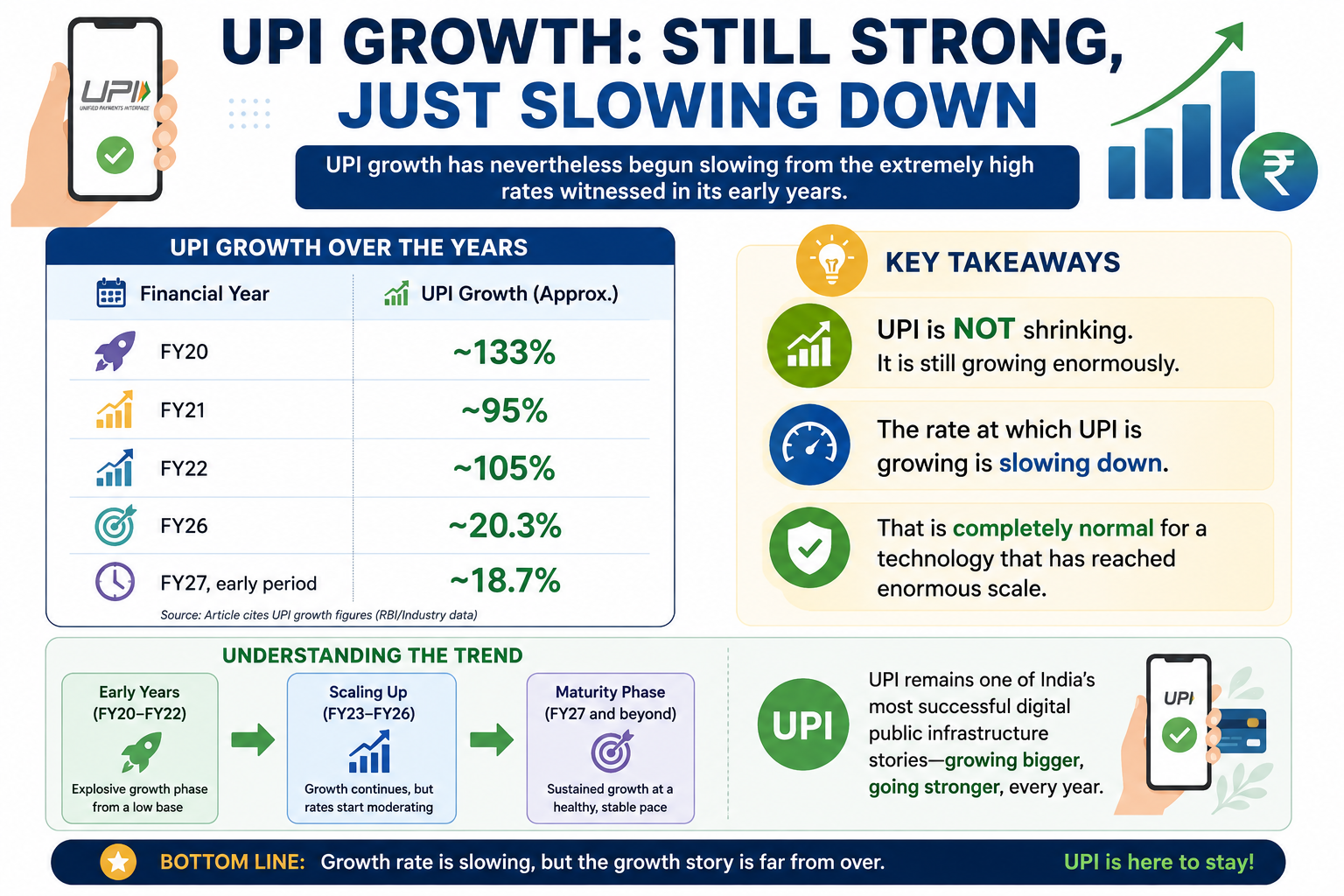
Since its launch in 2016, UPI has transformed India’s payment landscape:
Growth rates of 133% (2019‑20), followed by 95% and 105%, before stabilizing at 20%–18% in recent years.
QR codes and smartphones have made even a ₹15 vegetable purchase payable instantly.
UPI is no longer shrinking; it’s simply maturing at scale.
💰 Why Cash Still Grows
Even as UPI expands, cash usage rises because:
India’s GDP has grown massively, multiplying transaction volumes.
More shops, services, and rural markets mean more cash changing hands.
Example: If total transactions double from ₹500 to ₹1000, even a reduced cash share (35%) still means ₹350 in cash vs ₹300 earlier.
⚠️ The MDR Debate
The government’s 2026 amendment bill may introduce Merchant Discount Rate (MDR) charges on UPI:
Currently, merchants receive the full ₹1000 on a UPI transfer.
With MDR (say 0.3%–1%), merchants may get ₹990–₹997, absorbing transaction costs.
Concerns exist that merchants might push customers back to cash, but UPI’s convenience, speed, and security make it unlikely to fade.
🚀 What Lies Ahead
India’s financial ecosystem is at a crossroads:
Cash and UPI will coexist, serving different needs.
Policy decisions on MDR will shape adoption, but the digital revolution is irreversible.
The rupee’s dominance in circulation highlights India’s unique blend of tradition and technology.
India’s payments story is rewriting global norms. India’s payments future is not “either/or” but “both together.” India’s economy is large enough to support both digital convenience and cash liquidity. Even when digital dominates, a growing economy ensures that cash doesn’t shrink; it simply grows alongside.
🔍 Dive Deeper into India’s Payment Revolution
Curious how policy might reshape this cash‑digital balance? Do you think MDR charges will slow down UPI adoption, or will convenience keep digital payments king?
For a deeper understanding and fresh perspectives, explore our earlier feature - UPI Amendment Bill 2026: Digital Payments & Charges - and see how upcoming MDR rules could redefine the future of India’s cashless economy.
🚀 Read it now and join the conversation shaping India’s next financial leap!
Written by
Aditya KulshreshthaDiscussion (0)
Sign in to join the discussion.
Loading comments…