
A young laboratory worker’s death, nearly 200 people quarantined, and fears of pneumonic plague have triggered global alarm. But what is really happening in Russia, and should the world be worried?
For the past few days, social media platforms, news headlines, and viral videos have been flooded with alarming claims about a possible plague outbreak in Russia. Many posts have drawn comparisons with COVID-19, while others have suggested that a major global health crisis may already be unfolding.
The trigger behind the panic is the death of a young employee at a Russian anti-plague research institute and the subsequent quarantine of nearly 200 individuals. But beneath the sensational headlines lies a far more nuanced story.
So, what exactly happened in Russia? What is pneumonic plague? Why is the word "plague" causing so much global anxiety? And is this really the beginning of another pandemic? Let's separate fact from fear.
What Happened in Russia?
The incident occurred in Eastern Siberia, one of the coldest and most remote regions of Russia.
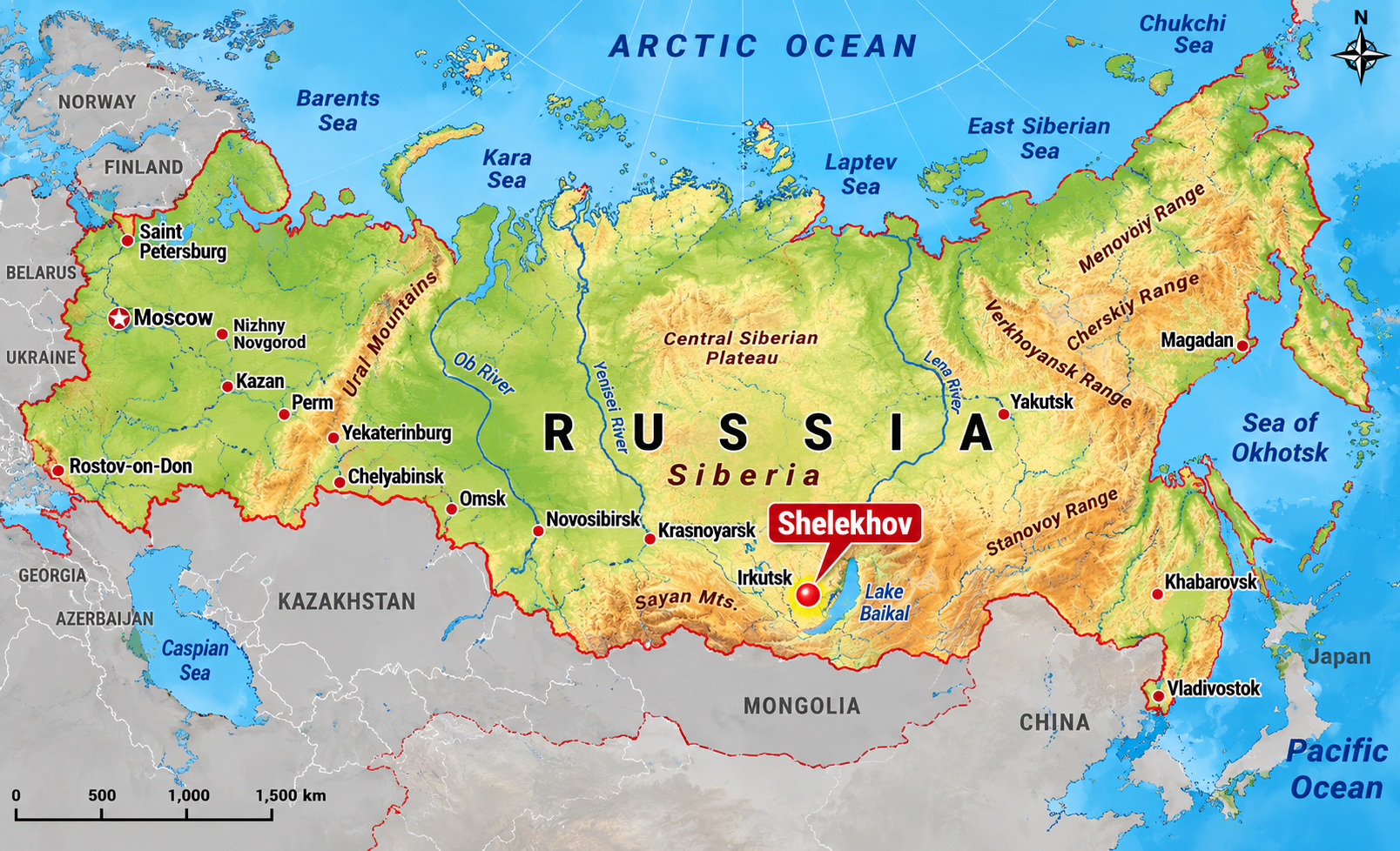
According to reports, 28-year-old Darya Shilpilova, an employee at the Irkutsk Anti-Plague Research Institute in Shelekhov, developed severe pneumonia and was hospitalized on September 29, 2026, after her condition rapidly deteriorated. Despite receiving intensive medical care, she unfortunately passed away during the first week of October.
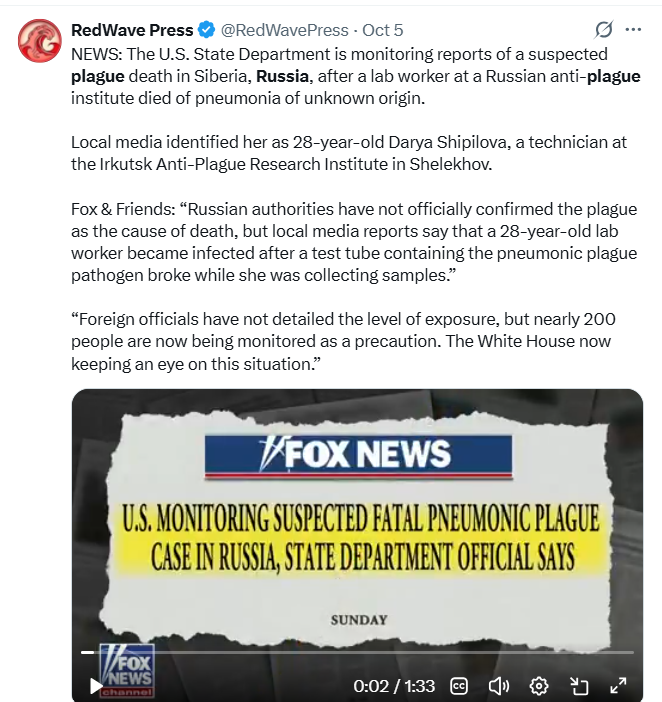
This combination of events quickly raised international concern:
1. A laboratory employee died from severe pneumonia.
2. She worked at an anti-plague institute.
3. Nearly 200 people were quarantined.
Understandably, these factors fueled speculation about a possible plague outbreak. However, one crucial detail is often missing from social media discussions.
The Most Important Fact: Nothing Has Been Confirmed Yet
At the time of writing, Russian health authorities have not confirmed that the woman died from pneumonic plague. Officials have reportedly described the case as pneumonia of unknown origin, meaning investigators are still determining the exact cause of her illness.
This distinction is extremely important. Many online discussions are treating a suspected case as a confirmed outbreak. In reality, authorities are still conducting laboratory tests and epidemiological investigations before drawing any conclusions.
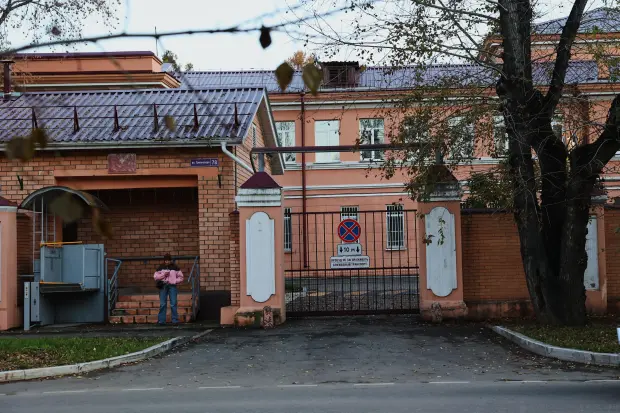
The quarantine itself does not prove a plague outbreak. It is a standard precaution whenever there is a risk, however small, of exposure to a potentially dangerous infectious disease.
What Is Plague?
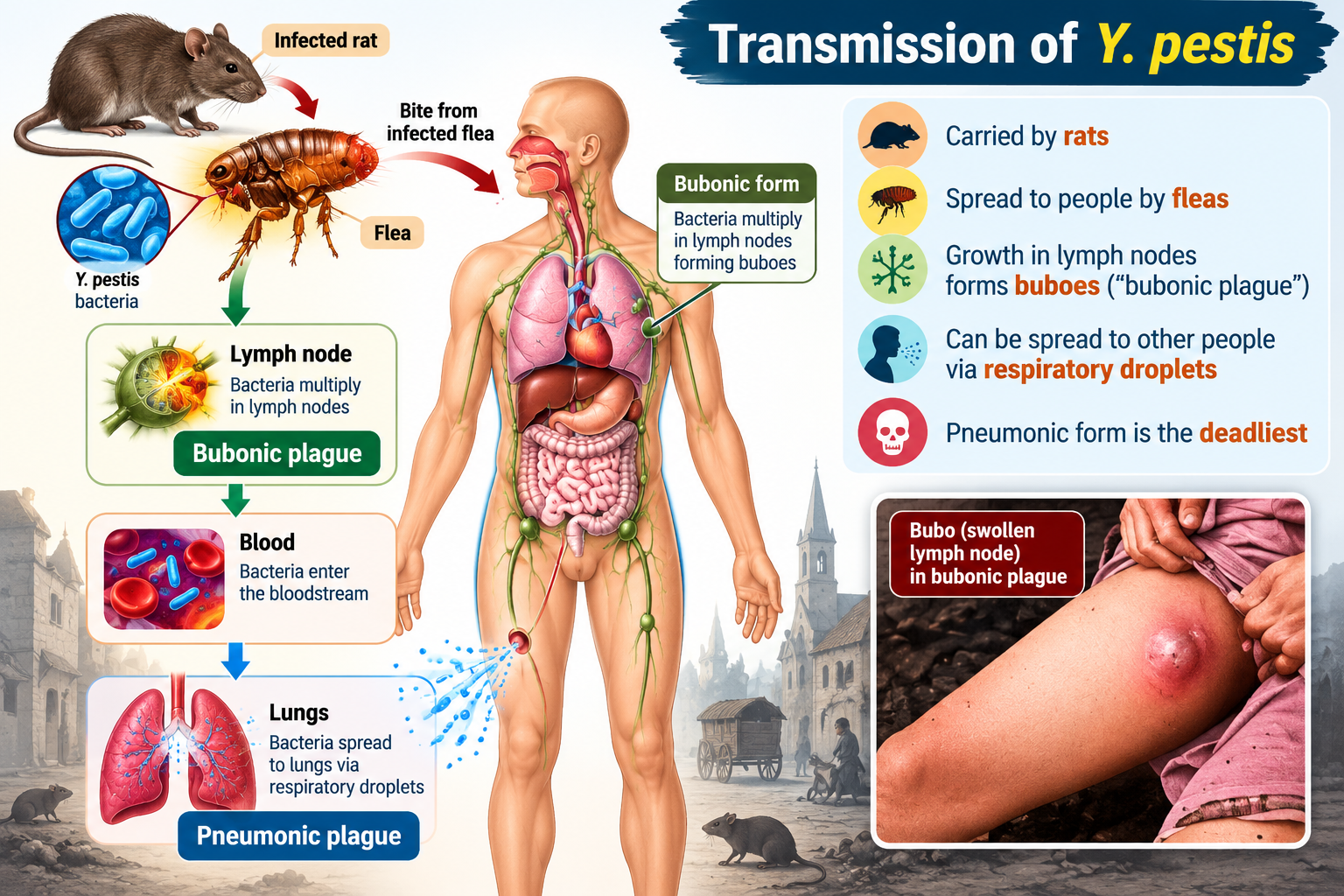
Plague is an infectious disease caused by the bacterium Yersinia pestis. Unlike COVID-19, which was caused by a virus, plague is caused by bacteria. This makes a significant difference because bacterial infections can often be treated with antibiotics if detected early.

Plague is classified as a zoonotic disease, meaning it normally circulates among animals and can occasionally spread to humans. The natural transmission cycle often involves:
1. Wild rodents
2. Small mammals
3. Fleas carrying infected bacteria
4. Human infection through exposure
In other words, plague is not fundamentally a human disease. The bacteria continue to exist naturally in animal populations across several parts of the world.
The Three Types of Plague
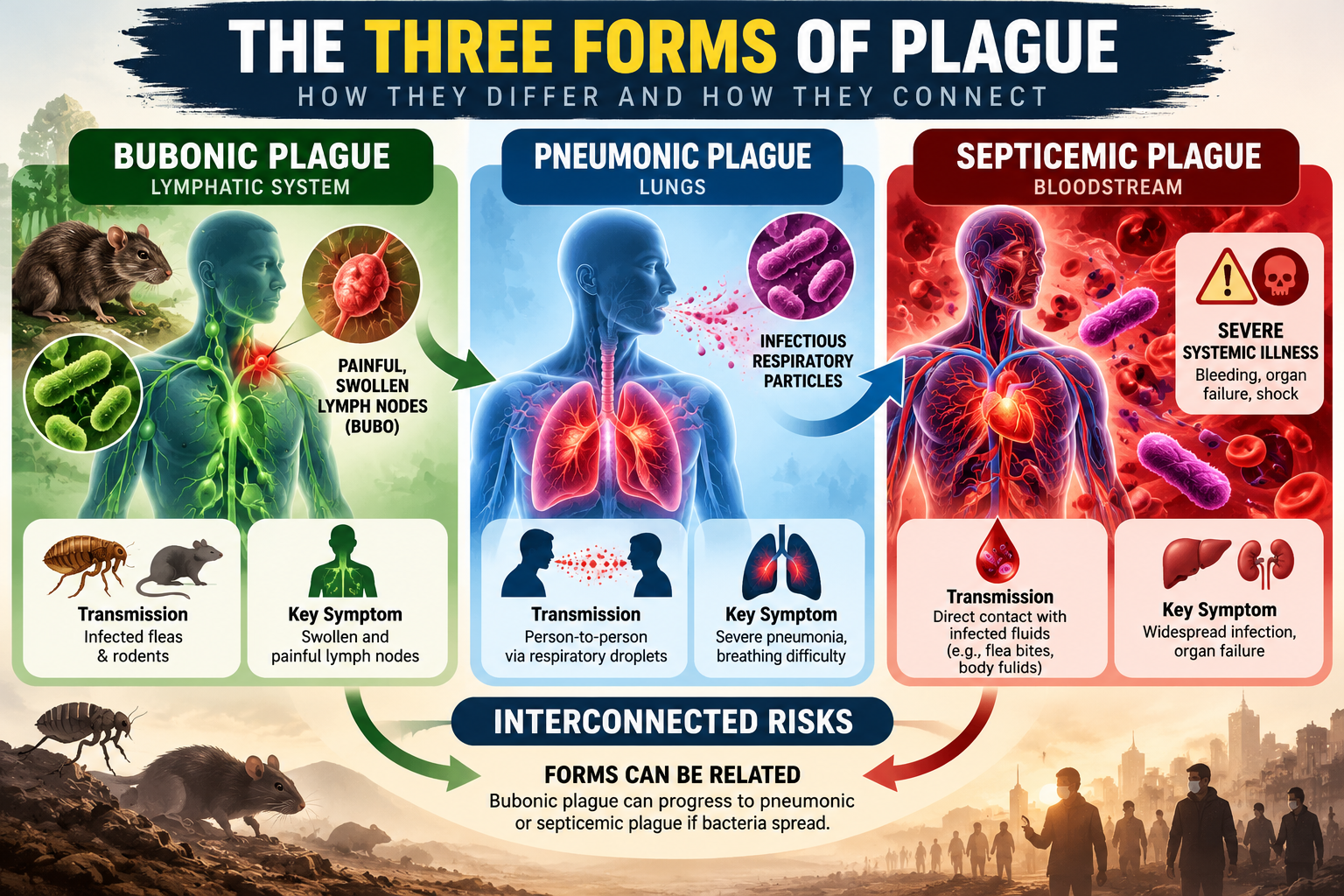
One reason the current story has attracted attention is that not all forms of plague are equally dangerous from a public health perspective.
1. Bubonic Plague
This is the most famous form of plague and is historically associated with the Black Death, which devastated Europe during the 14th century.
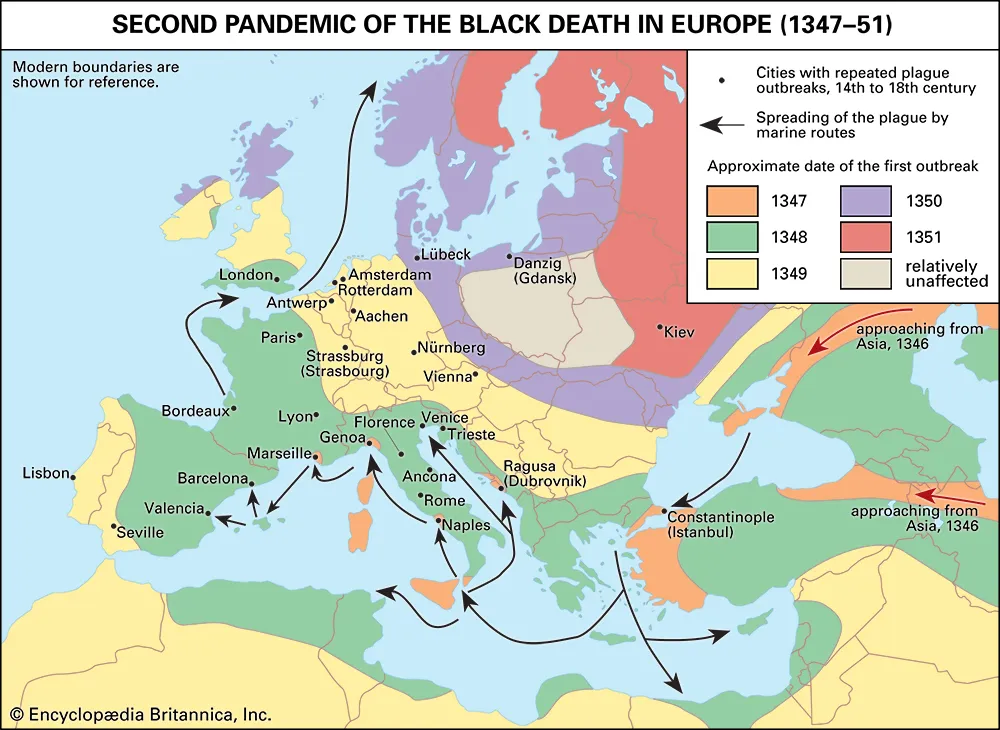
When an infected flea bites a human, the bacteria enter the lymphatic system and cause swollen, painful lymph nodes known as buboes. Typical symptoms include:
1. Fever
2. Weakness
3. Headache
4. Swollen lymph nodes
Importantly, bubonic plague generally does not spread directly from person to person.
2. Septicemic Plague
This form occurs when the bacteria enter the bloodstream. Symptoms may include:
1. High fever
2. Severe illness
3. Organ complications
4. Circulatory problems
Without treatment, it can become life-threatening.
3. Pneumonic Plague
This is the type currently at the center of speculation in Russia. Pneumonic plague occurs when the bacteria infect the lungs.
Unlike bubonic plague, pneumonic plague can spread from one person to another through respiratory droplets, making it the most concerning form from a public health standpoint.
Symptoms may include:
1. Severe pneumonia
2. Chest pain
3. Difficulty breathing
4. Coughing
5. Fever
Because the lungs are involved, infected individuals can potentially transmit the disease through close contact.
This is why health authorities tend to react aggressively whenever pneumonic plague is suspected.
Why Is Pneumonic Plague Considered So Dangerous?
There are three major reasons.
1. Extremely Rapid Progression
The incubation period can be remarkably short. Symptoms may appear within just one or two days after infection, allowing the disease to worsen very quickly.
2. Severe Respiratory Complications
The infection attacks the lungs directly, causing severe pneumonia and breathing difficulties.
3. Human-to-Human Transmission
Unlike bubonic plague, pneumonic plague can spread through respiratory droplets. This makes early detection and isolation essential to prevent wider transmission.
Why Were 200 People Quarantined?
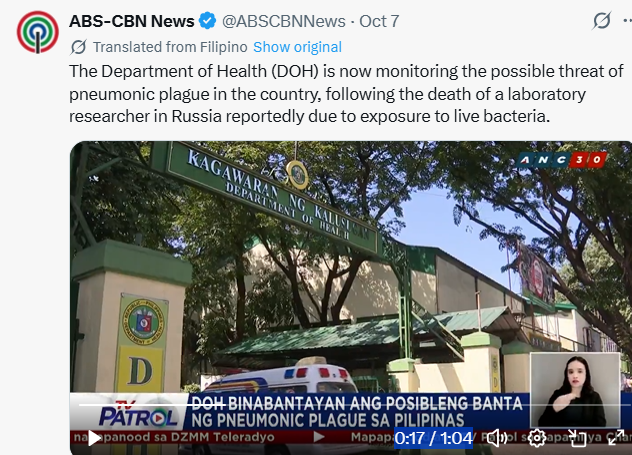
Many people have interpreted the quarantine as proof that an outbreak has already begun.
That is not necessarily true. Public health authorities typically quarantine anyone who may have had close contact with a potentially infected person, including:
1. Family members
2. Healthcare workers
3. Colleagues
4. Other recent contacts
The objective is simple: If the illness turns out to be pneumonic plague, officials can quickly identify any secondary infections and prevent further spread.
In fact, this rapid response demonstrates that health authorities are taking a precautionary approach rather than waiting for confirmation.
Mystery Deepens: WHO Seeks Answers as Russia Investigates Lab Worker’s Death
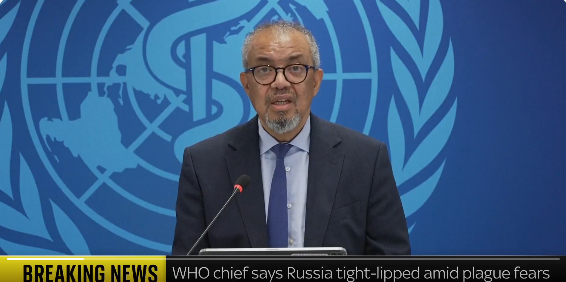
The mystery surrounding the death of a laboratory worker in Siberia continues to fuel global attention. The World Health Organization (WHO) has said it still does not know what caused the woman's death and has requested additional information from Russian authorities.
While speculation about pneumonic plague has spread online, Russian officials maintain that the victim suffered from pneumonia of unknown origin, and no link to plague has been confirmed. Authorities have also stated that no recent plague cases have been recorded in the Irkutsk region. As a precaution, nearly 200 people who may have come into contact with the deceased have been placed under quarantine and medical observation while investigations continue.

For now, the case remains under investigation, with health officials urging caution against drawing conclusions before laboratory findings are released.
Why Does Siberia Matter?
Another reason this story attracted global attention is the location. Contrary to popular belief, plague has not disappeared from Earth.
The bacterium Yersinia pestis still survives in natural animal reservoirs across various regions of the world. Siberia's vast wilderness, cold climate, and abundant wildlife make it one of the areas where plague-related ecological systems continue to exist naturally.
As a result, any suspected plague-linked incident occurring in Siberia often receives heightened attention from epidemiologists and health agencies.
Is This Another COVID-Style Threat?
This is perhaps the most common question being asked online.
The short answer is: No evidence currently suggests that.
There are several key differences between COVID-19 and plague:
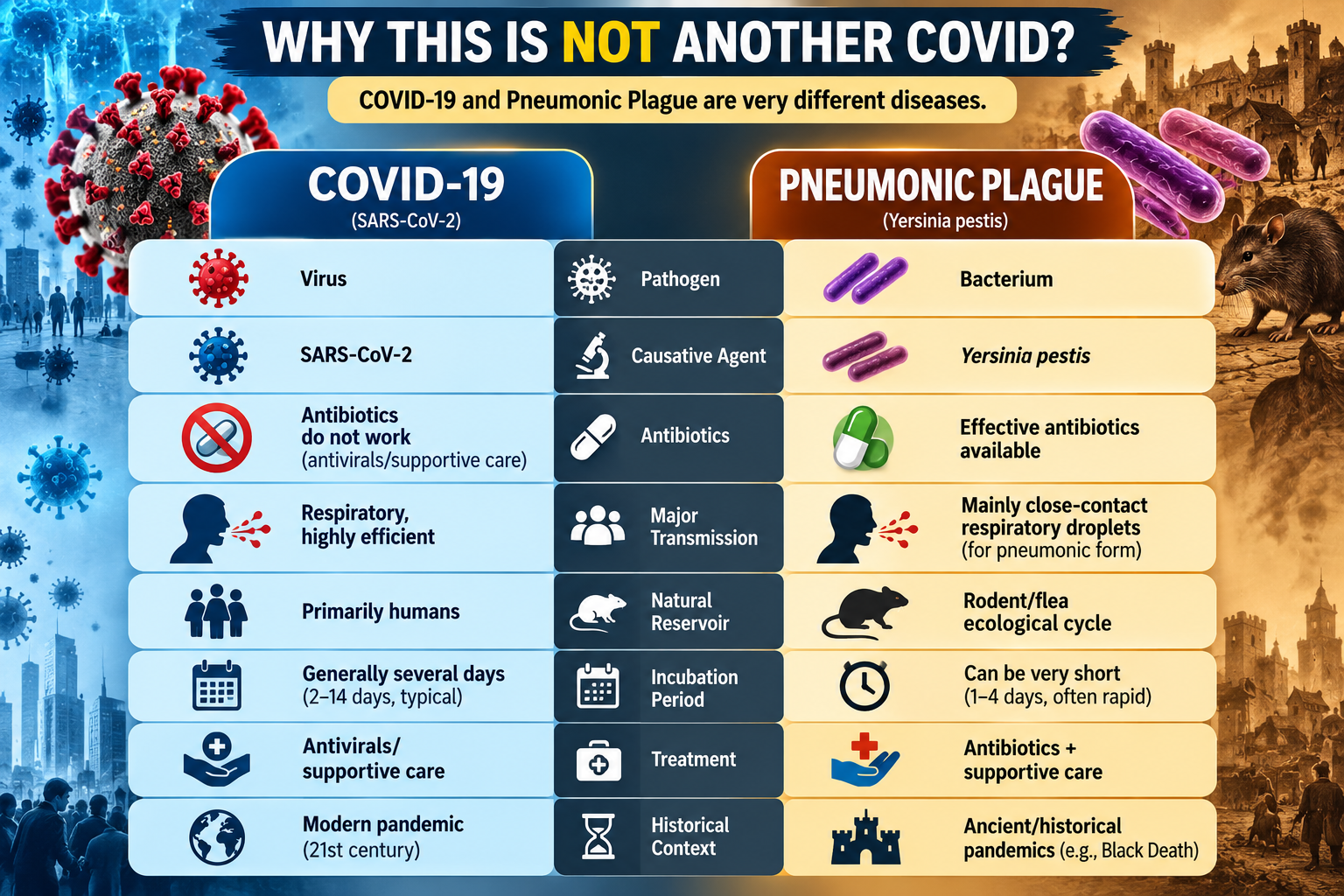
Most importantly, plague is treatable when diagnosed early. Modern healthcare systems, antibiotics, surveillance networks, and laboratory testing provide tools that simply did not exist during historical plague outbreaks.
What About Reports of a Broken Test Tube?

Some online reports have suggested that a laboratory accident involving a test tube containing live bacteria may be connected to the case. However, there is currently no independently confirmed evidence establishing such a link.
At this stage, the verified facts remain:
✅ A laboratory employee died after developing severe pneumonia.
✅ She worked at an anti-plague research institute.
✅ Nearly 200 contacts have been quarantined and monitored.
✅ Investigations are ongoing.
❌ A confirmed pneumonic plague diagnosis has not yet been announced.
❌ Claims about a laboratory accident remain unverified.
Final Takeaway: Stay Informed, Not Alarmed
The word "plague" naturally evokes fear because of its association with the Black Death, one of humanity's deadliest historical catastrophes. But today's situation is very different from the Middle Ages.
Right now, the world is watching a suspicious medical case under investigation, not a confirmed global health emergency.
The Russian case deserves attention because pneumonic plague is a serious disease. However, it is equally important to distinguish between verified facts and social media-driven speculation.
Until laboratory findings are released, claims of a large-scale plague outbreak remain just that: claims.
The smartest approach is to remain informed, follow official health updates, and avoid jumping to conclusions based solely on alarming headlines.
📢 What Do You Think?
Do you believe social media is amplifying fear faster than facts in health-related incidents? Could modern healthcare prevent a Black Death-style catastrophe even if a plague case were confirmed?
✅ Share your thoughts in the comments below
✅ Share this article with friends and family to separate fact from fiction
✅ Follow us for sharp insights on global affairs, public health, geopolitics, and emerging risks around the world
Written by
Aditya KulshreshthaDiscussion (0)
Sign in to join the discussion.
Loading comments…