
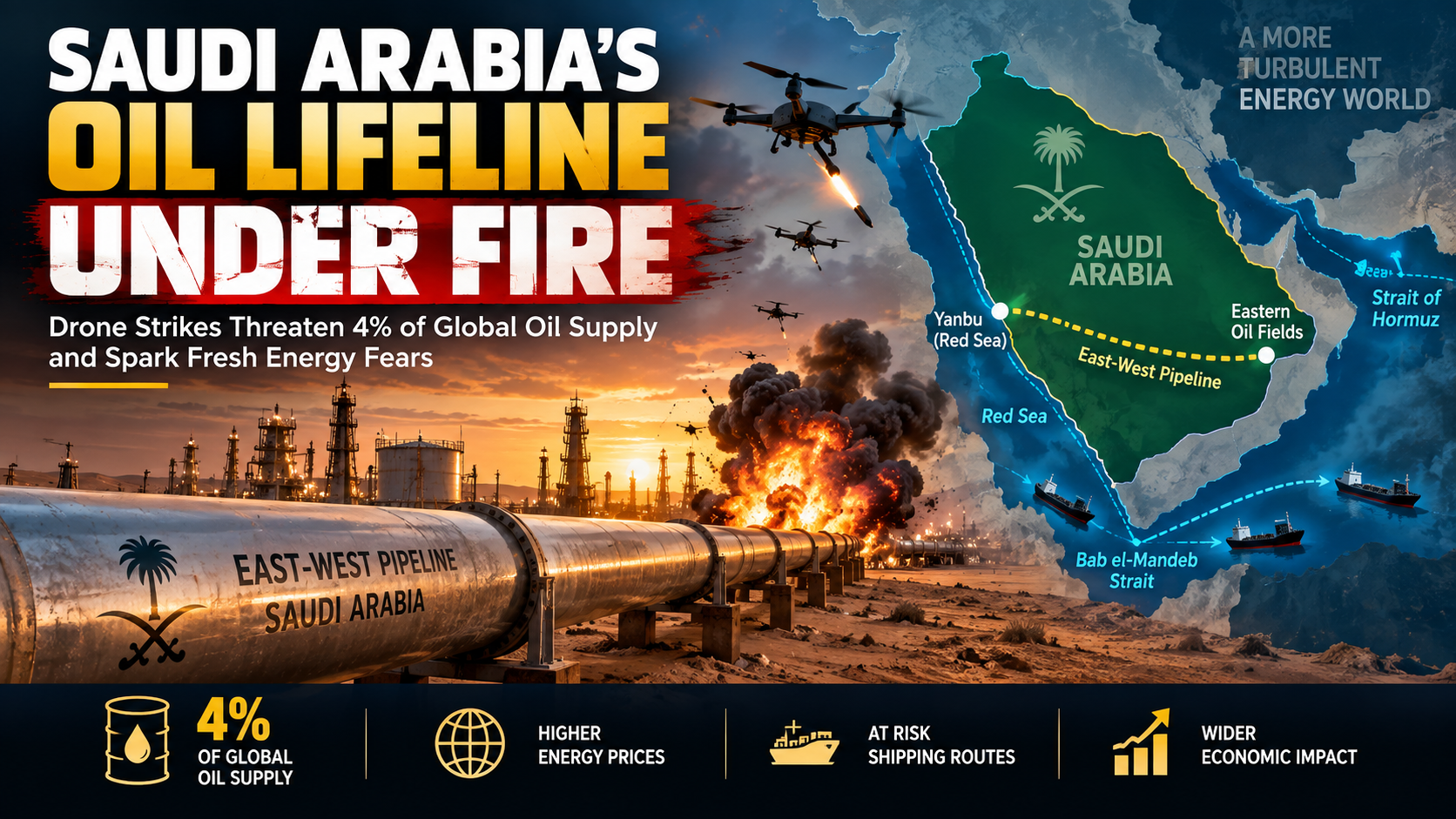
A Strategic Oil Artery Has Been Hit. Is the World Headed for Another Energy Shock?
The global oil market has been walking a tightrope amid escalating tensions in the Middle East. Now, a major drone attack on Saudi Arabia's crucial East-West Pipeline has added a dangerous new twist to an already volatile situation.
This is not just another infrastructure incident.
The pipeline carries nearly 4 million barrels of crude oil per day, representing about 4% of global oil supply. With Saudi Arabia temporarily struggling to move oil through this critical route, fears are rising over supply disruptions, surging oil prices, and potential economic consequences for major importers like India, China, Japan, and South Korea.
What Exactly Happened?
Saudi Arabia's strategically vital East-West Pipeline, also known as the Petroline, reportedly came under multiple drone attacks, causing significant disruption to oil transportation operations.
The pipeline stretches from the kingdom's massive oil-producing regions in the east to the Red Sea port of Yanbu in the west. It was specifically designed to reduce Saudi dependence on the Strait of Hormuz, one of the world's most vulnerable maritime chokepoints.
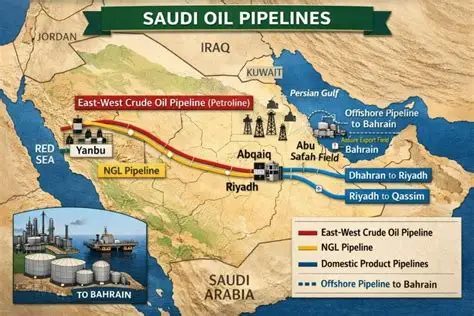
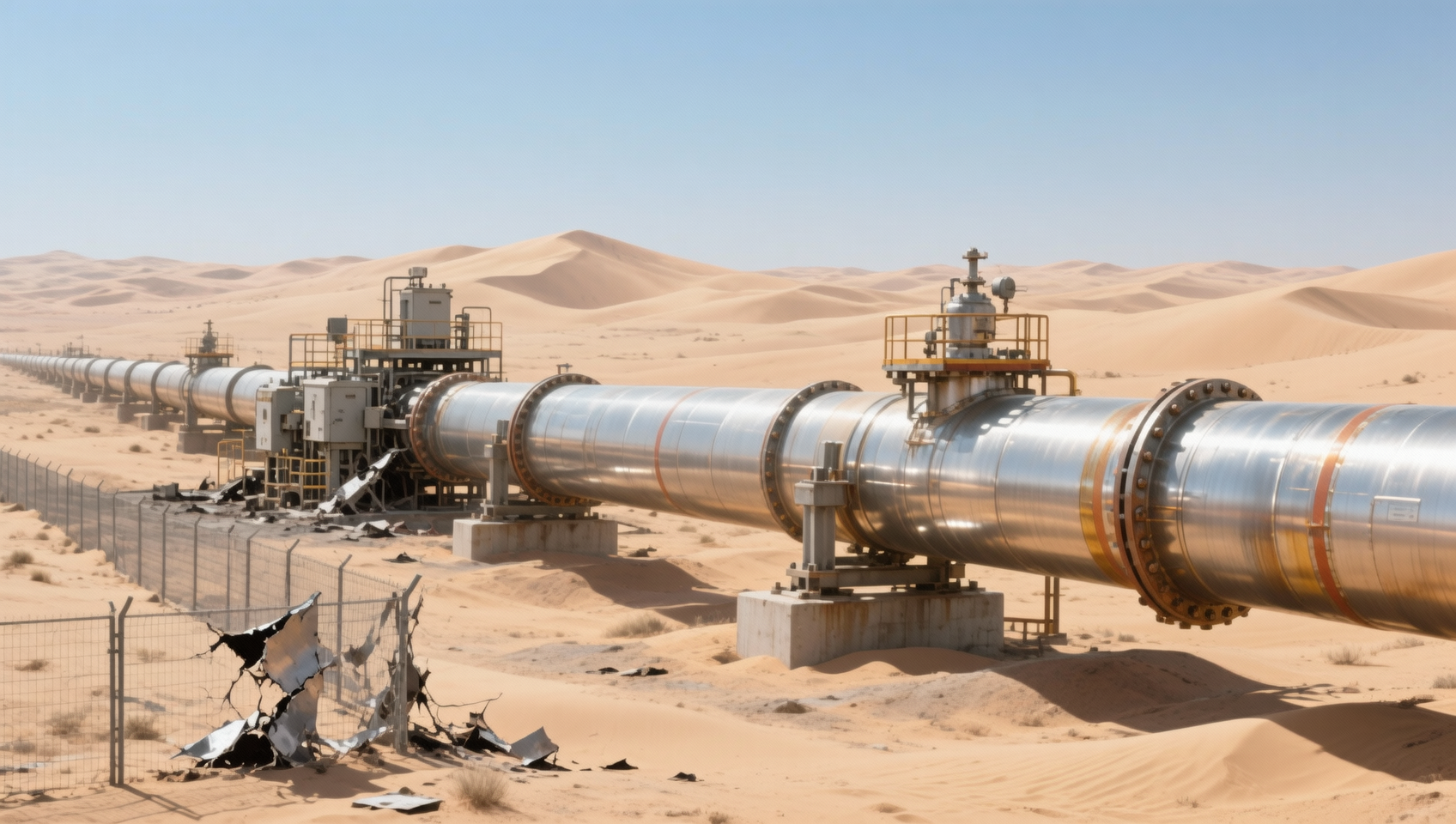
According to reports, the attacks targeted sections of the pipeline near key regions including Riyadh and Medina, causing substantial damage and forcing operational interruptions. While partial restoration may occur sooner, experts suggest that a complete repair could take several weeks.
Why Is This Pipeline So Important?
Most Saudi crude oil traditionally travels through the Persian Gulf and exits via the Strait of Hormuz. However, as geopolitical tensions in the Gulf region grow, Saudi Arabia has increasingly relied on the East-West Pipeline as an alternative export route.
Key Facts About the East-West Pipeline
1. Capacity: 4-5 million barrels per day
2. Maximum throughput: Up to 7 million barrels per day
3. Connects eastern oil fields to the Red Sea coast
4. Operated by Saudi Aramco
5. Helps bypass the Strait of Hormuz
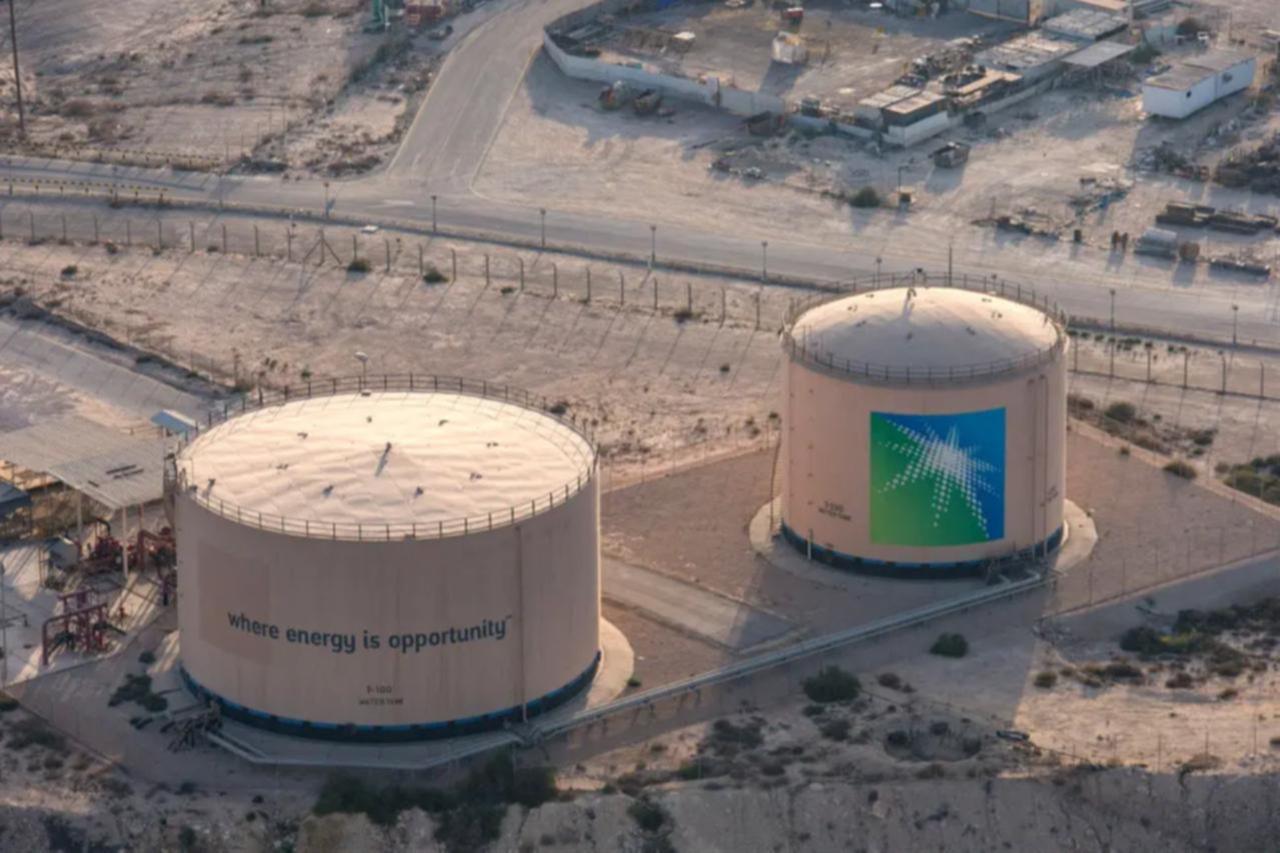
The pipeline serves as an insurance policy for Saudi Arabia whenever shipping routes in the Gulf become risky. Now that this alternative route itself has come under attack, the kingdom's export flexibility has been severely weakened.
The Middle East's Oil Chokepoints Are Under Pressure
The attack becomes even more alarming when viewed alongside ongoing tensions across key regional waterways.
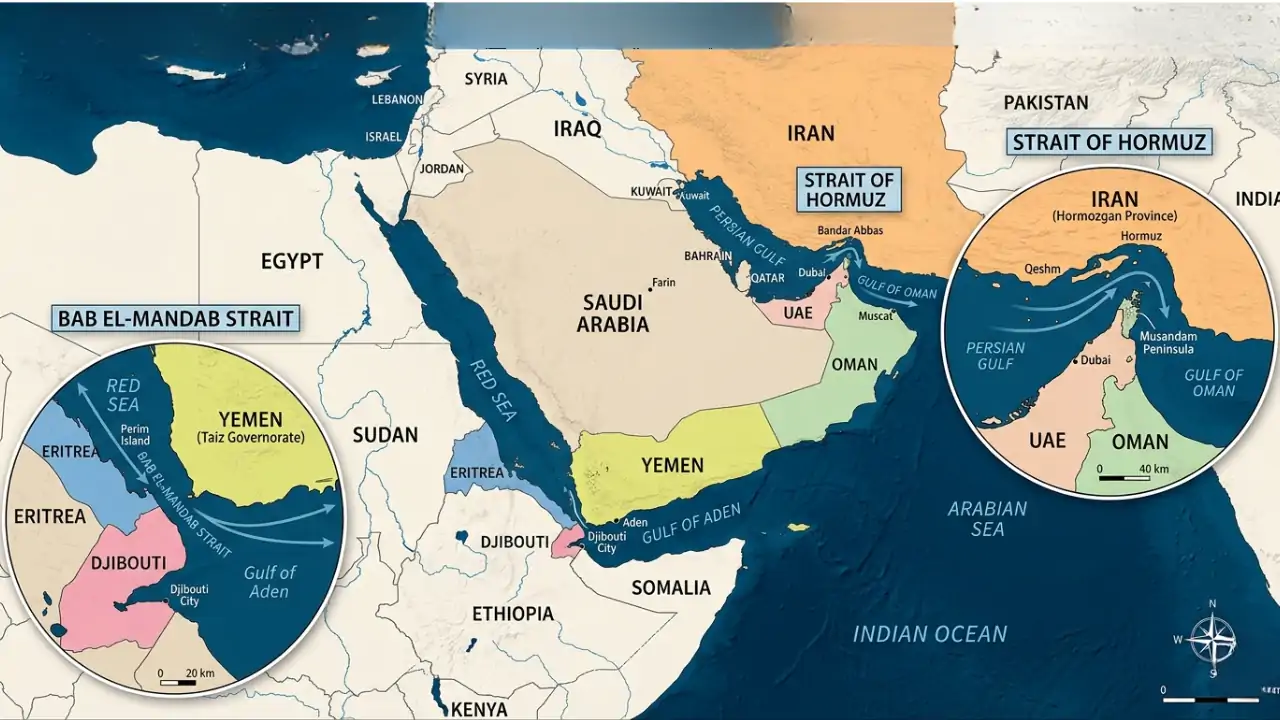
1. Strait of Hormuz
The Strait of Hormuz remains one of the world's most critical oil transport corridors. Any disruption here can impact a significant portion of global energy trade.
2. Bab el-Mandeb Strait
Located at the southern entrance of the Red Sea, Bab el-Mandeb is another strategic chokepoint connecting global shipping routes.
3. Red Sea Security Concerns
Recent instability around the Red Sea and nearby ports has raised concerns about the safety of commercial shipping and energy transportation.
Together, these developments create a dangerous scenario in which multiple oil routes face heightened security risks at the same time.
Who Is Behind the Drone Attacks?
Investigations are still ongoing, but the attacks have intensified regional tensions. Saudi authorities have alleged that the drones originated from Iraqi territory and were linked to Iran-backed groups. Meanwhile, regional observers have also pointed toward armed factions operating in Yemen, which have previously targeted energy infrastructure and shipping routes.
The accusations have further heightened tensions between Saudi Arabia and Iran, adding another layer of uncertainty to an already fragile geopolitical environment.
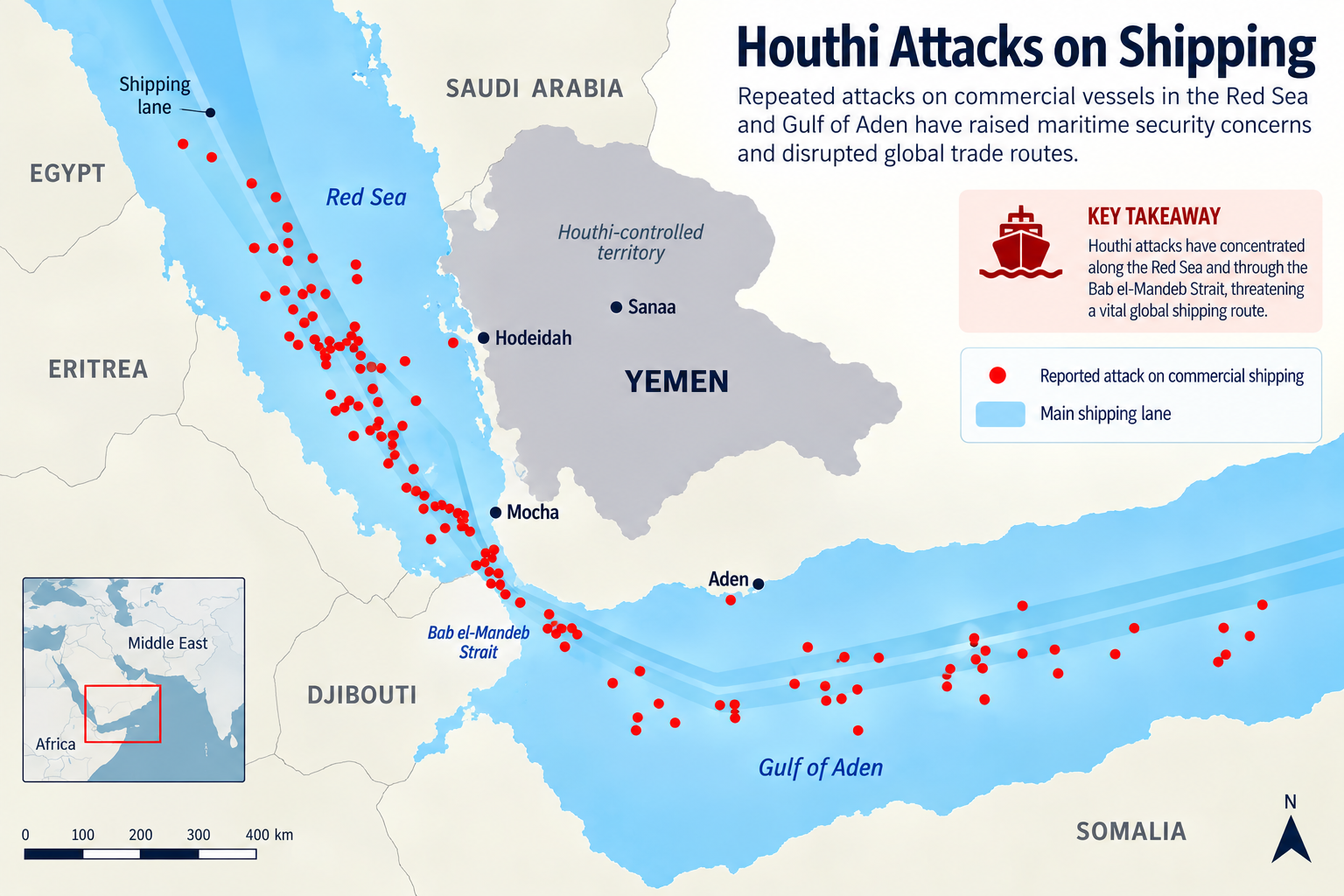
Bab el-Mandeb: The New Oil Chokepoint to Watch
Iran-backed Houthi forces are expanding their presence around the Bab el-Mandeb Strait, one of the world's most critical shipping routes. Reports indicate they have seized Perim (Mayun) Island, a strategically located island that overlooks key maritime traffic.
Why It Matters
Saudi Arabia's East-West Pipeline sends crude oil to Yanbu Port on the Red Sea, from where shipments pass through Bab el-Mandeb and into global markets. Any disruption in this corridor could threaten oil exports, increase shipping risks, and push global energy prices higher. In short, a small island in the Red Sea is fast becoming a major factor in the global oil equation.
Why the World Should Worry About Just 4% of Oil Supply
At first glance, 4% may not sound catastrophic. But global oil markets are extremely sensitive. Even a disruption involving a few million barrels per day can trigger major market reactions because energy traders constantly assess:
1. Supply availability
2. Spare production capacity
3. Refinery operations
4. Shipping risks
5. Geopolitical factors
When uncertainty rises, oil prices often react sharply. And once oil prices climb, the ripple effects spread across transportation, manufacturing, aviation, logistics, and consumer goods worldwide.
Saudi Arabia Faces a Double Challenge
The real problem is not just producing oil. It is transporting it. Even if Saudi Arabia maintains production capacity, moving crude from oil fields to international markets becomes a challenge when critical routes are disrupted.
The East-West Pipeline was supposed to solve this problem by offering a safer alternative to the Strait of Hormuz. Now, with that alternative route compromised, Saudi Arabia finds itself facing logistical bottlenecks at precisely the wrong time.
The attack effectively exposes how vulnerable even the world's largest oil-exporting nations remain to modern asymmetric warfare.
Saudi’s Oil Engine Is Losing Steam
Saudi Arabia's oil production has plunged from 10.9 million barrels per day to 6.2 million barrels per day, a massive drop of 4.7 million barrels daily. With output already under pressure, the latest pipeline disruption threatens to tighten global supplies further and fuel another spike in oil prices.
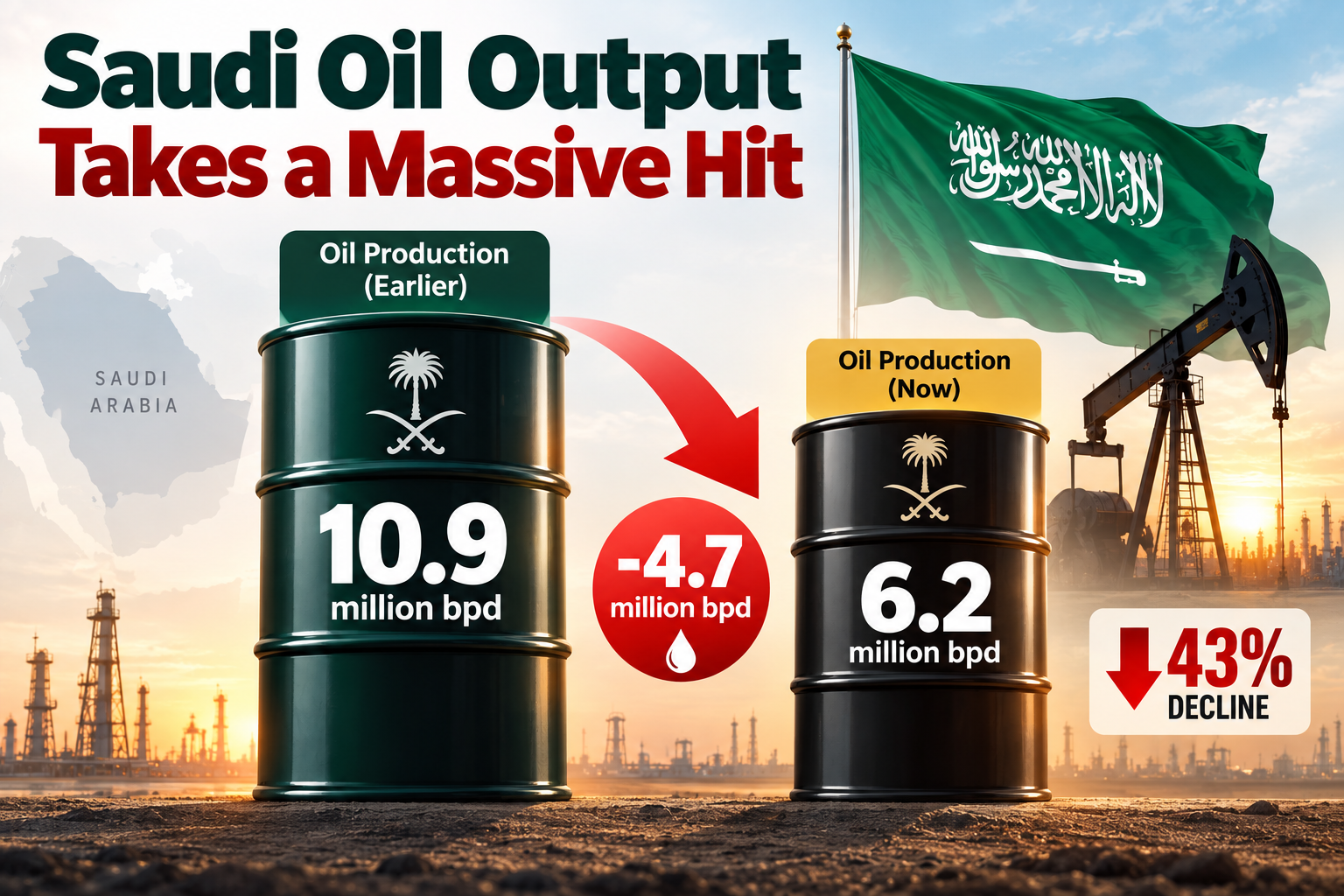
Simply put, Saudi Arabia is facing a double blow: falling production and disrupted exports at the same time.
What Does This Mean for India?
India is one of the largest buyers of Saudi crude oil. A significant portion of Saudi exports eventually reaches Indian refineries, making stability in Saudi supply chains extremely important for India's energy security.
Potential Impact on India
✅ Higher crude oil prices
✅ Increased fuel import costs
✅ Pressure on inflation
✅ Greater strain on government energy planning
✅ Possible rise in petrol and diesel prices if global trends persist
While India has diversified its energy sources and can procure oil from multiple suppliers, it cannot completely escape the impact of rising global prices. In simple terms:
Even if India finds alternative sources of oil, it may still end up paying more for every barrel.
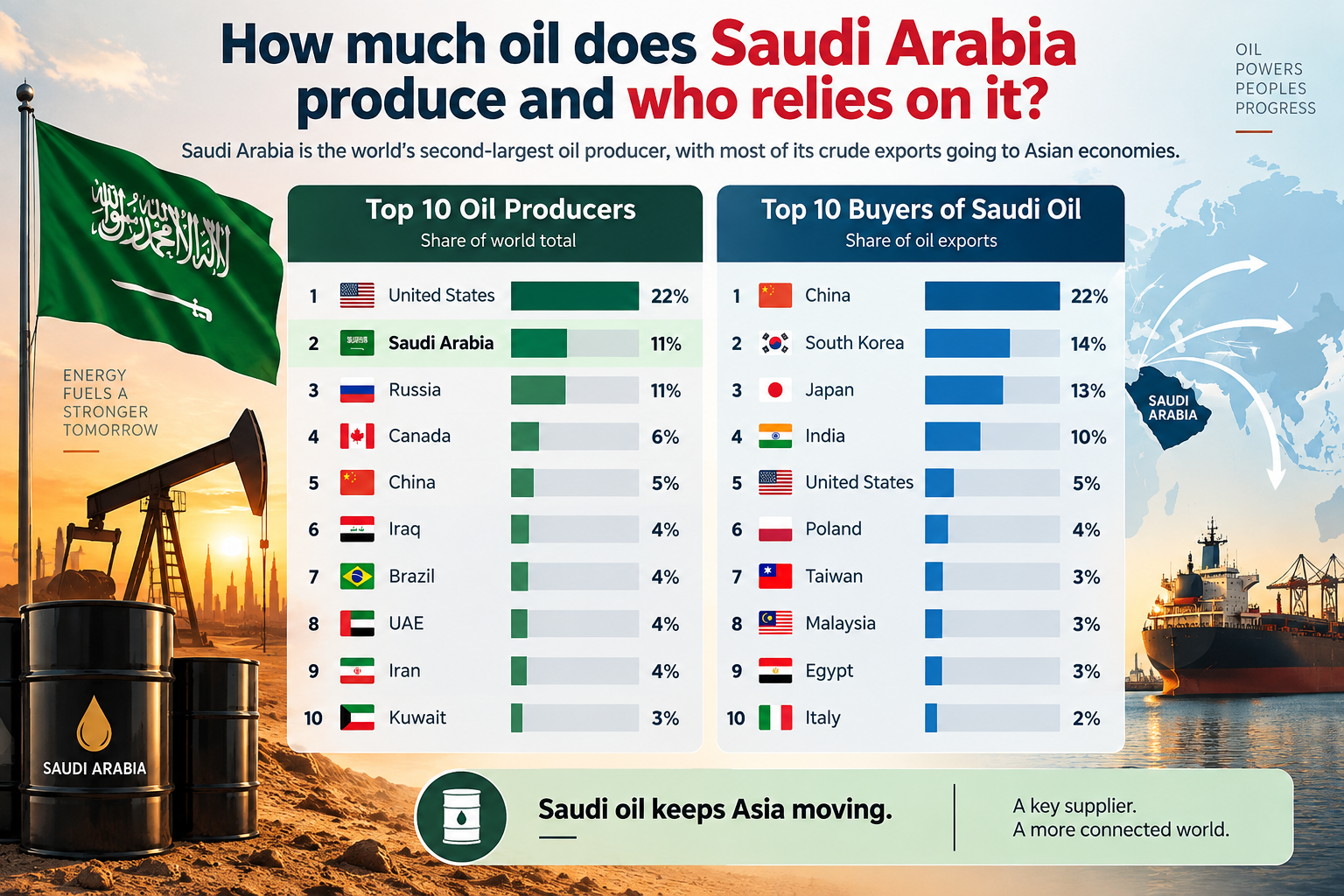
A Warning Sign for Global Energy Security
The attack on Saudi Arabia's East-West Pipeline is more than an isolated security incident. It highlights a growing reality:
Global energy networks depend on a handful of critical routes, ports, and pipelines. When any one of them comes under attack, the consequences can spread far beyond the Middle East.
With tensions continuing across the region, markets will be closely watching whether Saudi Arabia can restore full operations quickly and whether further attacks can be prevented. Until then, the world may be staring at another period of heightened oil price volatility.
⚠️ The Oil Shock the World Can’t Ignore
The drone strike on Saudi Arabia's East-West Pipeline has exposed a major vulnerability in global energy infrastructure. With a route responsible for moving nearly 4% of the world's oil supply disrupted, concerns over higher crude prices, supply bottlenecks, and economic fallout are intensifying.
For countries like India, the biggest risk may not be a shortage of oil, but the rising cost of securing it.
🚨 Stay Ahead of Global Geopolitical Shifts
Energy wars, shipping chokepoints, and Middle East flashpoints are reshaping the global economy faster than ever. Follow us for in-depth geopolitical analysis, energy market insights, and real-time updates that help you understand what these global developments mean for India and the world.
👉 Bookmark this page, share the article, and join the conversation.
Written by
Vedant BhardwajDiscussion (0)
Sign in to join the discussion.
Loading comments…