
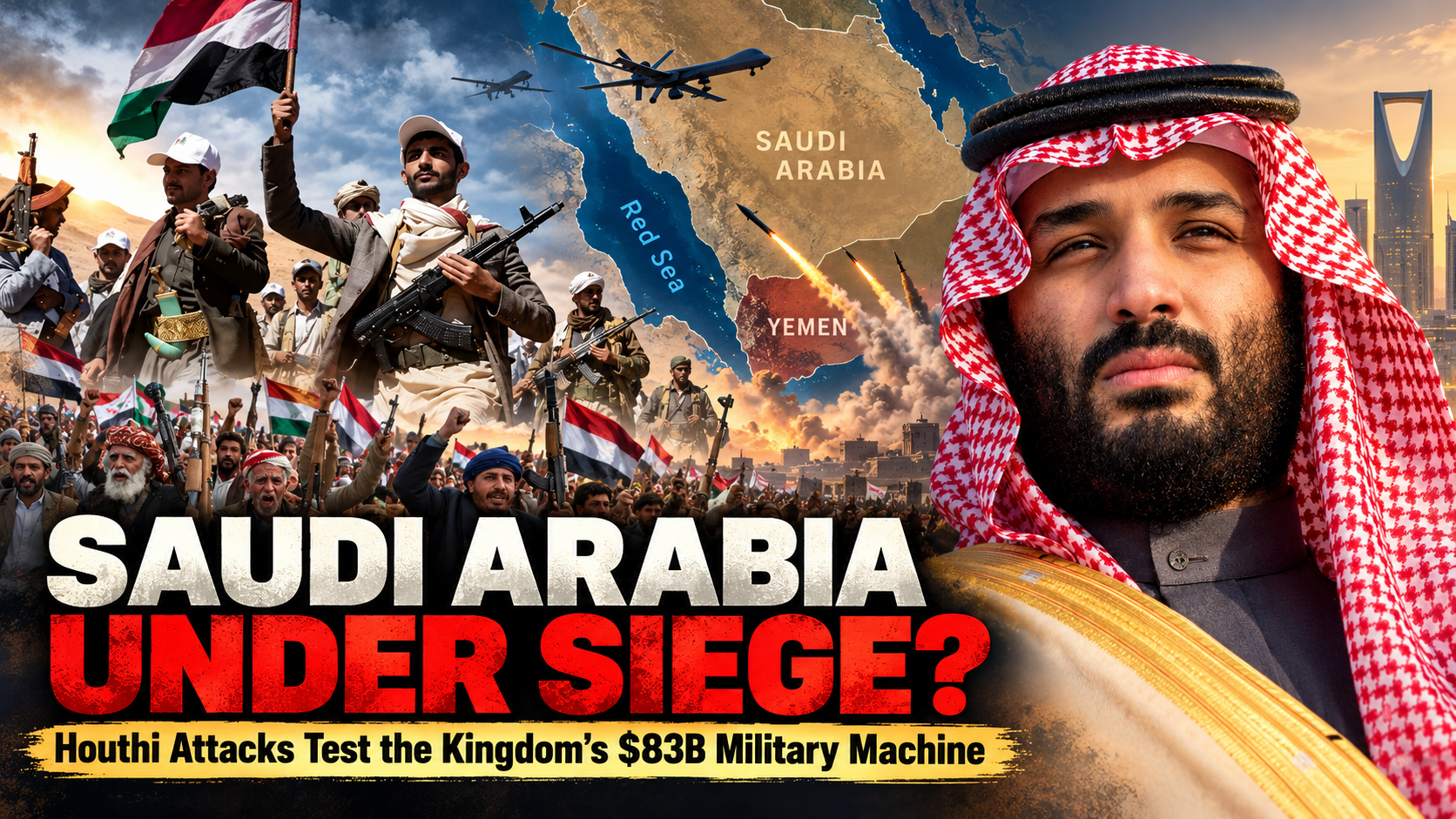
Repeated Houthi drone and missile strikes are raising tough questions about Saudi Arabia’s defense capabilities, regional influence, Vision 2030 ambitions, and the future balance of power in the Middle East.
For years, Saudi Arabia has projected itself as one of the Middle East’s most powerful nations. Home to Islam’s holiest cities, Makkah and Madinah, the kingdom enjoys enormous religious influence, vast oil wealth, and one of the world’s largest military budgets.
Yet recent developments have raised a startling question: “How can a nation that spends tens of billions of dollars on defense still struggle to stop repeated attacks on its own territory?”
As Houthi militants intensify strikes on Saudi infrastructure and airports, the kingdom is finding itself under growing pressure. What makes the situation even more surprising is that these attacks are allegedly coming from a group controlling only part of neighbouring Yemen.
So, what is really happening in the Gulf, and why are analysts increasingly scrutinizing Saudi Arabia's security strategy?
🌍 The Forgotten Crisis Overshadowed by Global Conflicts
The world's attention has been focused on major geopolitical flashpoints:
1. Russia vs Ukraine
2. Iran vs Israel
3. US-Iran tensions
4. Domestic unrest across multiple countries
Amid these crises, developments in Saudi Arabia have received comparatively less attention.
However, behind the headlines, a significant security challenge has been unfolding. Reports suggest that Houthi forces have continued targeting strategic locations linked to Saudi Arabia, bringing renewed focus to regional instability and the limits of conventional military power.
⚔️ Who Are the Houthis and Why Are They Fighting Saudi Arabia?
To understand the conflict, one must first understand Yemen. Yemen has been divided by a prolonged civil war involving multiple factions:
The Hadi Government
1. Internationally recognized government of Yemen
2. Supported by Saudi Arabia
3. Primarily backed by Sunni allies
The Houthis
1. Control key parts of Yemen, including areas around the capital Sana'a
2. Associated with the Zaydi Shia movement
3. Widely reported to receive political and military support from Iran
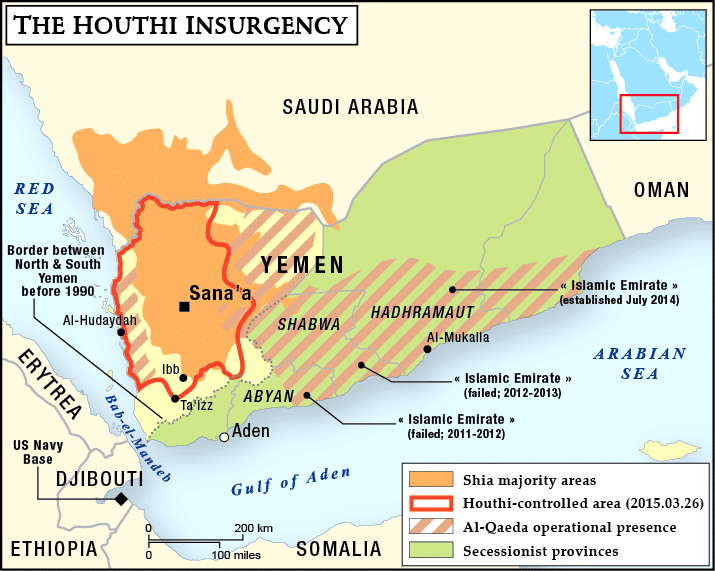
Saudi Arabia has long supported forces opposing the Houthis. As a result, the kingdom has become a direct target in the broader regional power struggle between Saudi Arabia and Iran.
Houthis’ Strategy: Small Group, Big Impact
The Houthis, officially known as Ansar Allah, are a political‑religious armed movement rooted in northern Yemen’s Zaydi Shia community. Backed by Iranian weapons, drones, and intelligence, they now threaten Saudi oil exports through:
1. Anti‑ship missiles
2. Explosive drones
3. Naval mines
Even as a smaller force, these tactics could paralyze global shipping lanes and destabilize energy markets.
🌍 Global Economic Shockwaves
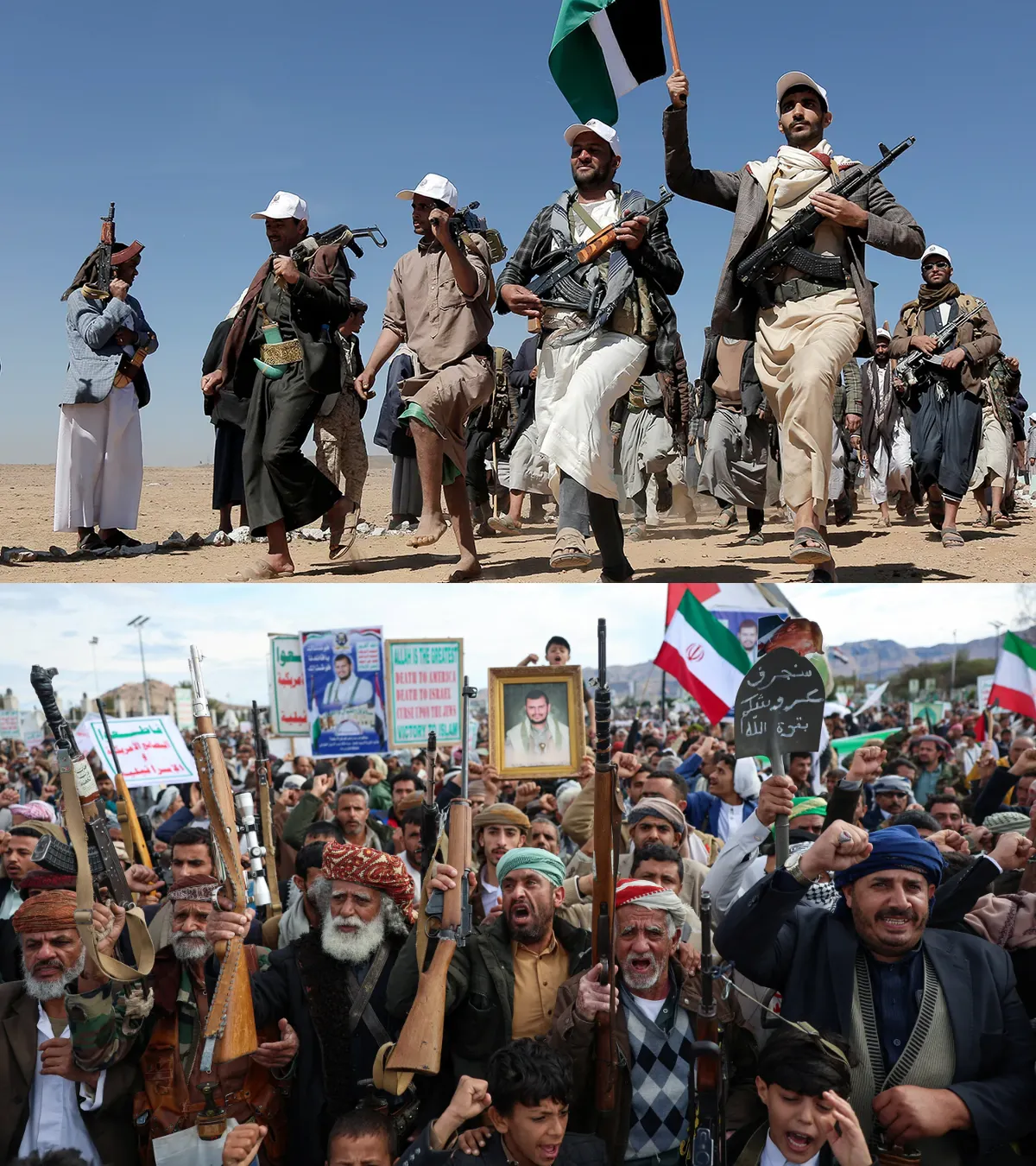
The Houthis are more than just a Yemeni rebel movement. As part of Iran's broader regional network that includes groups such as Hezbollah and Hamas, they have become a growing security concern for Saudi Arabia, which sees instability along its southern border as a major strategic risk.
Houthi influence near the Bab el-Mandeb chokepoint gives them the ability to threaten a vital global trade route, raising fears of supply disruptions, higher shipping costs, and another potential oil price shock.
🚢 The Red Sea, Oil Routes, and a Bigger Geopolitical Game
The conflict goes far beyond Yemen. A major factor involves control over critical maritime trade routes.
Traditionally, Gulf oil exports moved through the Strait of Hormuz, one of the world's most important energy chokepoints. To reduce dependence on that route, Saudi Arabia invested heavily in alternative infrastructure, including pipelines connecting oil facilities to the Red Sea.
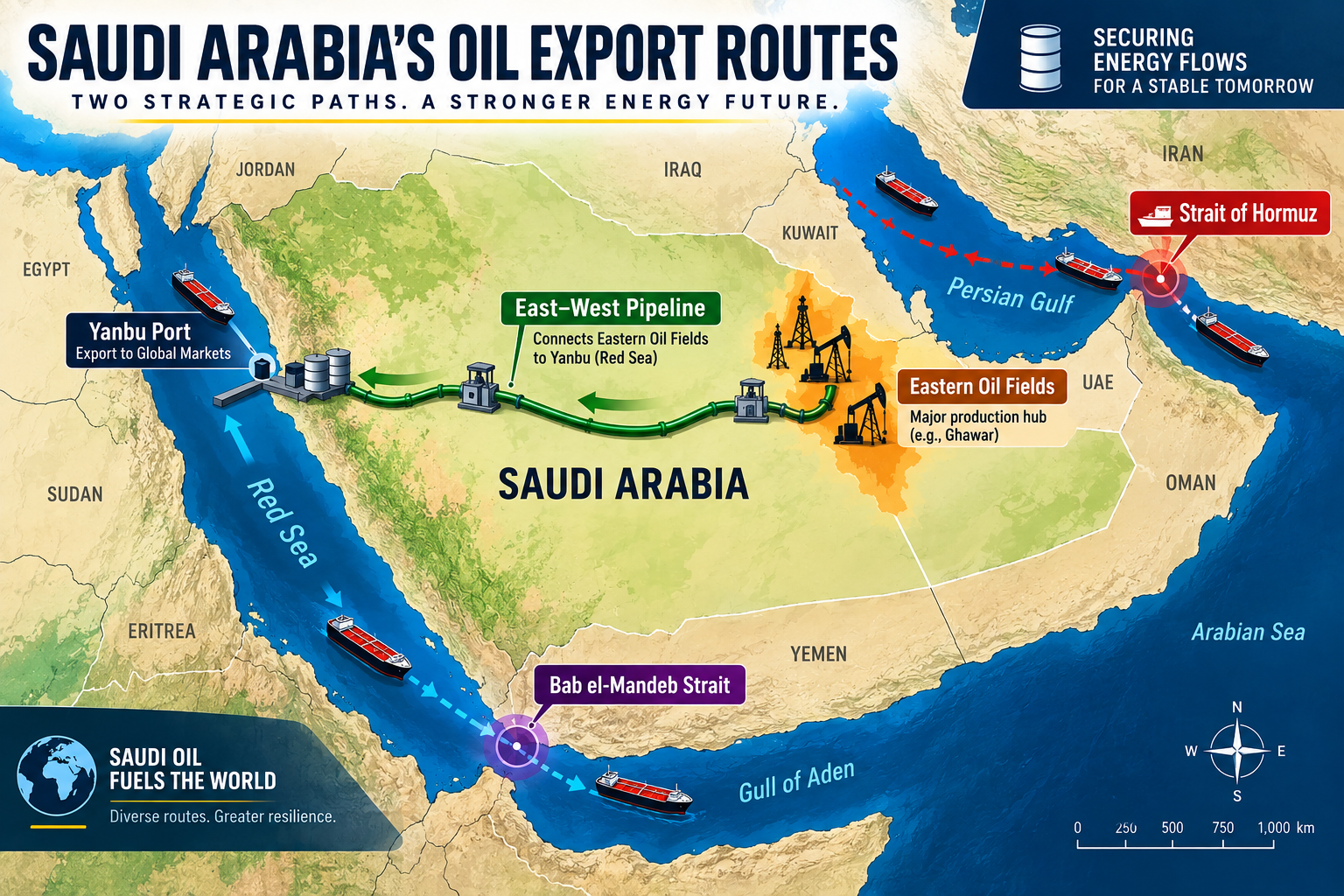
This strategic move offered Riyadh greater flexibility for energy exports. However, disruptions near key waterways and attacks on energy-related infrastructure have complicated these plans, creating concerns about global oil supply security and regional stability.
In essence, the battle is not just about territory. It is also about influence over some of the world's most strategically important energy corridors.
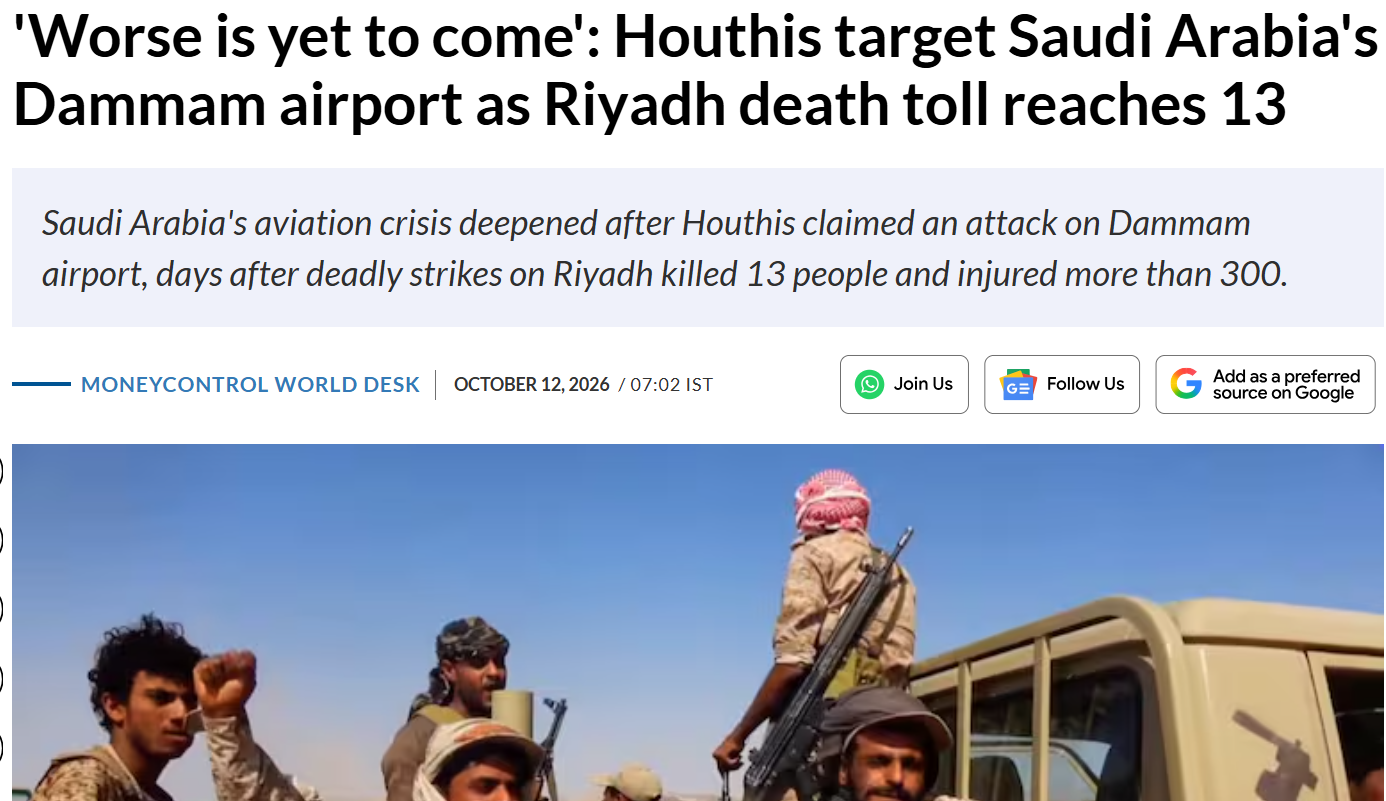
Deadly Houthi strikes on Riyadh Airport are exposing weaknesses in Saudi Arabia's heavily funded air defence network.
Riyadh's main international airport has come under repeated attack as Houthi forces intensify their campaign against Saudi Arabia, blaming the kingdom for backing rival factions in Yemen's long-running civil war.
Saudi Arabia is investigating how a wave of Houthi-launched drones and missiles managed to penetrate its air defence network. One of the deadliest incidents reportedly struck Dammam airport, which is one of Riyadh's international airports, leaving at least 13 people dead and more than 300 injured.
The attack has intensified scrutiny of the kingdom's security infrastructure, with analysts questioning how strategic assets and critical energy facilities continue to face repeated threats despite Saudi Arabia's significant defence investments.
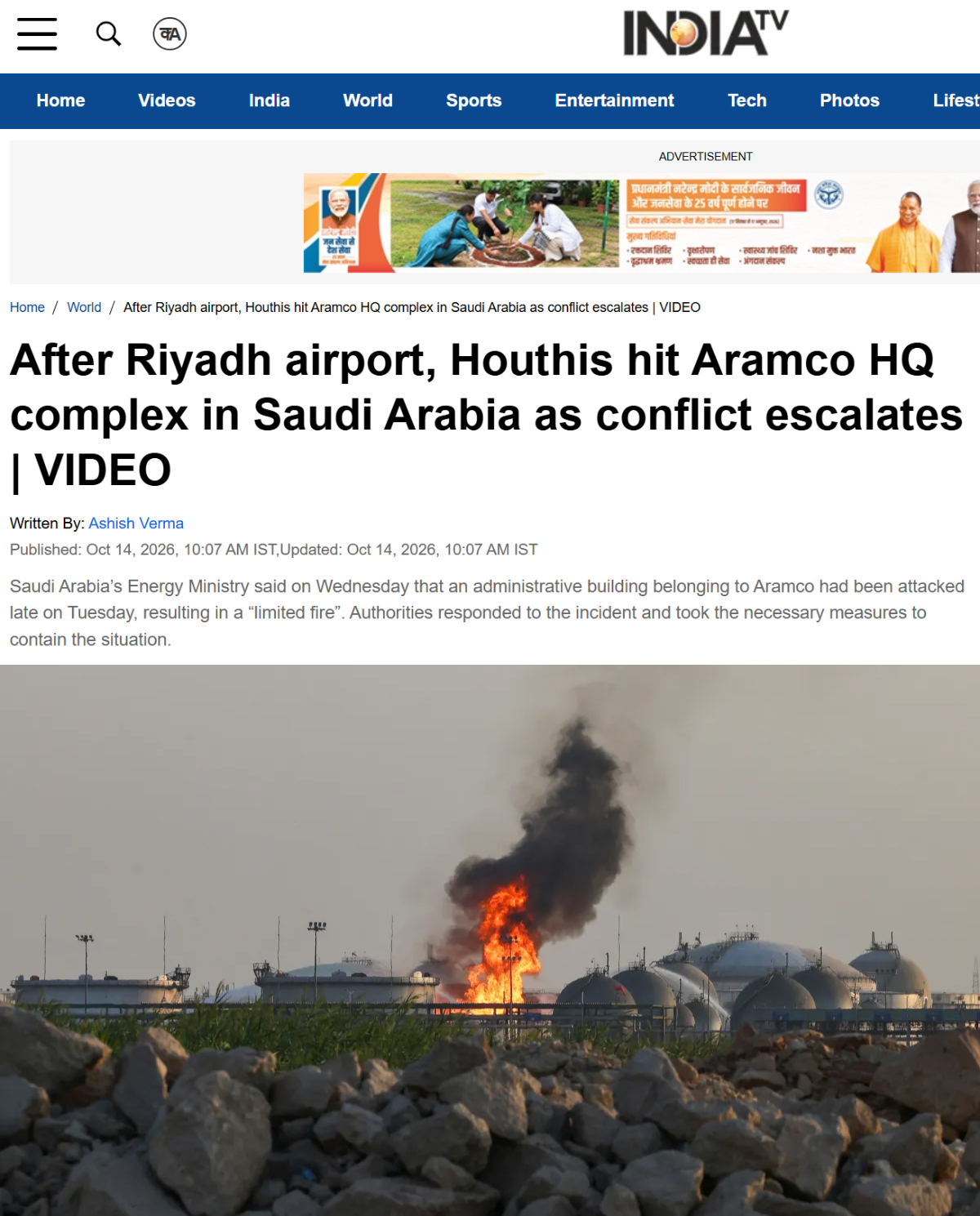
The conflict has expanded beyond airports, with reports indicating that Houthi attacks are now targeting Saudi Arabia's critical energy infrastructure, including facilities linked to oil giant Aramco.
💰 The Billion-Dollar Question: Why Isn't Saudi Defense Stopping These Attacks?
Saudi Arabia is among the world's largest defense spenders. The kingdom has invested heavily in:
1. Advanced fighter aircraft
2. Missile defense systems
3. Intelligence networks
4. High-end military technology
5. Western-made defense equipment
Yet modern conflict is changing rapidly. Many recent attacks allegedly involve:
✅ Drones
✅ Ballistic missiles
✅ Low-cost asymmetric warfare tactics
These systems can be difficult and expensive to intercept consistently. Several defense experts and security analysts argue that conventional military power alone is often insufficient to counter agile militant groups that rely on asymmetric warfare and low-cost attack methods.
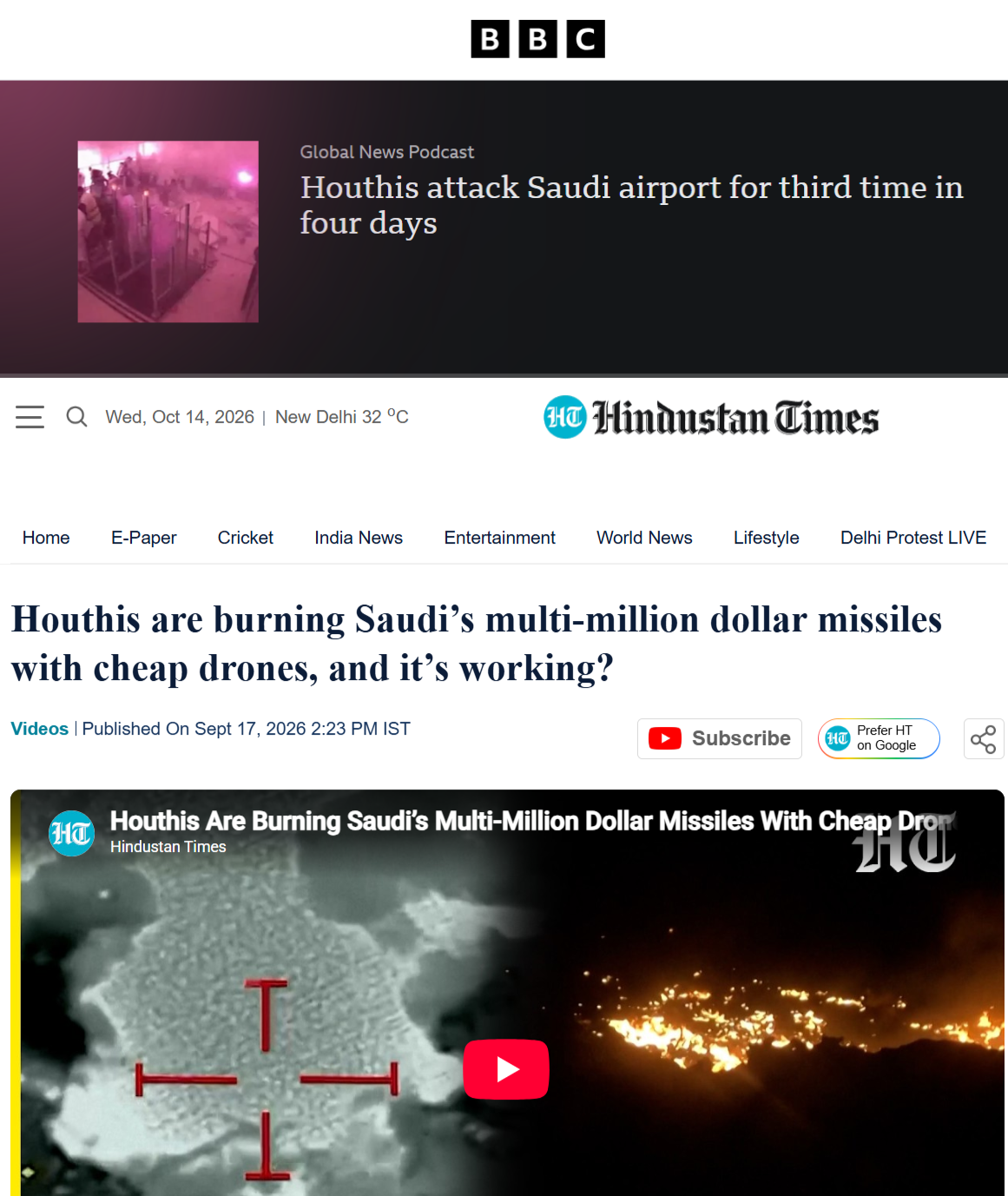
The result is a growing debate over whether expensive defense systems are fully adapted to evolving battlefield realities.
🛡️ Saudi Arabia's Arsenal Paradox
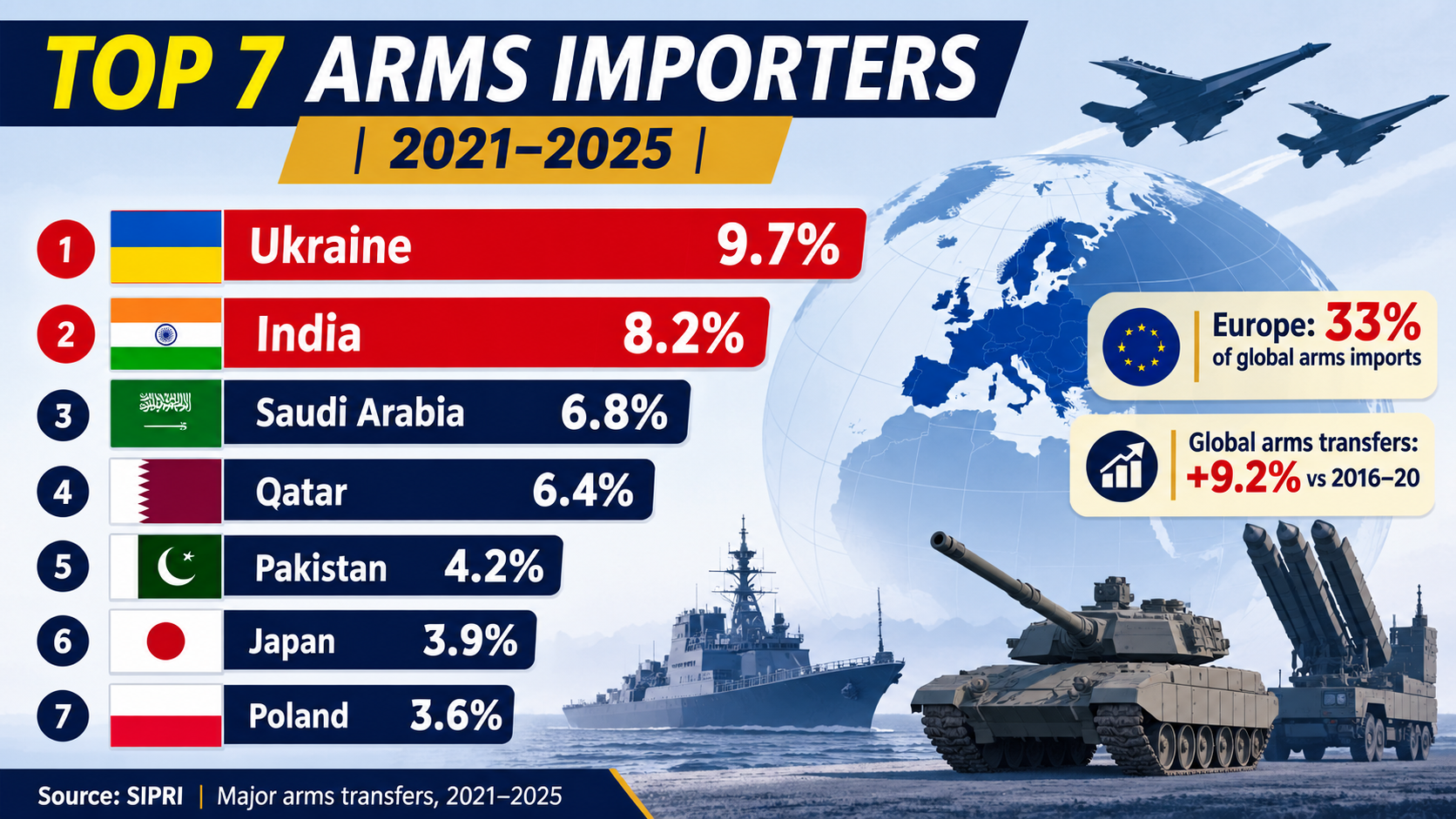
Despite accounting for 6.8% of global arms imports and relying heavily on advanced US military technology, Saudi Arabia is facing growing questions over why one of the world's best-funded militaries is struggling to stop repeated Houthi attacks.
🛰️ How Iran's Influence Changes the Equation
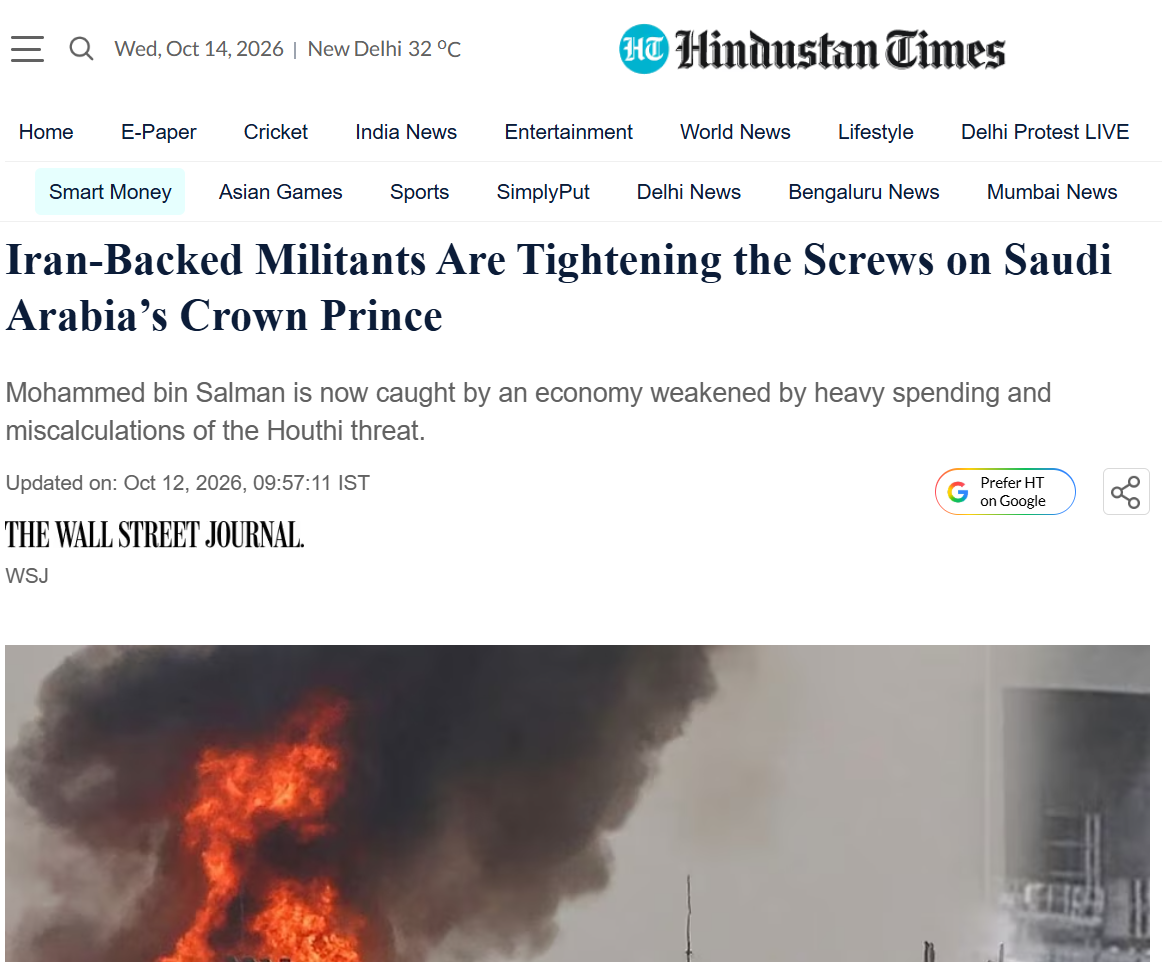
A key reason this conflict receives so much attention is the role of Iran. Saudi officials and many Western analysts frequently point to Iranian support as a major factor behind Houthi capabilities.
The argument is simple:
1. Better technology improves militant effectiveness.
2. Advanced drone and missile techniques can enhance strike capabilities.
3. Regional proxy conflicts multiply pressure points for rivals.
Whether directly or indirectly, the Saudi-Iran rivalry remains a central driver of instability across the Middle East.
For Saudi Arabia, every successful attack raises uncomfortable questions about deterrence and regional influence.
⚠️ Mecca Pact's First Reality Check: Houthi Attacks Raise Questions Over the Mecca Pact
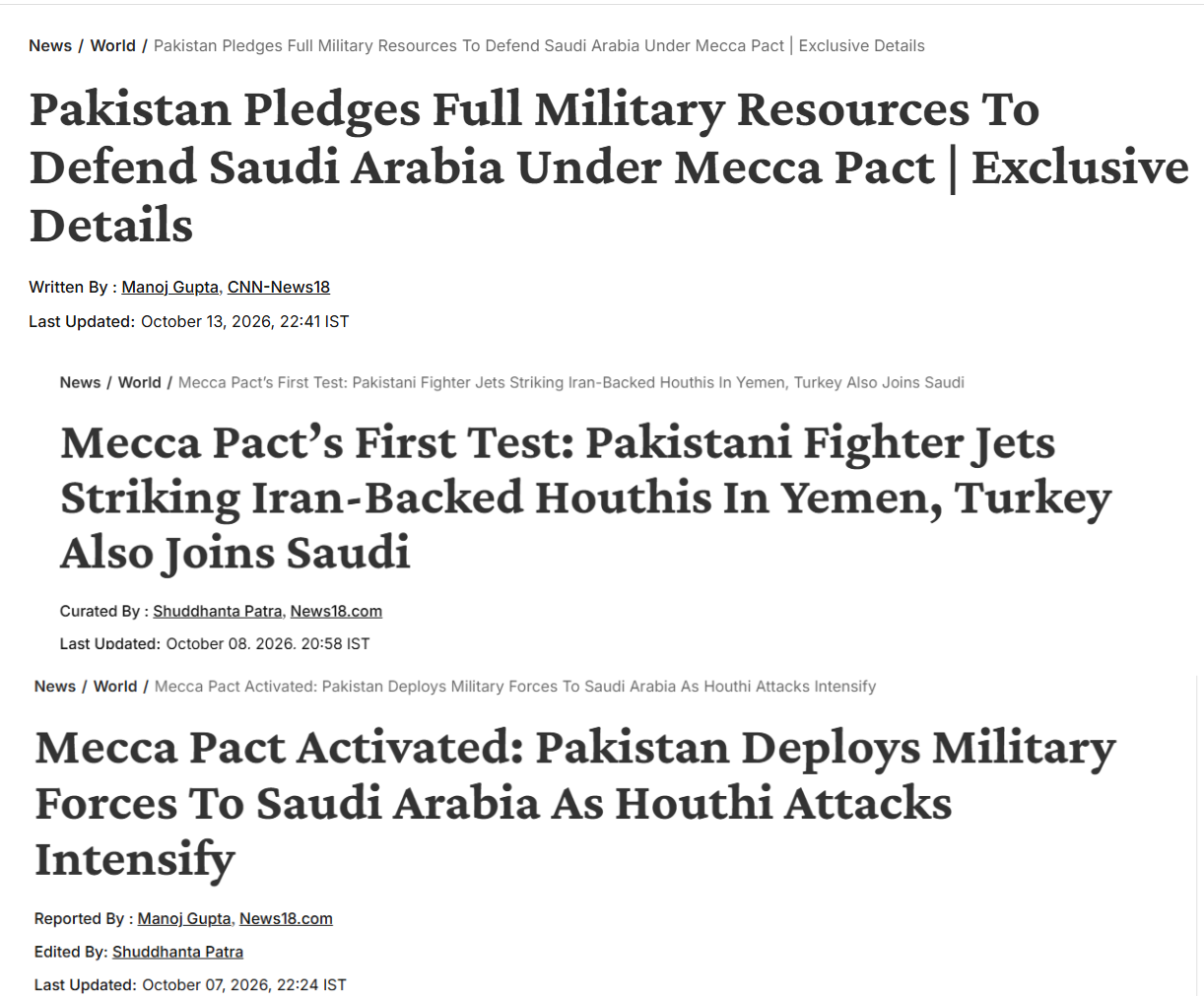
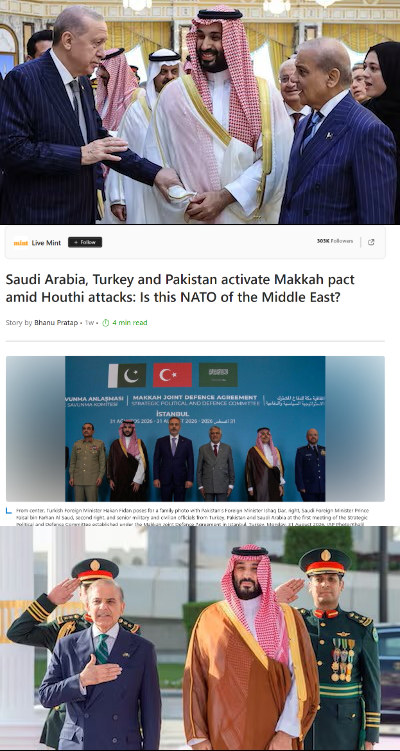
The ongoing Houthi attacks have sparked questions about whether the much-publicized Mecca Pact is facing its first major test. Despite expectations that Saudi Arabia's regional partners, including Pakistan and Turkey, would strengthen the kingdom's position during a security crisis, Riyadh has largely been left to manage the escalating threat on its own.
The continued attacks on strategic Saudi sites have prompted security experts to question whether existing regional security partnerships are equipped to counter a battle-hardened and unconventional force like the Houthis.
🏙️ Is Saudi Arabia's Vision 2030 Dream at Risk?
The biggest concern may not be military. It is economic.
Saudi Crown Prince Mohammed bin Salman has invested heavily in Vision 2030, an ambitious strategy designed to transform the kingdom beyond oil dependence.
Major projects include:
1. NEOM mega-city
2. Tourism expansion
3. Technology investments
4. Entertainment industries
5. Global business hubs
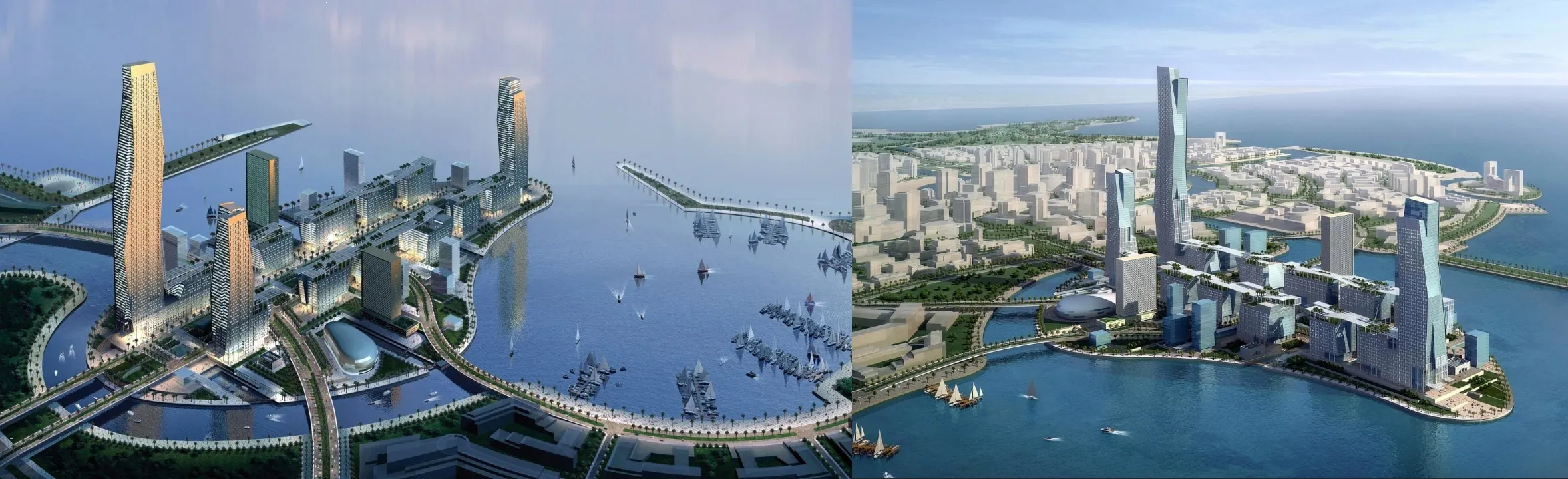
Saudi Arabia has worked aggressively to attract investors and tourists from around the world. In fact, the country has positioned itself as one of the fastest-growing tourism destinations globally.
But investors value one thing above almost everything else: “Stability.”
If security concerns increase, questions inevitably emerge regarding investment confidence, tourism growth, and long-term development plans.
✈️ Why Airport Attacks Matter So Much
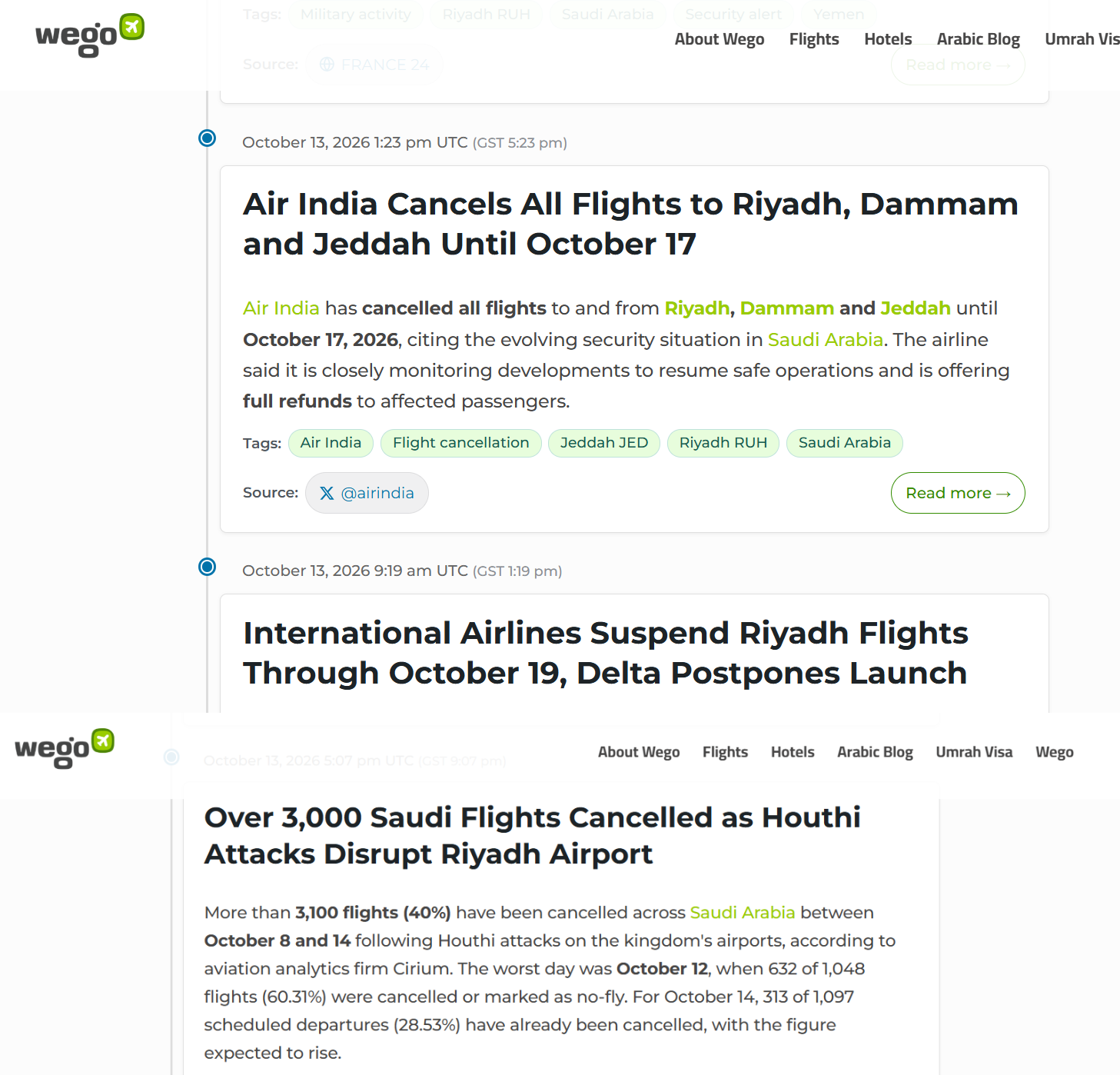
Airports are more than transportation hubs. They symbolize:
1. National confidence
2. Economic connectivity
3. Tourism growth
4. International accessibility
Any attack targeting airports attracts global attention because it directly affects public perception.
Even when flights continue operating, repeated incidents can create uncertainty among travellers, businesses, and investors. That is why every successful strike generates headlines far beyond the Middle East.
🎯 Vision 2030 in the Crosshairs: A Strike at Saudi Arabia's Future
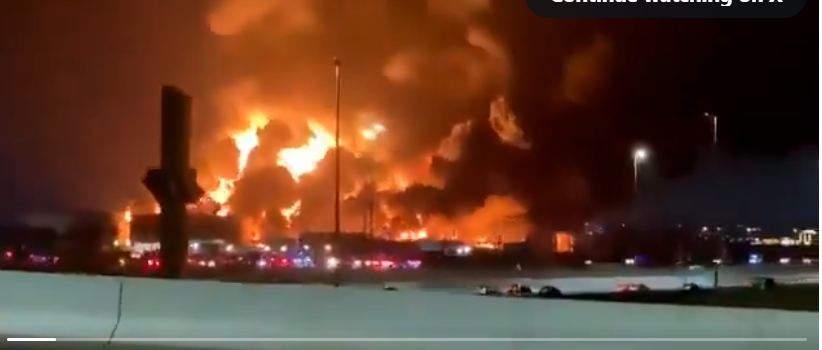
By targeting Riyadh's airport, the Houthis appear to be striking at more than just infrastructure. The airport is a key gateway to Saudi Arabia's Vision 2030 ambitions, which aim to transform the kingdom into a global hub for tourism, business, and international events.
🌍 Tourism Boom Meets Security Challenge
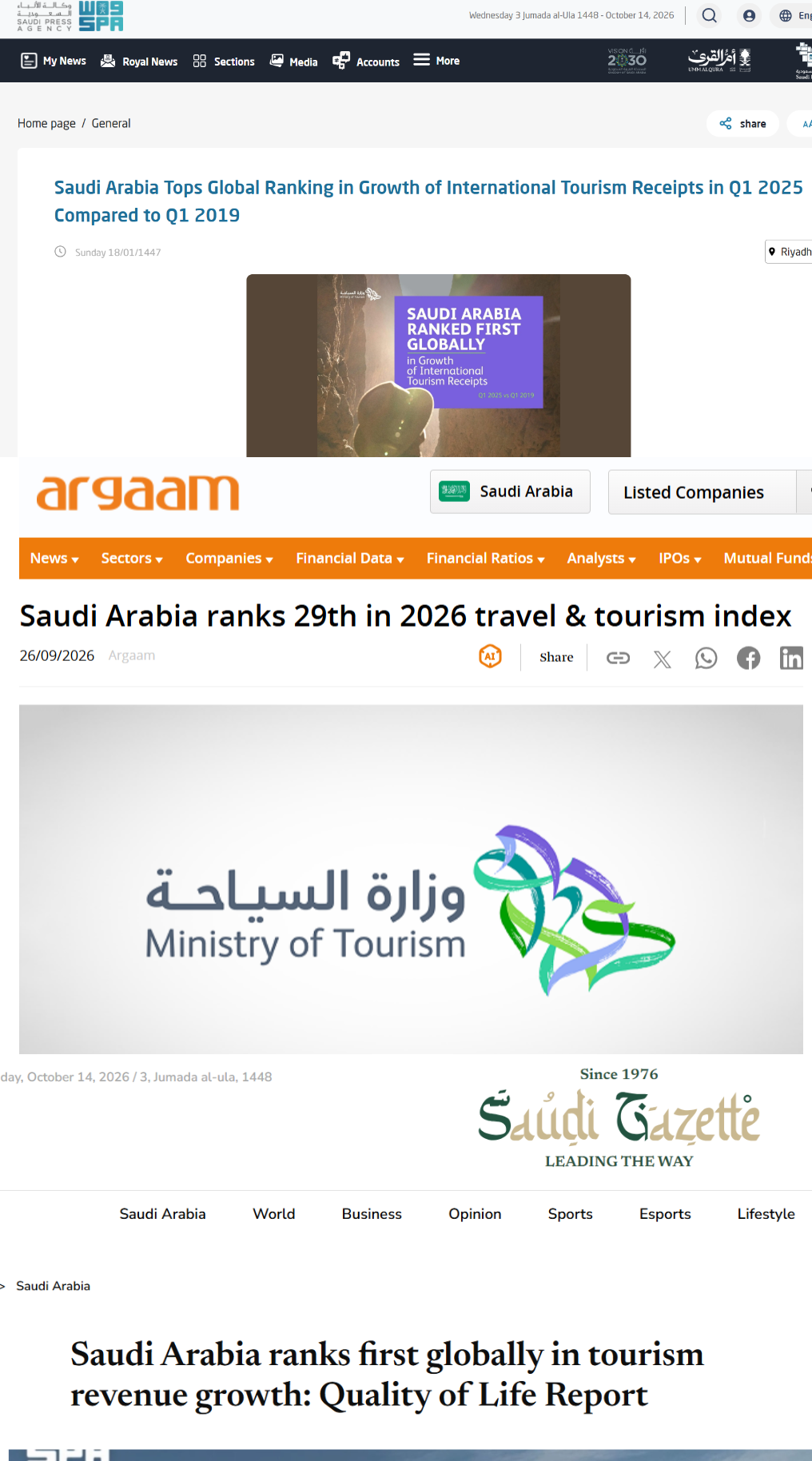
Saudi Arabia has emerged as one of the world's fastest-growing tourism destinations, attracting record visitor spending and climbing global travel rankings as part of its Vision 2030 transformation.
But as missile and drone strikes make headlines, Saudi Arabia now faces a critical challenge: can repeated airport and infrastructure attacks shake traveller confidence and investor sentiment?
🗺️ Geography Is Working Against Saudi Arabia
Another challenge lies in terrain. Many Houthi-controlled regions contain:
1. Mountains
2. Rocky landscapes
3. Remote areas
4. Underground networks and fortifications
Historically, such terrain has helped insurgent groups survive against much larger conventional armies. Military analysts often note that geographic advantages can offset significant technological disadvantages.
This makes achieving decisive results far more difficult than military spending alone would suggest.
🔥 A Reputation Problem for the Kingdom?
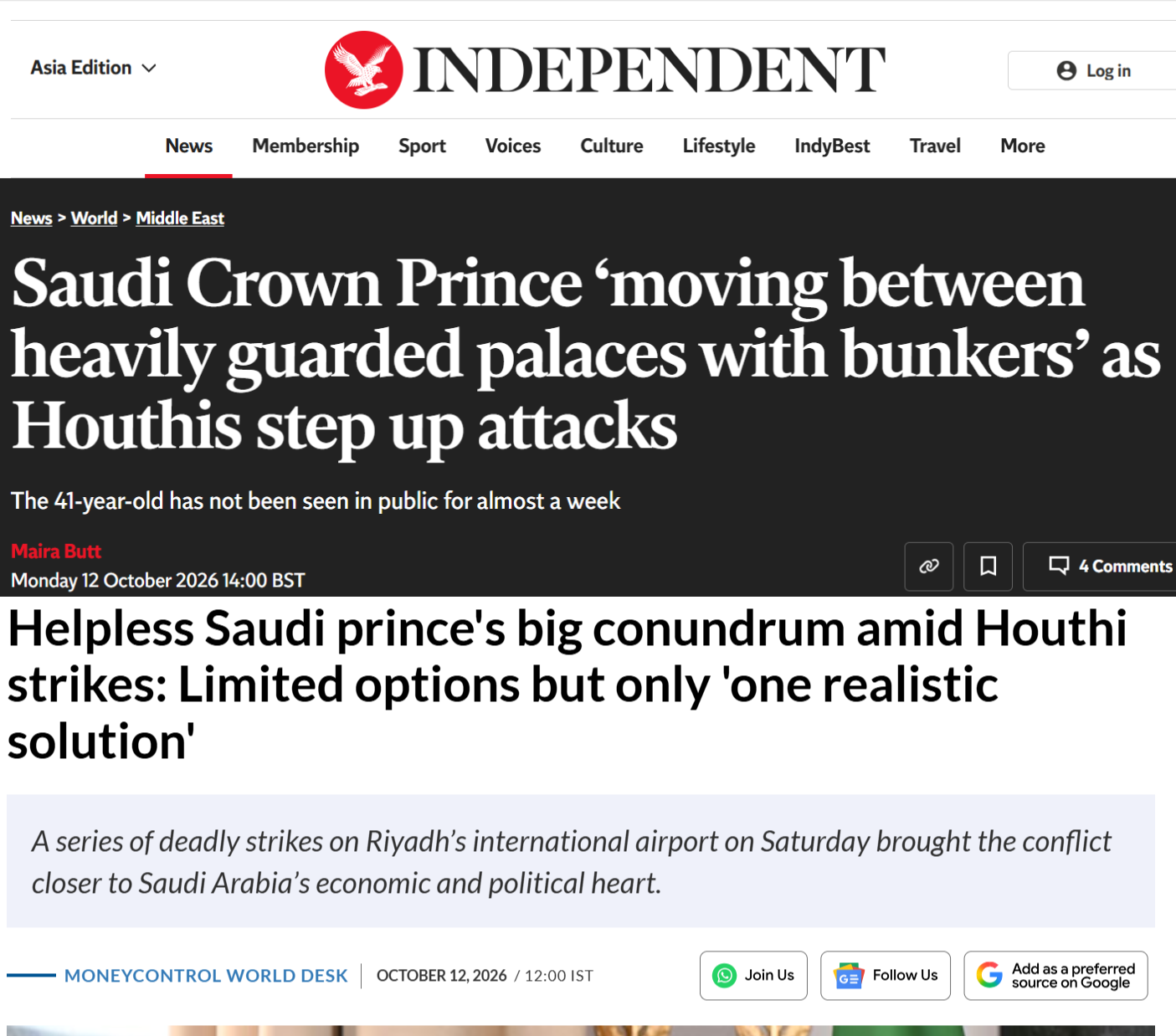
For decades, Saudi Arabia has been perceived by many supporters as one of the most influential powers in the Islamic world.
Repeated attacks create an image problem. Every successful strike fuels questions about:
1. Defense preparedness
2. Military effectiveness
3. Regional leadership
4. Strategic dependence on allies
While Saudi Arabia remains a major regional power, the ongoing security challenges have opened the door to criticism from rivals and scepticism from observers.
In geopolitics, perception can be almost as important as reality.
🤝 Unexpected Diplomacy Amid Escalating Tensions
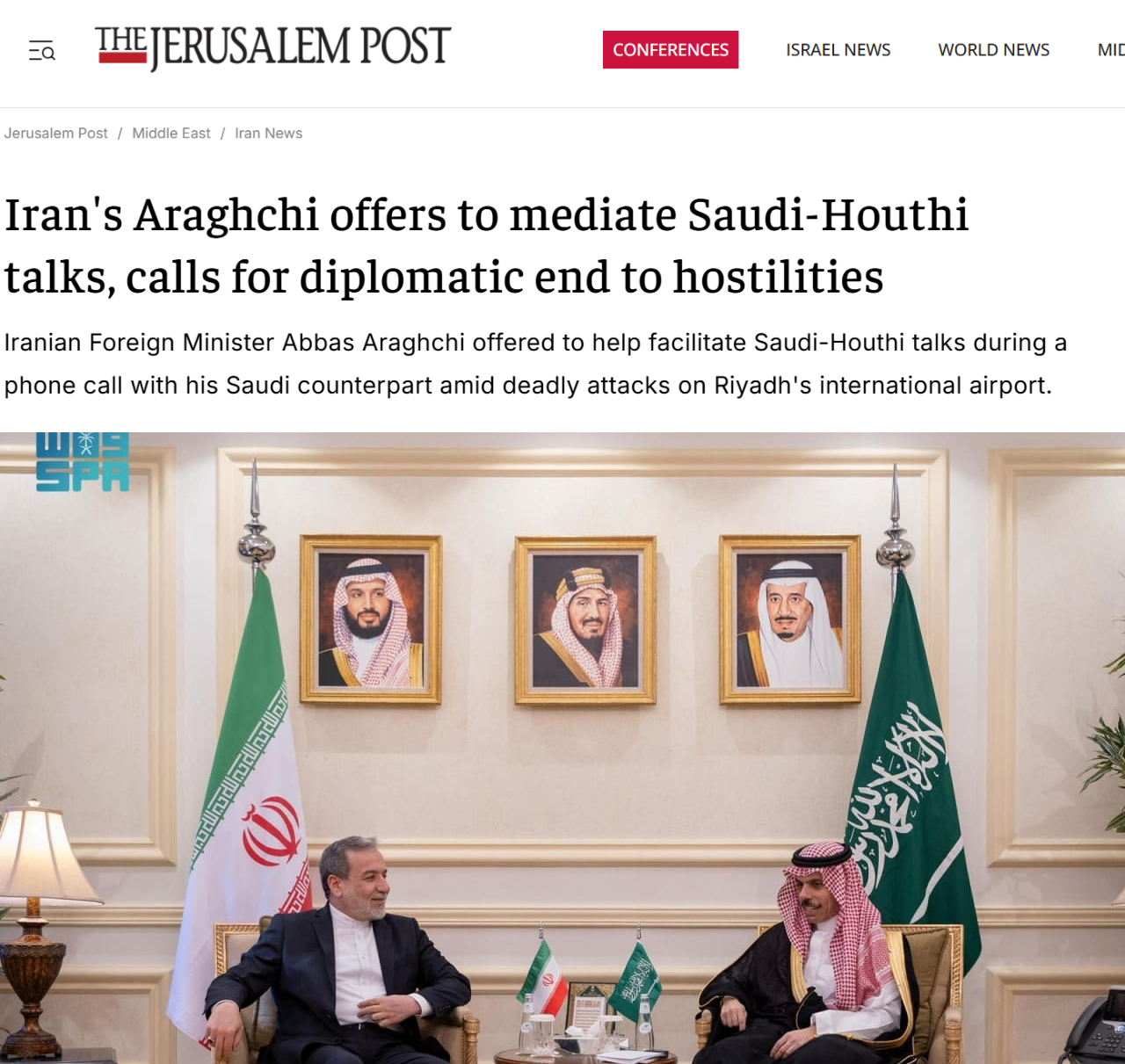
As Houthi attacks continue to pressure Saudi Arabia, Iran has signaled a willingness to mediate between Riyadh and the Houthis, highlighting a surprising diplomatic twist in an increasingly volatile regional conflict.
⚔️ A New Strategic Opportunity for Israel?
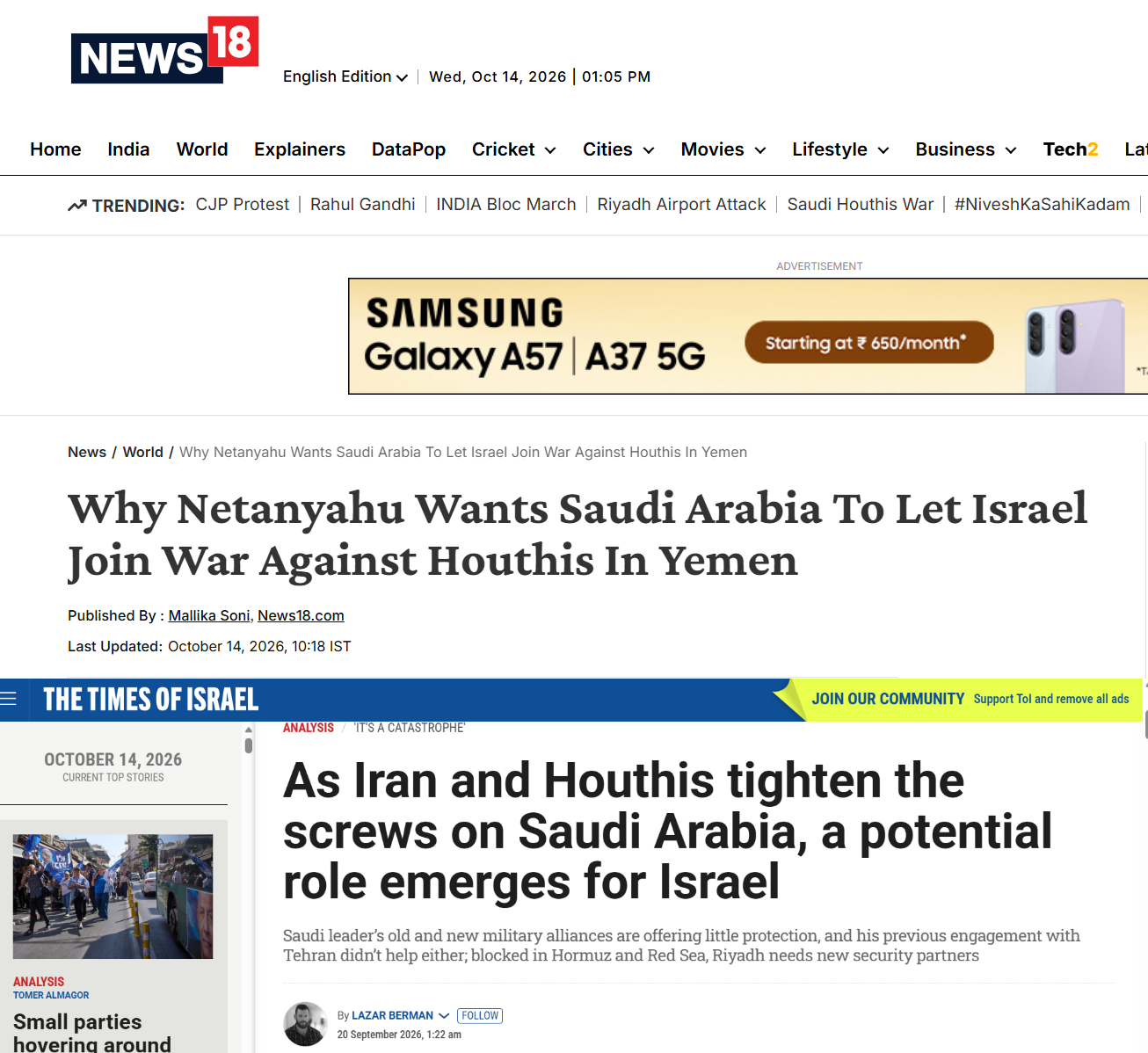
The growing security crisis has also opened new geopolitical calculations. Some observers believe Israel could seek deeper security cooperation with Saudi Arabia by presenting itself as a potential partner against shared regional threats.
🌍 Saudi Arabia Caught at the Center
With Iran offering mediation and Israel signalling support, Saudi Arabia finds itself at the crossroads of competing regional interests, turning the Houthi conflict into a much broader Middle Eastern power struggle.
🎯 Final Analysis
Saudi Arabia's current challenge illustrates a crucial lesson of modern warfare: “Massive defense spending does not guarantee absolute security.”
The rise of drones, missile technology, asymmetric warfare, and proxy conflicts has fundamentally changed the strategic landscape.
As the kingdom pursues ambitious economic goals through Vision 2030, it must simultaneously address evolving security threats that continue to test its defenses.
Whether Saudi Arabia can successfully balance modernization, regional influence, and national security may become one of the most important geopolitical stories to watch in the coming years.
📢 What Do You Think?
Can Saudi Arabia overcome these security challenges and protect its Vision 2030 ambitions?
💬Share your views in the comments below.
📲If you found this analysis insightful, share it with your friends and follow us for more deep dives into global geopolitics, energy wars, and Middle East developments.
🔔Stay informed. Stay ahead. The next big geopolitical shift may already be underway.
Written by
Vedant BhardwajDiscussion (0)
Sign in to join the discussion.
Loading comments…