
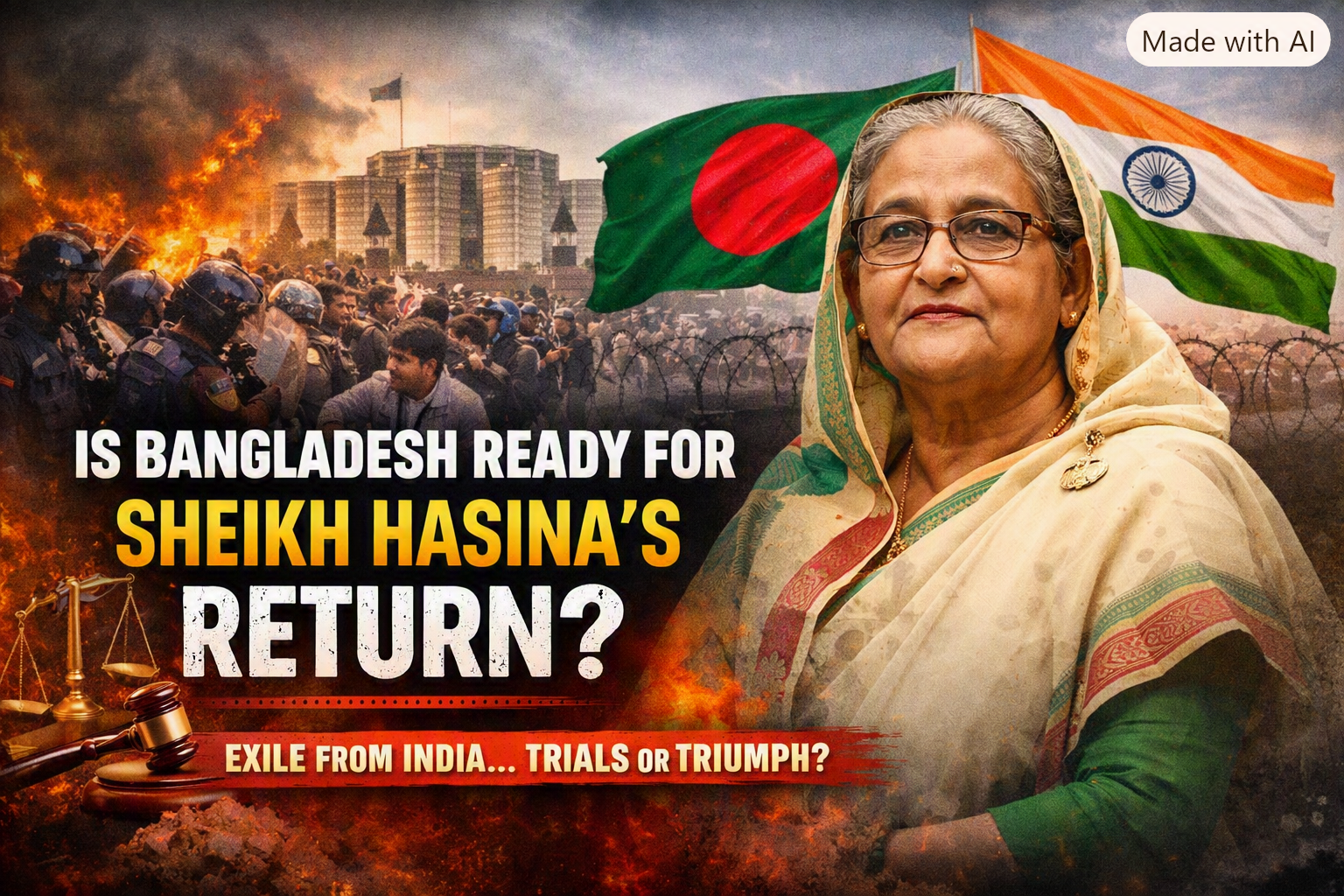
A Dramatic December Homecoming?
After two years in exile, former Bangladeshi Prime Minister Sheikh Hasina has announced her intention to return in December. The announcement has electrified the political landscape: Will Bangladesh accept its longest‑serving leader back, or will she face immediate arrest and trial?
✊ “Fear Will Not Silence Me”
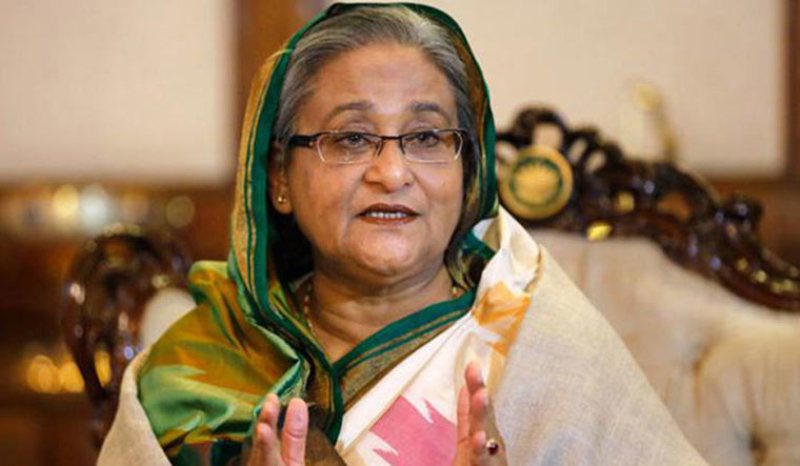
Sheikh Hasina declared that her journey back to Bangladesh is inevitable. She vowed to stand with her people and promised to reveal the exact date of her return soon. Aware of the dangers ahead- imprisonment, violence, even death- she insisted that none of it would deter her. “My duty is to my nation, and no fear can dictate that path,” she affirmed.
💔 “They Cannot Erase Our Bloodline”
Overcome with emotion, Sheikh Hasina recalled the brutal 1975 assassination that claimed her father, Sheikh Mujibur Rahman, and much of her family. Fighting back tears, she accused her opponents of trying to wipe out Mujibur Rahman’s legacy. She demanded that the ban on the Awami League be lifted and reaffirmed her determination to return home, declaring that her family’s sacrifice cannot be silenced and neither can her resolve.
🎙️ “This Is Not the Bangladesh We Dreamed Of”
Making her first public appearance in two years, Sheikh Hasina addressed journalists virtually from New Delhi on the anniversary of her ouster. The event, hosted at the Foreign Correspondents’ Club of South Asia, came as India clarified it had no official role in the privately organised interaction.
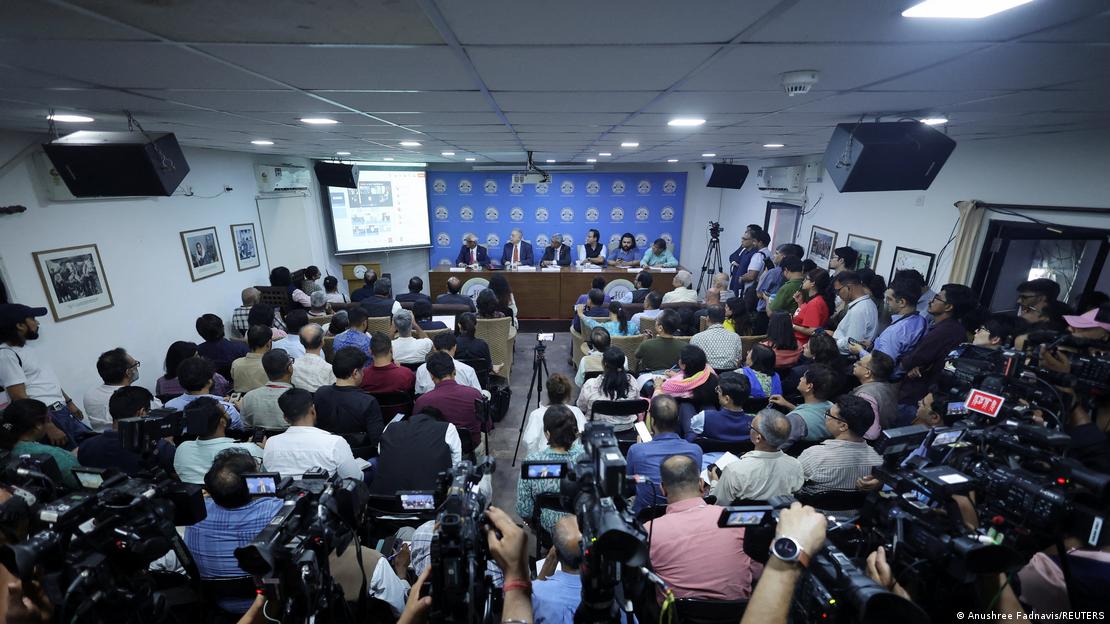
Hasina, who fled Dhaka amid student‑led protests and has since lived in India, spoke with visible emotion: “For two years I have watched my beloved Bangladesh suffer. This is not the nation we built, nor the vision for which millions gave their lives in 1971.”
Her words carried both grief and defiance, underscoring her determination to remain a central figure in Bangladesh’s turbulent political story.
From Economic Triumph to Political Collapse
Hasina’s 15‑year rule (2009–2024) was marked by striking contrasts:
Economic Success: Bangladesh became one of Asia’s fastest‑growing economies, with 6–8% annual growth. The garment industry flourished, making the nation the world’s second‑largest exporter after China. Poverty rates fell, infrastructure projects like the Padma Bridge and metro rail transformed cities, and women’s empowerment surged.
Authoritarian Shadows: Critics accused her of democratic backsliding, rigged elections, opposition crackdowns, media censorship, and human rights abuses. Allegations of enforced disappearances, custodial torture, and excessive use of force stained her legacy.
The 2024 Student Uprising
The turning point came in July–August 2024, when students demanded merit‑based government recruitment. What began as a reformist protest spiraled into a nationwide uprising.
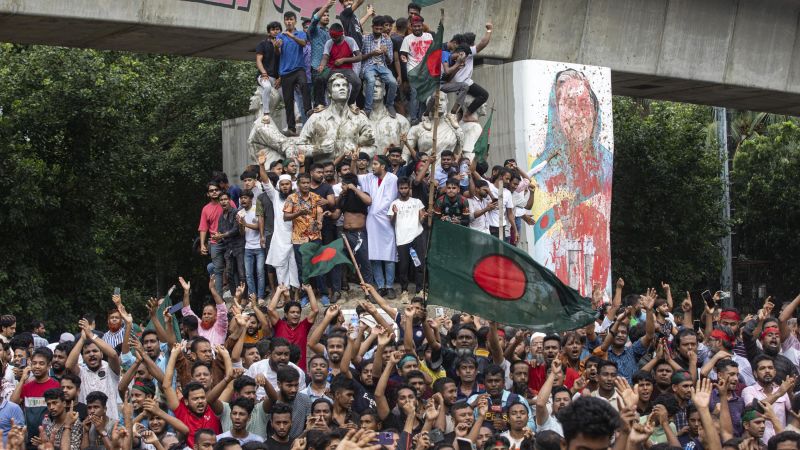
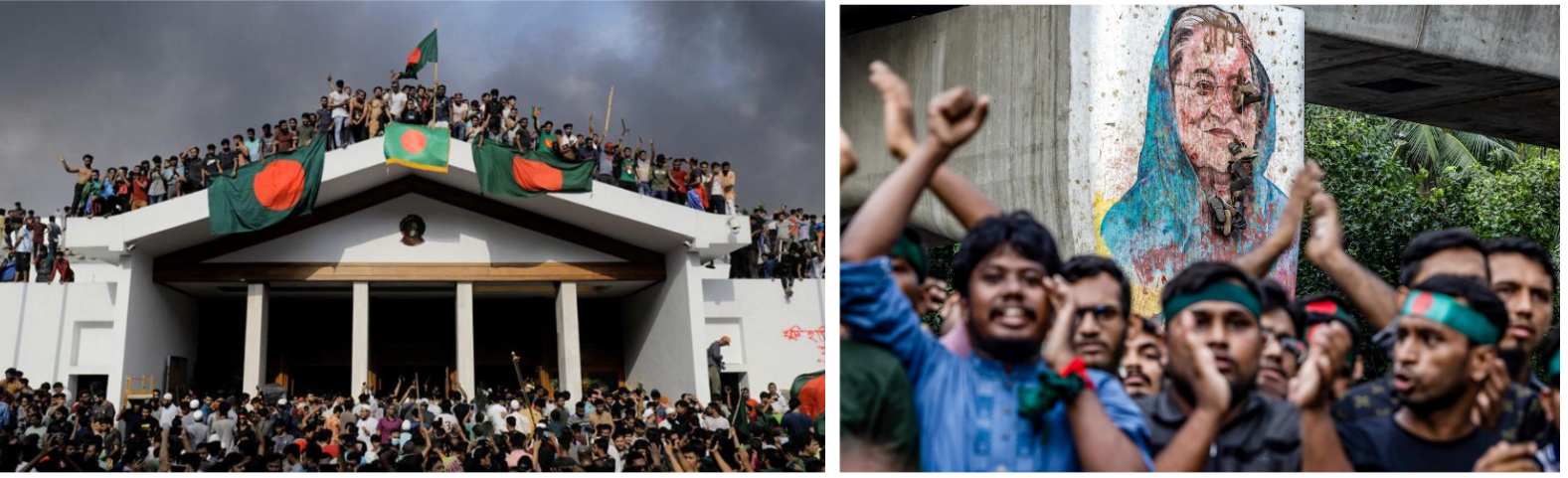
Security forces responded with brutal crackdowns; UN estimates suggest over 1,400 deaths. The violence triggered Hasina’s downfall, forcing her to flee on August 5, 2024, as protesters stormed her residence.
Trials, Charges, and Extradition Drama
Bangladesh’s International Crimes Tribunal charged Hasina with:
Murder & Crimes Against Humanity (linked to protest deaths).
Abuse of State Power (illegal detentions, disappearances, misuse of security forces).
Corruption.
Bangladesh repeatedly pressed India to extradite her, citing bilateral treaties. But India refused, arguing that political persecution and unfair trials exempted her case.
Why Return Now?
Hasina’s motives appear layered:
Political Survival: Long exile risks irrelevance. Returning keeps her visible and prevents her from being branded a coward.
Reviving Awami League: With the party banned from elections, her leadership is its only lifeline.
Challenging the Government: She accuses the current administration of authoritarianism and economic failure.
Symbolic Timing: December marks two years since her ouster, a calculated moment to send a message of defiance.
The Risks Ahead
Her return could ignite:
Immediate Arrest at the airport.
Violent Clashes between supporters and opponents.
Judicial Battles over fairness of trials.
Deepened Polarization in Bangladeshi politics.
Hasina insists the charges are politically motivated, declaring: “I have committed no crimes against humanity. These cases are designed to silence me and destroy Awami League.”
Bangladesh now stands at a crossroads. Will Sheikh Hasina’s return spark reconciliation or plunge the nation into deeper turmoil?
👉 What do you think: Is her comeback a bold act of courage or a dangerous gamble that could destabilize Bangladesh further? Share your thoughts, debate the future, and let your voice be heard.
Written by
Devansh KaulDiscussion (0)
Sign in to join the discussion.
Loading comments…