
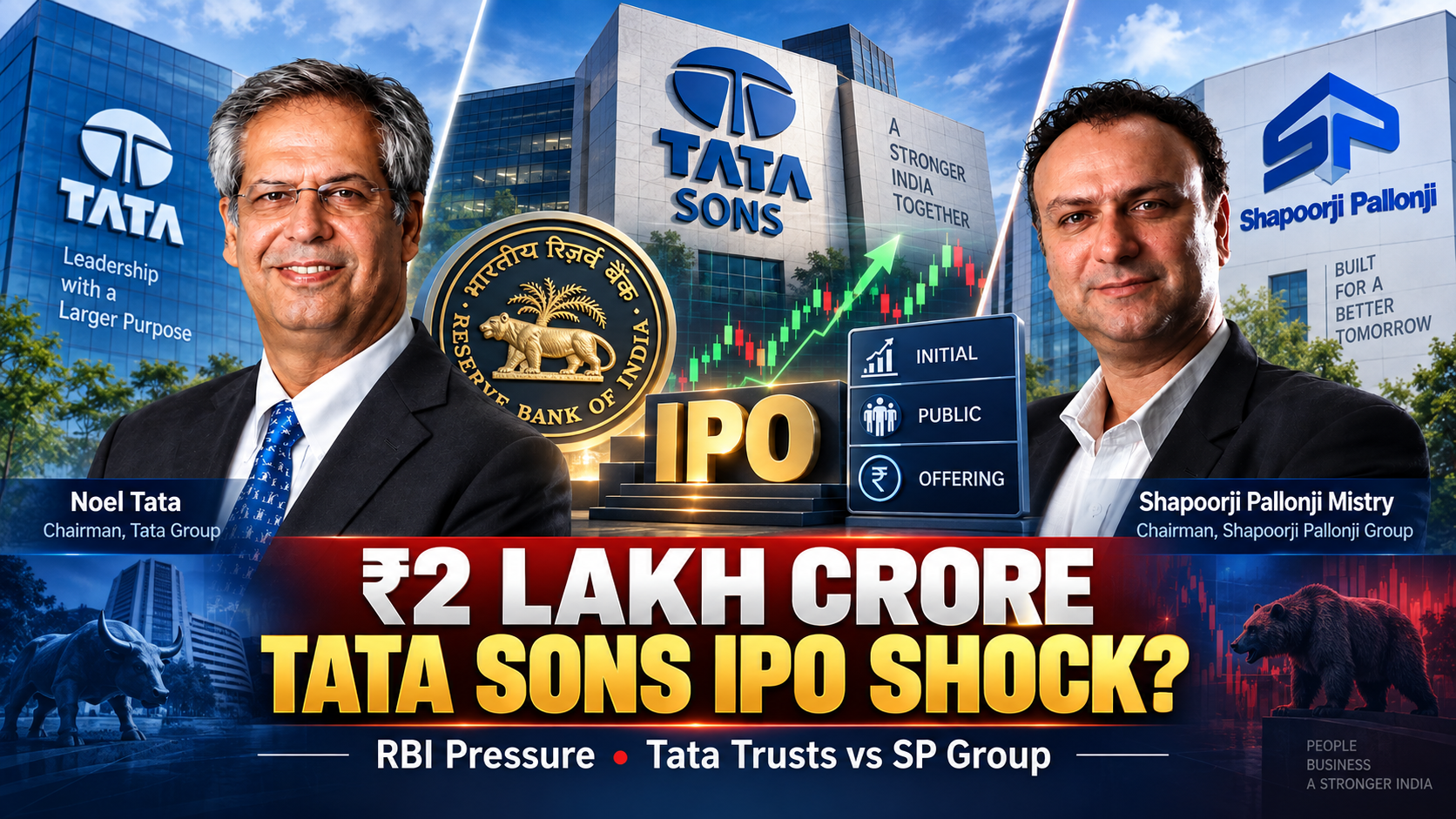
Why India’s Most Powerful Holding Company Is Under Pressure to Go Public
A silent corporate battle is unfolding behind the iconic Tata brand, and its outcome could reshape one of India's most respected business empires. The spotlight is now firmly on Tata Sons, the holding company of the Tata Group, after the Reserve Bank of India (RBI) reportedly reiterated that the company must comply with regulations that could ultimately force it to list on the stock market.
But why is Tata Sons, the company sitting at the heart of the Tata empire, resisting an IPO? Why is the Shapoorji Pallonji (SP) Group pushing for listing? And how has RBI become the deciding authority in this high-stakes corporate showdown?
Let's break down this complex issue in a simple and easy-to-understand way.
What Exactly Is Tata Sons?
Before understanding the controversy, it's important to know what Tata Sons actually is.
Tata Sons is the principal holding company of the Tata Group. It owns significant stakes in many of the group's flagship companies, including:
1. Tata Consultancy Services (TCS)
2. Tata Motors
3. Tata Steel
4. Tata Consumer Products
5. Titan
6. Tata Power
Most of these companies are already publicly listed and their shares can be bought and sold on stock exchanges. However, Tata Sons itself remains an unlisted private company.
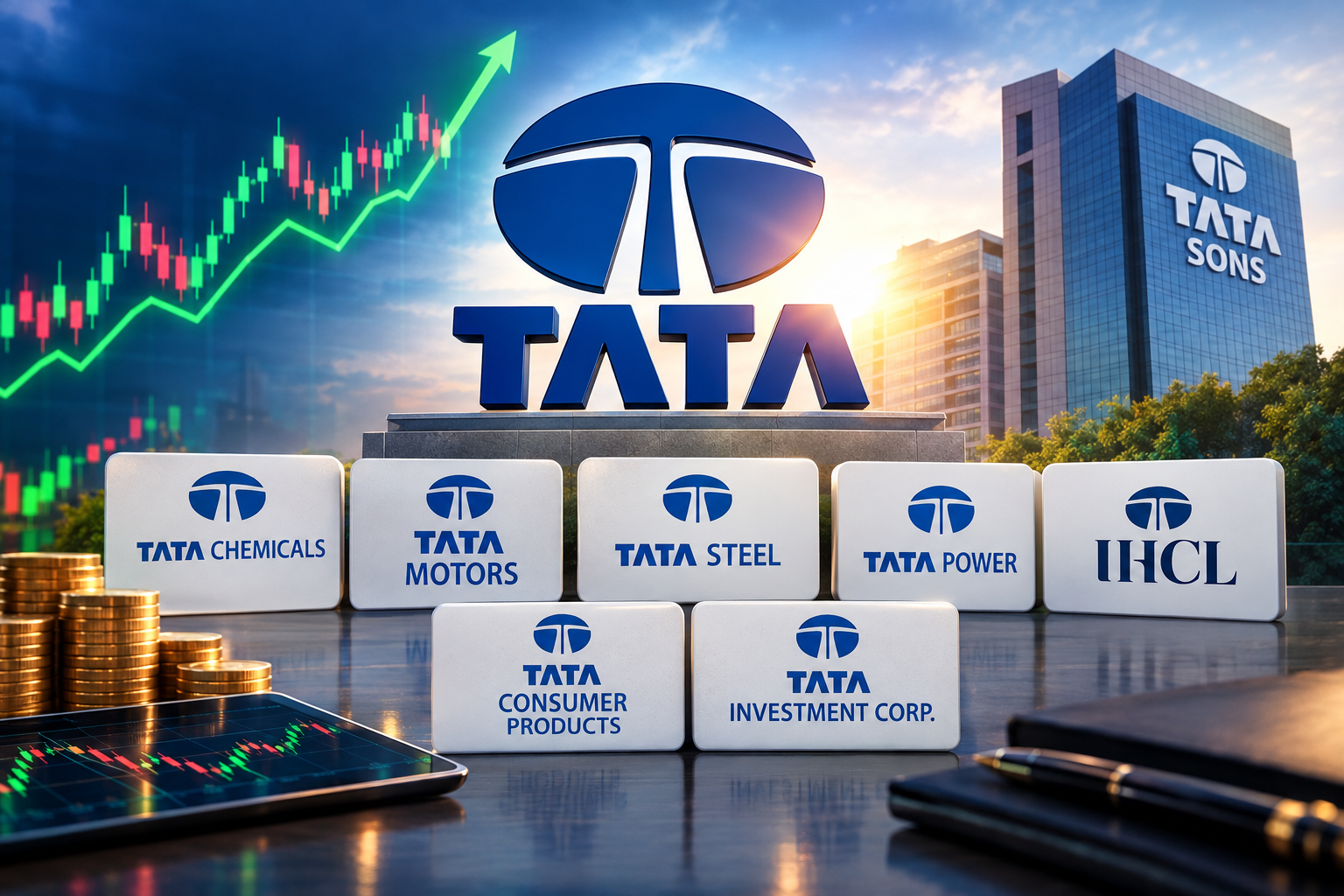
Founded in 1917 and headquartered at Mumbai's historic Bombay House, Tata Sons serves as the central command and ownership structure of the Tata conglomerate.
Who Controls Tata Sons?
The ownership structure of Tata Sons lies at the center of the ongoing dispute.
1. Tata Trusts: The Majority Stakeholder
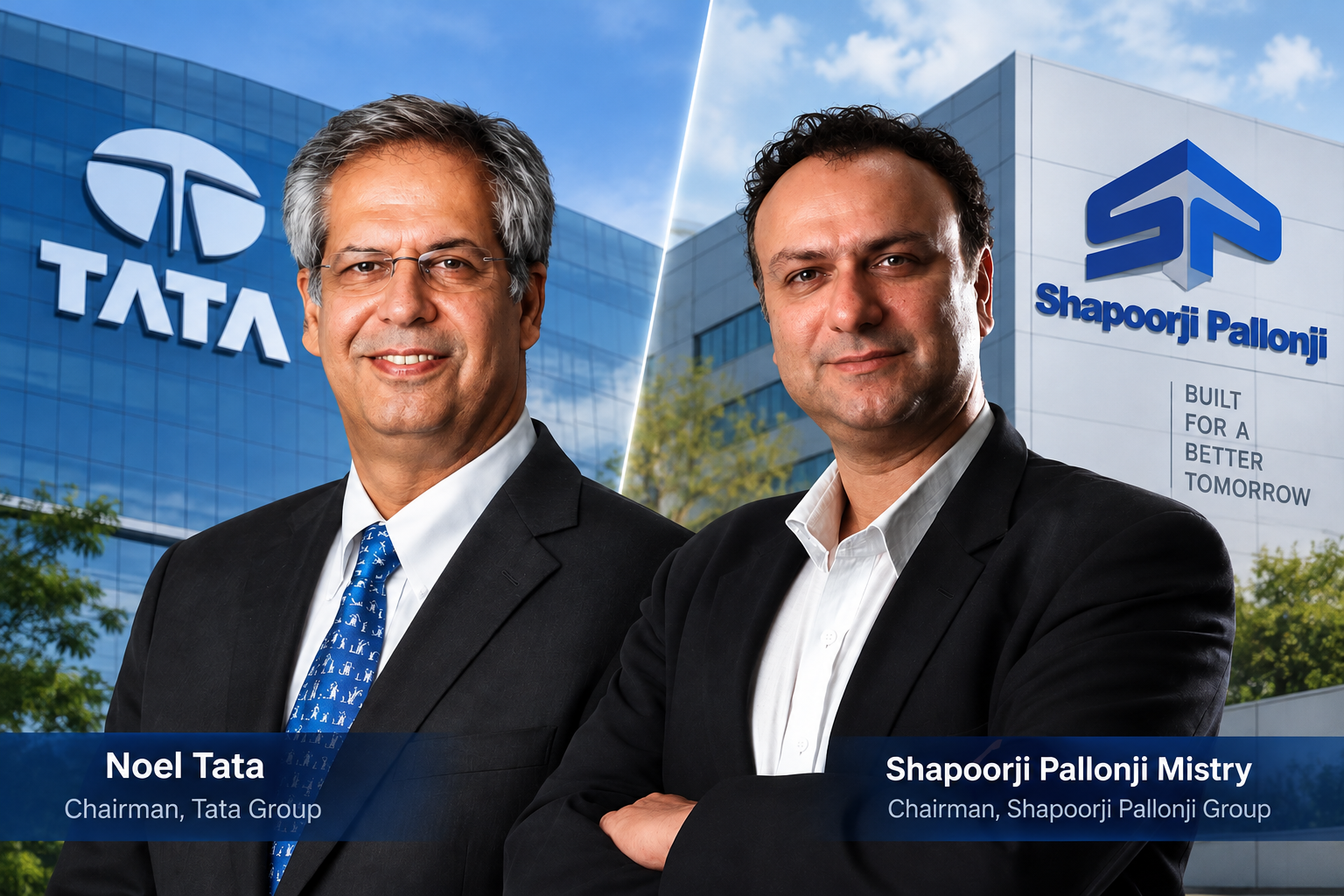
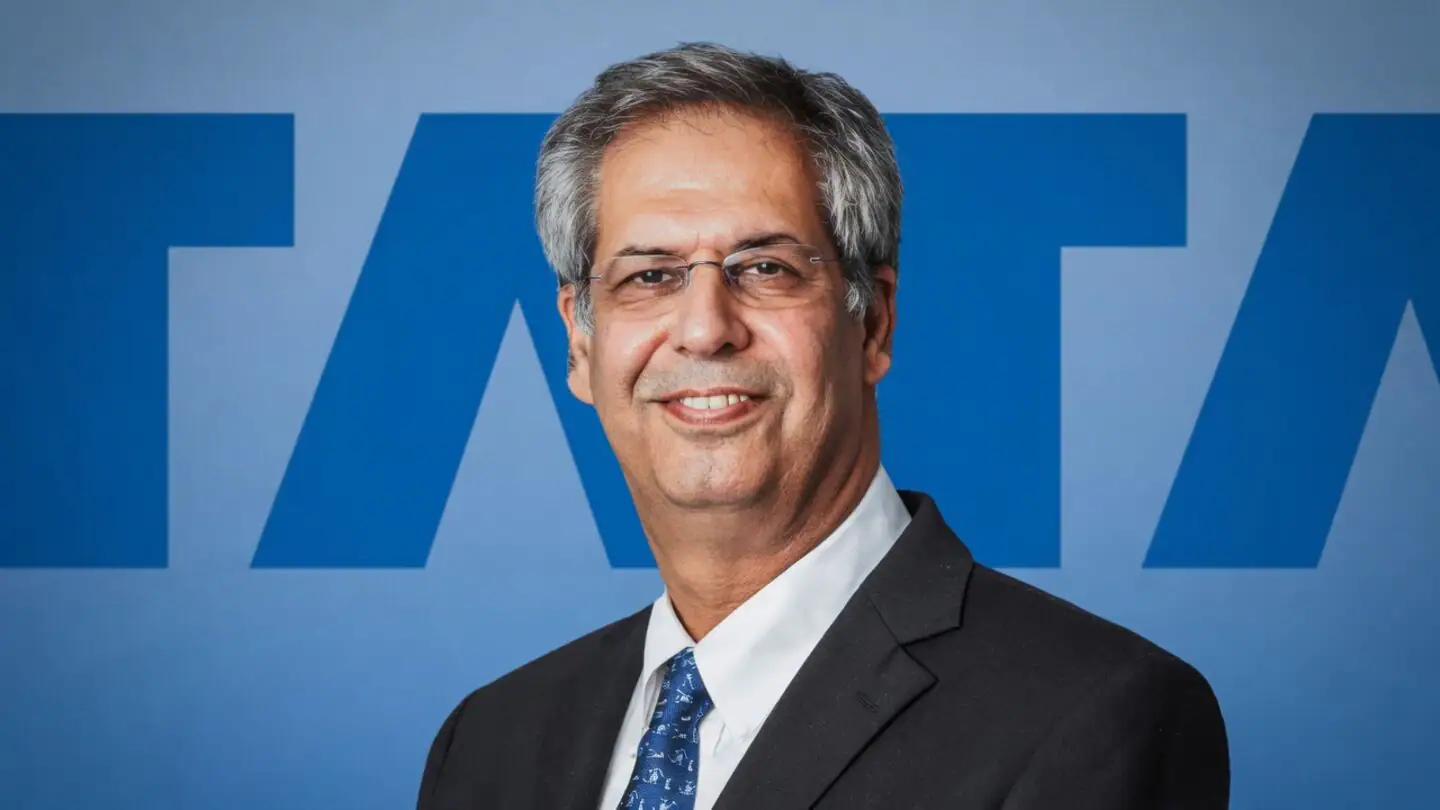
Tata Trusts own about 66% of Tata Sons, a group of charitable institutions that fund education, healthcare, rural development, scientific research, and numerous philanthropic initiatives across India. Noel Tata currently leads the Tata Trusts.
2. Shapoorji Pallonji Group: The Key Minority Shareholder
The Shapoorji Pallonji (SP) Group holds around 18.37% stake in Tata Sons. The SP Group is closely associated with the late Cyrus Mistry, who once served as Chairman of Tata Sons before a highly publicized boardroom conflict with Tata leadership.

This significant minority stake has now become a major factor in the IPO debate.
The Core Question: Should Tata Sons Remain Private or Go Public?
At first glance, the debate seems straightforward: Should Tata Sons continue as a privately held company, or should it launch an IPO and become publicly listed?
However, the answer involves much more than raising money.
Why the SP Group Wants Tata Sons Listed
The SP Group has consistently argued in favour of listing Tata Sons. There are two major reasons behind this position:
1. Unlocking Shareholder Value
Since Tata Sons is unlisted, the SP Group cannot easily monetize its massive stake. A public listing would create a liquid market where shares can be bought and sold freely. This would allow the SP Group to potentially unlock significant value from its investment.
2. Greater Transparency and Governance
The SP Group has also argued that a listed Tata Sons would be subject to stricter disclosure requirements. Public companies must:
a) Share financial information regularly
b) Comply with listing regulations
c) Improve transparency
d) Enhance corporate governance standards
According to supporters of listing, these measures would benefit all shareholders.
Why Tata Trusts Oppose the IPO
On the other side stands Tata Trusts, the majority owner of Tata Sons. Interestingly, their opposition is not primarily based on finances.
Protecting the Tata Philanthropic Model
The Tata Group has a unique structure uncommon among global corporations. Because Tata Trusts own a majority stake in Tata Sons, a significant portion of dividends generated by Tata companies eventually supports charitable and social causes.
Noel Tata and supporters of the current structure believe that becoming a listed entity could change the organization's priorities.
Freedom From Quarterly Market Pressures
Publicly listed companies face constant scrutiny from investors and market analysts. Every quarter, companies are expected to deliver:
7. Revenue growth
8. Profit expansion
9. Higher shareholder returns
Critics of listing argue that these pressures could conflict with Tata Sons' long-term vision and philanthropic objectives.
The concern is that stock market expectations may push the company toward short-term financial performance rather than broader societal impact.
So Why Is RBI Involved?
This is where the story becomes genuinely interesting. The dispute is no longer just about what Tata Trusts or the SP Group want.
The real question is: What do Indian regulations require?
The Core Investment Company (CIC) Angle
Tata Sons has been classified as a Core Investment Company (CIC). A CIC is essentially a holding company that primarily owns investments in group companies rather than conducting operational business itself.
Since Tata Sons mainly holds stakes in Tata Group companies, it fits this classification.
How Does a CIC Become an NBFC?
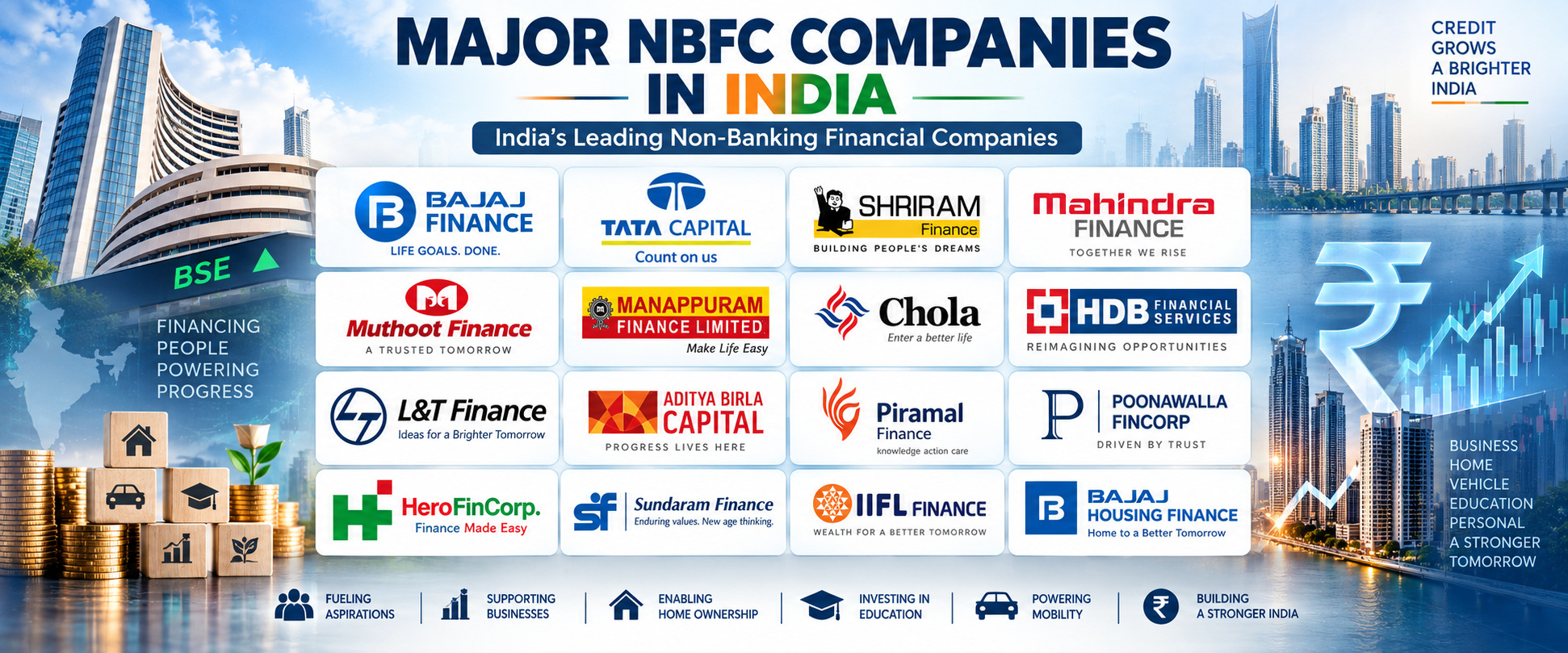
Under RBI regulations, Core Investment Companies fall under the broader framework of Non-Banking Financial Companies (NBFCs). NBFCs are financial entities that provide financial services but do not operate as traditional banks.
Examples of Non-Banking Financial Companies (NBFCs) include firms such as Bajaj Finance, Shriram Finance, Tata Capital, Muthoot Finance, Mahindra Finance, and LIC Housing Finance. These institutions provide services like loans, housing finance, vehicle financing, gold loans, and other financial products, but unlike traditional banks, they do not accept demand deposits such as savings or current accounts.
As an NBFC, Tata Sons comes under RBI's regulatory oversight.
The 2021 RBI Rules That Changed Everything
In 2021, the RBI introduced the Scale-Based Regulatory (SBR) Framework for NBFCs. The framework classifies NBFCs into four layers based on their size, complexity, and systemic importance.
1. Base Layer (NBFC-BL)
These are smaller NBFCs with relatively lower systemic importance. They are subject to the least stringent regulations. The Base Layer typically includes non-deposit-taking NBFCs with assets below ₹1,000 crore, peer-to-peer lending platforms, account aggregators, and certain other specialized entities.
Examples:
a) Faircent (P2P Lending Platform)
b) LenDenClub (P2P Lending Platform)
c) Perfios Account Aggregation Services (Account Aggregator)
d) Smaller regional lending NBFCs with assets below ₹1,000 crore[
2. Middle Layer (NBFC-ML)
This category includes larger NBFCs, all deposit-taking NBFCs, Housing Finance Companies (HFCs), Infrastructure Finance Companies (IFCs), and Core Investment Companies (CICs) that are not classified in the Upper Layer. These firms face enhanced regulatory oversight.
Examples:
a) Sundaram Finance
b) Manappuram Finance
c) Aavas Financiers
d) PTC India Financial Services
e) India Infoline Finance (IIFL Finance)*
*Classification can vary over time based on size and RBI assessment.
3. Upper Layer (NBFC-UL)
These are systemically important NBFCs identified directly by RBI because of their size, interconnectedness, and potential impact on the financial system. They face much stricter governance and compliance requirements.
Examples identified by RBI include:
a) Tata Sons Pvt. Ltd.
b) Tata Capital Ltd.
c) Bajaj Finance Ltd.
d) Shriram Finance Ltd.
e) LIC Housing Finance Ltd.
f) Cholamandalam Investment & Finance Co.
g) Mahindra & Mahindra Financial Services
h) Aditya Birla Finance Ltd.
i) Muthoot Finance Ltd.
j) HDB Financial Services Ltd.
k) Piramal Capital & Housing Finance Ltd.
l) Bajaj Housing Finance Ltd.
4. Top Layer (NBFC-TL)
The Top Layer is a supervisory category reserved for NBFCs that pose exceptionally high systemic risk. RBI has stated that this layer is ideally expected to remain empty and would be populated only if the regulator determines that an Upper Layer NBFC requires even tighter oversight. RBI has not placed any NBFC in the Top Layer so far.
Why Tata Sons Matters
Tata Sons falls under the Upper Layer (NBFC-UL) category identified by RBI, which is exactly why the company came under scrutiny regarding the requirement to become publicly listed under the SBR framework.
The Rule That Could Force an IPO
According to RBI's regulatory framework, Upper Layer NBFCs are expected to become publicly listed within a specified timeline. Reports indicated that Tata Sons was given until September 30, 2025, to comply with the listing requirement.
In simple terms: If Tata Sons remains classified as an Upper Layer NBFC, listing may become unavoidable.
Tata Sons' Attempt to Avoid Listing
Rather than moving directly toward an IPO, Tata Sons reportedly explored another route. The company sought to alter its regulatory position and avoid falling under the category that carries mandatory listing obligations. A key step involved reducing its outstanding debt. The logic was straightforward:
1. Repay borrowings
2. Change regulatory classification
3. Exit the CIC/NBFC framework
4. Avoid mandatory listing
On paper, the strategy appeared sensible. But RBI was not convinced.
Why RBI Rejected the Proposal
RBI's position was reportedly clear. The regulator maintained that Tata Sons' classification does not depend solely on whether it currently carries debt. Its fundamental nature as a holding company with significant investments across Tata Group entities remains unchanged.
Since those group companies continue to access capital markets through loans, bonds, and other fundraising mechanisms, RBI's assessment reportedly remained the same.
As a result, Tata Sons' attempt to alter its classification did not succeed. This has significantly increased pressure on the company to comply with the listing requirements.
Could a ₹2 Lakh Crore IPO Be on the Horizon?
Market estimates suggest that if Tata Sons eventually lists, its valuation could be around ₹2 lakh crore or even higher, making it one of India's most anticipated public offerings.
Such an IPO would:
1. Generate tremendous investor interest
2. Offer public participation in Tata Sons ownership
3. Increase transparency
4. Potentially reshape Tata Group's governance structure
At the same time, it could fundamentally alter the unique philanthropic model that has defined the Tata ecosystem for decades.
🚨 Leadership Clash at Tata Sons? Noel Tata Challenges Chandra's Reappointment
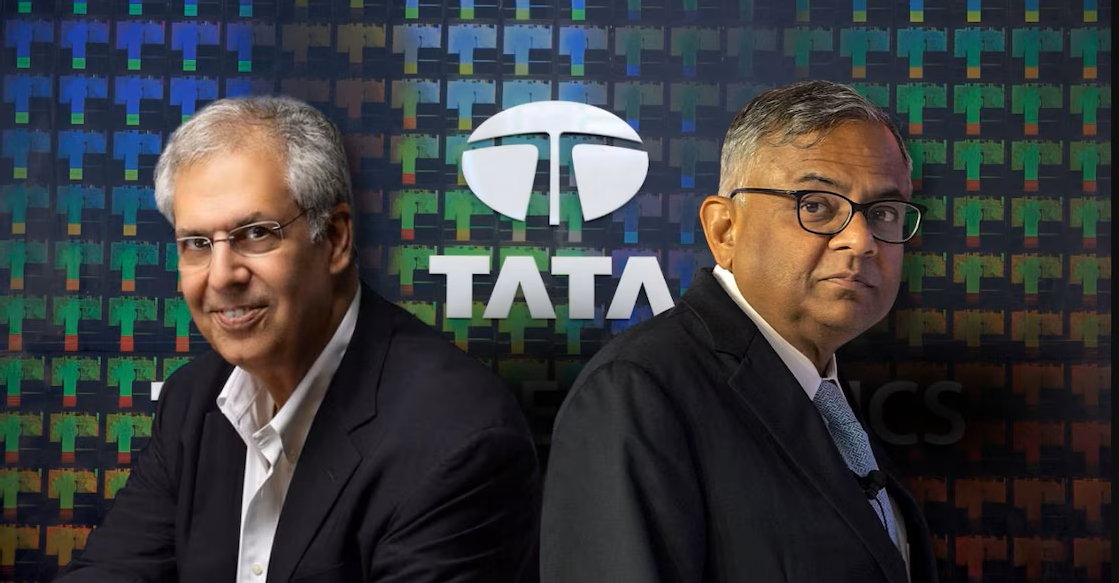
Adding fresh drama to the Tata Sons saga, a separate controversy has emerged over the reappointment of N. Chandrasekaran as Chairman of Tata Sons. Reports suggest that while a majority of board members backed Chandra's continuation, Noel Tata reportedly opposed the move, questioning the validity of reappointing a chairman who had indicated a desire not to continue. The disagreement has fueled speculation about growing differences within the Tata leadership, adding another twist to an already heated battle over the future of Tata Sons.
The Bigger Picture
The Tata Sons listing controversy is not merely a corporate dispute. It represents a broader clash between:
1. Regulatory compliance and organizational autonomy
2. Market transparency and private ownership
3. Shareholder value and philanthropic purpose
On one side is the SP Group advocating liquidity and public accountability. On the other is Tata Trusts defending a long-standing charitable ownership model. And standing in the middle is RBI, insisting that regulations must be followed regardless of shareholder preferences.
The outcome of this battle could create one of the most significant moments in Indian corporate history.
IPO or Independence: What's Next for Tata Sons?
Whether Tata Sons ultimately launches an IPO or finds another regulatory solution, one thing is certain: the decision will have far-reaching implications for investors, regulators, and the future structure of the Tata empire.
The question now is no longer whether the debate exists.
The real question is: Can Tata Sons preserve its unique legacy while adapting to modern regulatory expectations?
👉 What do you think?
Would a Tata Sons IPO improve transparency and shareholder value, or could it dilute the philanthropic vision that has made the Tata Group unique for over a century?
Share your views in the comments, follow us for deep-dive business analysis, and stay tuned for more insights on India's biggest corporate stories.
Written by
Vedant BhardwajDiscussion (0)
Sign in to join the discussion.
Loading comments…