
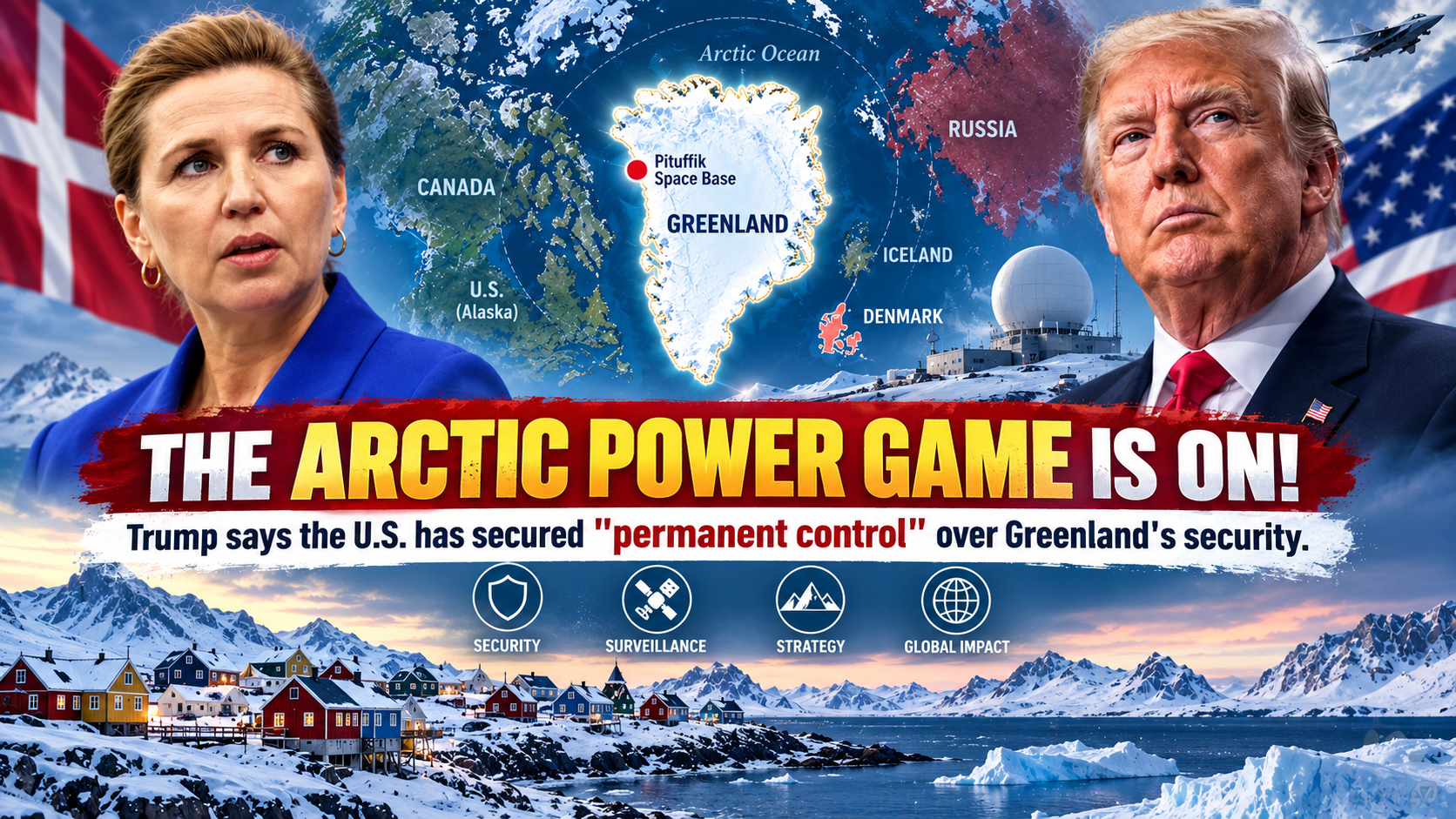
A landmark U.S.-Denmark agreement has reignited the Greenland debate. While Donald Trump hails it as a major American victory, Denmark insists nothing has changed about Greenland’s sovereignty. So, what is really happening in the Arctic, and why are the U.S., China, and Russia all competing for influence over this frozen frontier?
Greenland Back in the Global Spotlight
For years, U.S. President Donald Trump has repeatedly expressed his desire to bring Greenland under greater American control. His comments about acquiring the massive Arctic island sparked controversy across the world and drew sharp reactions from Denmark, which oversees Greenland as part of the Kingdom of Denmark.
Now, a new security and defense agreement between the United States, Denmark, and Greenland has once again placed the Arctic island at the center of global geopolitics.

But does this deal actually give America permanent control over Greenland? The answer is far more complicated than Trump’s statements suggest.
The New U.S.-Denmark Greenland Deal Explained
The recently announced agreement focuses primarily on strengthening security and defense cooperation in Greenland.
According to the U.S. interpretation, the agreement significantly expands Washington’s ability to protect Greenland and enhance its military presence across the Arctic region.
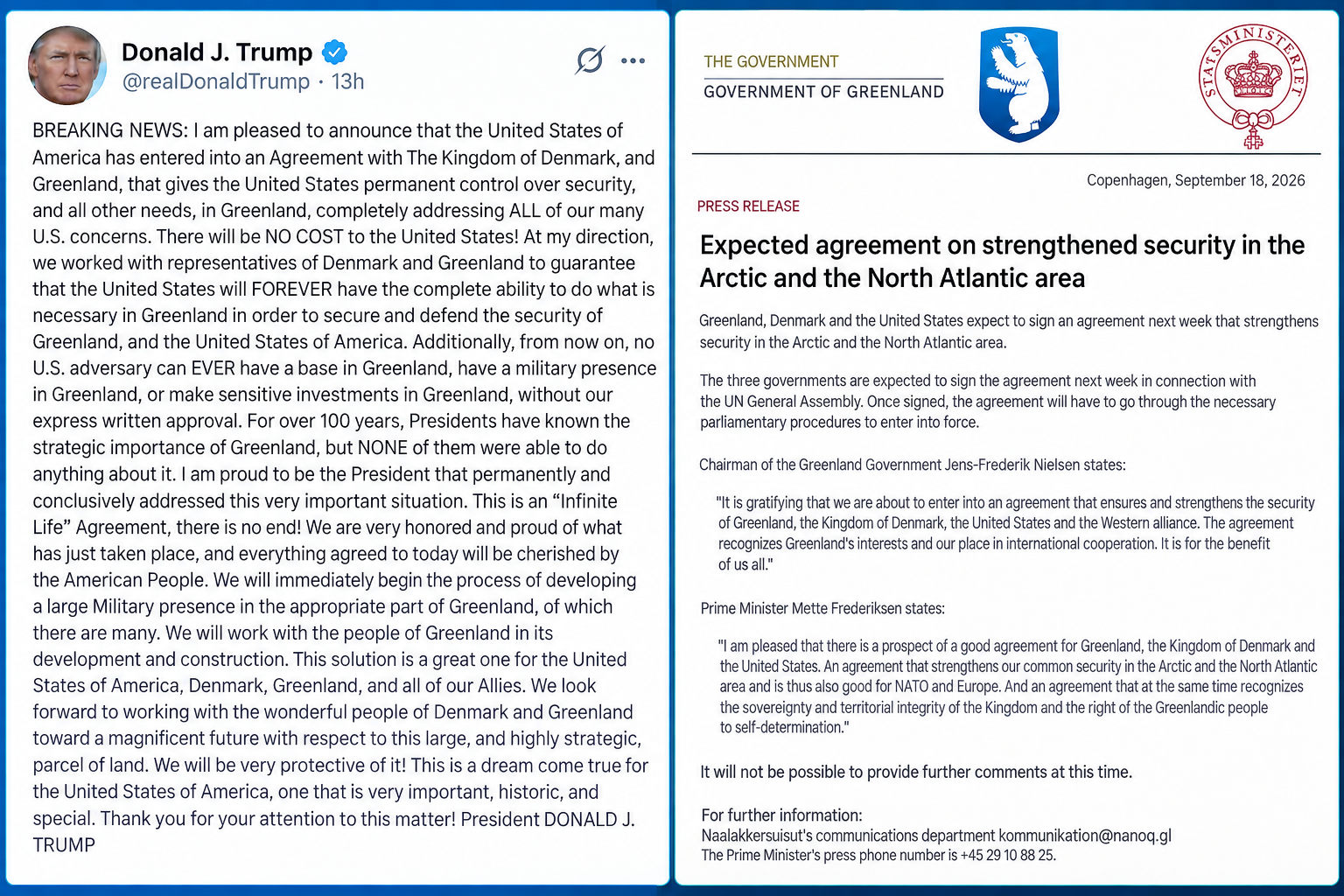
Trump has portrayed the deal as a major strategic breakthrough, emphasizing:
1. Long-term U.S. security responsibilities in Greenland
2. Expanded military access
3. Greater American ability to respond to security threats
4. A stronger U.S. role in Arctic defense
However, Denmark has presented a very different narrative. Danish Prime Minister Mette Frederiksen has stressed that the agreement:
1. Strengthens Arctic and North Atlantic security
2. Recognizes the sovereignty of the Kingdom of Denmark
3. Respects Greenland’s territorial integrity
4. Upholds the Greenlandic people's right to self-determination
The contrast could not be clearer. While Washington highlights expanded influence, Copenhagen emphasizes that Greenland remains under Danish sovereignty.
Is America Actually Acquiring Greenland?
Despite the political rhetoric, there is currently no indication that Greenland is being transferred to U.S. ownership.
Greenland remains an autonomous territory within the Kingdom of Denmark and enjoys extensive self-governing powers.
In fact, Denmark officially recognizes Greenland’s right to determine its own future. If Greenland’s population ever chooses independence through a democratic referendum, that option remains available. This means the new agreement appears to focus on defense cooperation rather than sovereignty transfer.
For now, Greenland remains Greenland, not the 51st U.S. state.

Why Is Greenland So Important?
At first glance, Greenland may seem like an icy and isolated landmass with a small population of roughly 56,000 people. However, geography makes Greenland one of the most valuable strategic locations on Earth.
Covering approximately 2.18 million square kilometers, it is the world’s largest island, with nearly 80 percent of its area covered by ice. Its true value lies in its location.
Situated between:
1. North America
2. Europe
3. The Arctic Ocean
4. The North Atlantic
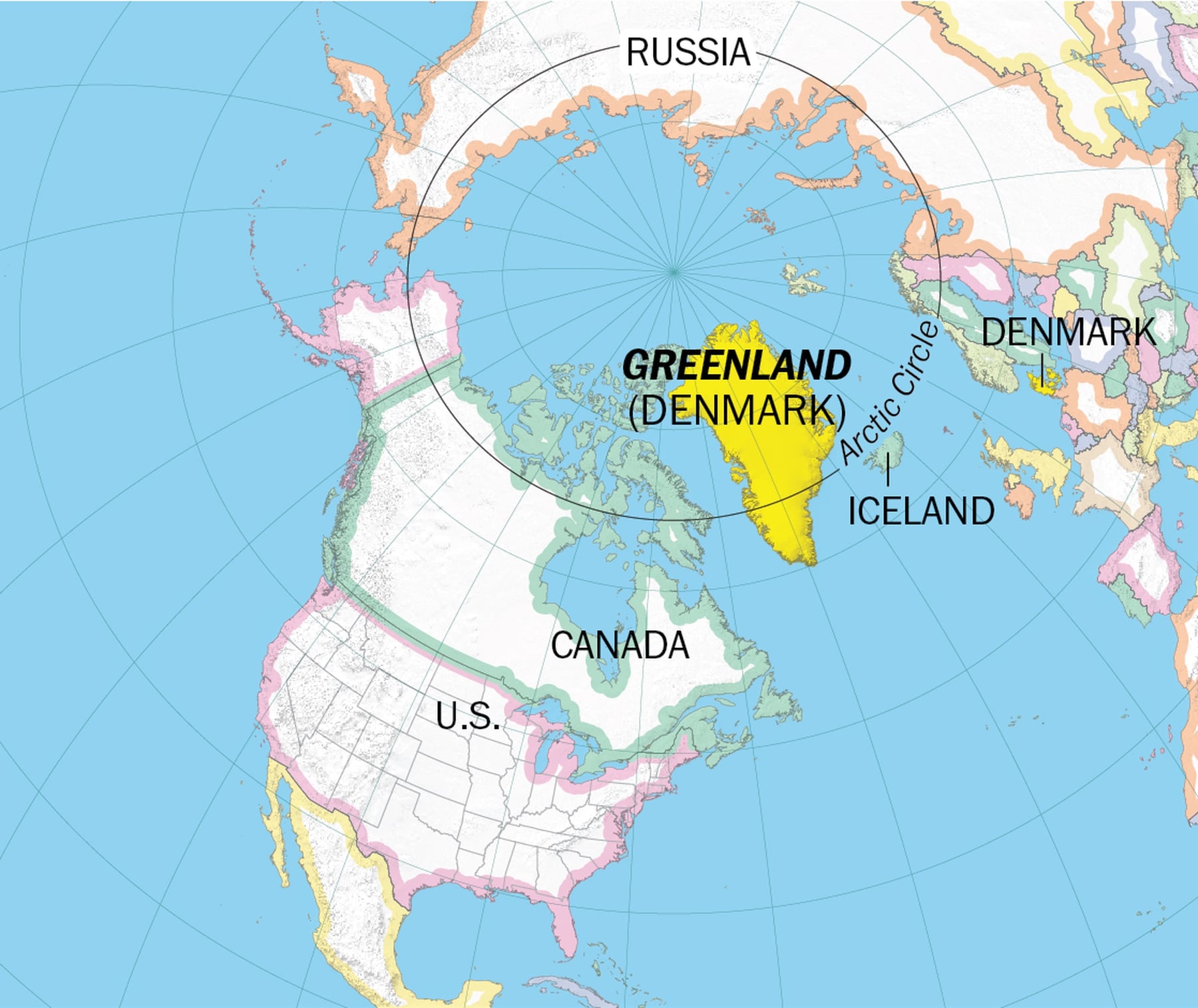
Greenland acts as a strategic bridge connecting major military and commercial zones. This geographic position makes it ideal for:
1. Missile warning systems
2. Satellite tracking
3. Arctic surveillance operations
4. Air defense networks
5. Military logistics and deployment
For defense planners in Washington, Greenland is a critical Arctic outpost.
🌍 Autonomy Within the Danish Kingdom
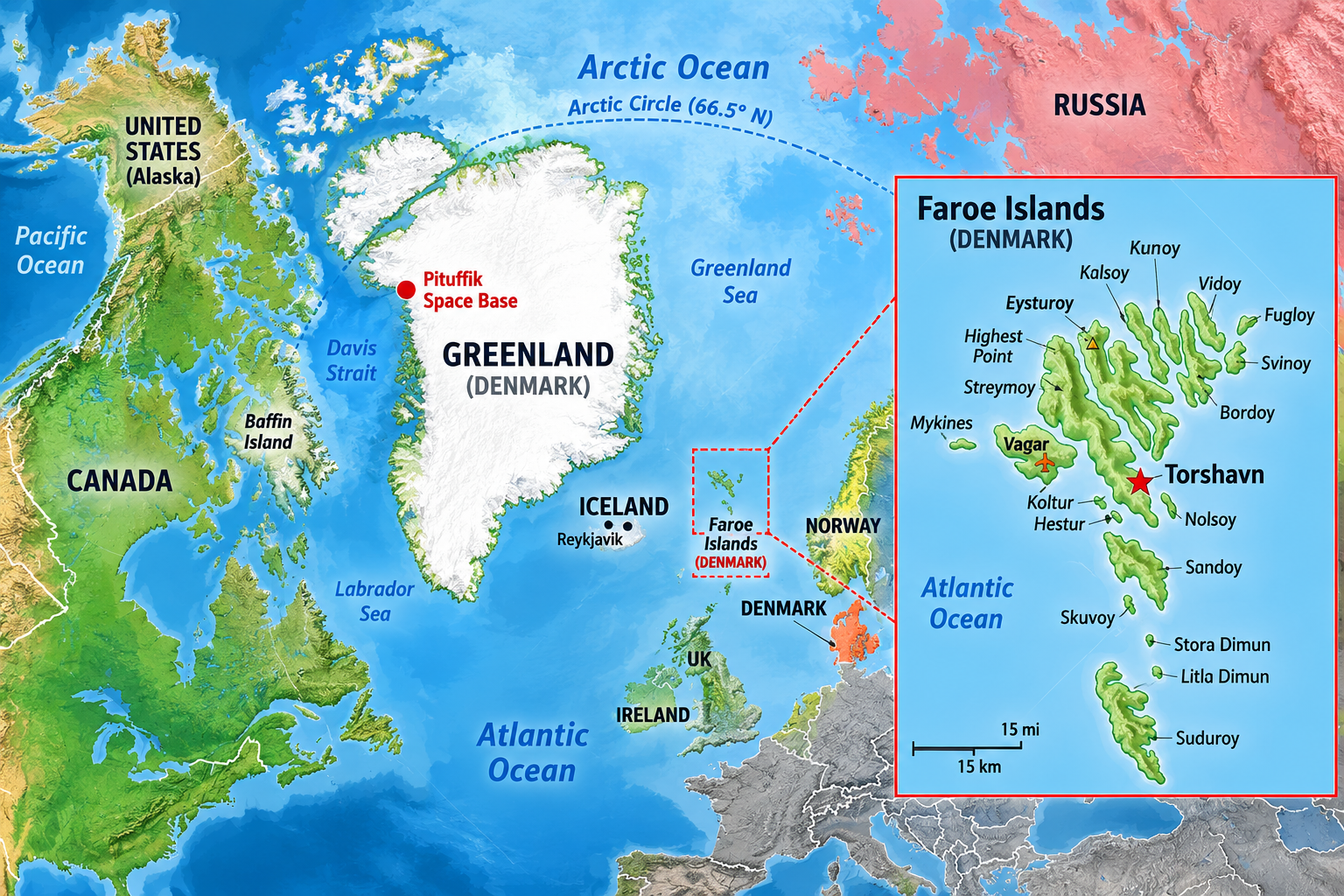
While Greenland and the Faroe Islands remain part of the Kingdom of Denmark, they enjoy extensive self-rule and manage many of their own domestic affairs. Through special self-government arrangements, Denmark has gradually transferred significant powers and responsibilities to local authorities, giving both territories a high degree of political autonomy while remaining under the Danish realm.
America’s Military Presence in Greenland Is Nothing New
Many people assume the new agreement represents a dramatic shift. In reality, the U.S. military has maintained a presence in Greenland for decades. One of the most important installations is the Pituffik Space Base, formerly known as Thule Air Base.
Located in northwestern Greenland, the facility plays a major role in:
1. Space domain awareness
2. Missile detection
3. Missile defense operations
4. Strategic surveillance
The base is considered essential to both U.S. and NATO military capabilities. America’s presence dates back to the Cold War era.
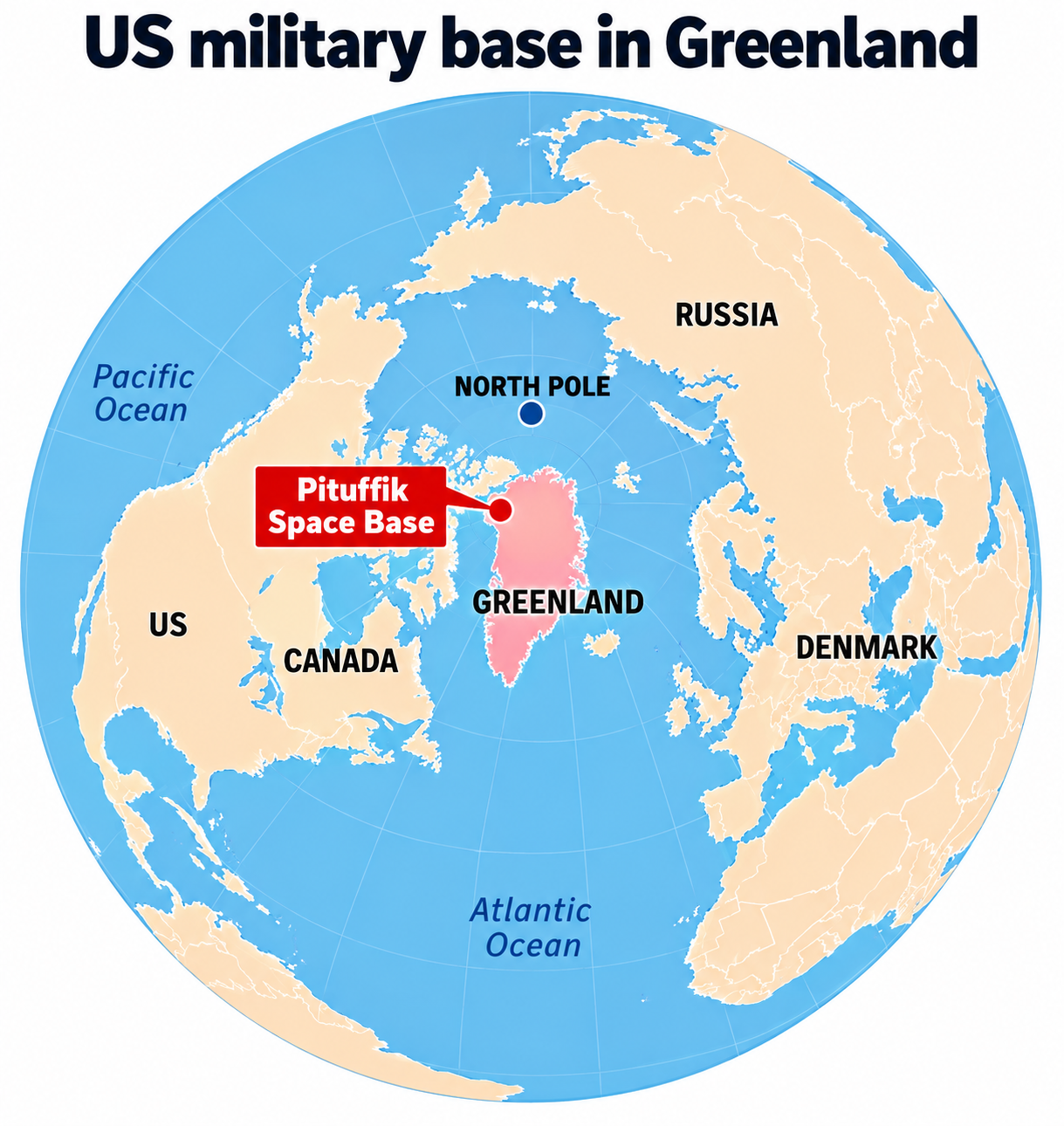
In 1951, Denmark and the United States signed an agreement that allowed U.S. military facilities and operations in Greenland within the NATO security framework. Additional updates to the arrangement were later introduced, including adjustments in 2004.
The latest agreement therefore expands an existing relationship rather than creating an entirely new one.
What Changes Under the New Agreement?
The new pact reportedly broadens Washington’s operational flexibility in Greenland. Key provisions include:
1. Expanded Military Access
The United States will continue to enjoy access to Greenland and may increase military activities in strategically important areas.
2. Permanent Basing Rights
American forces are expected to maintain long-term military rights and infrastructure access on the island.
3. Overflight Permissions
U.S. military aircraft can operate more freely through Greenlandic airspace when required for defense operations.
4. Infrastructure Expansion
Washington may be able to develop additional military facilities and supporting infrastructure in Greenland.
These measures collectively strengthen America’s strategic footprint in the Arctic.
The Most Important Hidden Clause
Perhaps the most significant aspect of the agreement is what it could mean if Greenland eventually becomes independent. The deal reportedly suggests that U.S. military access and presence would continue even if Greenland separated from Denmark in the future.
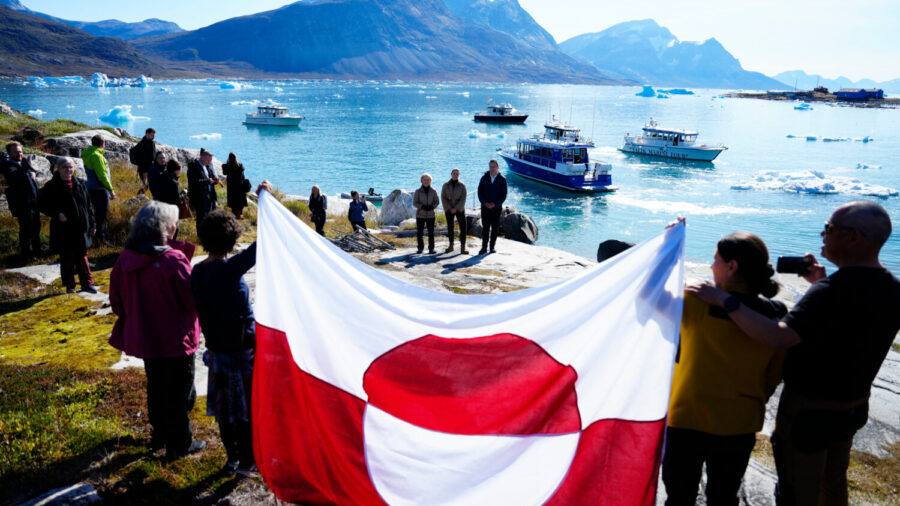
That is a remarkable provision. Normally, an independent Greenland would be expected to renegotiate defense arrangements with foreign powers. However, the agreement appears designed to ensure continuity of U.S. strategic operations regardless of Greenland’s future political status.
For Washington, this provides long-term security certainty in one of the world’s most contested regions.
Why Are China and Russia Watching Closely?
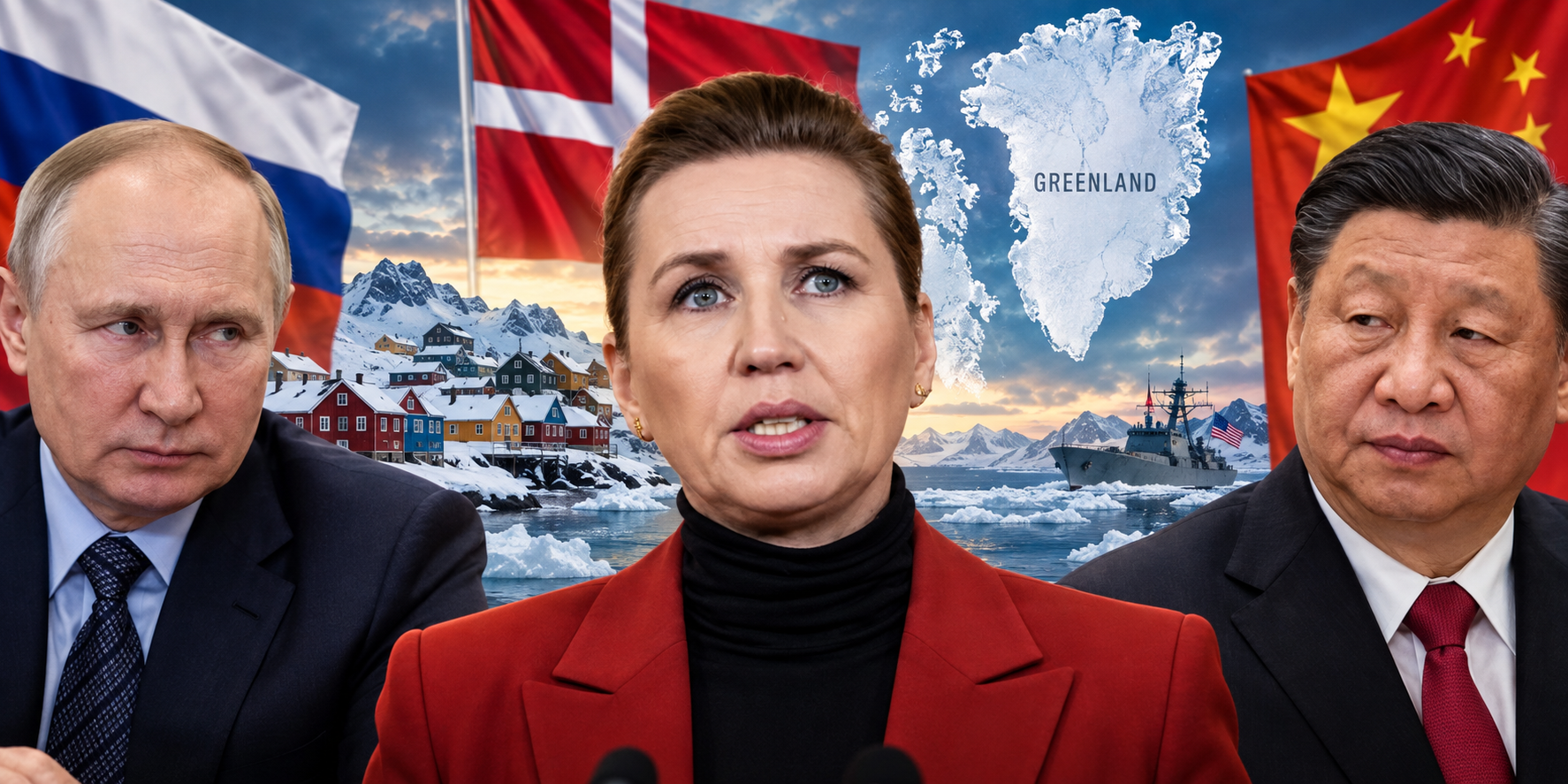
The agreement is not just about Denmark and the United States. It is also about limiting the influence of China and Russia in the Arctic.
Russia’s Arctic Ambitions
Russia already possesses the largest Arctic coastline and has significantly expanded its infrastructure, military capabilities, and economic activities across the region.
As Arctic shipping routes become increasingly accessible, Moscow views the region as a key component of its future strategy.
China’s Greenland Interest
China’s motivations are largely economic. Greenland possesses enormous untapped mineral wealth, including:
1. Rare earth elements
2. Critical minerals
3. Strategic metals used in EVs
4. High-tech manufacturing inputs
These resources are essential for industries such as electric vehicles, renewable energy, advanced electronics and defense technologies. Chinese companies have shown interest in investing in Greenland’s mining sector, making the island a potential focal point of U.S.-China rivalry.
The new agreement is widely seen as an effort to prevent sensitive strategic investments from nations that Washington considers competitors.
Greenland’s Role in America’s Arctic Future
Another factor driving U.S. interest is the growing importance of Arctic missile defense and space monitoring. Greenland could play a central role in future American defense architectures, providing:
1. Early-warning systems
2. Advanced radar networks
3. Satellite support infrastructure
4. Arctic military monitoring capabilities
As geopolitical competition intensifies, Greenland’s strategic value is only expected to grow.
🛰️ Golden Dome: America’s $175 Billion Space Shield
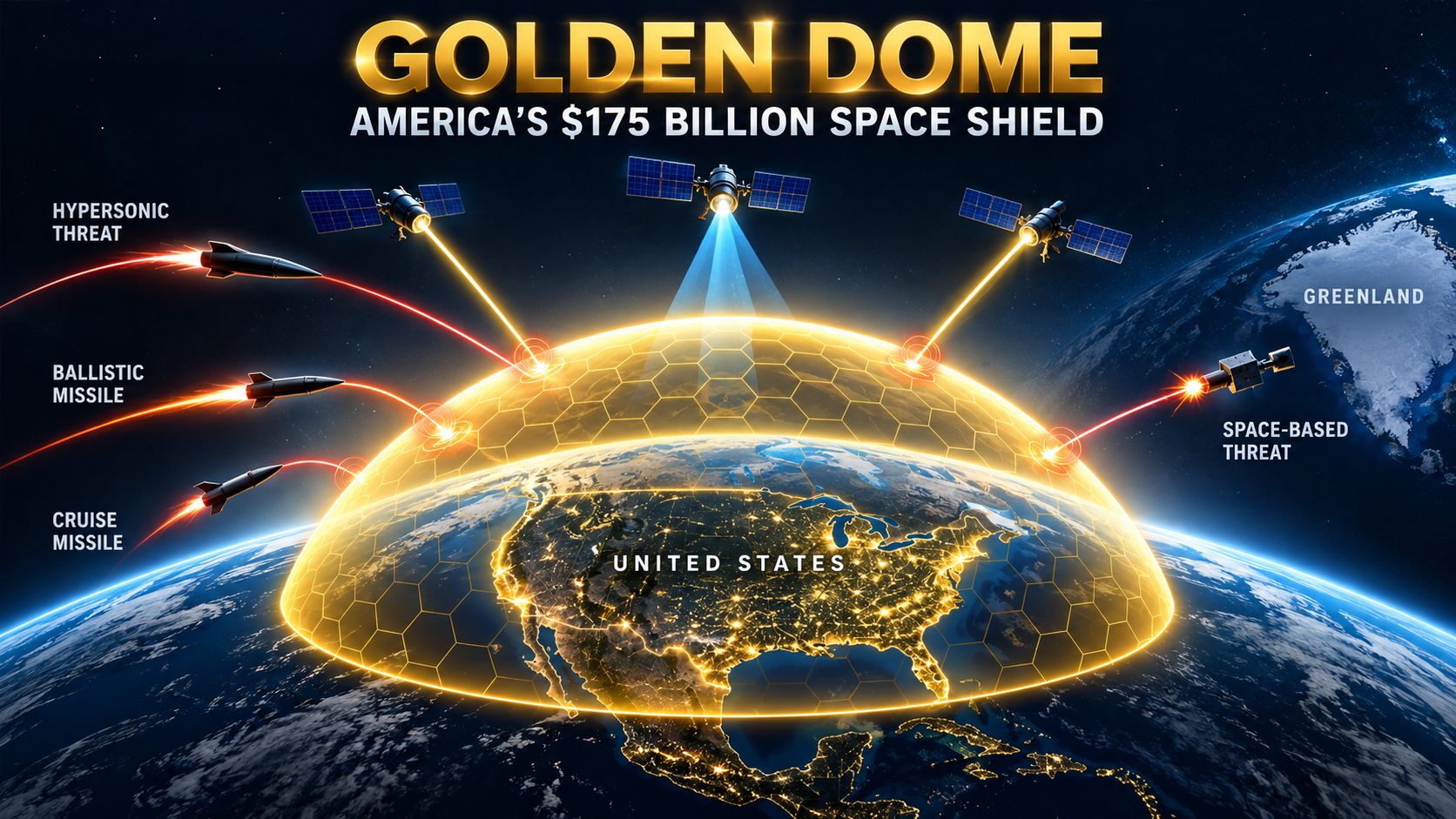
The Golden Dome Project is a next-generation U.S. missile defense initiative designed to detect and destroy threats before they reach American soil. Announced by Donald Trump, the system would combine satellites, advanced sensors, and interceptor weapons to counter ballistic, hypersonic, and space-based attacks. With an estimated cost of $175 billion, the project could reshape future warfare and further elevate the strategic importance of Arctic locations like Greenland in America's defense network.
The Bottom Line: Control or Cooperation?
Despite Trump's portrayal of the deal as a major step toward permanent American control, Denmark maintains that Greenland’s sovereignty remains untouched.
What appears certain is this:
1. America’s military footprint in Greenland is expanding.
2. Denmark continues to retain sovereignty.
3. Greenland retains the right to determine its own future.
4. China and Russia are being strategically kept at a distance.
5. The Arctic is rapidly becoming a major geopolitical battleground.
In short, the agreement is less about ownership and more about influence. Yet in geopolitics, influence often matters just as much as control.
🚨 The Arctic Endgame: America's High-Stakes Power Move
Greenland is no longer just a frozen island on the edge of the map. It has become one of the most strategically valuable territories in the world, sitting at the crossroads of military power, critical minerals, Arctic trade routes, and great-power competition.
Whether this agreement marks the beginning of a deeper American role in Greenland or merely a stronger defense partnership remains to be seen. One thing is certain: the battle for influence in the Arctic has only just begun.
👉 What do you think?
Will Greenland remain firmly tied to Denmark, move toward independence, or become America’s most important Arctic partner in the decades ahead?
Share your thoughts in the comments, follow us for more sharp geopolitical analysis, and stay ahead of the stories shaping the future of global power. 🌍❄️🚀
Written by
Ritvik DeshmukhDiscussion (0)
Sign in to join the discussion.
Loading comments…