
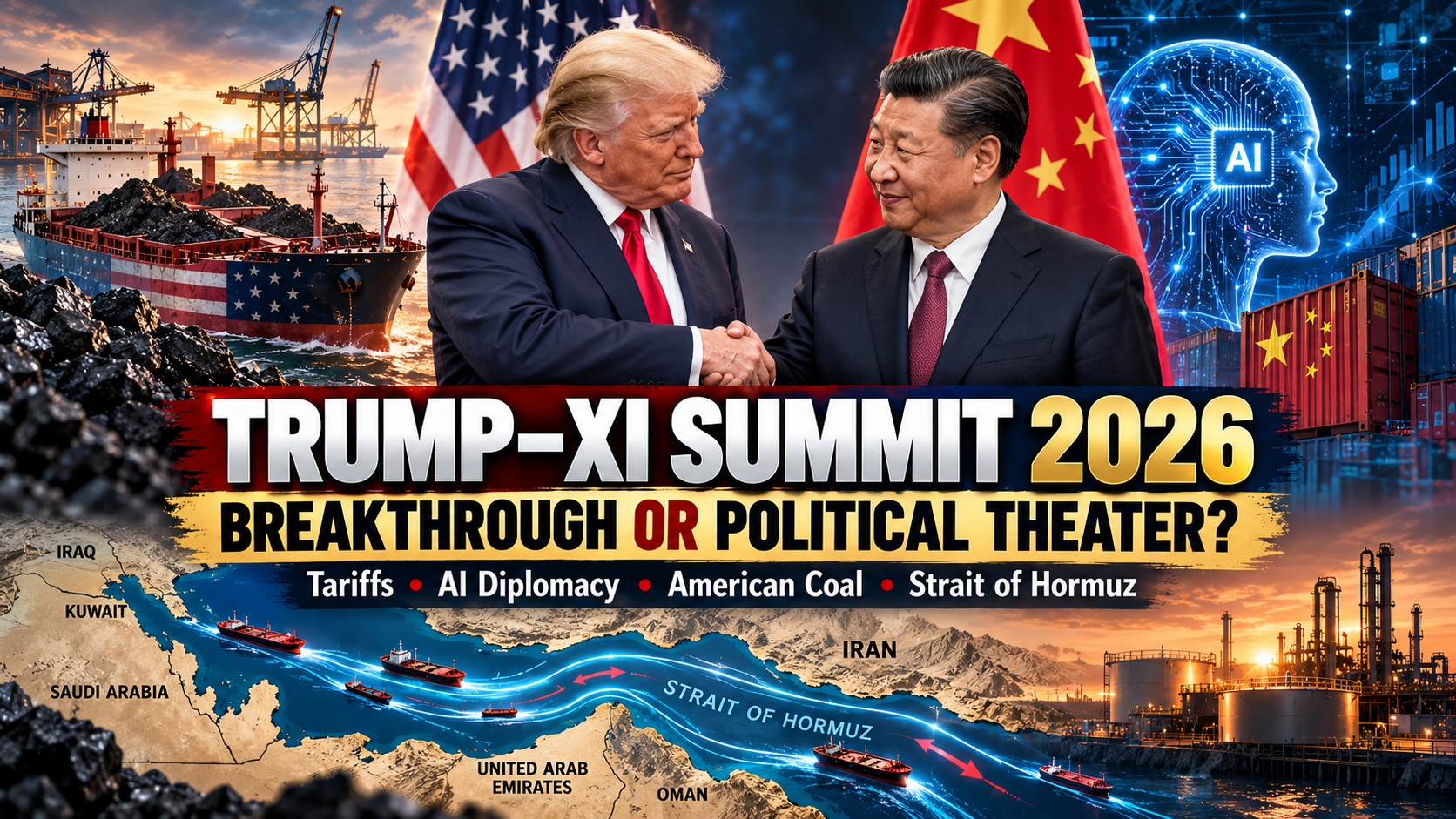
Tariff Truce, AI Diplomacy, Iran Commitments & Trade Concessions Explained
When Chinese President Xi Jinping visited the White House and met US President Donald Trump, headlines around the world suggested a major diplomatic breakthrough. Markets reacted, analysts debated, and policymakers closely watched every statement coming out of Washington.
But the real question is: Did the world's two largest powers actually resolve their differences, or was this simply another round of strategic diplomacy?
The answer lies somewhere in the middle. While no grand agreement emerged on the most contentious issues such as semiconductors, Taiwan, or rare earth minerals, both nations did strike several important deals that could ease tensions and prevent future escalation.
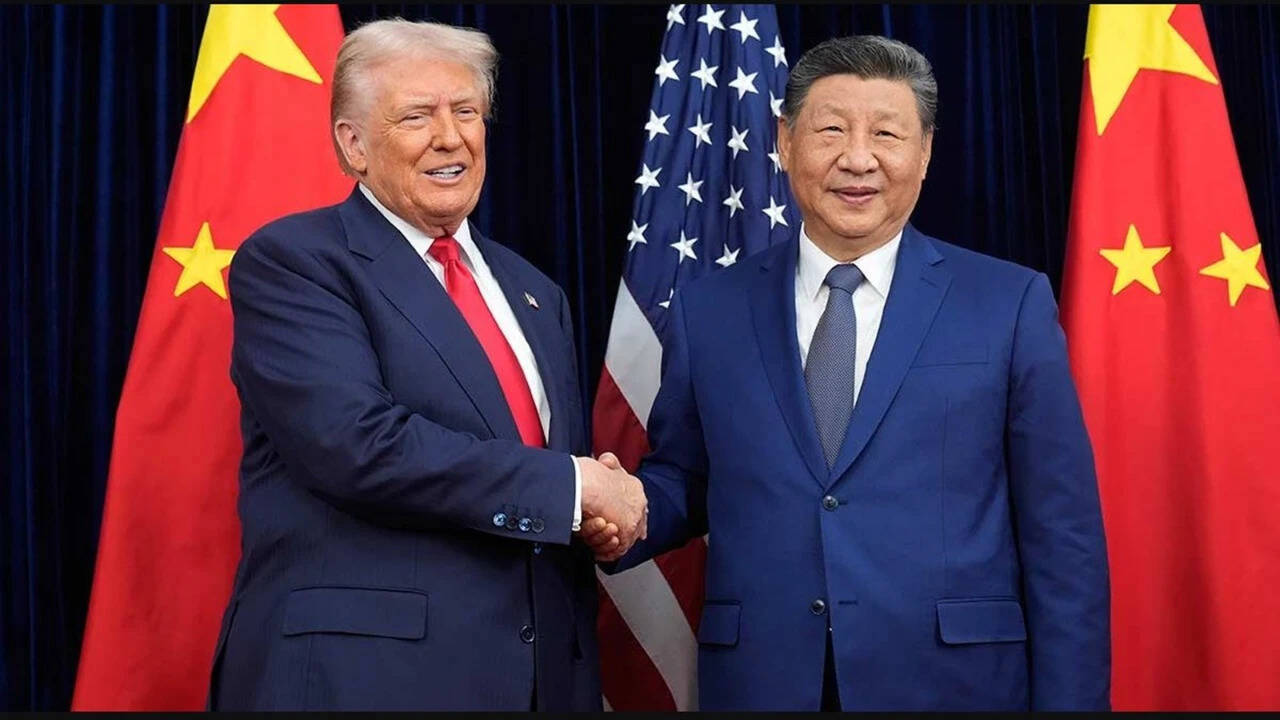
Let's break down what was agreed, what remains unresolved, and why the AI agreement may be the most significant outcome of all.
A $30 Billion Tariff Deal: Small Step, Big Signal
One of the most talked-about outcomes of the summit was a mutual agreement to provide more favourable tariff treatment for $30 billion worth of non-sensitive goods in each direction.
At first glance, this may seem like a major trade breakthrough. However, it's important to understand what "non-sensitive goods" actually means.
The agreement specifically excludes strategic sectors that have been at the center of US-China rivalry, including:
1. Advanced semiconductors
2. AI computing hardware
3. Military technologies
4. Rare earth minerals
5. Critical supply chain components
Instead, the tariff relief focuses on ordinary commercial products such as:
US Exports to China
1. Agricultural products
2. Seafood and fish products
3. Timber and wood products
4. Cosmetics
5. Medical devices
Chinese Exports to the United States
1. Small household appliances
2. Toys
3. Consumer goods
4. Holiday decorations
In simple terms, Washington and Beijing have chosen to reduce friction in areas where neither side has major security concerns, allowing businesses to continue trading more easily.
Don't Call It a US-China Truce Yet
Many observers are already describing this as a "trade truce." That would be an exaggeration.
The agreement merely extends earlier efforts to prevent the return of extremely high tariffs that, in recent years, had exceeded 100%.
The two countries' previous understanding, known as the "Busan Agreement," was originally set to expire on November 10, 2026. However, both sides have now agreed to extend the arrangement for an additional two months, pushing the deadline to January 10, 2027.
US Treasury Secretary Scott Bessent said to reporters in New York following high-level discussions with Chinese Vice Premier He Lifeng that the extension is intended to provide more time for negotiations, allowing Washington and Beijing to explore broader solutions and prevent a renewed cycle of tariff escalation.
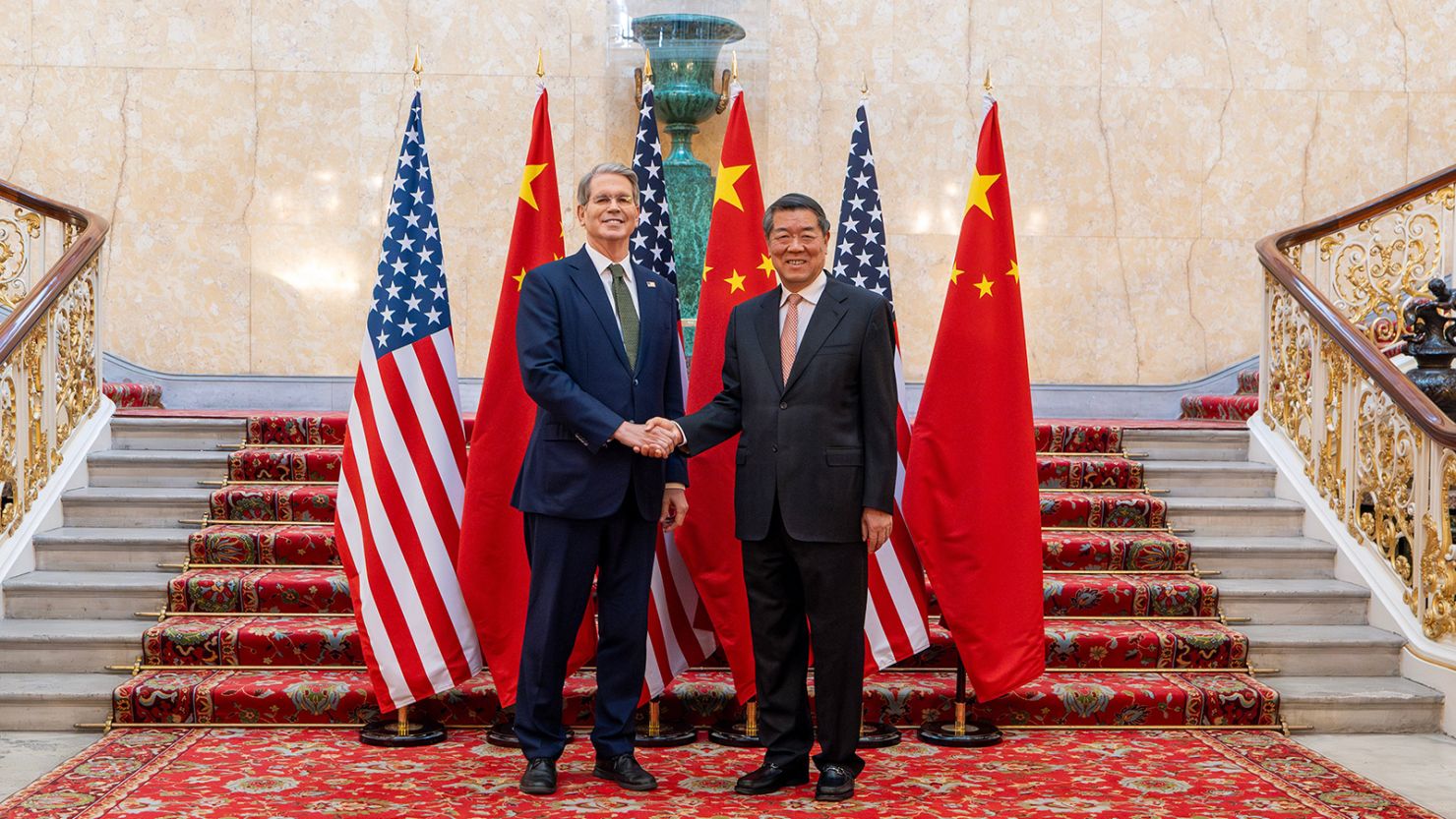
The extension indicates that dialogue is continuing, but it does not mean the trade war has ended. The fundamental disagreements between Washington and Beijing remain firmly in place.
A New US-China Trade Board: Institutionalizing Cooperation
One practical outcome that received less media attention could actually prove highly important in the long run. The two governments agreed to establish a US-China Board of Trade.
The purpose is straightforward: Rather than relying on direct intervention by Trump and Xi every time a dispute arises, the board will serve as a dedicated platform to address:
1. Trade barriers
2. Tariff disputes
3. Market access concerns
4. Tax-related issues
5. Regulatory challenges
This institutional mechanism could help prevent minor trade disagreements from escalating into major diplomatic confrontations. For global markets, stability matters more than grand announcements, making this initiative potentially valuable.
Investment Cooperation Gets a Boost
The summit also produced support for creating a Board of Investment. Why does this matter?
Because US-China economic relations extend far beyond the exchange of goods. The two countries are deeply interconnected through:
1. Foreign Direct Investment (FDI)
2. Technology partnerships
3. Capital flows
4. Supply chains
5. Manufacturing networks
The proposed investment framework aims to encourage business activity and improve economic engagement despite geopolitical competition. Whether it succeeds remains to be seen, but the signal is clear: neither side wants complete economic decoupling.
The Biggest Story: A Historic AI Communication Agreement
While tariff reductions grabbed headlines, experts increasingly believe that the summit's most important outcome was the agreement on Artificial Intelligence cooperation and crisis communication.
Why? Because AI is rapidly becoming one of the most powerful and potentially dangerous technologies in history. Both Washington and Beijing acknowledged that AI offers extraordinary benefits, but also carries enormous risks.
The concern isn't merely economic competition. It's the possibility that AI-generated intelligence assessments could create misunderstandings severe enough to trigger military crises.
How AI Could Accidentally Spark a Global Conflict
Imagine a scenario:
Imagine an AI-powered military monitoring system detects a sudden surge in naval activity near Taiwan and mistakenly classifies it as preparations for an imminent military operation.
Based on that assessment, one side may rapidly deploy additional warships or aircraft to the region. The other side, seeing these deployments, could interpret them as hostile moves and respond with military countermeasures.
Within hours, an AI-generated miscalculation could trigger a dangerous escalation, even though neither country originally intended to provoke a confrontation.
Recognizing this danger, both countries agreed to establish an always-active communication channel dedicated to AI-related concerns and emerging technology risks.
The principle is simple: Before reacting, verify. Before escalating, communicate.
This could become one of the most important confidence-building measures between the two nations in years.
From "Artificial Intelligence" to "Super Intelligence"
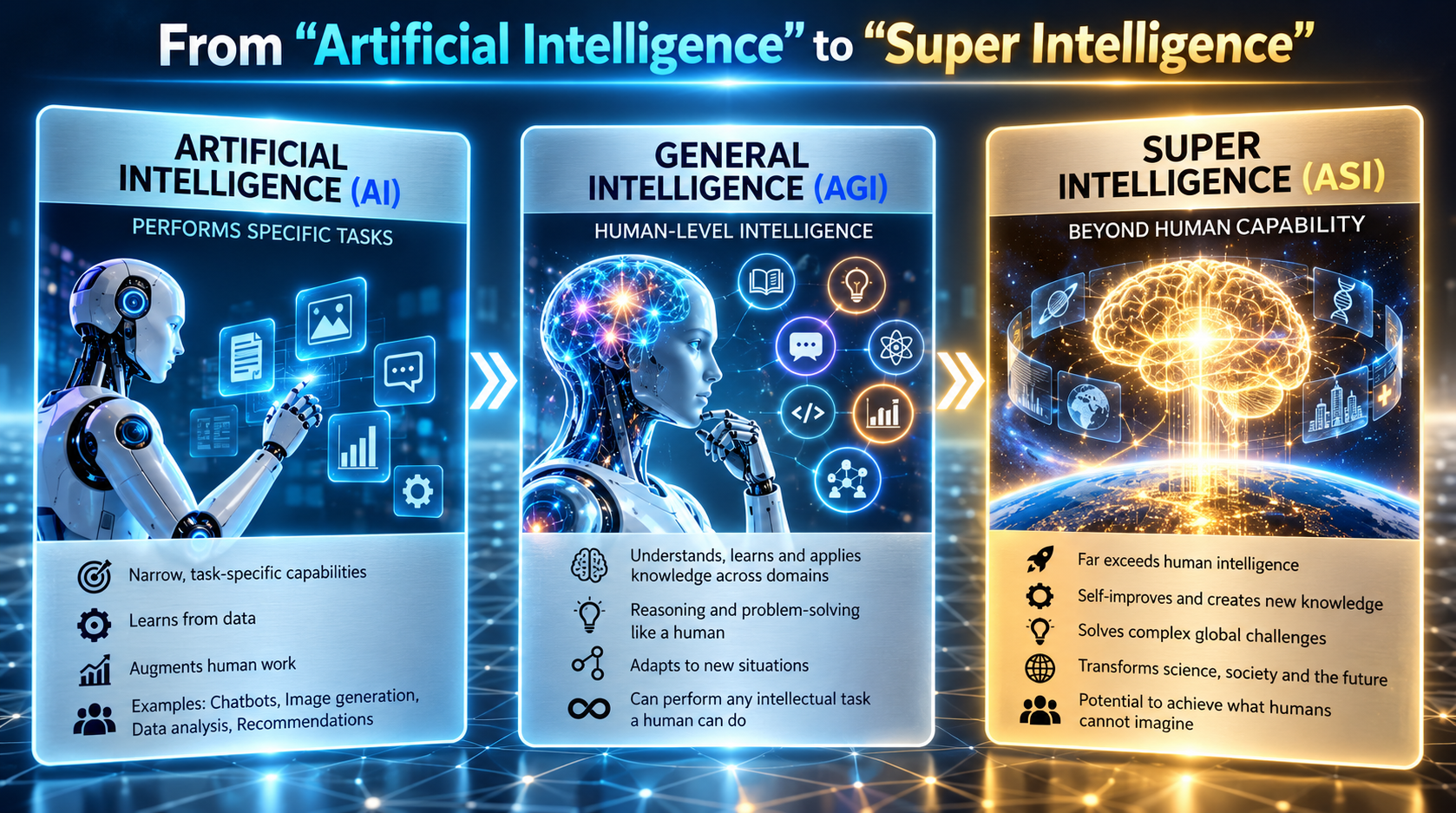
An interesting development from the discussions was the growing emphasis on the term "Super Intelligence." The reasoning is that modern AI systems are advancing far beyond traditional automation and data processing.
As machine capabilities continue evolving at extraordinary speed, policymakers increasingly believe that future systems could possess decision-making abilities with profound implications for national security, economics, and global governance.
The terminology itself reflects a growing awareness that humanity may be entering a new technological era.
China Agrees to Buy More American Coal
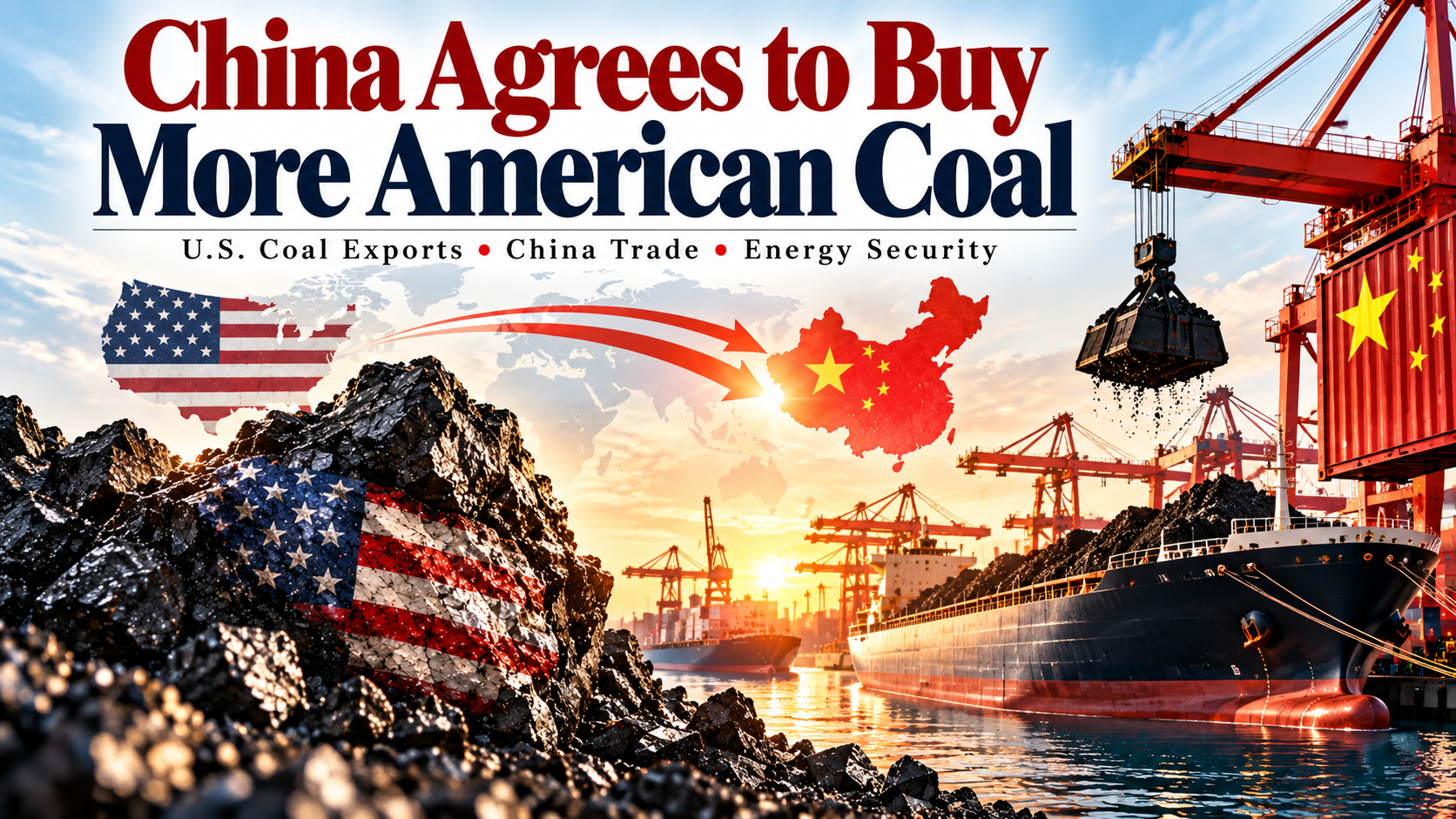
Another significant outcome involved energy trade. China agreed to import:
1. 10 million metric tons of US coal in 2027
2. 10 million metric tons of US coal in 2028
For the United States, the agreement creates additional export opportunities and helps address concerns regarding trade imbalances. For China, securing energy supplies from multiple sources enhances flexibility and energy security.
While not a transformative deal, it provides both sides with a politically useful win.
Iran and the Strait of Hormuz: A Surprising Area of Agreement
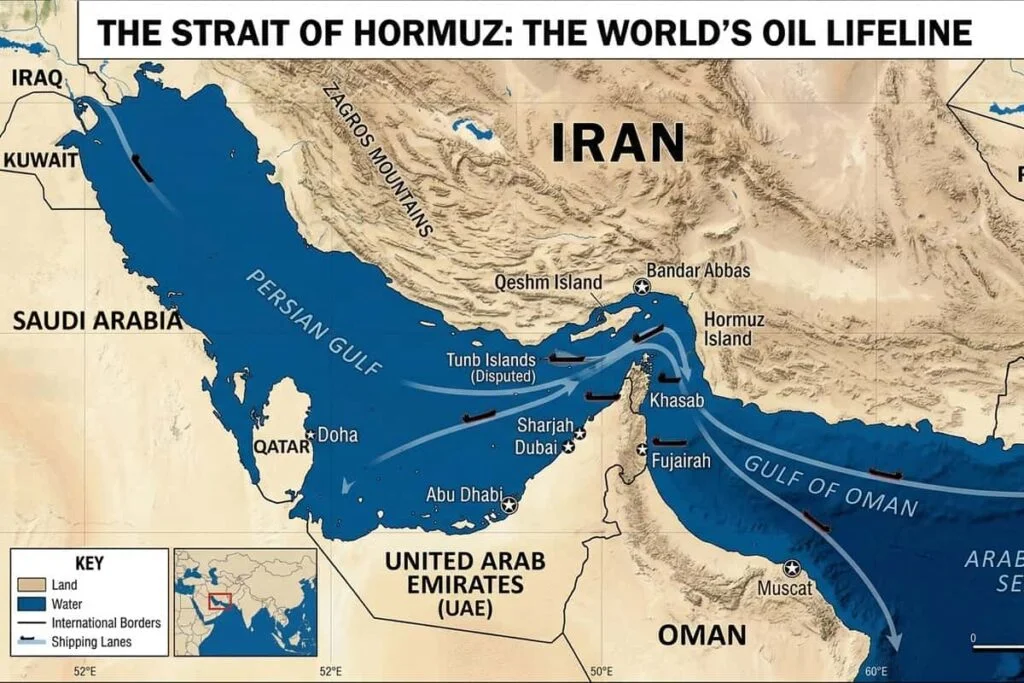
The summit also touched on growing concerns in the Middle East. One issue discussed was the possibility of tolls or charges on maritime traffic passing through the Strait of Hormuz, one of the world's most critical energy chokepoints.
Both leaders reportedly agreed that international shipping should not face additional toll burdens in the region.
This position is particularly noteworthy because of China's close relationship with Iran.
The agreement suggests that both Washington and Beijing recognize the importance of maintaining uninterrupted global trade routes.
Additionally, both sides expressed support for preventing Iran from developing nuclear weapons, reinforcing existing international concerns regarding nuclear proliferation.
What Remains Unresolved?
Despite the positive headlines, the biggest flashpoints remain untouched.
1. Taiwan
China continues to view Taiwan as part of its territory, while the United States remains committed to supporting Taiwan's security.
2. Semiconductors
Restrictions on advanced chip exports continue to be a major source of tension.
3. AI Competition
Although communication channels have improved, the race for AI dominance remains intense.
4. Rare Earth Minerals
Control of critical minerals is still a strategic battleground.
5. Investment Restrictions
Both countries continue to impose limitations on investments in sensitive sectors.
The Bottom Line
The Trump-Xi meeting delivered important but limited progress. There was no grand bargain, no end to strategic rivalry, and no resolution of the most contentious disputes.
What emerged instead was something more practical:
1. Reduced tariffs on selected goods
2. Extended trade negotiations
3. New trade and investment mechanisms
4. Increased energy cooperation
5. A groundbreaking AI communication framework
6. Common positions on selected international issues
The summit may not have transformed US-China relations overnight, but it has reduced the risk of misunderstandings and created channels for future engagement. In an era defined by geopolitical competition and technological disruption, that alone is a significant achievement.
🚀 What Happens Next?
Will these agreements pave the way for a broader US-China rapprochement, or are they merely temporary measures before the next round of confrontation?
The answer could shape global trade, technology, AI governance, and international security for years to come.
👉 Stay tuned for more in-depth geopolitical analysis, strategic insights, and global power shifts. Follow us and never miss the stories that shape the future of world affairs.
Written by
Niranjan MehtaDiscussion (0)
Sign in to join the discussion.
Loading comments…