
🌍 Geography at the Heart of Conflict
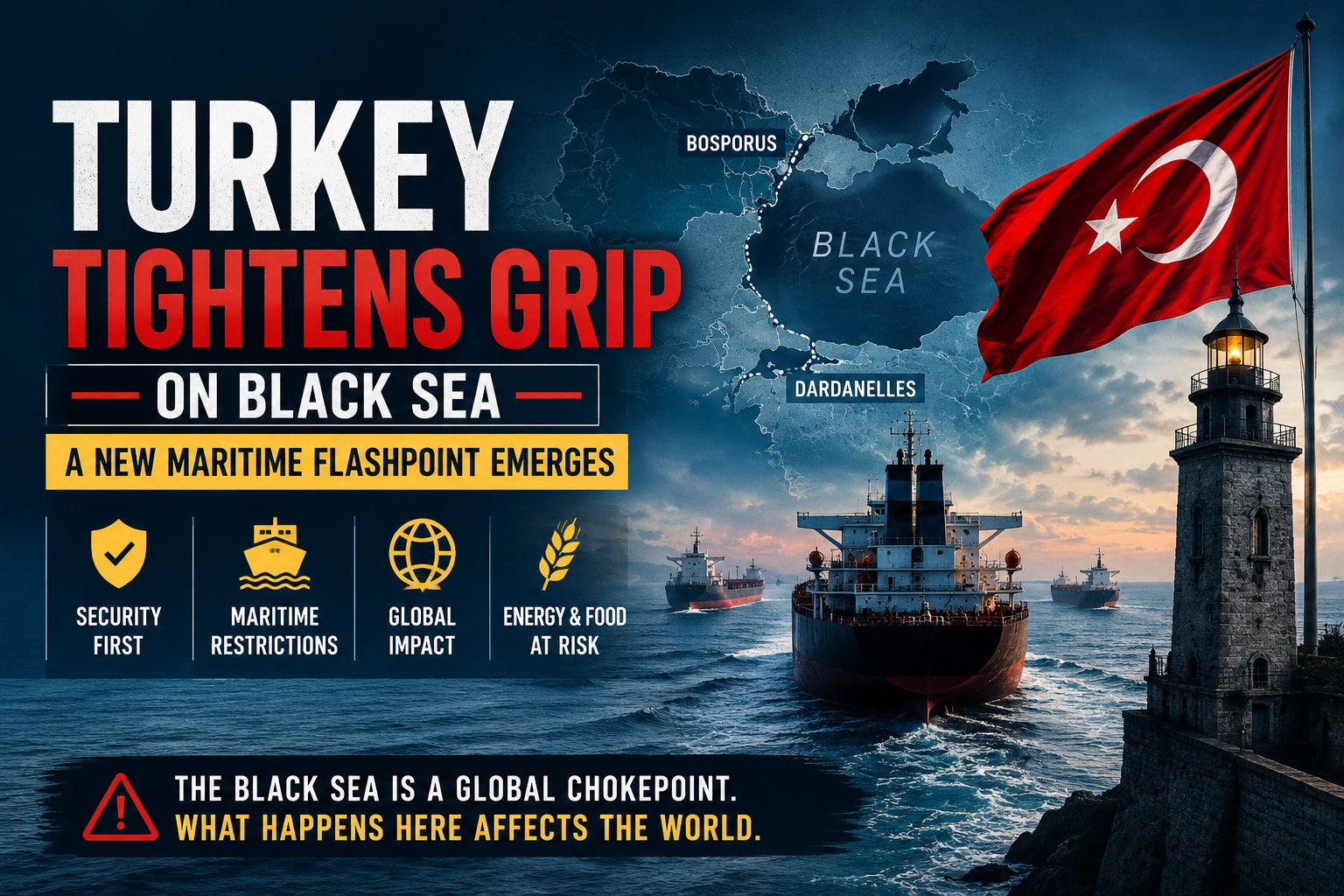
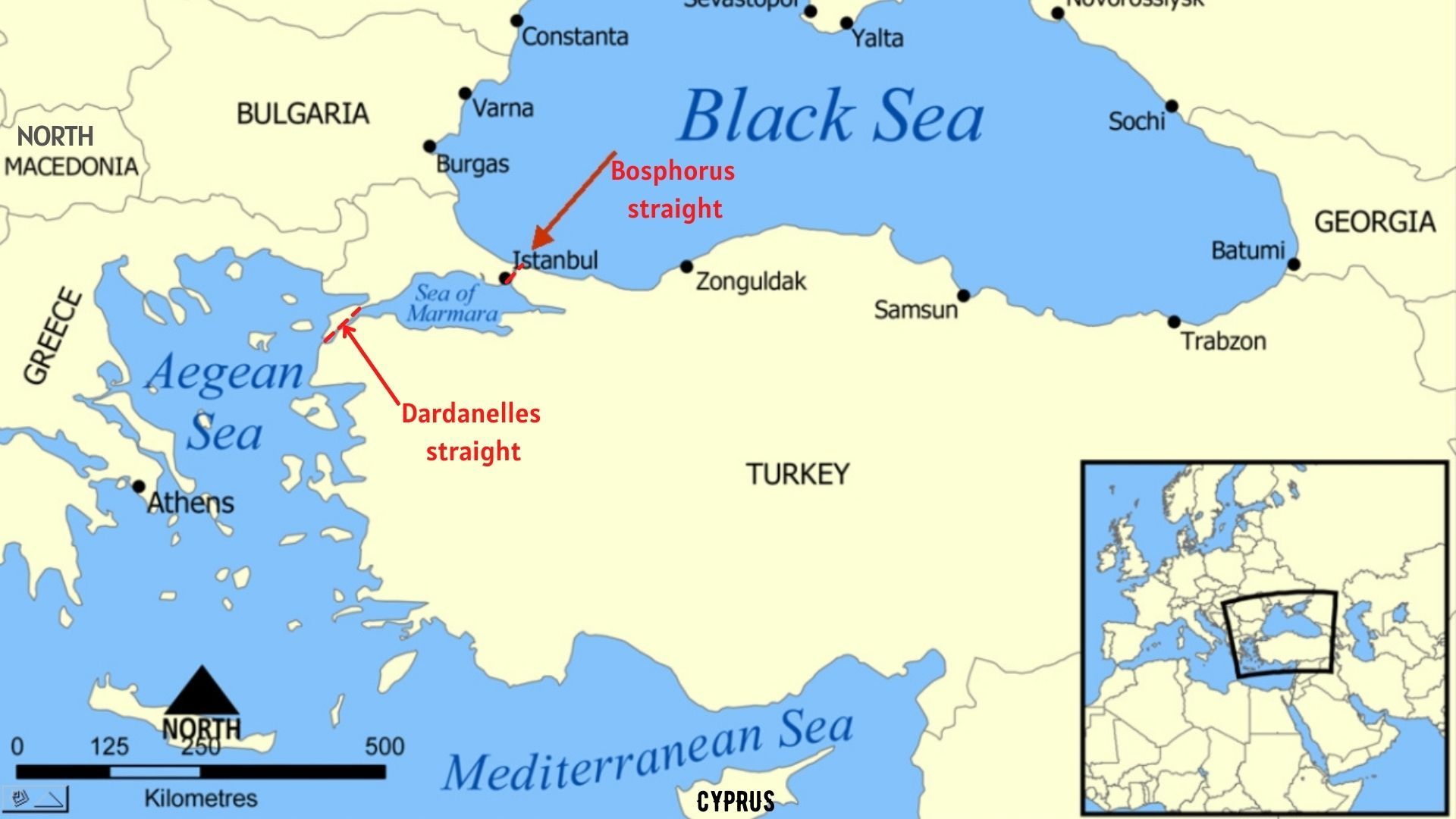
The Black Sea has long been a theater of tension, with Russia and Ukraine locked in war since 2022. At its gateway lies Turkey, which controls the Dardanelles Strait and the Bosporus Strait, the only maritime chokepoints linking the Mediterranean to the Black Sea. This geography makes Turkey a strategic gatekeeper, able to regulate the flow of ships between continents.
⚔️ Security Concerns Trigger Restrictions
Recently, Turkish‑flagged vessels came under drone and missile attacks, leaving sailors injured and sparking alarm in Ankara. In response, Turkey has begun restricting commercial ships entering the Black Sea, citing the growing danger to civilian vessels. Unlike past measures targeting warships under the Montreux Convention (1936), this move directly impacts trade and energy flows.
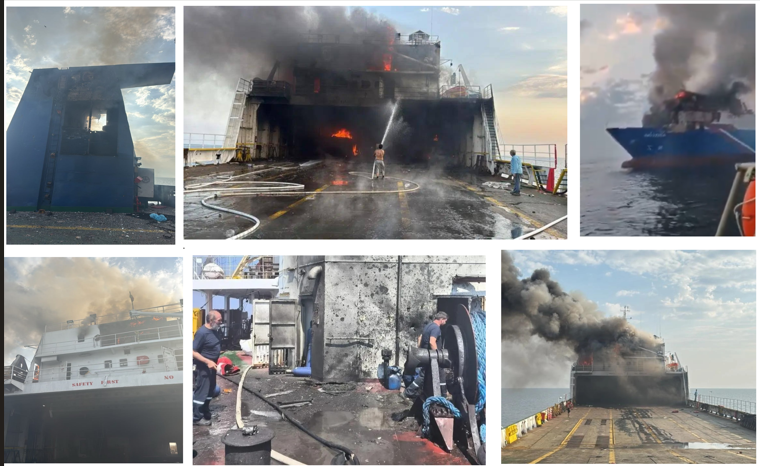
Neither Russia nor Ukraine issued any statements on the episode, leaving the question of accountability unresolved. No independently verified confirmation of the attack’s details was available from the vessel’s operator authorities at the time.
📜 The Montreux Convention: A Strategic Gatekeeper
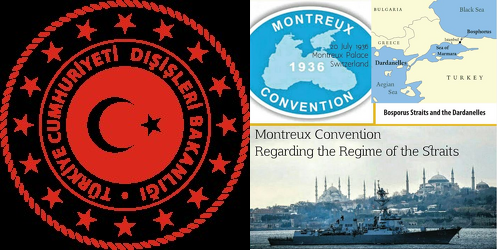
The Montreux Convention distinguishes between merchant vessels and warships:
Merchant ships: traditionally allowed free passage.
Warships: subject to Turkish restrictions, especially during wartime.
Turkey invoked wartime provisions in 2022 to block warships, aiming to prevent escalation. But now, by restricting commercial traffic, Ankara is stretching the boundaries of international law, a sign of how seriously it views the threat.
💥 Global Ripple Effects
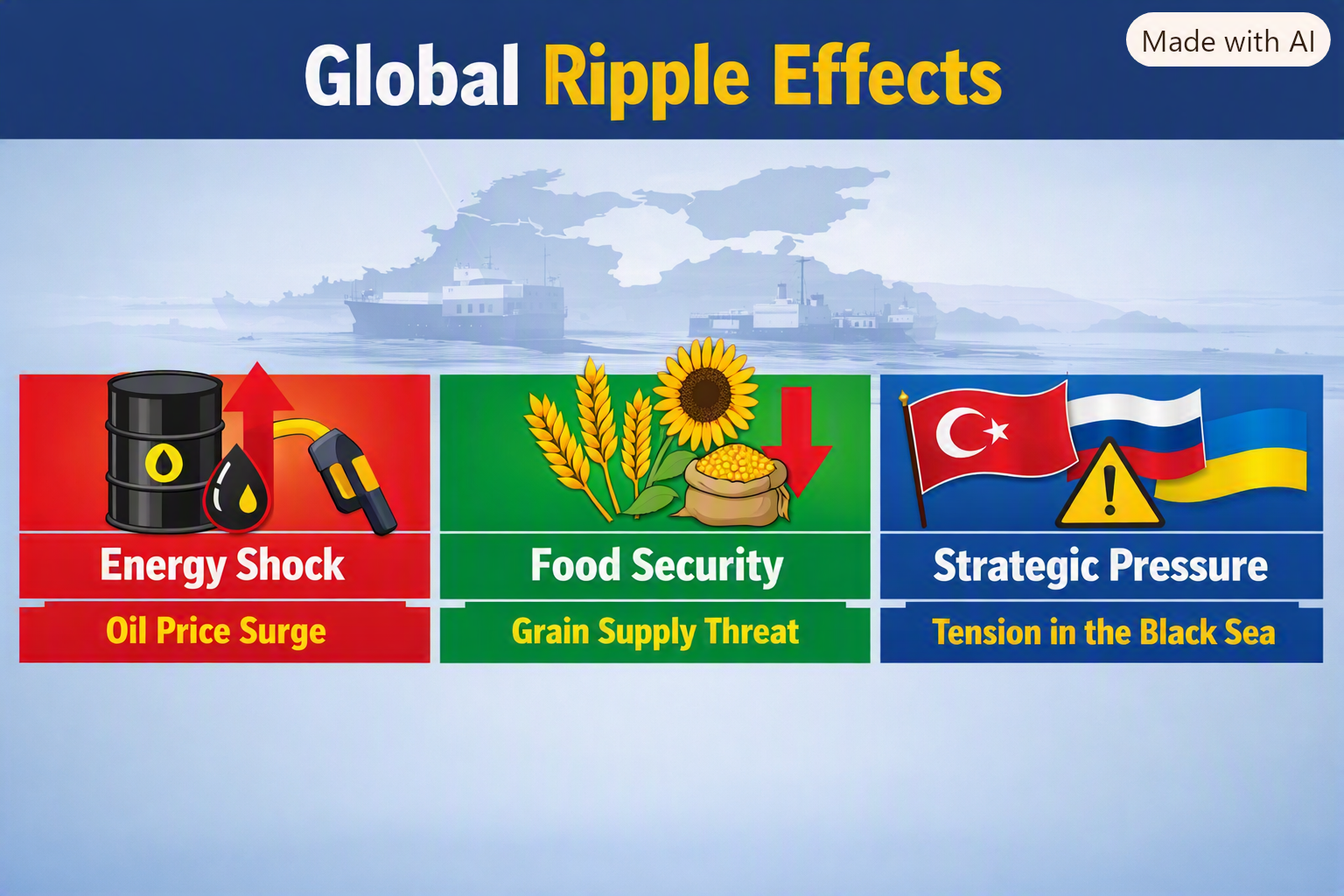
Energy Shock: The Black Sea is a major hub for Russian crude oil and refined products. Any disruption could spike global oil prices, hitting import‑dependent nations like India hard.
Food Security: Ukraine and Russia are among the world’s largest exporters of wheat and sunflower products; restrictions on Black Sea shipping risk destabilizing global grain markets.
Strategic Pressure: By tightening control, Turkey is signalling to both Moscow and Kyiv that civilian safety must be prioritised or risk further maritime lockdowns.
🛑 Turkey’s Message to Russia & Ukraine
Turkey has urged both sides to declare a moratorium on attacks in the Black Sea, warning that continued strikes on civilian vessels will force harsher restrictions. Ankara’s stance is clear: it will not tolerate its sailors being caught in the crossfire.
The Black Sea is no longer just a regional battleground - it’s a global chokepoint with consequences for energy, food, and security worldwide.
👉 Stay informed, share this analysis, and join the conversation: Will Turkey’s restrictions stabilize the region, or ignite a new maritime crisis?
Written by
Kartikeya RaoDiscussion (0)
Sign in to join the discussion.
Loading comments…